News related to
China

FUZHOU, CHINA – Media OutReach Newswire – 8 June 2025 – Fujian recently launched the “Marine Culture in Fujian” campaign, inviting experts to express their perspectives on the province’s successful marine culture. In this video, Shan Jixiang (Director of the Expert Committee of the Chinese Cultural Relics Society and Director of the Academic Committee of the Palace Museum) and several foreign students visited the traditional village of […]

Top trade officials from the United States and China are set to meet in London on Monday, 9 June, in a bid to ease escalating tensions over tariffs, technology transfers, and critical mineral exports. The announcement follows a 90-minute phone call between President Donald Trump and President Xi Jinping, during which both leaders agreed to resume dialogue and expressed cautious optimism about resolving key disputes. Leading the […]

Oil prices maintained stability following a notable rise as market participants reacted to constructive signals from high-level discussions between the United States and China. Brent crude hovered near $65 a barrel, positioning itself for a weekly advance that would mark its first since mid-May. Similarly, West Texas Intermediate settled close to $63, reflecting a cautious but optimistic outlook amid evolving geopolitical dynamics. The dialogue between President Donald […]

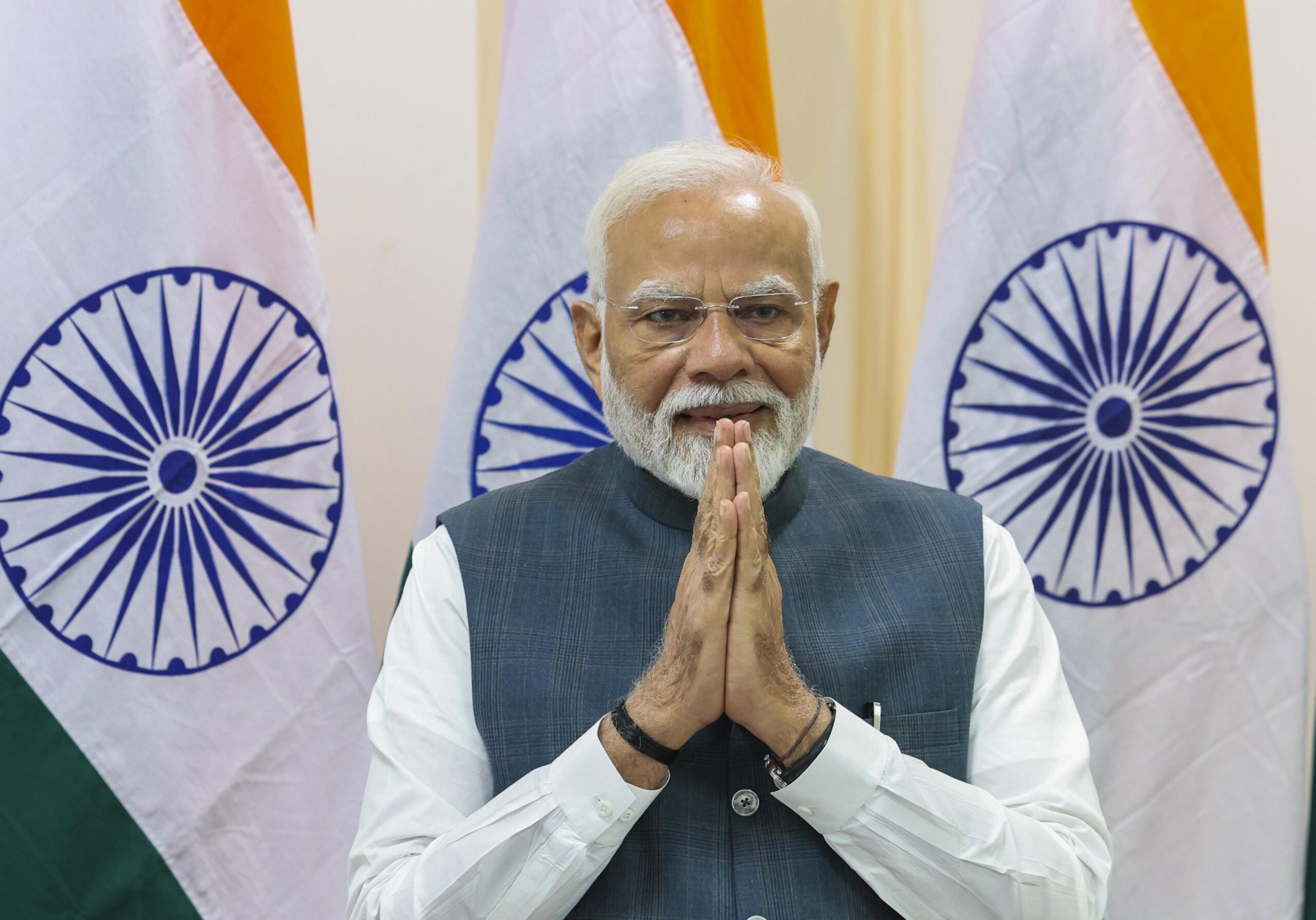
By Nitya Chakraborty 26 days have passed since the temporary truce in the limited four day war between India and Pakistan taking effect on May 10 this year. Prime Minister Narendra Modi has been talking of his three point doctrine since then, the most important of which is no dialogue with Pakistan unless the ruling […]

A cargo ship transporting approximately 3,000 vehicles, including 800 electric models, was abandoned in the North Pacific Ocean after a fire erupted on board, compelling all 22 crew members to evacuate. The vessel, identified as the Morning Midas, was en route from Yantai, China, to Lázaro Cárdenas, Mexico, when the incident occurred about 300 miles southwest of Adak Island, Alaska. Smoke was first observed emanating from a […]

SHENZHEN, CHINA – Media OutReach Newswire – 5 June 2025 – Leading smart device company OPPO today announced the signing of a global patent licensing agreement with Volkswagen Aktiengesellschaft (hereafter referred to as Volkswagen) to license OPPO’s cellular standard-essential patents portfolio to the group, including 5G. Under the agreement, OPPO’s cellular standard-essential patents will be licensed to Volkswagen to enhance user experiences for its connected vehicle offerings […]

Warnings from within the artificial intelligence industry are growing louder, as former insiders and leading researchers express deep concern over the rapid development of superintelligent systems without adequate safety measures. Daniel Kokotajlo, a former researcher at OpenAI and now executive director of the AI Futures Project, has become a prominent voice cautioning against the current trajectory. In a recent interview on GZERO World with Ian Bremmer, Kokotajlo […]

Advertisements

KUALA LUMPUR, MALAYSIA – Media OutReach Newswire – 5 June 2025 – May proved to be a rather challenging month for gold traders. XAUUSD, the primary financial instrument for trading gold, fluctuated in a relatively broad range between $3,120 and $3,435 per ounce (oz), but finished the month virtually unchanged, narrowly recording a fifth consecutive monthly gain. Although trading started on a bearish note, XAUUSD found support […]

Thailand’s tourism industry continues to grapple with significant challenges despite the temporary surge in visitor interest linked to the popularity of HBO’s hit series set on Koh Samui. The so-called “White Lotus effect” sparked a modest increase in Western tourists drawn by the picturesque island backdrop of the show. However, this spike has failed to reverse the broader downward trend that has gripped the sector, which remains weighed down by a complex mix of economic, geopolitical, and structural factors.

Tourism, which historically accounted for approximately 20% of Thailand’s GDP, has not rebounded to pre-pandemic levels. The government’s ambitious targets for visitor arrivals have consistently fallen short, with numbers lagging due to a combination of diminished demand from key markets, lingering travel restrictions in some regions, and competition from neighbouring countries aggressively courting tourists with attractive packages and incentives.

Koh Samui, often portrayed as a tropical paradise in the series, experienced an influx of curious travellers eager to visit the filming locations. Hotels and local businesses reported short-term gains, but these have proven insufficient to restore the overall health of the industry. Analysts note that the White Lotus effect highlights the growing influence of media and entertainment in shaping travel preferences but also underscores the limitations of relying on such ephemeral boosts without broader strategic support.

The pandemic fundamentally altered global travel behaviours, accelerating trends towards more cautious spending and preference for less crowded destinations. Additionally, the economic slowdown and inflationary pressures in Western countries have tightened discretionary budgets for leisure travel, further curbing outbound flows. Thailand, which relies heavily on long-haul visitors from Europe, North America, and Australia, has thus found itself at a disadvantage amid shifting global economic dynamics.

Geopolitical tensions in Southeast Asia and stricter visa and entry policies in response to health concerns have deterred potential visitors. While Thailand has progressively eased COVID-19 restrictions, some travellers remain wary of changing regulations and the unpredictability of travel protocols. This uncertainty contrasts with competitors like Vietnam and Malaysia, which have implemented more streamlined border policies to attract tourists.

The country’s tourism infrastructure also faces scrutiny. Despite being a longstanding favourite destination, several regions struggle with overdevelopment, environmental degradation, and inconsistent service standards. These issues have sparked calls for more sustainable tourism practices to ensure long-term viability. Efforts to diversify tourism offerings beyond beach resorts, such as promoting eco-tourism, cultural tourism, and wellness retreats, are gaining traction but require substantial investment and coherent policy frameworks to achieve scale.

The Thai government has responded with a series of incentives aimed at reviving the sector. These include marketing campaigns targeting emerging markets such as China, India, and the Middle East, where outbound travel is expected to grow. Subsidies and financial support for local businesses, infrastructure upgrades, and training programmes for hospitality workers form part of the recovery blueprint. Nonetheless, experts caution that the benefits of these measures will manifest gradually and hinge on geopolitical stability and global economic recovery.

Tourism operators highlight that the industry’s challenges extend beyond attracting visitors to addressing the quality of the visitor experience and the sustainability of growth. For example, concerns about overtourism in some hotspots have led to overcrowding and resource depletion, while lesser-known regions struggle to attract sufficient attention and investment. This imbalance has prompted calls for a more balanced approach that spreads economic benefits more evenly across the country.

Foreign direct investment in the tourism sector remains muted compared with previous years, reflecting broader investor caution about global economic uncertainties. The depreciation of the Thai baht has had mixed effects; while it makes the destination more affordable for foreign tourists, it also raises costs for imported goods and services crucial to the hospitality industry. Inflationary pressures on food, energy, and labour add to the operational challenges faced by businesses seeking to maintain profitability while keeping prices competitive.

Labour shortages persist as well, with many workers leaving the tourism sector during the pandemic to pursue alternative employment. This has led to difficulties in maintaining service quality and meeting seasonal demand peaks. The government has encouraged re-skilling and vocational training programmes, but the gap remains significant, especially in rural and less-developed areas.

Industry analysts point to the need for a comprehensive long-term strategy that integrates tourism with broader economic and social development goals. This would include embracing digital transformation to enhance marketing, customer engagement, and operational efficiency, as well as fostering partnerships between the public and private sectors to ensure resilience against future shocks.

Thailand’s brand as a travel destination continues to enjoy global recognition for its natural beauty, rich culture, and culinary appeal. However, sustaining this reputation requires ongoing adaptation to evolving traveller expectations, global trends, and environmental imperatives. While the White Lotus series has brought some renewed attention to specific locales, the industry’s recovery depends on deeper structural reforms and coordinated efforts at multiple levels.


Saudi Arabia is advocating for accelerated increases in oil production within the OPEC+ coalition, aiming to reclaim market share lost during past output cuts. The kingdom is reportedly pressing the group to raise supplies by more than 400,000 barrels per day for August and possibly September, signalling a clear shift in strategy amid evolving global energy demands.

The decision underscores Saudi Arabia’s intent to capitalise on high seasonal demand in the northern hemisphere summer months. By scaling back production curbs more aggressively, Riyadh seeks to boost revenue and solidify its influence over global oil markets as supply dynamics shift. This approach reflects broader geopolitical and economic calculations, especially as global economies adjust to fluctuating energy needs and the ongoing transition to cleaner energy sources.

OPEC+ has been managing oil supply carefully since 2020, following the severe demand shock caused by the pandemic and ensuing market volatility. Initial drastic cuts helped stabilise prices, but the alliance has gradually increased output to balance rising demand. Saudi Arabia, as the largest producer within OPEC+, holds substantial sway in determining the group’s production policies and has been central to managing these supply adjustments.

This move to hasten production hikes also coincides with concerns over emerging market demand and the possible impact of economic slowdowns in key economies such as China and Europe. Saudi officials appear confident that increased output will prevent rivals, including the US shale sector and other non-OPEC producers, from expanding their share amid tightening market conditions.

Industry experts highlight that Saudi Arabia’s push for faster supply growth may be aimed at pre-empting market share erosion by ensuring that OPEC+ remains the dominant supplier globally. Since mid-2022, the kingdom has carefully recalibrated its production to respond to volatile price trends and geopolitical uncertainties, including tensions in the Middle East and disruptions caused by sanctions on Russia.

The timing of the proposed output rise is critical. Summer months traditionally bring peak consumption due to higher energy needs for cooling in developed markets, which can drive up prices. Saudi Arabia’s intention to increase supply during this window suggests an effort to maximise returns while stabilising prices to avoid sharp fluctuations that could undermine consumer confidence and economic recovery.

Global oil markets remain sensitive to a variety of factors including inflationary pressures, currency fluctuations, and shifting consumer behaviour. While demand for fossil fuels is under pressure from environmental policies and the accelerating transition to renewables, oil remains a crucial commodity in the global energy mix. Saudi Arabia’s strategy to secure market share through supply management is thus seen as a pragmatic response to balancing short-term profitability with long-term market relevance.

OPEC+ member countries have historically struggled to reach consensus on output levels, with diverse national interests shaping negotiations. Saudi Arabia’s dominant position, reinforced by its vast production capacity and financial reserves, often allows it to influence group decisions. However, some members have expressed concerns about aggressive supply increases potentially undermining prices and fiscal stability.

The broader geopolitical landscape also plays a role in shaping OPEC+ policies. Tensions involving key players such as Russia, which holds a significant share in the alliance, and ongoing conflicts in the Middle East add layers of complexity to supply decisions. Riyadh’s leadership in pushing for larger hikes indicates confidence in managing these risks while maintaining its strategic goals.

Market analysts note that US shale producers have responded to higher prices by increasing output, albeit with some operational constraints. Saudi Arabia’s efforts to accelerate OPEC+ production are seen as a counterbalance to this trend, aiming to keep global supply within manageable limits and avoid price spikes that could trigger demand destruction or accelerate the shift to alternatives.

Saudi Aramco, the kingdom’s state-owned oil giant, plays a pivotal role in implementing the supply strategy. Its vast infrastructure, including refineries and export terminals, supports the planned output increases. Aramco’s ability to ramp up production rapidly without incurring excessive costs provides Saudi Arabia with a competitive edge in the global energy market.

Environmental considerations also influence production decisions. While the global push for net-zero emissions is intensifying, OPEC+ nations, led by Saudi Arabia, continue to argue for the essential role of oil in energy security and economic development. The kingdom is simultaneously investing in cleaner technologies and diversifying its economy to reduce dependence on hydrocarbons in the long term.

The interaction between Saudi Arabia’s production policy and global economic indicators remains closely monitored by investors and policymakers alike. Oil prices affect inflation rates, trade balances, and geopolitical stability, making OPEC+ decisions crucial beyond the energy sector. The kingdom’s assertive stance on output could signal a more proactive approach to managing these broader economic impacts.

Analysts emphasize that while Saudi Arabia seeks to regain market share, the volatility of global markets and uncertainties surrounding demand growth require cautious optimism. Supply increases must be balanced against potential oversupply risks, which could trigger price declines detrimental to all producers within OPEC+.

South Korea’s newly inaugurated President has signalled an intent to extend negotiations with the United States over critical trade agreements, aiming to secure more favourable terms that could shape the trajectory of the country’s export-driven economy. The administration recognises the complexity of current talks and the high stakes for sectors that form the backbone of South Korea’s global economic influence, including semiconductors, automotive manufacturing, and shipbuilding.

The president, Lee Jae-myung, who took office following a highly competitive election, has prioritised trade diplomacy with Washington as a cornerstone of his economic agenda. South Korea’s reliance on exports to the US market makes the outcome of these talks pivotal for sustaining growth and competitiveness. The decision to request additional time highlights the government’s cautious approach amid mounting international uncertainties and intensifying global supply chain disruptions.

Lee’s administration faces pressure to address contentious issues such as tariff reductions, intellectual property protections, and technology transfers that have been key sticking points in negotiations. American officials have pushed for greater access to South Korea’s semiconductor sector, a world leader in chip production, while Seoul is equally keen to safeguard its industrial strengths against onerous restrictions. Balancing these priorities requires delicate diplomacy, with the stakes heightened by rising geopolitical tensions in the Indo-Pacific region.

Economic analysts observe that the extended timeframe could provide South Korea with a strategic advantage, allowing deeper consultation with domestic industries and stakeholders. The government is expected to leverage this period to refine proposals that accommodate emerging global trends, including shifts in supply chain localisation, heightened environmental standards, and evolving digital trade frameworks.

South Korea’s chipmakers, which dominate global markets with advanced memory and logic chips, are particularly attentive to outcomes of the talks. Recent moves by the US to incentivise domestic semiconductor manufacturing through legislative packages have raised concerns about potential trade barriers and competitive disadvantages for South Korean firms. The extended negotiation window offers a chance to clarify terms and possibly negotiate exemptions or compensatory measures to protect the industry’s international standing.

Similarly, the automotive sector, a pillar of South Korea’s industrial base, stands to gain or lose significantly depending on trade terms. The rise of electric vehicles and changing regulatory regimes worldwide necessitate adaptive trade policies that accommodate new technologies and market realities. The extended talks will enable Seoul to press for provisions that support its carmakers’ access to the US market, while also addressing issues related to tariffs and environmental regulations.

Shipbuilding, another vital sector for South Korea’s economy, faces challenges from global competition and evolving demand patterns, especially as the maritime industry shifts towards greener technologies. Negotiations with the US could influence the sector’s export potential, especially if environmental standards or subsidy regulations become part of trade discussions. Lee’s government is likely to emphasise the need for fair competition frameworks that protect the industry while fostering innovation.

The broader geopolitical context also plays a significant role in shaping these negotiations. South Korea’s balancing act between its strategic alliance with the US and its economic ties with China demands a nuanced trade policy. With tensions escalating between the US and China, Seoul must navigate these complexities carefully, ensuring that its trade agreements do not alienate either partner while maximising economic benefits.

South Korea’s trade ministry has indicated a willingness to engage constructively with American counterparts, stressing the mutual benefits of a comprehensive deal. The government has also engaged business leaders and experts to gather insights and build consensus on negotiation priorities. This inclusive approach aims to ensure that trade agreements align with long-term national interests rather than short-term gains.

Lee’s outreach to Washington comes at a time when global trade dynamics are undergoing rapid transformation. Protectionist sentiments and the realignment of supply chains following the pandemic have created both risks and opportunities for export-driven economies. South Korea’s strategic response through extended negotiations seeks to position the country favourably in this new environment.

Industry observers note that while additional time may raise concerns about potential delays or uncertainties, it also reflects a pragmatic recognition of the complexities involved in modern trade agreements. The extended timeline allows for more thorough impact assessments, stakeholder engagement, and the incorporation of emerging trade issues such as digital commerce, data security, and sustainability commitments.

Lee’s government is also expected to pursue parallel initiatives to strengthen domestic competitiveness alongside trade talks. Investments in innovation, infrastructure, and workforce skills development are seen as complementary measures to enhance South Korea’s economic resilience in a volatile global market.

The trade discussions have attracted close attention from international partners and economic forums, given South Korea’s integral role in global supply chains. The outcome will not only influence bilateral relations with the US but also set precedents for future trade policies across the Asia-Pacific region.

The East African Crude Oil Pipeline , stretching 1,443 kilometres from Uganda to the Tanzanian port of Tanga, has passed the 60 percent completion mark, marking a significant step forward in one of Africa’s largest infrastructure projects. This progress highlights the accelerating momentum in the development of critical energy infrastructure in the East African region, with implications for the economies and geopolitics of multiple countries. The pipeline, […]

African countries face growing challenges in accessing international finance as global economic uncertainty and tightening monetary policies restrict foreign capital flows. Moody’s Investors Service has highlighted the urgent need for these nations to develop robust local debt markets denominated in their own currencies to mitigate risks associated with reliance on external funding. As global financial conditions tighten, foreign investors have become more cautious about exposure to emerging […]

Emerging markets are pushing higher again, and this time, the momentum isn’t misplaced. Behind the move is a growing body of evidence that the world’s most dynamic developing economies are demonstrating real economic resilience, despite a chaotic external backdrop. For investors, it’s a signal that deserves immediate attention. The surge in sentiment has been supported by improved financial market conditions, stronger currencies, and narrowing bond spreads. Business […]

Lee Jae-myung assumed the presidency of South Korea on June 4, pledging to revitalise the nation’s economy and pursue dialogue with North Korea to ease tensions on the Korean Peninsula. His inauguration follows a period of political upheaval marked by the impeachment and removal of former President Yoon Suk Yeol, who attempted to impose martial law.

In his inaugural address, Lee emphasised the need to restore democratic institutions and address economic challenges exacerbated by global protectionism and domestic instability. He committed to a pragmatic, pro-market approach, aiming to deregulate industries to foster innovation and business growth. Lee also highlighted plans to implement a greener energy policy and strengthen ties with North Korea through peaceful diplomacy, while maintaining a solid alliance with the United States.

Lee’s administration faces immediate pressure to resolve trade disputes with the United States, particularly over tariffs impacting key industries. The Bank of Korea has projected a 0.8% growth rate for 2025, influenced by U.S. President Donald Trump’s tariff policies and domestic political instability. Lee’s presidency marks a crucial shift in South Korean politics and diplomacy, balancing international relations with China, North Korea, Japan, and the U.S.

The newly elected president also outlined his vision for social reforms, including increased welfare spending, corporate taxes, and regulatory oversight of conglomerates. Despite past skepticism of big business, he has signaled pro-market intentions to renew economic confidence following a crisis under former President Yoon Suk Yeol. Challenges await, including economic instability, rising U.S. tariffs, and strained foreign relations. Lee aims to renegotiate trade terms with the U.S. and recalibrate relations with China, Japan, and North Korea, favouring diplomacy and South Korea’s autonomy in international affairs.

Lee’s ascent to the presidency is notable for his background as a factory worker and human rights lawyer, symbolising resilience through adversity. His victory is largely attributed to public discontent with Yoon’s administration. However, Lee’s presidency begins under the shadow of legal challenges, including accusations of making false statements during a past campaign. While courts have postponed further hearings, any conviction could test constitutional protections that shield sitting presidents from prosecution.

The financial markets reacted positively to Lee’s inauguration, with the Kospi index rising over 2.4%. Meanwhile, the Bank of Korea downgraded the nation’s growth forecast significantly due to a slowing economy and declining exports.

Lee’s administration follows a political crisis sparked by former president Yoon Suk Yeol’s brief imposition of martial law. With control of both the presidency and national assembly, Lee’s left-wing bloc is poised to enact reforms, including corporate governance changes aimed at empowering minority shareholders.

BEIJING, CHINA – Media OutReach Newswire – 3 June 2025 – On May 29, the 2025 Beijing Chaoyang International Tea Culture Week officially opened. This year’s festival, with a main venue at the Junwangfu Hotel, and a satellite venue at the China Central Place, creates a tea culture feast that blends tea tasting, opera appreciation, cultural experiences, and consumption. A colorful array of theatrical performances lights up […]

Added new locations in Japan, China, the UAE and Saudi Arabia, including the brand’s first resort La Clef Bangkok by The Crest Collection is set to open soon, bringing the brand’s number of operating properties in Southeast Asia to four Launches The Crest Chronicles, the inaugural brand programme celebrating the unique heritage stories that define each property and enrich guest experiences SINGAPORE – Media OutReach Newswire – […]

The European Union has enacted measures to restrict Chinese medical device manufacturers from participating in large-scale public procurement contracts, citing systematic discrimination against European suppliers in China’s domestic market. This decision marks the first use of the EU’s International Procurement Instrument , a mechanism designed to enforce reciprocal access to public tenders.

Under the new directive, Chinese firms are barred from bidding on EU public contracts exceeding €5 million for a duration of five years. The European Commission’s investigation revealed that 87% of Chinese procurement tenders contained explicit or implicit barriers against foreign medical devices. These barriers include complex certification requirements, opaque approval processes, and pricing structures that disadvantage non-domestic suppliers.

The Commission’s findings highlighted China’s “Buy China” policy and the “Made in China 2025” strategy as central to these discriminatory practices. These initiatives aim to increase the share of domestically produced medical devices in Chinese hospitals, with targets set at 70% by 2025. Such policies have led to a significant reduction in the approval of imported medical devices in various provinces, notably in Guangdong, where approved imports dropped from 132 in 2019 to 46 in 2021.

In response, the China Chamber of Commerce to the EU expressed strong concerns, arguing that the EU’s measures could disrupt bilateral trade relations. The Chamber emphasized that European companies have historically enjoyed broad access to China’s medical device market and warned against unilateral actions that might escalate tensions.

The EU’s decision aligns with its broader strategy to reduce dependency on external suppliers for critical goods, a policy often referred to as “de-risking.” This approach seeks to ensure that European industries are not overly reliant on non-EU countries, especially in sectors deemed essential for public health and safety.

Trade Commissioner Maroš Šefčovič is scheduled to meet with Chinese Commerce Minister Wang Wentao in Paris to discuss the implications of the new measures and explore potential resolutions. While the EU maintains that its actions are proportionate and aimed at restoring fair competition, it remains open to dialogue to address the underlying issues.

The implementation of the IPI reflects the EU’s commitment to enforcing fair trade practices and ensuring that European companies have equitable access to global markets. However, the move also underscores the growing complexities in EU-China trade relations, particularly as both parties navigate the challenges of balancing domestic interests with international obligations.

By Nantoo Banerjee Gaza’s Hamas militants face an unmitigated disaster as Israel is all set to take full control over Gaza strip after a gap of almost 20 years. Simultaneously, Israel seems to be gearing up to annex a substantial portion (Area C) of West Bank ignoring protests from France, the United Kingdom and Sweden […]

MANILA, PHILIPPINES – Media OutReach Newswire – 2 June 2025 – Jollibee, the flagship brand of Jollibee Group, continues its remarkable growth across Southeast Asia, recording strong sales performance and store expansion across key markets in the region. In Q1 2025, the brand achieved an impressive 27.8% systemwide sales growth across its Southeast Asia operations outside the Philippines, including Vietnam, Malaysia, Singapore, and Brunei. Jollibee’s strong showing […]

Showcasing Hong Kong’s Innovation and Technology Opportunities at Tsinghua and Peking University HONG KONG SAR – Media OutReach Newswire – 2 June 2025 – Hong Kong Science and Technology Parks Corporation (HKSTP) is actively expanding efforts to attract talent and enterprises to Hong Kong’s innovation and technology (I&T) sector. From 18 to 20 May, HKSTP led a delegation to Beijing, engaging with local I&T companies, industry associations, […]

Elon Musk has announced the rollout of XChat, a new messaging feature on the X platform, integrating end-to-end encryption, vanishing messages, and support for various file types. Developed in Rust, XChat also offers audio and video calling capabilities without requiring a phone number, marking a significant shift in the platform’s communication tools.

The introduction of XChat follows the discontinuation of X’s previous encrypted direct messaging system, which had been available to paid subscribers for two years. The new system is gradually being made accessible to premium users, with broader availability expected in the coming weeks.

Central to XChat’s security is its “Bitcoin-style” encryption, a term Musk uses to describe the platform’s adoption of elliptic curve cryptography . This method, also employed in Bitcoin transactions, provides robust security with smaller key sizes, enhancing performance and reducing resource consumption. While specific details about the encryption implementation remain undisclosed, the approach suggests a focus on decentralized and secure communication.

The choice of Rust as the programming language for XChat underscores a commitment to safety and performance. Rust’s emphasis on memory safety helps mitigate vulnerabilities common in other languages, such as memory corruption, which has been a significant source of security issues in software development.

XChat’s features extend beyond encryption. Users can send messages that automatically disappear after a set period, enhancing privacy. The platform supports the transfer of various file types, catering to diverse communication needs. Notably, audio and video calls can be made without linking to a phone number, allowing for greater anonymity and flexibility across devices.

This development aligns with Musk’s broader vision of transforming X into a comprehensive “everything app,” akin to China’s WeChat. By integrating messaging, calling, and file-sharing functionalities, X aims to become a central hub for users’ digital interactions. Plans are also underway to introduce X Money, a digital wallet service developed in partnership with Visa, enabling peer-to-peer payments and further expanding the platform’s ecosystem.

As XChat enters the competitive messaging landscape, it positions itself against established players like Signal and Telegram. While these platforms have long prioritized user privacy and security, XChat’s integration into the broader X platform offers a unique proposition. However, experts advise caution, noting that XChat has yet to undergo independent security audits, a standard practice for verifying the robustness of encryption protocols.

The move towards enhanced privacy features reflects a growing demand among users for secure communication channels. With increasing concerns over data breaches and surveillance, platforms that prioritize user confidentiality are gaining traction. XChat’s emphasis on encryption and user control over messages indicates an awareness of these concerns and a response to the evolving digital landscape.

KUALA LUMPUR, MALAYSIA – Media OutReach Newswire – 2 June 2025 – June 2025 is shaping up to be one of the most eventful months of the year for global markets. For traders, this means opportunity—but also volatility. The economic calendar is packed with macroeconomic data releases and central bank meetings, while geopolitical risks remain close to the surface. Beyond the usual inflation prints and interest rate […]

XINJIANG, CHINA – Media OutReach Newswire – 1 June 2025 – As engines roared across the vast desert skies, the 2025 Taklimakan Rally—dubbed the “Asian Dakar”—roared to life in China’s largest desert. This FIA-certified premier event stretches 4,500 kilometers across Xinjiang, including 2,350 kilometers of grueling special stages through the infamous “Sea of Death,” Gobi deserts, and dramatic Yardang landforms—terrain long revered as the ultimate test of […]

VISHNU RAJA
RYO YAMADA
HITORI GOTOH
IKUYO KITA