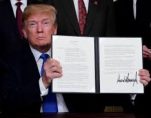
Trump Initiates Ceasefire Talks with Putin Amid Shift in U.S. Ukraine Policy
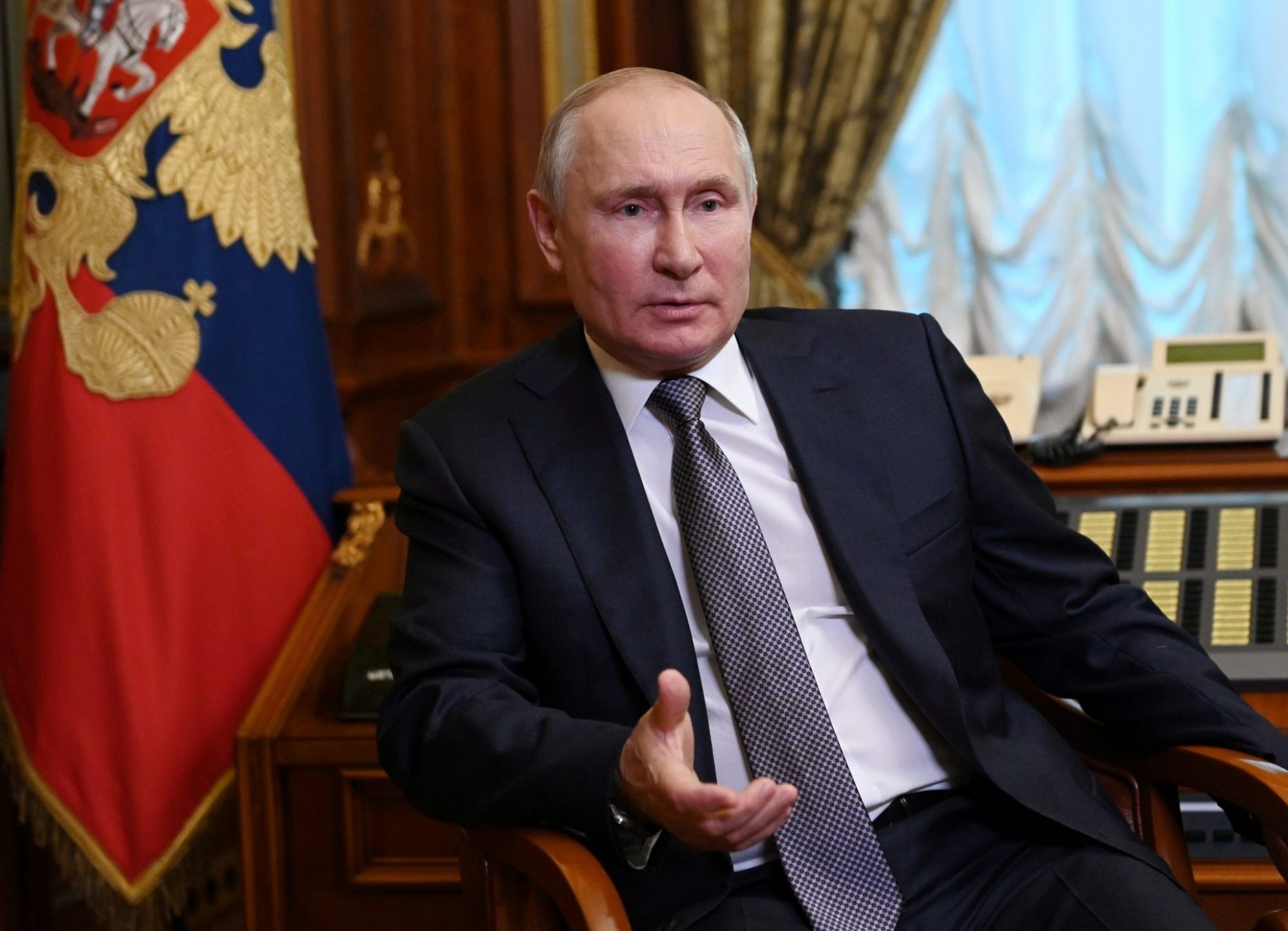
President Donald Trump has announced the commencement of ceasefire negotiations with Russian President Vladimir Putin, signaling a significant change in the United States’ approach to the ongoing conflict in Ukraine. Following a “lengthy and highly productive” phone call with Putin, Trump stated that both nations have agreed to initiate discussions aimed at ending hostilities.
This development comes as U.S. Defense Secretary Pete Hegseth declared that a return to Ukraine’s pre-2014 borders is “an unrealistic objective” in any prospective peace settlement. Hegseth emphasized that attempts to reclaim all lost territories would “only prolong the war and cause more suffering.” He further noted that the Trump administration does not support NATO membership for Ukraine as part of a peace agreement and expects European nations to assume greater financial and military responsibilities for Ukraine’s defense. The U.S., he added, will focus on its own security concerns and the strategic challenge posed by China, with no plans to deploy American troops to Ukraine.
In a separate conversation, Trump spoke with Ukrainian President Volodymyr Zelenskyy to discuss collaborative efforts to halt Russian aggression and establish a lasting peace. Zelenskyy expressed his commitment to working with the U.S. to determine the next steps toward achieving these goals. He is scheduled to meet with U.S. Vice President JD Vance and Secretary of State Marco Rubio at the upcoming Munich Security Conference to further these discussions.
The announcement of direct negotiations between the U.S. and Russia has elicited mixed reactions from European leaders. German Foreign Minister Annalena Baerbock, Latvian Foreign Minister Baiba Braže, Poland’s Foreign Minister Radosław Sikorski, and French Foreign Minister Jean-Noël Barrot have all emphasized the necessity of including Ukraine in any peace negotiations. Kaja Kallas, Vice-President of the European Commission for Foreign Affairs and Security Policy, stated, “In any negotiation, Europe must have a central role… Ukraine’s independence and territorial integrity are unconditional. Our priority must now be strengthening Ukraine and providing robust security guarantees.”
Critics argue that Trump’s approach, which includes acknowledging limitations to Ukraine’s territorial recoveries and ruling out NATO membership, risks undermining U.S. and Western strategic interests. They contend that offering concessions without securing concrete commitments from Russia could weaken Ukraine’s security and potentially lead to a resurgence of conflict.


 By K Raveendran Prime Minister Narendra Modi’s call for greater emphasis on the Global South in the evolving world order shaped by artificial intelligence is a strategic proposition. With AI becoming the most critical technological force of the 21st century, it is imperative that developing nations, particularly those in the Global South, have a role […]




 By Nantoo Banerjee With Indian Rupee (INR) dwindling almost daily against US Dollar (USD), it is good the Union Budget for 2025-26 has stopped repeating on making the Indian economy a $5-trillion GDP to become the world’s third largest by the end of this year or anytime too soon. The budget also provides no indication […]