News related to
China

By Nitya Chakraborty It is now official. After waiting for a few days since Donald Trump diluted the U.S. tariff rates for China and announced his intention for talks, China confirmed on Wednesday morning that a high level Chinese negotiating team will be visiting Switzerland for four days beginning May 9 to hold talks with […]

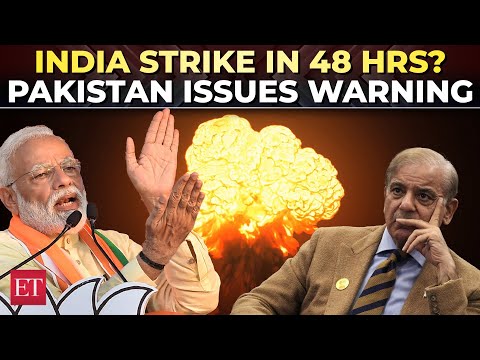
The United Arab Emirates has called upon India and Pakistan to exercise restraint and prioritise diplomatic engagement following a surge in cross-border hostilities that has heightened fears of a broader conflict in South Asia.

Sheikh Abdullah bin Zayed Al Nahyan, the UAE’s Deputy Prime Minister and Minister of Foreign Affairs, issued a statement on Wednesday urging both nations to avoid further escalation that could jeopardise regional and international peace. He emphasised that diplomacy and dialogue remain the most effective means of resolving crises peacefully and achieving shared aspirations for stability and prosperity.

The appeal comes in the wake of India’s missile strikes targeting nine sites in Pakistan and Pakistan-administered Kashmir, reportedly aimed at militant infrastructure linked to the April 22 attack in Indian-administered Kashmir that killed 26 tourists. India’s Defence Ministry stated that the strikes were focused, measured, and non-escalatory, asserting that no Pakistani military facilities were targeted. However, Pakistan reported that the attacks resulted in at least 19 casualties, including women and children, and damaged several mosques and a medical clinic.

In retaliation, Pakistan claimed to have shot down five Indian fighter jets and launched strikes into Indian-administered Kashmir, reportedly killing three people. The heightened conflict has led to school closures, disrupted international flights, and drawn global concern, with calls for restraint from China, the United Nations, and U.S. leaders.

Sheikh Abdullah’s statement underscores the UAE’s commitment to supporting initiatives aimed at peaceful conflict resolution and mitigating humanitarian consequences. He stressed the importance of heeding voices calling for dialogue and mutual understanding to prevent military escalation and strengthen stability in South Asia.

The UAE has a history of mediating in regional conflicts and has previously facilitated exchanges between conflicting parties. Its call for restraint reflects a broader international consensus urging India and Pakistan to de-escalate tensions and engage in constructive dialogue to resolve their longstanding disputes.

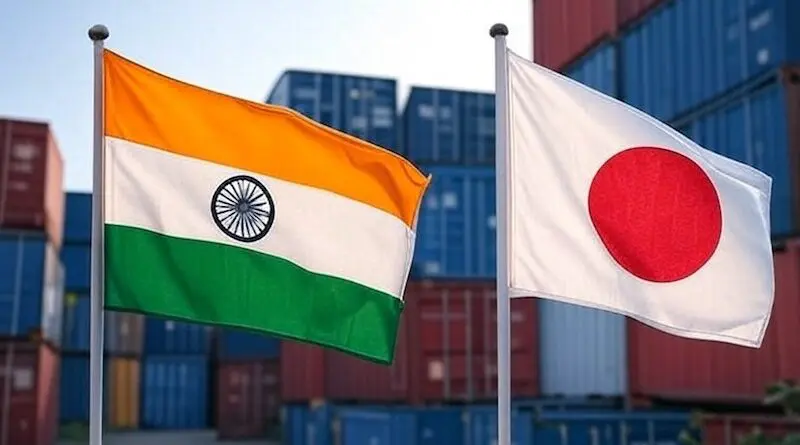
By Subrata Majumder India has emerged as the second most attractive destination for Japanese investors in Asia, after Singapore. It surpassed China, the most attractive place for Japanese investment in Asia for over four decades. Hitherto, India was eighth in 2020 in terms of getting investment from Japan. Latest Japanese interest in India manifests a […]

By Saifur Rahman When Ho Kwon Ping, a young Stanford drop-out, saw an abandoned tin mine in Thailand’s Bang Tao Bay in Laguna Phuket area in 1984, he didn’t know what to do with it as the land that was dimmed ‘useless’ by its former occupiers. It was a patch of a waste land with no activities then. In his Stanford days, he was a firebrand social […]

KUALA LUMPUR, MALAYSIA – Media OutReach Newswire – 6 May 2025 – This Thursday, Bank Negara Malaysia (BNM) will announce its policy rate decision. While most analysts expect no change, Octa Broker suggests that a rate cut is on the table and is highly likely to take place later this year due to subdued inflation, stronger ringgit, and a higher likelihood for Fed rate cuts. On Thursday, […]

Capital A Berhad, the parent company of budget airline AirAsia, is preparing for a secondary listing on the Hong Kong Stock Exchange, aiming to raise at least $200 million. This move is part of a broader strategy to access deeper pools of capital in Greater China and to support the company’s ongoing financial restructuring.

The proposed listing follows a series of significant financial maneuvers by Capital A, including a $226 million private placement completed in March 2025. This placement featured a $100 million investment from Saudi Arabia’s sovereign wealth fund, with additional contributions from investors in Singapore and Japan. These funds are intended to bolster the company’s capital base and facilitate its exit from Malaysia’s financially distressed PN17 classification.

Capital A has also secured a $443 million revenue bond, with $200 million provided by Ares Management Corp and Indies Capital Partners. This financing is earmarked for reactivating aircraft grounded during the pandemic and refinancing existing lease liabilities, thereby strengthening the company’s balance sheet.

The company is undergoing a significant restructuring, including the sale of its aviation business to long-haul affiliate AirAsia X. This consolidation aims to unify short and long-haul operations under a single AirAsia brand, streamlining operations across Malaysia, Thailand, Indonesia, the Philippines, and Cambodia. The merger is expected to create a new listed entity valued at approximately $1.42 billion.

Capital A’s financial performance has shown signs of recovery, with a net profit of RM2.01 billion reported in the third quarter of 2024, partly due to foreign exchange gains. The company anticipates a return to profitability in 2025, following a loss of $106.5 million in 2024 attributed to one-off forex losses.

The Hong Kong listing is seen as a strategic move to tap into the region’s revitalized equity markets and attract mainland Chinese investors. Capital A is reportedly close to appointing an international investment bank to advise on the listing structure and process, pending internal reviews and regulatory approvals.

CEO Tony Fernandes has emphasized that the company’s financial uncertainties are linked to pending milestones rather than underlying business strength. He remains confident in completing the regularization and restructuring efforts by June 2025.

As part of its commitment to transparency, Capital A has announced plans to publish internal business targets alongside quarterly results. This initiative aims to provide investors with a clearer picture of the company’s financial outlook and progress toward its strategic goals.

The company’s efforts to exit PN17 status are progressing, with shareholder approval secured for the aviation business disposal and a vote scheduled for May 7 to revoke its distressed classification. Capital A also plans to retain an 18% stake in the resulting AirAsia airline group, focusing on its non-aviation businesses, including logistics firm Teleport and aircraft maintenance company Asia Digital Engineering.

Greenlogue/AP Iraq’s Ministry of Electricity is intensifying efforts to bolster its renewable energy capacity, engaging in virtual discussions with officials from the UAE’s Masdar to expedite the development of solar power projects totaling 1,000 megawatts across the provinces of Maysan, Dhi Qar, and Anbar. The meeting, led by Electricity Minister Ziyad Ali Fadel, focused on finalising power purchase agreements and addressing implementation challenges, according to a statement […]

Advertisements

Matein Khalid I  have not exactly been reticent in my conviction since last autumn that King Dollar was on the precipice of a seminal monetary regime shift that could mean 40% downside risk on its trade weighted index, as in 2001-06. Yet not in my wildest dreams did I anticipate that the New Taiwan dollar would surge 8% against the greenback, its best performance in 42 years, in […]

By Nantoo Banerjee Amazing are the ways of the Indian government and the country’s political satraps to deal with frequent Islamist terror attacks on India’s innocent citizens. In the last one month or so, the organized Islamist terror in West Bengal’s Muslim-majority Murshidabad district had led to massive destruction and displacement of over 150 Hindu […]

The Middle East and North Africa region is poised to experience indirect economic repercussions from the intensifying trade conflict between the United States and China, primarily through diminished global growth prospects and declining energy prices, rather than direct trade disruptions. Moody’s Investors Service has highlighted that the exclusion of oil and gas from the latest US tariff measures mitigates immediate direct impacts on MENA economies. However, the […]

Oil prices fell sharply following OPEC+’s decision to boost output, sparking fears of a global supply glut as demand struggles under the weight of ongoing trade tensions. The agreement reached at the group’s meeting on Saturday saw leaders of the alliance, which includes key producers like Saudi Arabia, Russia, and others, pushing for a significant increase in production. This shift aims to penalise nations that have exceeded their production quotas, notably Kazakhstan. The move, however, has drawn concern from analysts, who warn that further supply increases could exacerbate an already fragile market.

Brent crude, the global benchmark, plummeted by as much as 4.6% at the start of the week, dipping to around $58 a barrel. Meanwhile, West Texas Intermediate saw similar losses, nearing $56 per barrel. This decline marks a significant departure from the earlier momentum in the oil markets, where prices had seen steady gains amid hopes for recovery from global economic slowdowns.

The decision to raise output comes amid an already oversupplied market, with oil producers grappling with the dual challenges of muted demand and an ongoing trade war between major economies. Experts point to the trade dispute between the United States and China as a key factor driving global uncertainty. The tension has disrupted trade flows, suppressed consumer confidence, and led to a slowdown in economic growth, all of which have negatively impacted demand for oil.

The OPEC+ agreement was driven by a desire to exert control over the oil market and curb overproduction by certain members. Kazakhstan, in particular, had been producing more than its share of the agreed output, prompting OPEC+ to take action. While the group has long sought to enforce production limits to stabilise prices, the recent decision to increase supply—at a time when demand remains weak—has raised questions about the balance between supply and demand.

Experts are now analysing the long-term consequences of this policy shift, with many cautioning that the extra supply could further depress prices if demand fails to pick up in the coming months. Economists note that the global trade environment remains volatile, with growth projections for key oil-consuming nations being revised downward. The trade war between the US and China, the world’s two largest economies, continues to overshadow the global outlook, weighing heavily on both manufacturing and consumer demand.

Another factor adding to the complexity of the oil market is the shifting energy landscape. As countries transition toward renewable energy sources and electric vehicles, the traditional demand for fossil fuels is being redefined. Oil companies are already facing mounting pressure from governments and environmental groups to reduce their carbon footprints, which could further dampen future demand for oil.

In response to these challenges, OPEC+ has stated that it will continue to monitor the market and adjust its policies accordingly. However, the recent price drop has raised doubts about whether the group’s strategy is sustainable in the long term. While the alliance has managed to keep oil prices relatively stable over the past few years, there are concerns that the increasing production targets could lead to a supply glut that could destabilise the market further.

At the same time, the decision to increase output is likely to put additional strain on oil-producing countries that rely heavily on revenue from fossil fuels. Nations such as Saudi Arabia, which has been the leading force behind OPEC+, are particularly sensitive to fluctuations in oil prices, as the commodity is a major driver of their economies. The possibility of continued price volatility could prompt these nations to reassess their production strategies, especially if revenue from oil exports falls short of expectations.

HONG KONG SAR – Media OutReach Newswire – 4 May 2025 – From March to April 2025, JCI Victoria conducted an online survey to examine the current situation, barriers, and needs of people with disabilities in Hong Kong regarding sports participation. The survey received responses from 285 participants. Over half of the respondents felt that the current sports resources provided by the government or sports organizations do […]

Arabian Travel Market 2025 concluded on 1 May at the Dubai World Trade Centre, drawing over 55,000 industry professionals from 166 countries—a 16% increase in attendance compared to the previous year. The event featured more than 2,600 exhibitors across 13 halls, reflecting the robust recovery and transformation of the global travel and tourism sector.

This year’s theme, “Global Travel: Developing Tomorrow’s Tourism Through Enhanced Connectivity,” underscored the pivotal role of technology and sustainability in shaping the future of travel. The Travel Tech segment experienced a 25% year-on-year growth in exhibitors, highlighting the industry’s commitment to innovation. Companies such as Amadeus, Huawei, Sabre, Expedia, Travelport, Hotelbeds, and WebBeds showcased advancements in artificial intelligence , blockchain, and augmented reality, aiming to revolutionize travel experiences.

AI’s transformative impact on aviation was a focal point, with discussions on its applications in optimizing flight routes, enhancing weather monitoring, and improving airport efficiency. Airports like London Heathrow and Gatwick have already implemented AI-powered systems for air traffic management, reducing delays and streamlining operations. Airlines such as Emirates and Etihad are leveraging AI to offer personalized services and seamless check-ins, aligning with the UAE’s commitment to integrating technology into sustainable development.

Sustainability was prominently featured, particularly the adoption of sustainable aviation fuel . The International Air Transport Association projects SAF production to reach 2.1 million tonnes by 2025, doubling from the previous year. Emirates and Etihad have begun incorporating SAF into operations on key routes, including London, Paris, and Singapore, marking significant strides toward reducing the aviation industry’s carbon footprint.

The event also highlighted the resurgence of corporate travel, with the introduction of IBTM@ATM, a specialized segment focusing on business travel. Research indicates that 40% of businesses plan to increase travel budgets in 2025, signaling a positive trend for the sector. This resurgence is expected to drive innovations in tailored travel services, expanded flight routes, and enhanced connectivity.

Asia emerged as the fastest-growing region at ATM 2025, with a projected 27% year-on-year increase in exhibitors. India’s participation surged by 41%, reflecting the country’s expanding tourism market. Countries such as Japan, Macao, the Maldives, Mauritius, South Korea, Thailand, the Philippines, China, Cambodia, Nepal, and Sri Lanka also played pivotal roles, contributing to the event’s diverse international presence.

The Middle East showcased significant growth, with a 17% increase in exhibitor participation. Saudi Arabia’s presence was notable, featuring its giga projects and prominent private sector companies. Europe maintained steady growth at 12%, while participation from Africa and the Americas remained consistent with the previous year.

ATM 2025 featured over 200 high-profile speakers across 60 conference sessions, spread across three main stages: the Global Stage, Future Stage, and the newly introduced Business Events stage. Key sessions addressed topics such as generational trends influencing hyper-personalization in luxury travel, the pervasive role of AI, and data-driven strategies for destination transformations.


Saudi Arabia, the leading member of OPEC, has been pursuing an unconventional strategy in recent months, opting to lower oil prices in an effort to restore discipline within the group. The move marks a stark contrast to the traditional approach of pushing prices higher, a tactic long favoured by OPEC to maximise revenue. However, Riyadh’s shift in approach reflects the kingdom’s growing frustration with certain OPEC+ members, […]

The United States is deliberating the possibility of easing restrictions on Nvidia Corp.’s semiconductor sales to the United Arab Emirates , according to sources familiar with the ongoing discussions. The potential shift in policy comes as President Donald Trump is preparing for an upcoming visit to the Gulf region, where talks about a bilateral semiconductor deal could be initiated. Sources with direct knowledge of the matter disclosed […]

Gautam Adani’s conglomerate has suspended discussions with Israel’s Tower Semiconductor regarding a proposed $10 billion semiconductor manufacturing facility in Maharashtra, citing strategic and commercial uncertainties.

The project, approved by Maharashtra’s state government in September, aimed to produce 80,000 wafers per month and create approximately 5,000 jobs. It was envisioned as a significant step towards bolstering India’s semiconductor industry under the national ‘Make in India’ initiative.

According to individuals familiar with the matter, Adani Group’s internal evaluation raised concerns about the project’s viability, particularly regarding domestic demand for semiconductors. One source noted that the group questioned whether the Indian market could absorb the output, given its nascent stage in semiconductor consumption. UBS estimates indicate that India accounts for only 6.5% of global semiconductor demand, in contrast to the combined 54% share held by the United States and China.

Financial considerations also influenced the decision. While Tower Semiconductor was expected to provide technological expertise, Adani Group reportedly sought a more substantial financial commitment from its partner. A source indicated that Adani desired Tower to have “more skin in the game” financially, beyond its role as a technology provider.

Donald Trump, upon commencing his second term as the 47th President of the United States, proclaimed the onset of a “golden age” for the nation. His inauguration speech outlined an ambitious agenda aimed at reshaping domestic and foreign policies, with immediate and far-reaching implications.

Central to Trump’s address was a commitment to restoring national sovereignty and security. He announced the declaration of a national emergency at the southern border, emphasizing the cessation of illegal immigration. This move aligns with his broader immigration strategy, which includes the suspension of refugee admissions and the initiation of efforts to end birthright citizenship.

In a significant restructuring of the federal government, Trump introduced the Department of Government Efficiency , led by Elon Musk. This new department is tasked with streamlining government operations and reducing bureaucratic inefficiencies. Early reports indicate that D.O.G.E. has already identified potential savings amounting to $150 billion.

Trump’s economic policies focus on revitalizing American industry and addressing trade imbalances. He announced the implementation of steep tariffs, particularly targeting imports from China, Mexico, and Canada. Additionally, he introduced the concept of an “External Revenue Service” to collect tariffs and taxes from foreign entities, aiming to bolster domestic revenue streams.

Environmental regulations underwent immediate revisions, with Trump revoking the electric vehicle mandate and withdrawing from the Paris Climate Agreement. He emphasized a return to fossil fuel production, including the reinstatement of coal mining operations, positioning these actions as measures to protect American jobs and energy independence.

On social policy, Trump declared that the U.S. government would officially recognize only two genders: male and female. He also announced the dismantling of the Department of Education and the repeal of diversity and inclusion measures, advocating for a merit-based, colorblind society.

Internationally, Trump signaled a shift in foreign policy by expressing intentions to reclaim the Panama Canal and by withdrawing from the World Health Organization. He also imposed sanctions on the International Criminal Court, reflecting a broader strategy of redefining U.S. engagement with global institutions.

Notably absent from Trump’s speech was any mention of cryptocurrency or Bitcoin. This omission had immediate repercussions in the financial markets. Bitcoin’s value dropped by 3.2%, and the $TRUMP memecoin experienced a 15% decline. The broader cryptocurrency market saw liquidations exceeding $1.2 billion, marking one of the most significant downturns in the sector’s history.

Zambia’s First Lady, Mutinta Hichilema, participated in a ceremony acknowledging the donation of flood relief materials by the All-China Women’s Federation. The event, held at the Projects Centre in Lusaka, underscored the strengthening ties between Zambia and China amid ongoing humanitarian efforts. The donation, comprising essential supplies such as food items and blankets, was presented by Ms. Wang Li, Counsellor at the Chinese Embassy in Zambia. Ms. […]

Tensions between India and Pakistan have escalated following a deadly attack on Hindu tourists in Indian-administered Kashmir, resulting in 26 fatalities. Both nations have exchanged accusations, with India blaming Pakistan-based militants and Pakistan denying involvement. Diplomatic relations have deteriorated, and both countries have expelled each other’s nationals. The situation has raised concerns about the possibility of military conflict between the nuclear-armed neighbours. Pakistan’s Information Minister, Attaullah Tarar, […]

Gold reached an all-time high of $3,432.77 per ounce in April 2025. The climb has been steady, underpinned by sustained demand and fundamental global shifts. The next milestone, $5,000, is firmly in sight, I believe. Capital is realigning. Central banks, institutions, and private investors are adjusting their positioning in response to clear macro realities: weakening currencies, structural inflation, declining real yields, and geopolitical instability. In this environment, […]

HANGZHOU, CHINA – Media OutReach Newswire – 30 April 2025 – From April 23 to 25, the Third UNESCO High-Level Forum for Museums was held in Hangzhou. Gathering over 190 museum directors, experts, and institutional representatives from more than 60 countries and regions around the world, the forum focused on in-depth discussions around key topics, including “The Evolution and Transformative Role of Museums”, “The Application of Digital […]

By K Raveendran Trump’s aggressive tariff war with China – built on a throwback protectionist logic more suited to the 1800s than today’s intertwined economy – has driven Chinese firms to redeploy their strategies. Major Chinese exporters, now facing punitive U.S. tariffs as high as 145 percent, are desperately seeking other markets and partners. Chinese […]

MACAU SAR – Media OutReach Newswire – 30 April 2025 – In celebration of the 30th anniversary of diplomatic relations between China and Monaco, Galaxy Macau™ proudly presents the “Galaxy Music Gala: A Musical Journey from Monaco to Macau“. On May 21. This prestigious evening of classical music celebrates the deepening friendship between China and Monaco over the years with musical charm, further promoting exchanges and cooperation […]

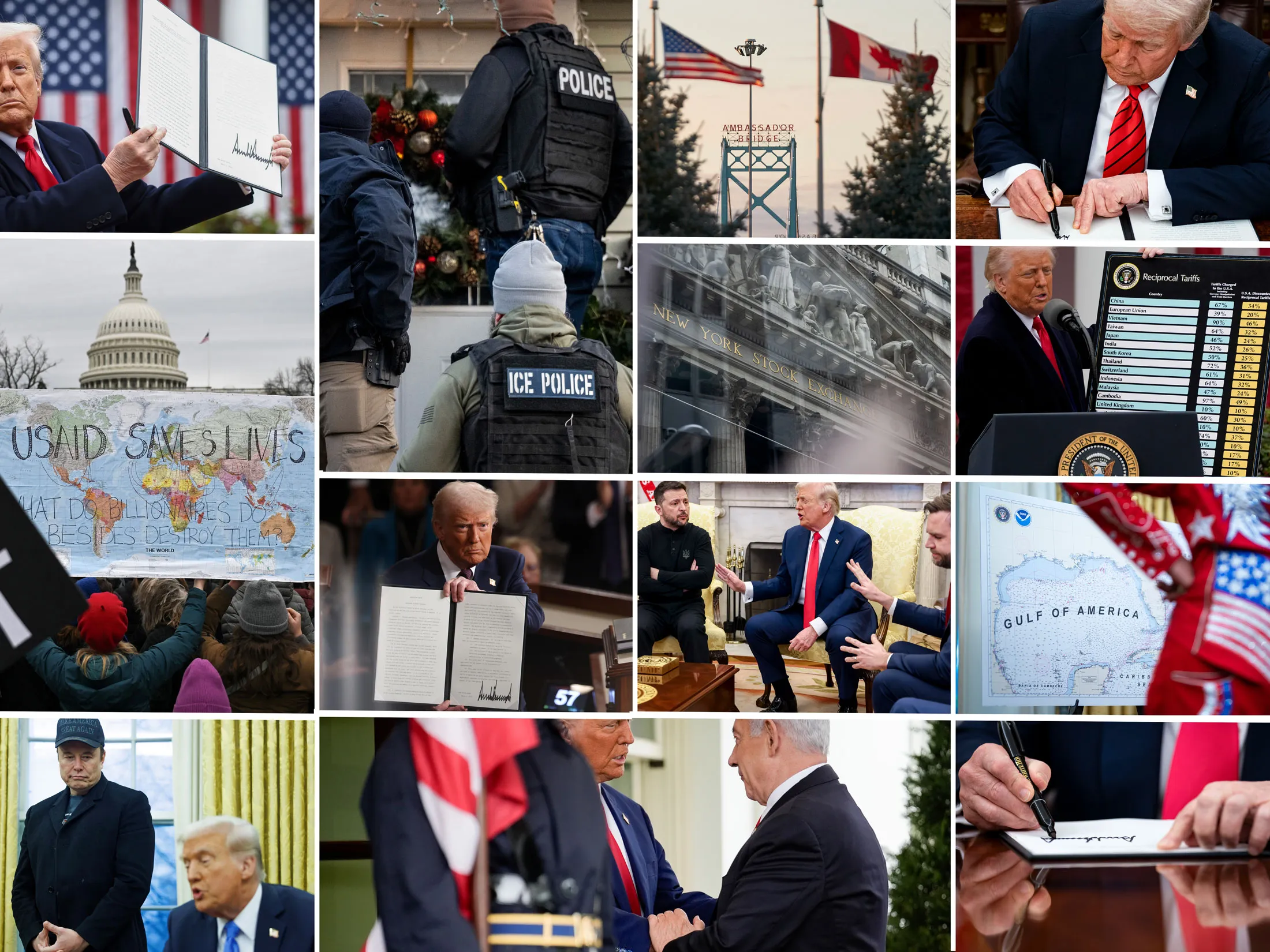
By Nitya Chakraborty The United States of America President Donald J. Trump has completed his first one hundred days in office in his second non-consecutive term on April 29, Tuesday amidst continuing global disorder over his chaotic policies — unilateral tariffs hike, failure to establish peace in Gaza with Israeli killing spree continuing unabated and […]

VISHNU RAJA
RYO YAMADA
HITORI GOTOH
IKUYO KITA