News related to
China

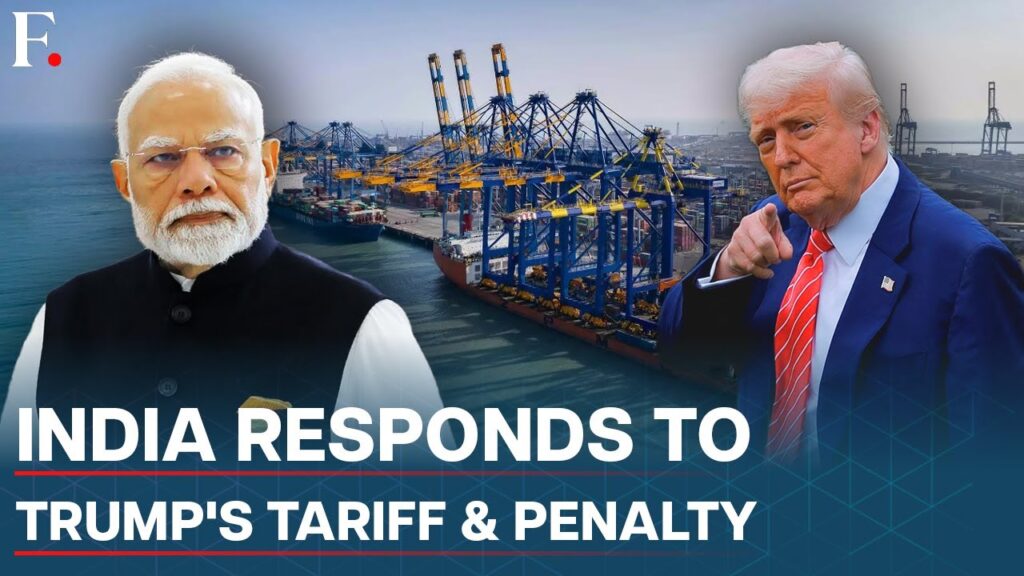
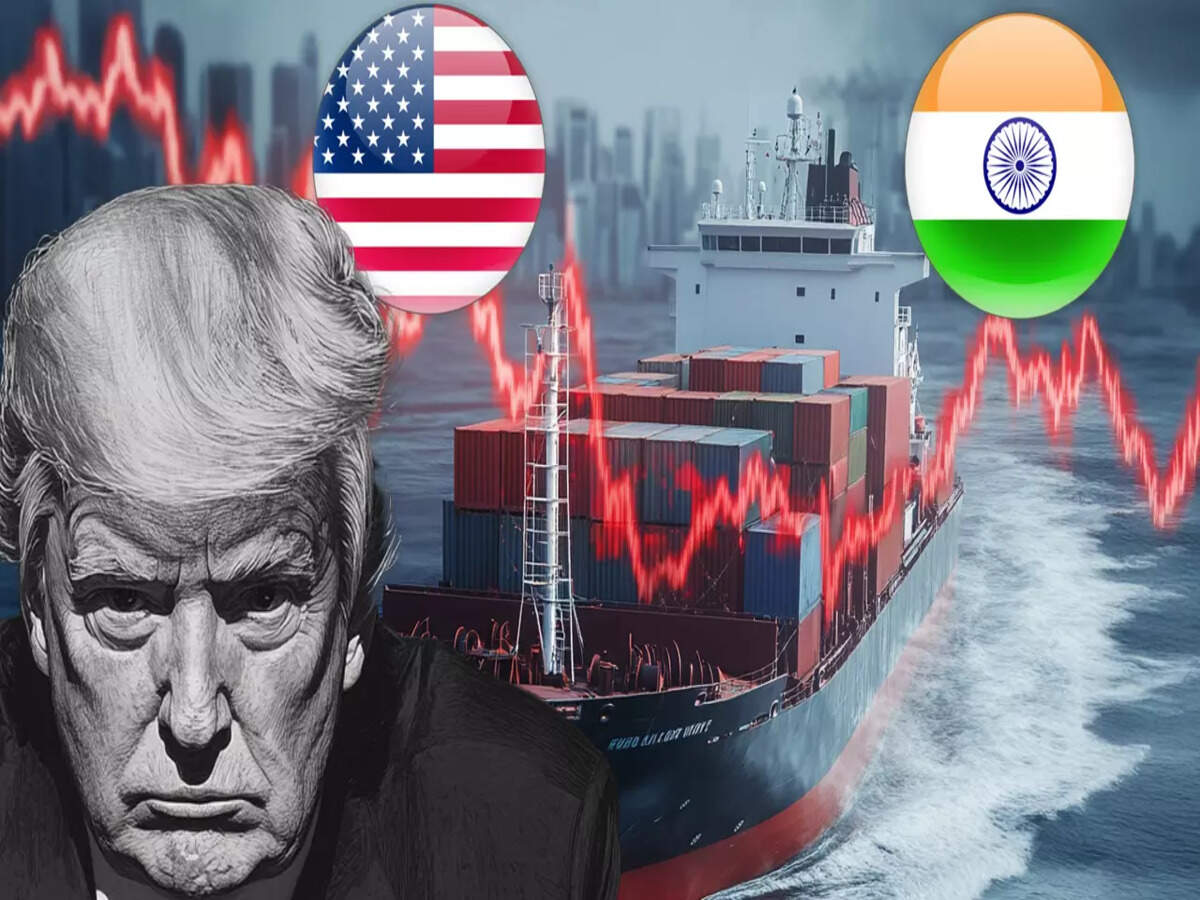
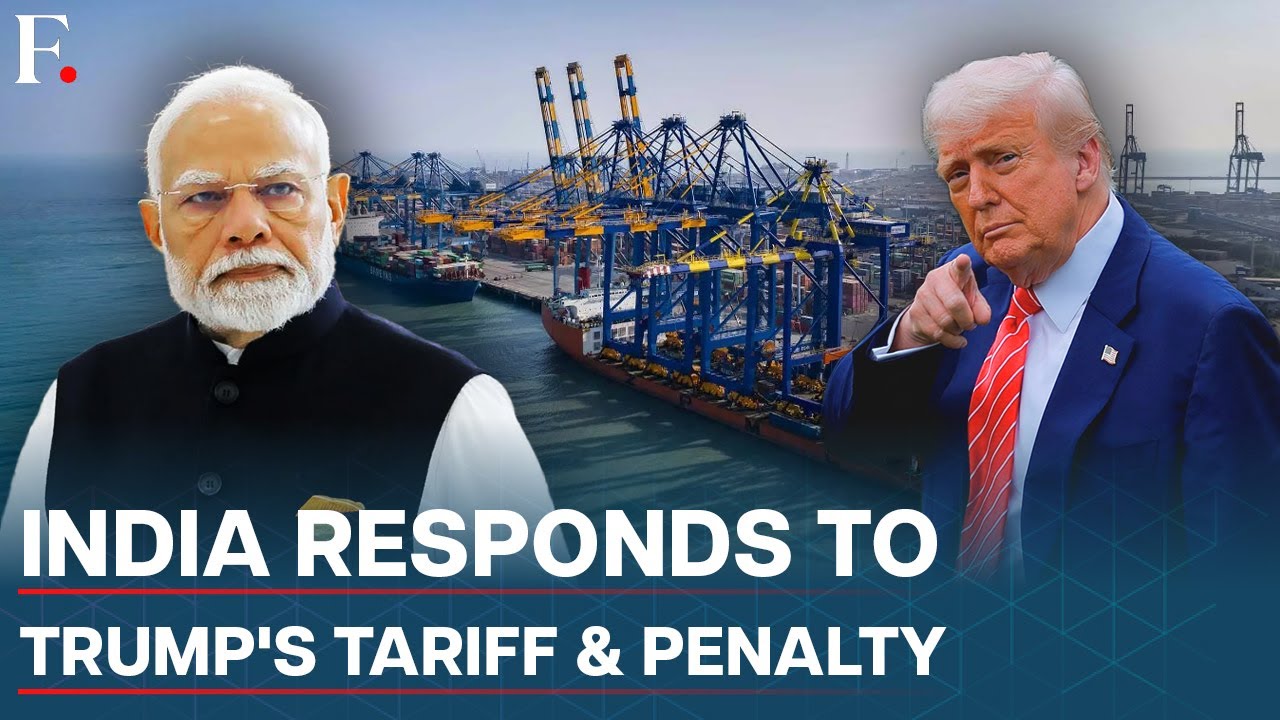
US President Donald Trump has announced plans to significantly raise tariffs on exports from India, citing the country’s oil purchases from Russia as the primary reason for the move. The statement marks an escalation in tensions between the two countries, with both sides having clashed over trade policies and geopolitical issues in recent years.

Trump’s remarks, made on social media, have ignited a strong response from New Delhi, which views the threat as unjustified and damaging to its economic interests. The US President criticized India’s ongoing imports of Russian crude oil, calling the move a betrayal, as the West intensifies efforts to isolate Moscow over its invasion of Ukraine. He pointed out that India’s purchases were then being resold on the international market for profits, further compounding the situation.

The US government has consistently condemned the sale of Russian oil to countries that are still buying from Moscow amid global sanctions designed to cripple the Russian economy. These sanctions, which were imposed by the US and its allies in response to Russia’s aggressive actions in Ukraine, have led to a complex diplomatic web, with several nations, including India, caught in the middle.

While the US and European Union have significantly reduced their oil imports from Russia, countries like India and China have stepped in to fill the gap, buying discounted crude oil from Moscow. India, in particular, has ramped up its purchases of Russian energy, a decision that is seen by many as a strategic move to secure energy resources at lower costs. These purchases have helped India maintain its economic growth amidst the energy price crisis exacerbated by the war in Ukraine.

The announcement by Trump that tariffs on Indian goods would be substantially raised could have serious repercussions for trade between the two nations. India is one of the United States’ largest trading partners, and any significant tariffs would undoubtedly affect a range of industries, from agriculture to technology. In 2022, the bilateral trade between the two countries surpassed $150 billion, with India exporting a wide array of goods to the US, including textiles, chemicals, and pharmaceuticals.

The Indian government, however, has rejected Trump’s claims, arguing that its oil purchases from Russia are in line with its energy security needs and do not violate any international laws. New Delhi has maintained a neutral stance on the war in Ukraine, calling for dialogue and diplomacy to resolve the crisis rather than escalating sanctions and pressure on Russia.

India’s position reflects a broader strategy of balancing its foreign relations with both the West and Russia. While it maintains strong ties with the US and Europe, it also values its long-standing relationship with Russia, particularly in defense and energy sectors. Over the years, Russia has been a reliable supplier of defense equipment to India, a factor that continues to shape India’s foreign policy decisions.

The economic impact of higher tariffs could have a ripple effect on both countries’ economies. India could face higher costs for its exports to the US, which might lead to inflationary pressures within certain sectors. For the US, such tariffs could result in higher prices for American consumers on imported goods, potentially exacerbating inflation at a time when the country is already grappling with economic challenges.

The political fallout from Trump’s threat to raise tariffs could further complicate efforts to resolve trade disputes between the US and India. Both nations have been working on strengthening their strategic and economic ties, but issues like tariffs and energy trade could undermine this progress. Negotiations over trade deals, such as the proposed free trade agreement, may now face significant hurdles as both sides dig in their heels.

The decision to increase tariffs on India could also have wider implications for the global economy. It might set a precedent for other nations to retaliate against countries purchasing Russian oil, particularly those in the Global South who have not been willing to fully sever their economic ties with Moscow. This could potentially fragment the global energy market even further, making it harder for countries to secure stable and affordable energy supplies.

This development highlights the growing division between the US-led West and countries that have opted to remain neutral or continue engaging with Russia. As the war in Ukraine shows no sign of abating, the economic and diplomatic repercussions of these decisions are likely to continue shaping global relations for the foreseeable future.

With its signature ‘All-Day Chill’ the gaga café phenomenon comes to Galaxy Macau, marking outlet number 99 for the Shenzhen-born brand that’s quietly redefining contemporary café culture MACAU SAR – Media OutReach Newswire – 5 August 2025 – Galaxy Macau™ Integrated Resort (“Galaxy Macau”) today officially opened gaga, the Shenzhen-born dining group’s 99th outlet and first-ever non-mainland location, in Macau. In a natural evolution for China’s most […]

By Nantoo Banerjee US President Donald Trump is becoming increasingly unpredictable, if not crazy, with his freakish combination of styles to deal with countries and issues – from trade to diplomacy. The 25 percent import tariff on India since last Friday may not considerably hurt India’s export trade with the US, but it threatens to […]


Oil prices fell sharply after OPEC+ announced plans to raise its production output by 547,000 barrels per day, effective from September. The decision, which came in line with market expectations, has raised fresh concerns about the potential for a global oversupply, especially as fears mount over the long-term impact of economic challenges driven by the US-led trade war.

Brent crude dipped toward $69 per barrel, while West Texas Intermediate hovered near $67, reflecting a sharp pullback following the announcement. The decision to increase output marks a shift in OPEC+ strategy, after several months of production cuts aimed at stabilising oil prices during periods of uncertain demand. However, with global economic headwinds, particularly from trade tensions and slowing growth in major economies, questions are now being raised about whether this increase in supply could overwhelm demand.

Analysts have pointed out that the ongoing US-China trade conflict may be having a profound effect on global energy consumption. The trade war, which has led to tariffs and retaliatory measures between the two largest economies, continues to disrupt global supply chains and dampen business activity. Slower growth in industrial production and manufacturing in key markets has prompted concerns that energy demand could continue to weaken in the face of broader economic struggles.

The increase in production from OPEC+ countries, particularly from the likes of Saudi Arabia, Russia, and Iraq, comes at a critical juncture for global oil markets. While the move was made to ease rising prices and provide some breathing room for oil-dependent economies, the effect of this policy shift is complex. Economists argue that by adding more barrels to an already fragile market, OPEC+ could inadvertently drive down prices further, straining the economic recovery in various parts of the world.

For the time being, the immediate impact of the decision has been reflected in market reactions, with investors showing caution. Oil futures have displayed heightened volatility in response to these developments, as traders remain uncertain about how the oil market will balance the twin pressures of increased supply and potential demand weakness.

The decision was met with mixed reactions from within OPEC+ itself, with some members pushing for a more aggressive increase in output, while others expressed concerns about the potential for exacerbating the supply glut. The divergence of views within the coalition underscores the challenges facing the organisation as it attempts to navigate global economic headwinds. Some member states with economies heavily reliant on oil exports may welcome the production increase as a means to inject more revenue into their national coffers. However, the overall effect on oil prices may ultimately prove counterproductive, especially as the US energy sector continues to grow and exert pressure on global markets.

The decision by OPEC+ to increase output by this amount is also raising questions about the future of production cuts and supply management. The group has made strides to curtail output in recent years in a bid to boost prices, but with uncertainty surrounding demand forecasts, it remains to be seen whether these additional barrels will be absorbed by the market or contribute to further price erosion.

Some market watchers have speculated that the OPEC+ move could be an attempt to pre-emptively counterbalance a potential slowdown in demand as a result of ongoing geopolitical tensions. The trade war, for instance, has prompted governments to enact policies aimed at reducing energy consumption and shifting toward greener, more sustainable energy sources, all of which could place long-term downward pressure on fossil fuel consumption.

Amid these shifting dynamics, some experts are also questioning whether OPEC+ will be able to continue its production increase strategy without facing backlash from consumers and governments alike. With many nations already feeling the strain of high fuel prices, there is a growing sentiment that increasing output may not be the best course of action, particularly in light of concerns about the broader economic slowdown.

KUALA LUMPUR, MALAYSIA – Media OutReach Newswire – 3 August 2025 – In an effort to deepen cultural and tourism cooperation between China and Malaysia and further expand into the Southeast Asian market, the Guizhou Culture and Tourism Promotion Conference, hosted by the Department of Culture and Tourism of Guizhou Province, was successfully held in Kuala Lumpur on August 1. “Colorful Guizhou” Shines in Kuala Lumpur – […]

Despite mounting international tensions and growing calls for sanctions, India has confirmed its commitment to continuing oil purchases from Russia. The decision, which has drawn both support and criticism, comes in the face of strong opposition from Western powers, particularly the United States.

India’s robust relationship with Russia, especially in energy sectors, remains central to its strategy to ensure energy security amid global market volatility. While the United States has intensified its warnings against increasing trade with Russia, citing geopolitical risks and the ongoing war in Ukraine, Indian officials assert that the decision aligns with the country’s broader economic interests and long-term energy goals.

The timing of the announcement comes as global oil prices continue to fluctuate, driven by factors ranging from OPEC+ production cuts to the ripple effects of the Russia-Ukraine conflict. With Russia now facing significant sanctions from the West, including oil price caps and restrictions on exports, India has emerged as one of the largest buyers of Russian crude oil, navigating complex international pressures while keeping its energy needs in focus.

India’s oil imports from Russia soared in the wake of the war in Ukraine, particularly after Western nations moved to isolate Moscow from the global market. The country, which historically sourced much of its oil from the Middle East, found Russian oil a lucrative alternative as Western sanctions created discounts, allowing India to tap into a relatively cheap energy supply.

Russia, in turn, welcomed the partnership, as it opened new markets and ensured continued demand for its oil. According to official sources, Russia’s increased sales to India, and other non-Western nations, helped offset some of the lost revenue due to sanctions.

India’s government, however, has been careful to position its stance within a framework of neutrality. Public statements highlight that the nation’s energy decisions are based on its own national interest, focusing primarily on economic stability and the welfare of its people. Officials have also pointed out that India is among the world’s most energy-hungry nations and needs to secure a steady and affordable supply of oil to support its growing population and economic expansion.

Internationally, this trade has sparked debates over the moral and strategic implications of engaging with Russia. Critics argue that by maintaining ties with Russia, India risks undermining global efforts to isolate Moscow, particularly as Western governments seek to enforce stricter sanctions. They point out the tensions between India’s non-alignment policy and its deepening economic relationship with a nation under international scrutiny.

On the other hand, some argue that India’s approach reflects a pragmatic understanding of its own strategic priorities, particularly the need to balance international relationships with domestic requirements. With rising fuel costs and inflation becoming pressing issues for many nations, securing affordable energy resources has become a matter of national security.

India’s oil trade with Russia, however, is not without its challenges. Western nations have long pressured India to reduce its dependence on Russian energy. The Biden administration, particularly, has warned that India’s continued imports could strain relations, especially as the US seeks to maintain solidarity with its European allies in pressuring Russia. Washington’s position on the matter is clear: nations that continue to do business with Russia will face consequences, with potential impacts on trade and geopolitical ties.

Yet, India’s economic and geopolitical imperatives make it unlikely to back down. As part of the BRICS group, which also includes Brazil, Russia, China, and South Africa, India has voiced its commitment to a multipolar world order where nations can pursue their own economic paths, free from external coercion. India has also consistently argued for the need for dialogue and peaceful resolution in the Russia-Ukraine conflict, advocating for diplomacy over military escalation.

The ongoing conflict has undeniably reshaped global energy dynamics, forcing countries to reassess their energy strategies and alignments. While India’s stance has garnered significant attention, its broader approach is seen as part of an evolving foreign policy that seeks to advance national interests without being swayed by external pressures.

By K Raveendran Donald Trump’s aggressive tariff regime, launched under the guise of bolstering American strength and reclaiming lost economic ground, has triggered a worldwide response that may ultimately defeat the very goal it seeks to achieve. Framed as a nationalist project to assert America’s economic primacy, the tariff war has turned out to be […]
Advertisements

Dr Imran Khalid On July 26, 2025, amid the grandeur of Shanghai’s World Artificial Intelligence Conference and High-Level Meeting on AI Governance, China unveiled what may well become the defining moment in the transformation of global artificial intelligence – its AI Global Governance Action Plan and the bold proposal to create a World Artificial Intelligence Cooperation Organization, initially headquartered in Shanghai. These moves signal not just China’s […]

By Nitya Chakraborty It is not a cliché to say that our powerful Prime Minister Narendra Modi’s moment truth has arrived after 11 years of ruling the country as the unchallenged leader. The 25 per cent tariff hike on Indian exports announced by the United States President Donald Trump on Wednesday and taking effect from […]

LUOYANG, CHINA – Media OutReach Newswire – 1 August 2025 – From July 23 to 27, the Shanghai Cooperation Organization Media and Think Tank Summit was held in Zhengzhou, Henan Province. On July 26, over 100 guests embarked on a field visit to Luoyang, immersing themselves in the vitality and pulse of this millennium-old ancient capital. Site Museum of Dingding Gate As a pivotal cradle of Chinese […]

SHANGHAI, CHINA – Media OutReach Newswire – 1 August 2025 – InMobi, a global leader in mobile advertising and AI-powered monetization, is taking center stage at ChinaJoy 2025, highlighting its unparalleled growth and unwavering commitment to the Chinese developer ecosystem. With over 80% penetration among China’s top 100 gaming publishers and near-complete publisher retention InMobi has acheived a two-fold increase in revenue for Chinese partners between H1 […]

HONG KONG SAR – Media OutReach Newswire – 1 August 2025 – Cushman & Wakefield, a leading global real estate services firm, today released its Life Sciences on the Chinese Mainland – Vital signs: Diagnosing trends in the life sciences real estate market on the Chinese mainland report. It is based on in-depth interview surveys we conducted on professionals active in the life sciences sector on the […]

Russia has renewed efforts to revive the dormant Russia–India–China trilateral dialogue, prompting cautious signals from India and prompt endorsement from China. Moscow’s deputy foreign minister, Andrei Rudenko, has confirmed active negotiations with Beijing and New Delhi around restarting consultations among the trio, all founding members of BRICS, to address global strategic concerns. China’s foreign ministry spokesperson Lin Jian framed the initiative as beneficial not only to the […]

KAIFENG, CHINA – Media OutReach Newswire – 31 July 2025 – Recently, the Shanghai Cooperation Organization Media and Think Tank Summit was held in China’s Henan Province, with guests visiting the ancient capital of Kaifeng. They came from over 20 countries and regions, including Russia, Kazakhstan, Pakistan, Egypt, and Nepal. Immersed in the cultural legacy and vibrant development of this city that served as the capital of […]

By Dr. Nilanjan Banik Before the August 1 deadline, the U.S. President Donald Trump decided to impose a 25% tariff on Indian exports. He also talked about an additional penalty on Indian exports, which could go up to100% as a surcharge, targeting countries that continue trading oil with Russia. Trump seems to care less about […]

HEIDELBERG moves into defense industry VINCORION Advanced Systems GmbH specializes in power systems for safety-critical applications HEIDELBERG impresses with high vertical range of manufacture and industrialization expertise System partnership with VINCORION marks start of strategic collaboration HEIDELBERG, GERMANY – Newsaktuell – 29 July 2025 – Heidelberger Druckmaschinen AG (HEIDELBERG) is positioning itself in the defense sector with its first concrete project and is entering into a strategic […]

The U. S. Treasury has placed sweeping sanctions on a sprawling oil‑trading and shipping network linked to Mohammad Hossein Shamkhani, whose father, Ali Shamkhani, serves as adviser to Iran’s Supreme Leader Ayatollah Ali Khamenei. The action, imposed on 30 July 2025, marks the most extensive Iran‑related sanctions package since 2018, covering more than 115 individuals, entities and vessels.

At the heart of the measures is Shamkhani’s maritime empire, comprising 15 shipping firms, 52 vessels and 53 entities operating across 17 countries from Panama to Hong Kong. Officials contend the network funnels tens of billions of dollars in revenue from Iranian and Russian oil sales, largely to buyers in China, using aliases, front companies and falsified documentation to conceal ownership and origin.

Treasury Secretary Scott Bessent described the network as a prime example of elite Iranian circles using state influence for private gain while empowering Tehran’s destabilising agenda, asserting that this is “the largest to‑date since the Trump Administration implemented our campaign of maximum pressure on Iran”.

Hossein—known in industry as “H”, “Hector” or, in travel documents, “Hugo Hayek”—is said to travel internationally using foreign passports and operate from the UAE and beyond. The Treasury report underscores his use of a web of shell enterprises and shipping registries in jurisdictions such as Hong Kong, Singapore, the UAE, Italy and Switzerland to obscure true control of assets.

The network’s operations align with broader patterns observed in Iran’s so‑called “ghost fleet.” Surveillance reports have documented vessels switching flags, deactivating AIS transponders, engaging in ship‑to‑ship oil transfers, blending cargoes mid‑voyage and falsifying bills of lading to evade detection. Such tactics enable covert deliveries to Chinese “teapot” refineries and other end‑users despite global sanctions.

The sanctions also extend to six firms based in India, accused of transacting petroleum and petrochemical goods with Iran worth approximately $220 million. U. S. officials warned these sanctions could strain trade relations and signal serious repercussions for firms ignoring sanctions diplomacy ][5]).

While the sanctions are intended to sever the flow of funds financing Iran’s nuclear, ballistic missile and proxy capabilities, U. S. officials stopped short of declaring they will destabilise global oil markets. Still, they emphasised that the network’s disruption would make it “much more difficult” for Tehran to covertly maintain oil sales via front companies and intermediaries.

Ali Shamkhani, previously sanctioned by the U. S. in 2020, remains a key figure in Iran’s security establishment. Serving as a naval officer, former defence minister and head of the Supreme National Security Council until May 2023, he assumed the role of adviser to the supreme leader thereafter. His son’s oil empire is widely seen as an extension of those elite institutional networks.

Industry observers say the sanctions package highlights the increasing difficulty in enforcing international measures against Iran’s evolving evasion networks. The complexity, scale and global reach of Shamkhani’s operations underscore the challenge of identifying and intercepting entities that operate invisibly across jurisdictional lines.

Factory activity in China showed unexpected signs of contraction in July, signalling deeper challenges for the world’s second-largest economy. This downturn comes despite a partial thaw in trade tensions with the US, with early data indicating a slowdown in exports and continued weakness in domestic demand.

The Purchasing Managers’ Index for July, a key indicator of factory activity, dropped below expectations, highlighting a downturn in production and new orders. Official data indicated that the PMI for manufacturing fell to 49.3, dipping below the critical 50-point mark that separates expansion from contraction. This marks a stark contrast to the optimism that initially followed trade negotiations between the US and China.

The Chinese economy has been grappling with several systemic issues, including ongoing structural imbalances and shifts in consumer behaviour. Economic experts attribute the stagnation in factory activity not only to the global economic uncertainty but also to persistent domestic challenges. While the export sector has been a critical driver of China’s growth in the past decades, the country’s trade surplus has been narrowing as demand for its goods slows down in key markets like the US and Europe.

China’s trade relationship with the US, although stabilised, still faces a challenging landscape. A shift in global trade patterns, exacerbated by geopolitical tensions and the lingering effects of the pandemic, has taken a toll on China’s manufacturing sector. Exports of major products such as electronics and textiles have begun to show signs of slowing, even as Beijing has attempted to bolster its trade position through policy adjustments.

Compounding the issue, domestic demand has failed to pick up the slack. Despite various government efforts to stimulate spending, consumer confidence remains low, particularly in sectors like retail and real estate. The country’s efforts to transition from an export-driven economy to one more reliant on domestic consumption have yet to show significant results, and the reliance on government spending for growth is becoming increasingly evident.

The weakness in the manufacturing sector is linked to a sharp decline in the production of industrial goods, which has directly impacted job creation. Although the government has taken steps to mitigate the effects of unemployment by investing in infrastructure and green technologies, these efforts have yet to yield the desired economic recovery in the short term.

Economists are increasingly concerned that without more comprehensive structural reforms, China may continue to face these economic headwinds. Some analysts suggest that more aggressive monetary policies or fiscal stimulus could be required to stabilise the economy. The People’s Bank of China has already hinted at such moves, potentially lowering interest rates further to spur investment and consumer spending.

However, the global economic context remains challenging. Countries that traditionally rely on Chinese exports are also facing downturns, which could further dampen demand. Additionally, as global inflation continues to impact the purchasing power of consumers worldwide, the potential for China’s manufacturing recovery to take hold seems uncertain.

TOKYO, JAPAN – Media OutReach Newswire – 30 July 2025 – On July 29, the 2025 “TOPAI International AI Ecosystem Frontier Private Salon” co-hosted by “TOPAI” and the “Inspiration Island Incubator,” was successfully held in Tokyo, Japan. As the first stop of “TOPAI”‘s overseas private conference, this event brought together over ten investors, scholars, technology developers, and entrepreneurs from the AI sectors of China and Japan. They […]

By Nitya Chakraborty Prime Minister Narendra Modi in his long reply to the discussion in Lok Sabha on Operation Sindoor on Tuesday night skillfully avoided the issue of any mediation by the U.S. President Donald Trump by stating that no world leader told India to stop Operation Sindoor. His refrain was that Pakistan DGMO came […]


SINGAPORE – Media OutReach Newswire – 30 July 2025 – Apical has successfully implemented a robust management system to ensure full compliance with the European Union’s Deforestation Regulation (EUDR), which is set to take effect in December 2025. The company’s system assures a traceable, sustainable and deforestation-free supply chain, aligning with the stringent requirements of the regulation. In preparation for the regulation’s full implementation, Apical successfully completed […]

President Trump has sharply shortened his own deadline for punishing buyers of Russian oil, catching markets off guard and forcing investors to price in a risk that had previously been dismissed.  On Monday, standing beside UK Prime Minister Keir Starmer in Scotland, Trump announced that Moscow now has only 10 to 12 days to secure a peace deal over Ukraine.   If it doesn’t, he says he will […]

Abu Dhabi National Oil Company faces significant challenges in its $17.2 billion bid for German chemicals company Covestro after the European Union’s competition watchdog launched a full investigation into the acquisition. The deal, struck last October, was poised to be ADNOC’s largest ever, as well as one of the most substantial foreign takeovers of a European Union-based company by a Gulf state. However, European regulators are concerned that the acquisition may distort the EU internal market due to potential subsidies granted by the United Arab Emirates to ADNOC, which could provide the state-owned oil giant with an unfair advantage.

The European Commission’s investigation, which was triggered earlier this week, specifically focuses on the possibility of foreign subsidies that could influence the competitive landscape within the EU. The Commission, which is tasked with safeguarding market competition within the EU, has expressed concerns that ADNOC’s acquisition of Covestro could be significantly affected by the financial support ADNOC is receiving from the UAE.

Among the subsidies under scrutiny are an unlimited guarantee provided by the UAE government and a capital injection into Covestro. The latter involves ADNOC committing substantial funding into the German company, which would significantly increase its capital base and, potentially, its market power. The Commission’s investigation could ultimately delay or alter the terms of the deal depending on its findings.

ADNOC, which has been aggressively expanding its portfolio and seeking new global opportunities, sees Covestro as an attractive addition to its investments, particularly as the German company holds a strong position in the global chemicals market. The chemicals sector is seen as a crucial area for growth, especially in industries like plastics and polyurethane, which have applications across numerous sectors, including automotive, construction, and electronics. By acquiring Covestro, ADNOC would be able to diversify its business beyond oil and gas, thus making it a more integrated player in the global economy.

The issue of foreign subsidies in cross-border mergers and acquisitions has gained increasing attention in recent years, particularly with the growing influence of state-backed companies from non-EU countries. In 2020, the European Commission introduced new tools to assess foreign subsidies in mergers and acquisitions, with the aim of protecting the EU’s internal market from potential distortions. The ADNOC-Covestro deal is the latest in a series of transactions under this scrutiny.

The Commission’s probe is particularly significant as it reflects broader concerns within the EU over the impact of state-backed companies from non-EU nations acquiring strategic European assets. Such concerns have been heightened by geopolitical tensions and the growing influence of countries like China, Russia, and the UAE, all of which have state-owned or state-supported companies engaging in high-profile international mergers and acquisitions.

While ADNOC has yet to comment on the investigation, the company’s bid to acquire Covestro highlights its ambitions to expand beyond the energy sector. ADNOC’s foray into chemicals and materials is seen as part of its strategy to hedge against the global shift towards renewable energy and decarbonisation. The company is looking to solidify its place in the post-oil world by investing in value-added industries, thereby ensuring a diversified revenue stream.

On the other hand, the European Commission’s actions reflect its determination to maintain a level playing field in the market, ensuring that EU companies are not at a disadvantage when competing with state-backed enterprises from outside the bloc. The EU’s foreign subsidies regulation, which came into force in 2020, provides the Commission with the authority to intervene in such cases, even when the potential subsidies do not directly involve EU-based companies.

As the investigation unfolds, it remains unclear whether the Commission will clear the deal or impose conditions on it. If the deal goes ahead, it could set a significant precedent for future cross-border mergers involving foreign state-backed companies. Conversely, if the deal is blocked or altered significantly, it may send a strong message about the EU’s stance on foreign subsidies and the influence of non-EU governments on its internal market.

Where culinary elites are brought together to celebrate Asian gastronomy HONG KONG, CHINA – Media OutReach Newswire – 29 July 2025 – The 2025 Asian Championship of World Chinese Cuisine, organised by the World Federation of Chinese Catering Industry, was held on 26th June 2025 at the Chinese Culinary Institute in Hong Kong, China. As the title sponsor, Lee Kum Kee provided contestants with its sauce products […]

VISHNU RAJA
RYO YAMADA
HITORI GOTOH
IKUYO KITA