News related to
China

UNESCO has mobilised global policymakers, academics and civil society leaders in Bangkok to cement the adoption of its 2021 Recommendation on the Ethics of Artificial Intelligence, the world’s only universal AI ethics framework endorsed by all 194 member states. With over 1,200 delegates from 88 nations and more than 35 ministers present, the third Global Forum on the Ethics of AI underlined the urgency of embedding ethics […]

NVIDIA Corp is a equity in the USA market. The price is 154.31 USD currently with a change of 6.45 USD from the previous close. The latest trade time is Thursday, June 26, 17:06:55 +0530. Nvidia Surpasses Microsoft to Reclaim Global Valuation Crown Nvidia has overtaken Microsoft to retake its position as the world’s most valuable publicly traded company, with a market capitalisation reaching approximately $3.77 trillion. The […]

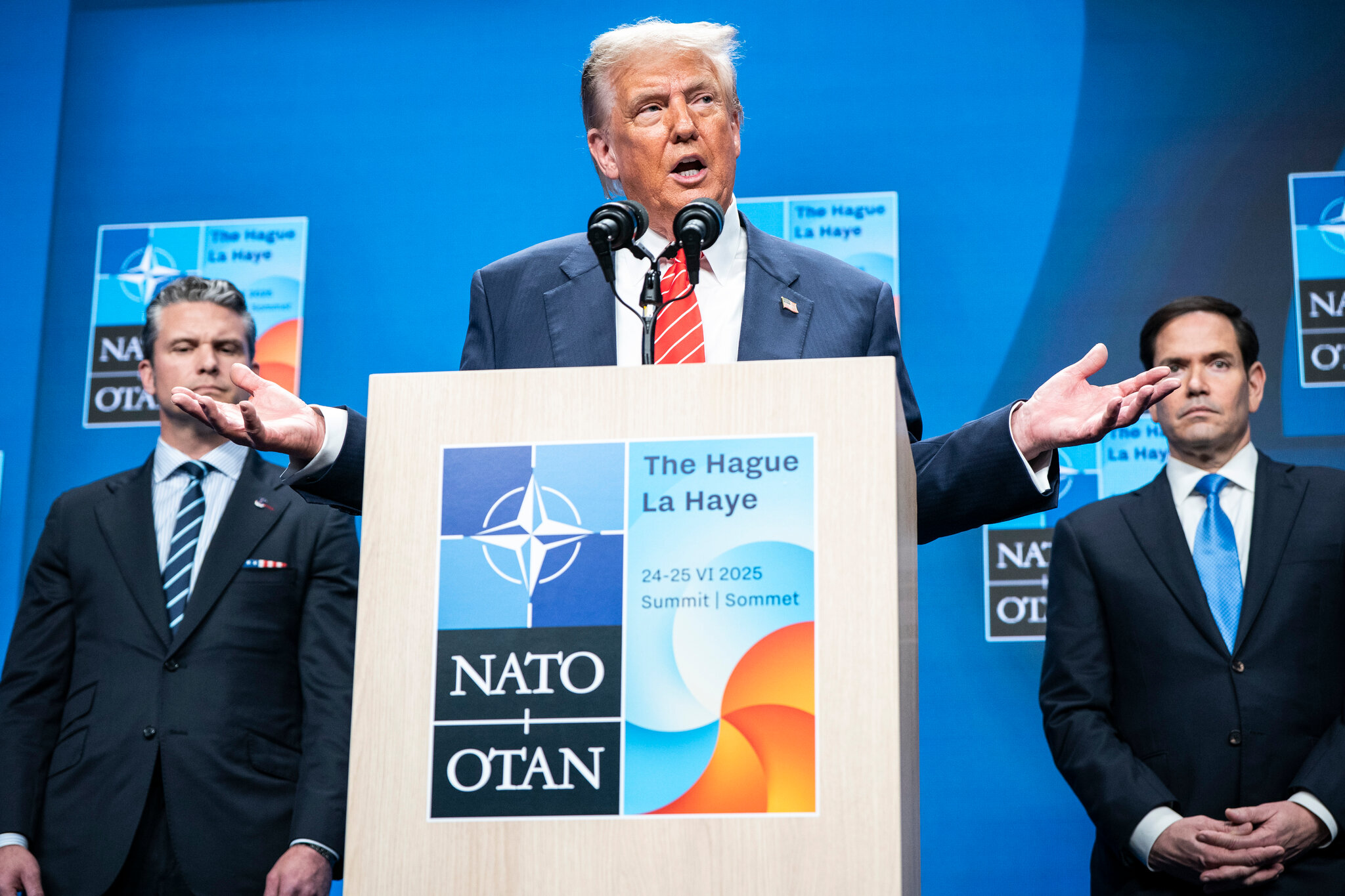
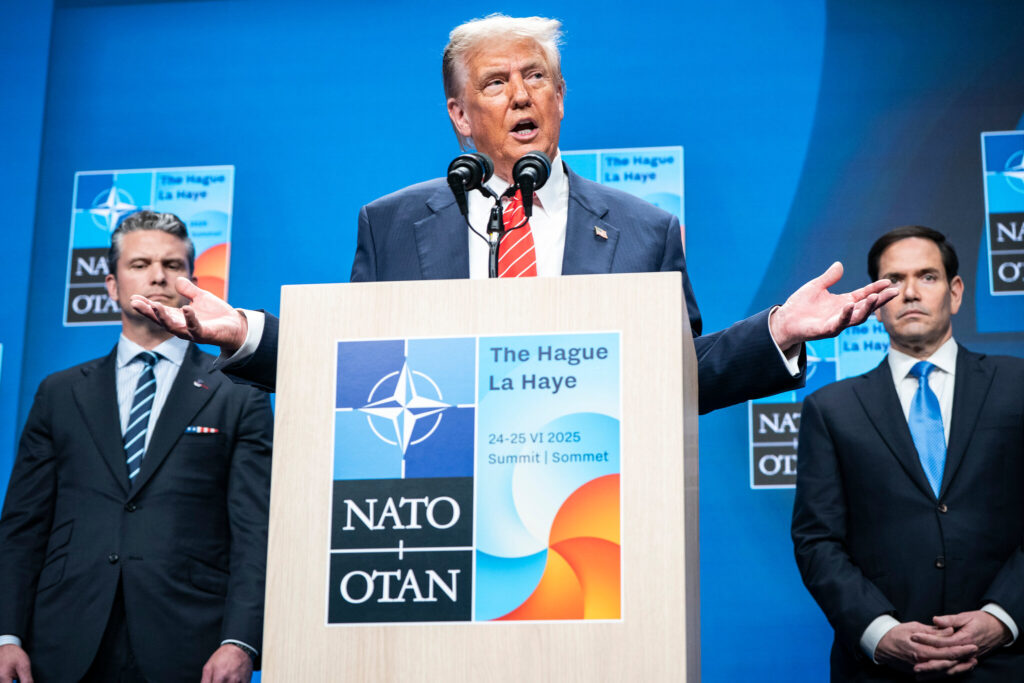
By Nitya Chakraborty The Rambo of the global diplomacy Donald Trump joined the NATO summit at Hague on June 24-25 with a triumphant smile after organizing the ceasefire between Israel and Iran in their 12 day war and strongly imparting the signal that no one matters in the world affairs now excepting the U.S. President. […]

Continued Gross Profit Margin and Net Operating Cash Flow improvements albeit difficult market conditions HONG KONG SAR – Media OutReach Newswire – 26 June 2025 – HONMA Golf Limited (“HONMA”; together with its subsidiaries, the “Group”; HKEx stock code: 6858), one of the world’s most prestigious golf brands, announces its consolidated annual results for the year ended 31 March 2025 (the “Period”). Financial Highlights Due to economic […]

Ghana’s parliament has given approval to a $2.8 billion debt restructuring agreement with 25 creditor nations, including China, France, the United States, Germany and the United Kingdom. This authorisation is vital for unlocking further disbursements from a $3 billion IMF-backed bailout programme initiated in May 2023. Lawmakers, endorsing the restructuring unanimously, approved measures under a memorandum of understanding signed in January 2025 that reschedule debt payments falling due between 20 December 2022 and […]

Malaysia has officially unveiled the Startup ASEAN platform during its tenure as ASEAN chair, establishing a fully operational digital gateway designed to unite entrepreneurs, investors and ecosystem enablers across Southeast Asia. The launch—following a developmental blueprint initiated in 2024—unlocks access to regional markets, capital, talent and data, with an aspirational target of onboarding at least 10,000 startups by year-end.

The platform’s roll‑out represents phase two of the ASEAN Startup Technology Ignite initiative. Development and a soft launch took place in 2024, while the newly announced phase includes capacity‑building programmes and a Startup ASEAN summit. A third phase commencing in 2026 will see the establishment of an ASEAN Centre of Excellence dedicated to early‑stage ventures.

Minister of Science, Technology and Innovation Chang Lih Kang described the platform as a “strategic enabler” born from collaborative efforts among all ASEAN member states. He highlighted its role in bridging fragmented access to finance, talent and market opportunities. At the launch in Putrajaya, he underlined that approximately 5,000 startups have already joined and affirmed the year‑end goal of doubling that number.

ASEAN Secretary‑General Dr Kao Kim Hourn echoed these commitments, stating that the platform exemplifies deeper regional integration and presents “unprecedented opportunities” through technology. He noted that the platform extends to ecosystem builders and government institutions, reflecting ASEAN’s dedication to fostering inclusive innovation.

Cradle Fund Sdn Bhd, appointed by Malaysia’s MOSTI, is spearheading implementation. Its group chief executive, Norman Matthieu Vanhaecke, emphasised that the platform transcends mere technology: it is designed to generate meaningful partnerships, foster cross‑border initiatives and catalyse growth across the region. He said it will track metrics such as startup onboarding, investment activity and regional collaboration, aiming to involve 2,000 investors and 500 strategic partners by 2025.

Dr Kao highlighted the context underpinning this push. Southeast Asia hosts over 680 million people—more than half under 35—with a combined GDP exceeding US$3.9 trillion and a digital economy projected to surpass US$1 trillion by 2030. Kuala Lumpur’s leap into the top 20 emerging startup hubs, ranking 18th in the Global Startup Ecosystem Report 2025 by Startup Genome, provided a credible basis for regional leadership.

CupTuring beyond connecting stakeholders, the platform is set to host a suite of programmes. Already underway are collaborative initiatives with international partners such as South Korea and China, and plans include additional regional market‑access sessions and mentorship opportunities. The launch event featured a video tour with startup success narratives and a regional market access session, ASEAN CrossConnect, which paired ten seasoned mentors with participating startups.

The platform’s ecosystem metrics are compelling: as of the launch, more than 4,000 startups and 1,087 investors were registered, contributing to an ecosystem valued at over US$131.2 billion.

Governments from less developed ASEAN nations were assured of equal standing on the platform. Chang emphasised its borderless design, allowing any startup with internet access to connect with markets and investors across the region.

The Startup ASEAN initiative traces back to 2023, when ASEAN leaders approved a framework empowering Cradle to lead policy development, ecosystem readiness, and cross‑sector partnerships. The recent formal launch marks the first major deliverable of the Ignite initiative under Malaysia’s ASEAN chairmanship.

Experts view the initiative as a timely response to ASEAN’s broader economic integration agenda, reflected in recent high‑level declarations such as the Kuala Lumpur Declaration. The new platform aligns with ASEAN Community Vision 2045, aiming to strengthen innovation, connectivity and socio-economic resilience.

PUTRAJAYA, MALAYSIA – Media OutReach Newswire – 26 June 2025 – Malaysia today launched the Startup ASEAN platform, marking the full-scale rollout of a bold, unified digital gateway to connect and empower startups across ASEAN. Spearheaded by the Ministry of Science, Technology and Innovation (MOSTI) and executed by Cradle Fund Sdn Bhd (Cradle), the platform’s regional launch underscores Malaysia’s commitment under its 2025 ASEAN Chairmanship to fostering […]

Advertisements

U.S. President Donald Trump has announced that American and Iranian officials will meet next week to discuss Tehran’s nuclear ambitions, following a concerted military campaign that he claims has effectively neutralised key Iranian enrichment facilities. The announcement came at the NATO summit in The Hague.

Trump defended the use of bunker-busting bombs against the Fordow, Natanz and Isfahan sites, asserting they had been “obliterated” and describing the bombing campaign as a decisive blow to Iran’s nuclear programme. He struck a triumphant tone, crediting the strikes with hastening the end of the 12-day conflict between Israel and Iran, though he expressed reservations about formalising a diplomatic agreement: “We may sign an agreement. I don’t know, to me, I don’t think it’s that necessary,” he told reporters.

U.S. intelligence assessments, however, diverge on the scale of success. A preliminary report from the Defence Intelligence Agency concluded the setbacks to Iran’s nuclear efforts might be limited to a matter of months, not years. CIA Director John Ratcliffe affirmed that the programme had been “severely damaged” but stopped short of declaring it destroyed. Israeli officials estimated the setbacks to be multi‑year, while the International Atomic Energy Agency emphasised uncertainties over Iran’s stockpile and called for robust inspections.

Diplomatic activity has meanwhile resumed. This U.S.–Iran meeting will follow six rounds of indirect talks mediated by Oman and Italy, which collapsed in mid‑June as the military confrontation intensified. Earlier this week, European envoys from the E‑3—France, Germany and the UK—engaged in direct negotiations in Geneva with Iran’s Foreign Minister Abbas Araghchi. Those discussions aimed to bridge differences after stalled U.S. efforts.

White House special envoy Steve Witkoff reiterated red‑line U.S. stipulations ahead of next week’s meeting: Tehran must renounce nuclear weaponisation and accept restrictions on uranium enrichment. He noted the U.S. is open to crafting a comprehensive peace framework, building on what Trump described as a de‑escalation following “a victory for everybody”.

From Tehran, Iranian officials have not confirmed next week’s meeting but emphasised national security. The Iranian parliament accelerated a bill to suspend cooperation with the IAEA, pending guarantees for the safety of nuclear infrastructure targeted in the strikes. Parliament Speaker Mohammad Bagher Qalibaf accused the IAEA of failing to condemn the U.S. attack. Meanwhile, IAEA Director General Rafael Grossi urged renewed inspections to clarify the status of enriched uranium moved before the bombings.

Regional and global actors are also weighing in. France has called for robust diplomacy to carve a sustained peace path. China has echoed the call for diplomatic restraint. Israel hailed the strikes as a critical setback to Iran’s programme; Israeli Prime Minister Benjamin Netanyahu endorsed Trump’s strong posture and emphasised the need to keep pressure on Tehran.

Analysts note the gravity of waging diplomacy in the shadow of military action. One specialist observed that while bombings may degrade enrichment infrastructure, they can complicate trust and cooperation needed for inspections and verification. Moreover, uncertainty lingers over the status of highly enriched uranium caches. Rebuilding diplomatic channels will require assurances, reciprocal transparency, and a mutual understanding of consequences.

Trump has warned that if Iran attempts to rebuild its nuclear programme, the U.S. is prepared to act again: “Sure,” he said when asked about further strikes. Yet the pendulum has swung toward a blend of military deterrence and diplomatic engagement.

As next week’s talks approach, key questions remain: who will represent each side, where the dialogue will occur, and whether the focus will be solely nuclear constraints or broader regional stability. White House administration officials have yet to disclose details, but the U.S. envoy confirmed Washington’s intent is to establish a framework that could replace the 2015 agreement.

Trump also signalled openness to exploring a bilateral relationship beyond nuclear confines: “We’ll end up having something of a relationship with Iran,” he said, as long as Tehran adheres to non‑weaponisation terms.

As the diplomatic window opens under the spectre of military force, the world watches to see whether this fragile blend of coercion and conciliation can unfold into a sustainable agreement—one that might ensure Iran never pursues nuclear weapons and stabilises a volatile region.

Poland has become the first European country to pilot palm vein–based biometric payments, while Tencent is advancing similar technology in Thailand, setting the stage for a wider rollout across Southeast Asia. Autopay’s HandGo system and Tencent’s palm biometrics reflect a growing global interest in contactless and secure transaction methods.

Autopay has initiated a pilot of HandGo by allowing customers at select venues—such as the Limitless sauna complex in Sopot—to make purchases by placing their palm on a scanner. Once a user links a payment card in the Autopay app, they register their palm vein pattern via QR-triggered enrolment. A digital hand token is then stored securely, enabling future transactions without a card, smartphone, or smartwatch. Autopay emphasises that no actual image of the hand is stored—only encrypted vein pattern data and a payment token meeting PCI‑DSS standards. Company executives describe the offering as a potential game‑changer for wellness and sports facilities, emphasising convenience and hygiene.

Globally, competitors already include Amazon’s Amazon One and Alipay’s PL1 device. Autopay distinguishes itself in Poland by being the nation’s first palm-auth payment provider, placing it alongside early vein‑scanning efforts by BPH bank and fintech Payvein. Another biometric contender, PayEye, combines iris and facial recognition for payment authorisation. Despite its versatility, PayEye requires merchants to deploy specialised terminals that support both biometric and traditional card payments, boosting acceptance rates.

Meanwhile, Tencent Cloud is intensifying its push into palm biometrics in Thailand. Vice‑president Jimmy Chen told the Bangkok Post that the country, backed by its “Cloud First” policy and digital transformation initiatives, makes an ideal launchpad. Tencent is collaborating with local technology firms such as MFEC and True IDC to test the system across multiple sectors, including convenience stores, retail, entertainment, education and finance. Early trials in venues like 7‑Eleven, Siam Commercial Bank, and The Mall Group underscore a focus on Thailand’s tourism-driven retail sector, where international visitors may welcome a card- or cash-free experience.

Tencent Cloud’s palm recognition has already been implemented in China at Beijing Airport Express, Shenzhen University, and numerous 7‑Eleven outlets. The system uses infrared imaging to analyse both surface palm lines and the vein network beneath the skin. Data is encrypted and stored with irreversible transformation to safeguard privacy. The architecture integrates local data centres—in Thailand’s case—with no cross-border transfers, aligning with regulatory frameworks. Analysts from GlobalData suggest that if the trials succeed, Thailand could become the gateway for adoption across Indonesia and Malaysia, offering scalability and enhanced security compared with fingerprint or facial recognition.

The initiative follows earlier pilot projects: Tencent partnered with Visa in Singapore in November 2024 during the Fintech Festival, allowing DBS, OCBC and UOB cardholders to enrol palm biometrics at café POS terminals and make payments thereafter through voice‑free palm scans. Tencent’s palm system, recognised with a Fintech Excellence Award in Singapore, reportedly supports transaction speeds within a second, even under poor lighting or wet conditions.

In Southeast Asia, Alipay’s PL1 palm scanner is already deployed across several markets. PL1 requires users to enrol their palm lines and vein data, then allows tap‑free transactions at metro gates, buses and retail outlets. The competitive landscape also includes Amazon’s Whole Foods adoption of palm scan technology in the US and pilot programmes by J.P. Morgan and Mastercard for palm‑based checkout systems.

SINGAPORE – Media OutReach Newswire – 25 June 2025 – Six trade associations and professional membership bodies have come together under a unified collaboration, known as the Alliance, to officially launch the full-scale Professional Services (PS) Centre in Shanghai today. The Alliance comprises the Institute of Singapore Chartered Accountants (ISCA), the Association of Small & Medium Enterprises (ASME), the Institute of Valuers and Appraisers, Singapore (IVAS), the […]

Matein Khalid The past decade dramatically illustrates the peril of trusting paper money as a store of value in a political system designed to pivot recklessly towards deficit financing and deliberate debasement of the world’s reserve currency. The US national debt is now $37 trillion and the annual budget deficit is now $2 trillion or 125% of GDP. Add political gridlock in Washington, violent migrant riots in […]

Running from 26 June to 1 July, the campaign features two key initiatives—Soft Power Fam Trip and Rhythm of Thailand—uniting global creators to spotlight Thai culture, creativity, and sustainable tourism. BANGKOK, THAILAND – Media OutReach Newswire – 25 June 2025 – The Tourism Authority of Thailand (TAT) is set to launch the international Be My Guest campaign as part of the government’s flagship Amazing Thailand Grand Tourism […]

BEIJING, CHINA – Media OutReach Newswire – 24 June 2025 – On June 19, the 3rd Wave Music Awards – Honor Ceremony concluded splendidly at the Beijing Performing Arts Center. Initiated by the Wave Music Committee and hosetd by the Tencent Music Entertainment Group (TME), this year’s Awards upheld the principle of “Jointly Establishing Artistic and Aesthetic Standards for the Music Industry,” with work quality as the […]

Donald Trump proclaimed a full ceasefire between Israel and Iran on Monday, marking what he described as the end of a “12‑day war” that forced millions from Tehran and sparked grave fears of escalation. He posted on Truth Social that Iran would halt its operations at midnight ET, followed by Israel twelve hours later, culminating in a 24‑hour cessation of hostilities.

Trump touted the move as a diplomatic breakthrough, congratulating “both Countries, Israel and Iran, on having the Stamina, Courage, and Intelligence to end” the conflict. He asserted that the agreement was brokered in discussions with Prime Minister Netanyahu and through U.S. envoys in dialogue with Tehran, with Qatar playing a key intermediary role.

Iran’s foreign minister, Abbas Araghchi, echoed that Tehran’s forces stood down at 4 a.m. Tehran time if Israel ceased its attacks by then, though he clarified that a final decision on halting military operations was pending. Israel’s military has yet to formally acknowledge the ceasefire, and missile alerts and strikes were still reported over Tel Aviv, Beersheba and the Golan Heights in the hours following the announcement.

The conflict began on 13 June when Israel launched airstrikes on Iran’s nuclear and military infrastructure, including sites near Natanz, Isfahan and Tehran. That response, which Israeli authorities described as necessary to counter an alleged Iranian march towards nuclear weapons capability, included the destruction of centrifuge material and the deaths of senior Iranian military figures and nuclear scientists. Iran retaliated with waves of missiles and drones aimed at Israeli territory; Israel intercepted many of them, but civilian casualties were reported in Beersheba and Tel Aviv.

The conflict widened when the United States joined with bunker‑buster strikes on Iranian underground nuclear facilities over the weekend, prompting Iran to retaliate by targeting the U.S. air base at Al Udeid in Qatar. The attack caused no casualties, and Trump later thanked Iran for the “early notice,” calling it a “very weak response”.

Though Trump dismissed European diplomatic efforts as ineffective, he warned that U.S. involvement remained a distinct possibility if Iran escalated further, positioning American strikes solely against nuclear targets. Internal Israeli pressure also rose; Prime Minister Netanyahu reportedly instructed ministers to refrain from public commentary as military activity approached a pause.

Humanitarian fallout during this period has been acute. Over 650 Iranians have died, according to Iranian health data, including civilians, and over 200 Israeli military and civilian fatalities have been reported. Tehran saw large-scale evacuations as power and internet access faltered.

International bodies raised alarms over the bombardment of nuclear facilities. The International Atomic Energy Agency cautioned against striking enrichment sites due to risks of radiological contamination. Legal experts also voiced concerns that the strikes on civilian infrastructure—including hospitals and residential neighborhoods—could constitute violations under international humanitarian law.

Despite the ceasefire declaration, uncertainty remains. Iran’s foreign minister warned that if Israeli attacks persisted past 4 a.m. Tehran time, hostilities could resume. Similarly, Israeli officials reported continued launcher of missiles from Iran, demonstrating that the ceasefire may be fragile.

Regional and global reactions have been varied. Qatar’s prime minister was credited with facilitating Iran’s acceptance of the U.S.-proposed ceasefire. European negotiators, meanwhile, expressed frustration that efforts in Geneva had produced little movement before hostilities intensified. Both Russia and China urged restraint and urged full de‑escalation.

Markets responded positively to the ceasefire announcement, reflecting investor hopes for regional stability, yet the humanitarian toll and legal implications—the destruction of nuclear infrastructure, civilian casualties, and potential violations of international law—leave an ambiguous legacy for a war that surged in intensity over just under two weeks. The path ahead now hinges on whether both nations uphold the phased withdrawal and open room for diplomatic resolution amid deep mistrust.

Matein Khalid Operation Midnight Hammer was a spectacular military success though it will take 60 years more for the top secret CIA files on Trump’s rendezvous with history at Fordo to be declassified even though I hope Centcom and the Pentagon generals will release their BDA (Battle Damage Assessments) in the next two weeks to reinforce their claim that the Islamic Republic’s nuclear assets beneath the mountain […]

U.S. President Donald Trump has announced a “complete and total” ceasefire between Israel and Iran, set to begin within hours, marking what he described as the end of a 12‑day war. The plan envisages Iran initiating a 12‑hour ceasefire, followed by a reciprocal Israeli hiatus, concluding with a full cessation of hostilities.

Trump’s statement on his social media platform outlined a phased process: Iran will commence the ceasefire after winding down its final missions, followed by Israel 12 hours later, and after 24 hours the war will be declared over. He praised both nations for their “stamina, courage, and intelligence” and characterised the agreement as a significant step towards lasting peace.

The announcement follows a dramatic escalation in regional tensions. Israel launched military strikes on Iranian nuclear facilities in response to Iran’s uranium enrichment activities. Tehran retaliated by firing up to 14 missiles at the U.S.-operated Al Udeid Air Base in Qatar. While 13 were intercepted and one deviated off course, no U.S. personnel were harmed—a fact President Trump described as a “very weak response.”

Despite global concerns over escalation, including warnings from France and other Western capitals, market responses have remained muted. Oil prices dropped approximately 7% in anticipation of de‑escalation, while equity markets posted modest gains.

Though the ceasefire announcement has generated optimism, it remains unverified by Israeli or Iranian leaders. As of now, neither government has publicly confirmed their commitment to the arrangement. Al Jazeera noted the absence of official statements from both sides.

The U.S. role in brokering this agreement highlights Trump’s assertive posture. He denied prior suggestions that France’s Emmanuel Macron had brokered such a deal, countering that the ceasefire plan was “much bigger than that.” Analysts warn that trust between Israel and Iran remains fragile, requiring robust verification mechanisms and potentially third-party monitoring to sustain the fragile peace.

European diplomats, including those from France, Germany and the UK, have previously urged for de‑escalation after U.S. strikes, facilitating a clash of diplomacy and military brinkmanship. Trump has also floated the prospect of regime change in Iran under the slogan “Make Iran Great Again,” sparking concerns about the endgame and durability of U.S. involvement.

In Washington, debate has emerged regarding U.S. aims. Trump’s advisors say the administration does not seek regime change, yet the use of the slogan and his rhetoric suggests otherwise. Critics warn that pushing Iran into further isolation could spark domestic instability in Tehran.

Regions across the Gulf remained on high alert during the conflict. Airspace closures in Qatar, Bahrain, and Kuwait affected international travel. Qatar has since reopened its skies following coordination with regional authorities. Countries in the region—Saudi Arabia, the UAE, and France included—expressed deep concern and reinforced calls for dialogue and restraint.

Security analysts note that the potential for a broader conflagration, particularly in the Strait of Hormuz, persisted until the ceasefire announcement. Iran’s parliamentary body had discussed strategic deterrents, including the possibility of closing the strait, a move that could severely disrupt global oil supplies. The upcoming hours will be decisive in determining whether the ceasefire is respected or if underlying tensions reignite.

The absence of casualties on either the U.S. or Israeli side contrasts with reported losses in Iran and Israel. Israeli strikes reportedly killed several hundred Iranians, including Revolutionary Guard members, while Iran was testing its limited retaliatory capabilities.

Infrastructure damage in both nations has been notable though not crippling. On the Iranian side, Tehran’s Evin prison and Revolutionary Guard sites bore the brunt of Israeli air raids; on the Israeli side, civilian infrastructure has remained largely intact, shielded by missile defence systems such as Iron Dome.

Stock markets and global commodity prices will closely monitor the ceasefire’s implementation. Should it hold, analysts suggest stability may regain foothold and prices may further retreat. However, any violation could push markets back into turmoil.

Diplomatically, Europe appears keen to reaffirm diplomatic channels. The EU and UN are reportedly preparing statements urging verification and offering mediation. Russia and China have also urged parties to uphold the ceasefire and avoid widening the conflict.

The next 24 hours are critical. The phased ceasefire hinges on mutual restraint and credible enforcement measures. U.N. observers or allied forces may be deployed to Tehran and Tel Aviv to verify compliance. Confirmation of Iran’s opening of its airspace and Israel’s military stand‑down orders will be key signals.


HANOI, VIETNAM – Media OutReach Newswire – 23 June 2025 – With the invention of solar cells using Passivated Emitter and Rear Contact (PERC) technology, Prof. Martin Andrew Green from the University of New South Wales (Australia) and his team made a groundbreaking contribution to green energy production. Two years after receiving the 2023 VinFuture Grand Prize, he continues to push the boundaries of solar innovation, working […]

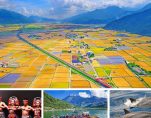
HUALIEN, TAIWAN – Media OutReach Newswire – 23 June 2025 – Discover a new side of Taiwan with the new direct flight from Hong Kong to Hualien, launched in late 2024 by HK Express. Operating four times a week, this route makes it easier to reach Hualien’s stunning landscapes without the hassle of transfers or long train rides. Travelers can also fly to Kaohsiung on China Airlines […]

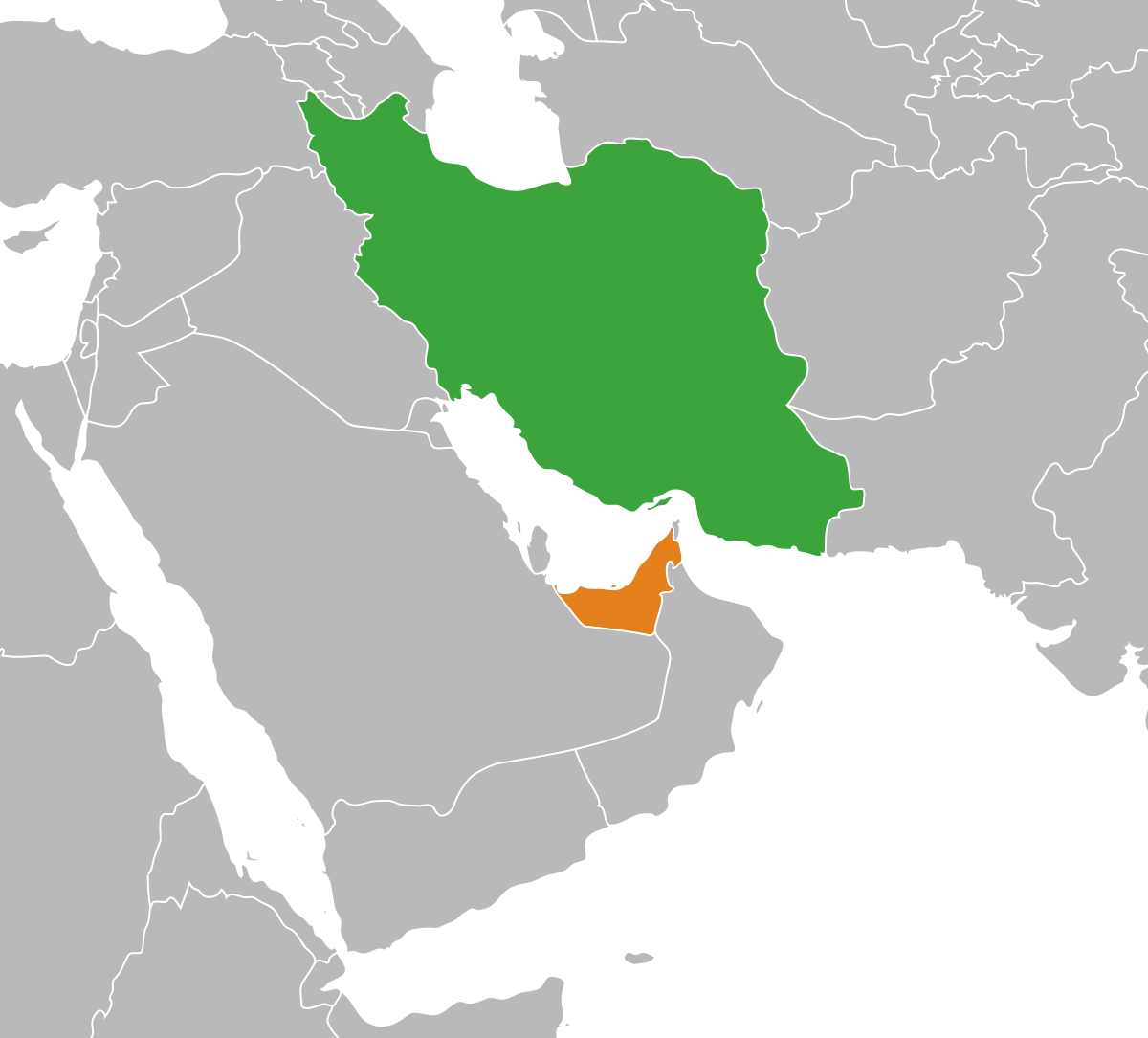
UAE authorities have successfully airlifted both citizens and expatriate residents from Iran amid mounting regional tensions stemming from the ongoing Israel–Iran conflict. These evacuation flights were carried out in full coordination with Iranian officials, who provided necessary transit clearances and logistical assistance, according to the UAE’s Ministry of Foreign Affairs and International Cooperation.

Passengers greeted on arrival in Abu Dhabi included Emirati nationals and resident visa holders. Some were visibly emotional—footage released by WAM showed arrivals embracing airport staff, while others knelt in gratitude upon disembarking. UAE officials confirmed that all evacuees underwent health screening and security checks; no medical emergencies were reported during the operation.

The decision to evacuate was prompted by intensifying hostilities between Iran and Israel, which have resulted in reciprocal missile and drone strikes targeting Iran’s nuclear and military infrastructure. Since 13 June, airspace closures across Iran and neighbouring countries have disrupted commercial flights, leaving many foreign nationals stranded.

While Tehran’s nuclear sites have been under attack, Tehran’s government issued public messages minimising panic, yet civilians promptly fled towards northern provinces, leading to fuel shortages, transport gridlocks, and relief operations along highways. Over 100,000 people are believed to have relocated internally by 15 June, while a few hundred foreign evacuees have used authorised border crossings to exit Iran.

UAE’s timely action reflects an expansion of its foreign crisis response capabilities, built through previous evacuations from conflict zones such as Ukraine, Sudan, and Afghanistan. Evacuating via a mix of chartered aircraft and government-operated flights, the UAE used carefully planned air routes to skirt high-risk regions.

Parallel efforts by Gulf neighbours highlight broader regional coordination. Bahrain, Oman and others secured safe passage for their own nationals via land and air corridors; Oman alone registered over 150 evacuees through Bandar Abbas and Iraq logistics networks. Countries including India, China, the US, Germany and Poland activated repatriation schemes—India’s “Operation Sindhu” successfully repatriated 110 nationals through Armenia by 18 June.

While evacuation pipelines opened, Dubai and Abu Dhabi remain operational, and companies across the Gulf are updating contingency plans amid concerns over possible spill‑over and disruptions to critical infrastructure. Risk advisory firms are reporting heightened demand for intelligence services, crisis preparedness, and staff security measures.

The UAE Ministry of Foreign Affairs has reiterated its call for diplomacy as the sole pathway to stability. Its continuous diplomatic outreach has involved deep engagement with international partners and a strong appeal to the UN Security Council to broker de‑escalation amid what it describes as “exceptional circumstances”.

The evacuation marks a rare cooperative moment between the UAE and Iran, whose bilateral relations have at times been strained. Yet Iranian authorities’ facilitation of access to airports and transit permissions demonstrated a mutual willingness to protect civilians from broader geopolitical fallout.

With all Gulf evacuations through this phase concluded, attention now turns to whether diplomatic avenues will succeed in preventing further civilian displacement. Businesses and governments remain on alert, reinforcing emergency protocols and intelligence monitoring systems to safeguard personnel and operations in the face of uncertainty.

HONG KONG SAR – Media OutReach Newswire – 23 June 2025 – The Hong Kong Institute of Certified Public Accountants (HKICPA) is delighted to announce its renewal of Mutual Recognition Agreement (MRA) with CPA Australia (CPAA). Based on the new MRA, the HKICPA will continue to join hands with peer accounting professional body to cultivate top-tier talents for the accounting profession and foster its development. The HKICPA […]

Driving Economic Momentum, Leading Trends with Mega Events HONG KONG SAR – Media OutReach Newswire – 21 June 2025 – The “Wealth Management Expo 2025”, powered by Bank of China (Hong Kong) (“BOCHK”) and organised by TVB under the theme of “Driving Economic Momentum, Leading Trends with Mega Events” has been successfully held today. The Expo has brought together leading figures from the government, business and financial […]

Tests by Thailand’s Pollution Control Department have revealed that arsenic concentrations in the Kok River and tributaries now exceed national safety limits by up to five times. Biochemical analysis indicates that these toxic levels are linked to unregulated mining operations in Shan State, Myanmar, particularly within territories controlled by the United Wa State Army.

The Kok River, which begins its 285km course in Myanmar’s Daen Lao Range before entering Thailand through Mae Ai and flowing into Chiang Rai and eventually the Mekong, has become the focus of mounting alarm. Tests conducted between late May and early June demonstrated elevated arsenic at all 15 tested points along the Kok and Sai rivers, with further contamination detected in two Mekong sampling sites.

Local fishermen have reported adverse impacts to aquatic life and livelihoods. Prices for catch in Chiang Rai have dropped by nearly half, as consumer fear surrounding contamination takes hold. Fisherman Sawat Kaewdam told AFP: “They say, ‘There’s arsenic. I don’t want to eat that fish.’”.

Satellite imagery and drone footage show dozens of active mining sites emerging since around 2022, believed to involve both gold and rare earth minerals. These mines operate under minimal environmental safeguards, with tailings and chemical-laden effluent discharged directly into rivers. One environmental campaigner described the situation as Thailand’s “largest-ever case of transboundary pollution”.

Health experts warn that while immediate poisoning symptoms may not materialise, long‑term exposure through contaminated water and fish consumption could lead to chronic arsenic poisoning. Somporn Phengkham of the Community Health Impact Assessment Platform emphasised the risk of gradual accumulation, urging increased scrutiny of wells and irrigation systems.

Communities along the Kok River have experienced unusual water discolouration, persistent skin irritations, and fish deformities. Chiang Rai environmentalists staged protests on 5 June, tying ribbons along the river bridge to demand intervention and mine closure. In Chiang Mai’s Mae Ai district, a monk from Wat Thaton confirmed that the river’s appearance and use had become culturally and practically untenable.

Thailand’s federal government has initiated emergency measures. Deputy Prime Minister Prasert Jantararuangtong has overseen a new response centre, while the Pollution Control Department is conducting enhanced sampling. Officials reassure domestic water supplies are safe, although the contamination source remains external.

Proposals for containment include constructing a dam across the Kok River to trap sediments, dredging heavily polluted sections, and pursuing diplomatic negotiations with Myanmar and China. The Foreign Affairs Committee is engaging Beijing to urge oversight of Chinese mining companies operating within UWSA territories.

Challenges persist as Shan State’s mines lie beyond Myanmar’s central control. With the UWSA exerting autonomy and Chinese-linked firms driving extraction operations, finding a direct negotiating partner proves elusive. Regional analysts warn that building physical barriers without curbing source pollution will yield temporary alleviation at best.

Environmental advocates underscore the urgency of scaling up real-time monitoring and cross-border coordination. They highlight growing concerns that contamination could extend throughout the Mekong basin, threatening agriculture, fisheries, and water security across Southeast Asia.

Experts like Tanapon Phenrat of Naresuan University stress that addressing the problem requires systemic reform: mandated tailings treatment, strict environmental standards, and international cooperation. “We need to act now,” he stated.

China is confronting significant disruption to its Iranian crude oil supply, risking both its energy security and geopolitical ambitions in the Middle East. With over 90 per cent of Iran’s oil exports directed to China via Kpler, the contraction of that flow places Beijing’s $400 billion 2021 cooperation deal in jeopardy. Major Chinese independent refiners, the so‑called “teapots” in Shandong province, are enduring mounting losses as deepening discounts on Iranian […]

Matein Khalid The India-Pakistan war in May and the Iran-Iraq war that rages as I write only reinforces my conviction that wars will be won or lost via a access to the latest missile air defense, stealth fighter jet platforms, ballistic hypersonic missile, power projection capabilities and state of the art ISR (intelligence surveillance reconnaissance) defense technologies. A nation without these capabilities is akin to a Stone […]

VISHNU RAJA
RYO YAMADA
HITORI GOTOH
IKUYO KITA