News related to
Dubai

Beijing has announced the imposition of a 34% tariff on all imports from the United States, effective April 10, 2025, in direct response to the sweeping tariffs introduced by U.S. President Donald Trump. The Chinese Ministry of Finance stated that this measure aims to counteract what it perceives as unjust and protectionist policies from Washington.

This development follows President Trump’s declaration of “Liberation Day” on April 2, during which he unveiled a universal 10% tariff on all foreign imports, with higher rates for specific countries. China was notably targeted with an additional 34% tariff, bringing the total levy on Chinese goods to 54%. The U.S. administration justified these tariffs as necessary to rectify longstanding trade imbalances and to protect domestic industries.

In a statement, China’s Ministry of Finance condemned the U.S. actions, urging Washington to immediately withdraw the imposed tariffs to prevent further escalation. The ministry emphasized that China’s countermeasures are a legitimate response to safeguard its national interests and the multilateral trading system.

The U.S. tariffs have been met with criticism from various quarters. Economists have expressed concerns over the methodology used to calculate these tariffs, arguing that the approach is overly simplistic and could lead to unintended economic consequences. They warn that such measures might not effectively address trade deficits and could harm consumers through increased prices.

The business community is also bracing for the impact of these tariffs. In New York City, retailers are encouraging consumers to make purchases before the new tariffs lead to price increases. Products such as electronics, appliances, and automobiles are expected to see significant price hikes, prompting a surge in sales ahead of the tariff implementation.

China’s retaliatory tariffs are anticipated to affect a wide range of U.S. exports, including agricultural products, automobiles, and technology goods. This move is expected to have significant implications for American farmers and manufacturers who rely heavily on the Chinese market. Analysts predict that the escalating trade war could disrupt global supply chains and dampen economic growth in both countries.

Bitcoin’s network hashrate has achieved a new all-time high, reflecting a surge in mining activity and bolstered network security. As of March 24, 2025, the hashrate peaked at 1,088.76 exahashes per second , surpassing previous records and indicating significant growth in computational power dedicated to the network.

This milestone coincides with Bitcoin’s price surpassing the $100,000 threshold, reaching a peak of $103,259 before stabilizing around $102,648. The price surge has been partly attributed to political developments, including President-elect Donald Trump’s appointment of Paul Atkins, a pro-crypto figure, to lead the Securities and Exchange Commission .

The correlation between Bitcoin’s hashrate and its market price has been a topic of analysis among industry experts. Historically, an increase in hashrate has often preceded price appreciation, as miners’ confidence in the network’s profitability grows. Conversely, a rising price can incentivize more miners to join the network, further increasing the hashrate. This interplay suggests a symbiotic relationship where each factor can drive the other.

The recent surge in hashrate indicates a substantial increase in mining activity. This growth enhances the network’s security by making it more resilient to potential attacks. However, it also intensifies competition among miners, leading to higher operational costs and potential profit margin compression.

In response to these dynamics, some mining companies have adopted strategies to mitigate financial pressures. For instance, major U.S. miners have been stockpiling Bitcoin to navigate thinning profit margins amid escalating competition and operational costs. Companies like Mara Holdings, Riot Platforms, and CleanSpark have collectively raised over $3.7 billion since November 2024, leveraging the cryptocurrency’s price surge to bolster their reserves.

President Donald Trump’s declaration of “Liberation Day” introduced sweeping tariffs on imports, triggering significant upheaval in global energy markets. The administration announced a baseline tariff of 10% on all imported goods, with elevated rates for specific countries accused of nonreciprocal or discriminatory trading practices. These measures have prompted widespread market volatility and raised concerns about potential economic slowdowns. Oil prices experienced a sharp decline following the tariff […]

President Donald Trump’s administration has announced sweeping tariffs, including a baseline 10% levy on all imports into the United States, with higher rates for specific countries. This development has prompted companies across the Middle East to evaluate potential repercussions and strategize accordingly. The Gulf Cooperation Council nations—comprising Saudi Arabia, the United Arab Emirates , Qatar, Kuwait, Oman, and Bahrain—are subject to the 10% tariff. Given that many […]

The Organization of the Petroleum Exporting Countries and its allies, collectively known as OPEC+, have announced a significant policy shift by accelerating oil production increases. This decision, made during a virtual meeting on Thursday, involves eight member countries—Saudi Arabia, Russia, Iraq, the United Arab Emirates, Kuwait, Kazakhstan, Algeria, and Oman—agreeing to boost output by 411,000 barrels per day starting in May. This adjustment consolidates three months’ worth of planned increases into a single month, surpassing the initially scheduled 135,000 bpd increment.

This move aims to discipline member nations that have been exceeding their production quotas and to address concerns over market stability. The coalition emphasized that these adjustments could be paused or reversed depending on evolving market conditions, underscoring their commitment to maintaining equilibrium in the global oil market.

The announcement had an immediate impact on oil prices. Brent crude futures dropped by 7.1%, settling at $69.63 per barrel, while West Texas Intermediate declined by 7.8% to $66.15 per barrel. These declines represent the steepest single-day percentage drops since mid-2022, reflecting market apprehension about potential oversupply amid existing economic uncertainties.

Compounding these market jitters are newly announced tariffs by U.S. President Donald Trump. The administration has imposed a baseline tariff of 10% on imports from several global economies, raising fears of an escalating trade war that could dampen global economic growth and, consequently, reduce energy demand. Analysts have noted that these tariffs could lead to increased inflation and slower economic expansion, particularly affecting emerging markets in Asia, which are pivotal centers for oil demand growth.

The timing of OPEC+’s decision aligns with these geopolitical developments. By increasing supply, the alliance appears to be responding to external pressures, including calls from major consumers for more affordable energy prices. However, this strategy carries risks, as it may exacerbate price volatility and strain relations within the group, especially with members that have been advocating for more conservative production increases.

Market analysts are closely monitoring the situation, noting that the combination of heightened supply and potential demand contraction due to trade tensions could lead to a surplus in the oil market. This scenario may prompt OPEC+ to reassess its strategy in the coming months to prevent a prolonged downturn in prices.

The United Arab Emirates’ non-oil private sector experienced a deceleration in growth during March, as indicated by the latest S&P Global Purchasing Managers’ Index . The index declined to 54.0 from February’s 55.0, marking the lowest point since September. Despite this dip, the PMI remains above the 50.0 threshold, signifying continued expansion in the sector.

The moderation in growth is primarily attributed to a slowdown in new order inflows, which have decreased for the third consecutive month. The new orders index fell to 56.3 in March from 57.3 in February, reaching its weakest level since October. This trend suggests a tapering in demand momentum within the UAE’s diversified economy.

In response to mounting backlogs, companies have accelerated their input purchases at the fastest rate since July 2019. This proactive approach aims to address operational pressures and maintain service levels. However, employment growth has softened, registering its slowest pace in nearly three years, as firms encounter challenges in recruitment and workforce expansion.

Input prices have seen a moderate rise, with some businesses facing increased material costs, while others benefit from reduced transportation expenses. This nuanced cost landscape reflects the complex dynamics influencing the sector’s operational environment.

Dubai’s non-oil private sector also mirrored this slowdown, with its PMI dropping to a five-month low of 53.2 from 54.3 in February. The emirate experienced a rare reduction in employment levels, despite a continued, albeit slower, increase in new orders.

Nevertheless, businesses across the UAE maintain a positive outlook regarding future growth prospects. This optimism is underpinned by robust project pipelines and ongoing national infrastructure developments, which are expected to bolster the non-oil sector’s performance in the coming months.

President Donald Trump’s administration has announced a sweeping tariff regime, imposing a baseline 10% duty on all imports into the United States, with significantly higher rates targeting specific countries. This move, described by Trump as a “Declaration of Economic Independence,” aims to rectify what he perceives as longstanding trade imbalances. However, the policy has elicited widespread concern, particularly regarding its impact on developing economies. Among the hardest […]

Advertisements

Dubai’s Roads and Transport Authority has entered into a strategic partnership with Uber Technologies Inc. and autonomous driving technology firm WeRide to introduce self-driving taxis to the city’s transportation network. This collaboration aligns with Dubai’s ambition to transform 25% of all journeys into autonomous trips by 2030, as part of its Self-Driving Transport Strategy.

His Excellency Mattar Al Tayer, Director General and Chairman of the Board of Executive Directors of RTA, emphasized the significance of this initiative, stating that the partnership represents a crucial step in advancing Dubai’s autonomous transportation goals. Noah Zych, Uber’s Global Head of Autonomous Mobility and Delivery Operations, expressed enthusiasm about the collaboration, highlighting the company’s commitment to integrating autonomous vehicles onto the Uber platform in Dubai, with WeRide as the initial technology partner.

WeRide, a Guangzhou-based autonomous driving company, has been expanding its global footprint. The firm previously launched a commercial robotaxi service in Abu Dhabi in December 2024, marking Uber’s first deployment of autonomous vehicles outside the United States. The expansion into Dubai signifies the second Middle Eastern city to feature WeRide and Uber’s autonomous ride-hailing service, further solidifying their presence in the region.

The collaboration will commence with pilot programs utilizing Uber’s technology to connect riders with WeRide’s autonomous vehicles, ensuring a seamless user experience. Details regarding the pilot program and subsequent phases are expected to be disclosed in the coming months. The initiative aims to enhance urban mobility by providing reliable and forward-thinking transportation solutions that align with Dubai’s vision for smart cities and future transport.

In addition to this partnership, RTA has been actively expanding its global collaborations with leading autonomous driving technology providers. The authority recently announced a partnership with Baidu’s Apollo Go to deploy autonomous taxis in Dubai, further advancing the city’s autonomous transportation objectives.

The introduction of self-driving taxis is anticipated to transform Dubai’s transport landscape by improving connectivity and reducing accidents. Trials for the autonomous vehicles are scheduled to commence this year, with a safety driver present during the initial phase. Commercial operations are projected to launch in 2026, contributing to the city’s goal of achieving 25% autonomous trips by 2030.

WeRide’s involvement in Dubai builds upon its global expertise in autonomous driving and complements Uber’s leadership in ride-hailing and mobility solutions. The partnership positions Dubai as a pioneering hub for smart transportation, leveraging advanced technology to enhance the city’s public transit system.

Dubai’s Roads and Transport Authority has entered into strategic agreements with Uber Technologies, WeRide, and Baidu’s Apollo Go to introduce autonomous taxi services in the emirate. These collaborations aim to integrate self-driving vehicles into Dubai’s transportation network, aligning with the city’s goal of making 25% of all journeys autonomous by 2030. Under the partnership, WeRide will deploy its autonomous vehicles through Uber’s platform in Dubai. WeRide, which […]

President Donald Trump has announced a comprehensive tariff strategy, imposing a baseline 10% duty on all imports into the United States, with significantly higher rates targeting approximately 60 countries. This move, declared during a White House event termed “Liberation Day,” aims to address trade imbalances and bolster domestic industries. Under the new policy, key trading partners will face steep tariffs: China is subjected to a 34% duty, […]

Absa Group Ltd., South Africa’s third-largest bank by assets, plans to open a representative office in Dubai during the first quarter of 2026, pending regulatory approval. Yasmin Masithela, CEO of Absa’s corporate and investment banking division, stated that the move aims to capitalise on the growing trade and investment flows between Africa and the Middle East. The strategic decision positions Absa alongside South African banking counterparts such […]

Dubai-based Edgnex Data Centers, a subsidiary of the Damac Group, has acquired Finnish data center company Hyperco, marking a significant expansion into the Nordic region. The financial terms of the deal have not been disclosed. Hyperco operates data centers in Finland and Sweden, leveraging the region’s sustainable energy resources, mature digital ecosystems, and high connectivity. The company’s three co-founders and existing team will continue to lead operations […]

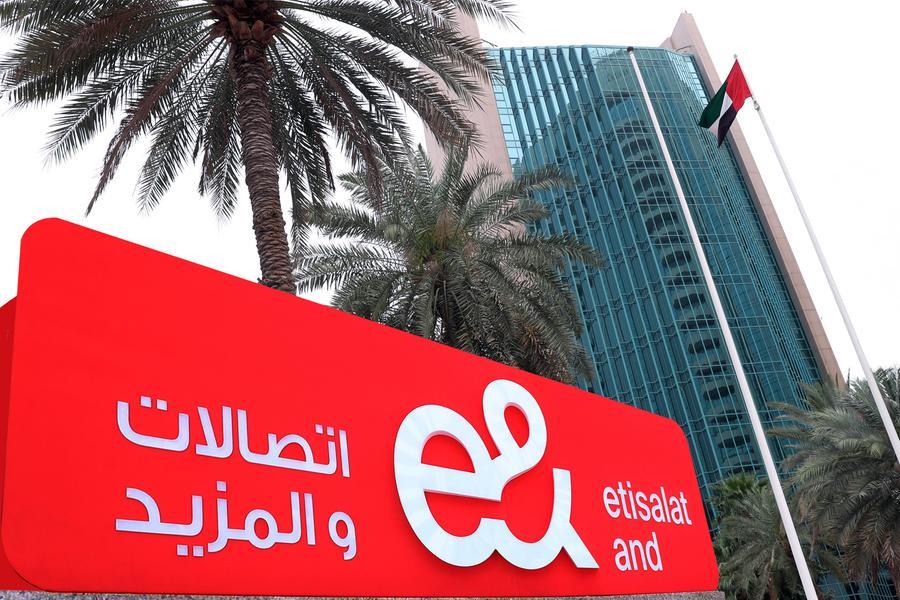
e& PPF Telecom Group, a joint venture between Emirates Telecommunications Group Company and Czech-based PPF Group, has finalized the acquisition of Serbia Broadband for €825 million. This transaction, structured on a cash-free, debt-free basis, was financed through external debt secured by e& PPF Telecom.

SBB, established in 2002, is a leading cable television and broadband internet service provider in Serbia, boasting over 700,000 active customers. The acquisition aligns with e&’s strategic ambition to scale up its international presence in Central Eastern Europe, diversify revenue sources with greater exposure to stable currencies, and accelerate growth in e& PPF Telecom.

The deal also involves the carve-out of SBB’s direct-to-home satellite operations, which will be sold to Telekom Srbija. United Group, the previous owner of SBB, will retain its media assets, including news and entertainment channels N1 and Nova S, which will continue to be broadcast by SBB.

Balesh Sharma, CEO of e& PPF Telecom Group, expressed confidence in the acquisition, stating that it would allow the company to complement existing services offered to Yettel customers in Serbia and provide a wider suite of offerings to SBB subscribers. He emphasized that customers would benefit from the synergies brought about by this transaction.

This acquisition is part of e&’s broader strategy to expand its footprint in Central Eastern Europe. In October 2024, e& acquired a 50% stake plus one share in PPF Telecom Group’s assets in the region for €2.15 billion, forming the e& PPF Telecom Group. This joint venture now operates in Serbia, Hungary, Bulgaria, and Slovakia, with a focus on expanding its telecommunications portfolio.

The completion of the SBB acquisition is expected to enhance e& PPF Telecom Group’s operations in Serbia by integrating SBB with its existing mobile operator, Yettel. This integration aims to create a leading converged operator in the Serbian market, offering both fixed-line and mobile services.

United Group’s decision to divest SBB aligns with its strategy to focus on markets where it can provide the full spectrum of mobile and fixed telecommunication services. Victoriya Boklag, CEO of United Group, stated that the divestment would enable the company to realize the greatest potential for growth and value creation.

Google is actively addressing an issue affecting its Pixel smartphones, where the “At a Glance” widget has been displaying outdated weather forecasts. Users have reported discrepancies, noting that while the current temperature appears accurate, the high and low forecasts are incorrect. In some instances, the widget displayed the previous day’s forecast as today’s and today’s forecast as tomorrow’s. A Google spokesperson stated that the company is rolling […]

Checkout.com has partnered with Tabby to integrate Buy Now, Pay Later solutions into its platform, enabling merchants in the United Arab Emirates and Saudi Arabia to offer consumers flexible payment options at checkout. This collaboration aims to enhance the shopping experience, foster consumer loyalty, and drive business growth by providing greater flexibility at the point of purchase. The BNPL market in the Middle East has witnessed significant […]

Dubai’s leading parking management firm, Parkin, has announced a cash dividend of AED 280.9 million for the second half of 2024, slated for distribution in late April 2025. This decision reflects the company’s robust financial performance and aligns with its commitment to delivering consistent shareholder returns.

Concurrently, Parkin is set to implement a Variable Parking Tariff Policy starting 4 April 2025. This initiative, introduced in collaboration with Dubai’s Roads and Transport Authority , aims to optimise parking space utilisation by adjusting fees based on demand during specific timeframes.

Under the new policy, parking charges will vary between peak and off-peak hours. Peak periods are designated from 8:00 AM to 10:00 AM and 4:00 PM to 8:00 PM, during which premium parking zones will incur higher fees. Specifically, parking in these premium areas will cost AED 6 per hour during peak times. Off-peak hours, spanning 10:00 AM to 4:00 PM and 8:00 PM to 10:00 PM, will maintain the existing tariff structure.

The RTA has expanded the classification of premium parking zones to encompass approximately 40% of Parkin’s public parking portfolio, an increase from the previously communicated 35%. These zones are primarily located in high-demand, densely populated areas, including vicinities adjacent to public transport infrastructure. The remaining 60% of spaces will be designated as standard parking.

For multi-storey car parks , Parkin will maintain a fixed rate of AED 5 per hour, applicable 24/7. However, a maximum daily charge of AED 40 will be imposed for stays exceeding eight hours within a 24-hour period. As of the end of 2024, Parkin operated 3,200 parking spaces across six MSCPs.

Approximately 35% of Parkin’s developer parking spaces will now be subject to the Variable Parking Tariff Policy, a significant adjustment from the earlier expectation of 0%. This change is set to take effect simultaneously with the public parking tariff adjustments on 4 April 2025.

Parkin’s financial results for the fiscal year 2024 have surpassed the guidance provided during its March 2024 initial public offering . The company’s average public parking utilisation rate increased by 2.4 percentage points to 28.3%, underscoring a positive trend in demand for parking services.

The implementation of the Variable Parking Tariff Policy is part of Parkin’s broader strategy to enhance the efficiency of parking space usage across Dubai. By aligning parking fees with demand fluctuations, the company aims to improve accessibility and convenience for motorists while supporting the city’s transportation infrastructure.

Motorists are advised to acquaint themselves with the new tariff structures and zone classifications ahead of the changes to ensure compliance and avoid potential fines. Detailed information regarding the updated parking tariffs and zone designations is available on Parkin’s official website and mobile application.

Parkin’s proactive approach in adjusting its dividend payouts and parking tariffs reflects its responsiveness to market dynamics and commitment to delivering value to both shareholders and customers. As Dubai continues to evolve as a global metropolis, such initiatives are pivotal in maintaining the city’s reputation for efficient urban planning and infrastructure management.

The forthcoming changes underscore the importance of adaptive strategies in urban management, particularly in rapidly growing cities like Dubai. By implementing variable pricing models, Parkin aims to balance demand and supply effectively, ensuring that parking resources are utilised optimally.

As the implementation date approaches, stakeholders, including residents, businesses, and visitors, are encouraged to stay informed about the new parking regulations. This awareness will facilitate a smoother transition and help mitigate any potential inconveniences arising from the tariff adjustments.

Parkin’s collaboration with the RTA exemplifies a coordinated effort to enhance urban mobility and address the challenges associated with urbanisation. The Variable Parking Tariff Policy is expected to serve as a model for other cities grappling with similar issues, showcasing Dubai’s leadership in innovative urban management solutions.

In light of these developments, Parkin remains committed to monitoring the impact of the new tariff system and making necessary adjustments to ensure its effectiveness. Continuous feedback from the public will be instrumental in refining the policy to better serve the community’s needs.

The integration of technology in disseminating information about the new tariffs, through platforms like the Parkin mobile app, reflects the company’s dedication to leveraging digital tools for enhanced customer engagement and service delivery.

DUBAI, UNITED ARAB EMIRATES – EQS Newswire – 1 April 2025 – iSON Xperiences (www.iSONXperiences.com), a global leader in AI-powered digital customer experience (CX) and BPO solutions, has appointed Ricardo Langwieder as its Chief Sales Officer. Ricardo will join the executive committee and lead the company’s global expansion, revenue growth, and strategic partnerships. With over 25 years of international corporate and entrepreneurial experience, Ricardo is a recognized […]

RIYADH, SAUDI ARABIA – Media OutReach Newswire – 1 April 2025 – Recently, at JINGDONG Logistics’ warehouse in Riyadh, goods were being efficiently processed, destined not only for Middle East countries but also for parts of North Africa. Currently, JINGDONG Logistics operates five warehouses in the Middle East, including Saudi Arabia Warehouse No. 1. Last year, JINGDONG Group also established a strategic partnership with Saudi Electricity Company […]

President Donald Trump has indicated that his first international trip in his second term will likely include visits to key countries in the Middle East, namely Saudi Arabia, the United Arab Emirates , and Qatar. While speaking to the press in the Oval Office, Trump suggested the visit could occur next month, though he noted it might be slightly delayed depending on diplomatic and scheduling considerations.

This trip is expected to be a crucial moment in Trump’s foreign policy, as it will focus on reinforcing the United States’ strategic relationships in the region, particularly in the wake of his administration’s efforts to reshape the dynamics of the Middle East through initiatives such as the Abraham Accords and military partnerships. The planned visit underscores the ongoing importance of these Gulf nations as key players in both regional and global geopolitical matters, including security, energy, and economic cooperation.

The president’s statement reflects the evolving nature of U.S. foreign policy in the Middle East, where traditional alliances have been reinforced while new partnerships, especially with the UAE and Bahrain, have emerged over the past few years. The Abraham Accords, signed in 2020, have opened new avenues for diplomatic engagement in the region, with several Arab countries normalising ties with Israel, a move that has significantly altered the political landscape.

Saudi Arabia, as a longstanding ally of the United States, remains at the heart of the Middle East’s geopolitics, particularly in relation to energy markets and security concerns regarding Iran’s growing influence. Trump’s administration was marked by its staunch support for the kingdom, including a controversial stance on the murder of journalist Jamal Khashoggi and its military cooperation in the region. A visit to Riyadh would likely reaffirm these strategic ties, especially as the U.S. continues to grapple with Iran’s nuclear ambitions and its role in regional instability.

The UAE has also become an increasingly influential partner, not only in terms of energy and security but also in fostering technological innovation and investment. In addition to hosting Israeli diplomatic missions following the Abraham Accords, the UAE has positioned itself as a hub for economic development, hosting major events like Expo 2020 Dubai and advancing its space exploration programme. Trump’s engagement with the UAE signals an ongoing commitment to strengthen ties with nations that have emerged as leaders in the Middle East’s economic diversification efforts.

Qatar, a key player in regional diplomacy and a host to the massive U.S. military base at Al Udeid, will also play a central role in Trump’s plans. As a small but influential country, Qatar has positioned itself as a mediator in various regional conflicts, often serving as an intermediary between conflicting parties in the region. Trump’s relationship with Qatar has been critical, particularly in relation to military cooperation and counter-terrorism efforts, and his visit would likely reaffirm the importance of these ongoing collaborations.

While the specifics of the trip remain unclear, the White House has made it known that the president’s travels will reflect the continued prioritisation of U.S. interests in the Middle East. Following years of tension over issues such as the U.S. withdrawal from Afghanistan and its approach to Iran, the Middle East remains a focal point of U.S. foreign policy. This visit could signal a shift towards a more engaged and active approach, particularly as the region faces new challenges ranging from economic instability to security threats from non-state actors.

Experts suggest that Trump’s trip will also serve as a signal to other global powers, particularly China and Russia, of the U.S.’s commitment to maintaining its influence in the Middle East. The region’s role in global energy production, combined with its strategic location at the crossroads of Europe, Africa, and Asia, makes it a critical area for U.S. interests. Trump’s visit is expected to focus on advancing energy partnerships, countering the growing influence of China in the region, and ensuring that U.S. military presence continues to be a stabilising factor in the face of Iranian provocations and broader geopolitical shifts.

Trump’s visit comes at a time when the Middle East is witnessing significant shifts in its diplomatic and economic alignments. Saudi Arabia, for example, has begun to recalibrate its foreign policy, striking deals with China and Russia, and there are signs that the kingdom is exploring new relationships outside its traditional Western alliances. Trump’s visit could also serve to counter these new trends, reinforcing U.S. leadership in the region.

The trip could be particularly significant for the future of U.S. relations with Israel. Although Israel’s peace agreements with several Arab states have altered the region’s political landscape, U.S. support for Israel remains a cornerstone of its Middle East policy. Trump’s visit will likely address how the U.S. plans to build on these agreements while navigating the evolving dynamics between Israel and its Arab neighbours.

As Trump prepares for his visit, discussions will also revolve around the broader implications of his foreign policy agenda. The Middle East is not only a region of military importance but also a key player in the global fight against terrorism, as well as in shaping energy markets and technological innovations. Trump’s emphasis on strengthening partnerships with countries like Saudi Arabia, the UAE, and Qatar will be crucial in setting the tone for the next phase of U.S. involvement in the region.

Abu Dhabi-based Agthia Group PJSC has acquired a 100% stake in Riviere Mineral Water Desalination & Filling Factory LLC, a prominent player in the United Arab Emirates’ bottled water home and office delivery sector. This strategic move is anticipated to expand Agthia’s Water & Food segment revenues by approximately 6.5% and triple its household customer base. Established in 2003, Riviere serves customers across Abu Dhabi, Al Ain, […]

Abu Dhabi’s Mubadala Investment Company and the California State Teachers’ Retirement System have jointly committed an additional $215 million to 3650 Capital, a U.S.-based alternative commercial real estate lender. This infusion aims to bolster 3650 Capital’s lending strategies and support various investment products offering long-term, fixed-rate financing and transitional loans.

Jonathan Roth, Co-Founder and Managing Partner of 3650 Capital, expressed gratitude for the continued support from these institutional investors, emphasizing their role in enabling the firm to pursue diverse capital solutions and maintain consistent growth. He highlighted the importance of these relationships in identifying new opportunities across U.S. markets and projects.

The new capital will be allocated across 3650 Capital’s primary investment strategies. Both Mubadala and CalSTRS will invest in the Stable Cash Flow strategy, which provides long-term, fixed-rate financing, and the Real Estate Credit Solutions strategy, focused on short-term, value-add financing, including transitional loans. Additionally, CalSTRS will allocate funds to the Special Situations Investment Strategy, targeting equity and structured capital solutions for complex capital structures and loan acquisitions.

The United Arab Emirates has ascended to the forefront of global cryptocurrency adoption, marked by a 41% year-on-year increase in crypto app downloads, totaling 15 million in 2024. In January 2025 alone, the nation recorded 3.55 million installations of crypto applications, underscoring a robust and growing interest in digital assets. Projections indicate that user penetration will reach 39.1% by the end of 2025, signifying the transition of cryptocurrency from a niche interest to a mainstream financial instrument within the country.

This surge is underpinned by a proactive regulatory environment. The Dubai Financial Services Authority has expanded its list of recognized crypto tokens, while the Abu Dhabi Global Market introduced the world’s first Distributed Ledger Technology Foundations Framework, providing legal structures for blockchain-based organizations. Furthermore, the Central Bank of the UAE approved AE Coin, the nation’s inaugural dirham-pegged stablecoin, facilitating faster and more cost-effective digital transactions.

A study by Atmos, a proprietary trading platform by Taurex, highlights the UAE’s leadership in the crypto space. The research indicates a cryptocurrency ownership rate of 25.3% among the UAE population, coupled with an adoption growth rate of 210%. Despite the presence of only one Bitcoin ATM, the UAE secured the top position in the study’s rankings, reflecting the country’s deep integration of digital assets into its financial ecosystem.

The UAE’s commitment to fostering a crypto-friendly environment is further evidenced by substantial institutional investments. Abu Dhabi’s MGX, a $330 billion investment vehicle backed by Mubadala, recently acquired a $2 billion minority stake in Binance, one of the world’s leading cryptocurrency exchanges. This move aligns with the UAE’s ambition to become a global crypto hub and demonstrates confidence in the transformative potential of blockchain technology.

On a regional scale, the Middle East and North Africa have experienced significant growth in the crypto sector. Between July 2023 and June 2024, the UAE received over $30 billion in cryptocurrency, ranking among the top 40 globally and establishing itself as MENA’s third-largest crypto economy. This influx underscores the UAE’s pivotal role in the regional digital asset landscape.

Abu Dhabi’s sovereign investor, ADQ, has solidified its position in the logistics sector by acquiring a majority stake in Dubai-listed courier firm Aramex. This development follows a voluntary conditional cash offer initiated through its subsidiary, Q Logistics Holding LLC. Q Logistics obtained acceptances representing 40.57% of Aramex’s shares. Prior to this offer, ADQ already held a 22.69% stake in Aramex via the Abu Dhabi Ports Group, in […]

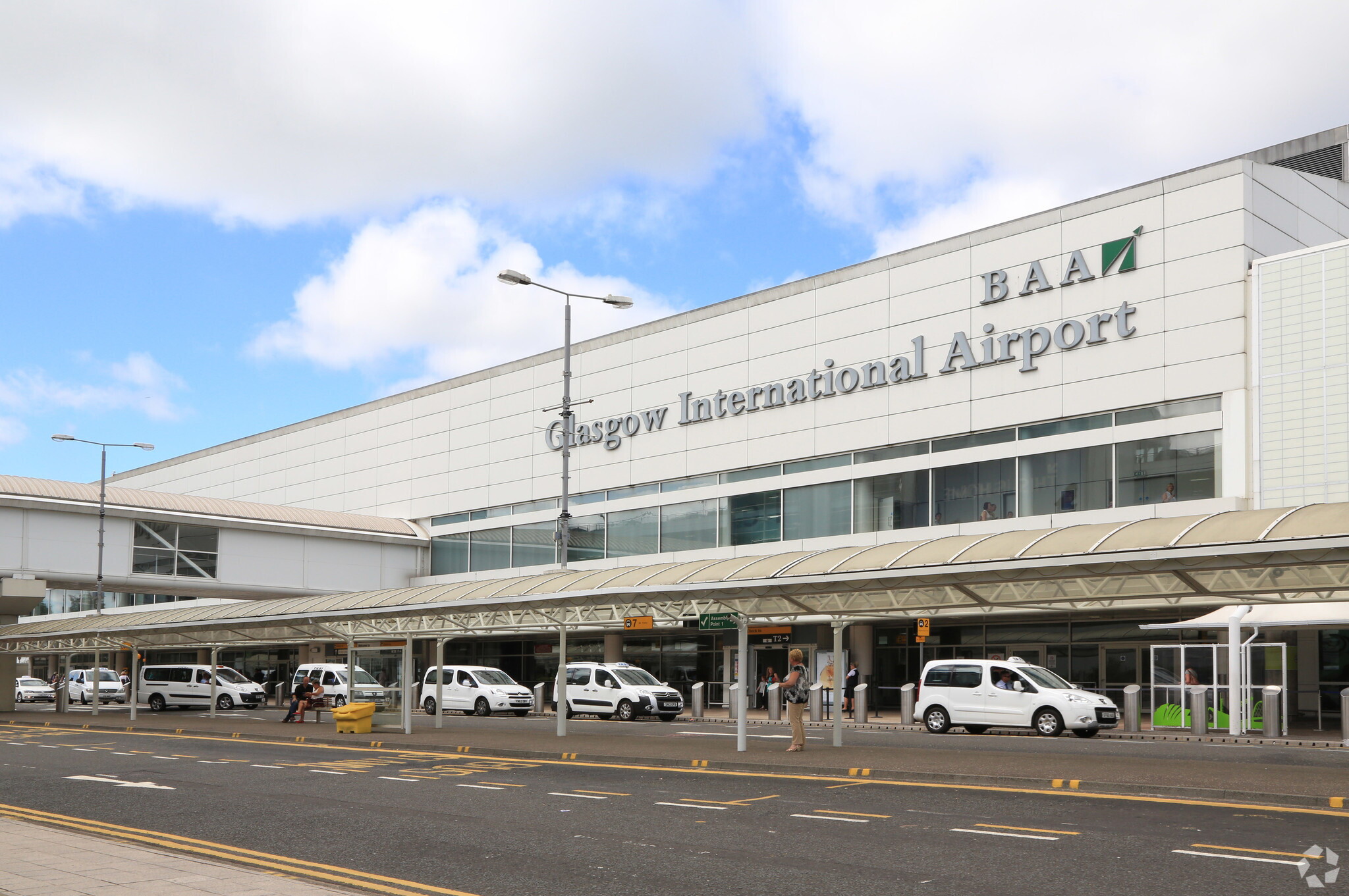
Blackstone, the US-based private equity firm, has agreed to acquire a 22% stake in AGS Airports, the operator of Aberdeen, Glasgow, and Southampton airports, for £235 million. The remaining 78% stake will continue to be held by AviAlliance, a subsidiary of the Canadian pension investor PSP Investments.

AGS Airports serves over 11 million passengers annually. The investment by Blackstone is aimed at supporting the growth of the UK’s travel and tourism industries. Greg Blank, CEO of Blackstone Infrastructure Strategies, highlighted that transportation remains a key focus area for the firm, citing the strong global growth in leisure travel.

AviAlliance, known for its investments in airports such as those serving Athens, Düsseldorf, Hamburg, and San Juan in Puerto Rico, acquired AGS last year from Ferrovial and Macquarie at an enterprise value of £1.5 billion. Sandiren Curthan, PSP’s global head of infrastructure investments, emphasized that both PSP and Blackstone are like-minded investors with long-term patient capital to support the development of AGS.

In a related development, Qatar’s Lesha Bank has indirectly acquired a stake in Edinburgh Airport through an investment in an infrastructure-focused fund managed by a renowned infrastructure fund manager. This move marks Lesha Bank’s entry into the global infrastructure investment market and aligns with its strategic focus on resilient asset classes.

These transactions reflect a broader trend of increased private investment in UK transport infrastructure. Private investors currently back several of the UK’s leading airports, including London’s Heathrow and Gatwick. Last year, Ferrovial agreed to sell the majority of its stake in Heathrow … .

The UK’s aviation sector has witnessed a surge in private investments, with firms like Blackstone and Lesha Bank seeking to capitalize on the burgeoning travel industry. Blackstone’s infrastructure unit has also invested internationally … , and the airport manager behind Rome … airports.

Lesha Bank’s investment in Edinburgh Airport is structured through a Shari’a-compliant financing arrangement, reinforcing its commitment to expanding its aviation and infrastructure portfolio. This acquisition follows Lesha Bank’s recent successful acquisition of several aircraft leased to a leading airline.

The influx of private capital into the UK’s airport infrastructure is expected to drive enhancements in airport operations and passenger experiences. AGS Airports, for instance, is implementing changes to accommodate larger aircraft and open new routes, aiming to boost traffic and connectivity.

Industry analysts suggest that such investments could lead to increased competition among airports, potentially resulting in better services and facilities for travelers. However, they also caution that the involvement of private equity firms may prioritize profitability, which could impact pricing structures and accessibility.

The UK’s aviation industry plays a crucial role in the nation’s economy, facilitating trade, tourism, and business travel. The recent investments by Blackstone and Lesha Bank underscore the sector’s attractiveness to global investors and its potential for growth in the coming years.

As these developments unfold, stakeholders will be keenly observing how the infusion of private capital influences the operational strategies and performance of these airports. The balance between profitability and public service will be a critical factor in determining the long-term success of these investments.

The aviation sector’s recovery post-pandemic has been marked by a resurgence in passenger numbers and an increased appetite for travel. Investments such as these are indicative of confidence in the industry’s rebound and its capacity to adapt to evolving market dynamics.

While the financial details of Lesha Bank’s stake in Edinburgh Airport have not been disclosed, the move signifies a strategic expansion into the UK market. Lesha Bank CEO, Mohammed Ismail Al Emadi, stated that the investment marks a significant milestone, aligning with the bank’s focus on infrastructure investments with robust growth potential.

The collaboration between established infrastructure investors like AviAlliance and new entrants such as Blackstone and Lesha Bank is expected to bring diverse perspectives and expertise to the UK’s airport operations. This could lead to innovative approaches in managing airport assets and enhancing passenger experiences.

As the landscape of airport ownership in the UK evolves, the emphasis will likely be on balancing commercial interests with the need to provide efficient, accessible, and high-quality services to the public. The involvement of private investors brings both opportunities and challenges in achieving this equilibrium.

The UK’s airports are vital hubs connecting the nation to the rest of the world. The recent investments signal a recognition of their importance and a commitment to their development and modernization. How these investments translate into tangible benefits for passengers and the broader economy remains to be seen.

The trend of private investment in airport infrastructure is not unique to the UK. Globally, investors are increasingly viewing airports as attractive assets, offering stable returns and opportunities for growth. The UK’s experience may serve as a case study for other nations considering similar investment strategies.


VISHNU RAJA
RYO YAMADA
HITORI GOTOH
IKUYO KITA