News related to
Dubai

Meta Earth, a modular blockchain platform, is set to officially launch ME Network v2.0 during Token2049 Dubai, scheduled for April 30 to May 1, 2025. The event will take place at Madinat Jumeirah, Al Sufouh 1, Dubai.

As the sole modular blockchain among the title and platinum sponsors, Meta Earth has experienced significant growth, with over one million users participating in public testing and nearly 600,000 completing KYC verification within its inaugural year.

The launch event will feature discussions on core innovations in ME Network v2.0, global strategic plans, and future ecosystem developments. Attendees will have the opportunity to engage with more than 300 key opinion leaders and representatives from top-tier media outlets, focusing on blockchain adoption, decentralized ecosystems, and the future of Web3.

To incentivize participation, Meta Earth is introducing an airdrop campaign, offering on-site giveaways that include 1,000 mystery prizes valued at over $1,000 each, contributing to a total prize pool exceeding $1 million.

Following the main event, Meta Earth will host an official launch gathering on May 1, 2025, from 16:30 to 19:30 at the Ballroom, Address Sky View, Downtown Dubai. This session aims to provide deeper insights into the project’s vision, journey, and strategic initiatives, featuring direct engagement with Meta Earth’s founding team.

Meta Earth is dedicated to reshaping Web3 through its decentralized identity system and Unconditional Basic Income vision. The upgrade to ME Network v2.0 introduces a modular architecture designed to enhance scalability, reduce transaction costs, and provide a compliance-ready infrastructure.

The platform’s approach addresses longstanding challenges in traditional blockchain systems, such as interoperability and transaction speed, positioning Meta Earth as a significant player in the evolving blockchain landscape.

Token2049 Dubai is anticipated to be the world’s largest crypto event, providing a platform for industry leaders, investors, and technology enthusiasts to explore the latest trends and innovations in the blockchain space. Meta Earth’s participation underscores its commitment to advancing blockchain technology and fostering a more robust and versatile ecosystem.

The event is expected to generate considerable interest within the blockchain community, highlighting Meta Earth’s dedication to innovation, sustainability, and community engagement. By addressing critical issues such as interoperability and scalability, Meta Earth aims to contribute to the broader adoption and evolution of blockchain technology.

Attendees can anticipate a comprehensive presentation covering the technical framework and innovation roadmap of ME Network v2.0, as well as discussions on community growth and future initiatives. The event will also feature a live music and dance performance, offering a blend of informative sessions and networking opportunities.

In a city like Dubai, it is very important not to forget about achieving personal goals, given how fast life rushes in the vastness of such a metropolis. For many people, this seems impossible, because there are too many distractions that do not even allow you to exercise normally. The solution is very simple and effective, which has already been tested in practice many times – contacting […]

The Central Bank of the UAE has unveiled a new symbol for the nation’s currency, the Dirham, marking a significant step in the country’s financial evolution. This initiative aims to bolster the UAE’s position as a leading global financial hub and reflects its commitment to embracing digital advancements in the financial sector.

The newly introduced symbol is derived from the English letter “D” and features two horizontal lines that signify the currency’s stability. This design draws inspiration from the UAE flag, embodying national identity and pride. In its digital form, the symbol is encased within a circle, incorporating the flag’s colors—green, white, red, and black—to emphasize security and continuity, while also echoing the shape of a digital token. The design’s curves are influenced by traditional Arabic calligraphy, lending it an elegant and robust presence.

The adoption of this symbol aligns with the CBUAE’s recent accession to the FX Global Code, a set of global principles promoting integrity and transparency in the foreign exchange market. By joining this voluntary code, the UAE becomes the first central bank in the Arab region to commit to these standards, underscoring its dedication to fair and transparent practices in the financial sector.

Khaled Mohamed Balama, Governor of the CBUAE, emphasized that the introduction of the new Dirham symbol reflects the nation’s vision for a modern and innovative financial ecosystem. He highlighted that this move is part of broader efforts to enhance the international profile of the UAE’s currency, especially as digital finance continues to gain momentum globally.

The CBUAE has also developed an integrated and secure platform for the issuance, circulation, and use of the Digital Dirham, including a Digital Dirham wallet. This platform is designed to ensure the seamless adoption of the digital currency, providing users with a secure and efficient means of conducting transactions. The issuance of the Digital Dirham is expected to take place in the last quarter of 2025 for the retail sector, marking a pivotal moment in the UAE’s financial landscape.

The introduction of the new Dirham symbol and the forthcoming Digital Dirham are anticipated to have a profound impact on the UAE’s economy. By embracing digital currency, the nation aims to enhance financial inclusion, streamline payment systems, and reduce transaction costs. Moreover, these initiatives are expected to attract international investors and businesses, further solidifying the UAE’s status as a global financial center.

Financial analysts have noted that the UAE’s proactive approach to digital finance positions it ahead of many other nations in the region. The adoption of a distinct currency symbol and the development of a digital currency demonstrate the country’s commitment to innovation and its readiness to adapt to the evolving financial landscape.

However, the transition to digital currency also presents challenges. Ensuring robust cybersecurity measures, maintaining public trust, and navigating regulatory considerations are critical factors that the CBUAE will need to address as it moves forward with these initiatives. The central bank has assured that it is implementing comprehensive strategies to tackle these challenges, prioritizing the security and stability of the UAE’s financial system.

The unveiling of the new Dirham symbol has been met with positive reactions from various sectors within the UAE. Businesses and consumers alike have expressed optimism about the potential benefits of the Digital Dirham, including increased convenience and efficiency in transactions. The integration of traditional design elements with modern digital features in the new symbol has also been praised for effectively encapsulating the UAE’s cultural heritage and forward-thinking vision.

VEON Ltd., a global digital operator, has secured a 24-month, $210 million senior unsecured term loan from a consortium of international lenders, including ICBC Standard Bank and leading Gulf Cooperation Council banks. The facility bears interest at the Secured Overnight Financing Rate plus 425 basis points.

Kaan Terzioğlu, CEO of VEON, stated that this new debt facility reflects the market’s strong confidence in VEON’s strategy, financial health, and future.

This financing marks VEON’s return to the capital markets since relocating its headquarters from Amsterdam to Dubai. The move was completed in December 2024, following approvals from the company’s Board of Directors. The relocation aligns with VEON’s strategic realignment to be closer to key markets and leverage Dubai’s status as a global business hub.

The successful syndication of the term loan underscores the confidence international lenders have in VEON’s financial health and strategic direction. The involvement of prominent institutions such as ICBC Standard Bank and leading GCC banks highlights the company’s strong relationships within the global financial community.

In addition to strengthening its financial position, VEON has been actively investing in its operating markets. In June 2024, the company committed $1 billion to enhance Ukraine’s digital infrastructure through its subsidiary Kyivstar, demonstrating its dedication to supporting economic growth in the regions it serves.

Gold prices have surged to a historic high, reaching $3,077 per ounce on March 28, 2025, marking a significant milestone in the precious metal’s valuation. This ascent comes just two weeks after gold surpassed the $3,000 threshold on March 14, 2025, reflecting a 15.76% increase year-to-date.

The imposition of a 25% tariff on auto imports by U.S. President Donald Trump has intensified fears of a global trade war, prompting investors to seek refuge in safe-haven assets like gold. The tariffs have particularly impacted the auto industries in Japan and South Korea, leading to notable declines in their stock markets. Japan’s Nikkei index dropped over 2%, while South Korea’s benchmark index fell to a two-week low. In contrast, Hong Kong’s Hang Seng index remained relatively stable, rising by 0.6%. The auto sector, vital to both South Korea and Japan, faces significant challenges, with some manufacturers considering production relocations or price adjustments.

The escalating trade tensions have heightened investor anxiety, leading to increased demand for gold as a safe-haven asset. Analysts attribute the surge in gold prices to factors such as U.S. trade and fiscal policies, slowing economic growth, and geopolitical conflicts. Financial analyst Kyle Rodda emphasized that these elements collectively bolster gold’s appeal. Additionally, gold tends to benefit in low-interest-rate environments and during periods of political and economic uncertainty.

In response to the rising gold prices, Goldman Sachs has revised its year-end forecast for the metal from $3,100 to $3,300 per ounce. Analysts Lina Thomas and Daan Struyven cited higher-than-expected inflows into gold exchange-traded funds and robust central bank demand, particularly from large Asian central banks, as key drivers for the upward revision. They anticipate that these central banks will continue aggressive gold purchases over the next three to six years. The analysts also suggested potential entry points for investors, including a resolution to the Russia-Ukraine conflict or a significant equity market downturn.

The surge in gold prices has led to a notable increase in the sale of old jewelry and coins in major markets across Asia and the Middle East. Consumers in countries like India, China, and the United Arab Emirates are capitalizing on the high prices to liquidate their gold holdings, potentially reducing imports and tempering the gold rally. In India, domestic gold prices have risen more than 32%, prompting many to sell rather than purchase new jewelry. Similar trends are observed in Dubai and China, where high prices have led consumers to sell or hold onto their gold assets.

Arabian Post Staff -Dubai MSI’s GeForce RTX 5080 Ventus 3X OC White has emerged as a notable contender in the high-end graphics card market, offering a blend of robust performance and distinctive design. This model caters to both gamers and creators seeking advanced features without compromising on visual appeal. The RTX 5080 series, based on NVIDIA’s Blackwell architecture, introduces enhancements in ray tracing and AI-driven graphics rendering. […]

OpenAI is on the verge of finalizing a landmark $40 billion funding round, spearheaded by Japan’s SoftBank Group. This substantial infusion of capital is poised to nearly double the artificial intelligence company’s valuation to $300 billion, marking a significant milestone in the tech industry’s financial landscape.

SoftBank’s commitment to OpenAI underscores its strategic focus on AI advancements. The conglomerate plans an initial investment of $7.5 billion, with an additional $2.5 billion sourced from a syndicate of investors. A subsequent tranche later this year is expected to see SoftBank contribute another $22.5 billion, complemented by $7.5 billion from syndicated partners. This structured approach reflects a calculated effort to bolster OpenAI’s capabilities and market position.

The funding round has attracted a consortium of prominent investors, including Magnetar Capital, Coatue Management, Founders Fund, and Altimeter Capital Management. Magnetar Capital, based in Evanston, Illinois, is reportedly considering an investment of up to $1 billion, highlighting the high level of interest and confidence in OpenAI’s potential.

This financial milestone follows OpenAI’s $6.6 billion funding round in October 2024, which valued the company at $157 billion. The current investment nearly doubles that valuation, reflecting the rapid growth and escalating significance of AI technologies in various sectors.

A substantial portion of the newly acquired funds is earmarked for the “Stargate” project, an ambitious $500 billion initiative aimed at constructing a network of data centers to support AI workloads. This project is a collaborative effort involving OpenAI, SoftBank, and Oracle, and is expected to significantly enhance the United States’ AI computing capacity to meet future demand. The financing strategy for Stargate heavily relies on debt, with SoftBank targeting a 90% debt funding ratio, a move that underscores the project’s massive scale and the financial engineering involved.

The partnership between SoftBank’s CEO Masayoshi Son and OpenAI’s CEO Sam Altman has been instrumental in advancing these initiatives. Their collaboration dates back to 2017, evolving over the years into a robust alliance focused on AI development. The joint efforts have culminated in significant projects like Stargate, positioning both companies at the forefront of the AI revolution.

Despite this substantial investment, SoftBank has reported a quarterly loss of 369.2 billion yen for the three months ending in December. The loss is attributed to investment setbacks in its Vision Funds and unfavorable foreign exchange impacts. Nevertheless, SoftBank remains committed to its AI-focused investments, viewing them as pivotal to its long-term strategy.

Advertisements

La Liga, in collaboration with EA SPORTS, has initiated the ‘Next Gen Draft’ programme in the United Arab Emirates , aiming to unearth and nurture young football talent. This initiative, part of the broader EA SPORTS FC FUTURES social impact programme, seeks to identify promising players globally and provide them with advanced training opportunities.

The programme commenced with practical trials at the High Performance Centre in Dubai Sports City, involving approximately 200 players from various academies across the UAE. These trials are designed to assess technical skills, talent, and mindset, focusing on building athletes with strong personal values and sporting character. The selection process will culminate in eight standout players—four boys and four girls—who will be granted an intensive development and training programme in Madrid. There, they will visit clubs in the Spanish capital and gain firsthand exposure to the Spanish football scene, an experience designed to inspire emerging youth talent.

The UAE was chosen for these trials due to its regional significance and the presence of advanced football academies. This initiative follows previous rounds in the United States and South Africa, with future stages planned in Vietnam and Guatemala. The talent selection programme focuses on a range of attributes, including technical skills, talent, and a positive mindset, aiming to build athletes with strong personal values and sporting character.

La Liga’s commitment to developing football talent extends beyond the ‘Next Gen Draft’. The league has established the La Liga Academy in Dubai, offering young UAE players a professional football experience with top-tier training and development. The academy’s programmes are tailored to enhance individual technique, game tactics, and strategic understanding, providing a comprehensive football education for players aged 4 to 17.

Dubai’s ambitious Palm Jebel Ali project is witnessing a significant revival, positioning itself as a prime destination in the global luxury real estate market. Originally launched in 2002, the development faced delays due to the 2008 financial crisis but was revitalized in 2023. Today, it stands as a testament to Dubai’s resilience and vision for expansive waterfront living. Spanning approximately 147 million square feet—more than double the […]

Drake & Scull International PJSC , the Dubai-based construction and engineering firm, has announced a net profit of AED 3.76 billion for the fiscal year ending December 31, 2024, marking a significant turnaround from the AED 366.87 million loss reported in the previous year. The company’s revenue increased to AED 103.67 million, up from AED 86.29 million in 2023. Total assets rose to AED 647 million, compared […]

President Donald Trump has announced the imposition of a 25% tariff on all imported automobiles and specific auto parts, a move set to take effect on April 3. The administration asserts that this measure aims to bolster domestic manufacturing and is projected to generate approximately $100 billion in annual tax revenue.

The tariffs will apply to passenger vehicles, including sedans, SUVs, crossovers, minivans, and light trucks, as well as key components such as engines, transmissions, powertrain parts, and electrical systems. Vehicles imported under the United States-Mexico-Canada Agreement may receive exemptions based on their U.S. content, with a certification process to determine the value of non-U.S. content subject to tariffs.

The automotive industry has expressed significant concern over the potential repercussions of these tariffs. Industry group Autos Drive America has criticized the move, warning that it could lead to higher prices for consumers and a reduction in manufacturing jobs. Cox Automotive estimates that the tariffs could add $3,000 to the cost of U.S.-made vehicles and $6,000 to those produced in Canada or Mexico, potentially causing substantial disruptions to production.

Automakers with operations in North America are bracing for the impact. General Motors, Ford Motor, and Stellantis, which have manufacturing facilities in Canada and Mexico, may face increased costs due to their reliance on imported components. Shares of these companies, along with those of Asian manufacturers like Toyota, Honda, and Hyundai, experienced declines following the announcement. Tesla, despite manufacturing vehicles domestically but utilizing some imported parts, also saw its stock value decrease.

The United Auto Workers union has expressed support for the tariffs, anticipating a resurgence in domestic auto manufacturing jobs. Conversely, Canadian Prime Minister Mark Carney has condemned the tariffs as a “direct attack” on Canadian autoworkers and has pledged to defend their interests.

Economists and industry analysts are divided on the potential outcomes of the tariffs. While the administration emphasizes the goal of strengthening the U.S. automotive sector, critics argue that the increased costs could be passed on to consumers, potentially dampening demand in an already high-priced market. The average cost of a new vehicle in the U.S. stands at approximately $49,000, and additional tariffs may exacerbate affordability concerns for middle and working-class buyers.

The tariffs are also expected to disrupt the highly integrated North American supply chain. Decades of free trade agreements have resulted in a manufacturing ecosystem where components often cross borders multiple times during production. The new tariffs could necessitate a significant restructuring of these supply chains, with potential production impacts estimated at up to 20,000 units per day within a week of implementation.

In response to concerns about affordability, President Trump has proposed allowing a tax deduction for interest on auto loans for American-made vehicles. This initiative aims to offset some of the increased costs resulting from the tariffs and encourage consumers to purchase domestically produced cars.

The international community has reacted with apprehension to the announcement. Foreign leaders have voiced concerns about the potential for a broader trade war, with significant resistance from Canada and the European Union. The tariffs have the potential to strain diplomatic relations and may prompt retaliatory measures from affected countries.

Abu Dhabi Aviation has entered into a strategic partnership with Archer Aviation to introduce the Midnight electric vertical take-off and landing aircraft in the United Arab Emirates . This collaboration aims to deploy the inaugural fleet of Midnight eVTOLs globally, commencing operations within the year.

The initiative is part of Archer’s “Launch Edition” program, which seeks to establish a scalable and repeatable framework for the commercial deployment of the Midnight aircraft in early adopter markets. The program’s objective is to build operational expertise, generate revenue, and strengthen long-term demand for urban air mobility solutions.

ADA and Archer will collaborate closely with the UAE General Civil Aviation Authority to ensure the safe integration of air taxi services into the region’s airspace. This partnership underscores the UAE’s commitment to adopting advanced technologies in transportation and enhancing urban mobility.

His Excellency Nader Al Hammadi, Chairman of Abu Dhabi Aviation, expressed enthusiasm about the partnership, stating, “We have been observing the advancements in eVTOL technology for years, and we are proud to partner with Archer to bring this innovation to the UAE. Abu Dhabi Aviation has the expertise to develop a scalable urban air mobility service, and we are excited to lead the way in launching the region’s first electric air taxi service, starting right here in Abu Dhabi.”

Archer’s Midnight aircraft is designed to carry a pilot and four passengers, offering a sustainable and efficient alternative for urban transportation. The eVTOL is engineered for rapid back-to-back flights with minimal charge time between operations, aiming to transform commutes that typically take 60 to 90 minutes by car into approximately 10 to 20-minute flights.

Adam Goldstein, CEO and Founder of Archer, highlighted the significance of the Launch Edition program, stating, “The unveiling of our Launch Edition program marks the beginning of the next chapter for Archer. This is how we’ll bring Midnight from the manufacturing line to our first customers—and it’s a playbook we’ll run repeatedly as we scale our operations globally. Thank you to Abu Dhabi Aviation for being our first Launch Edition customer. We have a big year ahead.”

To support the deployment, Archer plans to provide ADA with a team of pilots, technicians, and engineers to facilitate the initial operational ramp-up. Additionally, Archer intends to supply backend software infrastructure and a front-end booking application to support urban air mobility operations during the Launch Edition program.

Dubai-listed National Central Cooling Company PJSC, known as Tabreed, has obtained shareholder approval to issue up to $2 billion in additional non-convertible debt instruments, including bonds or sukuk. The authorization was granted during the company’s Annual General Assembly meeting held on Tuesday. This strategic move aims to bolster Tabreed’s financial flexibility and support its ongoing expansion initiatives. The planned debt issuance may occur in one or more […]

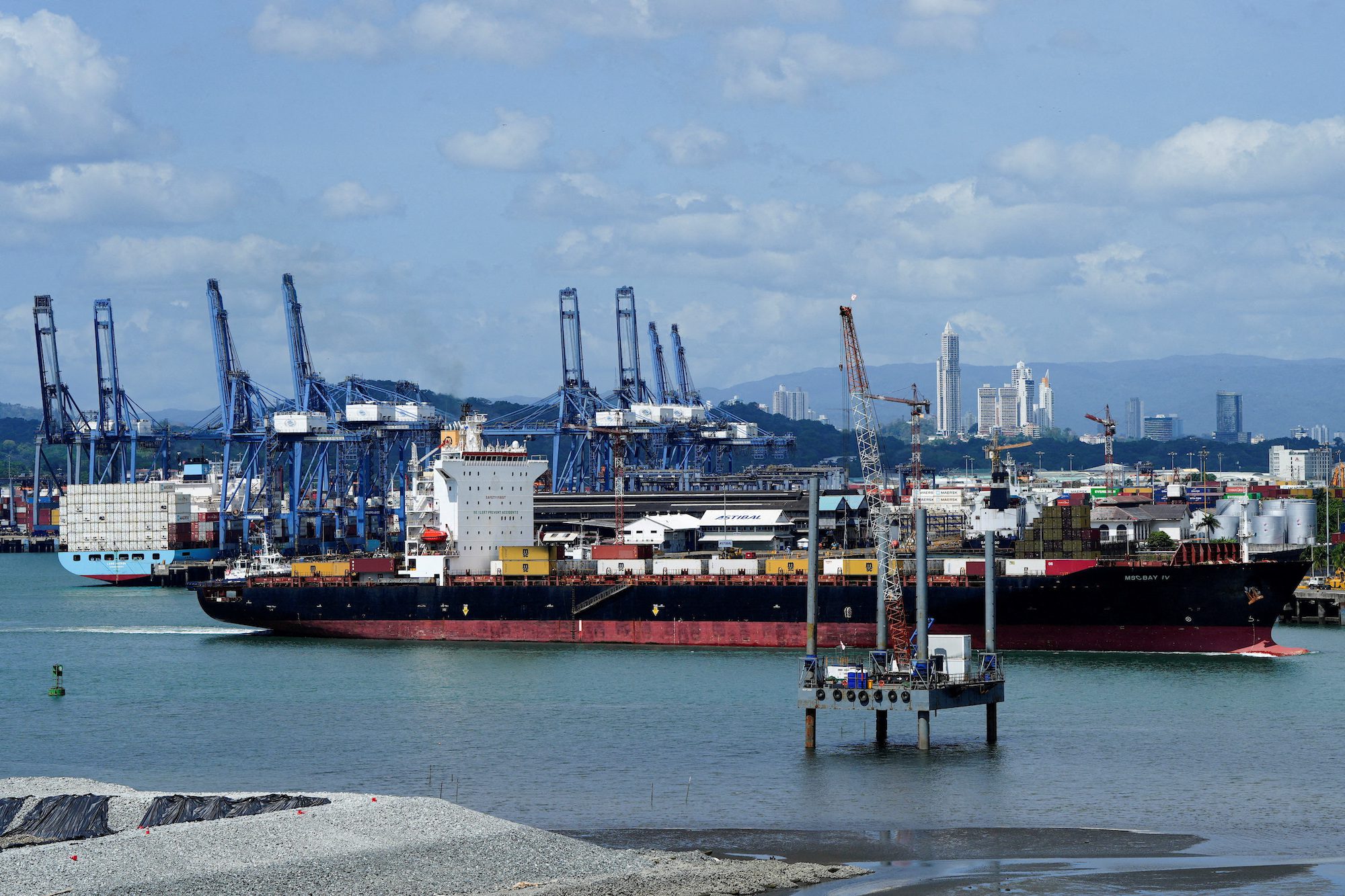
Chinese authorities have initiated a review of CK Hutchison Holdings Ltd.’s agreement to divest its port assets near the Panama Canal to a consortium led by BlackRock Inc., expressing dissatisfaction with the Hong Kong-based conglomerate’s decision.

The deal, valued at approximately $22.8 billion, encompasses the sale of 43 ports across 23 countries, notably including the Balboa and Cristobal terminals situated at either end of the Panama Canal. CK Hutchison asserts that the transaction is purely commercial and does not involve its port operations in Hong Kong or mainland China.

Beijing’s reaction has been notably severe. The Hong Kong and Macau Affairs Office, representing China’s central government, has publicly criticized the sale, describing it as a “betrayal of all Chinese people.” State-affiliated media have echoed this sentiment, labeling the move as “spineless” and accusing CK Hutchison of yielding to foreign pressure.

This development occurs amid heightened geopolitical tensions between China and the United States. U.S. President Donald Trump has lauded the acquisition, interpreting it as a strategic move to reclaim American influence over the Panama Canal, a vital maritime passage constructed by the U.S. in the early 20th century and transferred to Panamanian control in 1999.

In response to the sale, Chinese officials are contemplating the application of anti-monopoly laws to scrutinize the transaction further. Legal experts suggest that while Beijing’s jurisdiction over CK Hutchison’s overseas operations is limited, potential leverage could be exerted through the conglomerate’s substantial investments within China.

Hong Kong’s Chief Executive, John Lee, has also weighed in, denouncing coercive tactics by foreign governments without directly naming the United States or addressing the specifics of the port deal. He emphasized the importance of fair international trade practices and the need to resist external pressures.

Tesla has announced plans to commence sales in Saudi Arabia next month, marking a significant expansion into the Gulf region’s largest market. The electric vehicle manufacturer will host a launch event in Riyadh on April 10 to showcase its lineup of electric vehicles and solar-powered products.

This development indicates a mending of relations between Tesla’s CEO, Elon Musk, and Saudi Arabia, following tensions that arose in 2018. At that time, Musk’s statement about securing funding to take Tesla private, allegedly involving Saudi Arabia’s Public Investment Fund , led to a dispute when the deal did not materialize. Subsequent legal proceedings revealed strained communications between Musk and PIF Governor Yasir al-Rumayyan. The recent rapprochement is highlighted by Musk’s virtual participation in Riyadh’s Future Investment Initiative summit and his appearance alongside al-Rumayyan and U.S. President Donald Trump at a high-profile event in New York.

The upcoming event in Riyadh will not only feature Tesla’s electric vehicles but also introduce innovations such as the autonomous driving technology “Cybercab” and the humanoid robot “Optimus.” While these products will be on display, the company has yet to announce their availability in the Saudi market.

Saudi Arabia’s electric vehicle sector is still in its early stages, with electric cars accounting for just over 1% of total car sales in 2024. Despite this, the kingdom has demonstrated a commitment to diversifying its automotive market. The PIF has invested over $1 billion in Lucid Motors, a competitor in the EV space, and is supporting the development of Ceer, a domestic electric vehicle brand.

Tesla’s entry into Saudi Arabia comes at a time when the company is facing challenges in other markets. In Europe, Tesla has experienced a 42.6% decline in sales this year, even as overall demand for electric vehicles grows. In the United States, the brand has been the target of protests related to Musk’s political engagements and his role in federal budget cuts.

The Saudi market presents both opportunities and challenges for Tesla. The nation’s expansive road networks and limited charging infrastructure, coupled with a consumer preference for large, gasoline-powered vehicles due to low fuel prices, may pose hurdles to widespread EV adoption. However, the government’s initiatives to promote electric vehicles and renewable energy align with Tesla’s mission, potentially facilitating the company’s growth in the region.

Understanding Permanent Makeup Permanent makeup, also known as cosmetic tattooing or micropigmentation, is a beauty-enhancing technique that involves implanting pigment into the upper layers of the skin. This technique is used for defining eyebrows, enhancing lip color, and adding semi-permanent eyeliner. The result is a long-lasting, natural-looking enhancement that eliminates the need for daily makeup application. This procedure has gained immense popularity worldwide, particularly in Dubai, where […]

The Real Estate Regulatory Agency , operating under the Dubai Land Department , has unveiled the ‘Tayseer’ initiative, offering property owners flexible payment plans to settle overdue service fees. This programme allows owners to coordinate with jointly owned property management companies to structure payments over a minimum period of six months, aiming to alleviate financial pressures and enhance stability within Dubai’s real estate sector.

The initiative aligns with the ‘Year of the Community,’ declared by the UAE leadership under the theme “Together, hand in hand,” emphasizing the strengthening of community bonds and promoting cooperation. By providing structured repayment options, ‘Tayseer’ seeks to foster social and economic stability, contributing to a more sustainable real estate environment.

The launch follows discussions between RERA and JOP management firms, resulting in 19 companies joining the initiative. Registration is open for two months, during which participating firms have committed not to initiate enforcement actions against property owners adhering to the agreed payment plans. This collaborative approach underscores the real estate sector’s dedication to supporting property owners and enhancing financial sustainability within jointly owned communities.

Mohammed Ali Al Badwawi, Acting CEO of RERA, emphasized the initiative’s role in enhancing market trust and stability, stating that ‘Tayseer’ reflects DLD’s ongoing commitment to delivering proactive, customer-centric services that balance economic and social priorities. He highlighted that the programme is designed to reduce disputes, streamline payment processes, and improve the overall experience for property owners and stakeholders.

Through ‘Tayseer,’ the Dubai Land Department aims to achieve several strategic objectives, including reducing the number of service fee-related cases registered with the Rental Disputes Center, minimizing complaints, and enhancing the efficiency of service fee allocation across real estate projects. The initiative also seeks to improve the experience of property owners by providing seamless payment services, thereby boosting satisfaction and supporting the long-term sustainability of the real estate sector.

The programme is part of the Dubai Real Estate Sector Strategy 2033, which seeks to establish flexible and sustainable service fee payment plans for property owners. These plans are designed to achieve owners’ economic and investment goals while ensuring timely payments in line with agreed schedules. Additionally, the initiative fosters collaboration among relevant stakeholders to enhance the quality of life for owners in jointly owned property projects. It also focuses on early identification, analysis, and resolution of future challenges through proactive planning to encourage payment of service charges before disputes escalate to legal action.

The Abu Dhabi Investment Authority , through a wholly owned subsidiary, has agreed to acquire a significant minority stake in European Camping Group , a leading provider of outdoor accommodation in Europe. PAI Partners, the France-based private equity firm, will retain its majority shareholding in ECG following the completion of this transaction, which is subject to customary regulatory approvals.

Established as a prominent entity in the outdoor hospitality sector, ECG operates an extensive portfolio of 4- and 5-star campsites across prime tourist destinations in Europe. The group has been instrumental in elevating the camping experience by offering high-end facilities and services, catering to a diverse clientele seeking quality outdoor lodging options.

PAI Partners initially invested in ECG in 2021 and has since played a pivotal role in the company’s expansion and enhancement initiatives. In 2023, PAI Partners reinforced its commitment to ECG by facilitating the acquisition of Vacanceselect, a move that solidified ECG’s position as a pan-European platform in the outdoor accommodation sector. This strategic acquisition expanded ECG’s footprint and diversified its service offerings, aligning with the evolving preferences of modern travelers.

The entry of ADIA as a significant minority stakeholder is poised to further bolster ECG’s growth trajectory. ADIA’s investment is expected to provide additional capital and strategic support, enabling ECG to explore new opportunities and strengthen its market presence. This collaboration underscores the attractiveness of the outdoor hospitality industry to global investors, reflecting confidence in its resilience and potential for sustained growth.

The outdoor accommodation sector has witnessed a surge in demand, driven by travelers’ increasing inclination towards nature-centric and socially distanced vacation options. ECG’s commitment to offering premium camping experiences has positioned it well to capitalize on these trends, making it an appealing prospect for investors like ADIA.

While the financial specifics of the transaction have not been publicly disclosed, the partnership between ADIA and PAI Partners signifies a strategic alignment aimed at leveraging ECG’s established market position and operational expertise. The infusion of resources and insights from ADIA is anticipated to accelerate ECG’s initiatives in enhancing guest experiences, expanding its campsite network, and integrating innovative technologies to meet the evolving demands of the hospitality industry.

Airlines across the globe are tightening regulations concerning the use and carriage of power banks on flights, following a series of incidents involving lithium-ion batteries. These measures aim to enhance passenger safety by mitigating the risks associated with battery malfunctions.

In January, an Air Busan aircraft in South Korea was engulfed in flames while preparing for departure. Investigations suggest that a power bank was the likely cause of the fire. In response, Air Busan revised its policies, now requiring passengers to carry power banks on their person rather than storing them in overhead compartments. By March 1, South Korean authorities mandated all national airlines to enforce stricter regulations, including prohibiting the charging of devices onboard.

Singapore Airlines and its budget subsidiary, Scoot, announced that from April 1, passengers would be prohibited from charging portable power banks via onboard USB ports or using them to charge personal devices during flights. The airline emphasized that safety remains its top priority and that in-flight procedures are regularly reviewed to ensure passenger well-being.

Kazakhstan’s Air Astana implemented similar measures on March 13, banning the charging or use of power banks during flights. The airline specified that lithium batteries, external batteries, and e-cigarettes must be kept in hand luggage and placed in the overhead bins.

Taiwanese carriers EVA Air and China Airlines introduced prohibitions starting March 1, disallowing the charging and use of power banks and spare lithium batteries during flights. Both airlines advised passengers to utilize the USB power outlets available at most seats for charging other devices.

Thai Airways followed suit on March 15, banning the use and charging of power banks and portable batteries during flights. The airline’s decision aligns with a broader industry trend aimed at reducing in-flight fire hazards associated with lithium-ion batteries.

Hong Kong’s Civil Aviation Department expressed significant concern over safety incidents involving passengers using lithium power banks during flights. Consequently, from April 7, passengers on Hong Kong-based airlines will be prohibited from using or charging power banks during flights and from storing them in overhead compartments. Instead, power banks should be kept under the seat or in the seat pocket in front of passengers.

These regulatory changes are in response to a rising number of incidents involving lithium-ion batteries. In 2024, the U.S. Federal Aviation Administration recorded three incidents of overheating lithium batteries on planes every two weeks, up from just under one per week in 2018. Such statistics underscore the growing concern within the aviation industry regarding the safety of these devices.

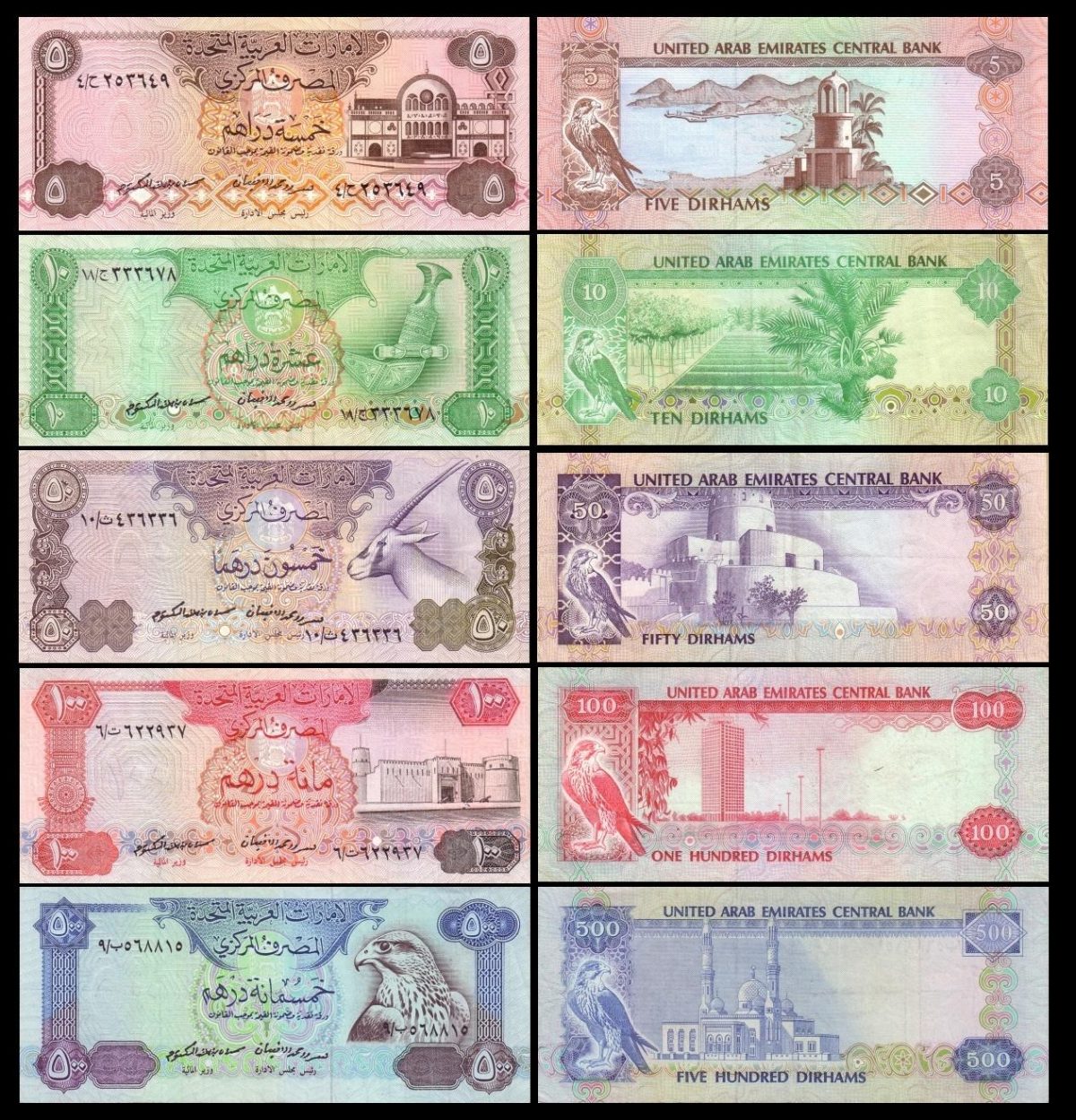
The Central Bank of the United Arab Emirates has issued a new Dh100 polymer banknote, marking a significant advancement in the nation’s currency design. This initiative aligns with the UAE’s commitment to sustainability and innovation within its financial sector.

The newly released banknote showcases the Umm Al Quwain National Fort on the front, symbolizing the UAE’s rich cultural heritage. The reverse side features the Port of Fujairah alongside an image of Etihad Rail, representing the country’s ongoing infrastructural development and future aspirations. The note retains the traditional red color scheme of the existing Dh100 note to ensure easy recognition among the public.

Constructed from durable polymer material, the banknote offers an extended lifespan compared to its paper counterparts, aligning with environmental sustainability goals. Polymer banknotes are known to last significantly longer than paper notes, resulting in a reduced environmental impact and lower costs associated with production and replacement.

Incorporating advanced security features, the new Dh100 note includes a multi-colored security chip known as KINEGRAM COLORS®. This feature enhances protection against counterfeiting and bolsters public confidence in the currency. Additionally, the note is designed with Braille symbols to assist visually impaired individuals in identifying its denomination, promoting inclusivity in financial transactions.

Khaled Mohamed Balama, Governor of the CBUAE, emphasized that the introduction of the new banknote reflects the UAE’s dedication to a sustainable future and its ambition to enhance financial competitiveness. He highlighted that the design embodies the nation’s aspirations for progress while honoring its historical and cultural roots.

Arabian Post Staff -Dubai Casio Computer Co., Ltd. has unveiled a new addition to its G-SHOCK line: a limited edition watch designed in collaboration with the iconic Barbie™ brand. This partnership brings together G-SHOCK’s renowned durability and Barbie’s signature style, resulting in a timepiece that celebrates both toughness and fashion. The new model, GMA-S110BE, is based on Casio’s GMA-S110 series, known for its combination analog-digital display and […]

Imagine you’re preparing for an important event, let’s say a wedding. You have to prepare the location, invitations, menu, dress code, and all sorts of other details. But when you think about this day, there is one thing you can’t imagine it without. And, of course, these are flowers. There are many cultures, traditions and ceremonies in the world, but flowers are the main attribute of nearly […]

The U.S. Department of the Treasury has lifted sanctions against Tornado Cash, a cryptocurrency mixer previously accused of facilitating extensive money laundering activities, including transactions linked to North Korean cybercriminals. This decision follows a series of legal challenges questioning the Treasury’s authority to impose such sanctions on decentralized software protocols.

In August 2022, the Treasury’s Office of Foreign Assets Control sanctioned Tornado Cash, alleging its involvement in laundering over $7 billion since its inception in 2019. Notably, OFAC claimed that the North Korean hacking group Lazarus utilized the platform to launder more than $455 million. The sanctions marked a significant move by the U.S. government to regulate the use of cryptocurrency mixers, which are designed to obfuscate transaction trails on blockchain networks.

The sanctions faced immediate opposition from various quarters of the cryptocurrency community. Six users of Tornado Cash, with financial backing from the cryptocurrency exchange Coinbase, filed a lawsuit challenging OFAC’s action. They argued that sanctioning open-source, self-executing software exceeded the agency’s statutory authority under the International Emergency Economic Powers Act . The plaintiffs contended that the immutable smart contracts constituting Tornado Cash could not be considered property subject to sanctions.

In November 2024, the U.S. Court of Appeals for the Fifth Circuit ruled in favor of the plaintiffs, stating that OFAC had overstepped its authority. The court held that the smart contracts underlying Tornado Cash were not property and, therefore, not subject to sanctions under IEEPA. This ruling underscored the challenges regulators face when applying traditional legal frameworks to decentralized technologies.

Following the court’s decision, the Treasury conducted a review of the legal and policy issues surrounding the use of sanctions in the context of evolving technologies. On March 21, 2025, the Treasury announced the removal of Tornado Cash and associated Ethereum wallet addresses from the Specially Designated Nationals list. In a statement, Treasury Secretary Scott Bessent emphasized the department’s commitment to combating illicit activities in the digital asset space while acknowledging the need to adapt regulatory approaches to technological advancements.

Despite the delisting, the Treasury reiterated its concerns about North Korea’s state-sponsored hacking and money laundering campaigns. The department stressed the importance of securing the digital asset industry from abuse by illicit actors to maintain U.S. leadership in financial innovation and inclusion. The Treasury also indicated that it would continue to monitor transactions that could benefit malicious cyber actors or the North Korean regime.

The legal proceedings against individuals associated with Tornado Cash have also been noteworthy. In 2023, two co-founders of Tornado Cash were charged with facilitating over $1 billion in money laundering, including transactions linked to the Lazarus Group. One of the co-founders, Roman Storm, is awaiting trial and has denied any criminal activity. Additionally, in May 2024, developer Alexey Pertsev was sentenced to five years and four months in prison in the Netherlands for money laundering related to his involvement with Tornado Cash.

The removal of sanctions against Tornado Cash has elicited varied reactions from the cryptocurrency community and regulatory observers. Proponents of decentralized technologies view the court’s decision and subsequent delisting as a victory for open-source software development and financial privacy. They argue that sanctioning code rather than individuals or entities sets a concerning precedent for technological innovation.

Conversely, critics express apprehension that the delisting could embolden malicious actors to exploit similar platforms for illicit purposes. They emphasize the necessity for regulatory frameworks that effectively address the misuse of privacy-enhancing technologies without stifling innovation. The case of Tornado Cash highlights the complexities regulators face in balancing the promotion of technological advancement with the imperative to prevent criminal exploitation of emerging technologies.

The Treasury’s decision to lift sanctions against Tornado Cash underscores the dynamic nature of regulatory approaches to decentralized technologies. As the digital asset landscape continues to evolve, regulatory bodies worldwide are grappling with the challenge of applying existing legal frameworks to novel technological constructs. The outcome of the Tornado Cash case may serve as a reference point for future policy discussions on regulating decentralized platforms and the broader implications for financial privacy and security.

In the wake of the delisting, stakeholders in the cryptocurrency industry are closely monitoring potential regulatory responses and the development of new guidelines tailored to address the unique attributes of decentralized technologies. The balance between fostering innovation and ensuring robust safeguards against illicit activities remains a central theme in the ongoing discourse on cryptocurrency regulation.

British oilfield services and engineering firm Wood Group has agreed to extend its takeover discussions with Dubai-based Sidara, allowing time for the completion of an independent review of Wood’s projects division by Deloitte. This extension comes as Sidara faces a UK regulatory deadline to make a firm offer or withdraw, a deadline now deferred due to mutual agreement. Sidara had previously withdrawn a £1.6 billion bid for […]

VISHNU RAJA
RYO YAMADA
HITORI GOTOH
IKUYO KITA