News related to
Dubai

Strategy, formerly known as MicroStrategy, has further solidified its position as a leading corporate investor in Bitcoin by acquiring an additional 130 BTC between March 10 and March 16, 2025. This purchase, amounting to approximately $10.7 million, was executed at an average price of $82,981 per Bitcoin. Consequently, the company’s total Bitcoin holdings have reached 499,226 BTC, acquired at an aggregate cost of $33.1 billion, reflecting an average purchase price of $66,360 per Bitcoin.

This strategic move aligns with Strategy’s aggressive investment approach under the leadership of Executive Chairman Michael Saylor. The firm has consistently leveraged financial instruments to bolster its Bitcoin reserves, including a recent announcement of a $21 billion “at-the-market” offering of convertible perpetual preferred stock. This initiative aims to raise capital for additional Bitcoin acquisitions, potentially increasing the company’s holdings by up to 262,500 BTC, thereby encompassing approximately 3.6% of the total Bitcoin supply.

However, Strategy’s bold strategy has not been without challenges. The company’s stock experienced a significant decline of nearly 17% following the announcement of its new cryptocurrency acquisition plan. This drop reflects investor apprehension regarding the sustainability and risks associated with such an aggressive investment approach.

The broader cryptocurrency market has also exhibited volatility. Bitcoin’s price recently fell by 4.2%, settling around $79,500, contributing to a 12% decline over the past week. This downturn followed President Donald Trump’s announcement of a strategic Bitcoin reserve, which clarified that only Bitcoin already held by the government through asset forfeitures would be included, with no new purchases planned. This revelation tempered market expectations, leading to a price correction.

North Korea has emerged as the third-largest government holder of Bitcoin, amassing approximately 13,562 BTC, currently valued at around $1.12 billion. This significant accumulation is primarily attributed to the state-sponsored hacking collective known as the Lazarus Group, which orchestrated a series of high-profile cryptocurrency thefts, including the unprecedented $1.5 billion hack of the Dubai-based exchange, Bybit, in February 2025.

The Federal Bureau of Investigation has officially attributed the Bybit hack to North Korean cyber actors associated with the Lazarus Group, also referred to as “TraderTraitor.” The breach involved the theft of approximately 400,000 Ethereum tokens, marking it as the largest cryptocurrency exchange hack to date. The stolen assets were subsequently laundered through various blockchain networks and converted into Bitcoin, significantly bolstering North Korea’s cryptocurrency reserves.

The Lazarus Group, active since at least 2007, has been implicated in numerous cyberattacks targeting financial institutions and cryptocurrency platforms worldwide. Their operations have evolved in sophistication, employing advanced techniques such as phishing, malware deployment, and exploiting vulnerabilities in decentralized finance platforms. Notably, in March 2022, the group was responsible for stealing $620 million from the Ronin Network, a blockchain platform associated with the online game Axie Infinity.

In the Bybit incident, the hackers exploited a vulnerability in the exchange’s system, enabling them to transfer the substantial sum to addresses under their control. Despite efforts by international authorities and cybersecurity experts to trace and recover the stolen funds, the hackers have successfully laundered a significant portion, complicating recovery efforts. Bybit has acknowledged the breach and is cooperating with global law enforcement agencies to mitigate the impact and enhance security measures.

North Korea’s strategic focus on cryptocurrency theft serves multiple purposes. The regime utilizes these illicit gains to circumvent international sanctions, fund its nuclear and ballistic missile programs, and bolster its struggling economy. The decentralized and pseudonymous nature of cryptocurrencies presents challenges for traditional financial oversight, providing the regime with a means to acquire substantial resources without direct detection.

The international community has expressed growing concern over North Korea’s cyber capabilities and their implications for global financial security. The United Nations has reported that these cyber activities have become a crucial revenue stream for the regime, with estimates suggesting that North Korea has stolen over $2 billion through cyberattacks targeting financial institutions and cryptocurrency exchanges. In response, several countries have imposed sanctions aimed at curbing these illicit activities and are collaborating to enhance cybersecurity measures across critical financial infrastructures.

Dubai’s real estate sector saw a remarkable surge in February 2025, with property sales volumes hitting Dh41 billion, marking a 17 per cent increase compared to the previous month. This impressive growth underscores the city’s resilience amid global economic challenges and reinforces its standing as a top investment destination. The property market’s robust performance is attributed to a combination of factors, including a booming economy, a steady […]

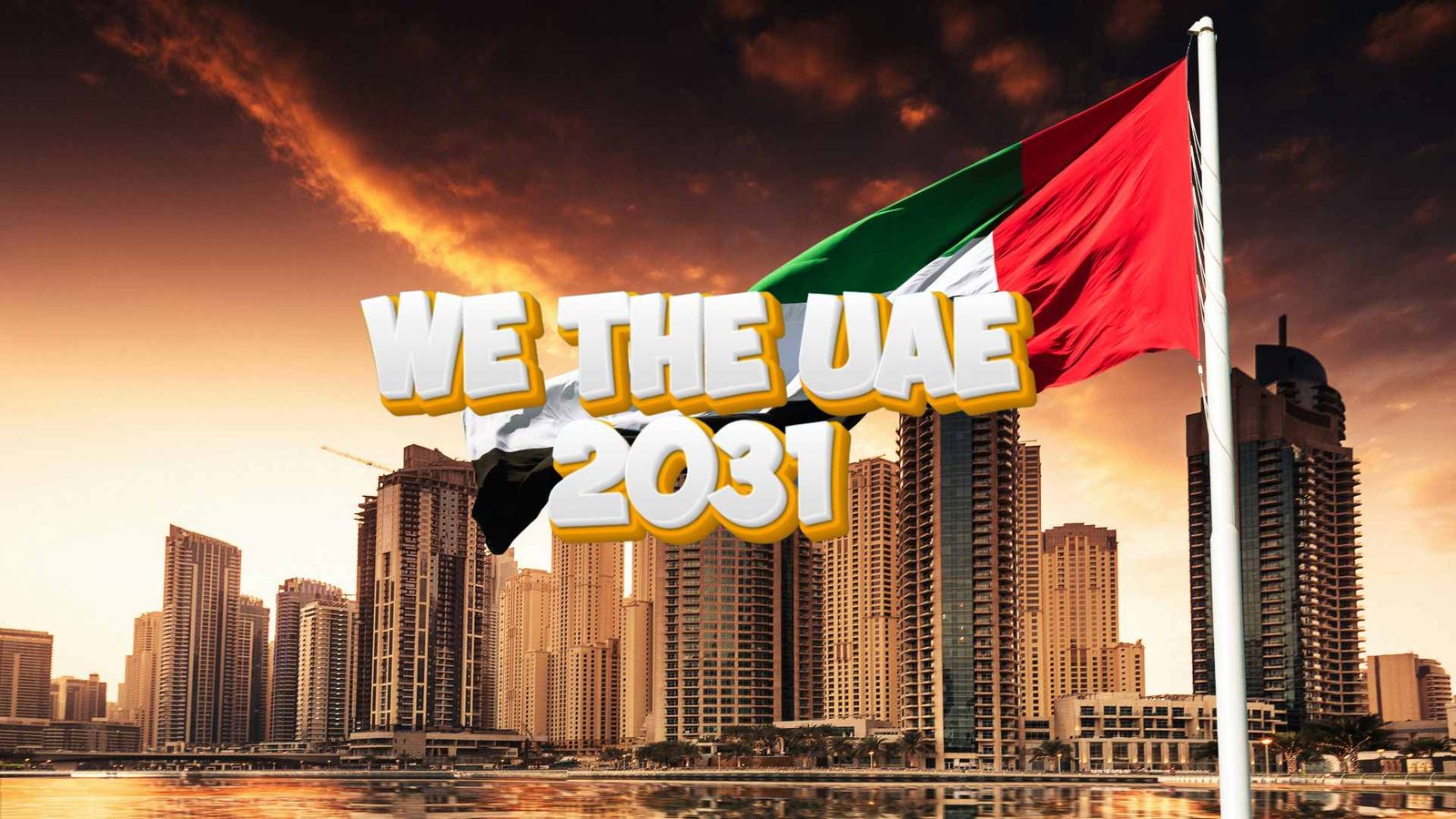
The United Arab Emirates has unveiled an ambitious plan to significantly boost its foreign direct investment inflows, aiming to increase annual figures from AED112 billion in 2023 to AED240 billion by 2031. This initiative is part of the newly approved National Investment Strategy 2031, which seeks to position the UAE as a premier global investment hub.

The strategy outlines a comprehensive approach to enhance the nation’s investment landscape. It includes the launch of 12 strategic programmes and 30 targeted initiatives, such as the Financial Sector Development Program, the One-Market Program, and InvestUAE. These initiatives are designed to bolster investment promotion and drive economic diversification across key sectors, including industry, logistics, financial services, renewable energy, and information technology.

His Highness Sheikh Mohammed bin Rashid Al Maktoum, Vice President, Prime Minister, and Ruler of Dubai, chaired the UAE Cabinet meeting where the strategy received approval. He emphasized that the goal is to increase annual foreign investment inflows to AED240 billion by 2031 and grow the UAE’s total FDI stock from AED800 billion to AED2.2 trillion over the coming years.

In 2023, the UAE recorded FDI inflows amounting to USD 30.688 billion, a substantial increase from USD 22.737 billion in 2022. This growth positioned the UAE second globally in FDI inflows, reflecting the nation’s robust investment climate and strategic initiatives to attract foreign capital.

The National Investment Strategy 2031 is expected to further enhance the UAE’s role as a bridge connecting regional markets and a global hub for investment. By focusing on key sectors and implementing targeted initiatives, the UAE aims to diversify its economy, reduce dependence on oil revenues, and promote sustainable development.

The strategy also aligns with the UAE’s broader economic goals, including the promotion of innovation, support for small and medium-sized enterprises , and the development of human capital. By creating a conducive environment for businesses and investors, the UAE seeks to foster economic growth and maintain its competitive edge in the global market.

As part of its efforts to attract foreign investment, the UAE has established a comprehensive framework of agreements, including Bilateral Investment Treaties , Avoidance of Double Taxation Agreements , and Comprehensive Economic Partnership Agreements . These agreements aim to offer robust protections, streamline processes, and provide strategic opportunities for investors, thereby enhancing the UAE’s appeal as an investment destination.

Asset management firm Ninety One Plc is increasing its investments in United Arab Emirates equities to mitigate exposure to the ongoing trade tensions initiated by U.S. President Donald Trump. The company’s emerging-markets equity team, overseeing $11 billion in assets, is targeting markets less affected by U.S. tariffs, according to co-portfolio manager Varun Laijawalla. This strategy includes acquiring shares in UAE-based companies such as Emaar Properties PJSC and Abu Dhabi Commercial Bank PJSC.

Emaar Properties, a leading real estate developer in the UAE, has experienced fluctuations in its stock performance. On March 14, 2025, the Dubai Financial Market index declined by 0.9%, influenced by losses in the real estate sector due to new tariff threats from President Trump. Emaar Properties and its construction subsidiary, Emaar Development, saw their shares decrease by 2.2% and 2.8%, respectively.

Despite these short-term declines, Emaar Properties has demonstrated resilience over the past year. The company’s stock has shown a 69.91% increase over the last 12 months, indicating strong growth potential.

Abu Dhabi Commercial Bank , another focus of Ninety One’s investment strategy, has also shown notable financial performance. In 2024, ADCB reported revenues of AED 16.61 billion, marking a 19.64% increase compared to the previous year’s AED 13.88 billion. Earnings for the same period reached AED 8.74 billion, reflecting an 11.80% increase.

The bank’s stock has been trading within a 52-week range of AED 7.61 to AED 12.60, with a market capitalization of approximately AED 76.67 billion.

Ninety One’s strategic move to invest in UAE markets aligns with its objective to find “uncorrelated markets” less susceptible to the adverse effects of U.S. tariffs. The firm, formerly known as Investec Asset Management, rebranded to Ninety One in 2020 to reflect its founding year and has since been listed on both the London and Johannesburg Stock Exchanges.

As of December 31, 2022, Ninety One managed approximately $159 billion in assets, offering a range of active strategies across equities, fixed income, multi-asset, and alternative investments.

The firm’s decision to bolster investments in the UAE comes amid broader market reactions to global trade tensions. On March 11, 2025, major Gulf markets experienced declines due to investor concerns over a potential U.S. recession triggered by widespread trade conflicts. The Saudi Arabian index fell by 1.3%, with significant decreases in Al Rajhi Bank and Saudi National Bank. Similarly, Dubai’s index decreased by 1.1%, affected by a 2.3% drop in Emaar Properties and a 1.9% decline in Emirates NBD.

However, by March 12, 2025, Gulf stock markets displayed mixed results amid hopes for a Ukraine ceasefire and ongoing concerns over U.S. tariffs. Dubai’s main index rose by 0.7%, led by gains in Emaar Properties and Dubai Islamic Bank, while Abu Dhabi’s index increased by 0.4%. Conversely, Saudi Arabia’s index experienced a slight decline of 0.1%.

The UAE’s economic environment presents opportunities for investors seeking markets less correlated with U.S. trade policies. Ninety One’s targeted investments in companies like Emaar Properties and ADCB reflect a strategic approach to navigating global trade uncertainties while capitalizing on the growth potential within the UAE.

Emaar Properties continues to be a significant player in the UAE’s real estate sector, with a market capitalization of AED 122.42 billion and a dividend yield of 7.22%. The company’s earnings per share stand at AED 1.53, and it is scheduled to release its next earnings report on May 8, 2025.

Abu Dhabi Commercial Bank maintains a strong presence in the UAE’s banking industry, with a public float of 2.91 billion shares. The bank’s robust financial performance and strategic initiatives position it well to navigate the challenges posed by global trade dynamics.

Ninety One’s emphasis on identifying investment opportunities in markets less affected by U.S. tariffs underscores its commitment to delivering value to its clients while mitigating risks associated with global trade tensions. By focusing on the UAE’s resilient sectors, the firm aims to achieve sustainable growth in an increasingly complex economic landscape.

Gold prices in the United Arab Emirates have surged to unprecedented levels, reflecting a global trend driven by economic uncertainties and market dynamics. As of March 16, 2025, the price of 24-karat gold in Dubai stands at AED 360.31 per gram, while 22-karat gold is priced at AED 330.29 per gram.

This surge aligns with global movements, as gold prices worldwide have breached the $3,000 per ounce mark for the first time. On March 14, 2025, gold peaked at $3,000.87 per ounce before settling at $2,994.50. This milestone reflects a consistent rally, with prices up 3.1% over the past week and nearly 14% since the beginning of the year.

Several factors have contributed to this historic rise. Escalating trade tensions, particularly between the United States and the European Union, have heightened economic uncertainty, prompting investors to seek refuge in safe-haven assets like gold. Additionally, expectations of monetary policy easing by the Federal Reserve have bolstered gold’s appeal. Investors anticipate potential interest rate cuts to counteract slowing economic growth, further enhancing gold’s attractiveness as a non-yielding asset.

Central banks, notably China’s, have been increasing their gold reserves, providing additional support to prices. This trend underscores a strategic move to diversify reserves amid global economic uncertainties. Goldman Sachs has adjusted its year-end gold price forecast to $3,100 per ounce, highlighting sustained central bank demand and favorable market conditions.

In the UAE, the gold market has experienced significant activity. The Dubai Gold and Jewellery Group reported that the price of 24-karat gold reached AED 360.31 per gram, marking a substantial increase from previous levels. This surge has impacted both retailers and consumers, with many investors considering gold as a hedge against inflation and currency fluctuations.

The local jewellery market has felt the effects of rising gold prices. Retailers have observed shifts in consumer behaviour, with some buyers opting for lighter pieces or postponing purchases. However, others view the current prices as a worthwhile investment, anticipating further appreciation in value.

Pavel Durov, the founder of the messaging platform Telegram, has left France for Dubai after receiving permission from a French court. This development follows legal proceedings in which Durov faced charges related to the alleged misuse of his platform for criminal activities.

In August 2024, Durov was detained at a Paris airport and subsequently charged with facilitating the dissemination of child pornography, illegal drug transactions, and hacking tools through Telegram. French authorities accused him of failing to adequately monitor and prevent such illicit content on his platform. Upon his release, Durov was required to remain in France, post a €5 million bail, and report regularly to the police. 

The recent court decision allows Durov to leave France temporarily, with reports indicating that he has traveled to Dubai. Sources close to the case confirmed his departure, stating that the court granted him permission to leave for several weeks. Neither Durov nor his legal team have publicly commented on this development. 

Durov, who holds Russian, French, and United Arab Emirates citizenships, has maintained a stance advocating for user privacy and minimal interference from authorities. However, the charges in France have intensified debates about the responsibilities of tech platforms in monitoring and controlling illegal activities facilitated through their services. 

The legal challenges faced by Durov have had a notable impact on Toncoin , the cryptocurrency associated with the Telegram ecosystem. Following news of Durov’s departure to Dubai, Toncoin experienced a significant price increase, with reports indicating a surge of almost 20%. This spike reflects investor optimism, possibly anticipating a more favorable environment for Telegram’s operations and its associated projects in Dubai. 

Historically, Toncoin’s value has been sensitive to developments concerning Durov and Telegram. For instance, during Durov’s legal troubles in France, Toncoin’s price experienced volatility, underscoring the close ties between the cryptocurrency’s performance and the fortunes of its founder. 

Durov’s move to Dubai aligns with his previous patterns of relocating to jurisdictions with favorable regulatory environments for technology and cryptocurrency ventures. Dubai has been positioning itself as a hub for digital innovation, offering a supportive climate for blockchain and cryptocurrency projects. This relocation could signal strategic plans for the expansion and development of Telegram’s services and its blockchain initiatives, including Toncoin.

The situation also highlights the ongoing global discourse on the balance between ensuring user privacy and enforcing regulations to prevent the misuse of digital platforms for illegal activities. Governments worldwide are grappling with the challenge of holding tech companies accountable while respecting individual freedoms and promoting innovation. Durov’s case serves as a focal point in this complex debate, illustrating the tensions between regulatory authorities and technology entrepreneurs.

Advertisements

Abu Dhabi National Oil Company is evaluating a potential acquisition of energy assets from Mubadala Investment Company, a sovereign wealth fund, in a transaction that could be valued at approximately $10 billion, according to individuals familiar with the matter.

Discussions between the two entities commenced late last year but have encountered obstacles in recent months due to disagreements over asset valuation. The negotiations have since stalled, with both parties yet to reach a consensus on the terms of the deal.

This prospective acquisition aligns with ADNOC’s strategic objective to expand its global energy portfolio and diversify its operations. The state-owned oil giant has been actively pursuing international investments to strengthen its presence in the global energy market. In February 2025, ADNOC announced plans to transfer stakes in some U.S. assets to its newly established international investment firm, XRG PJSC, as part of a broader initiative to create an $80 billion global venture.

Mubadala Investment Company, established in 2002, manages a diverse portfolio spanning various sectors, including energy, utilities, and real estate. The potential divestment of its energy assets could be part of Mubadala’s strategy to rebalance its investment portfolio and focus on other sectors.

ADNOC’s interest in Mubadala’s energy assets reflects a broader trend among Middle Eastern oil companies to diversify their holdings and invest in downstream and international assets. This strategy aims to mitigate risks associated with fluctuating oil prices and to capitalize on emerging opportunities in the global energy landscape.

The outcome of the negotiations remains uncertain, and it is unclear whether the parties will resume discussions to finalize the deal. Both ADNOC and Mubadala have declined to comment on the ongoing negotiations.

In a related development, ADNOC has been considering an international listing for its newly established investment arm, XRG. Initial discussions suggest that a minority stake could be listed in approximately five years, with guidance from Bank of America. This move aligns with ADNOC’s strategy to diversify its revenue streams and strengthen its global investment mandate.

ADNOC has been actively pursuing international acquisitions to bolster its global presence. In March 2024, the company, in collaboration with Austrian energy producer OMV AG, planned to acquire Canada’s Nova Chemicals Corp. This acquisition was part of efforts to form a major global chemical company, reflecting ADNOC’s commitment to expanding its footprint in the global energy and chemicals sectors.

The potential acquisition of Mubadala’s energy assets underscores ADNOC’s strategic intent to diversify its portfolio and enhance its position in the global energy market. As the energy landscape continues to evolve, such strategic moves are indicative of the company’s efforts to adapt and thrive in a dynamic environment.

The global energy sector has been witnessing significant shifts, with companies seeking to diversify their portfolios and invest in sustainable energy solutions. ADNOC’s recent activities, including the establishment of XRG and the pursuit of international acquisitions, highlight its commitment to aligning with global energy trends and securing its position as a leading energy provider.

Dubai Aerospace Enterprise has committed approximately $1 billion to acquire 17 next-generation aircraft, enhancing its global fleet. This strategic move underscores DAE’s dedication to modernizing its portfolio and strengthening its position in the aviation leasing industry.

The acquisition includes 15 narrow-body and 2 wide-body aircraft, all equipped with advanced fuel-efficient technologies. Notably, 80% of these aircraft are manufactured by Airbus, with the remaining 20% produced by Boeing. This composition reflects DAE’s strategy to balance its fleet between the two leading aircraft manufacturers. The newly acquired aircraft are currently leased to 11 airlines across 10 countries, indicating DAE’s extensive global reach and diversified client base.

Firoz Tarapore, Chief Executive Officer of DAE, expressed enthusiasm about the acquisition, stating that it aligns with the company’s commitment to integrating next-generation technology into its fleet. He emphasized that these modern, fuel-efficient aircraft will not only enhance DAE’s portfolio but also deepen relationships with their global airline customers. Tarapore also highlighted the company’s proactive approach in sourcing attractive assets from the secondary market to meet growth and portfolio management targets, especially amid ongoing delivery delays from manufacturers.

Upon completion of this transaction, DAE’s fleet metrics are expected to improve significantly. The weighted average age of its passenger fleet will decrease to 6.9 years, and the average remaining lease term will extend to 6.6 years. This rejuvenation of the fleet is anticipated to enhance operational efficiency and appeal to airlines seeking modern aircraft for their operations.

The updated fleet composition post-acquisition will be 46% Airbus aircraft, 49% Boeing aircraft, and 5% ATR 72-600 models. This balanced mix ensures that DAE can cater to a wide range of airline requirements, from regional to long-haul operations.

The aviation industry has been witnessing a strong recovery, with airlines seeking to modernize their fleets to meet environmental regulations and passenger expectations. DAE’s investment in next-generation aircraft positions the company to capitalize on this trend, offering fuel-efficient and environmentally friendly options to its clients.

In the context of global aviation, leasing companies like DAE play a crucial role in providing airlines with flexible fleet solutions. By investing in modern aircraft, lessors not only support airlines in meeting their operational goals but also contribute to the overall sustainability efforts of the industry.

DAE’s strategic decision to expand its fleet with next-generation aircraft demonstrates its commitment to innovation, customer satisfaction, and environmental responsibility. As the aviation sector continues to evolve, such investments are essential for companies aiming to maintain a competitive edge and support the industry’s growth trajectory.

This acquisition also reflects the broader trend of aviation companies prioritizing sustainability. Next-generation aircraft are designed to offer improved fuel efficiency and reduced emissions, aligning with global efforts to combat climate change. By integrating these aircraft into its fleet, DAE is not only enhancing its market position but also contributing positively to environmental sustainability.

Aldar Investment Properties , a subsidiary of Aldar Properties, has successfully issued a $500 million 10-year green sukuk, significantly enhancing its financial standing. The issuance witnessed remarkable investor interest, with the order book surpassing $3.6 billion, indicating an oversubscription rate of 7.2 times. Regional investors accounted for 61% of the allocations, while international investors took up the remaining 39%. The sukuk was competitively priced at a spread […]

Dubai-based robotics manufacturer Micropolis Holding has successfully raised $15.5 million through its initial public offering on the NYSE American exchange. The company offered approximately 3.875 million ordinary shares at $4 per share, aligning with the lower end of the anticipated price range. Trading commenced on March 7, 2025, under the ticker symbol “MCRP”. Established in 2014 and headquartered in Dubai Production City, Micropolis specializes in developing autonomous […]

Dubai-based global ports and logistics operator DP World announced a record revenue of $20 billion for the fiscal year 2024, marking a 9.7% increase from the previous year. This surge is attributed to enhanced performance in its ports and terminals division, alongside contributions from new acquisitions and concessions. Despite the revenue growth, profit attributable to owners, after separately disclosed items, fell by 28.9% to $591 million from […]

The United States has escalated its economic pressure on Iran by imposing sanctions on Iranian Oil Minister Mohsen Paknejad and a network of vessels, commonly referred to as the “shadow fleet,” accused of facilitating Tehran’s evasion of existing sanctions. This move is part of President Donald Trump’s “maximum pressure” campaign aimed at curtailing Iran’s oil exports and hindering its alleged nuclear ambitions.

The U.S. Treasury Department’s Office of Foreign Assets Control announced the sanctions, highlighting Paknejad’s role in overseeing the export of oil valued at tens of billions of dollars, with significant portions allocated to Iran’s armed forces. Treasury Secretary Scott Bessent emphasized that the Iranian regime exploits its oil wealth for its own interests rather than for the benefit of its people.

The sanctions also target a fleet of vessels accused of disguising Iranian oil shipments. Among them are the Hong Kong-flagged Peace Hill and the Iran-flagged Polaris 1, as well as others registered in Seychelles and Liberia. These ships are allegedly part of a sophisticated network designed to circumvent international sanctions by obscuring the origin of Iranian oil.

The concept of a “shadow fleet” refers to a collection of aging tankers that operate under various flags and ownership structures to evade detection. These vessels often engage in deceptive practices such as turning off their Automatic Identification Systems , conducting ship-to-ship transfers in international waters, and falsifying documentation to mask the origin of their cargo. Such tactics have been employed to maintain the flow of Iranian oil to international markets despite stringent sanctions.

The U.S. administration’s strategy includes not only sanctioning individuals and entities directly involved in Iran’s oil exports but also those facilitating these clandestine operations. By targeting the maritime infrastructure that supports Iran’s oil trade, the U.S. aims to disrupt the financial networks that fund Iran’s nuclear program and its support for militant groups.

In addition to these measures, the U.S. is considering more aggressive tactics to impede Iran’s oil exports. One proposal under review involves stopping and inspecting Iranian oil tankers at sea. This approach aims to delay crude deliveries and create uncertainty in the supply chains that are vital for Iran’s revenue. Such actions would further tighten the economic noose around Tehran, limiting its ability to generate income from oil sales.

The U.S. State Department has also announced a comprehensive review of all sanctions waivers that provide Iran with economic relief. This includes scrutinizing waivers that allow countries like Iraq to pay Iran for electricity, as well as those permitting other nations to import Iranian oil. The objective is to close any loopholes that might enable Iran to sustain its economy despite the sanctions.

Iran has sharply criticized the U.S. for its “hypocrisy” following the new sanctions on its oil minister, further straining U.S.-Iran relations. The Iranian government argues that these measures are part of a broader strategy to destabilize the country and undermine its sovereignty.

The international community remains divided over the U.S.’s approach. While some allies support the hardline stance against Iran’s nuclear program and regional activities, others express concern that escalating sanctions could lead to increased tensions in the Middle East. There are fears that such measures might provoke retaliatory actions from Iran, potentially disrupting global oil markets and leading to broader geopolitical instability.

The effectiveness of the “maximum pressure” campaign is a subject of ongoing debate. Proponents argue that the economic strain forces Iran to reconsider its nuclear ambitions and regional policies. Critics, however, contend that the sanctions disproportionately affect ordinary Iranians and may strengthen hardline factions within the country, reducing the prospects for diplomatic engagement.

As the U.S. continues to tighten its sanctions regime, the resilience of Iran’s strategies to circumvent these measures will be tested. The international community will closely monitor the situation to assess the impact on global oil markets, regional stability, and the broader geopolitical landscape.

Lila Sciences, a pioneering venture in artificial intelligence , has secured $200 million in seed funding to develop a groundbreaking scientific superintelligence platform. This platform aims to revolutionise scientific research by integrating AI with autonomous laboratories across life sciences, chemistry, and materials science. The funding round saw participation from notable investors, including Flagship Pioneering, General Catalyst, March Capital, ARK Venture Fund, Altitude Life Science Ventures, Blue Horizon Advisors, the State of Michigan Retirement System, Modi Ventures, and a wholly owned subsidiary of the Abu Dhabi Investment Authority .

Founded in 2023 within the labs of Flagship Pioneering, Lila Sciences is on a mission to achieve what it terms “scientific superintelligence.” This concept involves an advanced form of AI capable of not only processing vast amounts of data and making predictions but also assisting scientists in designing and conducting new experiments, generating hypotheses, and testing them in real-world environments. The company’s Autonomous Science platform is designed to scale and optimise experimentation in any scientific domain by combining generative AI with generalisable, scalable, and autonomous AI science units.

Chief Executive Officer Geoffrey von Maltzahn, Ph.D., co-founder of Lila Sciences and General Partner at Flagship Pioneering, emphasised the company’s ambitious vision: “Lila’s mission to responsibly achieve scientific superintelligence is born out of the belief that this is the most important opportunity of our time, and that the leader in this pursuit will be the entity that runs the scientific method at the largest scale, speed, and intelligence.” He further elaborated on the necessity of solving complex challenges to enable AI to autonomously and scalably execute each step of the scientific process, from idea generation to practical implementation using robotics and automation.

The investment by ADIA underscores the growing interest of sovereign wealth funds in cutting-edge technologies, particularly those with the potential to transform industries. While the exact financial contribution from ADIA remains undisclosed, its participation aligns with the fund’s strategy to diversify its portfolio by investing in innovative sectors poised for significant growth.

Lila Sciences’ platform has already demonstrated remarkable capabilities in multiple domains. These include developing large language models with state-of-the-art reasoning abilities on critical scientific problems, generating genetic medicine constructs that outperform commercially available therapeutics, discovering and validating hundreds of novel antibodies, peptides, and binders, and creating unique non-platinum catalysts for green hydrogen production. These achievements highlight the platform’s potential to accelerate scientific discovery and address complex challenges in human health and sustainability.

The company’s leadership team comprises distinguished figures in the scientific community. George Church, Ph.D., a renowned geneticist, serves as the Chief Scientist Officer. Andrew Beam, Ph.D., an expert in AI and machine learning, holds the position of Chief Technology Officer. Kenneth Stanley, Ph.D., known for his work in neuroevolution, is the Senior Vice President. Rafael Gómez-Bombarelli, Ph.D., an authority in materials science, serves as the Chief Science Officer of Materials. Christopher Fussell, with extensive experience in organisational leadership, is the President of Operations. This diverse team brings a wealth of knowledge and expertise to drive Lila Sciences’ ambitious agenda forward.

The platform’s design aims to be open to partners across the life and material sciences industries. By collaborating with various stakeholders, Lila Sciences intends to jointly develop solutions in human health and sustainability at an unprecedented pace and scale. This collaborative approach is expected to harness the collective expertise of industry leaders, researchers, and innovators to tackle some of the most pressing challenges facing society today.

The involvement of investors such as Flagship Pioneering, General Catalyst, March Capital, ARK Venture Fund, Altitude Life Science Ventures, Blue Horizon Advisors, the State of Michigan Retirement System, Modi Ventures, and ADIA reflects a strong confidence in Lila Sciences’ vision and potential. Flagship Pioneering, known for its role in founding Moderna, has a track record of supporting transformative biotech ventures. General Catalyst and March Capital bring significant experience in scaling technology companies, while ARK Venture Fund and Altitude Life Science Ventures are recognised for their focus on disruptive innovations in science and technology. Blue Horizon Advisors, with offices in the UAE and the UK, adds a global perspective to the investor consortium. The State of Michigan Retirement System’s participation signifies institutional interest in groundbreaking technologies, and Modi Ventures’ involvement highlights the appeal of Lila Sciences’ mission to diverse investor groups.

The substantial seed funding of $200 million is earmarked to support the further development of Lila Sciences’ AI platform, the establishment of autonomous labs, and the infrastructure necessary for rapid scaling. These resources are intended to enable the company to expand its capabilities, enhance its technological infrastructure, and accelerate the deployment of its platform across various scientific domains. The goal is to create a robust ecosystem where AI-driven experimentation can lead to faster, more efficient, and more accurate scientific discoveries.

Lila Sciences’ emergence comes at a time when the integration of AI into scientific research is gaining momentum. The company’s approach represents a significant shift towards automating the scientific method, potentially reducing the time and cost associated with traditional research and development processes. By enabling AI to autonomously generate hypotheses, design experiments, and interpret results, Lila Sciences aims to unlock new possibilities in drug discovery, materials development, and other critical areas.


Janus Marine and Defense, a U.S.-based marine autonomy specialist, in collaboration with Nexus Remote Solutions, has announced plans to establish the United Arab Emirates’ inaugural center dedicated to the testing, hiring, and maintenance of unmanned vessels. The Remote Operations Center , aptly named ‘The Quarterdeck,’ is set to be located at Addax Tower on Al Reem Island in Abu Dhabi, marking a significant milestone in the region’s maritime industry.

This initiative represents a pioneering effort to provide industry and small to medium-sized enterprises with access to advanced facilities for unmanned surface vessels and unmanned underwater vessels . The Quarterdeck aims to serve both commercial offshore and defense sectors, fostering innovation and development in marine autonomy technologies.

Jack Dougherty, owner of Janus Marine and Defense and a former U.S. Navy seafarer with extensive experience in naval and commercial marine autonomy, highlighted the strategic advantages of operating in the UAE. He noted that the country’s open policy towards USV operations in its territorial waters offers favorable conditions, free from the bureaucratic hurdles and regulations encountered in other parts of the world.

The Quarterdeck is scheduled to officially open in June, positioning itself as a unique facility in the Gulf region. Currently, the UAE hosts three ROCs spanning the offshore, commercial, and defense markets; however, all three are privately owned and inaccessible to external contractors. The establishment of the Quarterdeck aims to bridge this gap by providing private companies with access to state-of-the-art technology and facilities typically reserved for private ROCs.

This development is poised to significantly enhance the capabilities of startups and scale-ups in the region, enabling them to innovate and advance USV and UUV technologies. By offering a dedicated space for testing and maintenance, the Quarterdeck is expected to accelerate the growth of the unmanned vessel industry within the UAE and beyond.

The collaboration between Janus Marine and Defense and Nexus Remote Solutions underscores a shared vision for industry standardization and practical cooperation. In May 2024, the two companies unveiled the Nexus-Janus Portal, a groundbreaking USV payload management system designed for universal compatibility. The NJ Portal aims to standardize payload integration across various vessel builders, payload providers, and autonomous control manufacturers, thereby enhancing the modularity and operational flexibility of USVs.

The NJ Portal is a scalable, versatile server solution that simplifies the integration and management of payload systems on USVs. It adapts to diverse data processing requirements and power needs, ranging from single-board computers to powerful 8U GPU servers. This ensures easy management of payload integrations and rapid deployment or modification of configurations across different vessels. Jack Dougherty, CEO of Janus Marine and Defense, emphasized the portal’s versatility, stating, “Whether it’s a tow-behind side scan sonar performing a hydro survey or a .50 caliber machine gun in a remote weapon system, the principle is the same. We take a manned or wired system and make it work on an autonomous platform where it wasn’t designed to be.”

John Woroniuk, Director of Nexus and Portal Development Engineer, highlighted the portal’s potential, noting, “With version 3 of our system, we offer nearly unlimited integration possibilities. This enhances payload efficiency and allows preprogrammed accommodation for additional payloads yet to be installed. Whether your fleet consists of 11-meter USVs equipped for varied missions, our system delivers the seamless integration needed.”

The establishment of the Quarterdeck aligns with the UAE’s broader strategic objectives to position itself as a leader in maritime innovation and technology. By providing a dedicated facility for the development and maintenance of unmanned vessels, the UAE is set to attract global attention and investment in the marine autonomy sector.

The Quarterdeck’s location at Addax Tower on Al Reem Island offers strategic advantages, providing easy access to key maritime routes and infrastructure. This prime location is expected to facilitate seamless operations and collaborations with local and international partners.

The launch of the Quarterdeck is anticipated to have a ripple effect across the maritime industry in the region. By offering accessible facilities for testing and maintaining unmanned vessels, the center is likely to encourage more companies to explore and invest in marine autonomy technologies. This could lead to increased innovation, job creation, and economic growth within the sector.

The Quarterdeck is expected to serve as a hub for knowledge exchange and collaboration. By bringing together industry experts, researchers, and companies, the center aims to foster a community dedicated to advancing unmanned vessel technologies. This collaborative environment is likely to spur new ideas, partnerships, and solutions to existing challenges in the maritime industry.

The initiative also reflects a growing global trend towards the adoption of unmanned systems in various sectors, including defense, oil and gas, and environmental monitoring. The ability to operate vessels remotely offers numerous advantages, such as increased safety, reduced operational costs, and the capability to perform tasks in hazardous environments.

As the maritime industry continues to evolve, the establishment of facilities like the Quarterdeck will play a crucial role in shaping the future of marine operations. By providing the necessary infrastructure and support, such centers enable the development and deployment of advanced technologies that can transform traditional practices.

Ripple, a prominent blockchain payments provider, has secured full regulatory approval from the Dubai Financial Services Authority to offer cross-border cryptocurrency payment services within the United Arab Emirates . This landmark authorization enables Ripple to operate in the Dubai International Financial Centre , a special economic zone with its own legal and regulatory framework.

The DFSA’s approval positions Ripple as the first blockchain-enabled payments provider licensed by the authority, underscoring the company’s commitment to regulatory compliance and its strategic focus on the Middle East. Brad Garlinghouse, Ripple’s Chief Executive Officer, remarked that the global crypto industry is experiencing unprecedented growth, driven by enhanced regulatory clarity and increasing institutional adoption. He highlighted the UAE’s supportive environment for technological and crypto innovation, suggesting that the nation is exceptionally well-placed to benefit from these developments.

Ripple’s journey to this full license began on October 1, 2024, when it received in-principle approval from the DFSA. Over the subsequent months, the company worked diligently to meet all regulatory requirements, culminating in the current full authorization. This progression reflects both Ripple’s dedication to compliance and the DFSA’s rigorous standards for financial service providers operating within its jurisdiction.

With the DFSA license, Ripple is now authorized to provide its global blockchain-based payment solutions to businesses across the UAE. This development is particularly significant for financial institutions seeking to integrate digital assets into their operations, offering a regulated and secure pathway for such integration. The license also allows Ripple to cater to the growing demand for efficient cross-border payment solutions in the region, a need that has been increasingly pronounced among both traditional financial institutions and crypto-native firms.

The UAE’s strategic positioning as a global hub for international trade and finance further amplifies the importance of this approval. According to data from the World Bank, the UAE facilitates nearly $40 billion in cross-border transactions annually, underscoring the substantial market potential for Ripple’s services. By leveraging its blockchain technology, Ripple aims to address existing challenges in cross-border payments, such as high fees, prolonged settlement times, and transparency issues, thereby enhancing the overall efficiency of international transactions.

Ripple’s establishment of its regional headquarters in Dubai in 2020 marked the beginning of its deepening engagement with the Middle East. Since then, the company has actively collaborated with regional stakeholders to promote the adoption of blockchain technology. Notably, Ripple has partnered with the DIFC Innovation Hub, supporting blockchain development through initiatives like its 1 billion XRP Fund Program. These efforts align with the UAE’s broader vision to position itself as a leader in digital finance and blockchain innovation.

The DFSA’s approval of Ripple’s license is a testament to the UAE’s progressive regulatory approach toward digital assets. By fostering a supportive environment for tech and crypto innovation, the UAE has attracted numerous global fintech companies, reinforcing its status as a forward-thinking financial center. Arif Amiri, CEO of the DIFC, noted that Ripple’s licensing represents a significant milestone, as it is the first time the DFSA has granted such approval to a blockchain payments provider. This move is expected to encourage further innovation and adoption of blockchain solutions within the region.

Looking ahead, Ripple’s fully regulated status in the UAE is anticipated to enhance its ability to serve a diverse clientele, ranging from payment service providers and exchange houses to financial institutions and large corporations. Reece Merrick, Ripple’s Managing Director for the Middle East and Africa, emphasized that the company is poised to meet the increasing demand for efficient cross-border payment solutions in the region. He highlighted that Ripple’s services are designed to cater to institutional clients, reflecting the company’s focus on providing enterprise-grade solutions.

The world’s leading technology billionaires have experienced unprecedented declines in their net worths, with a collective loss of approximately $266 billion in 2025. This downturn surpasses the market capitalizations of major corporations such as Salesforce and McDonald’s. Elon Musk, the CEO of Tesla and SpaceX, has seen his wealth diminish by $102 billion in just two months, primarily due to a 35% drop in Tesla’s stock price. […]

The $1.5 billion theft from Dubai-based cryptocurrency exchange Bybit has prompted the European Union to initiate an investigation into OKX, another prominent crypto platform, to assess compliance with the Markets in Crypto-Assets regulation. The probe seeks to determine whether OKX’s operations fall under MiCA’s jurisdiction and, if so, what enforcement actions may be warranted.

On February 21, 2025, Bybit suffered a cyberattack resulting in the loss of approximately 400,000 Ethereum tokens, valued at $1.5 billion, marking the largest cryptocurrency exchange hack to date. The Federal Bureau of Investigation attributed the heist to North Korea’s Lazarus Group, known for previous high-profile cybercrimes.

In response to the Bybit incident, European regulators have intensified their scrutiny of cryptocurrency exchanges operating within the EU. The focus has turned to OKX to evaluate its adherence to MiCA, a regulatory framework established to oversee crypto-assets and ensure consumer protection within the European Union.

MiCA, enacted to create a unified regulatory environment for crypto-assets across EU member states, requires platforms like OKX to comply with specific standards to operate legally within the region. The current investigation aims to ascertain whether OKX’s activities align with these standards and to identify any potential regulatory breaches.

The outcome of this investigation could have significant implications for OKX and other cryptocurrency exchanges operating in the EU. Potential sanctions may include fines, operational restrictions, or even prohibition from offering services within the European market. This development underscores the EU’s commitment to enforcing regulatory compliance to protect consumers and maintain financial stability in the rapidly evolving crypto industry.

The Bybit hack has also reignited discussions about the security vulnerabilities inherent in cryptocurrency exchanges. Despite Bybit’s swift action to replenish its reserves within 72 hours by securing emergency funding from firms such as Galaxy Digital, FalconX, and Wintermute, the incident has raised concerns about the adequacy of existing security measures. The Lazarus Group exploited vulnerabilities in Bybit’s security infrastructure, transferring the stolen funds to multiple unidentified addresses, thereby complicating recovery efforts.

Four Seasons Hotel Riyadh at Kingdom Centre has announced a unique collaboration for Ramadan 2025, partnering with esteemed fashion brands Art of Heritage and DAR AL HANOUF to offer guests an elevated cultural experience. This initiative showcases a fusion of traditional Saudi craftsmanship and contemporary design, reflecting the Kingdom’s rich heritage.

The collaboration commenced with an exclusive suhoor gala on March 8, held in the hotel’s prestigious Kingdom Suite. This two-storey suite, located on the 48th and 50th floors, provided panoramic views of Riyadh, offering an exquisite setting for the unveiling of the couture collection. The event was attended by VIP guests, including members of the royal family, who were treated to traditional oud music, enhancing the cultural ambiance of the evening.

Following the launch, private viewings and personalized fittings were available from March 9 to 11, allowing guests to acquire bespoke pieces tailored to their preferences. This exclusive opportunity to own handcrafted couture, designed with deep cultural significance, underscored the hotel’s commitment to offering unique experiences during the holy month.

Art of Heritage, led by CEO HRH Princess Nourah Bint Mohammed Al Faisal, has evolved over 25 years from a philanthropic initiative to a respected brand. Specializing in luxury handcrafted reproductions of traditional Saudi garments, jewellery, and household items, the brand draws inspiration from historical patterns and textiles across the Kingdom, adapting them for contemporary use. A portion of the proceeds from this collection will support community initiatives, aligning with the brand’s social responsibility efforts.

DAR AL HANOUF, founded by Alhanouf Mazen in 2012, is renowned for its couture creations that seamlessly weave cultural elements like Najd architecture, AlUla traditions, Hejaz roshans, and northern motifs into pieces reflecting both modern luxury and environmental consciousness. The 2025 collection presents modern cuts offering comfort and elegance, focusing on earthy tones that complement layers of silk chiffon and luxurious lace. These elements converge to form artistic pieces that express refined craftsmanship and creativity, melding metallic hues and hand-drawn illustrations—an exploration of polished sophistication that fuses the past with a bold, forward-looking perspective.

In addition to the fashion showcase, Four Seasons Hotel Riyadh has curated special suhoor experiences for its guests. The Kingdom Suite is available for private suhoor bookings, offering an intimate setting with expansive city views. Guests can enjoy a curated selection of regional delicacies and refreshing beverages crafted by the hotel’s culinary team, ensuring a memorable pre-dawn gathering.

Café Boulud, under the guidance of acclaimed French chef Daniel Boulud, has introduced its inaugural suhoor menu this Ramadan. The menu features innovative interpretations of traditional flavors, providing guests with a unique dining experience throughout the holy month. The café’s vintage-inspired setting, warm candlelight, and tranquil atmosphere make it an ideal space for quiet reflection or meaningful moments with loved ones.

Arabian Post Staff -Dubai In a fusion of fashion and technology, Meta Platforms, in collaboration with Ray-Ban and French fashion label Coperni, has introduced a limited-edition series of smart glasses. Unveiled during Paris Fashion Week as part of Coperni’s Fall Winter 2025 collection, these glasses blend Ray-Ban’s iconic Wayfarer design with advanced AI features from Meta. The collection is limited to 3,600 individually numbered pairs, each retailing […]

Dubai’s real estate industry is undergoing a significant transformation as developers, regulators, and investors align efforts to achieve a net-zero built environment by 2030. This collective endeavour is driven by policy initiatives, financial incentives, and technological advancements, positioning sustainability at the forefront of the sector’s evolution. The United Arab Emirates has committed to the Net Zero 2050 initiative, aiming to eliminate carbon emissions by mid-century. This national […]

Dubai’s Roads and Transport Authority has formalised nine cooperation agreements with prominent property developers and free zone authorities, aiming to streamline infrastructure project approvals and bolster road safety across the emirate. The entities involved in these agreements include Emaar Properties, DAMAC Properties, Majid Al Futtaim Properties, Nshama, Al Futtaim Properties, Dubai Multi Commodities Centre, Dubai Healthcare City, Dubai Investments Park, and the Dubai Integrated Economic Zones Authority. […]

Dubai continues to dominate the global greenfield foreign direct investment rankings, further solidifying its position as a key investment hub. According to the latest data from the Financial Times’ fDi Markets, the emirate secured its spot as the leading destination for greenfield FDI projects in 2024. This achievement highlights the city’s resilience and attractiveness as an investment destination, despite global economic challenges. Greenfield FDI refers to investments […]

Saudi Arabia has announced the establishment of the Saudi Investment Marketing Authority, a strategic initiative aimed at bolstering the nation’s attractiveness to international investors. This decision was ratified during a Cabinet meeting chaired by Crown Prince Mohammed bin Salman, underscoring the Kingdom’s commitment to economic diversification and global competitiveness.

Investment Minister Khalid Al-Falih expressed gratitude to King Salman and Crown Prince Mohammed bin Salman for their continued support, highlighting the authority’s pivotal role in advancing the objectives of Vision 2030. This initiative seeks to diversify the economy, enhance global competitiveness, and foster a sustainable economic environment. Al-Falih emphasized that the new authority would serve as a cornerstone in promoting investment opportunities both domestically and internationally, collaborating with various sectors to showcase the Kingdom’s competitive advantages and investor incentives.

The Saudi Investment Marketing Authority is tasked with marketing investment prospects within and beyond the Kingdom, working in partnership with leading entities across diverse sectors. By adopting advanced technologies and strategies in investment marketing, the authority aims to stimulate foreign direct investment inflows, bolster national investments, and support local investors. These efforts are anticipated to drive economic growth, generate quality employment opportunities, and enhance innovation and knowledge transfer, thereby contributing to the sustainability and competitiveness of the Saudi economy.

The establishment of this authority aligns with the broader goals of Vision 2030, reflecting a qualitative transformation towards a more diversified and sustainable economy. By leveraging Saudi Arabia’s strategic location, business-friendly regulations, and world-class infrastructure, the authority aims to position the Kingdom as a premier investment hub on the global stage.

In recent years, Saudi Arabia has witnessed a significant uptick in foreign direct investment, surpassing the targets set by the National Investment Strategy for 2023 by 16%. This positive trend underscores the Kingdom’s growing appeal to global investors and the effectiveness of its ongoing economic reforms. The creation of the Saudi Investment Marketing Authority is expected to further amplify these efforts, providing a structured and focused approach to investment promotion and facilitation.

The authority’s mandate includes the utilization of advanced marketing strategies, comprehensive market analysis, and the establishment of international partnerships to attract global investors. By harnessing digital platforms and innovative marketing techniques, the authority aims to effectively communicate the advantages of investing in Saudi Arabia, thereby enhancing the Kingdom’s visibility and appeal in the global investment landscape.

VISHNU RAJA
RYO YAMADA
HITORI GOTOH
IKUYO KITA