News related to
Engine

The Mississippi River, a lifeline for the American Midwest, faces severe water shortages as persistent drought conditions continue to affect its flow. The river, spanning 2,340 miles from Minnesota to the Gulf of Mexico, supports a vast network of industries, including agriculture, transportation, and energy. With millions of people depending on it for drinking water, irrigation, and commerce, the threat of the Mississippi drying up is raising […]

Masdar, a prominent clean energy company based in Abu Dhabi, has intensified its commitment to renewable energy in the United States by acquiring a 50% stake in Terra-Gen, a leading independent power producer (IPP). This strategic investment, valued at approximately $1 billion, aligns with Masdar’s broader objective to scale its operations in the North American renewable energy market and supports the global transition towards sustainable energy. The […]

Consortium achievements illustrate the capability of industrial metaverse in 3 industry whitepapers SEOUL, SOUTH KOREA – Media OutReach Newswire – 1 October 2024 – Technology is evolving to support modernization and enable innovation in industry. South Korea’s National IT Industry Promotion Agency (NIPA) is supporting local technology development, eventually promoting the efforts and success to an international audience. Though often conflated with gaming and social networking, metaverse […]

ADNOC Drilling has advanced its strategic goals in unconventional oil and gas production by forming the Turnwell joint venture in partnership with global energy firms SLB and Patterson-UTI. The JV aims to accelerate ADNOC’s 144-well program, targeting unconventional reserves across the UAE. This marks a significant step in ADNOC’s broader initiative to boost hydrocarbon output in line with its long-term energy strategy.

Under the terms of the agreement, ADNOC Drilling’s wholly-owned subsidiary, ADH RSC LTD, will maintain a majority 55% stake in Turnwell, while SLB will hold 30%, and Patterson-UTI will control the remaining 15%. The joint venture will leverage cutting-edge drilling and completion technologies, including artificial intelligence and smart engineering solutions, to enhance both efficiency and environmental performance.

Building in GBA’s debut bolsters regional exchange HONG KONG SAR – Media OutReach Newswire – 30 September 2024 – The Quality Building Awards 2024 (QBA 2024) Award Presentation Ceremony took place in the Hong Kong Grand Hyatt Hotel, with Ms Bernadette LINN Hon-ho, JP, Secretary for Development, Development Bureau, HKSARG, as the Guest of Honor. Hong Kong Palace Museum has triumphed in two awards including the most […]

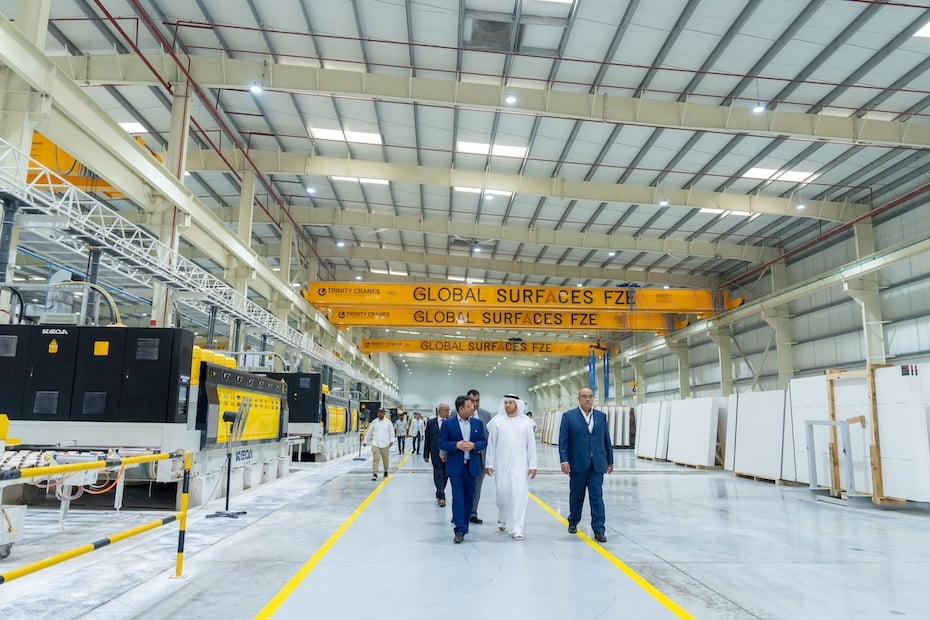
Global Surfaces, a key player in the artificial quartz market, has inaugurated a manufacturing facility in the Jebel Ali Free Zone (Jafza), marking a significant step in the region’s industrial expansion. The state-of-the-art facility, with a price tag of Dhs100 million, is poised to become the largest of its kind in the Middle East, focusing on advanced production processes to meet the surging demand for engineered quartz across the Gulf region and beyond.

The new facility is expected to drastically enhance the company’s production capacity and solidify its market leadership in the region. The plant has been equipped with the latest technology to manufacture artificial quartz and other surface materials, positioning Global Surfaces to capitalize on the growing trend of sustainable and resilient building materials in real estate and construction projects.

Global Surfaces’ decision to base its manufacturing hub in Jafza aligns with Dubai’s strategy to position itself as a global manufacturing and logistics center. This strategic location will allow the company to serve both regional and international markets with greater efficiency. Dubai’s well-established infrastructure, combined with its connectivity through Jafza and proximity to the Jebel Ali Port, was a critical factor in Global Surfaces’ choice of location. The facility will not only boost the company’s operational capabilities but will also create new employment opportunities, contributing to the local economy.

Jafza, part of DP World’s expansive logistics network, is home to over 7,500 businesses from around 135 countries. It has long been a magnet for global manufacturing and trading enterprises due to its integrated infrastructure and streamlined processes for global trade. The free zone’s strategic location offers easy access to key markets across the Middle East, Asia, and Europe, making it an ideal base for companies like Global Surfaces, which aims to scale its production and distribution networks across multiple continents.

Artificial quartz, a popular alternative to natural stone, is increasingly in demand for both commercial and residential projects due to its durability, low maintenance, and eco-friendly properties. The market for quartz surfaces has seen steady growth as developers and architects prefer engineered materials for high-traffic areas such as kitchens and bathrooms. Additionally, advancements in manufacturing technologies have made artificial quartz more customizable, offering a wider range of aesthetic options compared to traditional materials like marble or granite.

The global market for artificial quartz is projected to grow significantly in the coming years, with demand fueled by a resurgence in construction activity, urbanization trends, and the shift towards sustainable building materials. The Middle East, particularly the UAE, has been at the forefront of adopting these innovations, driven by ambitious infrastructure and real estate projects. Global Surfaces’ new facility in Jafza is positioned to tap into this rising demand, enabling faster production cycles and reduced lead times for clients.

While artificial quartz is a key focus of the new plant, the facility will also produce a variety of surface materials to cater to diverse industry needs. With the advanced capabilities of this plant, Global Surfaces will be able to cater to custom specifications, offering clients a broad spectrum of colors, textures, and finishes.

As Global Surfaces scales its production output, the company is expected to strengthen its ties with key developers and contractors in the region. By ensuring a steady supply of high-quality artificial quartz surfaces, the firm is likely to play a vital role in some of the region’s most prestigious construction projects, particularly in the UAE and Saudi Arabia, where demand for cutting-edge building materials remains robust.

The company’s commitment to sustainability is another significant aspect of this expansion. The new facility in Jafza is designed to minimize environmental impact through energy-efficient processes and the use of sustainable raw materials. Global Surfaces has pledged to reduce its carbon footprint by incorporating green technologies into its production line, aligning with the broader industry shift towards environmentally responsible manufacturing practices.

Global Surfaces has also hinted at potential future expansions, both in terms of product offerings and geographical reach. The Jafza facility is seen as a cornerstone of the company’s long-term growth strategy, enabling it to serve not only the Middle East but also other global markets, including Europe and North America.

This latest development from Global Surfaces highlights the company’s ambition to become a leading name in the global artificial quartz industry. The Jafza facility, with its advanced technological capabilities and strategic location, will be instrumental in achieving this goal. The company’s leadership expressed optimism about the future, emphasizing that the new plant would enable them to better meet the needs of their clients while supporting the UAE’s industrial and economic growth.

World-class expertise and engineering combine to deliver next-generation servers ready to empower high-performance computing, peak performance and maximum utilization SINGAPORE – Media OutReach Newswire – 26 September 2024 – ASUS today announced its all-new line-up of Intel® Xeon® 6 processor-powered servers, ready to satisfy the escalating demand for high-performance computing (HPC) solutions. The new servers include the multi-node ASUS RS920Q-E12, which supports Intel Xeon 6900 series processors […]

Advertisements

Premier banking forum unites 150+ banking leaders, regulators, advisory partners, and tech visionaries from across Asia. HO CHI MINH CITY, VIETNAM – Media OutReach Newswire – 26 September 2024 – Backbase, the global leader in engagement banking successfully concluded its flagship event, ENGAGE Asia 2024, in Ho Chi Minh City on September 11-12, 2024. The event, held at Le Méridien Saigon, was attended by over 150 banking […]

A significant investment has been made by Saudi Aramco Ventures in the off-gas technology firm Utility Global, marking a critical step in advancing innovative solutions in the energy sector. This funding round, totaling $53 million, aims to enhance the development of technologies designed to convert natural gas and other off-gases into cleaner, more sustainable energy sources.

Utility Global, founded in 2021, has been at the forefront of creating integrated systems that enable the efficient conversion of waste gas into valuable energy products. The company’s innovative approach focuses on utilizing carbon capture and utilization technology, which aligns well with global efforts to reduce greenhouse gas emissions. By capturing carbon dioxide emissions and converting them into useful products, Utility Global addresses both energy efficiency and environmental sustainability.

The investment by Saudi Aramco Ventures, the venture capital arm of Saudi Aramco, underscores the growing interest among major oil and gas companies in diversifying their portfolios to include more sustainable technologies. Saudi Aramco, recognized as one of the world’s largest producers of oil and gas, has been making strides towards reducing its carbon footprint while simultaneously enhancing its market competitiveness. This partnership is seen as a strategic move to integrate innovative energy solutions into Saudi Aramco’s broader business model.

Utility Global plans to use the funding to scale its operations and accelerate the commercialization of its technologies. The company’s proprietary processes promise to unlock significant efficiencies in energy production while minimizing environmental impact. This investment positions Utility Global not only as a key player in the clean energy transition but also as a potential leader in the emerging market for off-gas technologies.

The global energy landscape is rapidly evolving, driven by the pressing need to address climate change and the push for cleaner energy alternatives. As governments and businesses worldwide commit to reducing carbon emissions, the demand for innovative technologies capable of transforming waste into energy is expected to grow substantially. This trend is reflected in the increasing number of investments directed toward companies that specialize in sustainable energy solutions.

The financial backing from Saudi Aramco Ventures also highlights the importance of collaboration between traditional energy giants and innovative startups. By investing in Utility Global, Saudi Aramco is not only securing access to cutting-edge technology but also fostering an ecosystem that encourages the development of sustainable practices within the energy sector. This partnership exemplifies the potential for synergy between established industry players and emerging tech firms focused on sustainability.

Industry analysts view this investment as a positive signal for the future of off-gas conversion technologies. With the potential to reduce reliance on fossil fuels and lower overall emissions, Utility Global’s innovations could play a pivotal role in the global transition towards cleaner energy sources. The company’s approach to leveraging off-gases offers a pathway for industries seeking to enhance their sustainability profiles while maintaining operational efficiency.

Utility Global’s growth trajectory is supported by a team of experts in engineering, environmental science, and business strategy, ensuring that the company is well-equipped to navigate the complexities of the energy market. The leadership’s commitment to innovation and sustainability aligns with the increasing pressure on industries to adopt cleaner practices. This shared vision between Utility Global and Saudi Aramco Ventures positions them as critical players in shaping the future of energy.

In the broader context of energy transition, investments like those from Saudi Aramco Ventures are crucial in facilitating the shift from traditional fossil fuels to more sustainable energy solutions. The momentum generated by this funding round may catalyze further investments in similar technologies, fostering a competitive landscape that prioritizes sustainability. As more companies recognize the value of integrating clean technology into their business models, the industry can expect to see a proliferation of innovative solutions that address both energy needs and environmental concerns.

WordPress.org has enacted a ban on WP Engine, a significant managed WordPress hosting provider, triggering widespread discussion within the WordPress community. This decisive action has not only surprised many in the industry but has also raised questions about the future dynamics of managed hosting within the WordPress ecosystem. The decision to ban WP Engine stems from a series of policy violations that WordPress.org officials claim were not […]

Global data infrastructure leader NetApp has launched its latest all-flash NetApp ASA A-Series storage systems, strategically aimed at transforming block storage solutions for enterprises. This introduction is part of the company’s initiative to enhance storage modernization, addressing the evolving needs of businesses seeking agility, efficiency, and robust performance. The ASA A-Series builds upon the legacy of the NetApp ASA product line, incorporating advancements in flash technology to […]

The exploration of bioactive peptides has drawn considerable interest in recent years, with a focus on understanding their potential implications in various fields of biotechnology and research. One peptide that has garnered attention is Testagen, a synthetic peptide whose properties and mechanisms are still under investigation. While comprehensive research is ongoing, current data suggest that Testagen may hold valuable properties that have implications in cellular processes, tissue […]

A U.S. judge has ruled that the criminal case against Roman Storm, one of the key developers behind Tornado Cash, will proceed to trial on December 2. Storm, a notable figure in the cryptocurrency space, faces up to 45 years in prison if convicted on charges of conspiracy to commit money laundering and violating U.S. sanctions. His trial, which has drawn significant attention from the blockchain community, will be a crucial moment for the broader discussion surrounding decentralized finance (DeFi) and privacy tools within the cryptocurrency ecosystem.

The decision to move forward with the trial comes as part of a larger crackdown on Tornado Cash, a popular cryptocurrency mixing service that the U.S. government alleges was used to facilitate the laundering of illicit funds, including proceeds from hacking and other cybercriminal activities. Tornado Cash enables users to obscure the origin and destination of cryptocurrency transactions, making it difficult for regulators to track the flow of funds.

Storm, alongside other developers involved with Tornado Cash, was arrested in August 2023 after being accused of aiding cybercriminals, including the North Korean hacking group Lazarus. The group has been responsible for several high-profile cyberattacks and is believed to have laundered millions of dollars in stolen cryptocurrencies through Tornado Cash. The U.S. Treasury Department has sanctioned Tornado Cash, citing its role in enabling criminal activities and undermining national security.

The charges against Storm include conspiring to commit money laundering and violating the International Emergency Economic Powers Act (IEEPA), a law that grants the U.S. government broad powers to impose sanctions in response to national security threats. Prosecutors argue that Storm knowingly aided in the development and promotion of Tornado Cash, fully aware of its potential use by malicious actors.

Storm’s legal team, however, is contesting these allegations, claiming that Tornado Cash is a decentralized platform that cannot be held accountable for how individuals use the service. They argue that Storm had no direct involvement in criminal activities and that the platform was designed to enhance privacy, a fundamental principle of blockchain technology. Privacy advocates in the crypto industry have also rallied behind Storm, warning that the case could set a precedent for how developers of open-source software are treated by law enforcement.

The case has sparked a heated debate within the cryptocurrency community over the balance between privacy and compliance with government regulations. While blockchain technology was initially praised for its transparency, tools like Tornado Cash complicate regulatory oversight. Cryptocurrency mixers, which combine multiple transactions to obscure the trail of funds, have long been a controversial issue in the crypto space. Proponents argue that they are essential for protecting user privacy, particularly in a financial system where transaction data can be easily traced. However, regulators have increasingly focused on their potential misuse by criminals, terrorists, and sanctioned entities.

Tornado Cash, in particular, has been a focal point for regulators as they step up enforcement actions against entities operating in the DeFi space. According to the U.S. government, Tornado Cash has been linked to billions of dollars in illicit transactions, a claim that has intensified scrutiny on the platform and its developers.

In Storm’s defense, many in the industry highlight the decentralized nature of the platform, which operates without a central authority controlling its operations. Supporters argue that this makes it difficult, if not impossible, to hold individual developers accountable for how users interact with the platform. However, critics of this defense point to the fact that Tornado Cash’s smart contracts were developed and maintained by a team of engineers, implying that they had a responsibility to ensure compliance with legal frameworks.

The outcome of Storm’s trial is likely to have broader implications for the crypto industry, particularly in the development of privacy tools and the role of developers in ensuring regulatory compliance. Industry experts warn that if Storm is found guilty, it could deter innovation in the DeFi space and lead to increased pressure on developers to incorporate anti-money laundering (AML) and know-your-customer (KYC) protocols into their platforms.

Storm’s co-developer, Alexey Pertsev, also faces similar charges in the Netherlands. The case against Pertsev, who was arrested in August 2023, has attracted widespread criticism from the global crypto community, with many arguing that the arrest of developers for creating open-source software sets a dangerous precedent. Pertsev’s trial is scheduled to begin early next year, adding to the growing tension between privacy advocates and regulators.

As the trial date approaches, the case against Storm continues to draw attention from legal experts, industry insiders, and privacy advocates alike. The case highlights the delicate balancing act between technological innovation and the need for regulatory oversight in a rapidly evolving financial landscape. The legal battle over Tornado Cash is seen as part of a broader struggle over how to regulate the decentralized world of cryptocurrency without stifling innovation.

Navigating the complexities of artificial intelligence (AI) adoption requires a distinctive skill set, especially for those in leadership roles such as the Chief AI Officer (CAIO). As organizations increasingly recognize the transformative potential of AI, the demand for skilled professionals who can guide their integration and implementation becomes paramount. This role entails much more than overseeing technological innovations; it involves steering strategic initiatives that align with organizational goals, ensuring ethical considerations, and fostering a culture of continuous learning and adaptation. To thrive in this dynamic landscape, a CAIO must possess several essential skills.

First and foremost, a profound understanding of AI technologies is critical. This includes not only a grasp of machine learning, natural language processing, and data analytics but also an appreciation of how these technologies can be effectively deployed within various business contexts. A CAIO should not only be technically proficient but also capable of translating complex AI concepts into understandable terms for stakeholders at all levels. This skill ensures that everyone, from board members to frontline employees, can appreciate the potential and limitations of AI initiatives, fostering a shared vision for the organization’s AI strategy.

Strategic vision is another key competency for a CAIO. The ability to anticipate future trends in AI and recognize opportunities for innovation is essential for any leader in this space. This involves not only staying abreast of technological advancements but also understanding how these advancements can drive business objectives. A successful CAIO must be able to align AI initiatives with the broader strategic goals of the organization, ensuring that investments in AI deliver tangible benefits. This requires a proactive approach to identifying areas where AI can create efficiencies, enhance customer experiences, and ultimately contribute to revenue growth.

A CAIO must exhibit exceptional leadership and communication skills. Leading AI initiatives often involves cross-functional collaboration, requiring the CAIO to work closely with various departments, including IT, marketing, operations, and human resources. The ability to communicate the vision and potential impact of AI projects across diverse teams is essential for gaining buy-in and fostering a collaborative environment. A successful CAIO will also inspire and motivate teams to embrace AI technologies, cultivating a culture that encourages experimentation and learning from failure.

Ethical considerations surrounding AI adoption are increasingly important in today’s business environment. A CAIO should be well-versed in the ethical implications of AI technologies, including issues related to data privacy, algorithmic bias, and transparency. This knowledge enables the CAIO to develop policies and frameworks that prioritize ethical AI usage while ensuring compliance with relevant regulations. By fostering an ethical approach to AI, the CAIO can build trust with stakeholders, including customers and employees, which is vital for the long-term success of AI initiatives.

Adaptability is another crucial skill for a CAIO. The landscape of AI is rapidly evolving, with new technologies and methodologies emerging at a breakneck pace. To remain competitive, a CAIO must be willing to adapt strategies and approaches as needed, demonstrating flexibility in the face of change. This might involve revisiting AI roadmaps, adjusting priorities based on emerging trends, or even pivoting to new technologies that offer superior capabilities. An adaptable CAIO will not only help their organization stay ahead of the curve but also foster a culture that embraces change and innovation.

In addition to technical and strategic skills, a successful CAIO should possess a strong business acumen. Understanding the organization’s financial health, market position, and competitive landscape is essential for making informed decisions about AI investments. A CAIO with strong business acumen can effectively communicate the value proposition of AI initiatives to stakeholders, ensuring that resources are allocated effectively and that projects are prioritized based on their potential return on investment. This financial literacy is particularly important when justifying AI expenditures and demonstrating their impact on the bottom line.

Collaboration is a cornerstone of successful AI implementation. A CAIO should be adept at fostering partnerships both within and outside the organization. Internally, collaboration with data scientists, engineers, and other technical teams is essential for ensuring that AI solutions are developed and deployed effectively. Externally, a CAIO may need to engage with technology vendors, academic institutions, and industry consortia to leverage external expertise and resources. This collaborative mindset not only enhances the organization’s capabilities but also enables the CAIO to stay informed about industry best practices and emerging trends.

To navigate the complexities of AI adoption, a CAIO should also prioritize continuous learning and professional development. The AI landscape is characterized by rapid advancements, and staying informed about the latest research, technologies, and methodologies is vital for success. Engaging in ongoing education, attending industry conferences, and participating in professional networks can provide valuable insights and connections that enhance a CAIO’s effectiveness. By fostering a culture of continuous learning within the organization, a CAIO can ensure that teams are equipped with the knowledge and skills necessary to harness AI’s full potential.

Another important aspect of the CAIO role involves change management. Implementing AI technologies often necessitates significant organizational changes, including shifts in processes, workflows, and even corporate culture. A CAIO should be skilled in change management principles to guide the organization through these transitions smoothly. This includes effectively communicating the reasons for change, addressing employee concerns, and providing support throughout the implementation process. By successfully managing change, a CAIO can help mitigate resistance and ensure that AI initiatives are embraced rather than resisted.

A CAIO must be adept at risk management. AI projects inherently involve uncertainties and risks, including technical challenges, data quality issues, and potential impacts on workforce dynamics. A successful CAIO will be able to identify, assess, and mitigate these risks proactively. This includes implementing robust governance frameworks that ensure AI initiatives are monitored and evaluated effectively. By prioritizing risk management, a CAIO can build resilience within the organization and position it for long-term success in an AI-driven landscape.


The United Arab Emirates has secured its position as the top-ranking country in North Africa and Western Asia in the World Intellectual Property Organization’s (WIPO) 2024 Global Innovation Index (GII), underscoring its growing influence in innovation, technology, and intellectual property rights. The GII report highlights the UAE’s continued success in fostering an innovation-friendly ecosystem, advancing its regional leadership in a competitive global landscape. The country’s rise in […]

Through a combination of technological innovation and a commitment to social responsibility, Vingroup is setting new standards for corporate sustainability in Southeast Asia. HANOI, VIETNAM – Media OutReach Newswire – 27 September 2024 – The role of big corporations in the shift to a sustainable future is a topic widely discussed by many. Vingroup is demonstrating how large corporations can play a pivotal role in creating a […]

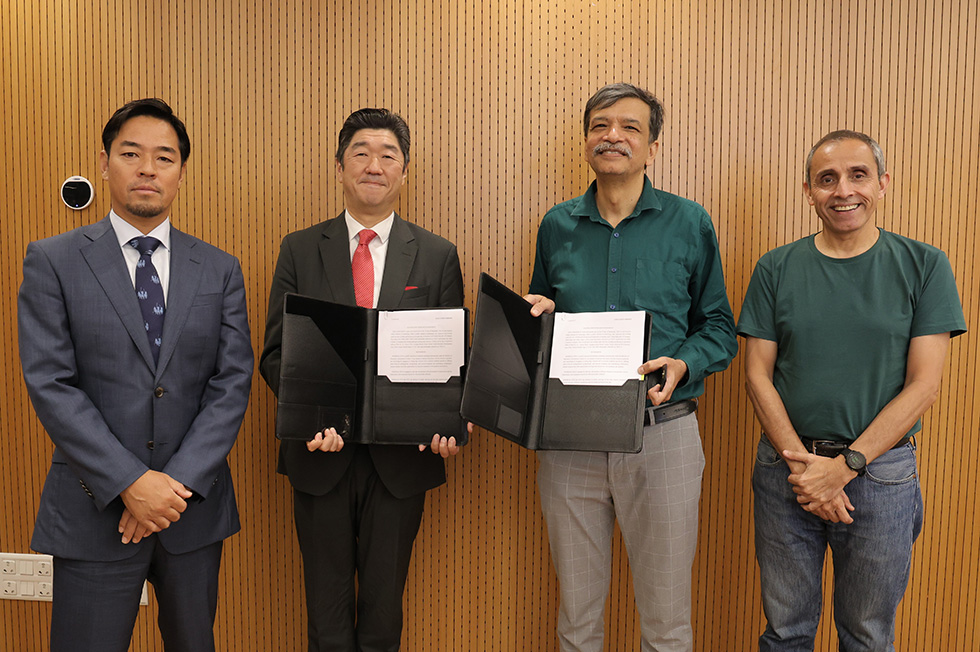
A significant collaboration between the Indian Institute of Technology Delhi (IIT Delhi) and Honda Cars India Ltd. (HCIL) is poised to reshape the future of mobility in India. The two entities have entered into a Memorandum of Understanding (MoU) aimed at advancing cooperative intelligence (CI) technologies that could pave the way for safer, more efficient transport systems. This partnership underscores the growing trend of academia-industry collaboration in the rapidly evolving field of intelligent transportation systems.

The MoU brings together the expertise of IIT Delhi’s researchers and Honda’s engineers, particularly those from HCIL and Honda R&D Co., Ltd., a subsidiary focused on research and development. The goal is to conduct joint research on CI technologies that can potentially reduce traffic collisions, enhance road safety, and enable automated driving systems. With India’s road safety record being a significant concern, such efforts to reduce human errors in driving are considered crucial for the future.

India has long struggled with high rates of traffic accidents, largely attributed to human error. The collaboration between IIT Delhi and Honda aims to address these issues through the development of advanced driver-assistance systems (ADAS) and other mobility solutions. ADAS, which involves technologies like adaptive cruise control, lane-keeping assistance, and collision avoidance systems, has the potential to significantly lower the risk of accidents and make roads safer for all users.

While Honda has been a key player in automotive innovation, this partnership marks a significant step in its efforts to explore more complex applications of artificial intelligence (AI) in driving. Honda’s engineers will work closely with IIT Delhi’s faculty and students to explore new algorithms, machine learning models, and data analytics techniques that can improve vehicle decision-making in real-time. The research will also focus on leveraging big data and connectivity technologies to anticipate traffic conditions, respond to sudden changes on the road, and ensure safer driving experiences.

IIT Delhi’s role in this collaboration is equally significant, given its strong reputation for cutting-edge research in artificial intelligence, robotics, and transportation systems. The institution’s researchers are expected to bring advanced expertise in areas like machine learning, sensor technologies, and networked vehicles. This collaboration provides a platform for academic researchers to apply theoretical knowledge to practical challenges faced by the automotive industry.

Through this MoU, both parties are set to explore the concept of cooperative intelligence, which involves enabling communication between vehicles, infrastructure, and other road users to create an interconnected transportation network. The aim is to develop intelligent transport systems that can predict traffic patterns, communicate with surrounding vehicles, and make autonomous decisions that enhance overall road safety. As automated and connected vehicles gain momentum globally, these technologies will play an essential role in the future of mobility.

Cooperative intelligence, as a concept, goes beyond traditional vehicle automation. It focuses on creating systems where vehicles not only respond to their environment but also interact with other vehicles and infrastructure to optimize the flow of traffic and prevent accidents. This vision aligns with Honda’s global initiative to develop “Safety for Everyone” technologies, which seek to eliminate road fatalities by utilizing AI and machine learning tools.

While the research aims to contribute to global advancements in automated driving, there is a particular focus on addressing India-specific challenges. Road conditions in India vary widely, with congested urban streets, rural roads, and highways posing distinct challenges for vehicles. The CI technologies developed under this MoU will need to adapt to these diverse environments. The hope is that future vehicles equipped with CI technologies will not only improve safety on India’s roads but also enhance overall driving comfort and reduce the stress associated with navigating through heavy traffic.

The collaboration also opens doors for students and researchers at IIT Delhi to gain hands-on experience working with real-world automotive challenges. By partnering with Honda, they will have the opportunity to apply their knowledge to cutting-edge projects that could have significant implications for the future of mobility. This real-world experience is expected to help prepare a new generation of engineers and researchers who can contribute to the development of safer and smarter transportation systems, both in India and globally.

As part of the agreement, IIT Delhi and Honda will jointly work on research projects and share intellectual resources. The partnership also allows for the testing and evaluation of prototypes developed as part of the research. This will ensure that the solutions developed are practical, effective, and can be scaled up for real-world application.

The MoU signifies Honda’s commitment to India, a market where it has a strong presence but faces increasing competition from both global and domestic automakers. As the automotive industry shifts towards electric vehicles (EVs) and autonomous driving technologies, partnerships like this one with IIT Delhi are crucial for staying competitive in a rapidly changing landscape. By collaborating with leading academic institutions, Honda aims to maintain its edge in innovation while contributing to the advancement of mobility technologies that are not only relevant to India but also to global markets.

By Dr. Gyan Pathak Election campaigns for all participating political parties in the ongoing Jammu and Kashmir Vidhan Sabha election has unquestionably centred round the chief issue – restoration of the abrogated Article 370 of the Constitution of India and the lost statehood of this Union Territory. The electoral battle has been turning into a […]


WordPress.org has taken the significant step of denying service to WP Engine, a major managed WordPress hosting provider. This decision raises alarms regarding the security and operational stability of websites reliant on WP Engine’s services, as they could face challenges in maintaining performance and security without direct support from the WordPress.org team. The conflict stems from unresolved issues regarding the way WP Engine handles updates and plugins […]

China is preparing a significant capital infusion into its largest state-owned banks, amounting to roughly $142 billion, in response to mounting pressure on its economy. This would be the largest capital injection since the 2008 global financial crisis. The planned move aims to boost the banks’ lending capacity to support economic recovery, particularly as growth slows and debt concerns rise across key sectors. The potential funds are […]

Abdul Latif Jameel Motors and the King Abdullah University of Science and Technology (KAUST) have entered a groundbreaking partnership with Toyota to advance hydrogen fuel research. This collaboration aims to explore innovative approaches to sustainable energy, particularly in the realm of hydrogen production and utilization. The partnership reflects a significant move towards reducing carbon emissions and promoting clean energy solutions in the Middle East, a region heavily […]

BrowserStack has launched its latest feature, App Accessibility Testing, to address the growing need for inclusive and accessible mobile applications. As global regulations like the Americans with Disabilities Act (ADA) and European Accessibility Act (EAA) push for greater accessibility standards, this tool offers a comprehensive solution for developers and quality assurance teams to create applications that cater to all users, including those with disabilities. This development signals […]

OBERKOCHEN, GERMANY – Media OutReach Newswire – 25 September 2024 – The global smartphone market is in a constant state of transformation, driven by rapid advances in technology and evolving consumer preferences. But no matter how much the technology changes, the smartphone’s most important function remains unchanged – it fulfils our human need to connect and communicate. vivo has always aimed to build a bridge between humans […]

Microsoft has officially announced the establishment of its first engineering development center in the Arab world, located in Abu Dhabi. This initiative is a significant step forward in the company’s ongoing investment strategy aimed at enhancing its technological footprint in the region. The center is expected to focus on developing innovations in artificial intelligence, cloud technologies, and advanced cybersecurity solutions, contributing to a global ecosystem of technological advancement.

The new center will align with Microsoft’s broader goals to harness cutting-edge technologies and drive economic growth while fostering job creation. Satya Nadella, Microsoft’s Chairman and CEO, emphasized the company’s commitment to ensuring that transformative technologies benefit local communities and contribute to global innovation. The center will not only create technological solutions for Microsoft’s global operations but also attract top talent to the UAE, positioning the country as a leader in tech innovation.

Sheikh Khaled bin Mohamed bin Zayed Al Nahyan, Crown Prince of Abu Dhabi, highlighted the strategic advantages of the UAE as a hub for innovation. He noted the country’s advanced infrastructure and geographical position, which facilitate impactful developments across various industries. This sentiment was echoed by Peng Xiao, CEO of G42, who described the establishment of the center as a testament to the growing importance of the UAE in the global tech landscape.

VISHNU RAJA
RYO YAMADA
HITORI GOTOH
IKUYO KITA