News related to
Engine

AI-Powered Chess Robot Highlights STEAM Education and Family Engagement BERLIN, GERMANY – Media OutReach Newswire – 6 September 2025 – At IFA 2025, the world’s leading consumer electronics showcase, SenseRobot debuted its SenseRobot Chess Mini demo, an AI-powered chess robot designed to support STEAM (Science, Technology, Engineering, Arts, and Mathematics) education. As the first company to mass-produce household robotic arms, with over 100,000 units shipped globally, SenseRobot […]

Emergency crews are fighting a serious fire that has engulfed the upper floors of a nine-storey mixed-use building at the former BBC Television Centre on Wood Lane, White City. Around 100 firefighters attended the site by mid-morning on Saturday, joined by 15 fire engines and two 32-metre turntable ladders used as water towers. A drone team is aiding the operation by providing aerial oversight, while a rest […]

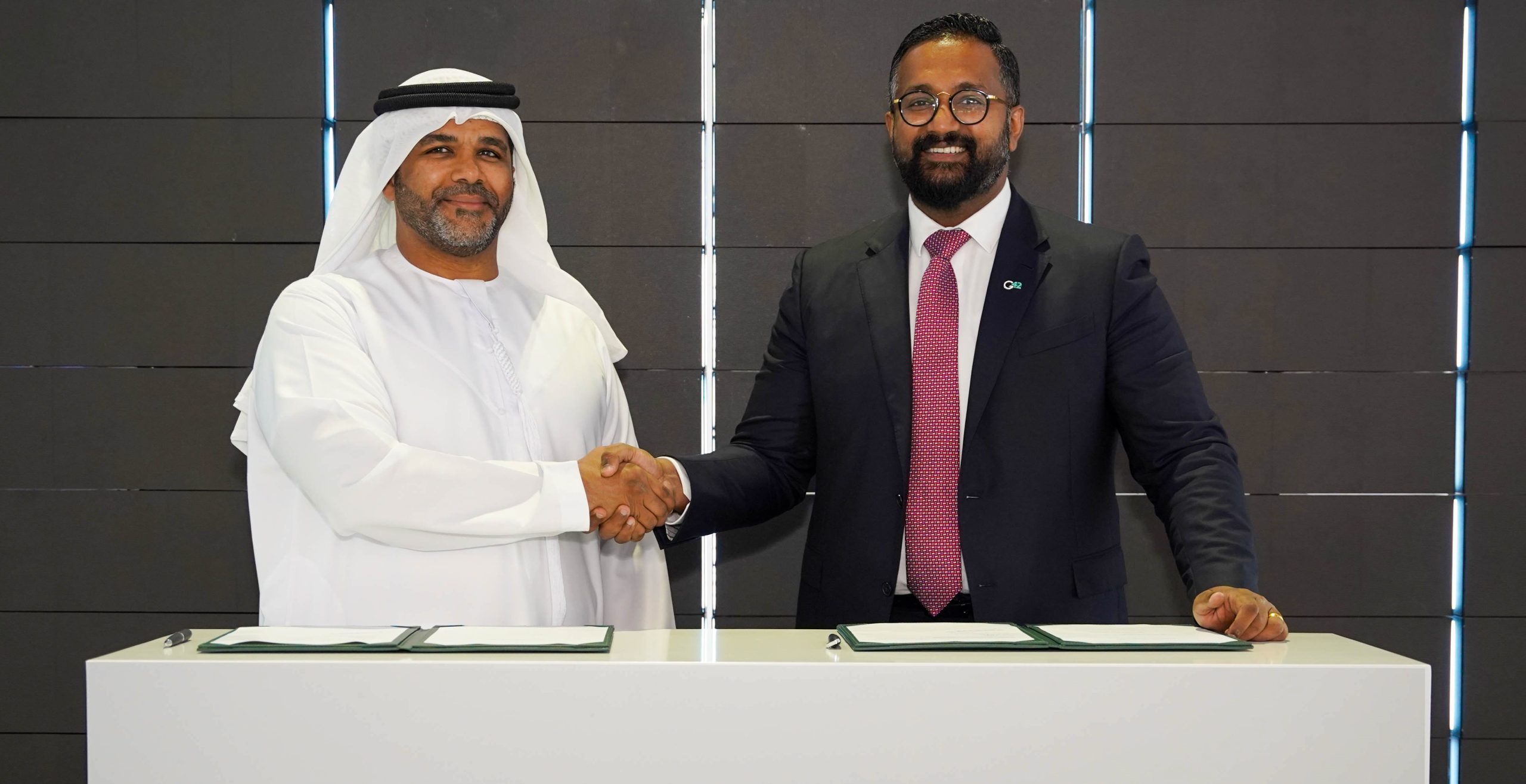
Abu Dhabi’s G42 is offering 2 % of its shareholding in its subsidiary, Presight AI, to institutional investors through an accelerated book-build, aiming to raise slightly more than $100 million. The transaction will reduce G42’s holding in the analytics group from 70.5 % to 68.5 %, while retaining majority control. First Abu Dhabi Bank and Jefferies are acting as joint global coordinators and joint bookrunners, with International Securities serving as joint bookrunner.

Demand for the placement has been strong, with books reportedly fully covered ahead of finalisation. Settlement is expected around 10 September 2025, following final terms being set by 4 September. G42 has also committed to a 180-day lock-up period before any further sale of its Presight shares.

The strategic purpose behind G42 lowers Presight AI stake via ABB is to broaden and institutionalise Presight’s investor base, enhance liquidity, and strengthen its case for inclusion in the FTSE Emerging Market Index. Greater free float and international institutional ownership would increase trading activity and appeal to passive investment funds.

Presight AI, which listed on the Abu Dhabi Securities Exchange in 2023, has posted strong financials through 2025. Its share price has risen by approximately 67 % year-to-date, closing recently at AED 3.47. In the first half of 2025, organic revenue grew by 33.5 %, supported by new domestic contracts. In the second quarter, group net profit rose by nearly 8 % to Dh77 million, with revenue up by over 53 % to Dh523.9 million. International markets now contribute 26.8 % of revenue, up from just 4.9 % a year earlier.

G42 group CFO Ricky Thirion described Presight as “a critical pillar of the G42 ecosystem and a cornerstone of our Intelligence Grid offering,” noting that its performance reflects consistent growth and strong leadership.

Regionally, secondary offerings like this one are gaining traction. In 2025, follow-on sales across the Middle East have raised roughly $3.7 billion, surpassing IPO proceeds—a sign of deepening market maturity.

The placement’s proceeds will go entirely to G42, with no dilution or impact on other shareholders or Presight’s operations.

Abu Dhabi’s G42 has therefore engineered a measured recalibration of its ownership in Presight AI—G42 lowers Presight AI stake via ABB—while securing capital, expanding its shareholder base, and positioning the company for broader market inclusion and visibility.

OpenAI is launching a platform to connect workers fluent in artificial intelligence with employers, using AI to match skills and opportunities OpenAI builds AI-Powered Jobs Hub, positioning itself against LinkedIn. Set to debut by mid-2026, the service aims to streamline recruitment by ensuring candidates’ AI competencies align closely with employer requirements. In a blog post, Fidji Simo, OpenAI’s chief executive of Applications, said the OpenAI Jobs Platform, […]

Dream Security and other cybersecurity analysts have identified a widely distributed, Iran-linked spear-phishing campaign that exploited a compromised Ministry of Foreign Affairs mailbox in Paris. The operation impersonated legitimate Omani diplomatic communication to deliver malware-laden Word documents to government, diplomatic, and multilateral institutions across Europe, Africa, Asia, the Americas, and international organisations such as the UN and World Bank. The campaign’s scale, timing, and technical sophistication reflect […]

BERLIN, GERMANY – Media OutReach Newswire – 5 September 2025 – At IFA 2025, global premium mobile accessory brand PITAKA debuts its all-new iPhone 17 aramid fiber case series, showcasing cutting-edge material engineering, innovative functionality, and sustainable design. This year, PITAKA introduces a fully upgraded aramid fiber weaving process, Fusion Weave – LightRipple, along with the world’s first application of its proprietary PitaTap™ technology on the Camera […]

Warp has unveiled Warp Code, a new AI-powered coding suite that brings agent-generated code from prompt to production inside its terminal environment. Users can now see every change made by AI as it happens, review diffs in real time, edit code inline and manage agent profiles—all without leaving Warp’s interface. This approach, described internally as “agent steering”, aims to give developers tighter control over AI-generated outputs. Founded […]

Advertisements

A team at the La Jolla Institute for Immunology has achieved a landmark breakthrough by unveiling the first three-dimensional structure of a viral protein deeply embedded in our DNA. Using cryo-electron microscopy, researchers captured the full architecture of the HERV‑K envelope glycoprotein, a relic of ancient viral integration now implicated in cancer, autoimmune and neurodegenerative diseases. This unprecedented insight marks the earliest structural characterisation of a human endogenous retrovirus […]

Truecaller has unveiled a bold upgrade to its caller identification service, introducing AI‑driven context that helps users understand not only who is calling but why — delivering a richer, real‑time calling experience. The newly released feature instantly provides AI summaries of user feedback, flags suspected scams, identifies likely spam, and even classifies the nature of calls — such as delivery, customer support or insurance — as the […]

Northern Ireland stands to benefit significantly from growing economic and technological ties with India, as boosted trade, tariff relief, and joint research initiatives begin to materialise. A free-trade agreement between India and the United Kingdom promises a settlement that could deliver a multi-million-pound boost to Northern Ireland’s economy, particularly in advanced engineering, technology, and services. At the same time, enhanced academic and innovation partnerships are expanding the region’s opportunities.

Northern Ireland’s technology, services and manufacturing sectors are especially poised for growth under the new trade agreement, which includes substantial tariff reductions and near-elimination on key exports such as medical devices and engineering goods. Analysis shows that the deal is expected to generate around £50 million in economic benefit for the province. The agreement also unlocks access to India’s growing services market, opening new pathways for Northern Irish firms to scale internationally and enhance competitiveness.

Simultaneously, India and the UK have elevated their broader strategic engagement, having signed the Comprehensive Economic and Trade Agreement on 24 July 2025. This landmark deal opened India’s government procurement market—worth £38 billion annually—to UK businesses for the first time, offering additional opportunities for Northern Ireland firms in technology, infrastructure and innovation services sectors. Negotiations had culminated in May 2025, after extensive rounds that resolved issues including visas, whisky, automobiles and pharmaceuticals.

Beyond trade, there is growing momentum in research collaboration. Imperial College London has launched a global science hub in Bengaluru, aiming to deepen its research alliances across AI, climate resilience, food security and antimicrobial resistance. Such initiatives highlight the intensifying India–UK scientific partnership, which Northern Ireland research institutions could tap into—particularly given the province’s established strengths in digital innovation and software engineering, with major global tech firms like Microsoft, Nvidia and SAP already present.

The launch of a joint India–Ireland Joint Economic Commission, as agreed by Indian External Affairs Minister S Jaishankar and Irish counterparts, further sets the stage for elevated economic and tech engagement involving Northern Ireland. The commission aims to enhance trade, investment and technology linkages; discussions have also included cybersecurity, artificial intelligence, fintech, semiconductors and higher education cooperation. Moreover, a new Indian consulate in Belfast reflects deepening diplomatic and commercial engagement with the region.

Northern Ireland benefits not only economically but also in innovation ecosystems. The UK–India Technology and Security Initiative, launched in July 2024, emphasises strategic collaboration across seven core areas including semiconductors, AI, quantum, biotech and advanced materials. The initiative is being overseen and reviewed by senior officials from both nations, reinforcing a structured framework for bilateral tech partnerships and supply-chain resilience; Northern Irish tech organisations with capabilities in cybersecurity, data analytics and smart infrastructure are well-positioned to participate.

These developments dovetail with the broader UK-wide free-trade agenda and strategic dialogues. India is the United Kingdom’s fastest-growing trade partner, with goods trade up to £17.8 billion in 2024 and services trade exceeding £24 billion—both substantial increases from pre-pandemic levels. Yet, awareness among UK firms, including in Northern Ireland, remains low, with only a small fraction actively exporting to India, despite high willingness among Indian consumers to pay premiums for UK products. Areas such as advanced engineering, manufacturing, and innovation services remain ripe for expansion.

Northern Ireland’s existing attributes further reinforce its readiness. The region hosts a cluster of world-class tech operations, supported by local firms such as Kainos and FD Technologies, and connectivity to universities and innovation centres. Access to India’s large and diverse markets—combined with policy support under the free-trade agreement—sets the scene for emerging partnerships in fintech, med-tech, smart infrastructure, and green technologies.

Finally, though not specific to Northern Ireland, institutions such as the UK India Business Council provide advisory networks and policy advocacy that can help local businesses navigate market entry, regulatory frameworks, and collaboration models with Indian partners across sectors including digital innovation, life sciences and advanced manufacturing.


OpenAI has struck an all‑stock agreement to acquire Statsig for about $1.1 billion, appointing the startup’s founder, Vijaye Raji, as chief technology officer of applications, a move poised to accelerate the firm’s product engineering efforts for ChatGPT, Codex, and future AI tools. The acquisition and leadership reshuffle reflect OpenAI’s intensified push into building scalable, safe, and intuitive AI-powered applications amid mounting competition. The acquisition, pending regulatory approval, brings […]

Google sealed its acquisition of DeepMind in January 2014 for between $400 million and $500 million, securing a standout team of AI researchers and laying the foundation for its leadership in artificial intelligence. Right from the outset, Google’s purchase endowed it with access to DeepMind’s exceptional talent pool and pioneering work in reinforcement learning—especially its neural Turing machines and early breakthroughs in gameplay AI. This strategic move […]

Cairo will host Ai Everything Middle East & Africa from 10 to 12 February 2026, establishing itself as the region’s premier destination for artificial intelligence innovation and collaboration. Supported by Egypt’s National Artificial Intelligence Strategy and ranking among the top 10 countries globally in AI and machine learning—unique among African nations—Egypt is leveraging this event to consolidate its ambition as a regional AI powerhouse. Organised under the GITEX […]

Greenlogue/AP SOHAR Port and Freezone has inked an agreement with MoonRock and the Danish firm PowerCon to install shore power infrastructure at its container terminal, enabling berthed vessels to plug into onshore electricity and switch off their auxiliary engines—cutting emissions, fuel use and noise pollution while enhancing efficiency. The ceremony took place during the Gulf Green Mobility Forum, with MoonRock as lead investor and PowerCon providing technical […]

Toyota and BYD have formalised a watershed collaboration anchoring future battery‑electric vehicle innovation. The joint venture, BYD Toyota EV Technology Co., Ltd., began operations in Shenzhen in 2020, equally owned by Toyota Motor Corporation and BYD Company Ltd. Their combined expertise aims to reshape BEV design, performance, comfort and intelligence for discerning Chinese consumers—and potentially beyond. BTET emerged from a partnership agreement signed in November 2019, with formal registration […]

JIAXING, CHINA – Media OutReach Newswire – 1 September 2025 – On the morning of August 26, at the Tide-Watching Resort Park in Yanguan Ancient City – also known as the “Tides and Music Resort” – a large number of participants gathered to play African drums as they welcomed the surging Qiantang River tide. The event successfully set a new Guinness World Record for the “Most People […]

A team led by Khalil Ramadi at NYU Tandon and NYU Abu Dhabi has unveiled a swallowable, wireless capsule designed to emit light inside the gut, allowing nerve cells to be activated without surgery—a development poised to transform gastrointestinal research and therapy.

The capsule, known as ICOPS, represents a remarkable leap in non‑invasive bioengineering. It employs optogenetic technology, by which specific neurons are genetically modified to respond to light. Once the target cells become light‑sensitive, patients can ingest an LED‑equipped capsule that, when powered externally, delivers precise stimulation to regions of the gut. This allows researchers to observe and influence neuronal circuits involved in digestion with a level of control previously limited to invasive approaches.

ICOPS stands out for its battery‑free design. It receives power wirelessly via magnetic induction from an external transmitter, enabling a compact, rodent‑scale form factor suitable for testing in freely moving animals. Crafted entirely via in‑house 3D printing—micro‑LEDs and custom coils included—this capsule avoids more expensive and restrictive cleanroom fabrication techniques.

Early animal trials suggest ICOPS can target neural circuits governing critical physiological functions, offering potential new avenues for treating gut motility disorders such as gastroparesis, where the stomach fails to empty properly. Simultaneously, the ability to stimulate region‑specific neural activity may trigger metabolic and hormonal responses, hinting at applications in metabolic disease and eating disorder therapies.

ICOPS is part of a broader research portfolio pioneered by Ramadi. Earlier innovations include FLASH, an electroceutical capsule that delivers electrical stimulation to modulate hunger‑related hormones, and IMAG, which uses magnetic fields to track pill location through the gut.

Adoption of ICOPS could revolutionise how scientists study the gut’s ‘second brain’—a vast, complex neural network fundamental to bodily control but historically difficult to study in its natural state owing to the invasive nature of previous optogenetic techniques.

Materials innovation plays a central role in this advancement. By eliminating the battery and using magnetic induction, the capsule remains small and unobtrusive. Its 3D‑printed construction offers scalability, making further adaptation for varied experimental models feasible.

Looking ahead, the implications for human healthcare are significant. The precision offered by ICOPS could enable therapies targeting select neural circuits within the gut, offering fine‑tuned interventions far more sophisticated than current broad‑spectrum prokinetic or antikinetic drugs. Furthermore, the platform may evolve to provide electrical stimulation or even deliver drugs directly to targeted gut regions.

That said, the path to clinical use remains lengthy. At present, ICOPS has demonstrated efficacy in rodent models. Transition to human clinical trials may take a decade or more, as researchers must navigate regulatory approval, safety testing, and scalability concerns.

Still, the research has drawn attention across scientific and media outlets, from Gulf News dubbing it a “Light Pill” capable of unlocking gut‑brain secrets to technical summaries highlighting how light‑activated capsules are revolutionising understanding of gut‑brain interactions.

Behind the innovation is a multi‑disciplinary team including Mohammed Elsherif, Rawan Badr El‑Din, Zhansaya Makhambetova, Heba Naser, Rahul Singh, Keonghwan Oh, Revathi Sukesan, Maylis Boitet, and Sohmyung Ha, working together across divisions at NYU Abu Dhabi and NYU Tandon. The project has benefited from funding awarded by NYU Abu Dhabi and Tamkeen through the CENTMED research centre.

Rocket Lab has expanded its in‑house manufacturing strength by successfully incorporating Planetary Systems Corporation, a Maryland‑based specialist in satellite separation systems. The deal, announced on 15 November 2021 and concluded by December that year, involved $42 million in cash and 1.72 million shares of Rocket Lab stock, with an additional performance‑based stock earn‑out dependent on PSC’s performance through 2022 and 2023.

PSC, celebrated for its “Canisterized Satellite Dispenser” and Lightband separation systems, boasts a flawless 100 percent mission‑success record across more than 100 launches. Its hardware has served a broad spectrum of launch platforms—from Rocket Lab’s own Electron vehicles to those managed by SpaceX, United Launch Alliance, Northrop Grumman, and international agencies such as Arianespace, the Indian Space Research Organisation, and JAXA.

By bringing PSC into its fold, Rocket Lab enhances its vertically integrated Space Systems division, now including Photon satellite buses, Maxwell dispensers, reaction wheels, star trackers, solar solutions, flight software, and the newly added separation hardware. PSC will continue operations in Maryland under the leadership of Mike Whalen as CEO, with founder Walter Holemans remaining chief engineer.

Chunked behind this strategic move is Rocket Lab’s intent to streamline the satellite deployment value chain, offering customers a one‑stop solution—from launch services to the final separation of payloads in orbit. Founder and CEO Peter Beck noted that integrating PSC’s proven hardware “simplifies the journey to orbit” by aligning hardware, software, spacecraft, and launch into a seamless package.

Alongside the acquisition of Advanced Solutions, Inc. in October 2021, this move aligns with Rocket Lab’s broader objective to secure technology, talent, and production capacity internally, reducing external dependencies. Industry observers have characterised this as a deliberate backward integration effort. A participant in an online space‑industry discussion observed:

“It seems like they are reverse integrating into their supply chain… instead of paying for products, buy the company, make the products for yourself, and make the margin on selling to others.”

Operationally, the acquisition has borne tangible returns. In November 2022, Rocket Lab secured two contracts totalling $14 million to supply Lightband separation systems for the Space Development Agency’s Tranche 1 transport layer constellation, reinforcing its position in national security‑oriented space architecture. The Lightbands, inherited from PSC, now supply critical satellite deployments with demonstrated reliability in specialised environments.

Rocket Lab’s expanded suite of capabilities positions it advantageously within a market increasingly dominated by fully integrated space services providers. By combining its Electron launch vehicle, Photon spacecraft, separation hardware, and on‑orbit software offerings, the company provides end‑to‑end mission support—a compelling proposition for both commercial and government customers.

With growth in space demand showing no signs of abating, particularly in low-Earth orbit constellations and defence networks, consolidating key enabling technologies under one roof offers Rocket Lab both operational efficiencies and competitive edge. The PSC acquisition stands as a pivotal building block in that strategy.

Nvidia has acknowledged that its AI models do not instinctively grasp common sense—such as knowing that birds cannot fly backwards or that ice melts into water—and has adopted an unusual remedy: assembling human “teachers” to devise pop‑quiz questions that train the AI to understand physical reality more reliably. At the forefront of this initiative is Cosmos Reason, Nvidia’s vision‑language model engineered to reason using physical common‑sense. Developed […]

Alibaba cloud to dedicate its global capabilities to support Bosch’s technology stack Both intend to deepen collaboration in leveraging Alibaba’s AI strength to facilitate Bosch’s business innovations, such as smart cockpit Bosch to expand its e-commerce presence in Southeast Asia, Spain, and Latin America through Alibaba’s global platforms HANGZHOU, CHINA – Media OutReach Newswire – 2 September 2025 – Bosch, a leading global supplier of technology and […]

A landmark development has commenced as RRS International Development formally broke ground on the NH Collection Ras Al Khaimah Al Marjan Island Hotel & Apartments, a US‑$100 million mixed‑use venture in collaboration with Minor Hotels. This marks the debut of the NH Collection brand on Al Marjan Island, following its earlier branded residential entry in Palm Jumeirah, Dubai.

Construction will yield 121 hotel keys alongside 36 branded apartments, blending five‑star hospitality with modern residential design. The project’s architecture, crafted by Arkiplan Consulting Architects & Engineers, features a wave‑inspired structure symbolising a seamless union of desert and sea, while interiors by B8 Architectural Prospective Drawings Services bring tropical motifs and lush greenery into open‑plan living spaces. HMK Engineering Consultants serve as Architect of Record, Innovate Project Development is handling project management, and Atlas Star Piling Foundation oversees enabling works.

Rakesh Mirchandani, Co‑Founder of RRS International Development, described the groundbreaking as “more than the start of construction—it’s the beginning of a new chapter,” emphasising investor confidence in both the NH Collection brand and Ras Al Khaimah’s emergence as a global lifestyle destination.

The scheme has already earned multiple industry accolades, including Best Mixed‑Use Development and Best Mixed‑Use Architecture at the 2025–2026 Arabian Property Awards, Best Hospitality Project at the Architecture Leaders Awards, and a nomination for Best Design Concept at the 2025 Commercial Interior Design Awards.

Sanjay Narayandas Dhawan, another Co‑Founder of RRS International Development, noted the emirate’s evolving tourism landscape, highlighting multi‑billion‑dirham investments in leisure and gaming. He sees the new development as aligning with Ras Al Khaimah’s growing international appeal and setting new benchmarks for branded residences and hospitality‑led living.

This announcement builds on Minor Hotels’ strategy to expand its NH Collection portfolio beyond traditional strongholds. Initially unveiled in February 2025, the project is scheduled to open its doors in early 2028 and will comprise 156 keys, including 120 guest rooms and suites alongside 36 serviced apartments. Planned facilities include four restaurants and bars, a gym, an outdoor swimming pool, a kids’ club, a games room, a retail shop and a co‑working space—designed for layered functionality and service excellence.

Minor Hotels’ CEO, Dillip Rajakarier, remarked that the expansion underscores the brand’s global ambition and commitment to establishing NH Collection in new regions including the Middle East. Dhawan reaffirmed RRS’s pride in launching their first boutique hotel on Al Marjan Island, aiming to “blend style, functionality, and exceptional value” while supporting the vision of His Highness Sheikh Saud bin Saqr Al Qasimi, Ruler of Ras Al Khaimah.

Architect Abdulla Al Abdouli, Chief Executive Officer of Marjan—the master developer behind Al Marjan Island—welcomed the project as integral to transforming the destination into a dynamic branded‑tourism hub. He praised the synergy between NH Collection’s service standards and Marjan’s mission to curate high‑quality lifestyle offerings across the emirate.

Located on Al Marjan Island, the hotel and residences benefit from proximity to white‑sandy beaches, resort facilities and a growing leisure‑oriented environment. The project appeals to those seeking convertible living spaces that combine permanent residence, holiday retreat and investment potential—backed by internationally recognised hospitality.

Alongside the NH Collection development, Al Marjan Island is witnessing sweeping growth, including large‑scale tourism and gaming projects such as the Wynn Al Marjan Island integrated resort, which is under construction and slated for opening in early 2027. That mega‑resort will feature over 1,500 rooms, a casino, retail and convention facilities, and a marina for super‑yachts, reinforcing the island’s growing status as a landmark destination.

Kraken’s Chief Security Officer, Nick Percoco, has issued a warning to users about a sophisticated phishing campaign impersonating the platform. Attackers are dispatching emails that replicate Kraken’s branding—with near-identical logos, fonts and messaging—to pressure recipients into taking urgent action. The emails allege the need to accept “updated terms” within a two‑day window, a tactic intended to prompt hasty decisions. In nearly every instance, the sender urges recipients to download remote desktop software such as AnyDesk under the guise of offering support. Percoco emphasises that Kraken will never request installation of such tools from users.

Such phishing attempts exploit both visual authenticity and psychological manipulation—cultivating a sense of urgency to override caution. According to official guidance, Kraken will only use verified domains—including @kraken. com, @futures. kraken. com, @email2. kraken. com, @email. krak. app and other specific, approved addresses—to communicate with users. Any other source should be treated as suspicious.

This incident reflects a broader escalation in phishing tactics across the crypto sector. Industry data indicates that phishing attacks surged more than 200% in August, resulting in losses exceeding $66 million. One single breach accounted for $55 million in stolen funds. Abnormal AI, a cybersecurity firm, attributes the elevated threat level to more advanced techniques—emails originating from older, seemingly trustworthy domains, employment of social engineering, and polished language devoid of traditional red‑flag keywords. These newer attacks are designed to bypass legacy email filters and evade automated detection.

Users are urged to remain vigilant and adopt a security-first mindset. The most effective defence measures include verifying sender addresses, suspecting communications that evoke fear or demand immediate compliance, and avoiding email links entirely—especially those prompting software installation. Instead, users should always navigate directly to Kraken’s official URL (), ideally via a bookmarked link, and contact support through trusted channels if unsure.

Kraken’s approach is rooted not only in technological safeguards but also in cultivating user awareness. Percoco has previously underscored that phishing and social engineering are among the most common threats to both users and employees. Kraken’s layered filtering and a security-conscious culture help reduce risk, though no system is foolproof. Humans remain the critical last line of defence.

With trusts at stake, exchanges are under mounting pressure to enhance transparency and user education. Some platforms have introduced anti‑phishing codes or digital signatures to help users verify authenticity. While Kraken currently relies on verified domains and user education, the challenge continues to evolve as attackers adopt more deceptive techniques.

Arabian Post Staff -Dubai Night Vision Pro driving glasses claim to reduce glare and enhance low-light viewing through yellow‑tinted lenses and anti‑reflective coatings. User testimonials often echo these benefits, reporting clearer contrast and less eye strain behind the wheel. But independent experts and research cast doubt on whether these lenses truly deliver improved safety and visibility. Night Vision Pro glasses are described as non‑prescription eyewear with yellow‑tinted […]

As the first event held at the newly inaugurated Vietnam Exposition Center in Hanoi, the exhibition titled “80 Years of Independence – Freedom – Happiness” has become a symbol of a modern, ambitious, and globally engaged Vietnam. HANOI, VIETNAM – Media OutReach Newswire – 2 September 2025 – Anyone who finds themselves in Hanoi these days can sense that history is not just something written on faded […]

VISHNU RAJA
RYO YAMADA
HITORI GOTOH
IKUYO KITA