News related to
Engine

Dubai’s employment landscape continues to attract job seekers from across Asia, Europe, and Africa, with South Asians among the most visible presence. From tax-free salaries to a safe, cosmopolitan lifestyle and fast-track digital governance, the emirate is steadily reinforcing its image as a global work destination with an accessible entry point for skilled professionals.

Dubai’s appeal is anchored in a combination of economic liberalism and aggressive infrastructure development, which has made the city one of the busiest hubs for aviation, logistics, finance, hospitality, and tech. For those seeking employment from outside the UAE, Dubai offers two main routes: applying for positions remotely, or entering on a short-term tourist visa with the hope of converting that stay into full-time employment. While the latter path involves risk and financial outlay, it remains the most widely taken route for candidates without existing work permits.

The city’s population is made up of nearly 90% expatriates, with professionals from India, Pakistan, the Philippines, Bangladesh, and the UK dominating several industries. Recruiters in Dubai confirm that demand remains steady for roles in sales, marketing, IT, logistics, real estate, engineering, healthcare, and hospitality. According to hiring trends tracked by regional recruitment firms, companies in free zone jurisdictions are particularly active, often targeting foreign candidates who bring sector-specific experience.

Dubai’s tax structure is a major driver of migration. With no personal income tax and a salary-based remuneration system, employees receive their full contracted pay without statutory deductions. This setup increases the net earnings of professionals, particularly those coming from high-tax jurisdictions. However, the city’s high cost of living — with real estate, private schooling, and transport costs — offsets some of the financial advantage, making proper salary negotiations crucial before signing contracts.

For prospective applicants based outside the UAE, the digital ecosystem built around Dubai’s employment market is an essential resource. Company career pages, job portals such as Dubizzle and Bayt, and professional networks like LinkedIn are widely used by HR departments and hiring managers. LinkedIn in particular has emerged as a preferred screening tool, where recruiters assess candidates’ professional branding even before calling for interviews. A well-structured profile featuring quantifiable achievements, skills endorsements, and updated CV attachments is now considered essential.

Recruitment agencies based in Dubai and in neighbouring countries also play an intermediary role. Many global firms with a presence in the UAE outsource their talent acquisition to specialist agencies. These agencies have formal tie-ups with employers to fill positions across levels, from blue-collar to senior management. In India, for instance, manpower firms with UAE licenses are regularly approached for hospitality, construction, medical, and logistics roles. Candidates approaching these agencies are advised to verify accreditation details and ensure the agency operates under UAE labour ministry guidelines.

A significant portion of those who eventually land jobs in Dubai do so by entering on a 60-day or 90-day visit visa. This visa allows job seekers to attend interviews, network with prospective employers, and explore options in person. While this method can be effective for confident candidates with solid credentials, the costs — including visa fees, accommodation, and living expenses — must be budgeted in advance. Moreover, there is no guarantee of securing employment during this window, making it a calculated gamble for many families.

An alternative is to enter Dubai on a student visa. Universities and training institutions in Dubai offer various professional development courses, and part-time work is permitted in certain free zone jurisdictions. While this route also involves significant upfront costs, it has become popular among young graduates aiming to break into the UAE market through education-led migration. However, strict visa compliance rules and limited working hours under student permits make it less appealing for mid-career professionals.

Once an individual secures a job offer, the employer typically initiates the work visa and residency sponsorship process. This includes submission of documents such as educational certificates, previous employment references, and medical fitness results. Once approved, a UAE resident permit is issued, which then allows the individual to bring in dependents under family sponsorship. The entire onboarding and visa stamping process usually takes two to four weeks, depending on the company’s internal HR process and jurisdiction.

Dubai’s strategic geographical position — within a 4-hour flight radius from major South Asian cities — adds another layer of practicality for job seekers. With only a two-hour time difference from India and Sri Lanka, many multinational firms operate regional back-offices or satellite centres in Dubai, recruiting bilingual and culturally adaptive professionals who can bridge operations between West Asia and South Asia.

Climate compatibility is another subtle advantage for those relocating from tropical or semi-arid regions. Temperatures and humidity levels, while extreme during peak summer months, mirror weather conditions in parts of South Asia and the Gulf, reducing the cultural adjustment curve for new migrants.

Safety and rule of law remain among the top reasons cited by working professionals and families relocating to Dubai. The UAE consistently ranks among the world’s safest countries, with low crime rates and a strong police presence. For women professionals and young students, this perception of security plays a pivotal role in relocation decisions.

Another factor contributing to Dubai’s growing job market is its economic diversification programme. With Vision 2030 and associated sectoral strategies, the city is investing in AI, clean energy, space technology, and digital banking. These emerging sectors have triggered a wave of high-skilled job openings, especially for engineers, data analysts, fintech specialists, and regulatory professionals. Start-up hubs like Dubai Internet City and Dubai Silicon Oasis are witnessing increased hiring, backed by funding incentives and incubator schemes.

However, competition remains high, with thousands of applications flooding each job posting. Recruiters advise applicants to focus on niche skills, international certifications, and sector-specific experience. A generic application or a poorly crafted CV has minimal chance of clearing the initial screening stage. Instead, candidates are urged to tailor their applications to each role, use keywords matching the job description, and attach short, results-oriented cover letters.

SINGAPORE – Media OutReach Newswire – 27 May 2025 – Prudential Singapore (“Prudential”) has launched GenAI XPonential, a new programme in partnership with the Infocomm Media Development Authority (IMDA) to accelerate the adoption of Generative AI (GenAI) among small and medium-sized enterprises (SMEs). Unveiled by Senior Minister of State for Digital Development and Information, Mr Tan Kiat How, at ATxEnterprise – an Asia Tech x Singapore (ATxSG) […]

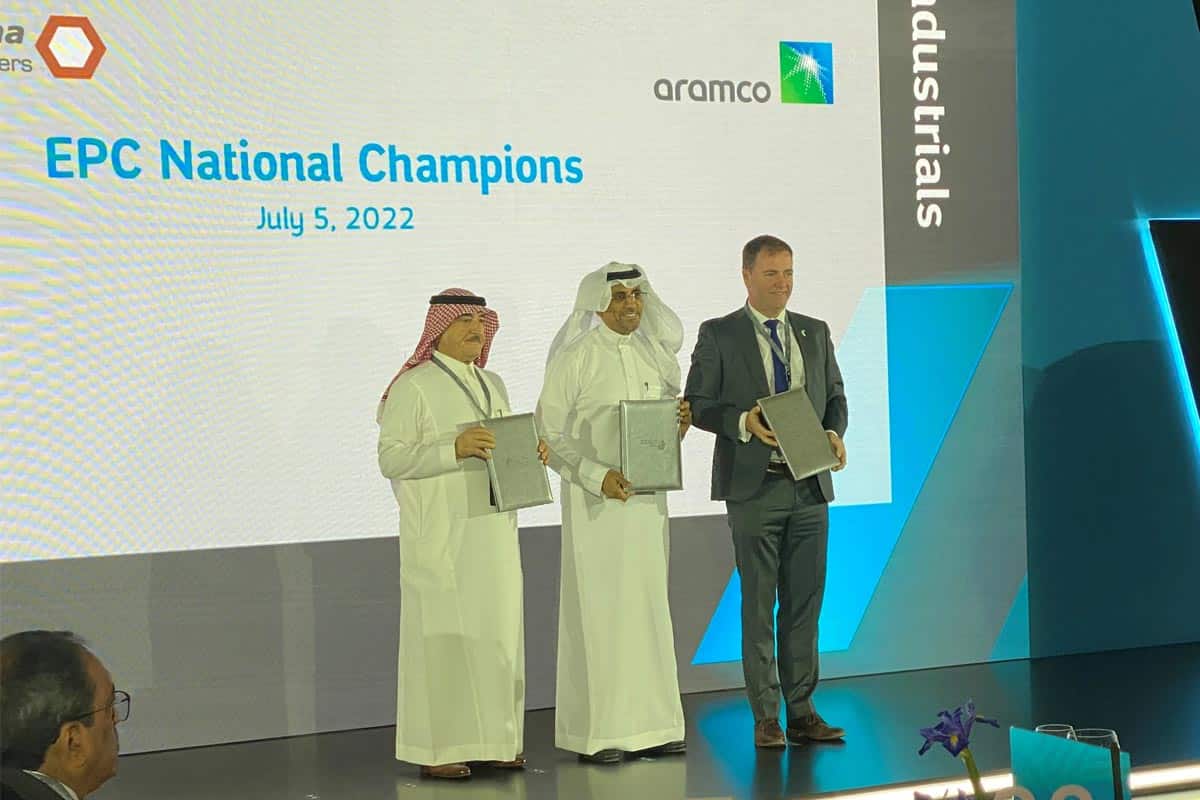
NesmaKent Energy Company , the joint venture between Saudi Arabia’s Nesma & Partners and the international engineering firm Kent, has secured a significant project management consultancy contract with Saudi Aramco. This contract marks a milestone for NKJV, positioning the partnership as a crucial player in the kingdom’s energy infrastructure development amid expanding ambitions in the energy sector.

The PMC contract involves comprehensive project oversight and management services for one of Saudi Aramco’s large-scale energy initiatives. NKJV’s responsibilities will span across planning, execution monitoring, quality control, cost management, and ensuring adherence to safety and environmental standards. This contract is part of Aramco’s broader strategy to engage specialised joint ventures that combine local expertise with international engineering standards, reinforcing Saudi Arabia’s Vision 2030 objectives to diversify and modernise its energy sector.

Nesma & Partners, well-established for its construction and engineering projects within the kingdom and region, has brought extensive local market knowledge and regulatory experience to the partnership. Kent, recognised for its global engineering and project consultancy portfolio, contributes advanced technical capabilities and international project management best practices. Together, the joint venture is expected to deliver high-quality consultancy services that meet Aramco’s stringent operational and environmental benchmarks.

The contract signals the growing trend among Saudi energy entities to engage collaborative partnerships that marry domestic strengths with foreign technological expertise. This aligns with the kingdom’s policy to increase localisation and private sector participation in mega projects. NKJV’s role as a PMC will extend beyond traditional supervisory functions, encompassing risk mitigation, technical advisory, and integration of innovative engineering solutions aimed at optimising project delivery and operational efficiency.

Saudi Aramco’s selection of NKJV follows a competitive tender process where multiple firms vied for the contract. The award underscores Aramco’s confidence in NKJV’s combined capabilities and track record. The project itself forms part of a wider portfolio of energy infrastructure investments by Aramco, which include enhancements in oil production facilities, downstream expansions, and renewable energy projects as the company transitions towards sustainable energy sources.

NesmaKent Energy’s contract exemplifies the shifting dynamics within the Saudi energy sector, where engineering consultancy and project management are gaining prominence as critical factors in successful project execution. The emphasis on specialised joint ventures highlights the kingdom’s commitment to leveraging cross-border partnerships to accelerate technological transfer and capacity building.

Industry experts note that the contract reinforces the strategic positioning of Nesma & Partners and Kent in the Middle East’s energy market. Nesma’s long-standing presence in Saudi Arabia has enabled it to navigate complex regulatory environments and develop robust relationships with government entities and private sector clients. Kent’s engineering pedigree, with a portfolio spanning oil and gas, petrochemicals, and infrastructure, complements Nesma’s regional experience with global standards.

The joint venture’s involvement in this Aramco project is expected to generate significant employment opportunities and skill development programmes in line with Saudi Arabia’s localisation agenda, known as Saudisation. NKJV plans to incorporate training modules and knowledge transfer frameworks to build local competencies in project management and engineering consultancy.

The energy project under NKJV’s management consultancy contract is critical to Aramco’s operational goals, encompassing upgrades to production capacity and the integration of advanced monitoring and control technologies. These developments are part of Aramco’s efforts to maintain its position as the world’s leading energy producer while adapting to evolving global energy demands and environmental regulations.

The scope of NKJV’s mandate also includes coordinating with multiple contractors, subcontractors, and regulatory bodies to ensure seamless execution. This requires a high level of technical expertise, project coordination skills, and compliance with international safety and quality certifications. NKJV’s approach reportedly emphasises sustainability and innovation, incorporating digital tools such as Building Information Modelling and real-time project analytics to enhance transparency and decision-making.

As Saudi Arabia intensifies its focus on energy diversification, including the expansion of renewable energy projects alongside traditional hydrocarbon investments, the expertise of joint ventures like NKJV will be crucial. Their ability to deliver complex projects efficiently and within budget will be pivotal in meeting the kingdom’s long-term strategic targets.

NesmaKent Energy’s success in securing this contract may open doors for further collaborations between Saudi and international firms in the energy consultancy sector. This contract reflects a broader trend of joint ventures becoming key conduits for technology transfer and knowledge exchange in the Gulf’s infrastructure and energy projects.

Lithuania’s Astrolight has secured €2.8 million in seed funding to advance its laser-based communication systems, aiming to establish a high-speed, secure optical data highway between satellites and Earth. This investment underscores the growing confidence in optical communication technologies as a superior alternative to traditional radio frequency systems. Astrolight’s flagship product, the ATLAS terminal, is engineered to facilitate data transmission from low Earth orbit satellites to ground stations […]

A striking new technological marvel took centre stage at Beitou Shilin Technology Park in Taipei, where Nvidia revealed its latest innovation, the Constellation. The Constellation is an extraordinary modular structure, designed to resemble a spaceship that can transform into a fully operational factory. This development represents a bold step forward in integrating advanced manufacturing with futuristic design.

During the demonstration, the Constellation made a dramatic entrance, appearing as a sleek, spaceship-like vessel. As the event progressed, the structure descended gracefully and unfolded into an expansive, functional manufacturing facility. This transformation highlights Nvidia’s vision of combining mobility and rapid deployment with cutting-edge industrial capabilities.

The concept behind the Constellation aligns with the growing trend of adaptable infrastructure in the technology and manufacturing sectors. Traditional factories are often fixed in place, requiring extensive setup and significant lead time before production begins. Nvidia’s design challenges this by offering a mobile, transformable manufacturing hub that can be deployed wherever it is needed, potentially revolutionising how production lines are established and operated.

Experts point out that such flexibility is crucial for industries facing supply chain uncertainties, fluctuating demand, and the need for rapid response to market changes. The ability to deploy a factory-like unit that arrives as a compact structure and expands on-site offers strategic advantages, including reduced construction costs, faster operational readiness, and increased scalability.

Nvidia’s Constellation project reflects broader ambitions beyond graphics processing units and AI chips, tapping into the realm of smart manufacturing and Industry 4.0. The company has increasingly focused on leveraging its technological prowess to enable more efficient and intelligent production methods. Integrating AI, robotics, and modular hardware within a transformable space embodies this approach.

While the demonstration attracted attention for its visual spectacle, the underlying technology is equally compelling. The transformation mechanism relies on advanced engineering to ensure structural integrity and operational functionality once expanded. Nvidia has incorporated automated systems that manage the unfolding process and ensure the workspace is ready for immediate use. This level of automation underscores the company’s commitment to seamless user experience and operational efficiency.

Taipei’s Beitou Shilin Technology Park, known for fostering innovation and supporting high-tech ventures, provides an ideal setting for such a launch. The park hosts numerous tech companies and research institutions, creating a fertile environment for collaborative development and commercialisation of futuristic projects like the Constellation.

Industry observers note that Nvidia’s entry into mobile and modular factory design could spur competition and innovation in the manufacturing landscape. Competitors and collaborators alike are likely to explore similar concepts as the demand for agile manufacturing solutions increases globally. Companies in sectors such as automotive, electronics, and aerospace are already exploring mobile production units to address regional production needs and mitigate risks associated with global supply chains.

The Constellation’s ability to function as a compact transport vessel and a fully equipped factory could also have implications for disaster response and remote area manufacturing. Rapidly deployable factories can aid in recovery efforts by producing essential goods and equipment close to affected zones, thereby shortening supply lines and enhancing resilience.

Nvidia’s demonstration included a detailed explanation of the Constellation’s design philosophy. The modular units are constructed using lightweight but durable materials to withstand transport stresses and ensure longevity in operational environments. The internal layout is configurable, allowing for customised setups tailored to different manufacturing processes and industry requirements.

This flexibility extends to the technological ecosystem within the factory space. Nvidia envisions integrating AI-powered control systems to optimise production workflows, predictive maintenance, and resource management. The system’s connectivity supports real-time monitoring and remote management, enabling companies to maintain high efficiency and adapt quickly to changing production demands.

Although Nvidia has not disclosed specific plans for commercial rollout or pricing, the unveiling of the Constellation signals a clear intent to expand its footprint in manufacturing technology. The project dovetails with global shifts toward decentralised and digitised production models, which prioritise speed, adaptability, and intelligent automation.

As governments and corporations invest heavily in reshaping supply chains and boosting domestic manufacturing capabilities, innovations like the Constellation may play a pivotal role. The ability to deploy advanced manufacturing capabilities rapidly and in a self-contained format aligns with strategic priorities in multiple countries seeking greater industrial autonomy and technological leadership.

Critics caution that the real-world viability of such a mobile factory concept will depend on practical factors such as regulatory approvals, logistical considerations, and the ability to maintain consistent quality standards across deployments. Ensuring seamless integration with existing supply chains and labour forces will also be a challenge.

Scammers operating in the UAE have increasingly exploited WhatsApp’s business platform to impersonate trusted contacts, aiming to extract sensitive personal and financial information from unsuspecting users. This surge in fraudulent activity has prompted Meta, WhatsApp’s parent company, to initiate a targeted public awareness campaign by directly messaging users in the UAE with detailed guidelines to distinguish legitimate business profiles from fake ones.

These deceptive practices often involve scammers creating profiles that mimic reputable companies or individuals, using official logos and business names to gain credibility. The impersonators then contact users, requesting confidential details such as passwords, banking information, or verification codes under various pretexts, including prize claims, urgent payments, or account verification. Such tactics prey on the trust that users place in familiar or official-seeming contacts, making it crucial to understand the warning signs of fraudulent profiles.

Meta’s communication emphasises several practical steps for users to verify the authenticity of business accounts on WhatsApp. Genuine business profiles typically feature a green checkmark badge, signifying that WhatsApp has verified the account’s authenticity. Additionally, the FAQ highlights that official business accounts often provide clear contact information, including physical addresses and email IDs, which can be cross-checked independently. Users are advised to be cautious of unsolicited messages from accounts lacking these markers, especially if they request personal or financial information.

The prevalence of such scams in the UAE reflects a broader global trend where digital fraudsters exploit popular communication platforms. The UAE’s rapidly expanding digital economy and high smartphone penetration have made it an attractive target for cybercriminals. Reports indicate that these scams have led to significant financial losses and identity theft cases, affecting both individuals and businesses. Authorities in the region have responded by increasing collaboration with technology firms and law enforcement agencies to identify, disrupt, and prosecute offenders.

Cybersecurity experts underscore the importance of user vigilance and education alongside technological safeguards. They advise that users should not share one-time passwords , verification codes, or bank details via messaging apps. Moreover, any unsolicited requests for payments or personal data should be treated with scepticism. Experts also recommend reporting suspicious profiles directly to WhatsApp and local cybercrime units to aid in swift action against scammers.

WhatsApp has implemented several backend security measures to combat such misuse, including automated detection of suspicious accounts and the ability for users to block and report fraudulent profiles easily. However, the dynamic nature of scams means that fraudsters continuously evolve their methods to bypass safeguards, making user awareness a critical line of defence.

The UAE government has been proactive in addressing cybercrime through legal and regulatory frameworks. The Federal Law No. 5 of 2012 on Combatting Cybercrimes stipulates stringent penalties for offences involving electronic fraud, impersonation, and data breaches. These laws are complemented by public education initiatives and partnerships with the private sector to enhance digital literacy and security awareness across the community.

Telecommunications providers in the UAE have also joined efforts to strengthen network security and raise awareness about phishing and social engineering attacks. Campaigns targeting both consumers and corporate clients aim to provide up-to-date information on the latest threats and prevention strategies. These initiatives are crucial as social messaging platforms like WhatsApp remain primary communication channels for many residents and businesses in the country.

Despite these efforts, challenges remain due to the anonymous and borderless nature of cybercrime. Fraudsters often operate from outside the UAE, complicating jurisdictional enforcement. International cooperation and intelligence-sharing between countries have become essential components of the global response to digital fraud schemes. UAE authorities participate actively in such cooperative frameworks, seeking to enhance their capacity to track and dismantle scam networks.

Users are increasingly urged to adopt best practices for online security, including enabling two-step verification on WhatsApp accounts, regularly updating app software, and avoiding clicking on suspicious links. Businesses are encouraged to educate their customers about official communication channels and verify any unusual requests through direct contact.

Red Hat Enterprise Linux and Rocky Linux are accelerating efforts to support the RISC-V architecture, signalling a significant shift in the enterprise Linux landscape. This development reflects the growing momentum behind RISC-V, an open-source instruction set architecture that is reshaping hardware innovation amid challenges in traditional chip supply chains and rising demand for customisable, energy-efficient computing. Red Hat, a subsidiary of IBM and a dominant force in […]

Advertisements

The surge in “vibe coding”—a term coined by AI researcher Andrej Karpathy to describe the practice of using AI to generate code based on natural language prompts—has introduced a new set of challenges for developers, particularly in debugging AI-generated applications. While this approach has democratized software development, allowing even non-programmers to create functional apps, it has also led to concerns about code quality, maintainability, and security. Vibe […]

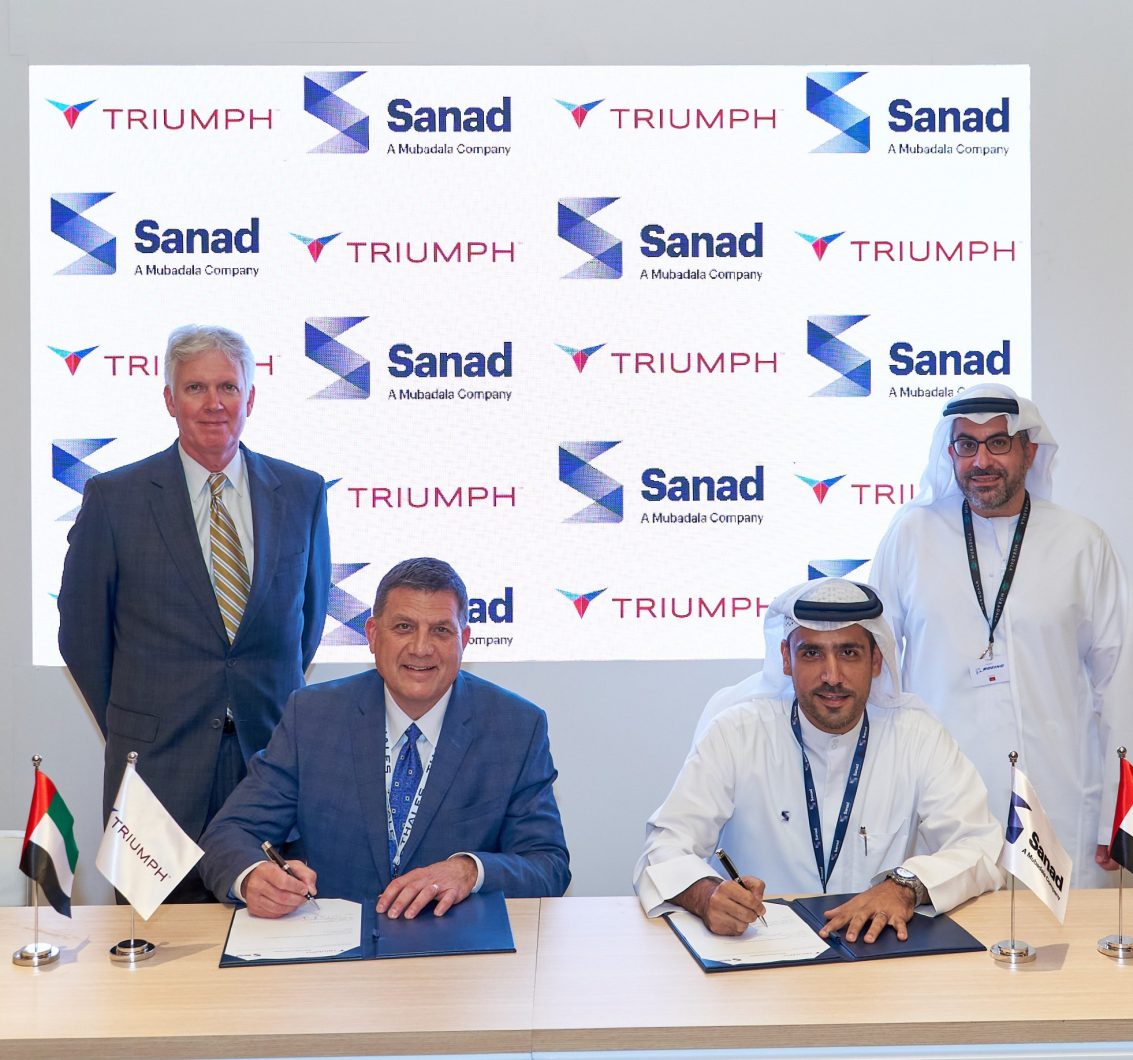
Sanad, a global aerospace engineering and leasing solutions provider wholly owned by Abu Dhabi’s Mubadala Investment Company, has partnered with GE Aerospace to bolster the UAE’s aerospace talent pool. This collaboration aims to address the projected surge in global demand for Maintenance, Repair, and Overhaul professionals, with the sector expected to reach $169 billion by 2037.

The partnership has led to the inauguration of the LEAP Engine MRO Center in Abu Dhabi, the first certified facility of its kind in the South Asia, Middle East, and North Africa region. This center is set to support over 450 LEAP-1A and LEAP-1B engines over an 11-year period, enhancing the UAE’s capabilities in servicing next-generation aircraft engines.

Sanad has invested over AED 100 million into its Abu Dhabi facility, expanding its state-of-the-art engine MRO capabilities. The center spans 5,000 square meters, contributing to a total of 30,000 square meters in Sanad’s Abu Dhabi campus. This expansion not only augments the company’s technical capabilities but also reinforces Abu Dhabi’s position as a leading global aviation hub.

The collaboration with GE Aerospace and Safran Aircraft Engines, formalized during the Paris Air Show in June 2023, has significantly expanded Sanad’s MRO services to include the new-generation CFM International LEAP-1A and -1B engines. These engines, powering Airbus A320neo and Boeing 737 MAX family aircraft, are recognized for their exceptional reliability and fuel efficiency.

Sanad’s LEAP Engine MRO Center began operations within a month of signing the agreement and successfully completed the MRO process on the first LEAP engine from flydubai just four months later. This rapid operationalization underscores Sanad’s commitment to excellence and speed in establishing state-of-the-art MRO capabilities.

The center is operated by a dedicated team of technical and engineering experts, utilizing cutting-edge MRO technologies. Sanad’s engineers and technicians have undergone intensive training programs with GE Aerospace, equipping them with the skills required for tasks such as Rotor Drive System and Inlet Gear Box quick turnaround, borescope inspection, and general familiarization.

This initiative not only ensures the operational efficiency of LEAP engines but also contributes to reducing the carbon footprint associated with transporting engines outside the region for maintenance. By providing in-country solutions, the partnership aligns with the UAE’s commitment to sustainability and operational efficiency.

The LEAP engine’s popularity has surged, with a backlog exceeding 10,000 engines, primarily due to its innovative design aimed at reducing carbon emissions in air transport. Sanad’s enhanced capabilities position it to meet the growing demand for MRO services for the LEAP engine, reinforcing Abu Dhabi’s status as a global aviation hub.

In addition to the LEAP Engine MRO Center, Sanad has expanded its global partnerships, including a strategic agreement with Airbus to provide MRO services for engines powering Airbus single-aisle and wide-body aircraft. This collaboration further solidifies Sanad’s position as a global partner of choice and a key player in the aerospace industry.

Sanad’s commitment to workforce development is evident in its focus on training and upskilling local talent. The company has established multi-tiered training programs to nurture local expertise, combining classroom training in aviation principles with hands-on experience in its facilities. This approach supports the UAE’s broader goals of economic diversification and the development of a knowledge-based economy.

CoreWeave, a leading AI cloud infrastructure provider, has entered a multi-year partnership with Aston Martin Aramco Cognizant Formula 1 Team as its Official AI Cloud Computing Partner. This alliance marks a strategic push by the racing outfit to leverage advanced artificial intelligence and cloud technologies to enhance performance, innovation, and competitive edge on the Formula 1 circuit. The collaboration centers on integrating CoreWeave’s high-performance cloud computing platform […]

The curtains have risen on High End Munich 2025, Europe’s largest exhibition dedicated to premium audio technology. Hosted from May 15–18 at the MOC Event Center Messe München, this year’s show marks the end of an era—starting in 2026, the legendary event will relocate to Vienna. With over 1,000 brands and 500+ exhibitors from more than 40 countries, the expo spans an impressive 30,000 square meters of […]

A Strategic Partnership Accelerate New Industralisation and Microelectronics Development HONG KONG SAR – Media OutReach Newswire – 23 May 2025 – Hong Kong’s advanced manufacturing and microelectronics sector received a significant boost today with a three-year strategic partnership between Hong Kong Science and Technology Parks Corporation (HKSTP) and Würth Elektronik. Under this collaboration, Würth Elektronik —a global premier electronic components manufacturer with a R&D base at Hong […]

Chemin is a key pillar in enabling TDCX to tap $1 trillion AI services opportunity Brings together more than 50 technologists from 18 countries to accelerate AI adoption SINGAPORE – Media OutReach Newswire – 22 May 2025 – Mr. Laurent Junique, Founder and Chief Executive Officer of TDCX, a leading global business process outsourcing (BPO) company for technology and blue-chip companies, was today named the Businessman of […]

HANOI, VIETNAM – Media OutReach Newswire – 22 May 2025 – The VinFuture Prize, a global science and technology award, has officially concluded the nomination period for its fifth season with a total of 1,705 nominations submitted from around the world. Notably, the number of official nominating partners has seen exceptional growth, reaching 14,772 – more than a twelvefold increase from the 1,200 recorded in the inaugural […]

OpenAI has agreed to acquire artificial intelligence device startup io in a $6.5 billion all-stock transaction, bringing onboard Apple’s iconic designer Jony Ive and his team as part of a bold expansion into hardware development. The deal, which is OpenAI’s largest to date, aims to reshape the future of consumer electronics by embedding artificial intelligence deeply into everyday devices. The acquisition values io based on a $5 […]

Drone and robotics are evolving industry worldwide as well as in the Middle East where the UAE has taken a leadership role in gradually deploying them in government departments and public facilities – in addition to bringing in driver less vehicles and flying taxis – to transform its urban infrastructure into smart cities where drones, machines, robotics and AI will play a crucial role. The UAE’s General […]

HONG KONG SAR – EQS Newswire – 21 May 2025 – Uni-Bio Science Group Limited (the “Company”, together with its subsidiaries, the “Group”) proudly announces that its new ophthalmology product, 金因康® (Diquafosol Sodium Eye Drops), has received marketing approval from the China National Medical Products Administration (NMPA) [Approval Number: 國藥准字H20254149]. This milestone strengthens the Group’s portfolio in ophthalmology, addressing the growing demand for innovative treatments in China’s […]

Abu Dhabi’s aerospace firm Space 42 is set to initiate production of prototype platforms designed to operate at altitudes reaching thousands of metres above the Earth’s surface. This development marks a significant step in the emirate’s growing ambitions within the aerospace sector, targeting near-space exploration and flight operations.

The prototypes will serve as platforms to launch near-space flights, a field that bridges traditional aviation and outer space exploration by operating at the edge of the Earth’s atmosphere. Space 42’s initiative is aligned with broader national goals to position Abu Dhabi and the United Arab Emirates as leaders in aerospace innovation and technology development. The company aims to contribute to the emerging commercial space economy by developing technologies capable of operating in the stratosphere and beyond.

Near-space platforms have a variety of potential applications, ranging from scientific research and atmospheric monitoring to telecommunications and high-altitude surveillance. These platforms can also serve as launchpads for suborbital missions, enabling experimental payloads or commercial ventures to access near-space environments more cost-effectively than traditional rockets.

Space 42 plans to produce the prototypes by the end of the year, employing advanced aerospace engineering and leveraging local expertise alongside international collaborations. The company’s approach involves creating modular, reusable platforms that can carry payloads to high altitudes while maintaining stability and control in the thin upper atmosphere.

Abu Dhabi has invested heavily in aerospace and space-related ventures as part of its strategy to diversify the economy away from oil. Space 42 is among several entities in the emirate focused on fostering innovation and building capabilities in advanced technologies. The move toward near-space flights reflects a global trend where governments and private companies alike are investing in technologies that can bridge the gap between Earth-bound aviation and space travel.

The platforms under development will use cutting-edge materials and propulsion technologies tailored to withstand harsh near-space conditions, including extreme temperature variations and low atmospheric pressure. The prototypes are expected to undergo rigorous testing phases before any commercial or scientific deployments.

Space 42’s project is part of a broader wave of interest in high-altitude platforms worldwide. These platforms offer a middle ground between satellites and aircraft, combining endurance and payload capacity with relative ease of deployment and maintenance. Their ability to provide persistent observation or communication coverage without the high costs associated with orbital launches makes them attractive for various industries.

The company’s initiative aligns with the UAE’s long-term space ambitions, which include Mars exploration, satellite development, and fostering a local space industry ecosystem. By manufacturing these prototype platforms, Space 42 aims to develop a technological edge that can be leveraged for both domestic and international markets.

Industry experts note that near-space platforms could transform how data is collected and transmitted across multiple sectors. They can support environmental monitoring by offering high-resolution data on atmospheric conditions, track climate change indicators, and improve weather prediction models. Telecommunications companies see potential in using such platforms to extend internet coverage to remote areas or enhance network resilience during emergencies.

Globally, the near-space flight market is gaining momentum as new entrants join established aerospace firms in developing technologies for stratospheric operations. Governments are increasingly recognising the strategic importance of controlling near-space assets for national security, scientific advancement, and economic competitiveness.

The production of prototype platforms by Space 42 is expected to position Abu Dhabi as a key player in this expanding field. This move may encourage further investments in research and development, talent acquisition, and infrastructure to support near-space flight activities. The initiative also aligns with the UAE’s vision to be a hub for science and technology innovation in the Middle East.

Space 42 has emphasised the role of sustainability and cost-effectiveness in their design philosophy, aiming to reduce the environmental footprint compared to traditional aerospace operations. Reusability and energy-efficient propulsion systems are central to this strategy, ensuring that the platforms can operate repeatedly without significant resource expenditure.

As the prototypes enter production, the company plans to collaborate with academic institutions, industry partners, and government bodies to validate performance and explore potential applications. This cooperation will be critical to overcoming technical challenges inherent in operating at the edge of space, where conditions differ markedly from those experienced by conventional aircraft.

The near-space platform project reflects a strategic blend of ambition and pragmatism. By focusing on prototype development, Space 42 is taking measured steps toward establishing a presence in an area that promises to grow significantly in importance and economic value. The company’s work contributes to the broader narrative of the UAE’s emergence as a forward-looking aerospace nation, committed to advancing scientific knowledge and commercial capabilities beyond the atmosphere.

While the production timeline anticipates completion before year-end, the path ahead will involve iterative testing and refinement. These phases are crucial to ensure the platforms meet stringent operational standards for safety, reliability, and performance under near-space conditions.

The company’s announcement has drawn attention from industry analysts and potential customers interested in utilising high-altitude platforms for various applications, from telecommunications to defence. The development also signals increasing competition in a sector where innovation and technical mastery are vital.

Microsoft’s flagship developer conference, Build 2025, held in Seattle, faced significant disruptions as employees and activists protested the company’s collaborations with the Israeli military. The demonstrations, led by the group No Azure for Apartheid, highlighted concerns over the use of Microsoft’s Azure and AI technologies in military operations in Gaza. During CEO Satya Nadella’s keynote address, firmware engineer Joe Lopez interrupted the session, accusing Microsoft of supporting […]

HOHHOT, CHINA – Media OutReach Newswire – 21 May 2025 – As China’s largest land port, Manzhouli is expanding beyond its traditional role as a “transit station.” By promoting local processing of grain, oil and timber, the city is steadily evolving into a regional industrial hub. An aerial drone photo shows trains for China-Europe freight service at Manzhouli Railway Port in north China’s Inner Mongolia Autonomous Region […]

GitHub has unveiled a significant upgrade to its Copilot platform: an AI-powered coding agent capable of autonomously writing code, fixing bugs, and managing pull requests. This development, announced during Microsoft’s Build 2025 conference in Seattle, marks a pivotal shift in software development, positioning AI as an active participant in coding tasks. The new Copilot coding agent operates by initiating a secure, customizable development environment through GitHub Actions. […]

Headless commerce is reshaping the retail landscape by decoupling the front-end customer interface from the back-end commerce functionality, enabling brands to offer more personalised, flexible, and scalable shopping experiences. This architectural shift is gaining momentum as retailers face increasing pressure to innovate in response to evolving consumer behaviour, technological advancements, and the demand for seamless omnichannel engagement. At its core, headless commerce separates the presentation layer—how customers […]

Taiwan Revealed: AI Technology Island SINGAPORE – Media OutReach Newswire – 20 May 2025 – Discovery Channel announces the premiere of Taiwan Revealed: AI Technology Island, in collaboration with the Ministry of Foreign Affairs, ROC (Taiwan). This brand-new documentary, which offers an insight into Taiwan’s advancements in artificial intelligence (AI) and semiconductor technologies, premieres on the Discovery Channel on Thursday, May 22, at 7:10 p.m. SGT, and […]

Abu Dhabi National Oil Company has granted contracts totaling Dh65.7 billion to nearly 400 local suppliers, contractors, and service providers during the first half of 2025. This extensive award reflects ADNOC’s ongoing commitment to strengthening the United Arab Emirates’ economy through its In-Country Value programme, which aims to bolster domestic industries and national supply chains. The contracts cover a diverse range of sectors vital to ADNOC’s operations, […]

VISHNU RAJA
RYO YAMADA
HITORI GOTOH
IKUYO KITA