News related to
Gold

SUSE has unveiled its Sovereign Premium Support, a support service designed to meet stringent demands for digital sovereignty across the European Union. Named as such to reflect both its locality and commitment, the service offers EU-based support engineers and service managers, along with data storage confined to networks within the EU, guaranteeing compliance with regional regulations and data privacy expectations. Geopolitical shifts, evolving regulations and rising concerns […]

With Bitcoin prices soaring past $100,000 again and investor optimism at a high, the UAE’s strategic push into crypto is paying off. But what does this bull market really mean for the country’s economy, its investors, and its long-term financial future? The UAE has spent the last few years laying the groundwork to become a global crypto capital. While some countries have struggled to regulate or simply […]

Kuwait Investment Authority, the sovereign wealth fund managing over US $1 trillion in assets, has divested a US $3.1 billion stake in Bank of America, according to sources familiar with the unregistered block trade. The shares were sold at US $47.95 each—at the bottom of Goldman Sachs’s marketed range—underscoring a strategic move to liquidate a long-held position. The sale marks a notable shift from the fund’s crisis-era backing of Merrill Lynch. In […]

Federal Authority for Identity, Citizenship, Customs and Port Security has issued a strong and authoritative rebuttal to claims circulating that the United Arab Emirates is offering lifetime Golden Visas to certain nationalities. In its statement on 8 July, ICP emphasised that Golden Visa eligibility is strictly governed by existing laws, ministerial decisions, and official regulations. Applications are processed only via UAE government channels—no consultancy firm, internal or external, has legitimate authority to promise visa grants under simplified conditions.

The statement was prompted by alleged press releases from a foreign consultancy office claiming applicants could secure lifetime Golden Visas for all categories from abroad. ICP characterised these claims as legally baseless and made without coordination with UAE authorities. Following these claims, several Indian and UAE-based outlets reportedly published the information before the ICP clarified its position.

While ICP refrains from naming the specific consultancy, it has warned of impending legal action against entities using false promises to extract money from individuals seeking long-term residency in the UAE. “Entities spreading such false information [are] exploiting [people’s] hopes for a dignified life,” the authority stated. It urged the public to verify procedures through official sources, including its website and app, or by contacting the designated call centre at 600522222.

The ICP insisted that the Golden Visa framework remains unchanged: eligibility criteria, procedural regulations, and visa categories continue to be defined by UAE law and ministerial orders alone. The visa remains accessible only to those meeting these statutory provisions, and all processes must follow the established, government-operated digital platforms.

This response comes amid a broader pattern of misinformation regarding Golden Visa eligibility. Earlier this month, another wave of misleading reports claimed investors in digital currencies—particularly in Toncoin—had qualified for a ten-year Golden Visa by staking cryptocurrency. In response, ICP, alongside the Securities and Commodities Authority and the Virtual Assets Regulatory Authority, issued a joint statement rejecting those claims and reminded the public that cryptocurrency investment is not a recognised category for Golden Visa issuance.

Under the official programme, Golden Visa eligibility remains targeted to specific categories: real-estate investors, entrepreneurs, exceptional talents, qualified professionals, scientists and researchers, high-performing graduates and students, frontline workers, humanitarian pioneers, and notable maritime asset holders. The ICP reaffirmed that these criteria are set in accordance with legal frameworks and are unchanged by the rumours.

Despite the cross-border spread of misinformation, UAE authorities appear resolute in their commitment to transparency, integrity, and regulatory enforcement. The ICP has stated that all application processes must occur through official digital services, and only those platforms bear the authority to collect fees or accept documentation. Third-party entities claiming to facilitate visa applications risk legal consequences.

Experts underscore the potential fallout from such false claims. “Misleading promises fuel public confusion and pose reputational risks for the UAE’s visa systems,” noted one legal analyst based in Dubai, requesting anonymity. Misinformation casts doubt on the authenticity of the Golden Visa programme and could encourage fraud. UAE authorities increasingly rely on legal measures and public advisories to counteract false narratives.

The timing of this clarification aligns with heightened international interest in UAE residency schemes. In early July, news emerged that the UAE was piloting a streamlined lifetime Golden Visa pathway for Indian nationals under the UAE‑India Comprehensive Economic Partnership Agreement. Under the pilot, eligible Indian applicants could receive life-long residency without property investment, upon nomination and the payment of AED 100,000. This development appears to have driven a surge in media attention and consultation requests aimed at service providers.

While the ICP has not confirmed or elaborated on a pilot programme specific to any nationality, it advised the public to seek information strictly through official platforms. Interested parties are encouraged to consult the ICP website or app for updates on visa categories, including any new arrangements introduced under international agreements.

Signals from the UAE government reflect a dual strategy: expanding its talent- and investment-focused Golden Visa system, while firmly safeguarding procedural integrity. Through legislative collaboration, digital transformation, and cross-border trade agreements, the UAE continues to enhance its residency framework. However, officials remain vigilant against exploitation and fraudulent intermediaries.

As the visa environment evolves, clarity from ICP and associated authorities remains vital. Their recent intervention serves to remind the public that any deviations from established criteria are unauthorised and legally questionable. For those pursuing Golden Visa status, due diligence and reliance on official channels are indispensable.

VFS Global’s Education, Trade & Migration Services has teamed up with the Rayad Group to launch specialist advisory services for UAE Golden Visa applicants in India. The new Centres of Excellence, operating in New Delhi, Mumbai, Ahmedabad, Chennai, Hyderabad and Pune, offer legal guidance and AI-enhanced support to individuals eligible for a 10‑year UAE residence visa via government nomination—no requirement to invest in property or establish a business. […]

European luxury houses are experiencing a marked shift, with faltering Chinese demand prompting a strategic pivot toward alternative markets and refined brand positioning. According to Bain & Co, global personal luxury goods sales are projected to contract by 2–5 per cent in 2025, following a €364 billion market in 2024, suggesting prolonged headwinds in China and weakened consumer confidence across key economies. Concurrently, LVMH reported a 5 per cent decline in fashion and leather goods, while Kering’s Gucci saw a 24 per cent slump in Q3 2024—underscoring the drag from Chinese spending.

Amid this slowdown, brands are accelerating efforts to broaden geographic reach. McKinsey projects that the US luxury market will grow by 4–6 per cent annually through 2027—outpacing China and Europe—and emerging regions such as the Middle East, Latin America and Southeast Asia are gaining traction as bright spots. Evidence of reorientation is visible: LVMH is expanding its US production capacity, and Kering, Hermès and Prada are intensifying investment in North America.

Not all brands are equally affected. Brunello Cucinelli, less exposed to Chinese consumption, disclosed robust sales forecasts—upgrading its annual growth outlook to 11–12 per cent based on strong European demand and continued traction among ultra-high-net-worth clients. Hermès, too, has weathered the storm, maintaining sales growth while peers grapple with revenue declines.

The luxury slowdown in China is rooted in multiple structural challenges. Economic growth has softened below 5 per cent, real estate woes persist, and shifting demographic trends have eroded consumer sentiment. Simon‑Kucher reports that many Chinese consumers are becoming cost-conscious, displaying a polarization between aspirational and high-end luxury buyers, and embracing domestic brands as alternatives. Particularly, cultural shifts—such as “luxury shame”—have fuelled a move toward discretion and frugality in visible consumption.

Although major international houses such as Chanel and Dior continue to engage Chinese consumers through culturally attuned storytelling—launching region‑specific collections and targeted local campaigns—some smaller brands have shuttered stores in mainland China, acknowledging a recalibration of in‑market commitment.

Domestic luxury players are also benefitting from this transition. Laopu Gold, a jewellery brand rooted in traditional Chinese symbolism, has doubled same‑store sales and quadrupled online revenue this year, with a market valuation exceeding HK$170 billion, thereby challenging European incumbents—though its international footprint remains limited.

Global brands recalibrating their China approach are employing a range of strategic pivots: tighter inventory control to avoid discounting and preserve brand equity; stimulant-focused aspirational campaigns; and product diversification into understated luxury or second-hand luxury to resonate with new consumer segments. The second‑hand luxury market in China alone has grown at an annual rate exceeding 30 per cent since 2020.

Europe itself remains central to the luxury ecosystem, as evidenced by European markets holding nearly half of Armani’s revenues in 2024—an increase relative to Asia Pacific’s diminished share—while the group strategically channels investment into flagship stores and digital-commerce. Cost control, brand consistency, and quality-focused messaging have become priorities as demand becomes more selective.

Globally, brand strategies are evolving with renewed emphasis on sustainability, resilience and storytelling. Price hikes once driven by so‑called “greedflation” are now tempered, with average increases forecast at 3.5 per cent in 2025—lower than peak levels—and justified by genuine craftsmanship and material innovation. Product lines are being refined: leather goods, jewellery and beauty segments are poised for stronger performance, while deeper integration of sustainability and consumer‑centric narratives is prioritised.

Brands are also investing in localisation in other markets and exploring omnichannel retail strategies. Digital-owned channels, experiential stores, and culturally sensitive campaigns are being deployed to engage consumers in tier‑2 and tier‑3 urban centres, particularly in Asia outside China.

European luxury houses are at a strategic inflection point: with the decline in Chinese demand now measurable, success hinges on geographic rebalancing, product portfolio refinement, inventory discipline and culturally resonant marketing. The winners will be those able to preserve brand prestige while adapting to economic reality and evolving consumer psychology across diverse global markets.

Sterling’s recent rally has little to do with the UK economy suddenly outperforming expectations. It has everything to do with the dollar falling out of favour. When the pound hit $1.365 this week—its strongest level since early 2022—it was a flashing red signal that international investors are losing faith in the greenback. Let’s not pretend this is about interest rates. The Federal Reserve is still holding firm, […]

Advertisements

UAE authorities have categorically dismissed claims that cryptocurrency investors can secure a 10‑year golden residency visa, stating that such privileges are reserved for specific sectors such as real-estate investors, entrepreneurs, top-tier talents, scientists, specialists, leading students and graduates, humanitarian pioneers and frontline workers.

In a joint statement, the Federal Authority for Identity, Citizenship, Customs and Port Security, the Securities and Commodities Authority and the Virtual Assets Regulatory Authority made clear that no visa pathway exists based solely on digital asset investment. The clarification, issued in response to social media promotions tied to TON coin staking, noted that licensed companies dealing in virtual assets must follow standard visa procedures set by Dubai authorities—contradicting any assertion of automatic long-term residency for such investors.

The declaration emphasised that golden residencies, formally known as “golden visas,” are awarded selectively. Eligible recipients include individuals contributing significantly through real-estate acquisition, entrepreneurship, exceptional professional or academic achievements, humanitarian efforts, scientific innovation and frontline services. Digital asset holders, including those with TON coin, are not part of this framework.

VARA underscored that any licensed firm engaged in virtual assets must adhere strictly to visa regulations approved by Dubai’s government. The authority explicitly stated that TON is not among the licensed virtual asset service providers regulated by VARA—which serves as a reminder that third-party programme claims cannot confer regulatory endorsement or visa rights.

Market reactions were swift. TON’s market value dropped roughly 6% after the regulators’ denial, reversing an earlier 10% rally sparked by reports suggesting that staking over $100,000 of the cryptocurrency for three years would qualify investors for golden residency. The dip reflects investor recalibration, as participants digest the official position.

Crypto-focused platforms including Cointelegraph and CryptoBriefing reported that the golden visa narrative around TON did not originate from UAE government entities, but from promotional efforts tied to TON itself or affiliates. Such promotions framed virtual-asset investments as viable residency routes, a stance regulators assert is misleading.

Historically, the UAE has granted golden visas to boost innovation and long-term commitment within its economic ecosystem. Introduced in 2019, the visa allows extended residency ranging from five to ten years for designated groups, including investors, researchers, medical professionals, outstanding students, frontline responders and humanitarian workers. The UAE’s focus has been on attracting tangible economic and social capital—not speculative virtual-asset portfolios.

The political economy of the golden visa scheme underscores the government’s desire to diversify its talent pool while retaining high-calibre individuals. Notably, real-estate investors must typically commit AED 2 million or more, and entrepreneurs require projects valued at least AED 500,000, alongside approved incubator backing. There is no parallel threshold for cryptocurrency holdings.

VARA’s clarification additionally served as a broader caution to the public, urging consumers to engage only with fully licensed and regulated entities in the virtual-asset space. This aligns with the authority’s ongoing efforts to mitigate risk, prevent fraud, and ensure compliance within the rapidly evolving crypto sector.

Legal analysts note that agencies like ICP, SCA and VARA carry statutory authority over immigration, securities and virtual asset regulation, respectively—a strong indicator that their joint statement holds legal weight. Any company or platform claiming otherwise could face regulatory investigation for misleading representations.

Industry experts praised the clarity of the communication, saying it helps dispel misconceptions among investors attracted by sensational claims. “Regulation must keep pace with innovation,” commented one Dubai-based compliance specialist. “But investors also bear responsibility to verify claims, particularly when residency and investment are involved.”

Within the wider crypto ecosystem, this development is neither isolated nor unexpected. Regulators across jurisdictions have increasingly emphasised that digital-asset holdings alone rarely guarantee immigration benefits. The UAE’s decisive response may serve as a model for governments balancing openness to innovation with prudence in immigration policy.

Moving forward, observers will watch closely whether the UAE institutes any formal framework for crypto-linked residency benefits. VARA and SCA have previously launched licensing regimes for exchanges and service providers, hinting at a broader regulatory ecosystem under development. However, until there is explicit policy inclusion, golden visa eligibility remains restricted to well-defined categories.

Legal scholars suggest that should UAE authorities wish to incorporate virtual-asset investment into residency policy, formal amendments would need to be tabled via corporate regulations and immigration law. Meanwhile, the current guidelines offer clear instruction: digital asset investment, regardless of size, is not sufficient to obtain a golden residency in the UAE.


Toncoin has unveiled a trailblazing ten-year Golden Visa programme in collaboration with the United Arab Emirates, allowing high-net-worth crypto investors to secure long-term residency by staking TON tokens. Applicants must commit US $100,000 worth of TON for a fixed period of three years and pay a one-time processing fee of US $35,000. The staked assets remain under holders’ control in a decentralised smart contract and may be withdrawn in full at the end of the lock‑in term.

Approved applicants are expected to obtain a ten-year residency permit within approximately seven weeks, considerably faster and more cost-effective than traditional real estate investment routes that often require more than US $500,000. Visa privileges extend to spouses, children and parents, subject to standard government charges. During the lock‑in period, investors can benefit from annualised returns estimated between 3–4 per cent.

This marks the UAE’s first blockchain‑native residency initiative, reflecting a strategic shift towards attracting high‑calibre digital‑asset investors. By tying long‑term staking of TON to visa access, the initiative aims to fortify the TON network via sustained investment while reinforcing the UAE’s reputation as an innovative, crypto‑friendly jurisdiction.

Experts suggest this move may herald a new model of residency-by-investment, linking public policy with decentralised finance. It could prompt other nations to pursue blockchain‑based residency pathways, reshaping global strategies in investment migration.

The programme addresses legal and regulatory concerns: staking occurs through a decentralised smart contract verifiable on the TON blockchain, and all application and staking procedures take place exclusively via Toncoin’s official website to protect against fraud.

For participants, the appeal lies in combining stable residency with liquidity and yield. Unlike property‑based Golden Visas—which demand large capital and tie up assets—the TON pathway offers asset flexibility. Investors retain control of their tokens, receive modest returns, and avoid holding illiquid real estate.

The partnership arrives at a critical stage for both parties. The TON network is actively seeking to expand its user base and institutional credibility, while the UAE continues to promote itself as a global hub for digital asset innovation. Leveraging the visa incentive may draw both high‑net‑worth individuals and entrepreneurial crypto talent to contribute to the local blockchain ecosystem.

Initial market response has been positive. TON’s price reportedly rose by around 5 per cent following news of the partnership, signalling investor optimism about both demand for TON and confidence in the UAE’s adoption strategy. Trading volume also spiked, indicating intensified market activity around the token.

Analysts caution, however, that crypto‑volatility could affect returns. The estimated 3–4 per cent APY depends on token price stability during the staking period. A significant market downturn could erode incentive value, potentially discouraging participants.

Long‑term credibility will hinge on seamless visa processing and continued operational transparency. While seven‑week approval is promising, execution must consistently match the timeline. The emphasis on official platforms and smart‑contract security aims to build user trust, but the unknown remains whether demand will justify sustained asset flow into staking.

Backers of the initiative view it as a strategic alliance between public sector and crypto innovation. The UAE gains by attracting financial and intellectual capital; TON benefits from enhanced staking support and elevated legitimacy. The broader blockchain community may see this as a template for combining financial incentives with regulatory alignment.

A coalition of eight OPEC+ nations is preparing to approve another increase in oil production for August, locking in a 411,000 barrels‑per‑day boost during their meeting on Saturday. The group—comprising Saudi Arabia, Russia, the UAE, Kuwait, Oman, Iraq, Kazakhstan and Algeria—has steadily wound back earlier cuts, reversing a 2.2 million bpd reduction begun in April.

Market analysts note that this would mark the fourth straight monthly escalation, totaling around 1.78 million bpd so far this year—equivalent to more than 1.5 per cent of global oil consumption. While the group has repeatedly implemented these increases, actual output has varied, as some members still clamp down to make up for past quota overshoots.

A shift ahead of schedule

OPEC+ fast‑tracked this weekend’s gathering by one day, underscoring its urgency to reclaim market share amid rising competition, particularly from U. S. shale producers. This realignment follows a strategy change observed across May, June and July, a pivot away from enforced cuts towards restoration of production volumes.

Internal friction persists

Tensions within the group continue, especially with Kazakhstan. The country’s June output reached record levels—1.88 million bpd—far exceeding its quota, as Chevron’s expansion at the Tengiz field ramped up operations. Other members, observing tighter compliance, have expressed frustration over these deviations. Observers suggest the bulk output increases serve multiple purposes: penalising over‑producers and deterring further deviations by rewarding compliant members.

Price and market reception

Brent crude recently edged lower, trading in the mid‑$60s per barrel, partly due to assurances that supply will remain ample, and also on uncertainties around U. S. tariff policy. Analysts at ING and Morgan Stanley expect prices to hover near $60‑$67, citing well‑supplied markets. Goldman Sachs forecasts a similar output increase at 0.41 mbpd and anticipates stable production after August, projecting average Brent prices around $60 in 2025.

HSBC, meanwhile, warned that ongoing supply hikes could push Brent below $65 in the fourth quarter, predicting mounting market surplus through 2026 and into 2027.

Strategic trade‑offs

OPEC+ appears to be walking a tightrope between market share expansion and price support. The rollout of successive supply increases challenges the group’s previous aim of bolstering prices. Analysts from Energy Aspects and RBC’s Helima Croft view this as a deliberate shift: smoothing out supply reductions to prevent erosion of influence, while retaining flexibility to respond to demand surprises.

Geopolitical context also features in the calculus. The group continues to factor in global uncertainties—such as U. S. tariff threats and geopolitical strains in the Middle East—into its supply decisions. Saudi Arabia is expected to raise its official selling prices to Asia in August, even amid the production uptick, reflecting efforts to defend revenue amid market volatility.

Looking ahead, market watchers will scrutinise whether all eight members will fully support the proposed increase—or whether some seek a more aggressive supply push above the already ambitious 411,000 bpd figure.

Dubai Duty Free posted its strongest first-half performance to date, recording turnover of AED 4.118 billion, a 5.34 per cent increase over the same period in 2024. This figure eclipses the previous H1 record by AED 208.95 million, signalling robust recovery and sustained growth since the pandemic. The surge was underpinned by heightened passenger engagement during the Eid holiday and early summer travel season, with April, May and early June emerging as […]

Matein Khalid Both Israel and the US were careful not to target Iran’s oil export terminal at Kharg Island, a major reason why Brent crude trades at 68 and not 100. It is ironic that Iran’s oil output is now 5.1-MBD (this figure includes condensates and gas to liquids), its exact amount in 1978, the last year the Shah ruled from his Peacock Throne. There is no […]

KAOHSIUNG, TAIWAN – Media OutReach Newswire – 4 July 2025 – A huge congratulations to Kaohsiung for once again ranking No.1 in tourism satisfaction nationwide and brought home double gold international awards! According to the 2025 “Global Views Monthly” survey on the performance of city mayors, Chen Chi-Mai received the highest rating among the six special municipalities and retained his five-star mayor status. Kaohsiung ranked first in […]

Business Bay achieved over AED 4.5 billion in off‑plan real estate sales during the second quarter of 2025, completing more than 1,900 transactions and cementing its reputation as a premier residential and investment epicentre in Dubai. Contributing 5 per cent of the emirate’s total real estate sales value, while representing only 3 per cent of transaction volume, the district demonstrated its enduring appeal and pricing power amid a booming market. Dubai’s overall property […]

KUALA LUMPUR, MALAYSIA – Media OutReach Newswire – 3 July 2025 – Crypto volatility poses both potentially spectacular possibilities and enormous risks. For example, by investing in crypto assets on the spot market, traders buy the crypto and, hence, risk their budget if the price drops and never returns to the initial position. Instruments like crypto CFDs (Contracts for Difference) provide more opportunities for flexible capital management […]

Figma has filed its S‑1 registration to go public on the New York Stock Exchange under the ticker “FIG”, and disclosed holdings of approximately $69.5 million in a spot Bitcoin ETF as of 31 March 2025. The filing also confirms that the board approved allocating $30 million in USDC for later conversion into Bitcoin, signalling a strategic embrace of digital assets. Financial disclosures reveal robust growth for the design‑collaboration platform, […]

KUALA LUMPUR – Media OutReach Newswire – 2 July 2025 – This Thursday at 12:30 p.m. UTC, the U.S. Bureau of Labor Statistics will release its highly anticipated Nonfarm Payroll (NFP) report. While typically issued on the first Friday of each month, this week’s release has been brought forward due to the upcoming U.S. Independence Day holiday. The NFP report is traditionally considered to be the most […]

By Nitya Chakraborty Prime Minister Narendra Modi faces a tough task in improving India’s image as defender of the interests of Global South at the coming meeting of the BRICS at Rio de Janeiro in Brazil on July 6 and 7 which he will be attending. The 17th BRICS summit will be hosted by Brazil […]

After discovering institutional inefficiencies in traditional finance, this young CFA is helping investors access opportunities previously reserved for Wall Street. The mahogany-paneled conference room fell silent. On the 47th floor of one of Wall Street’s most prestigious firms, Tan Gera stared at his computer screen in disbelief. The evidence of systematic insider trading was not only shocking—it was the final piece of a puzzle he’d been putting […]

Legendary Italian chef Umberto Bombana joins forces with the Executive Chefs of his Macau and Shanghai restaurants to celebrate the season of Australian Black Truffle and award-winning wine list at 8½ Otto e Mezzo BOMBANA at Galaxy Macau MACAU SAR – Media OutReach Newswire – 1 July 2025 – Galaxy Macau™, the world-class luxury integrated resort, stands as a premier culinary destination with its exquisite and diverse […]

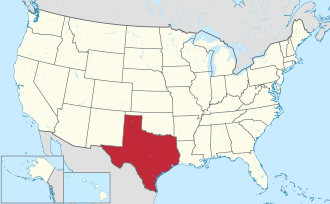
Governor Greg Abbott has enacted House Bill 1056, authorising Texans to use gold and silver as legal tender for routine financial transactions beginning on 1 May 2027. The measure amends the state government code, empowering the comptroller’s office to set the metal-to-dollar exchange rate at the time of each transaction.

Abbott emphasised that the move draws upon Article I, Section 10 of the United States Constitution, which restricts states from issuing currency other than gold or silver coins. Although federal reserve notes will remain lawful, the new law permits their coexistence and makes acceptance of precious metals optional for businesses and consumers.

Supporters regard the law as a historic step toward financial sovereignty, providing residents with greater control over their assets. The initiative is the latest in Texas’s broader push toward alternative currencies, complementing the establishment of a state strategic bitcoin reserve. Advocates say this diversification could act as a hedge against inflation and enhance the resilience of the state’s economy.

The meteoric trajectory from legislative passage to effective implementation is significant, but practical details remain in development. Texans will deposit metals into accounts at the Texas Bullion Depository in Leander and access them using a debit-card system. Each transaction will convert metal to dollar value based on comptroller-set pricing, though specifics on fees and merchant participation are yet to be disclosed.

While market reaction has been measured, analysts predict the legislation could lift local demand for physical gold and silver, particularly if residents embrace the option. Economists also note that instituting this system requires robust authentication and verification mechanisms, as stakeholders raise concerns over counterfeit metal use.

Retailers might face logistical hurdles, including securing reliable point-of-sale systems and managing valuations for fluctuating metal prices. Abbott’s office has indicated that public education campaigns and pilot programmes are planned to facilitate adoption.

Texas is the first state to operationalise gold and silver for daily commerce on this scale, though several states maintain statutes recognising their role as legal tender without establishing transaction mechanisms. Prior experiments in alternative currency systems include “Goldbacks,” privately issued gold notes accepted in select locations, but these lacked legal backing at the state level.

The new law’s dual focus on precious metals and bitcoin underscores Texas’s ambition to position itself at the forefront of monetary innovation. By leveraging constitutional provisions, state officials aim to expand the toolkit available to residents and businesses, offering both tangible and digital currency options.

Nonetheless, detractors caution that the metal-based system may complicate transactions and add regulatory burdens. Verification protocols, pricing transparency and merchant liability issues will need careful management to avoid undermining public confidence. Texas’s comptroller is expected to issue guidance on these matters in the coming months to ensure a smooth rollout.

Implementation will proceed incrementally over the next 22 months, with the comptroller’s office overseeing regulatory design and infrastructure setup. If executed effectively, the scheme could serve as a model for other states contemplating alternatives to fiat currency; if not, it may highlight the complexity of adding precious metals to everyday monetary flows.

Star Entertainment is confronting a fresh financial crisis as its partners in the Brisbane Queen’s Wharf development have formally sought to cancel the sale of the casino operator’s 50 per cent interest in the integrated precinct. This blow lands just days after shareholders approved a $300 million rescue package that was expected to stabilise the business. The termination notice, issued by Hong Kong-based Far East Consortium and Chow Tai Fook […]

Kazakhstan’s National Bank, under its chairman Timur Suleimenov, is taking steps to build a state-held cryptocurrency reserve managed by a subsidiary entity, following international sovereign fund practices. The proposal outlines funding sources that include confiscated crypto-assets and coins mined through ventures with state participation—measures aimed at enhancing governance and stability within the digital asset ecosystem.

The National Bank is developing a comprehensive framework for the reserve’s formation and administration, emphasising transparency and institutional safeguards. It plans to enshrine in law both the status of the reserve and the protocols for deposit and use, with draft legislation to be submitted to parliament for approval.

Suleimenov highlighted that the envisioned affiliate would follow global norms for sovereign funds, ensuring robust accounting, secure storage, and resilient governance structures. The legal amendments under discussion would affirm the reserve’s legal standing and empower authorities to handle crypto-assets seized under law as well as profits generated from state-linked mining operations.

The banking chief stressed the importance of centralised institutional oversight, noting the high volatility and vulnerability of crypto-assets. Centralisation, he said, is key to mitigating risks such as market fluctuations or cyber threats.

This effort is part of a wider regulatory overhaul targeting cryptocurrency flows. Under proposals by the Ministry of Digital Development, draft laws would impose criminal and administrative liability on grey‑market trades, require licences for investment advisers, and curb unlicensed exchanges and misleading crypto promoters—many of whom target younger investors.

Parliamentary deputies have endorsed the overarching concept. One lawmaker, Kuspekov, recommended creating a “national digital reserve” at the central bank to anchor confiscated digital assets and tighten financial controls. He also urged strengthened due diligence by banks, prohibition of unlicensed crypto platforms, and mandates for licensed investment coaches.

These developments follow a surge in legislative activity since May. The National Bank has proposed amendments defining legal status for digital assets, licensing for crypto exchanges outside the Astana International Financial Centre, and a regulatory sandbox for testing digital services. The objective is to restore confidence in Kazakhstan’s crypto sector after capital flight estimated at US$15 billion last year.

Timur Suleimenov, appointed as National Bank chair in September 2023 and former minister of national economy, has emphasised institutional integrity and macroeconomic resilience. He recently noted that international reserves reached US$104.7 billion at end-2024, bolstered by gains in gold and foreign-exchange holdings.

The crypto reserve initiative appears aligned with broader state efforts. Issuance of AIFC‑backed crypto payment cards was piloted in early June by major banks including Halyk Bank, Forte and Altyn Bank—allowing consumers to instantly convert digital assets into fiat currency for everyday purchases.

The Ministry of Digital Development has proposed the creation of a crypto reserve as a digital asset repository to support the national digital economy. This official endorsement underscores the government’s increasing interest in integrating digital assets within its fiscal infrastructure.

Central to this initiative are practical mechanisms that remain under review. The National Bank is working with law-enforcement agencies and other government bodies to outline operational procedures, compliance norms and asset custody arrangements.

Australia’s earnings from mining and energy exports are set to decline over the coming years, with rising gold revenues unable to fully offset weak demand and price falls in iron ore, liquefied natural gas and coal. Government projections show a fall from A$415 billion in 2023–24 to A$385 billion in 2024–25, and further to A$352 billion by 2026–27. The Office of the Chief Economist highlights that surplus global supply—particularly in […]

VISHNU RAJA
RYO YAMADA
HITORI GOTOH
IKUYO KITA