News related to
Gold

Dubai has rolled out a new initiative aimed at recognizing exceptional educators within its private school system. Sheikh Hamdan bin Mohammed bin Rashid Al Maktoum, Crown Prince of Dubai, announced the eligibility criteria for private school teachers to apply for the UAE Golden Visa. The program, which was introduced on World Teachers’ Day, is part of a broader effort to appreciate the crucial role educators play in shaping Dubai’s future generations.

The Knowledge and Human Development Authority (KHDA) detailed the selection criteria that will allow teachers to qualify for the long-term residency permit. Only those who demonstrate outstanding achievements in their profession will be eligible to apply for the visa. This move is seen as a significant boost to Dubai’s private education sector, providing long-term stability and rewards to teachers who make substantial contributions to their students’ success.

HONG KONG SAR – Media OutReach Newswire – 6 October 2024 – The Department of Pharmacology and Pharmacy, LKS Faculty of Medicine, The University of Hong Kong, has successfully launched a large-scale community program this year, utilizing the innovative COSA screening tool to identify over 1,000 individuals at high risk for osteoporosis. This initiative has significantly increased the rate of medical follow-ups among seniors, establishing a model […]

‘Run with ViewQwest’ Challenge Offers Over SGD 20,000 in Cash Prizes Across All Race Categories Challenge invites all non-competitive SCSM runners to join for FREE SINGAPORE – Media OutReach Newswire – 4 October 2024 – ViewQwest is sponsoring the Standard Chartered Singapore Marathon (SCSM) for the third consecutive year, aligning with its commitment to support world-class endeavours in Singapore. The SCSM is recognised as one of the […]

The 15th edition of IGEM will bring together thought leaders worldwide to share breakthrough technologies and strategies for achieving net zero emissions. KUALA LUMPUR, MALAYSIA – Media OutReach Newswire – 4 October 2024 – The International Greentech & Eco Products Exhibition and Conference Malaysia (IGEM) returns for its landmark 15th edition from 9 to 11 October 2024. As one of Southeast Asia’s largest green technology showcases, IGEM […]

SINGAPORE – Media OutReach Newswire – 2 October 2024 – Leading digital asset trading group Caladan is proud to announce the opening of its over-the-counter crypto options desk to offer crypto structured products for institutional and accredited investors. Caladan Announces Options and Structured Products Desk Strategic Expansion Into Structured Products Caladan’s decision to expand into structured products is a natural expansion of how it partners with crypto […]

KUALA LUMPUR, MALAYSIA – Media OutReach Newswire – 2 October 2024 – Technology has changed financial markets a lot in recent years. It makes trading easier, faster, and more efficient. In this release, Octa looks at how technology is changing trading in Malaysia, Singapore and other countries in Southeast Asia. Also, Octa gives an overview of algorithmic trading, AI, blockchain, cryptocurrencies, Fintech, mobile apps, cloud tech, and […]

Sofitel has officially launched its inaugural branded residences in Downtown Dubai, marking a significant expansion of the luxury hotel brand’s presence in the region. The development, in collaboration with Azha Development and Dubai Sotheby’s International Realty, is strategically located just minutes away from iconic landmarks like the Burj Khalifa and the Dubai Mall, catering to affluent buyers and investors seeking a premium living experience.

The Sofitel branded residences comprise 174 luxurious units, including one, two, and three-bedroom apartments, designed to embody the essence of French elegance fused with Middle Eastern hospitality. Each residence features modern amenities, sophisticated interiors, and expansive views of the city’s skyline, ensuring a lavish lifestyle for residents. The project aims to attract both local and international buyers, reflecting the growing demand for upscale living spaces in Dubai’s thriving real estate market.

The launch comes at a time when Dubai’s property sector is witnessing robust growth, fueled by the UAE’s strategic initiatives to boost tourism and attract foreign investment. Recent reports indicate a surge in luxury property sales, with many buyers from various regions, including Europe and Asia, looking to invest in Dubai’s thriving real estate market. This trend is partly driven by the UAE’s successful handling of the pandemic and its appeal as a global business hub.

Sofitel’s entry into the branded residences segment aligns with its global strategy to enhance brand visibility and cater to an evolving clientele that values luxury and lifestyle. The residences are not merely living spaces; they are designed to provide a holistic lifestyle experience. Residents will have access to a range of amenities, including a swimming pool, a wellness center, and exclusive dining options, all curated to deliver the signature Sofitel experience.

Azha Development’s partnership with Sofitel exemplifies a growing trend among developers in Dubai, who are increasingly collaborating with international brands to elevate their projects. The collaboration aims to leverage Sofitel’s prestigious reputation in the luxury hospitality sector to enhance the appeal of the residences. This synergy is expected to boost the overall value of the development, making it an attractive investment opportunity.

Dubai Sotheby’s International Realty plays a crucial role in the sales strategy for these branded residences, leveraging its extensive network and expertise in the luxury real estate market. The agency’s involvement underscores the importance of marketing strategies tailored to affluent buyers, utilizing high-end branding and exclusive events to showcase the lifestyle offered by the Sofitel residences.

Market analysts suggest that branded residences have become a significant trend in the global real estate market, particularly in high-demand areas like Dubai. Buyers are increasingly drawn to properties that offer the backing of renowned brands, as these often promise a certain level of quality, service, and lifestyle. This trend is expected to continue, with luxury brands like Sofitel leading the charge in meeting the growing demand for high-end living.

The demand for branded residences is fueled by the lifestyle aspirations of wealthy individuals who prioritize a seamless blend of luxury, service, and location. The proximity of the Sofitel residences to major attractions in Dubai positions it as a prime choice for buyers looking for convenience and accessibility. The development’s strategic location allows residents to immerse themselves in the vibrant culture, entertainment, and leisure activities that Dubai offers.

The launch of the Sofitel branded residences also coincides with ongoing efforts by Dubai’s government to promote the city as a premier destination for expatriates and investors. Initiatives such as long-term residency visas and the Golden Visa program have attracted a diverse pool of buyers, further boosting demand for luxury properties. The city’s real estate market has seen a notable uptick in transactions, with luxury properties leading the way in terms of both sales and price appreciation.

Advertisements

DUBAI, UAE – EQS Newswire – 1 October 2024 – Dubai Electricity and Water Authority (DEWA) (www.DEWA.gov.ae) organises the 26th Water, Energy, Technology and Environment Exhibition (WETEX) from 1 to 3 October 2024 at the Dubai World Trade Centre. The exhibition is a standout event in the global sustainability calendar. It is the largest exhibition in the region in energy, water, green development, sustainability, decarbonisation, green mobility, […]

BlackRock’s Ethereum Exchange-Traded Fund (ETF) has faced challenges in attracting capital compared to its Bitcoin counterpart, raising questions about investor sentiment towards the two leading cryptocurrencies. Over the span of seven weeks since its launch, the Ethereum ETF has amassed approximately $1 billion in assets under management (AUM), a significant contrast to the staggering $24 billion accumulated by the Bitcoin ETF during the same period. This disparity […]

Crude oil prices have experienced a significant downturn, dropping approximately 17% in the third quarter of this year. This decline, marked by market volatility and geopolitical tensions, highlights a complex interplay between Middle Eastern conflicts and diminishing global demand.

As of late September, West Texas Intermediate (WTI) crude settled at around $89 per barrel, down from its highs earlier in the quarter. Brent crude, the global benchmark, followed suit, trading at roughly $92 per barrel. The reduction in prices comes after a series of events that initially fueled price increases due to fears of supply disruptions in the Middle East. However, weakening demand signals from major economies have overshadowed these concerns.

Ongoing hostilities in the Middle East, particularly the conflict in Gaza, have raised alarms about potential disruptions to oil supplies. Israel’s military actions have been met with retaliatory strikes from Hamas, leading to fears that regional tensions could escalate and affect oil-producing nations. However, despite these fears, oil production in the region has remained largely unaffected, allowing for a gradual decline in prices as the immediate risks did not materialize as significantly as anticipated.

Simultaneously, global economic indicators have pointed to a slowdown in demand for oil. The International Energy Agency (IEA) recently projected a weaker demand growth outlook for 2024, influenced by slower economic growth in key markets such as China and Europe. China’s oil demand growth has been particularly disappointing, with recent data indicating a sharp decline in refinery throughput amid struggling manufacturing and economic challenges. This downturn has led to concerns that the world’s largest oil importer may not recover as quickly as previously hoped.

The economic landscape has also been affected by rising interest rates, particularly in the United States, where the Federal Reserve’s aggressive monetary policy has contributed to slowing growth. High borrowing costs have prompted businesses and consumers to cut back on spending, leading to reduced fuel consumption. This trend is reflected in decreasing gasoline prices, which have fallen by approximately 20% since their peak earlier in the year.

Analysts are now closely monitoring the impact of the U.S. Federal Reserve’s interest rate policies on the energy market. As inflation remains a concern, higher rates are expected to temper economic activity further, which could result in continued softness in oil demand. Meanwhile, the market is also reacting to potential supply adjustments from the Organization of the Petroleum Exporting Countries (OPEC) and its allies, collectively known as OPEC+. The group has faced pressure to cut production to stabilize prices but has been hesitant to take drastic measures amid the ongoing global economic uncertainties.

OPEC’s recent meeting has been characterized by discussions surrounding production levels and output targets. While some member countries advocate for cuts to prevent a further slump in prices, others, particularly those reliant on oil revenues, express reluctance to decrease output. This tension reflects broader geopolitical dynamics, as different countries prioritize their economic needs amidst fluctuating global demand.

In addition to OPEC’s considerations, there are also rising concerns about the impact of new renewable energy projects on long-term oil demand. Governments worldwide are increasingly committing to net-zero emissions targets, and investment in clean energy sources continues to grow. This shift poses a long-term challenge to the oil industry as electric vehicle adoption rises and cleaner energy alternatives become more mainstream.

Market participants are also keeping a close eye on potential developments in the Ukraine conflict, which has significantly affected European energy markets. While the ongoing war has prompted Europe to diversify its energy sources away from Russian oil and gas, disruptions in supply chains can reverberate across global markets, leading to unexpected fluctuations in oil prices.

Analysts emphasize that while current prices reflect immediate market dynamics, underlying structural changes in energy consumption and production will play a crucial role in shaping the future of the oil market. As countries adjust their energy strategies and seek more sustainable options, traditional oil producers may need to adapt to a changing landscape characterized by increasing competition from alternative energy sources.

Climate policies and international agreements aimed at reducing carbon emissions will likely further pressure the oil sector. Countries that rely heavily on fossil fuel exports may face economic repercussions as the world shifts toward cleaner energy, necessitating a reevaluation of their long-term economic strategies.

As the Halloween horror budget approaches in the UK, scheduled for October 30, an ominous cloud looms over wealthy Britons, prompting many to consider leaving the country. This migration trend began under the Conservative government, which pushed UK taxes to a staggering 70-year high. The situation has escalated dramatically, with reports indicating that last year alone saw 4,200 millionaires departing the UK. With Labour now in charge, […]

KUALA LUMPUR, MALAYSIA – Media OutReach Newswire – 30 September 2024 – The market has reacted live as Vice-President Kamala Harris and former President Donald Trump clashed in their first—and possibly last—debate before the November election. With financial markets already reacting to the debate’s fallout, the candidates’ performance and policies could reshape trading strategies. Below is an outline of what it means for traders’ long-term investment portfolios […]

BANGKOK, THAILAND – Media OutReach Newswire – 27 September 2024 – Chaumet, a renowned French jewelry maison with a rich heritage dating back over two centuries, now opens its first boutique in Thailand at ICONSIAM, the global landmark along the Chao Phraya River. With this first Thai boutique, Chaumet is continuing its expansion in the Asia- Pacific region. Following Kuala Lumpur and Hanoi in 2023, it is […]

MACAU SAR – Media OutReach Newswire – 28 September 2024 – Galaxy Promenade, the one-stop shopping destination boasting the world’s most iconic luxury brands, welcomes the newly reinvented Dior Galaxy Macau boutique. The new two-story boutique hosts the different universes of the House, as well as an array of exclusive products and experiences, enabling guests to embark on a fashionista journey of divine elegance and immersing into […]

SINGAPORE – Media OutReach Newswire – 27 September 2024 – Samsung Electronics Singapore announced the launch of the Galaxy S24 FE, Galaxy Tab S10 Series and Galaxy Fit3 in Singapore. The Galaxy S24 FE is now available for pre-order in Singapore, bringing Samsung’s premium mobile experiences and Galaxy AI to more users. Meanwhile, the Galaxy Tab S10 Series and Galaxy Fit3 will be available in Singapore from […]

Bitcoin has surged to trade above $65,000, fueled by a significant influx of capital into U.S. spot bitcoin exchange-traded funds (ETFs) and China’s ongoing economic stimulus measures. The cryptocurrency market is witnessing a notable rebound as investors respond to macroeconomic indicators that hint at a revitalized financial landscape. The substantial investment of $365 million in bitcoin ETFs represents one of the highest daily inflows seen this year, […]

The event will place at Galaxy Arena on November 23, with presale tickets available from October 9. The main event is a pivotal clash between top bantamweight contenders No.3 ranked Petr Yan versus No.5 ranked Deiveson Figueiredo. MACAU SAR – Media OutReach Newswire – 26 September 2024 – Galaxy Macau™ is proud to host the return of UFC®, the world’s premier Mixed Martial Arts (MMA) organization, to […]

Financial markets are witnessing a surge in volatility, particularly within the cryptocurrency sector, as global monetary policies aim to suppress instability. Arthur Hayes, a prominent figure in the crypto community and co-founder of BitMEX, has highlighted the rising tension in markets fueled by Federal Reserve rate cuts and aggressive monetary easing. These actions are perceived to encourage further money printing, thereby intensifying market fluctuations and posing risks for traditional assets.

The recent decision by the Federal Reserve to cut interest rates is expected to have significant repercussions on the broader financial landscape. Historically, such moves have led to increased liquidity in markets, enabling easy access to capital. This liquidity, however, also raises concerns about inflation and the long-term stability of fiat currencies. In this environment, Bitcoin has emerged as a crucial alternative asset, often regarded as a hedge against inflation and currency devaluation.

As central banks worldwide adopt policies that favor monetary expansion, the crypto community continues to express optimism. Many investors view Bitcoin as a “release valve” that can provide relief from the pressures of traditional finance. The digital asset’s decentralized nature and limited supply make it an appealing option in times of financial uncertainty. Hayes asserts that Bitcoin’s unique characteristics allow it to thrive in an environment marked by excessive money printing and diminishing trust in fiat currencies.

Despite the ongoing volatility, sentiment within the crypto community remains buoyant. Investors are increasingly looking for opportunities amidst the chaos, with many believing that downturns in traditional markets can serve as catalysts for Bitcoin’s adoption and price appreciation. The concept of Bitcoin as “digital gold” underscores its role as a store of value, especially as institutional interest continues to grow. Major financial institutions are now exploring ways to integrate cryptocurrency into their offerings, reflecting a broader acceptance of digital assets.

The interplay between traditional financial systems and cryptocurrency markets has never been more pronounced. With central banks signaling a commitment to maintain accommodative policies, investors are recalibrating their strategies to adapt to these dynamics. The crypto market is characterized by its capacity to respond swiftly to regulatory changes and macroeconomic developments, making it a focal point for those seeking to capitalize on emerging trends.

Institutional involvement in the cryptocurrency space is also a significant factor contributing to the current volatility. Hedge funds, family offices, and publicly traded companies are increasingly allocating a portion of their portfolios to Bitcoin and other digital assets. This trend highlights a growing recognition of the potential benefits that cryptocurrencies can offer, particularly in terms of diversification and risk management.

The ongoing developments in decentralized finance (DeFi) and non-fungible tokens (NFTs) are reshaping the landscape of digital assets. DeFi platforms have gained traction as alternatives to traditional banking services, offering lending, borrowing, and trading functionalities without intermediaries. This innovation attracts both retail and institutional investors, further driving demand for cryptocurrencies.

Regulatory frameworks continue to evolve as governments and regulatory bodies attempt to navigate the complexities of the cryptocurrency ecosystem. While some jurisdictions have embraced digital assets, others remain cautious, leading to a patchwork of regulations. This uncertainty can contribute to market fluctuations, as investors react to news related to regulatory developments.

Amid this backdrop, it is crucial for investors to conduct thorough research and stay informed about the rapidly changing environment. Understanding the implications of monetary policy shifts, as well as the potential risks associated with cryptocurrency investments, is essential for navigating the complexities of the market. The ability to adapt to market conditions will be a key determinant of success for both individual and institutional investors.

Promoting Unique Rural Experience Tours to the International Market KAOHSIUNG, TAIWAN – Media OutReach Newswire – 26 September 2024 – The Kaohsiung City Government Agriculture Bureau participated in Japan’s largest tourism expo, Tourism EXPO Japan, from September 26 to 29, 2024, promoting the “Kaohsiung One-Day Farmer Experience” to international audiences. The event attracted significant attention from Japanese travelers and tourism industry professionals. The event aims to continue […]

Practices in Sustainable Development Highlighted and Pioneers Commended HONG KONG SAR – Media OutReach Newswire – 25 September 2024 – Founded by the Institute of ESG & Benchmark (IESGB) and co-organised by the Institute of Financial Technologists of Asia (IFTA), the ESG Achievement Awards 2023/2024 (Awards) held its Presentation Ceremony cum Luncheon at the JW Marriott Hotel Hong Kong today. Continuously supported by the ESG Data Partner […]

Gold has surged to historic heights, driven by the latest Federal Reserve decision to cut interest rates by 50 basis points, sparking heightened investor interest in safe-haven assets. The precious metal, which has long been seen as a hedge against inflation and economic uncertainty, reached an unprecedented $2,653 per ounce on September 23, a record in the global market.

The Fed’s move marked a pivotal shift in monetary policy, signaling further potential rate cuts. As interest rates fall, the opportunity cost of holding non-yielding assets like gold decreases, making them more attractive to investors. This shift has ignited a rally in gold prices, with many analysts predicting that the metal’s upward momentum may continue if the Fed maintains its rate-cutting strategy. The substantial increase in gold prices, approximately 30% from the start of the year, underscores growing concerns about the economic outlook.

Economic uncertainty fueled by rising geopolitical tensions, particularly in the Middle East, has also played a crucial role in driving gold to these new highs. Investors tend to flock to gold during times of instability, and the current geopolitical landscape has heightened that trend. In particular, concerns over potential disruptions in oil supplies and escalating conflicts have contributed to a broader risk-off sentiment in the market, with many turning to gold as a safer investment during turbulent times.

Global financial markets have been facing heightened volatility, spurred in part by fluctuating inflation rates and concerns over a possible economic slowdown in key markets such as the United States and Europe. This has led to increased speculation about future interest rate cuts, which further benefits gold. As inflation remains a key concern, particularly in the wake of strong consumer spending data, gold’s allure as a store of value has strengthened significantly.

The Federal Reserve’s latest actions have further entrenched the belief that it will continue to lower rates in an effort to manage inflation and support economic growth. Speculation is rife that further rate cuts could be on the horizon, with several financial analysts forecasting additional cuts by the end of 2024. As a result, gold prices could continue to rise, further bolstered by continued uncertainty in the global economic outlook.

Beyond U.S. monetary policy, a key factor contributing to the gold surge is the weakening of the U.S. dollar, which has dropped against a basket of major currencies. Gold, being dollar-denominated, becomes cheaper for investors holding other currencies when the dollar weakens, further increasing demand. This dynamic is likely to persist as long as the dollar remains under pressure due to softening economic data or expectations of further monetary easing by the Fed.

Central banks around the world have been increasing their gold reserves, driven by the desire to diversify away from dollar holdings amid concerns about long-term economic stability. China and Russia, in particular, have been large buyers of gold in recent years, further tightening supply in the global market and pushing prices upward.

The remarkable performance of gold has also drawn attention from a wide array of institutional investors, who are increasingly viewing it as an essential component of diversified portfolios. Amid concerns over stock market volatility and potential downward pressure on bonds due to interest rate movements, gold has emerged as a resilient option for mitigating risk. The widespread belief that gold will continue to perform well in the current economic environment is fueling additional inflows into gold-backed exchange-traded funds (ETFs) and other investment vehicles tied to the precious metal.

Despite the ongoing bullish sentiment, some analysts caution that gold’s rapid ascent could face headwinds if the Federal Reserve decides to reverse course on its monetary easing policies. A sudden shift toward tightening or a stronger-than-expected economic recovery could diminish gold’s appeal, particularly if the U.S. dollar strengthens in response to better-than-anticipated economic data. Nonetheless, the consensus among market watchers remains that gold is likely to continue benefitting from a combination of lower interest rates, geopolitical uncertainty, and a weaker dollar in the near term.

Gold’s record-breaking surge has been a boon for mining companies and the broader precious metals sector, which have seen their stocks rise in tandem with gold prices. The strong performance of gold miners reflects the market’s confidence that gold will remain a sought-after commodity, at least in the medium term. In particular, companies with low-cost operations are well-positioned to capitalize on the elevated price environment, which has bolstered profit margins across the sector.

Celebrities Pakho Chau, Venus Wong and Stephanie Cheng celebrated the official opening on September 24, the brand’s first and only branch in Macau MACAU SAR – Media OutReach Newswire – 24 September 2024 – Galaxy Macau™ integrated resort continues to welcome renowned restaurant brands from all over, allowing guests to savor authentic culinary delights. And this autumn sees Hong Kong celebrity hangout Waso Cafe officially opening its […]

A vibrant new destination for dining enthusiasts has emerged in Muscat with the launch of Roberto’s Muscat, nestled within The St. Regis Al Mouj Muscat Resort. This establishment brings the essence of Italian cuisine, infused with Mediterranean influences, to Oman’s capital, embodying the spirit of “Dolce Vita” in every aspect of its offering.

Guests at Roberto’s Muscat can embark on a culinary journey characterized by the finest ingredients, including wild-caught fish, prime-aged meats, and organic produce. The menu has been carefully curated to evoke cherished memories and foster new traditions through authentic Italian dishes. Each plate reflects a commitment to quality and craftsmanship, delivering an experience that delights the senses.

A highlight of the dining experience is the dessert selection, which features signature offerings such as Gelato Verde Oro—pistachio gelato drizzled with Sicilian olive oil. This creation epitomizes the restaurant’s dedication to melding traditional Italian flavors with innovative presentations, ensuring a memorable conclusion to any meal.

The setting of Roberto’s Muscat enhances the dining experience, with a cooled terrace that overlooks the stunning Gulf of Oman. This outdoor space accommodates 24 guests, providing a relaxed atmosphere for al fresco dining while indoor seating for 82 creates an elegant yet inviting environment suitable for intimate gatherings and larger celebrations alike.

For those seeking a more intimate atmosphere, Scala Lounge presents a hidden retreat within the restaurant. This speakeasy-style bar, which seats 32, offers an array of rare spirits and expertly crafted cocktails, complemented by live entertainment. It’s positioned as an ideal spot for unwinding after a long day, embodying the luxury and relaxation synonymous with Roberto’s brand.

Andrea Sacchi, Chief Operating Officer of Skelmore Hospitality Partners, expressed enthusiasm about the new opening, stating, “We are excited to bring the Roberto’s experience to the shores of Muscat and continue our partnership with the Al Fardan Group and Marriott International at The St. Regis Al Mouj Muscat Resort—a seaside location where Roberto’s ‘Dolce Vita’ will embrace the rhythm of a relaxed holiday on the Arabian coast.” This sentiment highlights the strategic vision behind the restaurant, aimed at creating a unique dining experience that resonates with both locals and visitors.

Tarek Mourad, General Manager of The St. Regis Al Mouj Muscat Resort, echoed this excitement, sharing his admiration for the Roberto’s concept: “Its vibrant energy, cosmopolitan flair, and intensely Italian cuisine make it a perfect fit for Muscat, and we’re ecstatic to present this to our guests.” This endorsement underscores the anticipated impact of Roberto’s Muscat on the local dining scene.

Roberto’s Muscat aims to distinguish itself in a competitive market by blending Italian and Mediterranean culinary traditions with an inviting ambiance. The restaurant’s design reflects modern aesthetics while maintaining a warm and hospitable environment, characteristic of Italian culture. This balance is poised to attract a diverse clientele, from food aficionados to families seeking quality dining experiences.

This establishment is part of a broader expansion strategy for the Roberto’s brand, which has solidified its reputation in Dubai since its inception in 2012. Building on its success, Roberto’s has ventured into international markets, including Porto Montenegro and Amman, with additional locations planned in Egypt and Saudi Arabia. This growth trajectory emphasizes the brand’s commitment to redefining modern Italian dining across diverse locales.

Roberto’s Muscat stands out not just for its culinary offerings but also for its attention to service excellence. The team is trained to deliver polished service, enhancing the overall dining experience. Guests can expect a personalized touch that complements the restaurant’s upscale environment, further solidifying its status as a premium dining destination.

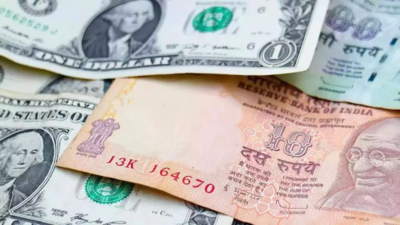
India’s foreign exchange reserves have surged to an unprecedented level of $689.458 billion, marking a crucial milestone for the country’s economic positioning in global markets. The reserves, which reflect the country’s ability to meet external obligations and provide a buffer against financial instability, increased by $223 million in the week ending September 13. This rise has further cemented India’s status as one of the largest holders of foreign currency reserves worldwide, positioning it as a key player in the global financial arena.

Despite this substantial increase in the overall reserves, the composition of these reserves presented a more nuanced picture. Foreign currency assets (FCA), which form the largest component of the reserves, witnessed a reduction of $515 million. These assets, held in different currencies such as the U.S. dollar, euro, pound sterling, and Japanese yen, are a critical indicator of India’s foreign currency holdings and are often affected by currency fluctuations and interest rates in international markets. The decline in FCA was offset by other components of the reserves, particularly the significant increase in gold reserves.

Gold reserves saw a sharp rise of $899 million during the same period, underscoring the metal’s continued relevance as a safe haven asset. This increase suggests that India’s central bank may be looking to diversify its holdings in response to broader global uncertainties. Gold, traditionally regarded as a hedge against inflation and economic instability, has been gaining renewed attention among global central banks. As countries face the challenges of rising geopolitical tensions and economic fluctuations, gold’s role as a stabilizing force has once again come into focus.

While the rise in gold reserves was notable, other components of India’s foreign exchange holdings, such as Special Drawing Rights (SDRs) and the reserve position with the International Monetary Fund (IMF), experienced marginal declines. SDRs, which represent a basket of international currencies and serve as a supplementary reserve asset allocated by the IMF, dropped by $50 million. Similarly, the country’s reserve position in the IMF, which allows access to international liquidity and contributes to global financial stability, recorded a decrease of $111 million.

The overall uptick in reserves comes at a time when India’s economic outlook remains relatively resilient compared to other emerging markets. The reserves serve not only as a tool for defending the rupee in times of volatility but also as an indicator of investor confidence in India’s macroeconomic stability. A stronger reserve position allows India to better manage external shocks, such as oil price fluctuations, trade imbalances, and global financial turbulence.

India’s reserves are now among the highest globally, trailing only China, Japan, and Switzerland. This latest achievement reflects the country’s efforts to build a robust foreign exchange buffer since the economic reforms of the 1990s. Since then, successive governments have prioritized strengthening the reserves to safeguard the country from external vulnerabilities. The rise in reserves has also been fueled by sustained foreign investment inflows and a healthy current account balance in previous quarters, driven in part by a recovery in global demand for goods and services after pandemic-induced disruptions.

Analysts have pointed out that India’s reserve accumulation strategy is likely to be shaped by several factors in the coming months. Global interest rate trends, particularly in the United States, will have a significant impact on foreign currency assets, while commodity prices, especially crude oil, will influence the country’s import bill. Moreover, ongoing geopolitical tensions, trade uncertainties, and inflationary pressures in major economies will also affect the Reserve Bank of India’s (RBI) approach to managing these reserves.

The central bank has maintained a cautious approach toward managing the reserves, intervening in the forex market to curb excessive volatility in the rupee’s value. A stable and sufficient level of reserves allows the RBI greater flexibility in implementing monetary policy and defending the currency against external shocks. With inflationary pressures rising globally and the U.S. Federal Reserve tightening its monetary policy, India’s reserve position will play a critical role in maintaining domestic economic stability.

In the past, India has faced challenges related to its foreign exchange reserves, particularly during the 1991 balance of payments crisis, when reserves had dwindled to just a few weeks’ worth of imports. The crisis marked a turning point in India’s economic policy, leading to structural reforms that opened the economy to greater foreign investment and trade. Since then, India has steadily accumulated reserves, reaching new highs over the years. The importance of a strong forex reserve was highlighted again during the global financial crisis of 2008 and the economic shocks caused by the COVID-19 pandemic, where countries with stronger reserves were better able to weather financial market disruptions.

As of the latest data, India’s forex reserves provide an import cover of approximately 10 months, which is well above the internationally recommended threshold. This gives India a comfortable cushion to meet its external payment obligations and insulate the economy from global shocks. The reserves also provide a buffer to support the rupee, which has faced depreciation pressures amid fluctuating oil prices and changes in global investor sentiment.

Going forward, experts suggest that India’s focus should remain on maintaining a balanced reserve composition. While the accumulation of foreign currency assets is crucial, ensuring diversification through gold and other assets will provide added protection against global market volatility. Moreover, with India being a major importer of crude oil, fluctuations in energy prices will continue to play a significant role in determining the country’s forex reserve levels.


VISHNU RAJA
RYO YAMADA
HITORI GOTOH
IKUYO KITA