News related to
Gold

The Czech National Bank has agreed to assess the possibility of including Bitcoin in its foreign reserve strategy. This decision follows a recent meeting of the Bank Board, which reviewed a report outlining the bank’s plans for international reserve management in 2024. The move marks a significant step towards considering digital currencies, such as Bitcoin, as a potential asset in the country’s financial strategy.

As part of its ongoing efforts to modernise reserve management, the CNB has acknowledged the growing importance of cryptocurrencies in global financial markets. The move is aimed at diversifying the country’s reserves, which have traditionally been composed of more conventional assets like gold, foreign currencies, and government bonds. The bank’s evaluation will focus on the feasibility of incorporating Bitcoin, given its rising prominence in both investment and economic contexts.

The decision to review Bitcoin as an investment option reflects broader global trends. Central banks and financial institutions worldwide are increasingly exploring the role of digital currencies in their portfolios, with some even establishing direct ties to blockchain technology. The CNB’s assessment, however, is in its early stages and will require careful consideration of Bitcoin’s volatility, regulatory implications, and long-term stability.

For the Czech Republic, the potential inclusion of Bitcoin could enhance its international reserve strategy by introducing a new layer of diversification. This step could also signal the CNB’s proactive stance in adapting to the evolving landscape of global finance.

While the CNB’s proposal is yet to be formalised, the board’s willingness to examine Bitcoin is indicative of the growing recognition of cryptocurrencies as legitimate financial assets. A full review is expected to take place in the coming months, with experts predicting that the CNB could use this period to explore Bitcoin’s role within the broader context of digital finance.

Global interest in cryptocurrencies has surged over the past few years, with Bitcoin being the most prominent of the digital assets. As Bitcoin’s market capitalisation continues to grow, its appeal as a store of value has caught the attention of investors, central banks, and regulators alike. However, its inherent volatility remains a concern for many institutions considering its potential as part of official reserve holdings.

For the Czech National Bank, this proposal comes amid broader discussions on how central banks should respond to the rise of cryptocurrencies and the increasing use of blockchain technologies. Other central banks, including the European Central Bank , have expressed interest in researching the potential benefits and risks of incorporating digital currencies into their portfolios.

One of the main challenges for the CNB will be understanding how Bitcoin’s unpredictable price movements could impact its reserve strategy. Bitcoin’s value has experienced dramatic fluctuations, making it difficult for central banks to predict the asset’s future performance with any degree of certainty. Despite this, there is a growing belief that Bitcoin and other cryptocurrencies may become more stable over time, particularly as the market matures and becomes more integrated into the global financial system.

The CNB’s move also aligns with the broader shift towards digitalisation in the financial sector. The adoption of blockchain and digital currencies is reshaping traditional financial markets, with many institutions seeking to capitalise on the emerging technologies. Bitcoin’s decentralised nature and its ability to function outside of traditional banking systems are among the factors contributing to its growing popularity as an asset class.

Despite the potential benefits, several questions remain unanswered regarding the role of Bitcoin in reserve management. A key concern for the CNB will be the regulatory landscape surrounding digital currencies. As global regulators seek to establish frameworks for cryptocurrency markets, the CNB will need to carefully assess the legal and regulatory implications of holding Bitcoin as part of its official reserves.

In addition to regulatory concerns, the CNB will need to consider the impact of Bitcoin on the country’s broader monetary policy. Bitcoin’s decentralised nature means that it is not subject to the same policies as traditional currencies, which could complicate the CNB’s ability to manage the national economy in times of crisis or economic instability.

The proposal has sparked a broader debate among financial experts about the future role of cryptocurrencies in national reserve systems. While some experts view Bitcoin as a hedge against inflation and a potential safe haven asset, others caution that its volatility and lack of regulation could make it a risky addition to central bank reserves.

As the CNB moves forward with its evaluation, the decision will likely have wider implications for central banks across the globe. If successful, the Czech National Bank’s exploration of Bitcoin could serve as a model for other institutions considering the integration of digital assets into their financial strategies. It could also pave the way for greater acceptance of cryptocurrencies as a mainstream investment option, particularly in the context of government-backed reserves.


Zimbabwe’s economic landscape is undergoing a significant transformation, with the United Arab Emirates emerging as a pivotal partner. Bilateral trade between the two nations has surged, reaching approximately US$2 billion in 2022, positioning the UAE as Zimbabwe’s second-largest trading partner.

This burgeoning relationship is underscored by a remarkable 300% increase in trade over a three-year period. In 2019, trade volumes stood at around US$400 million, escalating to US$1.6 billion by 2021. Precious metals, particularly gold and diamonds, constitute a substantial portion of this trade, accounting for about 80% of the total exchange. Agricultural and food products also play a significant role in the bilateral trade dynamics.

The UAE’s investment footprint in Africa has expanded notably, with commitments totaling $110 billion between 2019 and 2023. Of this, $72 billion has been allocated to renewable energy projects, underscoring the UAE’s role in Africa’s green energy transition. However, concerns have been raised regarding labor rights, environmental standards, and the UAE’s support for hydrocarbon projects.

In Zimbabwe, the UAE’s investments span various sectors, including agriculture, mining, and energy. Zimbabwean businesses are actively exploring opportunities in the UAE’s food and agriculture sectors, while Emirati investors have shown keen interest in Zimbabwe’s gold and precious metals industries. This mutual interest is fostering deeper economic collaboration between the two nations.

The establishment of the Zimbabwean Business Council in Dubai aims to further bolster these ties. The council’s primary objective is to promote the commercial interests of Zimbabwe and Zimbabwean businesses in Dubai, facilitating increased trade and investment flows between the two countries.

Despite these positive developments, Zimbabwe faces internal challenges that could impede its economic progress. Policies such as the requirement for exporters to convert 25% of their foreign currency earnings into local currency have been criticized for hindering the recovery of sectors like horticulture. Additionally, farmers encounter difficulties in securing funding due to uncertain land tenure and past arbitrary state land acquisitions. The lack of government support further exacerbates these challenges, highlighting the need for policy reforms to create a more conducive environment for business growth.

Infrastructure development is another critical area requiring attention. The National Railways of Zimbabwe has opened its network to private firms to boost freight volumes, which had declined due to decades of underinvestment. Collaborations with companies like South Africa’s Grindrod have been initiated to revitalize the railway system, essential for supporting the country’s mining and agricultural sectors.

Gold prices have reached unprecedented levels, with spot gold climbing to $2,858.12 per ounce. This surge is attributed to escalating trade tensions between the United States and China, following Beijing’s imposition of tariffs on U.S. imports in retaliation to new U.S. duties on Chinese goods. The heightened trade conflict has led investors to seek refuge in safe-haven assets like gold. Ilya Spivak, head of global macro at […]

By Nitya Chakraborty The present euphoria among the BJP-led government ministers after the presentation of the 2025-26 budget in Parliament over the mega relief to the income tax payers of the country might be shared by the estimated one crore people in the country benefited due to the budget proposals. But in terms of its […]

Matein Khalid The ideologues of MAGA assured us that Tariff Man’s threats were pure bombast and Wall Street believed them, the reason equities and crypto went ballistic after the election of POTUS-47. Yet Trump’s tariff threats were all too real and the global markets must now pay a bitter price for history’s second worst economic own goal after Brexit. The 25% tariff on Mexico will immediately send […]

By Nantoo Banerjee It would be wrong to underplay the impact of rising foreign disinvestments from the country’s secondary market on the economy and the very stability of Indian Rupee (INR). Both the domestic economy and INR have been constantly under pressure from large deficit trade balances year after year, external borrowings, loan servicing, very […]
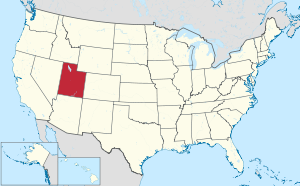

Utah is on the verge of becoming the first state in the United States to officially establish a Bitcoin Reserve, marking a significant shift in the role digital currencies could play in state-backed financial strategies. The state’s legislative body has introduced a bill that would enable the state government to purchase and hold Bitcoin as part of its official reserve assets. If approved, this move could influence other states and global financial systems, potentially setting a precedent for the future of cryptocurrency integration in government reserves.

The proposed legislation reflects Utah’s growing interest in embracing cryptocurrencies as a legitimate asset class. Over the past few years, the state has fostered an environment conducive to blockchain innovation and digital currency adoption. With Utah’s reputation for being business-friendly and its tech-savvy population, this initiative has been met with considerable attention from both cryptocurrency enthusiasts and financial regulators.

The bill’s proponents argue that Bitcoin, with its decentralized nature and limited supply, could provide a hedge against inflation and currency devaluation. As the US dollar’s value fluctuates in response to domestic and global economic pressures, Bitcoin’s deflationary mechanics make it an attractive store of value. Supporters of the Bitcoin Reserve initiative believe that holding a portion of state reserves in Bitcoin could diversify Utah’s financial portfolio, safeguarding it against potential economic downturns.

Utah’s proposed Bitcoin Reserve is not a standalone development. Several other US states, including Wyoming and Texas, have also introduced bills in recent months that explore the integration of Bitcoin into state financial management. While these bills vary in scope, they share a common thread: the desire to position Bitcoin as an accepted, even integral, part of state-backed financial systems.

The move is also viewed as a response to the growing global interest in cryptocurrency as an asset class. Central banks around the world have begun exploring digital currencies, and private institutions have increasingly added Bitcoin to their balance sheets. Bitcoin’s price volatility has presented challenges, but its overall market capitalization has continued to rise, leading some analysts to predict that digital currencies could eventually play a major role in global financial systems.

For Utah, the decision to pursue a Bitcoin Reserve could also have political and economic implications. While the bill has strong support from libertarian-leaning lawmakers and blockchain advocates, it faces opposition from those who are cautious about the risks associated with Bitcoin’s volatility. Critics warn that integrating Bitcoin into the state’s reserve system could expose taxpayers to unnecessary financial risk, especially given the unpredictable nature of cryptocurrency markets.

Despite these concerns, Utah’s government is moving forward with the proposal, citing the potential benefits of Bitcoin as a long-term financial strategy. Utah’s Governor, Spencer Cox, has expressed his belief in the importance of innovation and staying ahead of technological trends, noting that the state should be open to exploring new financial systems that could provide stability and growth in an increasingly digital world.

Another important factor driving Utah’s push for a Bitcoin Reserve is its desire to remain competitive in the tech industry. Utah is home to a thriving technology sector, often referred to as the “Silicon Slopes” due to its proximity to Silicon Valley and its robust network of tech startups. By embracing cryptocurrency and blockchain technology, Utah aims to attract businesses and talent from the burgeoning digital currency industry, which could further strengthen its economy.

The Utah proposal also builds upon the state’s track record of blockchain adoption. In 2019, Utah became one of the first states to recognize blockchain-based signatures as legally valid, and it has since introduced measures to streamline the use of blockchain in state operations. This forward-thinking approach has positioned Utah as a leader in the cryptocurrency space, with the Bitcoin Reserve bill being seen as the natural next step in its ongoing efforts to innovate and modernize its financial system.

The bill’s passage would also be a milestone in the broader national debate over the regulation and integration of cryptocurrencies in government finance. While several states have taken steps toward cryptocurrency regulation, Utah’s Bitcoin Reserve initiative could set the stage for other states to follow suit. Lawmakers across the nation are closely watching the outcome of Utah’s proposal, as it could provide a blueprint for future state-level cryptocurrency legislation.

Opponents of the Bitcoin Reserve initiative argue that Bitcoin’s volatility presents a significant risk to state finances. While Bitcoin’s long-term growth prospects have been lauded by some, its short-term price fluctuations make it a risky asset for any state to hold in its reserves. Critics also point to the environmental concerns surrounding Bitcoin mining, which requires significant energy consumption and has been the subject of ongoing debate within the broader cryptocurrency community.

In response to these concerns, the Utah government has emphasized that the Bitcoin Reserve would represent only a small portion of the state’s overall financial assets. According to proponents, Bitcoin would be used primarily as a hedge against inflation, with traditional assets like gold and bonds continuing to comprise the majority of the state’s reserve holdings. This would allow Utah to take advantage of Bitcoin’s potential upside while mitigating the risks associated with its volatility.

Utah’s Bitcoin Reserve bill includes provisions for regular oversight and risk management protocols, ensuring that the state’s financial security would not be jeopardized by any potential market downturns. The bill also outlines a framework for purchasing and storing Bitcoin, with the state’s treasurer tasked with managing the asset. This added layer of oversight is designed to reassure critics and ensure that Utah’s involvement in cryptocurrency remains in line with traditional financial best practices.

Advertisements

If you blinked, you might have missed the absolute market carnage Nvidia endured this week. A 17% plunge erased a staggering $589 billion in value in a single day, only for the stock to roar back almost 9% the next session. The culprit? A Chinese AI start-up, DeepSeek, that sent Silicon Valley into full-on existential crisis mode. Let’s break down the four major takeaways from this AI-fuelled […]

Robinhood Markets has introduced Bitcoin and cryptocurrency futures trading, expanding its investment services to include crypto-based derivatives. The move aims to cater to the growing demand for cryptocurrency investment tools, allowing users to speculate on Bitcoin’s price movement without directly holding the cryptocurrency.

The company, which first gained popularity with its user-friendly stock trading app, has been expanding its portfolio to meet the evolving needs of retail investors. By adding crypto futures to its platform, Robinhood is positioning itself as a more versatile trading hub, aligning with the trend of traditional financial services adapting to the growing influence of digital assets.

Crypto futures are agreements to buy or sell an underlying asset at a future date for a predetermined price. Unlike spot trading, where investors purchase cryptocurrencies directly, futures allow traders to bet on price movements without owning the actual coins. This could attract more investors who prefer speculating on price fluctuations while avoiding the complexities of cryptocurrency storage and security.

The timing of Robinhood’s move comes at a moment when cryptocurrency markets are gaining broader attention and legitimacy, especially as institutional players like hedge funds and large banks enter the space. Futures trading offers a higher level of risk compared to traditional buying and selling, but it also provides significant opportunities for profit, making it an appealing option for both seasoned traders and newcomers to the digital asset space.

This expansion into futures trading also follows growing interest in Bitcoin and other cryptocurrencies from both individual and institutional investors. Bitcoin’s price has seen substantial fluctuations, and futures trading provides a method for hedging against these market swings. It is also seen as a strategic maneuver for Robinhood to compete with other trading platforms, such as Coinbase and eToro, which have been incorporating more cryptocurrency offerings.

Robinhood has long been known for its disruptive approach to finance, offering commission-free trading on stocks and options. Its decision to venture into cryptocurrency futures aligns with its broader goal of democratizing finance and making more sophisticated financial tools accessible to everyday investors. Crypto futures, however, come with unique risks, especially given the volatility of cryptocurrency prices. Critics have expressed concern over the potential for inexperienced investors to face significant losses.

Futures contracts are commonly used by institutional traders, but Robinhood’s entry into this market is designed to make these instruments more approachable for retail investors. The platform’s streamlined user interface could attract novice traders who may have shied away from futures trading due to its perceived complexity. With Bitcoin futures trading, investors will be able to enter both long and short positions on Bitcoin, allowing them to profit from price movements in either direction.

Robinhood’s push into cryptocurrency futures is not just a response to demand but also a calculated strategy to capture a larger share of the expanding digital asset market. As the cryptocurrency market continues to mature, the availability of new products like futures trading could play a key role in attracting more diverse investor participation. The move is also expected to bolster Robinhood’s position as a major player in the broader financial ecosystem, offering products ranging from equities to commodities, alongside digital assets.

While the crypto futures market is still evolving, regulatory scrutiny remains a key concern. The U.S. Commodity Futures Trading Commission and the U.S. Securities and Exchange Commission have both indicated their interest in providing clearer regulations around cryptocurrency derivatives. Future developments in regulatory policy will likely influence how Robinhood and other platforms navigate the crypto futures space.

For Robinhood, the integration of Bitcoin and cryptocurrency futures into its platform signifies an ongoing transformation of its business model. With an increasing number of retail traders showing interest in digital assets, the company’s ability to adapt and introduce new products will be pivotal in maintaining its competitive edge.

The platform’s expansion into this space also places additional focus on the growing trend of financial democratization. By bringing sophisticated trading tools like crypto futures to a broader audience, Robinhood continues to challenge traditional financial institutions and reshape the way investors access and trade various asset classes.

The introduction of crypto futures comes at a time when market volatility has been a consistent characteristic of the crypto landscape, with Bitcoin regularly experiencing dramatic price swings. This volatility, while presenting opportunities for skilled traders, also makes it crucial for retail investors to fully understand the risks involved in futures trading.

In offering crypto futures, Robinhood is also tapping into a demographic that seeks more diverse and complex financial products. Futures markets allow traders to speculate on the price of assets like oil, gold, and Bitcoin, providing exposure to various types of commodities in addition to traditional stocks. By integrating these financial instruments into its app, Robinhood positions itself as a go-to platform for users interested in broader investment opportunities.

BANGKOK, THAILAND – Media OutReach Newswire – 29 January 2025 – The EM DISTRICT Bangkok is thrilled to announce an extraordinary Chinese New Year celebration in honor of the Golden Year of Friendship between Thailand and China. This milestone marks 50 years of diplomatic ties between the two nations, blending cultural traditions with modern attractions. The auspicious festivities, attended by H.E. Mr. Han Zhiqiang, Ambassador of the […]

Aleš Michl, Governor of the Czech National Bank , has expressed interest in incorporating Bitcoin into the country’s foreign exchange reserves. This consideration marks a significant shift in the bank’s diversification strategy, traditionally centered on assets like gold, stocks, bonds, and cash deposits. Michl emphasized that any potential Bitcoin investment would be modest, aiming to enhance the bank’s asset portfolio without substantial risk exposure. He noted that the bank is contemplating the acquisition of “just a few” Bitcoins, underscoring a cautious approach to integrating digital assets into national reserves.

The decision to include Bitcoin would require approval from the ČNB’s seven-member board. While no immediate plans are in place, the discussion reflects a growing openness within the bank to explore alternative investment avenues. Janis Aliapulios, an adviser to the board, confirmed that the bank is not currently planning a Bitcoin investment but remains open to future considerations.

This development aligns with a broader trend among central banks worldwide reevaluating their reserve strategies to include digital assets. The ČNB’s cautious approach mirrors global deliberations on the role of cryptocurrencies in national financial systems.

In the United States, similar discussions are underway. The Bitcoin Act, proposed by Wyoming Senator Cynthia Lummis, advocates for the creation of a strategic Bitcoin reserve. This initiative has garnered bipartisan support, indicating a potential shift in how national reserves are managed.

BANGKOK, THAILAND – Media OutReach Newswire – 28 January 2025 – ONYX Hospitality Group, Thailand’s leading hospitality management company, is delighted to announce the opening of its latest property and unveil upcoming additions to its Amari portfolio for 2025. The new properties in Sri Lanka, Laos, and Thailand exemplify Amari’s dedication to enriching guest experiences, offering distinctive design, exceptional service, and a deep connection to local culture […]

The UAE’s luxury villa market is growing, with Dubai witnessing 9-15% growth in Q2 2024. In Q4 2024, luxury villas accounted for 25% of villa transactions in prime areas. The demand is high, especially from high-net-worth individuals (HNWIs). And the hype has enough reasons to justify it. But what makes these luxury villas so appealing? Let’s take a look. Perks of Buying a Luxury Villa in UAE’s […]

By Nitya Chakraborty The U.S. President Donald Trump has intensified his attacks against the left wing regimes of Latin America as a part of the MAGA programme to weaken the Left in the region and bolster the far right forces which have been emboldened as a result of the coming of the Trump regime for […]

Kick off the Year of the Snake early with iShopChangi as it rolls out a dazzling array of deals on Lunar New Year essentials. Avoid the festive frenzy and enjoy unbeatable discounts of up to 60% on everything you need to usher in prosperity and joy. From gourmet treats and traditional “Nian Huo” to spring cleaning supplies, exquisite liquors, and fashionable finds, celebrate with flair from now […]

By Nantoo Banerjee India’s net economic growth minus inflation during the current financial year may be well below the projections made by the government, the Reserve Bank and external agencies such as the International Monetary Fund (IMF), the Asian Development Bank and the World Bank. The net economic growth is calculated after subtracting the current […]

Arabian Post Staff -Dubai The United Arab Emirates (UAE) is implementing a series of strategic initiatives to enhance its property sector and attract increased investment. These measures come on the heels of significant growth in the real estate market, which has experienced substantial expansion in recent years. In 2023, the UAE’s property market demonstrated remarkable resilience and growth. The International Monetary Fund (IMF) reported that property prices […]

JAKARTA, INDONESIA – Media OutReach Newswire – 27 January 2025 – As the festive season of Lunar New Year approaches, JustMarkets invites traders in Indonesia and Malaysia to celebrate with exciting opportunities and incredible prizes. The promotion was created for traders to showcase their skills and aim for rewarding trading experiences — all in the atmosphere of traditions, healthy competitiveness, and trading achievements. JustMarkets celebrates Lunar New […]

By K Raveendran The Trump administration’s exploration of creating a national Strategic Bitcoin Reserve (SBR) may usher in a new era of global financial strategy, one defined by digital assets rather than traditional monetary instruments. This concept marks a potential seismic shift in how nations perceive and secure wealth, akin to the historical role of […]


SINGAPORE – Media OutReach Newswire – 23 January 2025 – American Express and Singapore Airlines KrisFlyer are marking their 25 years of partnership by introducing exclusive limited-time rewards for new and existing American Express® Singapore Airlines KrisFlyer Ascend Credit Card Members, designed to elevate their travel experiences. Celebrating 25 years of Rewarding Journeys with American Express and Singapore Airlines KrisFlyer As part of this milestone, new and […]

Reliance Industries, under the leadership of Mukesh Ambani, is set to construct the world’s largest data center in Jamnagar, Gujarat. This ambitious project aims to bolster India’s artificial intelligence (AI) capabilities and digital infrastructure. The data center is projected to have a capacity of three gigawatts, significantly surpassing existing facilities globally. This development aligns with Reliance’s strategic focus on AI and digital services, reflecting a substantial investment […]

The Memorandum of Understanding signed by both parties aims to provide greater access to healthcare services and co-create innovative solutions to drive quality of care and ensure patient outcomes. SINGAPORE – Media OutReach Newswire – 23 January 2025 – AIA Singapore and Raffles Hospital today signed a Memorandum of Understanding (MoU) to jointly pursue key initiatives, which will enhance Singapore Residents’ access to quality healthcare services at […]

MANILA, PHILIPPINES – Media OutReach Newswire – 23 January 2025 – The Jollibee Group is stepping into the new year with sustained momentum as it inaugurated the first Tiong Bahru Bakery branch in the Philippines— its first foray into fresh viennoiseries and handmade pastries—on January 13. Ribbon cutting: From the heart of Singapore to the vibrant community of Taguig, the first Tiong Bahru Bakery in the Philippines […]

Redeem 4 Limited-Edition “Denim Style Cushions” Plus “Magic Cling Fai Chun” to Decorate Your Home and Bring Good Luck HONG KONG SAR – Media OutReach Newswire – 23 January 2025 – 7-Eleven is here to help you celebrate a joyful and prosperous Year of the Snake! Following the overwhelming popularity of our first “New Year, New Look” collection featuring 8 Denim Style bags with Peko-chan and Sho-chan, […]

VISHNU RAJA
RYO YAMADA
HITORI GOTOH
IKUYO KITA