News related to
Gold

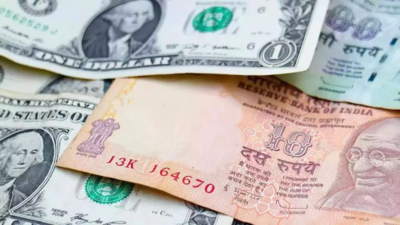
India’s foreign exchange reserves have surged to an unprecedented level of $689.458 billion, marking a crucial milestone for the country’s economic positioning in global markets. The reserves, which reflect the country’s ability to meet external obligations and provide a buffer against financial instability, increased by $223 million in the week ending September 13. This rise has further cemented India’s status as one of the largest holders of foreign currency reserves worldwide, positioning it as a key player in the global financial arena.

Despite this substantial increase in the overall reserves, the composition of these reserves presented a more nuanced picture. Foreign currency assets (FCA), which form the largest component of the reserves, witnessed a reduction of $515 million. These assets, held in different currencies such as the U.S. dollar, euro, pound sterling, and Japanese yen, are a critical indicator of India’s foreign currency holdings and are often affected by currency fluctuations and interest rates in international markets. The decline in FCA was offset by other components of the reserves, particularly the significant increase in gold reserves.

Gold reserves saw a sharp rise of $899 million during the same period, underscoring the metal’s continued relevance as a safe haven asset. This increase suggests that India’s central bank may be looking to diversify its holdings in response to broader global uncertainties. Gold, traditionally regarded as a hedge against inflation and economic instability, has been gaining renewed attention among global central banks. As countries face the challenges of rising geopolitical tensions and economic fluctuations, gold’s role as a stabilizing force has once again come into focus.

While the rise in gold reserves was notable, other components of India’s foreign exchange holdings, such as Special Drawing Rights (SDRs) and the reserve position with the International Monetary Fund (IMF), experienced marginal declines. SDRs, which represent a basket of international currencies and serve as a supplementary reserve asset allocated by the IMF, dropped by $50 million. Similarly, the country’s reserve position in the IMF, which allows access to international liquidity and contributes to global financial stability, recorded a decrease of $111 million.

The overall uptick in reserves comes at a time when India’s economic outlook remains relatively resilient compared to other emerging markets. The reserves serve not only as a tool for defending the rupee in times of volatility but also as an indicator of investor confidence in India’s macroeconomic stability. A stronger reserve position allows India to better manage external shocks, such as oil price fluctuations, trade imbalances, and global financial turbulence.

India’s reserves are now among the highest globally, trailing only China, Japan, and Switzerland. This latest achievement reflects the country’s efforts to build a robust foreign exchange buffer since the economic reforms of the 1990s. Since then, successive governments have prioritized strengthening the reserves to safeguard the country from external vulnerabilities. The rise in reserves has also been fueled by sustained foreign investment inflows and a healthy current account balance in previous quarters, driven in part by a recovery in global demand for goods and services after pandemic-induced disruptions.

Analysts have pointed out that India’s reserve accumulation strategy is likely to be shaped by several factors in the coming months. Global interest rate trends, particularly in the United States, will have a significant impact on foreign currency assets, while commodity prices, especially crude oil, will influence the country’s import bill. Moreover, ongoing geopolitical tensions, trade uncertainties, and inflationary pressures in major economies will also affect the Reserve Bank of India’s (RBI) approach to managing these reserves.

The central bank has maintained a cautious approach toward managing the reserves, intervening in the forex market to curb excessive volatility in the rupee’s value. A stable and sufficient level of reserves allows the RBI greater flexibility in implementing monetary policy and defending the currency against external shocks. With inflationary pressures rising globally and the U.S. Federal Reserve tightening its monetary policy, India’s reserve position will play a critical role in maintaining domestic economic stability.

In the past, India has faced challenges related to its foreign exchange reserves, particularly during the 1991 balance of payments crisis, when reserves had dwindled to just a few weeks’ worth of imports. The crisis marked a turning point in India’s economic policy, leading to structural reforms that opened the economy to greater foreign investment and trade. Since then, India has steadily accumulated reserves, reaching new highs over the years. The importance of a strong forex reserve was highlighted again during the global financial crisis of 2008 and the economic shocks caused by the COVID-19 pandemic, where countries with stronger reserves were better able to weather financial market disruptions.

As of the latest data, India’s forex reserves provide an import cover of approximately 10 months, which is well above the internationally recommended threshold. This gives India a comfortable cushion to meet its external payment obligations and insulate the economy from global shocks. The reserves also provide a buffer to support the rupee, which has faced depreciation pressures amid fluctuating oil prices and changes in global investor sentiment.

Going forward, experts suggest that India’s focus should remain on maintaining a balanced reserve composition. While the accumulation of foreign currency assets is crucial, ensuring diversification through gold and other assets will provide added protection against global market volatility. Moreover, with India being a major importer of crude oil, fluctuations in energy prices will continue to play a significant role in determining the country’s forex reserve levels.

Bitcoin’s surge past $62,000 has rekindled interest in the cryptocurrency market, with growing attention from major financial institutions. As fears of a U.S. dollar crisis mount, BlackRock, one of the world’s largest asset management firms, has issued warnings about the potential fallout from America’s rising debt burden. The firm has indicated that this escalating debt, now towering over $35 trillion, could erode confidence in the U.S. dollar, pushing investors toward alternative assets like Bitcoin.

A sharp 0.5% interest rate cut by the U.S. Federal Reserve shocked the financial world, marking a significant policy shift. This surprise move has added momentum to Bitcoin’s rally, with many investors interpreting it as a sign that traditional financial systems may be under strain. The combination of surging inflation, monetary easing, and ballooning U.S. debt levels is seen by some as a perfect storm for institutional investors to seek refuge in digital assets. BlackRock’s growing focus on Bitcoin reflects this sentiment, as it positions itself ahead of potential macroeconomic upheavals.

The asset manager’s shift towards Bitcoin marks a noteworthy moment in the broader adoption of cryptocurrencies by institutional players. Bitcoin, long regarded as a fringe asset or speculative plaything, is increasingly being viewed as a credible alternative to traditional stores of value. The rise of digital currencies is not just a retail phenomenon anymore; institutional investors like BlackRock are finding it prudent to diversify their portfolios in the face of looming economic uncertainty.

Fears over the stability of the U.S. dollar are not unfounded. Analysts have pointed out that the Federal Reserve’s dovish stance, combined with government borrowing, is creating an environment where the dollar could weaken further. With interest rates low and inflation persisting, the purchasing power of the dollar faces increasing pressure. BlackRock has underscored the importance of preparing for such scenarios, highlighting Bitcoin’s distinct potential as a hedge against currency depreciation.

Bitcoin’s unique characteristics are drawing institutional attention. Unlike gold or other traditional safe-haven assets, Bitcoin offers a blend of scarcity, decentralization, and growing utility in global financial systems. As central banks worldwide grapple with inflation and currency fluctuations, Bitcoin’s role as a hedge has gained legitimacy among institutional investors. BlackRock’s analysts have stressed that Bitcoin’s fixed supply—capped at 21 million coins—makes it a robust alternative to fiat currencies, which can be devalued by excessive monetary policies.

The cryptocurrency’s surge past $62,000 has only strengthened the case for its adoption. A combination of factors, including institutional buying and a broader acceptance of Bitcoin as a financial asset, have contributed to its price rally. Analysts believe that Bitcoin’s newfound appeal as a long-term hedge could propel it further, especially as central banks continue to implement aggressive monetary easing measures.

One of the key drivers behind Bitcoin’s rise is the increasing participation of institutional investors. BlackRock’s move signals a broader trend where traditional financial players, who once viewed Bitcoin with skepticism, are now embracing it as part of their risk management strategies. The company’s endorsement of Bitcoin comes at a time when more hedge funds, pension funds, and asset managers are looking to incorporate digital assets into their portfolios. This growing interest marks a pivotal shift in the financial landscape, with Bitcoin no longer confined to niche markets or retail traders.

BlackRock’s leadership in asset management means its endorsement of Bitcoin is likely to resonate across the financial industry. As one of the largest and most influential firms, BlackRock’s insights often set the tone for broader market trends. Its acknowledgment of Bitcoin as a viable hedge against U.S. dollar risks may spur other institutions to reconsider their stance on digital currencies, further driving adoption in the months to come.

Despite the positive momentum surrounding Bitcoin, the cryptocurrency market remains volatile. Bitcoin’s price swings are still more pronounced compared to traditional assets, and some investors are cautious about jumping in. However, BlackRock has argued that Bitcoin’s volatility may be a risk worth taking in the current macroeconomic climate. The firm’s analysts suggest that as long as the U.S. government continues to accumulate debt and rely on monetary easing, Bitcoin’s role as a hedge will become more valuable.

Institutional investors are also looking beyond Bitcoin’s price movements. The underlying technology of blockchain, which supports Bitcoin and other cryptocurrencies, is increasingly being explored for its potential in financial systems. BlackRock has recognized the long-term value of blockchain technology, acknowledging its potential to revolutionize sectors beyond just finance. The company’s interest in Bitcoin can be seen as part of a broader strategy to position itself at the forefront of technological innovation in finance.

Bitcoin’s status as a “digital gold” is being cemented by its growing adoption. BlackRock’s focus on Bitcoin is a reflection of the wider belief that the world’s oldest cryptocurrency could play a significant role in future financial markets. As the U.S. dollar faces challenges from both domestic and international forces, institutional players like BlackRock are preparing for scenarios where traditional assets might underperform. By including Bitcoin in their portfolios, they are hedging against a potential loss of confidence in the world’s reserve currency.

A sudden spike in Bitcoin’s value has wiped out more than $200 million in liquidated positions, with the majority being attributed to short positions. The cryptocurrency surged by over 6%, surpassing the $63,300 mark within the last 24 hours. This significant rally has taken traders by surprise, marking another episode of volatility in the digital asset market.

The liquidation wave hit both long and short positions, but it was primarily short sellers who bore the brunt of the surge. Data indicates that $155.5 million of the total liquidations came from short positions, as traders betting against Bitcoin’s price movement were forced to close their positions when the cryptocurrency rallied. Such liquidations typically occur when traders borrow funds to amplify their positions but fail to meet margin requirements when prices move against their bets.

Bitcoin’s value has been fluctuating for weeks, but this sharp upward movement has renewed optimism in the broader crypto market. Analysts are pointing to various potential triggers, including increased institutional interest, favorable regulatory discussions, and a growing sentiment around Bitcoin as a store of value. As the asset crossed the $63,300 threshold, market confidence seemed to grow, further driving the price upward.

A notable factor contributing to the rally is the anticipation of Bitcoin exchange-traded funds (ETFs) gaining approval in the United States. There has been mounting speculation that regulators might finally approve a Bitcoin ETF, potentially opening the floodgates to billions of dollars in institutional capital. Although no official decision has been made, the market’s optimism about a positive outcome is reflected in the current price action.

The broader crypto market has also been riding the coattails of Bitcoin’s rise, with altcoins experiencing gains. Ethereum, the second-largest cryptocurrency by market capitalization, saw a modest increase as well, though it did not match Bitcoin’s sharp surge. Altcoins generally follow Bitcoin’s lead, and positive price action in the dominant cryptocurrency often pulls the entire market upward.

While short sellers were hit hard, some long positions were also liquidated. Market data shows that approximately $44.5 million of long positions were liquidated alongside the much larger short liquidation. This can occur when traders leverage long positions too aggressively and are forced to liquidate as prices fluctuate. However, the overwhelming majority of liquidations came from traders betting against the rally, underscoring the sudden and unexpected nature of Bitcoin’s price movement.

The impact of Bitcoin’s rise extended beyond just the liquidations. Trading volumes on major cryptocurrency exchanges surged, with significant buying activity observed during the rally. The market’s enthusiasm was evident as Bitcoin pushed through psychological resistance levels, emboldening investors who had been hesitant to enter the market amidst fears of regulatory crackdowns and global economic uncertainty.

Some analysts argue that the surge may also be tied to macroeconomic factors. Inflation concerns continue to dominate headlines, particularly in the United States, where the Federal Reserve has been wrestling with policy decisions aimed at controlling inflation without stifling growth. Bitcoin, often referred to as “digital gold,” has been seen by some as a hedge against inflation, which could explain the renewed interest from institutional investors. As inflation concerns mount, assets like Bitcoin, which are perceived as scarce and decentralized, have attracted attention from investors looking for alternatives to traditional financial instruments.

Despite the optimism, the market remains volatile, and experts caution against overconfidence. Bitcoin’s history of rapid price swings has caught both retail and institutional investors off guard in the past. While the current rally is encouraging, it is unlikely to be without pullbacks, as traders reassess their strategies and market conditions evolve.

The surge also raises questions about the future of short trading in the cryptocurrency space. Shorting Bitcoin has become a popular strategy for traders who anticipate downward price movements, but the inherent volatility of the market makes it a risky bet. As this recent wave of liquidations shows, unexpected price jumps can quickly unravel short positions, leading to substantial losses for traders who misjudge the market’s direction.

Regulatory developments remain one of the most critical factors influencing Bitcoin’s trajectory. Governments worldwide are grappling with how to regulate digital assets, and any hint of regulatory clarity or approval for Bitcoin ETFs could dramatically shift market sentiment. However, the market also faces the possibility of increased regulation, particularly in regions like the European Union and China, which have both taken steps to tighten their grip on cryptocurrency trading and mining.

Additionally, institutional adoption of Bitcoin continues to be a key driver of its price movement. More asset managers, hedge funds, and corporations are including Bitcoin in their portfolios, viewing it as a long-term investment. This growing institutional interest has been pivotal in Bitcoin’s rise over the past year, and the latest surge only adds to the narrative that the cryptocurrency is maturing from a speculative asset to a mainstream financial instrument.

Gold prices have hit a historic peak, driven by the U.S. Federal Reserve’s recent decision to cut interest rates. The move, aimed at stimulating economic growth, has sparked a surge in demand for gold, traditionally seen as a safe-haven asset in times of economic uncertainty. The Fed’s decision to lower the benchmark interest rate was influenced by persistent economic concerns, including weaker-than-expected growth figures and ongoing global […]

BEIJING, CHINA – Media OutReach Newswire – 18 September 2024 – On September 12, the first day of the 2024 China International Fair for Trade in Services, the nation’s first Han Dynasty cultural digital art exhibition, “Han Dynasty Splendor: A Thousand Years in One Painting” (hereafter referred to as the “Han Culture Exhibition”), debuted at the Metaverse Experience Center in Hall 3 of Shougang Park. The exhibition […]

Bybit, a leading player in the cryptocurrency industry, has released a joint report with BlockScholes, offering a deep dive into how Bitcoin (BTC) could respond to the upcoming U.S. election and the Federal Reserve’s anticipated rate cuts cycle. As the global economic landscape braces for continued market shifts, crypto investors are closely examining how these key events may influence digital assets, particularly Bitcoin, amid heightened volatility.

The report highlights that Bitcoin is expected to play a pivotal role in shaping the investment portfolios of many as traders weigh traditional and digital assets in a volatile environment. Bybit’s collaboration with BlockScholes, a well-regarded firm specializing in digital asset analysis, provides a timely look at how Bitcoin’s market positioning could shift as macroeconomic conditions evolve in the United States.

Increased volatility is forecasted as the U.S. gears up for its election cycle, coupled with the Federal Reserve signaling rate cuts aimed at addressing inflation and promoting economic growth. The report notes that Bitcoin’s decentralized nature, combined with its growing adoption among institutional investors, positions it as a potential hedge against traditional economic risks, such as inflationary pressures and fluctuations in interest rates.

Experts within the report suggest that Bitcoin could see more significant price fluctuations in the lead-up to the U.S. election as political uncertainty traditionally drives volatility in markets. While rate cuts are generally seen as supportive for risk assets, the impact on Bitcoin is expected to vary, given its unique role within the broader financial system. The report underscores that Bitcoin’s correlation with traditional assets, such as equities, has weakened, allowing it to act as a relatively independent asset class under certain macroeconomic conditions.

Cryptocurrency’s growing prominence in the U.S. election has emerged as a key theme in the report. Regulatory developments and policy stances on digital assets are increasingly coming to the forefront of the political discourse. The report indicates that political candidates’ positions on crypto regulation could directly impact market sentiment, particularly if the regulatory environment tightens or loosens significantly.

Federal Reserve’s impending rate cuts are another critical component analyzed within the report. Traditionally, rate cuts boost liquidity in financial markets and can lead to increased investments in high-risk assets. Bitcoin, often referred to as “digital gold,” has historically reacted to monetary policy shifts in unique ways. Its supply cap of 21 million coins, coupled with its decentralized network, makes it immune to inflationary policies that typically affect fiat currencies. Thus, Bitcoin has become an attractive store of value for those looking to protect their wealth from fiat debasement.

However, the report also warns that Bitcoin’s price volatility, a defining characteristic of the asset, may deter risk-averse investors. This volatility may be further compounded by the uncertain geopolitical environment, including the upcoming U.S. election, which could result in unpredictable swings in market sentiment. As political parties finalize their campaign platforms, their approaches to digital currency regulation could heavily influence Bitcoin’s trajectory.

One of the key insights provided in the report revolves around Bitcoin’s potential to act as a hedge against inflationary pressures that are likely to emerge from the rate cuts cycle. Historically, Bitcoin’s price has shown a correlation with inflation expectations. With the Federal Reserve expected to implement rate cuts to stimulate economic growth, the possibility of higher inflation looms large, leading some investors to turn to Bitcoin as a protective asset.

Bybit and BlockScholes also address the growing institutional interest in Bitcoin. Institutional investors have been increasingly incorporating Bitcoin into their portfolios as a diversification tool. According to the report, Bitcoin’s risk-adjusted returns remain attractive compared to traditional assets, particularly during periods of monetary easing. The report suggests that institutional adoption will likely accelerate if Bitcoin continues to outperform traditional assets, further solidifying its place in the financial ecosystem.

While the report provides an optimistic view of Bitcoin’s role amid macroeconomic uncertainties, it also emphasizes the risks associated with regulatory overreach. Stringent crypto regulations could stifle innovation and adoption, creating headwinds for Bitcoin’s growth. The U.S. election could act as a critical inflection point for the future of cryptocurrency regulation, and any shifts in the political landscape may directly affect Bitcoin’s price movements.

Additionally, Bybit and BlockScholes explore the implications of central bank digital currencies (CBDCs) and their potential impact on Bitcoin. As more governments, including the U.S., explore the introduction of digital currencies, the competition with decentralized cryptocurrencies like Bitcoin could intensify. The report suggests that while CBDCs offer greater control to governments and central banks, Bitcoin’s appeal lies in its decentralized nature, which could bolster its attractiveness as a hedge against centralization.

The report’s findings come at a time when the crypto market is experiencing renewed interest, driven by global economic uncertainty and growing distrust in traditional financial systems. Bybit’s CEO, Ben Zhou, remarked that Bitcoin is poised to benefit from the confluence of economic and political factors, though caution is warranted due to the unpredictable nature of both the election and the rate cuts.

Bybit’s partnership with BlockScholes ensures a thorough and data-driven approach to analyzing Bitcoin’s future prospects. The report consolidates a wide range of market data, including historical performance, macroeconomic trends, and political analysis, providing a holistic view of Bitcoin’s potential paths forward.

Dubai continues to emerge as a global hotspot for thrill-seekers, offering a vast range of adventurous experiences that cater to adrenaline junkies and adventure tourists alike. The vibrant metropolis, known for its skyscrapers and opulence, is also becoming a must-visit destination for those seeking unique outdoor experiences. From high-speed desert safaris to skydiving over iconic landmarks, Dubai provides a perfect blend of luxury and adventure.

At the forefront of Dubai’s adventure tourism is skydiving at Skydive Dubai, which allows visitors to freefall over Palm Jumeirah, one of the world’s most recognizable man-made islands. The 60-second freefall gives an unparalleled aerial view of the city’s skyline, the Arabian Gulf, and the vast desert beyond, making it a top bucket-list experience for many. As skydiving popularity surges among both residents and tourists, the demand for this extreme sport in Dubai remains exceptionally high.

A short drive away from the heart of the city, the Dubai Desert Conservation Reserve offers visitors an exhilarating desert safari experience. This guided adventure takes tourists deep into the Arabian desert for dune bashing in 4×4 vehicles. The thrilling ride over towering sand dunes often ends with a traditional Bedouin-style camp where participants can engage in camel rides, falconry displays, and feast under the stars. The desert safari remains one of Dubai’s signature adventure experiences, attracting visitors who seek to explore the natural beauty of the desert while getting a taste of authentic Arabian culture.

For those who prefer adventures at sea, Dubai’s coastline provides ample opportunities for water sports enthusiasts. The warm waters of the Arabian Gulf make Dubai an ideal location for jet skiing, parasailing, and flyboarding. Flyboarding, in particular, has gained immense popularity, where individuals can hover above the water, propelled by high-powered jets. This sport combines the thrill of being airborne with the refreshing escape of Dubai’s coastal waters, appealing to both novices and experienced adventurers.

Visitors can also experience indoor skydiving at iFly Dubai, where cutting-edge technology allows guests to simulate the sensation of freefall in a safe, controlled environment. This wind tunnel attraction provides a unique opportunity for thrill-seekers to practice their skydiving skills or enjoy a gravity-defying experience without leaving the ground. Indoor skydiving appeals to individuals who may be apprehensive about heights but still crave an adrenaline-pumping activity.

For an adventure that blends nature with excitement, Hatta is a must-visit destination located in the Hajar Mountains. Hatta is known for its scenic landscapes, making it perfect for outdoor pursuits like mountain biking, hiking, and kayaking. Mountain bikers can navigate challenging trails that offer panoramic views of rugged mountains and emerald-hued lakes. Meanwhile, kayakers can explore Hatta Dam, which is surrounded by towering peaks, offering a peaceful yet adventurous escape from the bustling city.

For visitors who prefer a view from above without the thrill of freefalling, a hot air balloon ride over the Dubai desert is a serene yet awe-inspiring adventure. These early-morning flights give passengers a bird’s-eye view of the golden dunes as the sun rises, casting vibrant colors across the landscape. While the ride itself is gentle, the breathtaking beauty of the desert at dawn offers a unique adventure that contrasts with Dubai’s fast-paced urban experience.

At the other end of the excitement spectrum, adrenaline junkies can head to Aquaventure Waterpark at Atlantis, The Palm. This sprawling waterpark is home to some of the most thrilling water slides in the world, including the near-vertical Leap of Faith, which sends riders plunging through a transparent tunnel surrounded by sharks and rays. Aquaventure’s record-breaking rides make it a top destination for water-based adventures, offering families and solo visitors a heart-pounding experience in a luxurious setting.

For those seeking a unique indoor adventure, Ski Dubai offers an unexpected thrill in the heart of the desert. As one of the largest indoor ski resorts in the world, Ski Dubai features a snow-covered wonderland where visitors can ski, snowboard, and even interact with penguins. This indoor ski experience allows guests to escape the city’s heat while enjoying a full day of winter sports without leaving the UAE. The snow park and ski slopes cater to beginners and advanced skiers alike, providing a comprehensive winter adventure in the middle of the desert.

Jebel Jais, located a few hours from Dubai, offers an experience that has made its mark as one of the region’s top adventure attractions. The Jebel Jais Flight, the world’s longest zipline, stretches over 2.8 kilometers and gives riders a chance to soar over deep mountain ravines at speeds of up to 150 km/h. This high-speed adventure is situated in the stunning Hajar Mountains, making it the perfect day trip for those looking to escape the city for a nature-based adrenaline rush.

Advertisements

Gold prices may experience a temporary decline if the Federal Reserve decides to implement a modest 25-basis-point interest rate cut in its upcoming meeting. According to analysts, this anticipated adjustment could momentarily disrupt the precious metal’s upward trajectory. However, the underlying trend remains positive, with projections indicating that gold will ultimately rebound and achieve new highs, driven by increased investment inflows and persistent economic uncertainties.

The Federal Reserve’s monetary policy decisions are pivotal for gold prices, given the metal’s historical role as a hedge against inflation and economic instability. If the Fed proceeds with the quarter-point rate cut, it would mark a cautious approach amid ongoing economic challenges. A smaller rate reduction might not provide the immediate stimulus that markets had hoped for, leading to a short-term sell-off in gold as investors recalibrate their expectations.

Gold’s reaction to such policy moves often hinges on market sentiment and the broader economic context. A rate cut, while generally supportive of gold, could also signal the Fed’s concerns about economic growth, potentially dampening investor enthusiasm in the short term. This dynamic could result in a brief setback for gold prices as market participants assess the implications of the Fed’s decision.

Despite the potential for a near-term dip, the longer-term outlook for gold remains robust. Analysts anticipate that gold will ultimately benefit from sustained economic uncertainties and ongoing investment flows into the metal. Historically, gold has demonstrated resilience during periods of economic volatility, and this trend is expected to continue as investors seek safe-haven assets amid fluctuating market conditions.

One of the key factors driving gold’s future performance is the ongoing trend of rising investment inflows. Institutional investors and central banks have been increasing their gold holdings, viewing the metal as a strategic asset in their portfolios. This growing demand is anticipated to support gold prices and contribute to their upward momentum in the coming months.

Additionally, geopolitical tensions and economic uncertainties are likely to play a significant role in shaping gold’s trajectory. As global markets navigate challenges such as trade tensions, political instability, and evolving economic policies, gold is expected to remain a preferred investment choice. The metal’s ability to act as a hedge against various risks further reinforces its appeal to investors seeking stability and protection.

A more ergonomic and biometric cooling accessory tailored to safety helmet 60% of Hong Kong’s 600,000 construction workers have suffered symptoms of heat stroke.[1] With 2024 predicted to be one of the hottest years on record, the first half of the year has already been unusually warm, with five of the six months experiencing higher temperatures than normal.[2] HONG KONG SAR – Media OutReach Newswire – 12 […]

The actress’ second campaign highlights how TUMI bags complement and elevate her busy lifestyle HO CHI MINH, VIETNAM – Media OutReach Newswire – 12 September 2024 – Today, international travel and lifestyle brand TUMI debuts Voyageur Leather and TUMI 19 Degree Frame, stunning iterations of two of the brand’s most beloved collections. To celebrate these new Fall 2024 pieces, TUMI tapped global ambassador, South Korean actress Mun […]

The legendary opera singer Plácido Domingo returns to Macau for the first time in nine years, alongside a world-class lineup of exceptional musical talent performing famous operas at Galaxy International Convention Center MACAU SAR – Media OutReach Newswire – 13 September 2024 – Building on its commitment to enhance Macau’s status as a vibrant international metropolis, Galaxy Macau™ continues its mission to bring unique global events to […]

Taking place on September 14, this one-of-a-kind event showcases Macau’s incredible gastronomic heritage through a variety of Portuguese and Chinese regional delicacies, highlighting the hotel’s commitment to creating unique and inspiring experiences MACAU SAR – Media OutReach Newswire – 12 September 2024 – Andaz Macau, the dynamic lifestyle hotel concept at Galaxy Macau™, celebrates its one-year anniversary this month with a spectacular Sino-Luso Gastronomic Bazaar showcasing Macau’s […]

Dubai has quickly become a hub for cryptocurrency and blockchain companies, fostering innovation and attracting major players in the digital assets space. Despite regulatory challenges and market volatility, several crypto firms have managed to establish a strong presence, contributing to the emirate’s growing influence in the digital economy. Among the most notable companies are Core Devs, BitOasis, Colexion, ArabianChain, BiTex, EmiSwap, Block Gemini, and OneGram, each playing […]

Huda Beauty, a prominent player in the global cosmetics market, is exploring the sale of its rapidly growing perfume division, Kayali, according to sources familiar with the matter. The Dubai-based beauty company has engaged Goldman Sachs Group Inc. as an advisor for this potential transaction. The move signifies a strategic shift aimed at enabling both the fragrance and cosmetics segments of the business to pursue independent growth trajectories.

The Kayali perfume line, known for its distinctive fragrances, has significantly contributed to Huda Beauty’s success. The brand, which boasts a substantial social media presence surpassing that of Kylie Jenner and Selena Gomez’s beauty brands combined, has been a focal point of Huda Beauty’s product diversification. Given the division’s performance and growth, the potential sale could attract considerable interest from buyers seeking to capitalize on the burgeoning fragrance market.

Sources indicate that the decision to consider a sale comes as part of Huda Beauty’s broader strategic review. By potentially divesting the Kayali perfume line, the company aims to streamline its operations and sharpen its focus on its core cosmetics business, which includes popular products like foundations and eyeshadows. The separation of Kayali could allow the fragrance brand to operate more flexibly and innovate within its sector without the constraints of being part of a larger conglomerate.

The involvement of Goldman Sachs underscores the seriousness of the undertaking. The investment bank is known for its expertise in handling high-profile transactions and could facilitate the process by identifying potential buyers and structuring the deal. The potential sale of Kayali reflects broader trends within the industry where companies are increasingly looking to spin off or sell non-core assets to concentrate on their primary business areas.

Kayali, which was launched by Huda Beauty’s founder, Huda Kattan, has garnered a loyal following for its luxurious scents and innovative product offerings. The brand’s growth trajectory has positioned it as a strong contender in the competitive fragrance market. A sale could provide the necessary capital to fuel further expansion and development, potentially enhancing Kayali’s market presence.

The perfume industry itself is experiencing a resurgence, with consumers increasingly seeking unique and high-quality fragrances. This trend could make Kayali an attractive acquisition target for larger fragrance houses or private equity firms looking to enter or expand their footprint in the premium fragrance sector.

The discussions around the potential sale come at a time when Huda Beauty is also navigating other aspects of its business strategy. The company, founded by Kattan in 2013, has rapidly scaled its operations, building a strong brand presence and a robust product portfolio. The potential sale of Kayali is part of a strategic effort to refine its focus and drive long-term value for shareholders and stakeholders.

While details of the potential transaction remain under wraps, industry experts anticipate that any deal would be significant given Kayali’s growth and the strategic implications for Huda Beauty. The perfume market’s competitive landscape, coupled with the brand’s reputation, could make for an intriguing negotiation process.

HONG KONG SAR – Media OutReach Newswire – 11 September 2024 – The Hong Kong Jockey Club wrapped up its fourth and largest Philanthropy for Better Cities (PBC) Forum at West Kowloon Cultural District today (10 September). Nearly 100 eminent speakers and more than 2,000 delegates from 40 countries and regions joined the two-day event, including representatives of over 200 local, regional and global foundations. The PBC […]

JOHOR BAHRU, MALAYSIA – Media OutReach Newswire – 10 September 2024 – OPERO Hotel Southkey, a premier hotel destination in Johor Bahru, recently unveiled its stunning wedding offerings at the grand “Wedding Wonders Showcase” held in the Grand Florius Ballroom, one of the largest and most opulent ballrooms in Johor Bahru. The Grand Florius Ballroom is ideal for grand wedding banquets, accommodating up to 450 guests and […]

New menu concept highlighting iconic dishes of Chef Ducasse MACAU SAR – Media OutReach Newswire – 10 September 2024 – The acclaimed Melco Style Presents: The Black Pearl Diamond Restaurants Gastronomic Series, which was launched in June 2023, will be rolling out its last chapter of themed banquets which will bring to Macau the 10th cross-regional four-hands collaboration and feature City of Dreams’ Black Pearl one diamond […]

Making its highly anticipated return on 27 September 2024 after a stunning transformation, the legendary hotel is ready for an exciting new chapter. Filmed over the past five years, “An Icon Reimagined: The Docuseries” tells the captivating story of the renowned property’s redevelopment. BANGKOK, THAILAND – Media OutReach Newswire – 10 September 2024 – Making its highly anticipated comeback on 27 September 2024, the iconic Dusit Thani […]

KUALA LUMPUR, MALAYSIA – Media Outreach Newswire – 10 September 2024 – Monash University Malaysia is proud to announce that the Colloids and Polymers group, led by Dr Patrick Tang Siah Ying from Monash University Malaysia’s School of Engineering, has achieved remarkable success at the 2024 National Nuclear Innovation Award competition. The group secured two prestigious accolades, the Gold Medal for the best entry in the Environment […]

By Kalyani Shankar Who will emerge victorious in Haryana’s upcoming assembly polls? Will the ruling BJP retain the state, or will the resurgent Congress seize the opportunity to win? The nation is watching as the results of the impending polls in Maharashtra, Jharkhand, Jammu, and Kashmir will shape these states’ future and significantly impact the […]


The dominance of the US stock market in recent years, led by tech giants like Apple, Microsoft, and Nvidia, has been undeniable. These Magnificent Seven companies have driven much of the growth in US equities, with the S&P 500 reaping the rewards of their strong earnings performance. However, as we sit in September 2024, global investors should seriously reconsider their portfolios. Relying heavily on US stocks, especially […]

SINGAPORE – Media Outreach Newswire – 9 September 2024 – This year, Gen.K Jewelry® marks a significant milestone, celebrating a decade of crafting timeless elegance. Founded by the sisters Genevie and Kayde Yeo, the brand has made a notable impact on Singapore’s luxury market with its modern reinterpretations of traditional jade jewelry. Gold Capsule: Luisa Collection As Gen.K Jewelry® commemorates its 10th anniversary, the brand reflects on […]

Donald Trump has unveiled a bold new strategy to safeguard the dominance of the US dollar on the global stage. During a recent rally, Trump announced his plan to impose a staggering 100% tariff on goods from countries that choose to abandon the dollar in their international transactions. This move, part of his broader economic policy platform, aims to reinforce the dollar’s status as the world’s primary reserve currency.

Trump’s declaration represents a significant escalation in his approach to trade policy. The former president’s proposal is grounded in the belief that the dollar’s supremacy is vital to US economic security and geopolitical influence. By threatening such severe tariffs, Trump intends to deter nations from adopting alternative currencies in their trade dealings.

The implications of Trump’s threat are multifaceted. On one hand, it underscores the importance of the US dollar in global finance, as it currently accounts for the majority of international trade and investment. The US dollar’s dominance is supported by its widespread use in global reserves, trade transactions, and as the primary currency for commodities such as oil and gold.

However, Trump’s tariff proposal also highlights growing concerns among some countries about over-reliance on the dollar. Nations such as China and Russia have been actively pursuing strategies to reduce their dependence on the US currency, promoting alternatives like the Chinese yuan or regional currencies in trade agreements. The aim is to mitigate the risks associated with the volatility and political influence of the dollar.

China, in particular, has been making strides in internationalizing the yuan. The country has increased its efforts to encourage the use of the yuan in trade with its partners and has set up swap lines with various central banks. Additionally, the Shanghai International Energy Exchange has launched oil futures contracts priced in yuan, a move that represents a challenge to the dollar’s dominance in the global oil market.

Russia, under Western sanctions, has also sought to reduce its dependency on the dollar. The Russian central bank has diversified its reserves away from dollar assets and has encouraged the use of the ruble in trade with countries in its sphere of influence. Russia’s efforts are part of a broader strategy to counterbalance Western economic pressures and assert greater economic sovereignty.

The threat of a 100% tariff could have far-reaching consequences for international trade. Countries considering alternatives to the dollar may view Trump’s proposal as a coercive tactic that could disrupt their economic planning. Such an extreme measure could also strain diplomatic relations, as countries may perceive it as an aggressive attempt to maintain US economic hegemony.

Economists and trade analysts are debating the potential effects of Trump’s tariff plan. Some argue that the threat could backfire, accelerating efforts by other countries to reduce their dollar exposure. The imposition of a 100% tariff might not only prompt countries to seek alternatives but could also lead to retaliatory measures that could impact US exports and global trade dynamics.

The proposal also raises questions about the effectiveness of such a policy. While tariffs can influence trade patterns, their impact on currency preferences and reserve holdings is less direct. The global financial system is complex, and countries may continue to seek diversification of their currency reserves despite the threat of high tariffs.

Trump’s proposal is part of a broader trend of using economic policy tools to achieve strategic objectives. The current geopolitical landscape is marked by increasing competition among major economies, with countries leveraging economic measures to assert their influence and secure their interests.

The announcement has elicited mixed reactions from policymakers and business leaders. Some view it as a necessary measure to protect the dollar’s role in global finance, while others criticize it as an overly aggressive strategy that could undermine US economic interests in the long run.

AvanStrate Inc. will chart new growth path with high-tech display products across industries to meet increasing global demand. MUMBAI, INDIA – Media OutReach Newswire – 5 September 2024 – Vedanta Limited announced that the display glass business is set to grow 10x after consolidating its holding in AvanStrate Inc. (ASI), a Japanese display glass manufacturer, to 98%, following the acquisition of 46.57% equity from Hoya Corporation. ASI […]

VISHNU RAJA
RYO YAMADA
HITORI GOTOH
IKUYO KITA