News related to
Gold

Opec+ has made significant moves in recent months, shifting from a neutral to a more aggressive stance. After a period of gradual production increases, the group, led by Saudi Arabia, has opted for a sharp rise in output, signalling a strategic push to regain market share. However, with key members such as Iraq and Kazakhstan failing to meet targets, the question remains: who will bear the brunt […]

Goldman Sachs has elevated its position in BlackRock’s Bitcoin exchange-traded fund to a staggering $1.4 billion, signalling an intensified commitment to the rapidly expanding cryptocurrency market. This move follows a growing interest among institutional investors, who are increasingly seeking exposure to Bitcoin as a hedge against inflation and a way to diversify their portfolios. With the global financial landscape facing new challenges, such as fluctuating interest rates and geopolitical instability, Bitcoin has emerged as a potential safe haven, enticing financial giants to deepen their involvement in digital assets.

The financial powerhouse’s latest decision to boost its stake in the Bitcoin ETF indicates not only the firm’s confidence in the cryptocurrency but also reflects the broader institutional shift towards embracing Bitcoin as part of a diversified investment strategy. Goldman Sachs’ previous foray into Bitcoin ETFs was more cautious, but this latest increase marks a notable change in approach, suggesting that the firm believes the regulatory environment for digital assets is stabilising, making Bitcoin a more attractive asset class.

This bold move comes at a time when the Bitcoin market has seen considerable fluctuations. Despite this volatility, institutional investors, including hedge funds, pension funds, and asset managers, are positioning themselves to benefit from long-term growth. Goldman Sachs’ decision also highlights the increasing convergence of traditional finance and the cryptocurrency world. The firm’s involvement is likely to set a precedent for other major banks, who may follow suit in bolstering their positions in Bitcoin and other digital currencies.

Central to Goldman Sachs’ decision to increase its stake is the market’s evolving sentiment towards Bitcoin and its potential to outperform traditional assets in the coming years. Despite its price swings, Bitcoin is being seen by many as a store of value, similar to gold, particularly as governments worldwide engage in expansive fiscal policies. The rise of Bitcoin ETFs, led by BlackRock’s offering, has provided institutional investors with a regulated and accessible means of entering the crypto space, without the direct involvement in managing digital wallets or private keys.

The ETF market has been a key component in facilitating institutional adoption of digital assets. BlackRock’s Bitcoin ETF, launched amid growing demand, has provided a vehicle for major investors to gain exposure to Bitcoin’s price movements through a traditional financial instrument. This has enabled established firms like Goldman Sachs to invest without the complexities associated with direct cryptocurrency trading. ETFs also offer the benefit of liquidity and transparency, which appeal to institutional investors who prioritise stability and regulatory clarity.

The impact of institutional investments in Bitcoin cannot be overstated. With large players such as Goldman Sachs now deeply embedded in the Bitcoin ecosystem, the cryptocurrency is receiving a degree of legitimacy previously reserved for traditional assets. This institutional endorsement is likely to encourage other investment firms to follow suit, pushing Bitcoin further into the mainstream. Moreover, the increased demand from institutions is expected to drive the price of Bitcoin upward, as more capital flows into the market, further solidifying its role as a viable asset class.

Another critical aspect of Goldman Sachs’ decision is the changing macroeconomic environment. The COVID-19 pandemic has accelerated the adoption of digital assets, with central banks around the world introducing monetary policies that have weakened fiat currencies. This environment has made Bitcoin an attractive hedge against inflation, especially in countries facing economic instability. Goldman Sachs, recognising this trend, appears to be doubling down on its belief that Bitcoin’s scarcity and decentralized nature position it as a powerful asset in uncertain economic times.

Goldman Sachs’ stake in BlackRock’s Bitcoin ETF demonstrates the growing acceptance of Bitcoin by the broader financial industry. BlackRock’s decision to launch a Bitcoin ETF itself marked a pivotal moment in the crypto market, as it was one of the first major asset management firms to publicly embrace Bitcoin in such a significant manner. The success of the ETF, alongside Goldman Sachs’ investment, reinforces the notion that Bitcoin is gradually being integrated into the mainstream financial system.

The strategic importance of this move by Goldman Sachs extends beyond just its investment in the ETF. The firm’s actions are likely to influence future regulatory developments concerning digital assets. With such a large financial institution making a significant move into the crypto market, it is expected that regulators will be more inclined to develop clearer guidelines and frameworks for Bitcoin and other cryptocurrencies. This regulatory certainty would be beneficial for both institutional investors and the broader crypto ecosystem, as it would reduce the risks associated with the evolving nature of cryptocurrency laws.

As the first of its kind in Hong Kong and Macau, the record-breaking fleet of legendary limousines was officially launched at the Galaxy Macau Forecourt, with all nine vehicles on magnificent display. MACAU SAR – Media OutReach Newswire – 9 May 2025 – In keeping with its commitment to providing ultra-luxurious comfort with unparalleled experiences, Galaxy Macau™, the award-winning integrated resort, last week unveiled nine “Galaxy Collection […]

Laos has unveiled an ambitious plan to transform itself into a central hub for gold trading and refining in Asia by 2030, spearheaded by the Lao Bullion Bank . This initiative aims to bolster the nation’s financial stability and elevate its standing in the global precious metals market.

At a strategic meeting held on 2 May, LBB’s Chief Executive Officer, Chanthone Sitthixay, detailed the bank’s vision to establish Laos as a leader in the precious metals sector. The plan encompasses the development of comprehensive gold trading platforms, refining capabilities, and secure storage solutions, aligning with international standards to attract both regional and global investors.

The Lao Bullion Bank, officially launched in December 2024, represents a significant step in the country’s economic strategy. The bank’s establishment is a collaborative effort between the Lao government and PTL Holding, with the government holding a 25% stake and PTL Holding owning the remaining 75%. This partnership underscores a commitment to enhancing the nation’s gold reserves and stabilising the local currency, the Kip.

Since its inception, LBB has introduced various services, including gold deposit accounts, loans backed by gold collateral, and gold vending machines. These offerings aim to integrate gold more deeply into the financial system, providing citizens with alternative investment options and contributing to economic resilience.

To strengthen its position in the regional market, LBB has entered into strategic partnerships with key industry players. In October 2024, the bank signed a Memorandum of Understanding with the Singapore Bullion Market Association , focusing on knowledge exchange and regulatory collaboration to enhance Laos’s bullion market infrastructure. Additionally, a partnership with StoneX APAC was established to leverage technological expertise and develop new financial products tailored to the precious metals sector.

In March 2025, LBB further expanded its network by partnering with Samlane Jewelry, a prominent local gold retailer. This collaboration aims to standardise gold trading practices within the country and facilitate smoother transactions for investors and consumers. As part of this initiative, a promotional campaign was launched, offering incentives to customers who deposit gold with the bank, thereby encouraging public participation in the formal gold market.

The bank’s efforts are also directed towards refining unmined gold ores, transforming them into valuable assets that can contribute to the national budget and reserves. By doing so, Laos seeks to maximise the value derived from its natural resources, ensuring sustainable economic growth and financial independence.

LBB’s establishment and its subsequent initiatives reflect a broader governmental strategy to integrate Laos more fully into the global financial system. By positioning itself as a central player in the precious metals market, Laos aims to attract foreign investment, enhance its economic stability, and offer its citizens diversified financial services.

Dubai’s real estate market is experiencing a significant upswing, marked by soaring property prices and heightened investor interest. However, industry experts are expressing caution, suggesting that the market may be approaching a saturation point.

Residential sales reached AED 120 billion in the third quarter of 2024, with luxury property transactions increasing by 62%. High-net-worth individuals are driving demand in prime locations such as Palm Jumeirah and Downtown Dubai. Despite this growth, analysts from ValuStrat predict that prices for high-end villas may stabilize in the latter half of 2025, indicating a potential cooling of the market.

The supply of new housing is not keeping pace with demand. Only 19,700 new villas are expected to be completed by the end of 2025, far below the growing demand for larger, family-friendly homes. This shortage has led to a 26% increase in villa prices in 2024, with further increases anticipated. Delays in construction projects, averaging 30%, suggest that actual completions may fall short of targets, exacerbating the housing shortfall.

Government initiatives, such as the Golden Visa program and the Dubai 2040 Urban Master Plan, have attracted over 100,000 individuals since its launch, boosting investor confidence. However, the rapid speed of new development, particularly around off-plan projects, raises concerns about the risk of oversupply in certain segments of the market. If demand does not keep pace, particularly for mid- to upper-tier residential units, a price correction could occur in specific micromarkets.

Jeremy, a seasoned real estate investor, advises caution. He suggests that prospective buyers wait until the summer for better opportunities, as market corrections may present more favorable conditions. Jeremy emphasizes the importance of seeking impartial advice, contrasting it with the commission-driven motivations of most brokers. His real estate company prioritizes client interests through unbiased analysis, leading to exceptional returns for clients.

The Dubai real estate market offers high rental yields, ranging from 5% to 8% annually in key areas like Dubai Marina and Downtown Dubai. However, rising living costs and inflation are impacting property affordability, particularly for middle-income buyers. Developers may need to explore more inclusive housing models to address this issue.

Sustainability is becoming a key focus in Dubai’s real estate sector. Developers are integrating eco-friendly features such as solar panels and energy-efficient systems into residential projects, aligning with Dubai’s commitment to achieving net-zero emissions by 2050. By 2025, 35% of new office spaces in Dubai are expected to be LEED-certified, up from 25% in 2023.

Dubai’s real estate market is poised for substantial expansion, with projections indicating a potential doubling of property values over the next five years, according to Abdullah Alajaji, CEO of Driven Properties. This optimistic outlook is underpinned by a combination of robust demand, strategic urban planning, and investor-friendly policies.

Average property prices in Dubai have surged by approximately 75% since early 2021, nearing the pre-2008 peak of AED 1,750 per square foot. This growth is attributed to a 50-month rally driven by economic resilience, liberalized visa regulations, and a significant influx of expatriates. The city’s population is projected to exceed 4 million by 2026, fueling sustained demand for residential properties, particularly in emerging areas such as Dubai South, Jumeirah Village Circle, and Dubai Hills Estate.

The luxury segment has witnessed remarkable activity, with sales of properties valued at AED 15 million and above reaching 948 transactions in 2024. Developments like Palm Jumeirah and Dubai Hills Estate have been at the forefront, attracting high-net-worth individuals seeking premium residences. The introduction of branded residences and ultra-luxury waterfront properties continues to appeal to affluent buyers.

Dubai’s government has implemented several initiatives to enhance the real estate sector’s appeal. Notably, policies allowing 100% foreign ownership of commercial companies outside free zones have been introduced, boosting investment in office and retail spaces. The expansion of the golden visa scheme has further attracted international investors, contributing to increased demand for high-end properties.

Sustainability and smart technology are increasingly influencing buyer preferences. By 2025, it is anticipated that 35% of new office spaces in Dubai will be LEED-certified, reflecting a shift towards eco-friendly developments. Smart homes equipped with IoT-enabled features, AI-powered security, and blockchain-based transaction systems are becoming more prevalent, aligning with the city’s commitment to innovation and sustainability.

The off-plan market remains a significant driver of growth, with 7,381 transactions recorded in January 2025 alone, totaling AED 15.1 billion. Flexible payment plans and attractive pricing continue to draw both foreign investors and end-users. Additionally, the redevelopment of areas like Sheikh Zayed Road and Al Jaddaf into freehold zones is expected to attract new investors and spur property value increases of 30-50% in these locations.

Despite the impressive growth, the market faces potential risks, including global economic fluctuations and oil price volatility. However, Dubai’s efforts to diversify its economy and attract foreign investment provide a solid foundation for long-term resilience. The city’s proactive approach to urban planning, coupled with its focus on sustainability and innovation, positions it favorably for continued growth in the real estate sector.

SHANGHAI, CHINA – Media OutReach Newswire – 8 May 2025 – Confessions, a psychological suspense series written and directed by Wong Ching-Po and starring Ethan Juan, Gingle Wang, Alyssa Chia, Yi-Wen Chen, and Vivian Sung, officially wrapped filming on May 3. Hosted by Bowie Tsang, the press conference gathered the full cast and creative team. The set, featuring tree root installations and a Mondrian-inspired carpet, was meticulously […]

Advertisements

Bitcoin outpaced both gold and the S&P 500 in April 2025, surging over 30% to approach $97,200 by month’s end. This performance underscores the cryptocurrency’s growing appeal among institutional investors and its increasing alignment with traditional financial markets.

The rally followed a volatile start to the month, with Bitcoin dipping below $75,000 before rebounding sharply. Analysts attribute this resilience to heightened institutional adoption, bolstered by the proliferation of spot Bitcoin exchange-traded funds and strategic government initiatives. Notably, the United States’ establishment of a Strategic Bitcoin Reserve in March 2025 signaled a significant policy shift, aiming to position Bitcoin alongside traditional reserve assets.

Institutional interest has been further evidenced by major financial entities integrating Bitcoin into their portfolios. BlackRock’s iShares Bitcoin Trust ETF, for instance, has been incorporated into its $150 billion model-portfolio universe, allocating 1% to 2% to Bitcoin. Such moves reflect a broader trend of mainstream financial institutions embracing cryptocurrency as a legitimate asset class.

The correlation between Bitcoin and the S&P 500 has intensified, with recent analyses indicating a peak correlation coefficient of 0.87 in 2024. This suggests that Bitcoin is increasingly behaving like a leveraged version of traditional equity indices, offering amplified returns during market upswings. In 2024, while the S&P 500 rose by 24%, Bitcoin surged by 135%, highlighting its potential for higher alpha in bullish markets.

However, this amplified behavior also implies greater volatility. During market downturns, Bitcoin’s losses can be more pronounced, as evidenced in 2022 when the S&P 500 declined by 19% and Bitcoin plummeted by 65%. Investors are advised to consider this dynamic when incorporating Bitcoin into diversified portfolios.

The U.S. Federal Reserve’s decision to maintain interest rates at 4.25%-4.5% amid economic uncertainties, including a 0.3% GDP contraction in the first quarter, has also influenced market dynamics. Despite these challenges, Bitcoin’s performance suggests a decoupling from traditional economic indicators, driven by its unique supply dynamics and growing institutional demand.

Looking ahead, projections for Bitcoin’s price vary. Standard Chartered anticipates Bitcoin reaching close to $200,000 by the end of 2025, citing parallels with gold’s historic ETF-driven price surge. Similarly, AllianceBernstein forecasts a rise to $200,000 by September 2025, attributing this to increased institutional adoption and the effects of the 2024 Bitcoin halving event. Conversely, analysts at Blockware Solutions present a more conservative base case of $225,000, contingent on favorable macroeconomic conditions and continued corporate adoption.

The global landscape is also shifting, with several U.S. states, including Oklahoma, Texas, Arizona, and Utah, passing laws recognizing Bitcoin as a strategic asset for their state treasuries. Internationally, countries like Japan and Argentina are exploring the integration of Bitcoin into their financial systems, further legitimizing its role on the global stage.

By Saifur Rahman When Ho Kwon Ping, a young Stanford drop-out, saw an abandoned tin mine in Thailand’s Bang Tao Bay in Laguna Phuket area in 1984, he didn’t know what to do with it as the land that was dimmed ‘useless’ by its former occupiers. It was a patch of a waste land with no activities then. In his Stanford days, he was a firebrand social […]

Matein Khalid I  have not exactly been reticent in my conviction since last autumn that King Dollar was on the precipice of a seminal monetary regime shift that could mean 40% downside risk on its trade weighted index, as in 2001-06. Yet not in my wildest dreams did I anticipate that the New Taiwan dollar would surge 8% against the greenback, its best performance in 42 years, in […]

Kyrgyzstan is set to launch a gold-backed stablecoin, the Gold Dollar , in the third quarter of 2025. The initiative, spearheaded by the Ministry of Finance, aims to integrate blockchain technology into the national financial system, offering a transparent and stable digital asset backed by $500 million in gold reserves. Plans are underway to increase this backing to $2 billion within two years.

Unlike central bank digital currencies , USDKG operates within a privately managed smart contract ecosystem, ensuring security and transparency without central bank control. The stablecoin is pegged 1:1 to the U.S. dollar and will initially launch on the Ethereum blockchain, with intentions to expand to other chains as adoption grows.

USDKG is designed to facilitate cross-border payments, a significant feature for Kyrgyzstan, where remittances account for approximately 30% of the country’s GDP. The stablecoin enables instant, low-cost international transactions, making it easier for workers abroad to send money home.

Transparency is a cornerstone of USDKG’s design. Each token is verifiably tied to physical gold stored in secure, audited vaults. A publicly accessible proof-of-reserves system will be available, allowing real-time verification of gold reserves and stablecoin issuance on the blockchain.

The Kyrgyz government has also proposed legislation to establish licensed crypto banks, aiming to provide regulated banking services related to digital assets and cryptocurrencies. This move is intended to legalize and regulate the cryptocurrency market, increase trust in crypto assets, and mitigate risks of fraud and unauthorized access to funds.

In addition to USDKG, the National Bank of the Kyrgyz Republic plans to launch a digital national currency, the digital som, by the end of 2026. The digital som will coexist with traditional cash and non-cash currencies, facilitating cashless transactions and improving control over budget spending.

HONG KONG SAR – Media OutReach Newswire – 4 May 2025 – From March to April 2025, JCI Victoria conducted an online survey to examine the current situation, barriers, and needs of people with disabilities in Hong Kong regarding sports participation. The survey received responses from 285 participants. Over half of the respondents felt that the current sports resources provided by the government or sports organizations do […]

Bitcoin has climbed above $90,000, recovering from a sharp decline that followed the November 2024 U.S. presidential election. This rebound has reignited discussions about its potential role as a safe-haven asset, especially as it outperforms gold in the current market environment.

After reaching a low of approximately $74,500 in early April, Bitcoin’s price has surged nearly 25%, erasing a significant portion of its earlier losses. This upward trajectory is attributed to a combination of factors, including renewed investor interest and shifting macroeconomic conditions.

Analysts point to the increasing appeal of Bitcoin as a hedge against traditional financial instruments. Geoff Kendrick, head of digital assets research at Standard Chartered, forecasts Bitcoin reaching $120,000 in the second quarter of 2025. He cites economic uncertainties, such as rising tariffs and questions over Federal Reserve policies, as catalysts driving investors toward Bitcoin over traditional assets like U.S. Treasurys.

The cryptocurrency’s performance has also been bolstered by institutional interest. Upcoming SEC 13F filings are anticipated to reveal increased Bitcoin holdings by pension and sovereign wealth funds. Additionally, the approval of Bitcoin exchange-traded funds earlier this year has facilitated greater mainstream adoption, contributing to its price appreciation.

Comparatively, gold has experienced a more modest performance. While it reached a record high of over $3,500 per ounce in April, its gains have been overshadowed by Bitcoin’s rapid ascent. The Bitcoin-to-gold price ratio, a metric used to compare the value of the two assets, hit a record-breaking 40 in December 2024, reflecting Bitcoin’s growing dominance in the alternative asset space.

Despite these developments, some experts urge caution. Mark Hackett from Nationwide Financial emphasizes that it’s premature to classify Bitcoin as a safe-haven asset due to its historical volatility. He notes that while Bitcoin’s recent performance is promising, it must demonstrate sustained stability and low correlation with traditional risk assets to be considered a reliable store of value.

The broader market context also plays a role in Bitcoin’s resurgence. President Trump’s economic policies, including delayed tariffs, have influenced investor behavior, prompting a reevaluation of asset allocations. As traditional markets grapple with these policy shifts, alternative assets like Bitcoin are gaining traction among investors seeking diversification.

Goldman Sachs is intensifying its commitment to digital assets, with plans to expand crypto lending operations and accelerate efforts in asset tokenization. Mathew McDermott, the bank’s global head of digital assets, has outlined a strategic roadmap that positions the firm at the forefront of blockchain integration within traditional finance.

The bank is preparing to spin off its digital asset platform, GS DAP®, into an independent entity within the next 12 to 18 months. This move aims to foster a more collaborative and decentralized ecosystem, enabling broader participation from industry stakeholders. McDermott emphasized that such a structure would better serve the goal of creating a truly decentralized platform.

Goldman Sachs’ investment in the digital asset space is substantial, having already invested in 11 digital asset companies. These investments span services such as compliance, cryptocurrency data, and blockchain management. The firm’s digital asset team has grown to over 70 members, including a dedicated crypto options and derivatives trading desk.

A significant aspect of Goldman Sachs’ strategy is the tokenization of traditional financial instruments. The bank is leveraging blockchain technologies and smart contracts to enable digital issuance for clients across debt, equities, funds, and derivatives. This approach aims to digitize the end-to-end lifecycle of these assets, enhancing efficiency and liquidity.

McDermott highlighted the benefits of tokenization, noting that digitizing the lifecycle of asset issuance not only improves operational efficiency but also increases liquidity by potentially bringing in a wider group of investors. He pointed out that fractionalizing products and offering them to a broader universe of investors could broaden distribution channels and concentrate more secondary liquidity.

The bank’s involvement in the Canton Network, a public blockchain network developed for financial institutions, underscores its commitment to blockchain integration. Launched in 2023 by a consortium including Goldman Sachs, Microsoft, and Deloitte, the network aims to connect disparate financial systems while meeting regulatory and privacy requirements. In October 2024, a pilot involving 27 market participants, including Euroclear and the World Gold Council, successfully tokenized gilts, eurobonds, and gold on the Canton Network.

Goldman Sachs is also exploring opportunities in the crypto bankruptcy claims market. McDermott indicated that the bank is actively looking at investing in crypto bankruptcy claims, viewing it as a strategic opportunity amid the evolving digital asset landscape.

The bank’s focus on digital assets extends to its own product offerings. In April, Goldman Sachs launched its first bitcoin-secured loan and executed its first bitcoin options trade, marking significant milestones for a major Wall Street bank. These developments are part of the firm’s broader strategy to expand its crypto product suite while adhering to regulatory standards.

Greenlogue/AP Gulf Warehousing Company has launched one of the largest private solar energy initiatives in the GCC, marking a significant step towards sustainability within the logistics sector. The move, made in collaboration with Yellow Door Energy, aims to position GWC as a key player in the region’s push for greener, more efficient logistics operations. The ambitious project will see the installation of solar power plants at three […]

Donald Trump, upon commencing his second term as the 47th President of the United States, proclaimed the onset of a “golden age” for the nation. His inauguration speech outlined an ambitious agenda aimed at reshaping domestic and foreign policies, with immediate and far-reaching implications.

Central to Trump’s address was a commitment to restoring national sovereignty and security. He announced the declaration of a national emergency at the southern border, emphasizing the cessation of illegal immigration. This move aligns with his broader immigration strategy, which includes the suspension of refugee admissions and the initiation of efforts to end birthright citizenship.

In a significant restructuring of the federal government, Trump introduced the Department of Government Efficiency , led by Elon Musk. This new department is tasked with streamlining government operations and reducing bureaucratic inefficiencies. Early reports indicate that D.O.G.E. has already identified potential savings amounting to $150 billion.

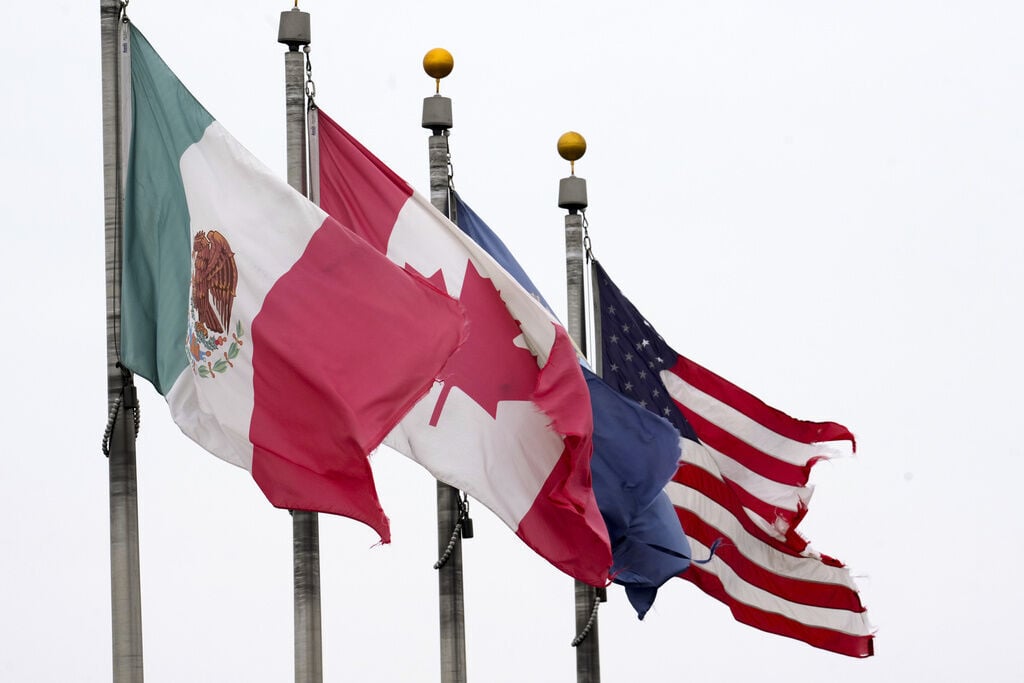
Trump’s economic policies focus on revitalizing American industry and addressing trade imbalances. He announced the implementation of steep tariffs, particularly targeting imports from China, Mexico, and Canada. Additionally, he introduced the concept of an “External Revenue Service” to collect tariffs and taxes from foreign entities, aiming to bolster domestic revenue streams.

Environmental regulations underwent immediate revisions, with Trump revoking the electric vehicle mandate and withdrawing from the Paris Climate Agreement. He emphasized a return to fossil fuel production, including the reinstatement of coal mining operations, positioning these actions as measures to protect American jobs and energy independence.

On social policy, Trump declared that the U.S. government would officially recognize only two genders: male and female. He also announced the dismantling of the Department of Education and the repeal of diversity and inclusion measures, advocating for a merit-based, colorblind society.

Internationally, Trump signaled a shift in foreign policy by expressing intentions to reclaim the Panama Canal and by withdrawing from the World Health Organization. He also imposed sanctions on the International Criminal Court, reflecting a broader strategy of redefining U.S. engagement with global institutions.

Notably absent from Trump’s speech was any mention of cryptocurrency or Bitcoin. This omission had immediate repercussions in the financial markets. Bitcoin’s value dropped by 3.2%, and the $TRUMP memecoin experienced a 15% decline. The broader cryptocurrency market saw liquidations exceeding $1.2 billion, marking one of the most significant downturns in the sector’s history.

Ghana has implemented a comprehensive overhaul of its gold trading framework, mandating that all individuals and entities involved in the sector obtain licences from the newly established Ghana Gold Board . This directive, effective from 1 May 2025, renders all previous licences issued by the Precious Minerals Marketing Company or the Ministry of Lands and Natural Resources invalid. Non-compliance will result in criminal prosecution. The GoldBod Act, […]

Dubai hosted the TOKEN2049 crypto conference on Wednesday, drawing approximately 15,000 attendees, including executives from major firms like BlackRock, Goldman Sachs, and Binance. The event, featuring a scheduled appearance by Eric Trump, highlighted both the sector’s resilience and the diminishing enthusiasm surrounding President Donald Trump’s pro-crypto stance.

President Trump, once a sceptic of digital currencies, has positioned himself as a champion of the crypto industry, launching his own cryptocurrency and pledging to ease regulatory constraints. However, the anticipated surge in market performance has not materialised; Bitcoin has declined by over 10% from its peak of $109,225 since Trump’s inauguration, reflecting investor concerns over the pace of policy implementation and broader economic uncertainties.

Despite these challenges, the crypto sector has witnessed significant investment activity. In the first quarter of 2025, global venture capital funding in the industry reached $5.4 billion, marking the strongest performance since mid-2022. Notable deals include Twenty One Capital’s planned $3.6 billion SPAC merger, Ripple’s $1.25 billion acquisition of Hidden Road, and Kraken’s $1.5 billion deal with futures broker NinjaTrader. Galaxy Digital is also set for a Nasdaq listing after securing SEC approval.

Dubai’s emergence as a crypto hub is evident, with initiatives such as Binance receiving a $2 billion investment from Abu Dhabi’s MGX, developers accepting Bitcoin for real estate transactions, and Emirates NBD launching crypto services. The Dubai Multi Commodities Centre has announced plans for a new “crypto tower” by 2027, further cementing the city’s position in the global crypto landscape.

In the United States, the Trump administration has taken steps to foster a more crypto-friendly environment. Regulatory agencies, including the Federal Reserve, FDIC, and OCC, have rolled back previous guidance that urged caution for banks engaging in cryptocurrency activities. The SEC has dropped lawsuits against major crypto firms like Coinbase and Ripple, and a dedicated crypto task force has been established to address the regulatory needs of the evolving digital asset space.

President Trump’s executive order establishing the U.S. Strategic Bitcoin Reserve, holding approximately 200,000 BTC from seizures, has positioned the United States as the largest sovereign Bitcoin holder. However, the announcement initially caused Bitcoin’s price to drop by 5.7% before recovering, indicating market sensitivity to policy developments.

While the administration’s pro-crypto stance has invigorated the market, some investors remain cautious. The launch of Trump-themed cryptocurrencies, such as the $Trump coin, has faced criticism and underperformance, with the coin’s value plummeting by 50% following the debut of a similar token by First Lady Melania Trump.

Gold reached an all-time high of $3,432.77 per ounce in April 2025. The climb has been steady, underpinned by sustained demand and fundamental global shifts. The next milestone, $5,000, is firmly in sight, I believe. Capital is realigning. Central banks, institutions, and private investors are adjusting their positioning in response to clear macro realities: weakening currencies, structural inflation, declining real yields, and geopolitical instability. In this environment, […]

A plunge into the pet care culture that is modern and chic in Dubai is the highbrow trade-off between lavish salon grooming and mobile services. Gone are the days when convenience led to that huge popularity for mobile groomers; die-hard pet lovers today have taken to high-end salons for the extra pampering, professionalism, and luxury they bestow. A family-run business that perhaps was the first to set […]

MACAU SAR – Media OutReach Newswire – 30 April 2025 – In celebration of the 30th anniversary of diplomatic relations between China and Monaco, Galaxy Macau™ proudly presents the “Galaxy Music Gala: A Musical Journey from Monaco to Macau“. On May 21. This prestigious evening of classical music celebrates the deepening friendship between China and Monaco over the years with musical charm, further promoting exchanges and cooperation […]

The Democratic Republic of Congo and Rwanda have formalised a U.S.-mediated agreement aimed at drafting a peace deal by 2 May, marking a significant step towards resolving long-standing hostilities in eastern Congo. The declaration, signed in Washington on 25 April, commits both nations to respect each other’s sovereignty, cease support for armed groups, and establish a joint security mechanism to combat regional instability. The agreement was signed […]

Tether’s tokenised gold product, XAU₮, has reached a major milestone with over 7.7 tonnes of physical gold now backing the asset, pushing its market capitalisation to $770 million as of 28 April 2025. This development marks a significant expansion of Tether’s portfolio beyond its flagship stablecoin USDT and highlights growing investor interest in digital assets secured by tangible commodities.

XAU₮, which represents ownership of one troy ounce of gold held in Swiss vaults, has seen steady accumulation over the past year amid fluctuating economic conditions and shifting investor sentiment towards inflation-resistant assets. According to market data, the token’s supply growth has mirrored increasing demand for alternative stores of value as concerns around fiat currency stability and geopolitical tensions continue to drive diversification strategies.

Tether’s disclosure that XAU₮ is now underpinned by more than 7.7 metric tonnes of physical gold signals strengthened efforts by the company to reinforce confidence in its tokenisation products. Analysts observing this trend note that digital gold products have carved a distinct niche, combining the traditional appeal of precious metals with the technological advantages of blockchain systems, including faster settlement times and greater accessibility for a global investor base.

Paolo Ardoino, CEO of Tether, stated that the surge in XAU₮’s backing reflects broader demand for hybrid assets that bridge the gap between conventional wealth preservation tools and new digital financial infrastructure. He added that Tether remains committed to transparency and robust management practices as it expands its product suite.

Since its launch, XAU₮ has distinguished itself by providing a clear legal structure for ownership claims over specific gold bars, with serial numbers and weight details disclosed through regular attestations. This level of verification has been crucial in appealing to institutional participants who require clear regulatory and custodial assurances before engaging with tokenised assets.

The achievement of a $770 million market cap also places XAU₮ among the most substantial gold-backed cryptocurrencies in circulation, competing with platforms like Paxos Gold and Perth Mint Gold Token . However, Tether’s strong brand presence and expansive network have given XAU₮ a competitive edge in terms of liquidity and market penetration.

Gold itself has continued to perform as a relatively stable asset amid volatile equity markets, stubborn inflation in key economies, and unpredictable monetary policy shifts. As of late April, gold prices hovered around $2,350 per ounce, with analysts forecasting further strength if macroeconomic uncertainty persists. This backdrop has reinforced the appeal of tokenised gold products like XAU₮, especially for investors looking for easily tradable options without the logistical challenges of physical storage.

XAU₮ has also benefited from integration with major exchanges and decentralised finance platforms, allowing users to utilise tokenised gold in broader financial applications such as lending, borrowing, and yield farming. This flexibility contrasts with traditional gold investment avenues, which typically lack interoperability with modern financial tools.

Institutional interest has played a critical role in the token’s growth trajectory. Asset managers, family offices, and corporate treasuries have increasingly explored tokenised commodities as a way to diversify their holdings while maintaining exposure to traditional safe havens. The ability to transfer ownership efficiently and transparently across jurisdictions has further bolstered the attractiveness of XAU₮.

Tether has continually faced scrutiny over its reserve management practices, particularly regarding USDT. However, the company’s detailed disclosures regarding XAU₮’s physical gold reserves appear to have mitigated similar concerns for this product. Regular attestations by third-party auditors have provided additional layers of reassurance to stakeholders wary of opaque reserve practices.

The evolving regulatory environment for stablecoins and tokenised assets may also influence the trajectory of products like XAU₮. Jurisdictions such as the European Union, the United Arab Emirates, and Singapore have introduced or are in the process of finalising frameworks aimed at ensuring greater oversight and consumer protection within the digital asset space. These regulations are expected to encourage higher standards of reporting and reserve management among issuers, benefiting products that already maintain rigorous transparency protocols.

Market participants have observed that gold tokenisation is emerging as a sector with strong fundamentals, particularly as broader adoption of blockchain technology reshapes traditional financial services. XAU₮’s growth demonstrates that tokenisation is not limited to speculative assets but can extend to historically conservative sectors such as commodities.

While challenges remain — including regulatory uncertainty, technological security risks, and the need for robust custodial solutions — the success of Tether’s XAU₮ underscores a maturing digital asset market increasingly focused on quality, transparency, and tangible backing. Observers suggest that continued institutional adoption and technological advancements could position tokenised gold as a staple component of diversified digital portfolios.


Technology stocks surged on April 24, 2025, lifting broader U.S. markets as optimism grew over easing tariff tensions between the United States and China. Investors responded positively to reports suggesting that trade officials from both countries were nearing a compromise to de-escalate tariffs imposed over the past two years. The Nasdaq Composite climbed 2.5% to close at 16,012.34, marking its highest level in over five months. The […]

VISHNU RAJA
RYO YAMADA
HITORI GOTOH
IKUYO KITA