News related to
Google

Privacy-conscious map users now have an innovative choice with CoMaps, a newly launched open‑source navigation app that operates fully offline and doesn’t track users. Forked from Organic Maps just last month on 1 June 2025, CoMaps is designed for hikers, cyclists, drivers and public‑transport commuters worldwide. CoMaps distinguishes itself with a firm stance on data sovereignty. Under an Apache 2 licence, the community‑developed app ensures no personal location […]

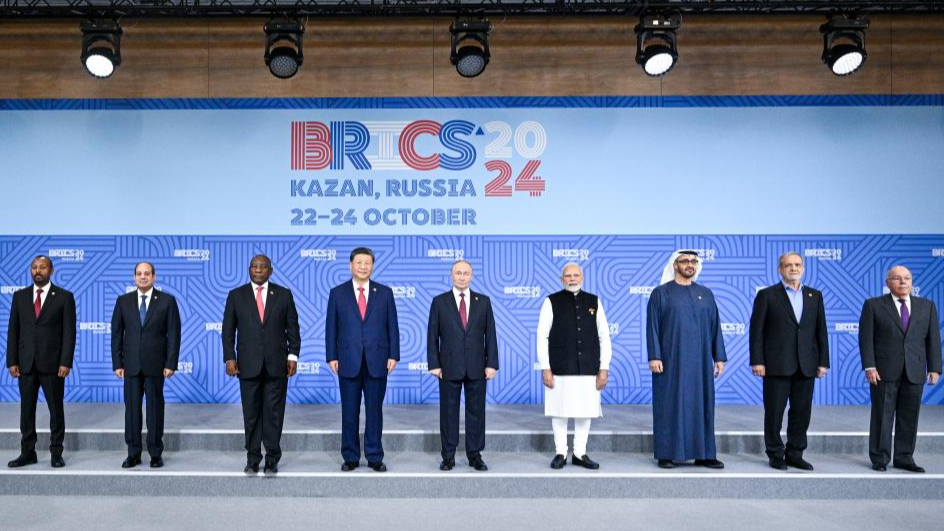
By Nitya Chakraborty On the eve of the 17th BRICS Summit scheduled at Rio de Janeiro in Brazil on July 6 and 7, the ongoing discussions among the senior officials of the member countries for the preparation of the draft joint declaration from the Summit, are showing big divergence of views on the two major […]
By Dr. Gyan Pathak One decade has passed of the adoption of the Sustainable Development Goals (SDG), yet India is off the track in several of them which require intensified and focused interventions to achieve the targets by 2030. While notable progress has been made in several sectors, significant challenges continue to persist other. This […]

OpenAI will lease approximately 4.5 gigawatts of data centre power from Oracle under a $30 billion‑per‑year agreement set to begin delivering revenue in Oracle’s fiscal year 2028. This significant capacity boost forms part of the expansive “Stargate” initiative—an AI infrastructure venture launched in January aiming to deploy up to $500 billion globally. Oracle plans to construct and expand multiple U. S. data centres to support this deal, including enhancements to its […]

Alibaba Cloud has unveiled its third data centre in Malaysia and confirmed plans for a second facility in the Philippines, deepening its infrastructure presence in Southeast Asia. The Malaysian centre became operational on 1 July 2025, while the Philippine hub is scheduled to launch by October 2025. These moves are part of Alibaba’s broader efforts to bolster cloud and AI services across the region.

Growth in cloud demand and the strategic importance of Southeast Asia underpin this expansion. Alibaba Group’s cloud division has embarked on a $52 billion investment over the next three years to build a unified global cloud network, spanning Asia, the Middle East, Europe and the Americas. Southeast Asia has emerged as a pivotal battleground as enterprises accelerate AI adoption and seek resilient digital infrastructure.

At a summit in Singapore marking Alibaba Cloud’s tenth anniversary in the city-state, Eddie Wu, CEO of Alibaba Cloud, highlighted the company’s strategy: “Globalisation is Alibaba Cloud’s long‑term strategy,” he said, adding that the company would “accelerate the development of its global cloud computing network”. These statements reinforce Alibaba’s ambition to deliver end‑to‑end cloud services, spanning compute, storage, networking and AI capabilities.

This announcement follows earlier infrastructure roll‑outs across Asia. The company deployed a second data centre in South Korea in June 2025 and launched new regions in Thailand and Mexico in the first half of the year. Strategic market withdrawals from Australia and India in 2024 appear to be counterbalanced by intensified investment in high‑potential markets.

Southeast Asia’s accelerating digital transformation is creating rising demand for secure, scalable cloud services. Malaysia, with its growing ecosystem of startups and tech‑savvy enterprises, will now benefit from three Alibaba Cloud zones, an improvement in redundancy and local connectivity. The Philippine expansion addresses growing demand in Manila and surrounding urban centres, where cloud adoption is being propelled by fintech, e‑commerce, and the BPO sector.

At the Singapore summit, Alibaba also launched its AI Global Competency Centre, designed to support over 5,000 businesses and 100,000 developers. The centre offers access to advanced AI models, labs and infrastructure support. These investments aim to accelerate enterprise AI adoption by providing both tools and training through partnerships with more than 120 universities, aiming to train 100,000 AI professionals annually.

In addition to infrastructure, Alibaba Cloud is upgrading its cloud offerings. The ninth‑generation intel‑based Enterprise Elastic Compute Service will roll out across Malaysia, the Philippines, Japan, South Korea, Thailand, UAE, Germany and the UK from July. Enhancements to its Data Transmission Service and Platform for AI demonstrate a push to simplify deployment of large language models and accelerate inference capabilities.

Competitive pressure in Southeast Asia is intensifying, with other hyperscalers—AWS, Microsoft Azure, Google Cloud—announcing new regions and services. Alibaba’s bets on localised data centres, AI‑centric products and talent development programmes are its response to positioning itself as a regionally integrated cloud‑AI partner.

Regulatory headwinds and trade tensions, particularly restrictions on Chinese cloud firms, lend further urgency to Alibaba’s diversification strategy. By embedding infrastructure in Southeast Asia, the company aims to mitigate geopolitical risk, offer compliant local services and deliver low‑latency performance.

Corporate results reflect this momentum: Alibaba Cloud has reported double‑digit year‑on‑year growth in AI‑related product revenues for six consecutive quarters, with Q4 cloud revenue hitting CNY 31.7 billion and quarterly growth of 13%. These figures position the unit as the fastest‑growing segment within the broader Alibaba Group.

Tech analysts and regional partners have praised the expansion as timely. “These deployments will significantly improve resilience, latency and service coverage across key markets,” remarked a Southeast Asia‑based CIO. A telco executive added that local data centres are crucial to scaling AI‑powered services like real‑time analytics, IoT and smart city infrastructure.

Channel partners in Malaysia and the Philippines, including telcos and systems integrators, anticipate accelerated digital transformations. Industry groups reported a surge in enquiries following the Malaysian centre’s opening, particularly from manufacturing and education sectors. Cloud‑native startups welcomed the news, viewing the increased compute availability as essential to scaling AI‑driven products.

Optimising energy use and sustainability is also part of the plan. Alibaba’s “Energy Expert” ESG‑focused reporting tool integrates AI into energy management. This aligns with industry benchmarks that 84% of leaders see green AI as important, although 69% are still at early adoption stages. Emerging green data centre practices—including renewable power sourcing and efficient cooling—are expected to feature prominently in the Southeast Asian roll‑outs.

The Malaysian data centre opens amid strong macro trends: Malaysia’s digital economy was projected to grow at over 10% annually through the next five years, while Philippine cloud adoption is forecast to grow at a similar rate, driven by government digitalisation policies and enterprise cloudisation. As Alibaba deploys this enhanced infrastructure, both nations are expected to see AI‑centred cloud services gain momentum in verticals ranging from finance to manufacturing.


Artificial intelligence (AI) eases administrative burden and offers insightful analytics. This technology also provides a multi-faceted platform for improving team operations. Continue reading to learn about the benefits of integrating AI into your management practices below. Exploring the Role of AI Management Tools for Team Efficiency AI management tools transform the traditional approach to team management. By automating routine tasks, these systems free up valuable time for […]

By P. Sudhir The heart and soul of parliamentary democracy lie in the essential process of holding free and fair elections – a process that ensures a level playing field for all political parties. Owing to this feature, parliamentary democracy is often regarded as electoral democracy. It is not for nothing that the Constituent Assembly, […]
Advertisements
By K Raveendran President Donald Trump’s latest volley in the global economic battleground — a proposal to impose a 500 percent tariff on countries that do business with Russia — marks the continuation of a pattern that has come to define his trade diplomacy: bold, blustering declarations followed by strategic backpedalling. The move, targeted at […]
By Nitya Chakraborty Prime Minister Narendra Modi faces a tough task in improving India’s image as defender of the interests of Global South at the coming meeting of the BRICS at Rio de Janeiro in Brazil on July 6 and 7 which he will be attending. The 17th BRICS summit will be hosted by Brazil […]

Cursor’s developer, Anysphere, today launched a browser‑based web app that enables users to manage a coordinated network of AI coding agents directly from desktop or mobile. The app allows developers to submit natural‑language tasks—such as building features or fixing bugs—to agents working autonomously in the background. Users can monitor progress, view agent‑generated code diffs, and merge changes into repositories—all without returning to the IDE. The web interface […]

Mohamed bin Zayed University for Artificial Intelligence has unveiled a pioneering embodied‑AI framework called Tactile Skills, enabling robots to master intricate physical tasks with human‑level precision. Spearheaded by Sami Haddadin, MBZUAI’s vice‑president for research, and published in Nature Machine Intelligence on 23 June 2025, the approach promises to bridge a long‑standing divide between human dexterity and robotic automation. The system leverages a structured curriculum inspired by vocational training and neurobiology. Host‑defined process taxonomies […]

Microsoft has introduced the MAI Diagnostic Orchestrator, an advanced AI system that diagnoses complex medical conditions with four times the accuracy of unaided doctors. In a trial using 304 challenging case studies from the New England Journal of Medicine, the tool achieved an 85.5% success rate, compared with around 20% for physicians barred from referencing external resources. The innovation rests on a multi-agent “orchestrator” framework that mimics a […]

Google has entered a landmark 200‑megawatt power purchase agreement with Commonwealth Fusion Systems, in what is being hailed as the world’s first corporate direct offtake of fusion energy. The power will be supplied by CFS’s ARC fusion reactor, planned for a site in Chesterfield County, Virginia, a critical data‑centre hub. Under the agreement, Google will also boost its equity stake in CFS, matching its commitment from a […]

By Nantoo Banerjee The techniques of traditional warfare seem to be fast changing. Attack drones are increasingly playing a significant role in military aggression alongside missiles. The 12-day Israel-Iran war and the ongoing Russia-Ukraine battle showed how devastating the role of drones in modern wars is. In one of the most daring attacks, Ukraine said […]

Generative artificial intelligence is revolutionising research and innovation, empowering humans to push the boundaries of creativity and discovery. According to Innovation Endeavors, one in eight workers now engages with AI monthly—90 percent of that growth occurring in the past six months. Tools are reshaping software development by merging programming, design and product planning into unified pipelines. Meta is aggressively competing, launching a “Superintelligence” research wing, hiring top-tier talent—including […]

Google has transferred ownership of its Agent2Agent protocol—including its specification, developer SDKs and tooling—to the Linux Foundation, ushering in a new era of open, vendor-neutral collaboration on AI agent interoperability. Announced on 23 June at the Open Source Summit North America, the move positions more than 100 organisations, including AWS, Cisco, Microsoft, Salesforce, SAP and ServiceNow, to jointly steward and evolve the protocol under a neutral governance […]

BYDFi, the Seychelles‑based crypto exchange, confirmed its role as an official partner at Seoul Meta Week 2025: METACON, held on 26–27 June at COEX’s third‑floor auditorium, joining industry giants such as Samsung, Google, Intel, Spotify, Kakao and GitHub.

Booth 11 at the event quickly emerged as a high‑traffic hub, drawing crowds eager to engage with BYDFi’s team and claim exclusive merchandise designed for attendees. Michael, co‑founder and CEO of BYDFi, praised Seoul Meta Week as “a venue to share our latest innovations and connect with forward‑thinking builders and traders from across the region”.

In tandem with its showcase, BYDFi announced its membership in South Korea’s CODE VASP Alliance. The move incorporates full integration of Travel Rule compliance technology, aligning with the nation’s Act on Reporting and Using Specific Financial Transaction Information. The exchange says this step strengthens transparency in cross‑platform asset transfers and positions BYDFi as a more secure and regulation‑aligned platform.

According to the company, this initiative forms part of a strategy to build a more unified global compliance framework, elevating industry standards and boosting user confidence.

In April, BYDFi launched MoonX at Paris Blockchain Week: a Web3 on‑chain trading platform integrated with Solana and BNB Chain. MoonX features real‑time market data, Smart Money tracking and copy‑trading for memecoin enthusiasts, signalling BYDFi’s evolution into a combined CEX‑DEX “dual‑engine” operator. Its presence at SMW 2025 emphasises this integration of centralised exchange speed with decentralised ecosystem transparency.

Founded in 2020, BYDFi serves over one million users in more than 190 countries. In 2025, Forbes named it among the best crypto exchanges and apps for beginners. Its platform spans spot and perpetual contracts, automated bots, copy trading and on‑chain tools, offering multi‑channel support for both novice and experienced traders.

Industry analysts note that compliance remains a central challenge for crypto exchanges seeking entry into regulated Asian markets. BYDFi’s involvement with CODE VASP and METACON suggests a strategic push to meld technological innovation with regional regulatory adherence. The Travel Rule technology integration is poised to set a precedent for exchanges aiming to enter South Korea’s tightly supervised financial landscape.

BYDFi’s CEX‑DEX model reflects a larger industry trend towards hybrid exchange services, catering to users demanding both liquidity and decentralised autonomy. MoonX’s Solana and BNB Chain alignment positions BYDFi in direct competition with other hybrid and on‑chain innovators such as dYdX and PancakeSwap.

Critics, however, caution that regulatory alignment alone doesn’t guarantee market penetration. Local adoption may depend on factors like fiat on‑ramps, customer support in Korean, and local partnerships. BYDFi’s prominent presence at SMW 2025 is a step towards building such ties, but the conversion of awareness into sustained user engagement will be the critical measure of success.

Across the exhibition halls at COEX, conversations centred on Web3’s real‑world applications—from decentralised identity to token‑based ecosystems. BYDFi’s booth became a focal point for these discussions, reinforcing its positioning not just as a trading venue, but as a Web3 infrastructure provider.

Tesla has not formally announced plans to launch a smartphone, despite persistent online chatter. CEO Elon Musk has dismissed phone development as a low priority, describing it as “a lot of work” and saying he hopes the company never has to build one. Fact-checking organisations confirm that no credible media outlet has reported a Tesla phone release. Rumours of a “Tesla Pi Phone” or “Model Pi” have circulated […]

By K Raveendran When Chief Justice B R Gavai stated the other day that the Constitution is supreme and all arms of governance come under it, it may have seemed like a routine assertion at a felicitation event in his hometown, but in India’s current political atmosphere, it was anything but routine. It was a […]
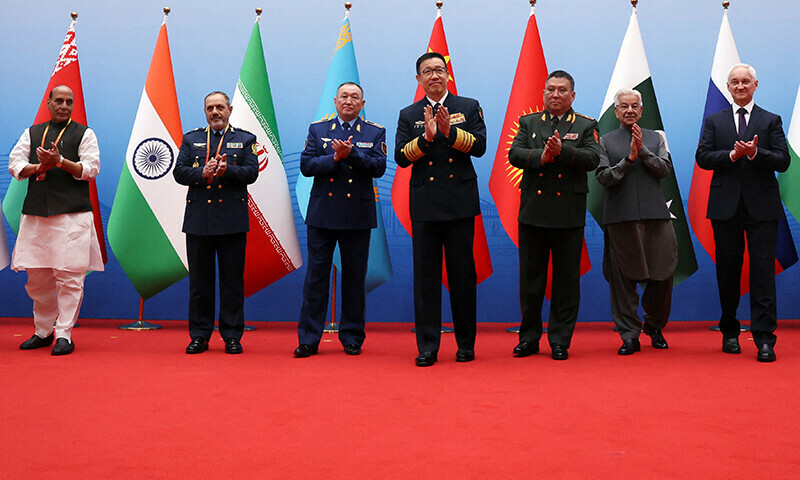
By Nitya Chakraborty India’s total diplomatic isolation was in show in the Shanghai Cooperation Organisation (SCO)’s defence ministers meet in Qingdao city in China on June 25 and 26 when a joint statement was prepared calling upon the members to jointly fight terror but there was no mention of Pahalgam killings on April 22 while […]

UNESCO has mobilised global policymakers, academics and civil society leaders in Bangkok to cement the adoption of its 2021 Recommendation on the Ethics of Artificial Intelligence, the world’s only universal AI ethics framework endorsed by all 194 member states. With over 1,200 delegates from 88 nations and more than 35 ministers present, the third Global Forum on the Ethics of AI underlined the urgency of embedding ethics […]

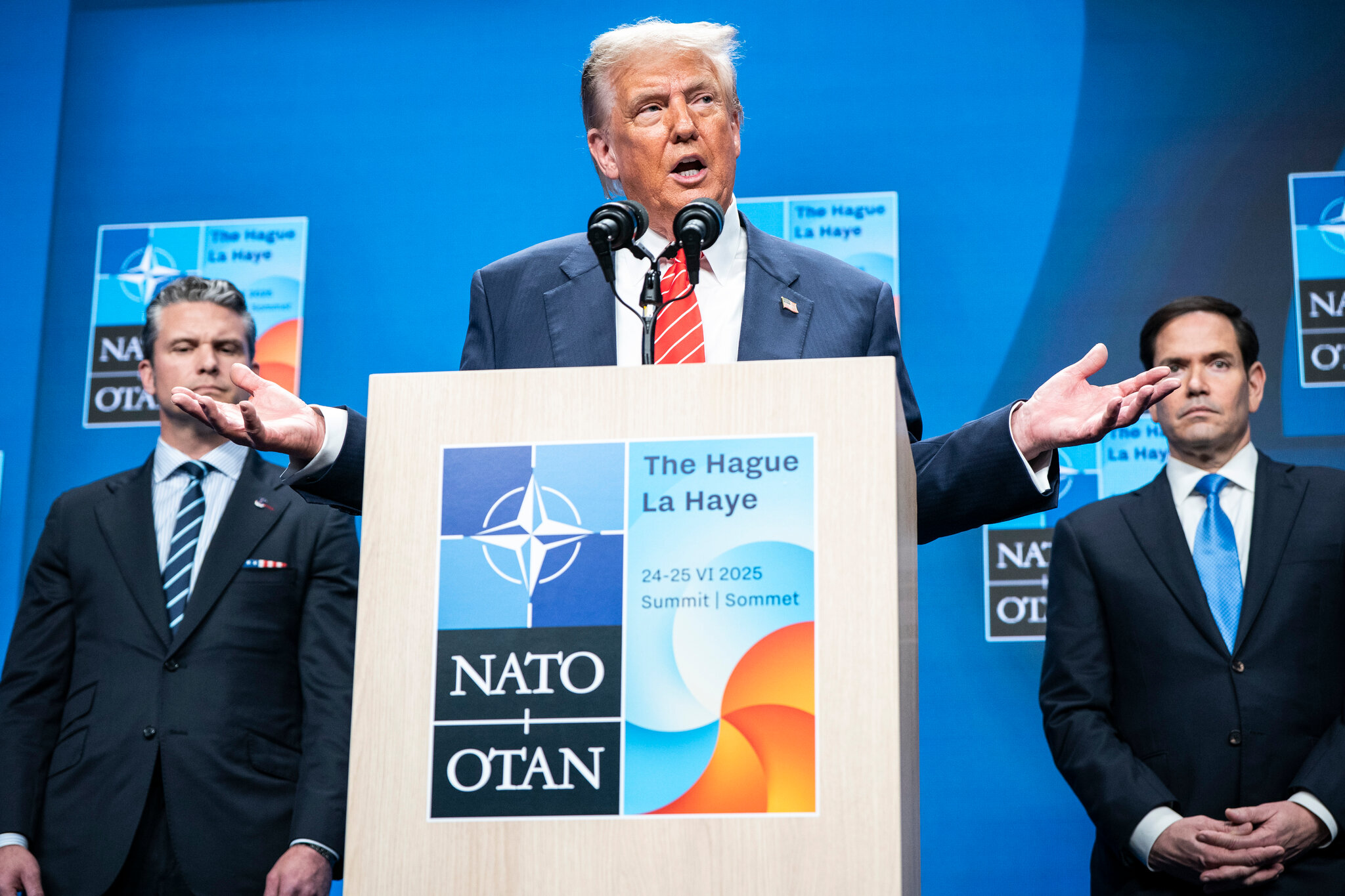
By Nitya Chakraborty The Rambo of the global diplomacy Donald Trump joined the NATO summit at Hague on June 24-25 with a triumphant smile after organizing the ceasefire between Israel and Iran in their 12 day war and strongly imparting the signal that no one matters in the world affairs now excepting the U.S. President. […]


Scale AI has locked down thousands of documents containing classified AI training protocols after contractors and experts sounded the alarm on major security oversights. Files tied to high‑profile projects from Meta, Google and xAI—some labelled “confidential” and even editable—were stored in public Google Docs accessible to anyone with the link. The fallout has been swift: core clients have halted work and paused agreements, raising urgent questions about governance […]

By Dr. Gyan Pathak Government of India led by the Prime Minister Narendra Modi is observing June 25, 2025, as the first Savmidhan Hatya Diwas (the Day of Killing the Constitution of India), to remember the day of proclamation of emergency at midnight of June 25, 1975 in the country by the then prime minister […]

VISHNU RAJA
RYO YAMADA
HITORI GOTOH
IKUYO KITA