News related to
Google

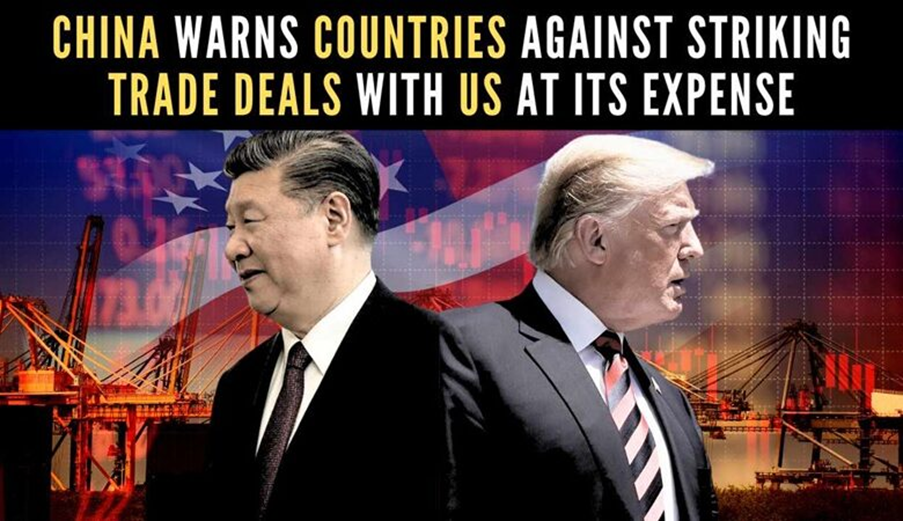
By Nantoo Banerjee Hit by the massive US import tariff, export-led China seems to have gone crazy as its No.1 export destination, the United States of America, has suddenly gone out of reach after US President Donald Trump’s prohibitive import tariff on China. Shockingly, China has issued a warning against countries seeking to strike a […]

Toyota has partnered with Huawei to integrate the Chinese tech giant’s HarmonyOS in its upcoming electric sedan model. This move marks a significant shift in the automotive industry as the Japanese automaker aligns itself with a technology platform developed by a key competitor to Google’s Android in the connected car space. The decision comes amid growing tensions between the US and China, as well as a rapidly evolving global market where automakers are increasingly dependent on innovative software for everything from vehicle performance to customer experience.

HarmonyOS, launched by Huawei as a competitor to Android, is designed to offer greater security and seamless integration across various devices. While initially developed for smartphones, the system has expanded into a variety of smart devices, including automobiles. Toyota’s adoption of HarmonyOS in its new electric sedan reflects the growing importance of software in vehicles, especially as automakers shift focus to electric and autonomous technologies.

The electric sedan, set to hit the Chinese market first, will benefit from the advanced connectivity and smart features of HarmonyOS, such as AI-based in-car assistants and enhanced user interfaces. This is expected to provide a competitive edge for Toyota as it navigates the increasingly crowded Chinese electric vehicle market, where local companies such as BYD and NIO have already established a strong foothold.

Huawei’s HarmonyOS has faced challenges in gaining international traction, particularly due to its ties to the Chinese government and its exclusion from key US-based app ecosystems. However, the system has found significant success within China, where Huawei has a commanding presence in both telecommunications and consumer electronics. Toyota’s decision to integrate the platform may not only strengthen its position in the Chinese market but also mark a turning point in the global race for automotive software dominance.

While Toyota continues to rely on established partners like Google for its global connected car initiatives, this collaboration with Huawei represents a key step in diversifying its software strategy, particularly in regions like China where local technology is often favoured. As automakers seek to ensure the security and functionality of increasingly digital vehicles, HarmonyOS’s promise of enhanced privacy features could play a crucial role in attracting tech-savvy consumers.

The automotive industry has long been navigating a delicate balance between software development and traditional vehicle manufacturing. Toyota’s embrace of Huawei’s operating system is indicative of the growing reliance on third-party tech companies to provide the kind of high-tech, integrated solutions that are rapidly becoming a standard in modern cars. The partnership also underscores the importance of China as a strategic market for global automakers, with its massive population and burgeoning EV market offering significant growth potential.

This development comes at a time when other major tech players are making inroads into the automotive sector. SK Telecom’s announcement to replace SIM cards in its vehicles after a data breach underscores the growing importance of cybersecurity in connected car systems. Moreover, India’s advancements in satellite docking automation signal a broader trend toward increased integration of autonomous systems in the automotive sector. In China, companies are working toward greener solutions, with efforts to reduce the carbon footprint of data centres becoming a focal point for many technology giants.

With the global automotive industry rapidly evolving, Toyota’s partnership with Huawei places the automaker at the crossroads of software innovation and traditional vehicle manufacturing. The collaboration may not only affect the Chinese electric sedan market but could also set a precedent for future ventures between automakers and tech companies, particularly as the digital landscape of the automotive sector continues to evolve.

A bold step into AI-powered web browsing has arrived with Perplexity’s launch of its new Comet browser, sharply intensifying debates around user surveillance and data privacy. The company, best known for its AI-driven search engine, announced that Comet would seamlessly integrate artificial intelligence to enhance browsing, but analysts caution that the browser’s data collection practices could mark a concerning new standard for digital tracking. Perplexity’s Comet browser […]

Technology stocks surged on April 24, 2025, lifting broader U.S. markets as optimism grew over easing tariff tensions between the United States and China. Investors responded positively to reports suggesting that trade officials from both countries were nearing a compromise to de-escalate tariffs imposed over the past two years. The Nasdaq Composite climbed 2.5% to close at 16,012.34, marking its highest level in over five months. The […]

By K Raveendran U.S. Treasury Secretary Scott Bessent’s declaration that India could be the first to finalise a trade deal with the United States after President Trump embarked on his reckless trade war against the world signals a strategic point. The proposed agreement offers India an escape hatch from the looming 26 percent reciprocal tariffs […]

A major update to the Gemini API has launched, bringing forth tools designed to enhance the development of AI applications. Among the key features are Gemini 2.5 Flash and Veo 2, both aimed at providing users with greater flexibility, real-time capabilities, and an improved user interface for building and managing applications. Gemini 2.5 Flash, a key upgrade to the Gemini API, is designed to offer deeper insight […]

By Nitya Chakraborty Three days have passed since the savage terrorist attack at Pahalgam resulting in the death of 26 people, mostly tourists. The communal tenor of the massacre shocked the Indian people. There was unequivocal demand from the people supported by all sections of the political parties that the Narendra Modi government must take […]
Advertisements

Dubai-based startup The Game Company has introduced its AI-powered cloud gaming platform during Dubai AI Week 2025, an event held under the directives of His Highness Sheikh Hamdan bin Mohammed bin Rashid Al Maktoum. The platform aims to deliver high-performance, low-latency gaming experiences without the need for specialized hardware, marking a significant step in the evolution of gaming technology. TGC’s platform leverages proprietary low-latency technology, enabling users […]

Maximilian Crown, co-founder of MoonPay, has been appointed as the new Chief Executive Officer of the TON Foundation, marking a significant leadership transition for the organisation. Crown, who previously served as Chief Financial Officer and Chief Operating Officer at MoonPay, will continue to hold a board position at the fintech firm while steering the TON Foundation’s strategic direction.

The TON Foundation, originally developed by Telegram and now operating independently, aims to advance the adoption of The Open Network blockchain. Crown’s appointment is viewed as a strategic move to leverage his extensive experience in financial technology and regulatory compliance to bolster the foundation’s growth and integration within the global financial ecosystem.

Crown’s tenure at MoonPay, a company he co-founded in 2019, has been marked by significant achievements, including expanding the platform’s services to over 160 countries and facilitating the transfer of $2 billion in cryptocurrency. Under his leadership, MoonPay achieved a valuation of $3.4 billion and developed partnerships with major payment providers such as Mastercard, enhancing its capabilities in the NFT space through the launch of the HyperMint platform.

The TON Foundation’s decision to appoint Crown reflects its commitment to strengthening its position in the blockchain industry by integrating traditional financial systems with decentralized technologies. Crown’s expertise in navigating complex regulatory landscapes and building robust financial infrastructures is expected to be instrumental in achieving the foundation’s objectives.

The Open Network, known for its scalability and efficiency, has been gaining traction as a viable blockchain solution for various applications, including decentralized finance and digital identity verification. Crown’s leadership is anticipated to accelerate the development and adoption of TON-based solutions, fostering greater collaboration between the blockchain community and traditional financial institutions.

Industry analysts suggest that Crown’s dual role at MoonPay and the TON Foundation could facilitate synergies between the two entities, potentially leading to innovative payment solutions that bridge the gap between fiat and digital currencies. Such integration could enhance user accessibility and drive broader adoption of blockchain technologies in everyday financial transactions.

Crown’s appointment comes at a time when the blockchain industry is experiencing increased scrutiny from regulators worldwide. His proven track record in ensuring compliance and fostering transparent operations positions the TON Foundation to navigate these challenges effectively. Furthermore, his leadership is expected to instill confidence among stakeholders and attract strategic partnerships that align with the foundation’s mission.

By Satyaki Chakraborty Vietnam has shown how a well calibrated trade diplomacy can be conducted in the year 2025 amidst the ongoing tariff war between the two biggest economic and military powers of the world USA and China. Both countries are having best trade relations with this South East Asian nation which is a sort […]
By Nitya Chakraborty Chinese President Xi Jinping has won the first round in the protracted battle against Donald Trump over his declaration of tariff war against China. After waiting for long three weeks for a personal call from XI Jinping offering talks to discuss the proposed tariff hikes, Trump partially retreated on Tuesday when he […]

The Crypto Fear & Greed Index has surged 25 points to 72, marking a significant shift in market sentiment and re-entering the “Greed” zone—a level last observed on February 4, 2025.

This sharp rise from a neutral reading of 47 the previous day and a “Fear” level of 29 a week prior underscores a notable change in investor outlook. The index, ranging from 0 to 100 , is a widely used barometer for gauging emotions driving the cryptocurrency market.

Several factors contribute to this uptick in optimism. Bitcoin’s price stability, particularly its ability to maintain key support levels, has bolstered confidence among traders. Additionally, the sustained inflows into Bitcoin exchange-traded funds suggest growing institutional interest, further reinforcing bullish sentiment.

Altcoins have also played a role in this sentiment shift. Increased investor interest in Ethereum and Solana, along with heightened activity in decentralized finance and AI-powered tokens, indicates a broader enthusiasm beyond Bitcoin.

Macroeconomic elements are influencing this trend as well. Expectations surrounding Federal Reserve rate decisions have impacted risk asset investments, with traditional markets showing signs of recovery. This broader economic context has added to the confidence in the crypto sector.

The Fear & Greed Index’s methodology involves analyzing various market indicators: volatility and market momentum each account for 25% of the index, while social media sentiment and surveys contribute 15% each. Bitcoin’s market dominance and Google search trends make up the remaining 20%. The current readings across these components collectively point toward increased bullish sentiment.

As the ongoing antitrust case against Google progresses, OpenAI has expressed interest in acquiring Google Chrome, should the US Department of Justice force the tech giant to divest the browser as part of its antitrust settlement. The revelations came during a recent hearing in which Nick Turley, the head of OpenAI’s ChatGPT division, provided insights into the company’s potential strategic moves. OpenAI’s interest in Chrome highlights the […]

By Pablo Castaño ROME: There may come a time when we look back on the last decade as an anomaly in the modern history of the Catholic Church. Pope Francis — the figurehead of these years, and a radical by the standards of the Catholic hierarchy — is gone, and we are now likely to […]

The Department of Justice has taken an assertive step in its ongoing antitrust lawsuit against Google, urging that the company’s Chrome browser be sold off to a separate entity. This proposal is a crucial part of the remedy phase of the case, where the DOJ seeks to dismantle what it perceives as Google’s monopolistic hold over the online search and browser market. This suggestion marks a significant […]

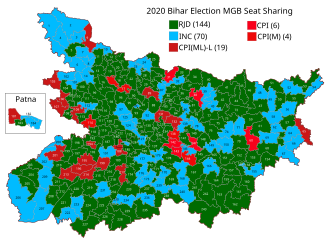
By Kalyani Shankar The Bihar polls at the end of the year are pretty unpredictable. As of now, there will be no cakewalk for the BJP, RJD, Congress or the JD(U). The churning is quietly taking place in Bihar politics. There could be a potential shift in power dynamics. The BJP, playing second fiddle to […]

Google has unveiled Project IDX, a browser-based, AI-powered integrated development environment designed to streamline full-stack, multiplatform app development. Built on Google Cloud and powered by Codey, an AI model trained on code and built on PaLM 2, Project IDX aims to provide developers with a seamless, cloud-hosted workspace that mirrors the capabilities of local development environments. Project IDX offers developers the ability to import existing projects from […]

Saudi Arabia has unveiled a $100 billion initiative, Project Transcendence, to establish itself as a dominant force in artificial intelligence and advanced technology. Spearheaded by the Public Investment Fund in collaboration with Google, this ambitious project seeks to transform the Kingdom into a global tech powerhouse, challenging regional competitors and aligning with its Vision 2030 economic diversification strategy.

Project Transcendence focuses on developing a comprehensive AI ecosystem within Saudi Arabia. Key components include the construction of state-of-the-art data centers, support for local tech startups, and the creation of employment opportunities in the technology sector. The initiative also emphasizes fostering collaborations with international technology firms to position the Kingdom at the forefront of regional innovation.

A significant aspect of the project is the development of Arabic-language AI models, addressing a substantial gap in AI accessibility for the region. This endeavor aims to enhance digital inclusion and literacy, enabling broader participation in the digital economy. By investing in localized AI applications tailored to Saudi Arabia’s needs, the project seeks to bridge the technological divide and promote inclusive growth.

The initiative is part of a broader strategy to reduce the Kingdom’s reliance on oil revenues by investing in emerging technologies and industries. By cultivating a robust AI ecosystem, Saudi Arabia aims to diversify its economy and create new revenue streams. This approach aligns with the Vision 2030 plan, which outlines a roadmap for economic transformation and sustainable development.

To support the growth of the AI sector, the Kingdom is investing in education and training programs to develop a skilled workforce. Institutions like the King Abdullah University of Science and Technology are playing a pivotal role in this effort by offering specialized courses and research opportunities in AI and related fields. These initiatives aim to equip Saudi citizens with the skills necessary to thrive in a technology-driven economy.

In addition to educational investments, Saudi Arabia is actively seeking to attract global AI talent to the Kingdom. By offering competitive incentives and fostering a conducive environment for innovation, the project aims to position Saudi Arabia as a preferred destination for AI professionals and researchers. This strategy is intended to enhance the Kingdom’s capacity for technological innovation and accelerate the development of its AI industry.

The Kingdom’s commitment to AI is further demonstrated by its hosting of high-profile events, such as the Global AI Summit. These gatherings bring together industry leaders, policymakers, and researchers to discuss advancements in AI and explore opportunities for collaboration. By positioning itself as a hub for AI discourse and innovation, Saudi Arabia seeks to influence the global AI agenda and attract further investment.

Project Transcendence also includes plans for significant infrastructure development to support AI applications. This encompasses the establishment of advanced computing facilities and the enhancement of digital connectivity across the Kingdom. By building a robust technological infrastructure, Saudi Arabia aims to facilitate the deployment of AI solutions across various sectors, including healthcare, education, and transportation.

The healthcare sector, in particular, stands to benefit from the integration of AI technologies. By leveraging AI for diagnostics, treatment planning, and patient monitoring, the Kingdom aims to improve healthcare outcomes and efficiency. This aligns with broader efforts to enhance the quality of life for Saudi citizens and modernize public services.

In the realm of transportation, AI applications are expected to optimize traffic management, enhance public transit systems, and support the development of autonomous vehicles. These advancements are anticipated to contribute to the Kingdom’s goals of sustainability and urban development, as outlined in Vision 2030.


By K Raveendran The Supreme Court’s interim order on the controversial Waqf Amendments Act has created an unusual equilibrium among opposing camps, hinting at a calculated balancing act rather than a decisive intervention. While the order does not represent a full-fledged stay on the implementation of the amendments, it introduces a layer of judicial restraint […]

Google’s unveiling of its Willow quantum processor marks a significant stride in its quest to reclaim leadership in advanced computing. Developed at the company’s Quantum AI campus in Santa Barbara, California, Willow is a 105-qubit superconducting chip capable of executing complex computations in mere minutes—tasks that would take classical supercomputers an unfathomable 10 septillion years. This advancement arrives as Google faces intensified competition in artificial intelligence, with […]

Dubai Internet City is set to spotlight its pivotal role in the Middle East’s digital economy at GITEX Asia 2025, scheduled from April 23 to 25 at Marina Bay Sands, Singapore. As part of a delegation led by Dubai’s Department of Economy and Tourism, DIC aims to attract global investors and tech enterprises to its expanding innovation ecosystem. Celebrating its 25th anniversary, DIC has evolved into a […]

Google’s Media Content Delivery Network has achieved a significant milestone by reaching a data transfer rate of 100 terabits per second . This development underscores Google’s commitment to enhancing its infrastructure to meet the growing demands of video-on-demand , large file downloads, and selective live streaming applications. Media CDN, introduced by Google Cloud, is designed to optimize the delivery of high-throughput content. By utilizing the same infrastructure […]

By Nitya Chakraborty Bangladesh’s Chief Adviser to the interim government Dr. Muhammad Yunus is presently in the midst of his diplomatic triumph by successfully outreaching to the major countries of the world including the two super powers. After having a major success in getting all the support from the Chinese President Xi Jinping during his […]
By Dr. Gyan Pathak The game of political hunting, which is typically characterised in India by cases, raids, seizures, and arrests, which generally do not lead to conviction, but enable the government to pin its adversaries down for years without trial in cases registered by the Enforcement Directorate (ED), seems to be reaching its climax. […]
VISHNU RAJA
RYO YAMADA
HITORI GOTOH
IKUYO KITA