News related to
Hong Kong

ISTANBUL, TURKEY – Media OutReach Newswire – 17 June 2025 – The report “Evolving Legacy: Decoding the Scientific Trajectory of Chinese Medicine” released today by Hong Kong Baptist University (HKBU) and Elsevier, reveals the growing impact of Chinese Medicine research on global healthcare and modern health challenges. In this context, “Chinese Medicine research” encompasses not only clinical practice, but also basic and translational science, AI-driven systems medicine, […]

Health authorities and clinicians across China are warning of a significant surge in COVID‑19 infections this July, driven by the NB.1.8.1 variant—a descendant of the JN.1 lineage that now dominates the country’s caseload. Public health officials in Hong Kong and Taiwan have already responded to rising case numbers with renewed masking guidance and hospital preparations.

In May, the Chinese Centre for Disease Control and Prevention identified NB.1.8.1 as the principal agent behind the sharp rise in cases nationwide, mirroring similar trends across Asian neighbours. Evidence from CDC screening in the United States detected NB.1.8.1 infections among travellers from Asia between late April and mid‑May, reinforcing concerns over its transmissibility. Preliminary Chinese research indicates the variant may bind more effectively to human cells than predecessors, potentially accelerating its spread.

Hospital insiders in China refer to an uptick in “white lung” patterns—dense opacifications on chest scans—and sudden deaths among previously healthy middle‑aged adults, although experts emphasise the term remains colloquial and lacks precise medical definition. At the same time, nothing yet suggests the emergence of a new pathogen. Health agencies, including the WHO, note the wave aligns with rising circulation of known respiratory agents—COVID‑19, influenza, RSV and mycoplasma—without evidence of an unusual strain.

Hospitals in Beijing and Liaoning report increased admission volumes, with clinics in cities like Dalian and Chongqing grappling with larger-than-normal respiratory caseloads. Despite this, national health statements have stressed that surveillance shows no new pathogens, attributing the climb to seasonal factors and immunological gaps following post‑lockdown easing.

Regional governments have reinstated basic safeguards—including mask recommendations on mass transit and in healthcare settings—in response to the epidemiological models forecasting July peaks. Authorities in Taiwan have also begun stockpiling vaccines and antivirals in anticipation of increased demand.

Global health bodies are closely monitoring: CDC representatives in the U.S. maintain active communication with counterparts in China, Hong Kong and Taiwan regarding variant spread. Several cases of NB.1.8.1 have been recorded at U.S. ports of entry, though limited sequencing has so far prevented it from showing up prominently in national variant dashboards.

In vaccine policy circles, U.S. regulators are debating updates for the autumn season, with mRNA manufacturers presenting candidate boosters targeting JN.1 lineages—such as LP.8.1—that could also offer immunity against NB.1.8.1.

Metapneumovirus, an endemic respiratory pathogen, was also notably active during winter 2024–2025 in China, accounting for over 6 per cent of positive respiratory illness tests and hospitalisations. Health officials affirmed this activity was consistent with typical seasonal patterns.

Medical experts stress that while chest imaging showing “white-out” lung appearance can be alarming, it is not indicative of a novel syndrome; it occurs with severe pneumonia from various known agents. Treatment protocols remain standard, including antibiotics for bacterial pneumonia and antivirals when appropriate.

CHANGCHUN, CHINA – Media OutReach Newswire – 16 June 2025 – From June 12 to 15, FAW HONGQI unveiled its luxury vehicle lineup at the 2025 International Automotive and Supply Chain Expo(Hong Kong), showcasing its unique “Oriental Luxury” concept to the world. During the expo, HONGQI held the “Glory in Hong Kong, Shaping the Future Together” Golden Sunflower Exclusive Appreciation Event, which forged profound connections between HONGQI […]

With a legacy of excellence, expertise, and a bold vision, Chubb Life HK is meeting rising demand for sophisticated, future-focused financial planning through bespoke legacy and wealth solutions HONG KONG SAR – Media OutReach Newswire – 16 June 2025 – Chubb Life Hong Kong (Chubb Life HK) today launched its first wealth centre, Chubb 1792 Club, marking a pivotal moment in its insurance and wealth management journey. […]

Hybrid DNA Brand Accelerates Globalization Strategy HONG KONG SAR – Media OutReach Newswire – 16 June 2025 – On May 20, 2025, Premium derma-cosmetic brand Oganacell named Maye Musk as Cleansing/Mask Ambassador and Song Seung Heon as Brand Ambassador at its global launch in Hangzhou. The event showcased Oganacell’s fusion of technology and skin aesthetics. Ambassador – Maye Musk Ambassador – Song Seong Heon Ambassador Campaign Maye […]

Markets across the Gulf and beyond plunged on Friday following a sharp military escalation after Israel struck Iranian nuclear and military sites, triggering drone counter‑attacks by Iran and a broader risk‑off reaction among investors.

Dubai’s benchmark index tumbled 5.1%, its steepest single‑day loss since May 2022, while Abu Dhabi’s dropped 3.5% before paring losses. The rout extended into Israel, where the shekel slid as much as 3.5% against the dollar, with long‑dated Israeli bonds and select regional government debt also weakening.

Commodity markets mirrored investor anxiety. Brent crude surged over 6%, touching its highest level in nearly five months, as traders assessed the risk of supply disruptions through the Strait of Hormuz. Gold likewise rallied, reaching two‑month highs as capital flowed into safe‑haven assets.

Airline stocks were among the hardest hit. Air Arabia shares plunged more than 4%—some reports suggest nearly 8%—as carriers rerouted flights away from airspace over Iran, Israel, Iraq and Jordan. Regional exchanges in Riyadh and Doha were closed on Friday, with trading set to resume on Sunday amid anticipation of continued volatility.

The market shockwaves reverberated worldwide. Europe, Asia and US indices all registered dips: the S&P 500 dropped roughly 0.4% mid‑day, the Dow slipped nearly 1.8% and the Nasdaq around 1.3%, while Tokyo’s Nikkei and Hong Kong’s Hang Seng also declined.

Analysts warned that while markets historically absorb such shocks fairly quickly, the sustained threat of conflict brings inflation and growth risks. Chris Scicluna of Daiwa Capital Markets noted the initial oil spike “hasn’t been too extreme” but cautioned that a sustained rise toward US $80 oil would be problematic for central banks. Meanwhile, Tariq Kakish of FH Capital pointed out that geopolitical instability remains “the key factor affecting investors’ sentiments”.

Concerns centred on the Strait of Hormuz, which channels approximately one‑third of global seaborne oil, raising the potential for disruption. Demand for insurance on tankers in the Gulf surged, and traders remain on edge over possible Iranian retaliation targeting shipping or oil infrastructure. However, OPEC+ sources suggest that Saudi Arabia and others retain sufficient spare capacity and are monitoring the situation closely.

Financial markets also showed classic risk‑off behaviour: US Treasury bonds rallied even as yields ticked higher, reflecting investor concerns about energised inflation, as per Axios commentary. The dollar strengthened, while gold and the Swiss franc benefited from increased flight‑to‑safety demand.

In Asia, the ASX 200 slipped modestly, offsetting losses in financials and consumer sectors with gains in energy and mining stocks. In Mumbai, Reliance Industries’ shares fell nearly 1.8% as Brent crude surged past $75 per barrel amidst the tensions.

Political and economic analysts emphasise two themes: the possibility of an enduring inflation shock from energy price escalation, and the risk of prolonged conflict dragging in wider regional powers. While some argue Gulf states may help mitigate supply-side shocks via increased production, others highlight that even modest increases in oil prices could influence global inflation and central bank policy.

Despite the turbulence, multiple analysts noted past flare‑ups between Israel and Iran tended to cool within weeks, with markets rebounding once diplomatic pathways re‑opened. Yet this episode differs: it involves overt attacks deep into Iranian territory, targeting nuclear and ballistic infrastructure, and marking a new phase in the conflict. The outcome may recalibrate norms for military engagement in the region—and investor expectations alongside them.

Galaxy Macau and FIA Establish a Three-Year Strategic Partnership Following the Successful Debut of the Landmark Conference in Macau as Historic Home of the FIA Formula Regional World Cup MACAU SAR – Media OutReach Newswire – 13 June 2025 – The 2025 Extraordinary General Assemblies meeting and the Conference of the Fédération Internationale de l’Automobile (FIA), hosted by the Automobile General Association Macao-China (AAMC) supported by Galaxy […]

Advertisements

HONG KONG SAR – Media OutReach Newswire – 13 June 2025 – The 2025 International Automotive Supply Chain Expo (Hong Kong), co-hosted by the China Association of Automobile Manufacturers, Hong Kong Chinese Enterprises Association, The Chinese Manufacturers’ Association of Hong Kong, China General Association For Hong Kong, Macao And Taiwan, and Phoenix Media Group commenced on June 12 and will run until June 15 at AsiaWorld-Expo in […]

Bridging French and Hong Kong innovation ecosystems to supercharge global tech development HONG KONG SAR / PARIS,FRANCE – Media OutReach Newswire – 13 June 2025 – Hong Kong Science and Technology Parks Corporation (HKSTP) is leading 18 of Hong Kong’s brightest innovators in AI and robotics, healthtech, greentech and fintech in its first-ever delegation to VivaTech 2025, Europe’s largest startup and tech showcase held in Paris. The […]

A new maritime alliance took shape on 12 June 2025 as AD Ports Group and the Arab Shipbuilding & Repair Yard Company signed three Heads of Terms, solidifying their collaboration in marine services across Bahrain, in a ceremony attended by H.H. Shaikh Nasser bin Hamad Al Khalifa, His Majesty’s Representative for Humanitarian Works and Youth Affairs and Chairman of Bapco Energies. The agreements build upon the operational success of ASRY Marine, […]

Stock markets across Asia plunged as global investors rushed to safe-haven assets following a military strike by Israel on Iran’s nuclear and ballistic missile facilities, intensifying geopolitical tensions in the Middle East. U.S. equity futures dropped sharply, while commodity prices surged—fuelled by fears of supply disruption and escalating conflict.

Crude oil futures reacted violently, with Brent surging about 9 % to approximately US $75.36 per barrel and West Texas Intermediate climbing to US $74.20, both marking the largest daily gains in months. Goldman strategists and energy analysts attributed the spike to risk premiums linked to potential retaliation and threats to regional infrastructure, especially across the Strait of Hormuz.

Precious metals and defensive currencies were also swept up in the panic. Spot gold rose by around 1.5 % to trade near US $3,434 per ounce, inching closer to its April record peak of US $3,500. The Swiss franc strengthened by roughly 0.4 % to reach two‑month highs against the U.S. dollar, while the yen appreciated by about 0.3 %—classic indicators of risk-off sentiment.

Asia’s leading equity indices suffered notable losses: Tokyo’s Nikkei 225 fell between 1.2 % and 1.4 %, Seoul’s Kospi dropped about 1.1 %, and Hong Kong’s Hang Seng declined roughly 0.8 %. U.S. S&P 500 E‑mini futures and Nasdaq futures plunged between 1.7 % and 1.8 %, while Pan‑European STOXX 50 futures slid around 1.6 %.

In India, the Nifty 50 and Sensex tumbled approximately 1.2 %, with the oil and gas sector leading losses thanks to narrower refining margins and soaring crude prices. Stocks of Bharat Petroleum, Indian Oil Corporation and HPCL each shed between 3.5 % and 6 %. Airline stocks, already shaken by a recent Air India crash near Ahmedabad, declined further as travel costs and uncertainty weighed heavily.

Debt markets saw a flight to quality. U.S. Treasury bonds rallied, pushing the 10‑year yield down to around 4.31–4.35 %, its lowest in a month. Currency markets mirrored these moves: the dollar index rose around 0.5 %, while the euro and sterling retreated slightly.

Analysts suggested the next moves hinge on Iran’s response. Charu Chanana, chief strategist at Saxo, noted that if tensions ignite, safe-haven demand and commodity volatility will likely persist. Matthew Haupt from Wilson Asset Management described this as a “classical risk‑off move,” adding that duration and scale of Tehran’s likely response will shape market impact.

This episode compounds earlier market strains. The global economy already faces headwinds from volatile U.S. trade policy and high inflation, while negotiations over Iran’s nuclear programme have stalled. A planned sixth round of talks in Oman was overshadowed as military actions overshadowed diplomacy.

Market indicators suggest traders are swiftly reducing risk exposure ahead of the weekend. Tony Sycamore from IG forecast continued selling in equities, saying that prudent investors will likely trim positions until further clarity emerges.

Energy market strategists warned of wider contagion. According to Saul Kavonic of MST Marquee, unless Iran specifically targets major oil infrastructure, supply impact remains limited—but persistent unrest could be enough to constrain output and flow through the region.

HONG KONG SAR – Media OutReach Newswire – 13 June 2025 – The International Automotive & Supply Chain Expo (Hong Kong) 2025 opened on June 12, bringing together global industry leaders. Seizing this strategic opportunity in Hong Kong, Dongfeng Motor is showcasing its technological edge and promoting nine flagship models covering both passenger and commercial vehicle segments. Dongfeng Motor aims to rank among the top three Chinese […]

HONG KONG SAR – Media OutReach Newswire – 12 June 2025 – ShopBack, Asia’s leading cashback shopping platform, has announced a strategic partnership with Mastercard to introduce an exclusive cashback promotion, empowering Hong Kong shoppers with enhanced savings when they link their eligible Mastercard cards and purchase at selected merchants via the ShopBack app. ShopBack collaborates with Mastercard to unveil an exclusive cashback promotion, offering shoppers a […]

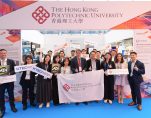
HONG KONG SAR – Media OutReach Newswire – 12 June 2025 – The Hong Kong Polytechnic University (PolyU) took part in the world-renowned London Tech Week 2025 held from 9 to 11 June in London, UK, as the only participating university from Hong Kong. Four PolyU startups showcased their ground-breaking innovations in artificial intelligence (AI), advanced manufacturing technologies and healthcare solutions. The event attracted business leaders, industry […]

Global law enforcement has dismantled over 20,000 malicious IP addresses and domains used to serve 69 variants of information‑stealing malware, in a sweeping cybercrime operation spanning 26 countries across the Asia‑Pacific region. The coordinated effort—dubbed Operation Secure—uncovered the digital infrastructure behind credential‑harvesting malware, led to the seizure of 41 servers, over 100 GB of illicit data, and the arrest of 32 suspects, officials said. The four‑month initiative, conducted […]

2025 Sustainable and Constructive News Awards Now Open for Entries TAIPEI, TAIWAN – Media OutReach Newswire – 12 June 2025 – The 2025 Sustainable and Constructive News Awards are now officially open for submissions. Under the theme “Raise Your Voice, Brighten the World; Report the Truth, Strengthen Its Power,” the Awards call on journalists to merge professional reporting skills with a commitment to sustainability—transforming journalism into a […]

Some 2,400 stem cell and regenerative medicine pioneers convene to chart new frontiers, resulting from bidding efforts of Hong Kong Convention Ambassadors of the Hong Kong Tourism Board HONG KONG SAR – Media OutReach Newswire – 11 June 2025 – Reputed to be a leading research and development (R&D) hub for medical sciences, Hong Kong hosts the world’s largest and most significant gathering of stem cell research […]

MediLink Therapeutics Ltd. is preparing to launch an initial public offering in Hong Kong, having secured China International Capital Corp., JPMorgan Chase & Co. and Morgan Stanley as its lead advisers, according to people with knowledge of the matter. The move comes as the clinical-stage biotech firm seeks to capitalise on growing investor interest in advanced tumour-targeting therapies and consolidate its platform of antibody‑drug conjugates.

Founded in 2020 and headquartered in Suzhou with R&D operations in Shanghai and Boston, MediLink has developed a proprietary ADC technology known as TMALIN®. The platform facilitates precise delivery of cytotoxic agents to tumour cells, with the intention of widening therapeutic windows for solid tumour treatments. Its pipeline includes programs that have advanced to clinical stages in both China and the United States, supported by a Series B financing round of approximately USD 70 million in 2022.

MediLink’s strategic engagement of three underwriters reflects heightened confidence in anchor investors and broader syndication. China International Capital Corp. brings deep roots in Chinese capital markets and extensive IPO experience in the biotech sector. JPMorgan and Morgan Stanley add global banking heft and access to international investors.

CICC itself is emerging as a top-tier sponsor for Hong Kong listings. It led or co-led 19 IPOs for Chinese corporates last year, raising USD 3.84 billion, positioning it as a dominant force amid market revival. The engagement of internationally renowned banks alongside CICC is likely aimed at boosting MediLink’s valuation and widening investor interest both locally and abroad.

While IPO details remain confidential, analysts suggest MediLink could seek a valuation in the mid‑to‑high hundreds of millions of dollars. That would reflect both the advanced stage of its pipeline and prevailing market multiples for ADC developers. Comparable biotech flotations in Hong Kong and the U.S. have reflected growing appetite for oncology-focused platforms.

Alongside listing ambitions, MediLink continues to advance its clinical and licensing goals. In March it unveiled preclinical data at the American Association for Cancer Research annual meeting; earlier in the year it received FDA clearance for its IND application for YL217, its lead candidate. YL201, another programme, received Breakthrough Therapy Designation in January for treatment of recurrent/metastatic nasopharyngeal carcinoma.

The company has also pursued strategic licensing agreements with global pharmaceutical firms to expand development and commercialisation capabilities. A licensing deal under discussion ahead of the IPO is believed aimed at enhancing distribution reach while reinforcing MediLink’s balance sheet.

The IPO effort is part of a broader resurgence in biotech listings in Hong Kong, where authorities have eased regulations to attract innovation-driven offerings. CICC and other banks have ramped up support for ADC and gene therapy companies, signalling a turning point after a lull in listings.

MediLink’s choice of banks aligns with a wider trend: CICC has co-sponsored blockbuster floats including the forthcoming mega‑IPO of CATL, while banks like Goldman Sachs and Morgan Stanley have also participated. In this context, MediLink is positioning itself to tap both deep domestic networks and international capital.

Stakeholder sentiment appears optimistic. MediLink’s management team, comprised of co‑founders Tony Xue and Jiaqiang Cai alongside C‑suite leaders experienced in drug development and financial strategy, has overseen steady progress in its ADC pipeline and established global partnerships. Jason Li’s appointment as CFO in 2023 reportedly strengthened the company’s capital market readiness.

Market observers highlight challenges ahead. ADC development remains capital-intensive, clinical risks high, and competition fierce among domestic and international peers. Success will hinge on late‑stage data and licensing traction. At the same time, geopolitical tensions and volatility in Hong Kong equity markets may affect investor sentiment.

MediLink must also navigate post‑IPO obligations, including regulatory reporting and corporate governance under Hong Kong’s Main Board requirements. Mitigating execution risk will be critical, underscoring the role of its chosen bankers in underwriting diligence and market support.

Analysts describe the listing as a pivotal moment: it offers the backing to fund Phase II/III efforts while elevating MediLink’s corporate profile. For banks, it reinforces Hong Kong’s appeal as a biotech capital market when compared with established centres like Nasdaq.

With its IPO process underway, MediLink now awaits market timing and regulatory clearances before formally filing a prospectus. The company is expected to continue advancing clinical data, strengthening licensing ties, and preparing investor materials aligned with regulatory requirements.

The Logistics Real Estate Market on the Chinese Mainland Shows Signs of Stabilization Amid Ongoing Consumer and Industrial Demand HONG KONG SAR – Media OutReach Newswire – 10 June 2025 – Cushman & Wakefield (NYSE: CWK) has published its inaugural global logistics and industrial outlook, ‘Waypoint 2025‘, which highlights a significant shift in the sector as global supply chains are reconfigured and cost pressures evolve. Drawing on […]

Daily active users in the global cryptocurrency market have surged to 30.8 million, marking a 30-fold increase since early 2020 when the figure hovered around just one million. This extraordinary growth underscores a pivotal shift in digital finance adoption, driven by both mainstream institutional participation and decentralised finance innovations.

The five-year acceleration in user activity reflects a maturing market that has gradually moved from speculative volatility toward widespread utility and integrated applications. Analysts link this exponential climb not only to rising asset prices but also to expanding real-world use cases and adoption in emerging markets where crypto offers alternatives to unstable fiat currencies or limited banking access.

Between 2020 and 2021, crypto markets experienced a spike in retail investor interest as Bitcoin and Ethereum reached new price highs. But the subsequent years saw a more diversified set of contributors to active user growth. These included Layer-2 solutions that reduced transaction costs, central bank scrutiny that validated digital assets as long-term economic factors, and increased capital flows into decentralised applications that are now used for lending, trading, and payments.

The upswing has also been aided by a shift in demographics. Users between the ages of 18 and 35 continue to dominate, but there is a discernible rise in users over 50 participating in digital asset portfolios through robo-advisors and automated wealth apps. Fintech platforms have played a central role in onboarding new users, offering wallet services directly within traditional mobile banking interfaces, especially in Southeast Asia, Latin America, and Sub-Saharan Africa.

Regulatory tailwinds have also contributed to this surge. After years of ambiguity, several governments began laying out clearer frameworks for crypto usage and taxation. The European Union’s Markets in Crypto-Assets regulation, now in force, has created greater legal clarity for wallet providers and stablecoin issuers. Meanwhile, jurisdictions such as Singapore, the UAE, and Hong Kong have developed regulatory sandboxes that attract developers without compromising on compliance. The clarity around Know-Your-Customer norms and licensing requirements has encouraged institutional custodians and payment processors to enter the space, further legitimising its growth.

Daily active wallet addresses, which measure unique addresses interacting with blockchain networks, are now being driven by utility rather than speculation. Decentralised social media platforms, blockchain-based gaming, and metaverse transactions contribute heavily to user engagement. On-chain metrics show that average wallet-to-wallet transactions have grown in both frequency and diversity, indicating a broader shift from holding digital assets to actively using them.

Stablecoins remain a major catalyst. With daily transaction volumes frequently surpassing those of major card networks, these tokens are increasingly used for remittances, salaries, and cross-border commerce. Businesses in Argentina, Nigeria, and the Philippines now routinely accept stablecoins to hedge against inflation and currency volatility. Dollar-pegged tokens such as USDT and USDC remain dominant, but a new wave of regionally anchored stablecoins linked to the euro, yen, and dirham are gaining traction.

This growth has coincided with new product launches by global crypto service providers. Coinbase, Binance, and OKX have all introduced wallet products tailored for mobile-first users, while decentralised apps like MetaMask and Trust Wallet have streamlined onboarding by integrating fiat-to-crypto gateways and social recovery features. Wallet-as-a-service solutions have also proliferated, allowing e-commerce platforms and loyalty programmes to integrate tokenised rewards and payments.

However, the expansion hasn’t been without setbacks. Security breaches and phishing attacks continue to pose significant threats, especially on mobile wallets lacking robust encryption or biometric safeguards. In 2024 alone, more than $600 million was reportedly lost to wallet-targeted hacks. This has forced wallet providers to enhance security protocols and increase user education around seed phrase storage and recovery mechanisms.

The surge in user activity also raises questions about scalability and environmental impact. Ethereum’s successful shift to a proof-of-stake consensus has alleviated some concerns, reducing energy consumption by over 99 percent, but congestion on other chains like Solana and BNB Smart Chain persists during peak usage periods. Developers are now turning to zero-knowledge rollups and modular chain architectures to manage the growing demand without compromising on decentralisation or throughput.

Investment in wallet infrastructure has sharply increased, with venture funding in crypto wallet startups exceeding $2.5 billion over the past year. Several firms are focusing on embedded crypto solutions that operate invisibly behind e-commerce and payment interfaces, enabling crypto usage without requiring users to understand blockchain mechanics. This backend integration has become crucial to onboarding the next 100 million users, according to fintech consultants.

On the macroeconomic front, crypto wallets are increasingly being viewed as components of digital identity. National digital currency trials in countries like Brazil and India are exploring hybrid models that link sovereign wallets to decentralised ones, potentially enabling programmable money systems that maintain user agency while complying with monetary policy.

As blockchain integration deepens across sectors, from healthcare to real estate, wallet functionality is expanding beyond currency storage. New generations of wallets offer token-gated access, voting rights in decentralised autonomous organisations, and certification for digital credentials. These features are pushing crypto adoption beyond financial speculation into everyday life.


Starbucks has announced price reductions averaging 5 yuan on select iced and tea‑based beverages in China, marking a significant shift in its pricing strategy within its second‑largest market. The move, effective from this Tuesday, will place some drinks at 23 yuan, aiming to broaden appeal during afternoon hours amid mounting competitive and economic pressures.

China’s coffee landscape has grown increasingly fragmented, driven by a prolonged deflationary trend and cautious consumer sentiment. Deflation persisted into its fourth month as of May, with consumer prices dipping 0.1 per cent year‑on‑year, prompting retailers across sectors to adjust pricing. Domestic chains such as Luckin Coffee, Manner Coffee and Cotti Coffee now retail Americanos for between 14–15 yuan, while JD.com and Alibaba‑affiliated delivery services can bundle drinks via promotions for as low as 2.9 yuan. Bubble‑tea giant Mixue has entered the fray with tea coffees priced at around 6.9 yuan, following a $444 million IPO in Hong Kong.

A spokesperson closely involved with Starbucks China, speaking anonymously, maintained that the adjustments are not a capitulation to a price war but rather a strategic effort to attract more afternoon foot traffic, particularly towards non‑coffee offerings like frappuccinos and tea lattes. This follows a subtle shift over recent months, where the company introduced smaller drink sizes and more digital coupons to stimulate transactions.

As of late 2024, Starbucks operates 7,685 outlets across the mainland, having added a roasting plant in Kunshan and continued store expansion. Nonetheless, slowing China growth—4.7 per cent in Q2 2024—and deflationary trends have eroded consumer confidence, with job insecurity prompting tighter spending in discretionary areas such as cafés.

Starbucks’ appeal has long rested on its “third‑place” ambience—charging premium for experience. But critics and analysts note that domestic players emphasise product innovation and affordability. Kearney’s Sherri He described the shift: “Starbucks is targeting white‑collar professionals… but broader masses opt for lower‑cost, trend‑driven products”. Indeed, Luckin now runs more than 20,000 stores nationwide, tripling Starbucks’ footprint in major urban centres.

Luckin’s resurgence—after accounting scandals and bankruptcy—has been marked by aggressive volume strategies and rapid recovery in same‑store sales, recording triple‑digit net income growth in late 2024. That firm’s continued expansion underscores the pricing threat Starbucks faces, particularly in lower‑tier cities where cost sensitivity is acute.

Analysts point to broader strategic recalibrations within Starbucks. Last week, the company reportedly explored partnerships and divestments tied to its China operations as part of a wider turnaround push. In recent financial reports, Starbucks admitted North America and China comp store performance remained under pressure, with CEO Brian Niccol pledging menu simplification and improved customer experience.

Starbucks’ pivot seems aimed at reintroducing affordability while defending its premium image. While global chains retreat from steep discounting, in China delivering price accessibility may be essential ground‑level defence. Observers will be monitoring whether afternoon footfall increases and if lower price points sustain margins amid stiff competition.

The broader market vibrates with innovation and localisation. Domestic players are accelerating menu iterations—bubble‑tea flavours, brown sugar boba lattes, coconut‑coconut variants—tailored to Gen‑Z preferences. Mixue’s model, which prioritises ingredient and equipment revenues to franchisees, allows ultra‑low pricing and rapid store proliferation—a direct challenge to Starbucks’ directly‑operated format.

Starbucks’ push into smaller Chinese towns—far beyond tier‑one cities—is another key differentiator. With a goal of opening 9,000 outlets by end‑2025, the company is banking on long‑term expansion even as urban discretionary spending decelerates. But this scale‑up entails heightened exposure to price‑led local competitors.

HONG KONG SAR – Media OutReach Newswire – 9 June 2025 – From June 12 to 15, the INTERNATIONAL AUTOMOTIVE&SUPPLY CHAIN EXPO in Hong Kong will host a major international auto show under the theme “New Car, New Journey.” The event will bring automakers, experts and media together showcasing future mobility innovation and trends. At the upcoming exhibition, BAIC Group will present both passenger and commercial lineup, […]

Cancer patients, survivors and their loves ones formed an inaugural dragon boat team Citizens and tourists dive into the Dragon Boat Frenzy HONG KONG SAR – Media OutReach Newswire – 9 June 2025 – The “2025 Sun Life Hong Kong International Dragon Boat Races”, organized by the Hong Kong Tourism Board in collaboration with the Hong Kong China Dragon Boat Association and proudly title-sponsored by Sun Life, […]

Hong Kong’s Hang Seng index climbed past the 24,000 mark, reaching heights unseen since March, fuelled by renewed optimism surrounding US-China trade discussions. Investor sentiment improved as market participants weighed the possibility of easing tensions between the two largest economies, sparking a notable rally in Hong Kong’s benchmark index. However, this upbeat mood contrasted sharply with the performance of Bitcoin, which struggled amid uncertainties over inflation dynamics and broader market volatility.

The Hang Seng’s advance reflected a growing belief that US and Chinese officials are making progress toward resolving key trade disputes. Early talks aimed at addressing tariffs, technology restrictions, and investment barriers have led investors to anticipate a thawing in one of the most consequential economic standoffs globally. The improving trade dialogue appears to be encouraging capital inflows into Hong Kong-listed shares, particularly in sectors sensitive to cross-border trade such as technology, manufacturing, and finance.

Market experts highlight that investor focus remains fixed on the trajectory of these negotiations, with any breakthroughs potentially unlocking significant value in the region’s equities. The rally also aligns with a more cautious but hopeful stance among traders that a prolonged trade conflict could ease, bolstering global economic growth prospects. Notably, blue-chip stocks led the gains, signalling confidence among institutional investors betting on recovery and expansion in the Asia-Pacific markets.

Conversely, Bitcoin’s performance diverged, as the leading cryptocurrency grappled with pressure from both macroeconomic and regulatory fronts. The digital asset has faced downward momentum partly due to investor apprehensions over persistent inflationary pressures in the United States. Inflation data remains a key focal point, as higher consumer prices could prompt the Federal Reserve to sustain or accelerate interest rate hikes, tightening liquidity conditions and dampening risk appetite in speculative assets.

Bitcoin’s volatility has also been compounded by shifting regulatory attitudes worldwide. Authorities in various jurisdictions are intensifying scrutiny of digital currencies, citing concerns over money laundering, market manipulation, and financial stability risks. Such regulatory tightening has contributed to a cautious investor approach, limiting Bitcoin’s ability to capitalize on broader risk-on sentiment seen in equities.

Analysts note that while Bitcoin has often been viewed as a potential inflation hedge, its correlation with traditional risk assets has increased, causing it to react sensitively to shifts in monetary policy and global economic uncertainty. This evolving dynamic challenges the narrative of cryptocurrencies as safe havens, complicating portfolio strategies for institutional and retail investors alike.

The Hang Seng’s rally has benefited from strong performances in technology companies listed in Hong Kong. Giants in the semiconductor and telecommunications sectors saw their share prices rise amid speculation that easing trade tensions could reduce supply chain disruptions and promote cross-border business activities. Additionally, financial stocks gained momentum as optimism grew about improving economic fundamentals and potential credit growth in the region.

Meanwhile, traders are closely monitoring upcoming US inflation reports, which could significantly influence market direction. Persistent inflation could lead the Federal Reserve to maintain a hawkish stance, thereby exerting downward pressure on risk assets including equities and cryptocurrencies. Conversely, signs of easing inflation could provide further impetus for market rallies and reduce volatility.

Hong Kong’s role as a financial gateway between China and the global economy continues to underpin investor confidence. The city’s markets are seen as a barometer for broader regional economic health, and the Hang Seng’s rise signals expectations that cross-border trade and investment flows will stabilise or improve amid diplomatic progress. This optimism is tempered by awareness of ongoing geopolitical risks, including Taiwan tensions and global supply chain uncertainties.

Bitcoin’s challenges underscore the growing complexity of the global investment landscape, where traditional and emerging asset classes are influenced by an intertwined set of economic, regulatory, and geopolitical factors. While the cryptocurrency market remains dynamic, its path forward appears increasingly contingent on external economic conditions rather than solely on technological or adoption milestones.

VISHNU RAJA
RYO YAMADA
HITORI GOTOH
IKUYO KITA