News related to
Immediate

Google has been dealt a significant blow in the US antitrust case, with Judge Amit Mehta ruling that the tech giant has maintained an illegal monopoly over online search. The ruling, issued on August 5, 2024, concluded that Google violated antitrust laws by using its dominant market position to stifle competition and inflate advertising prices. The Department of Justice (DOJ) accused Google of leveraging its search dominance […]

A rocket attack targeted the Ain Al Asad air base in Iraq, resulting in injuries to several US personnel. The incident occurred on Monday, prompting immediate responses from both US and Iraqi military forces.

The attack involved the launch of multiple rockets towards the air base, a key installation housing US troops and equipment. Initial reports indicate that the rockets were fired from an unknown location, and investigations are underway to determine the responsible parties. The injured personnel received immediate medical attention, with some evacuated to more advanced medical facilities for further treatment.

Ain Al Asad, located in Iraq’s Anbar province, has been a frequent target of rocket and drone attacks, particularly by groups with links to Iranian-backed militias. These groups have often targeted US military installations in retaliation for various geopolitical tensions in the region.

The timing of this attack is notable, coming amidst heightened regional tensions following the recent escalation of hostilities between Israel and Hezbollah, along with ongoing instability in Iraq. The US military has reiterated its commitment to maintaining a presence in Iraq to support the fight against remnants of the Islamic State and to provide stability in the region.

Pentagon officials have condemned the attack, emphasizing that such actions will not deter the US from its mission in Iraq. They highlighted that the security of personnel and assets remains a top priority, and necessary measures will be taken to protect them. Additionally, efforts are being intensified to enhance the base’s defensive capabilities to prevent future attacks.

The Ain Al Asad air base has historically been a strategic location for US operations in the Middle East. It has played a critical role in the coalition’s efforts against ISIS and continues to be a vital hub for training and supporting Iraqi security forces. The base has also hosted numerous high-profile visits, including a visit by former US President Donald Trump in 2018.

Local Iraqi authorities are cooperating with US forces to investigate the attack and to track down those responsible. This incident underscores the ongoing volatility in the region and the persistent threats faced by US and coalition forces stationed in Iraq.

As the situation develops, both US and Iraqi forces are expected to bolster security measures and remain vigilant against further threats. The international community watches closely as tensions in the Middle East continue to pose significant challenges to regional and global security.

Sources:
– Times Now
– LBC
– CBS News

UN High Commissioner for Human Rights Volker Türk expressed grave concerns over the escalating tensions in the Middle East, calling for urgent measures to de-escalate the situation. Türk highlighted the critical need to prioritize the protection of civilians, particularly women and children, who have endured severe suffering due to ongoing violence. Türk’s statement comes amid increasing violence and political turmoil in the region. Over the past months, […]

Global cloud leader supports long-term AI growth with price reductions of up to 59% on core public cloud products New services and product features are now available to boost generative AI development HANGZHOU, CHINA – Media OutReach Newswire – 8 April 2024 – Alibaba Cloud, the digital technology and intelligence backbone of Alibaba Group, today announced its new pricing strategy for the international customers with prices reductions […]

A 6.7 magnitude earthquake hit off the eastern coast of Mindanao, Philippines, causing widespread concern. The quake, which struck at a depth of 630 kilometers, did not result in significant damage, but authorities warned of possible aftershocks. This event underscores the Philippines’ vulnerability, as it lies on the Pacific ‘Ring of Fire’, a region prone to seismic activity. Residents experienced strong tremors, but no immediate injuries or […]

A 5.0 magnitude earthquake struck the Calabria region in southern Italy near the town of Cosenza on Thursday night. The tremor, reported by the National Institute of Geophysics and Volcanology (INGV), occurred at 9:43 p.m. local time (1943 GMT) and was felt over a broad area. Despite the quake’s significant magnitude, there were no immediate reports of damage or injuries. Fire officials confirmed on social media that […]

By Tajul Islam On August 1, 2024, Bangladesh took a decisive step in its fight against terrorism and extremism by officially banning the Jamaat-e-Islami (JeI) party and its student wing, Islami Chhatra Shibir. This action, undertaken under the Anti-Terrorism Act of 2009, follows widespread unrest and violent protests related to the quota system for government jobs, which the government has attributed to the instigation by these fundamentalist groups. The […]

Advertisements

A significant humanitarian initiative from the UAE has successfully delivered substantial aid to the Gaza Strip as part of the ongoing Gallant Knight 3 operation. This mission is part of a broader effort to support the Palestinian people amidst the ongoing conflict.

The operation, launched under the directive of UAE President Sheikh Mohamed bin Zayed Al Nahyan, aims to provide essential relief to the residents of Gaza. The UAE’s Joint Operations Command, in collaboration with entities such as the Emirates Red Crescent, the Khalifa bin Zayed Al Nahyan Foundation, and the Zayed Charitable Humanitarian Foundation, is spearheading these efforts.

On October 15, the UAE initiated the relief campaign, mobilizing a vast array of humanitarian resources. The campaign includes the deployment of three ships laden with aid, among which the third ship recently departed from the Port of Fujairah, carrying over 4,600 tonnes of supplies. The cargo encompasses 4,218 tonnes of food, 370 tonnes of shelter materials, and 41 tonnes of medical aid. Additionally, the shipment included water tanks, septic tanks, and a diesel storage tank to address the immediate needs in Gaza.

Operation Gallant Knight 3 also focuses on setting up critical infrastructure within Gaza. The UAE has established two field hospitals and a floating hospital off the coast of Al Arish city. Furthermore, five automatic bakeries have been established, and flour is being supplied to eight existing bakeries. Six desalination plants, capable of producing 1.2 million gallons of water daily, have been set up to benefit over 600,000 people in Gaza.

The UAE has also initiated an airdrop operation, named “Birds of Goodness,” delivering 486 tonnes of relief supplies to isolated areas in northern Gaza that are otherwise inaccessible by land.

This extensive humanitarian effort highlights the UAE’s commitment to alleviating the hardships faced by the Palestinian people. The coordination with international bodies such as the World Food Program ensures that the aid reaches those in dire need and is distributed effectively.

Through these initiatives, the UAE continues to demonstrate its dedication to providing relief and support to conflict-affected regions, reinforcing its role as a significant player in global humanitarian efforts.

A humanitarian aid plane dispatched by the United Arab Emirates has arrived in the Philippines to assist with the aftermath of Typhoon Gaemi. This swift response follows instructions from President Sheikh Mohamed bin Zayed Al Nahyan, aiming to provide immediate relief to affected communities grappling with severe landslides and flooding.

Typhoon Gaemi has wreaked havoc across the northern regions of the Philippines, causing significant infrastructure damage and displacing thousands. The UAE’s aid mission includes essential supplies such as food, medical kits, and temporary shelter materials, intended to address the urgent needs of those impacted by the storm.

The UAE’s gesture is part of a broader international response to the disaster. Global organizations and several countries have mobilized resources to support relief efforts. The Philippine government has praised the UAE for its timely assistance, which underscores the importance of global solidarity in times of crisis.

The aid plane’s arrival marks a critical step in the emergency relief operations, as local authorities and aid organizations work tirelessly to assess the full extent of the damage and coordinate recovery efforts. The UAE’s support aligns with its ongoing commitment to humanitarian aid, reinforcing its role as a key player in international relief initiatives.

This collaborative effort highlights the urgent need for comprehensive disaster response strategies, emphasizing the role of international cooperation in managing the impacts of extreme weather events. The UAE’s intervention is expected to provide substantial relief to the hardest-hit areas, contributing to the broader goal of recovery and rebuilding in the wake of Typhoon Gaemi.

Partners with The GBA Healthcare Group to offer personalised and comprehensive health checks enhancing medical protection HONG KONG SAR – Media OutReach Newswire – 1 August 2024 – Following the recent launch of its new brand, Chow Tai Fook Life Insurance Company Limited (“CTF Life”) proudly presents its new Prime Treasure Savings Insurance Plan (“Prime Treasure”) today. This innovative plan combines savings, wealth accumulation, succession planning and […]

By Nitya Chakraborty The New Popular Front (NFP) has taken a major step towards forming a coalition government in France after the partners agreed to name independent socialist Lucie Castets as the Prime Minister candidate for forming the new government after the July 7 general elections led to a hung national assembly. The NFP leadership […]

The Israeli Defense Forces (IDF) have announced the death of Mohammed Deif, a senior military commander for Hamas, in a targeted strike on Gaza. This operation, executed on July 13, represents a significant escalation in the ongoing conflict between Israel and Hamas.

Deif, who had long been a high-value target for Israeli forces, was reportedly eliminated during an airstrike in Gaza City. The IDF has described the strike as a successful operation aimed at dismantling the leadership structure of Hamas, a militant organization that has been involved in numerous conflicts with Israel.

The Israeli government has framed Deif’s death as a strategic victory, suggesting that it will weaken Hamas’s ability to coordinate attacks against Israeli targets. Deif was known for his role in orchestrating several high-profile attacks against Israel, including rocket launches and other military operations. His death is anticipated to have significant repercussions on Hamas’s operational capabilities.

Hamas has not officially confirmed the death of Deif but has condemned the strike as an act of aggression. The group has vowed retaliation, indicating that it views the death of one of its senior leaders as a direct challenge to its resilience and resistance efforts.

This latest development comes amid heightened tensions in the region. The ongoing conflict has seen numerous casualties and has exacerbated humanitarian issues within Gaza. Both sides continue to exchange fire, with civilian areas frequently caught in the crossfire, leading to a growing international concern over the impact on non-combatants.

The impact of Deif’s death on Hamas’s operational strategy is still unfolding. Analysts suggest that while the loss of a key leader could disrupt Hamas’s immediate military strategies, it is unlikely to bring an end to the conflict. The group has shown a capacity for adaptation and resilience, often rebuilding its command structures even after significant losses.

The international community remains vigilant, monitoring the situation as it evolves. Efforts to mediate and negotiate peace have been ongoing, but achieving a lasting resolution has proven challenging. The cycle of violence continues to affect both Israelis and Palestinians, with significant implications for regional stability.

As the situation develops, further updates from both the Israeli government and Hamas will be crucial in understanding the full ramifications of this strike. The death of a high-profile figure like Mohammed Deif inevitably shifts the dynamics of the conflict, potentially influencing future military and diplomatic strategies on both sides.

By K Raveendran Finance Minister Nirmala Sitharaman’s response to the opposition’s critique of the budget, coupled with Rahul Gandhi’s performance, has turned out to be the highlight of the debate on the budget in the Lok Sabha. The crux of the opposition’s argument was that the budget disproportionately favoured Bihar and Andhra Pradesh, states of […]

Kerala is grappling with devastating landslides in Wayanad, which experts believe are connected to the warming of the Arabian Sea. Scientists emphasize the role of climate change, excessive mining, and deforestation in exacerbating these natural disasters. The catastrophic landslides, which have claimed lives and displaced numerous families, are seen as a direct result of climatic shifts. The Arabian Sea’s warming trend has led to more intense and […]

The United Nations human rights office has released a disturbing report detailing severe mistreatment of Palestinian detainees held by Israeli authorities. The report, unveiled on Wednesday, outlines extensive human rights violations, including physical and psychological abuse, endured by Palestinians in detention.

According to the UN, the report is based on testimonies from former detainees, human rights organizations, and independent investigations. It highlights cases of physical violence, including beatings and harsh interrogations, as well as inadequate medical care. The UN’s findings are drawn from a variety of sources, including interviews with detainees who have been released, and an analysis of medical records and other evidence.

The document underscores systemic issues within the detention system, pointing to a lack of oversight and accountability. The UN report criticizes the conditions in which detainees are held, citing overcrowding, poor sanitation, and insufficient access to basic necessities. It also notes instances of psychological abuse, including threats and humiliation during interrogations.

Human rights advocates have long raised concerns about the treatment of Palestinian detainees, but this report provides a comprehensive overview of the extent and nature of the mistreatment. The UN’s findings are expected to prompt calls for international intervention and reforms within the Israeli detention system.

The Israeli government has responded to the report, defending its detention practices as necessary for national security. Israeli officials argue that the measures taken are within the bounds of international law and are crucial for maintaining security. They have also criticized the UN report, alleging bias and a lack of consideration for the broader context of security challenges faced by Israel.

The report also touches on the broader implications of these practices for the peace process and human rights in the region. Critics argue that the ongoing mistreatment of detainees undermines efforts to achieve a peaceful resolution to the Israeli-Palestinian conflict and damages the credibility of human rights standards in the region.

International reactions to the report have varied. Some human rights organizations have called for immediate action and an independent investigation into the allegations, while others emphasize the need for a balanced approach that considers security concerns alongside human rights.

The UN’s findings contribute to the ongoing debate about the Israeli-Palestinian conflict and the treatment of detainees. The report serves as a critical reminder of the importance of human rights and the need for accountability in conflict situations. The situation remains fluid, and further developments are anticipated as the international community responds to the UN’s revelations and calls for reform.

The issue of detainee mistreatment is part of a larger discourse on human rights in the region, which continues to evolve as new reports and investigations emerge. The UN’s latest report adds to a growing body of evidence and highlights the urgent need for attention and action on this critical issue.

A fragile truce in Iraq faces significant jeopardy following a recent U.S. airstrike targeting a militant base south of Baghdad. The attack has intensified tensions, with the Islamic Resistance in Iraq vowing retaliation. This escalation could unravel ongoing peace efforts and destabilize an already volatile region.

The U.S. strike, conducted late last week, was aimed at a compound reportedly used by Iran-backed militias. According to Pentagon sources, the operation was in response to recent threats against American personnel and facilities in Iraq. This action marks a severe escalation in the U.S. military’s involvement in the region and has drawn sharp condemnation from various factions within Iraq.

The Islamic Resistance in Iraq, a prominent group within the broader network of Iranian-aligned militias, has condemned the strike as a blatant violation of Iraqi sovereignty. The group’s senior official indicated that retaliation is imminent, exacerbating fears of a renewed cycle of violence. This development threatens to undermine the delicate balance that has been maintained through ongoing negotiations and diplomatic efforts.

The truce, which has been in place for several months, was intended to reduce hostilities and facilitate dialogue between conflicting parties. It followed a period of intense conflict marked by frequent skirmishes and escalating tensions between Iraqi militias and U.S. forces. The recent airstrike not only jeopardizes this truce but also risks inflaming regional tensions further, potentially drawing in other actors and destabilizing the broader Middle Eastern landscape.

Observers are concerned that the strike could prompt a series of retaliatory actions, leading to a resurgence of hostilities. This would not only disrupt the fragile peace process but also have significant repercussions for the stability of Iraq and the wider region. The potential for a broader conflict underscores the need for immediate diplomatic interventions to de-escalate the situation.

The Iraqi government has condemned the U.S. action, emphasizing the need for respect of its sovereignty and urging restraint from all parties involved. However, the response from the Islamic Resistance in Iraq suggests that diplomatic appeals may not be sufficient to prevent further escalation. The situation remains fluid, with both sides preparing for potential further conflict.

The international community has called for calm and restraint, stressing the importance of dialogue and peaceful resolution to the crisis. However, the immediate aftermath of the strike indicates that the path to de-escalation will be fraught with challenges. The U.S. and Iraqi governments are under immense pressure to navigate the complex dynamics of this conflict and work towards stabilizing the region.

As the situation continues to unfold, the global community watches closely, hoping for a resolution that will preserve the fragile truce and prevent further violence. The next steps taken by the involved parties will be critical in determining whether the current crisis can be mitigated or if it will lead to a broader and more destructive conflict.

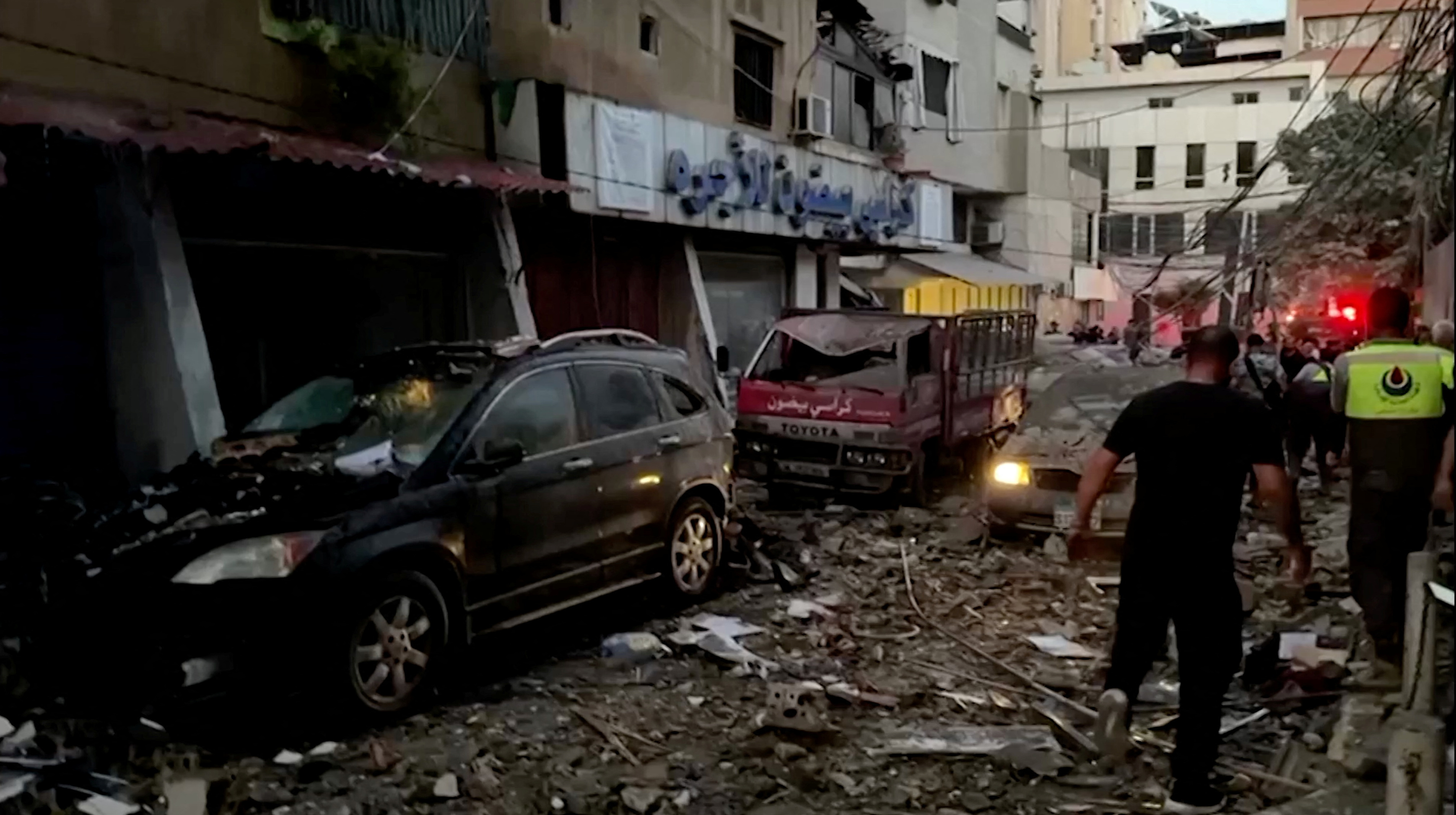
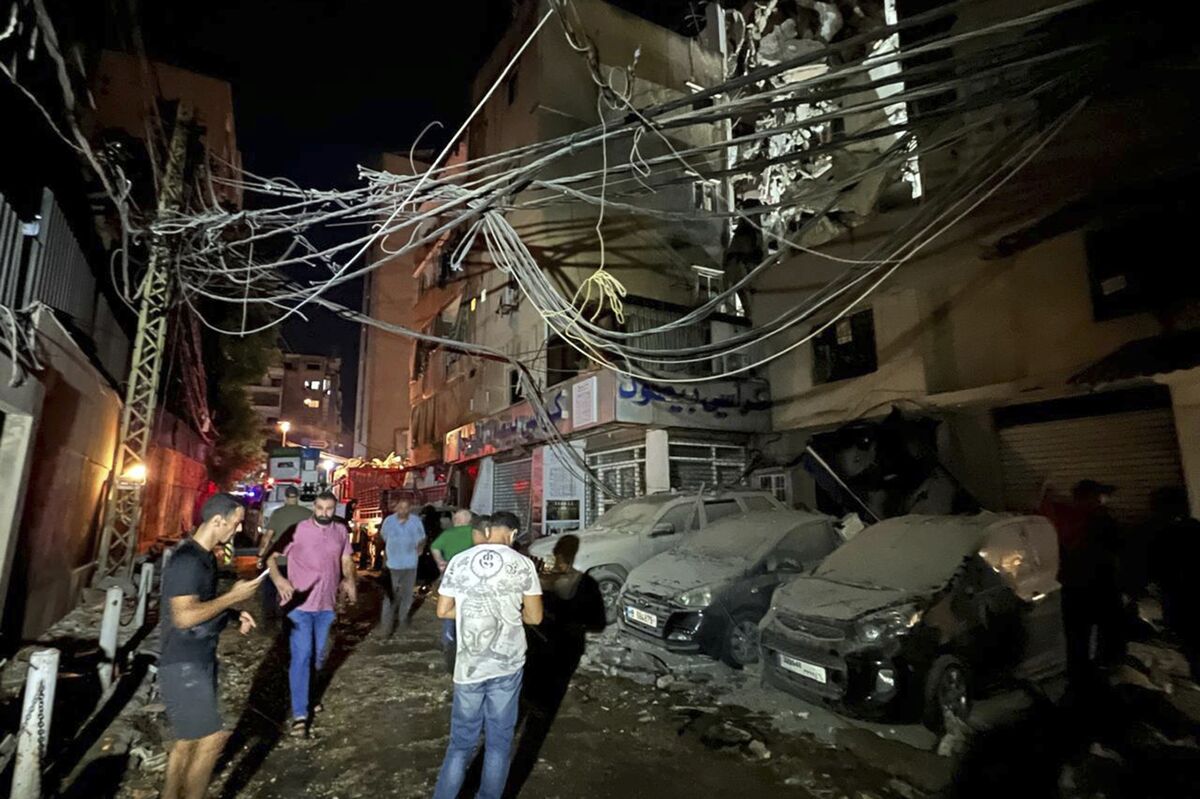
Israeli airstrikes on a Beirut suburb have intensified the search for senior Hezbollah commander Fouad Shukr, whose whereabouts remain uncertain following the attack. The residential building targeted was reportedly a key location for Hezbollah operations, raising concerns about Shukr’s status and potential casualties among his associates.

The airstrike occurred in the densely populated southern suburbs of Beirut, a region heavily influenced by Hezbollah. The Israeli government has not confirmed the specific targets of the strike but has maintained that the operation was a response to ongoing threats from Hezbollah. The Lebanese authorities have launched a search and rescue operation, sifting through the rubble of the destroyed building in hopes of locating survivors or recovering bodies.

Fouad Shukr, a high-ranking figure within Hezbollah, has been a subject of international attention due to his alleged involvement in various military and strategic operations. The attack has prompted Hezbollah to accuse Israel of aggression and to call for an immediate response. The group has mobilized its members in the area, and tensions are high as both sides brace for possible further escalations.

Local reports suggest that the building was used by Hezbollah for military purposes, including arms storage and strategic planning. This has led to speculations about the significance of the strike and whether it was part of a broader Israeli strategy to disrupt Hezbollah’s operational capabilities. The attack’s impact on the broader regional dynamics is yet to be fully understood, but it has already heightened security concerns in Lebanon and among international observers.

Lebanese rescue teams are working tirelessly, and international organizations have expressed concern about the humanitarian impact of the airstrikes. The focus is on providing aid to those affected by the explosion and addressing the needs of families displaced by the attack.

Hezbollah’s reaction has been swift, with the organization issuing statements condemning the Israeli actions and vowing retaliation. The group’s leaders have criticized the international community for not intervening and have called for solidarity from other nations sympathetic to their cause.

The situation remains fluid, with rescue operations ongoing and the possibility of additional strikes looming. The international community continues to monitor the developments closely, as the conflict between Israel and Hezbollah threatens to escalate further. The fate of Fouad Shukr remains a critical concern, with implications for both Hezbollah’s internal dynamics and the broader geopolitical landscape in the region.

The next steps for both Hezbollah and Israeli forces will be closely watched, as the aftermath of the strike unfolds and the international community responds to the evolving situation. The ongoing conflict underscores the volatility of the region and the challenges faced by all parties involved in seeking a resolution to the long-standing hostilities.

Hamas’s political chief, Ismail Haniyeh, was killed in an attack on his residence in Tehran, Iran. This incident, which also claimed the life of one of his bodyguards, marks a significant escalation in the ongoing tensions involving the Palestinian militant group. The attack has drawn immediate condemnation and concern from international leaders and analysts.

According to initial reports, the assailants targeted Haniyeh’s residence with a coordinated assault, leading to his death and the injury of several others. The circumstances surrounding the attack remain under investigation, and no group has yet claimed responsibility. The Iranian government has vowed a thorough investigation into the incident, emphasizing its commitment to combating terrorism and securing the safety of its citizens.

Haniyeh, a prominent figure in Hamas, has been a central player in the group’s leadership and operations. His death could potentially shift the balance within Hamas and affect its strategies and alliances. Analysts are closely watching for potential repercussions on regional stability and the broader Israeli-Palestinian conflict.

The assassination of Haniyeh represents a critical development in the ongoing conflict dynamics. His leadership was instrumental in Hamas’s political and militant activities, and his absence might create a power vacuum within the organization. This event is likely to provoke varied responses from different factions, both within the region and internationally.

International reactions have been swift, with calls for restraint and dialogue from various world leaders. The attack underscores the volatile nature of the geopolitical landscape in the Middle East, highlighting the persistent risks associated with high-profile figures in conflict zones. The implications of Haniyeh’s death will unfold in the coming days as the situation develops and more information becomes available.

As the investigation continues, the global community remains on alert for potential repercussions. The situation reflects the ongoing complexities of Middle Eastern politics and the enduring challenges in achieving lasting peace and stability in the region.

An Israeli airstrike targeted Hezbollah commander Fouad Shukr in Beirut, marking a significant escalation in tensions between Israel and Hezbollah. Shukr, a senior military figure within the Lebanese group, is known for his close ties to Hezbollah’s leadership and his involvement in strategic operations.

The airstrike occurred late Tuesday, with initial reports indicating that Shukr was among the primary targets. Lebanese media confirmed the attack, noting damage to several buildings in the southern suburbs of Beirut, a Hezbollah stronghold. The area, often referred to as Dahiyeh, has seen similar strikes in the past, but this operation specifically aimed at Shukr signals a more direct confrontation.

Fouad Shukr, also known by his nom de guerre, Al-Hajj Mohsin, has been a prominent figure in Hezbollah for decades. His military career began in the early 1980s, and he has since ascended through the ranks, becoming a key advisor to Hezbollah’s Secretary-General Hassan Nasrallah. Shukr’s expertise in military tactics and his role in coordinating operations in Syria have made him a critical asset to the organization.

Hezbollah’s involvement in the Syrian conflict has been extensive, with Shukr playing a pivotal role. His strategic planning and operational oversight have contributed to the group’s efforts to support the Syrian government, particularly in key battles such as those in Aleppo and Qusayr. These operations have cemented Shukr’s reputation as a skilled military leader within Hezbollah’s ranks.

The Israeli government has long viewed Shukr as a significant threat. His role in planning and executing operations against Israeli targets, both within Lebanon and abroad, has placed him high on Israel’s list of adversaries. Israeli officials have accused Shukr of being involved in the 1983 Beirut barracks bombings, which killed 241 U.S. service members, a claim that Hezbollah has consistently denied.

This targeted strike on Shukr is part of a broader Israeli strategy to disrupt Hezbollah’s military capabilities. Israel has repeatedly stated its intent to prevent Hezbollah from acquiring advanced weaponry and strengthening its position along the Israeli-Lebanese border. Over the years, Israel has conducted numerous airstrikes in Syria and Lebanon aimed at intercepting weapons shipments destined for Hezbollah.

The timing of this strike is particularly noteworthy. It comes amid heightened tensions in the region, with ongoing conflicts in Syria and escalating confrontations between Israel and Iranian-backed militias. Hezbollah’s close alliance with Iran has further complicated the dynamics, as Israel seeks to counter Iranian influence in the Middle East.

Reactions to the strike have been swift. Hezbollah condemned the attack, vowing retaliation and reinforcing its commitment to resist Israeli aggression. The Lebanese government, while acknowledging the attack, has called for restraint to avoid further escalation. International reactions have been mixed, with some countries urging both sides to de-escalate and others expressing concern over the potential for a broader conflict.

Analysts suggest that this strike could have significant implications for the stability of the region. Hezbollah’s response will likely determine the immediate future of Israeli-Lebanese relations. Should Hezbollah choose to retaliate, the possibility of a larger military confrontation cannot be ruled out. However, the group may also opt for a more calculated response, avoiding direct confrontation while continuing to strengthen its military infrastructure.

The situation remains fluid, with the potential for rapid developments. As both Israel and Hezbollah navigate this latest escalation, the international community will be closely monitoring the unfolding events. The strike on Fouad Shukr underscores the persistent volatility in the region and the ongoing struggle for power and influence between Israel and Hezbollah.

Hezbollah’s next moves, coupled with Israel’s strategic objectives, will shape the regional landscape in the coming months. This episode highlights the fragile nature of the current ceasefire and the ever-present risk of conflict in the Middle East.

UAE President Sheikh Mohamed bin Zayed Al Nahyan and Vice Presidents Sheikh Mohammed bin Rashid Al Maktoum and Sheikh Mansour bin Zayed Al Nahyan have conveyed their heartfelt condolences to President Droupadi Murmu and Prime Minister Narendra Modi following devastating floods in India that have resulted in significant loss of life and property. The catastrophic floods have affected various states, causing severe damage to infrastructure, displacing thousands, […]

A group of 85 Palestinians, including individuals severely injured and those suffering from cancer, have been evacuated to Abu Dhabi for medical treatment. The evacuees were accompanied by 63 family members, who will provide support during their treatment and recovery process.

The evacuation, facilitated by UAE authorities, underscores the ongoing humanitarian commitment to assist those affected by conflict and health crises. The arrival of these patients in Abu Dhabi marks a significant step in providing them with the necessary medical care that might be unavailable in their home region due to the ongoing instability and limited resources.

The patients were transported on a specially chartered flight that ensured their safe and efficient arrival. Medical professionals and support staff accompanied the patients throughout the journey, ensuring that their medical needs were met during the flight. The evacuees included a mix of individuals with severe injuries and cancer patients who require specialized treatment not accessible in their current locations.

Upon arrival, the patients were taken to various medical facilities across Abu Dhabi, where they will receive comprehensive care. These facilities are equipped with advanced medical technology and staffed by experienced healthcare professionals dedicated to providing high-quality care to the evacuees. The treatment plans for these patients will be tailored to their specific medical conditions, ensuring that they receive the most effective and appropriate care.

The UAE’s Ministry of Health and Prevention has coordinated with local hospitals to ensure a seamless transition for the patients. This coordination includes detailed plans for each patient’s treatment and recovery, with an emphasis on providing holistic care that addresses both their physical and psychological needs. Family members accompanying the patients will also receive support, ensuring that they can assist in the recovery process effectively.

This humanitarian initiative highlights the UAE’s ongoing efforts to provide aid to those in need, regardless of their nationality. The country has a history of offering medical assistance to people affected by conflicts and natural disasters worldwide. The latest evacuation effort is part of a broader commitment to humanitarian aid and medical diplomacy, aiming to alleviate the suffering of vulnerable populations.

The patients’ journey from conflict zones to the safety of Abu Dhabi was made possible through extensive collaboration between various UAE government agencies and international humanitarian organizations. This collaboration ensured that all logistical challenges were addressed, providing a safe and efficient pathway for the evacuees to receive the care they need.

Healthcare experts in Abu Dhabi have emphasized the importance of providing timely and high-quality medical treatment to the evacuees. They acknowledge the significant challenges these patients have faced and are committed to offering them the best possible care. This commitment is reflected in the meticulous planning and resources allocated to this evacuation effort.

As the evacuees settle into their treatment regimens, the broader international community continues to monitor the situation in the conflict-affected regions. The UAE’s example of providing direct and immediate medical assistance serves as a model for other nations and humanitarian organizations. This approach not only addresses the immediate medical needs of the patients but also contributes to long-term recovery and stability by supporting the health and well-being of affected populations.

The UAE’s actions underscore a compassionate response to a complex humanitarian crisis, demonstrating solidarity with those in need and offering a lifeline to individuals facing severe health challenges. This initiative is a testament to the power of coordinated humanitarian efforts and the impact they can have on the lives of those affected by conflict and health crises.

Airstrikes hit southern Beirut as the conflict between Israel and Gaza intensifies. The Israeli military launched attacks targeting Hezbollah positions in Lebanon’s capital, marking a significant escalation in the region.

Israel’s foreign minister declared the country was facing an “all-out war” following a deadly rocket strike in Majdal Shams, a town in the Golan Heights. The attack resulted in multiple casualties, raising tensions and prompting a swift military response from Israel.

The Israeli Defense Forces (IDF) reported that the airstrikes in Beirut aimed at neutralizing Hezbollah’s military capabilities, which Israel accuses of collaborating with Hamas in Gaza. The bombings targeted key infrastructure and weapons storage facilities, according to IDF spokespersons.

Hezbollah’s leader condemned the airstrikes, vowing retaliation and further complicating the conflict. The group claimed that the Israeli attacks damaged civilian areas and infrastructure, although the extent of the damage remains unclear.

The conflict’s escalation has drawn international concern, with calls for restraint and dialogue from the United Nations and several global leaders. The UN Secretary-General emphasized the need for immediate cessation of hostilities to prevent further humanitarian catastrophe.

In Gaza, the fighting has resulted in substantial casualties on both sides. Israeli airstrikes have targeted what they describe as military installations and tunnels used by Hamas. The Palestinian Health Ministry reported significant civilian casualties, including women and children, as a result of the bombings.

Humanitarian organizations have raised alarms over the deteriorating situation in Gaza. Hospitals are overwhelmed, facing shortages of medical supplies and electricity. The International Committee of the Red Cross (ICRC) called for safe corridors to deliver aid and evacuate the wounded.

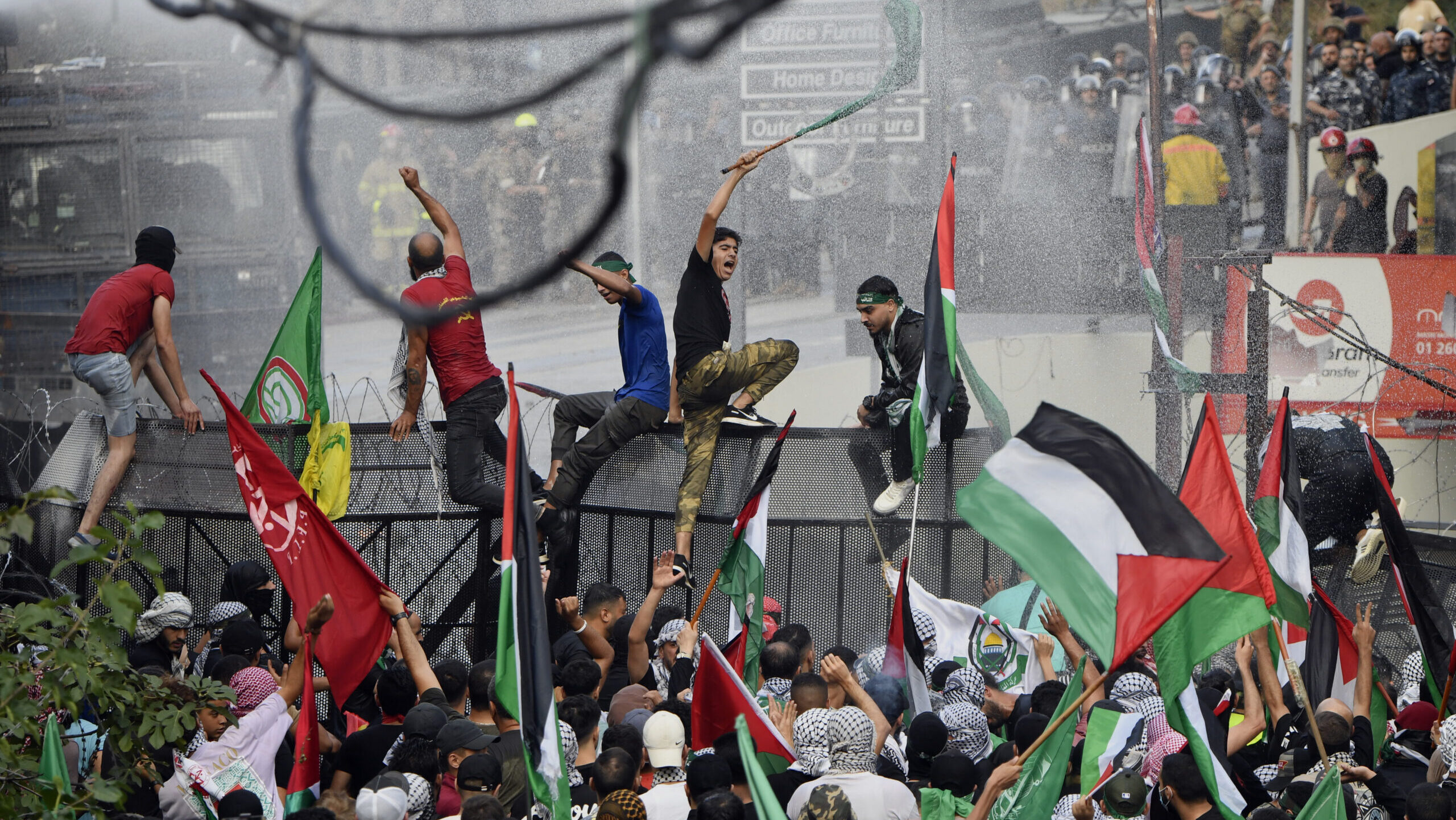
The conflict’s impact extends beyond the immediate war zone. Protests and violent clashes have erupted in several cities across the Middle East, reflecting widespread anger and solidarity with the Palestinian cause. Demonstrations have also taken place in Western capitals, urging governments to intervene and advocate for a peaceful resolution.

Israel has faced international scrutiny over its military actions. Human rights organizations have called for investigations into potential violations of international law, particularly regarding the targeting of civilian areas in Gaza and Lebanon. The Israeli government maintains that its military operations are in self-defense and aimed at minimizing civilian harm.

Diplomatic efforts to broker a ceasefire have thus far been unsuccessful. Egypt and Qatar have been particularly active in mediating between the conflicting parties, but both sides remain entrenched in their positions. The United States has expressed support for Israel’s right to self-defense while urging for measures to protect civilians and reduce casualties.

The economic repercussions of the conflict are also significant. Gaza’s infrastructure has suffered extensive damage, affecting essential services and livelihoods. In Israel, the economy faces disruptions from rocket attacks, with businesses and schools in affected areas forced to close temporarily.

Regional analysts warn that the ongoing hostilities could destabilize the broader Middle East, with potential spillover effects into neighboring countries. The involvement of Hezbollah and the airstrikes in Beirut indicate a risk of the conflict expanding beyond Gaza and Israel.

As the situation unfolds, the international community continues to monitor developments closely. The prospects for a lasting peace appear dim amid the current escalation, with deep-seated grievances and historical animosities driving the conflict.

Efforts to address the humanitarian crisis and rebuild trust between the parties are crucial for any future resolution. The global call for peace underscores the urgent need for dialogue and diplomacy to end the violence and pave the way for a sustainable solution.


Dubai is grappling with unprecedented heat, with temperatures soaring to levels that feel like 60°C (140°F), highlighting the city’s vulnerability to extreme weather conditions. This alarming phenomenon has intensified concerns about the impact of climate change on urban environments.

The recent heatwave has pushed Dubai’s temperature to its highest recorded levels, creating hazardous conditions for residents and raising significant health and safety concerns. The city’s infrastructure, designed to cope with high temperatures, is under strain as the heatwave exacerbates existing challenges related to water scarcity and energy consumption.

Experts attribute the soaring temperatures to a combination of climate change and urban heat island effects. The heat island effect occurs when urban areas experience significantly higher temperatures than their rural surroundings due to human activities and the concentration of buildings and roads. As global temperatures rise, cities like Dubai, with their dense construction and limited green spaces, are experiencing more severe temperature spikes.

The current heatwave is a stark reminder of the growing frequency and intensity of extreme weather events linked to climate change. According to climate scientists, rising greenhouse gas emissions are contributing to higher global temperatures, which in turn exacerbate local weather extremes. For Dubai, this means increased occurrences of dangerously high temperatures, putting additional pressure on its already strained resources.

Health professionals warn that prolonged exposure to such extreme temperatures can have severe consequences, including heat exhaustion and heatstroke. Vulnerable populations, including the elderly, children, and those with preexisting health conditions, are particularly at risk. Authorities are advising residents to take precautions, such as staying hydrated, avoiding outdoor activities during peak heat hours, and using air conditioning where possible.

In response to the heatwave, Dubai’s government has implemented several measures to mitigate the impact. These include increased monitoring of temperature levels, public health advisories, and enhanced cooling systems in public spaces. Additionally, there are ongoing efforts to improve urban planning and green infrastructure to help combat the heat island effect and provide more shade and cooling in the city.

The heatwave also poses challenges for the economy, particularly for industries dependent on outdoor work, such as construction and agriculture. Employers are being urged to implement heat stress management practices to protect workers and minimize productivity losses.

Looking ahead, Dubai’s experience serves as a critical case study for other rapidly growing cities facing similar climate-related challenges. It underscores the need for robust climate adaptation strategies and investment in sustainable urban development to safeguard against the growing risks of extreme weather.

As the situation continues to evolve, ongoing research and data collection will be essential in understanding the full impact of extreme heat events and developing effective mitigation strategies. For now, Dubai remains on high alert, navigating the immediate dangers posed by one of the hottest periods in its history.

ABU DHABI, 30 July 2024 — ADNOC has unveiled a significant advancement in its offshore operations with the Satah Al Razboot (SARB) oil field achieving a 25% increase in production capacity. This development is attributed to the integration of advanced digital technologies aimed at optimizing efficiency and output. The expansion comes as ADNOC continues to leverage cutting-edge technology to boost its production capabilities. The SARB field, which […]

VISHNU RAJA
RYO YAMADA
HITORI GOTOH
IKUYO KITA