News related to
Immediate

Suriname’s presidential candidate Maya Parbhoe has unveiled a groundbreaking strategy to transform the nation’s financial system by adopting Bitcoin as its primary currency, seeking to make Suriname a global pioneer in cryptocurrency-based governance. If elected, Parbhoe plans to declare Bitcoin as legal tender immediately and phase out the Suriname dollar (SRD), positioning the nation at the forefront of decentralized economic reform.

This initiative, inspired by El Salvador’s trailblazing adoption of Bitcoin, represents a broader ambition to overhaul the country’s financial framework and diminish reliance on international financial institutions, including the International Monetary Fund (IMF). Parbhoe envisions Bitcoin as not just a currency but a foundation for economic sovereignty and a shield against corruption.

Parbhoe’s proposal to introduce Bitcoin as legal tender hinges on its expedited implementation. The executive order required for this change, she asserts, could bypass legislative hurdles, ensuring rapid adoption. This measure would follow her inauguration, signaling the start of a comprehensive economic transition designed to dismantle existing financial hierarchies and empower local populations. With Bitcoin replacing the SRD as the national currency, Suriname could set an unprecedented example of large-scale cryptocurrency integration.

To facilitate this transition, Parbhoe has assembled a specialized economic advisory group, including Austrian economist Philip Baggis, who has extensive experience in decentralized financial systems. The advisory panel is drafting a roadmap to ensure a structured shift to Bitcoin while addressing potential legal and logistical challenges. This transformation, estimated to take two to three years, would also involve public education initiatives to familiarize citizens with cryptocurrency usage.

The candidate’s campaign has gained international attention, particularly among the global cryptocurrency community. A crowdfunding effort on Geyser, a platform tailored for Bitcoin projects, has so far raised approximately $45,000. This support has not only fueled her political campaign but also enabled local development projects, including technology centers and community food initiatives, reinforcing her image as a reformist leader.

Suriname’s modest economy and relatively small population provide an environment conducive to such a bold financial experiment. Parbhoe believes that adopting Bitcoin will allow the nation to bypass conventional financial constraints, reduce dependency on volatile currency exchange rates, and attract foreign investment. The revenue from oil reserves, projected to rise significantly by 2028, is another pillar of her strategy, aimed at repaying external debts and ensuring financial autonomy.

Critics, however, caution against the risks associated with volatile cryptocurrency markets and the social upheaval that could accompany such a sweeping economic change. Skeptics argue that a lack of infrastructure and widespread understanding of Bitcoin could create barriers to implementation, potentially alienating sections of the population and disrupting everyday transactions.

Exploring the Unique Characteristics of Tsuen Wan and Sha Tau Kok and Presenting Hong Kong’s Diverse Tourism Experience HONG KONG SAR – Media OutReach Newswire – 25 November 2024 – “Design District Hong Kong” (#ddHK) creative tourism project, organised by the Tourism Commission of Hong Kong, is set to return from 12 December 2024 to 14 February 2025, bringing visitors from around the world to explore the […]

A leading Thai official has underscored the inadequacy of current measures to combat the rising global temperature, emphasizing the need for urgent action at the ongoing UN climate change conference in Baku. Chalermchai Sri-on, Thailand’s Minister of Natural Resources and the Environment, voiced strong concerns about the global response to climate change at COP29, calling on world leaders to prioritize climate financing and effective solutions for the […]

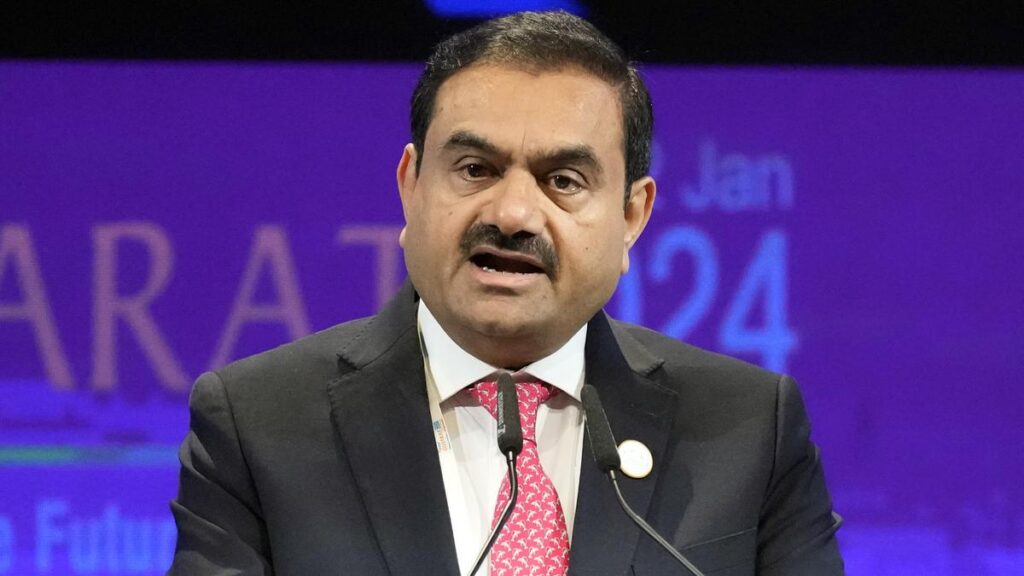
Adani Group’s bonds have seen a sharp decline, hitting their lowest levels in over a year, as concerns about bribery allegations and their potential impact on the conglomerate’s financial stability and global reputation intensify. This marks the latest chapter in the ongoing turbulence for one of India’s largest and most influential business groups. The drop in bond prices follows reports accusing the Adani Group of being involved […]

By Nantoo Banerjee If bribery is a common practice in business, and often viewed as the normal way of doing business in many countries, including India, there is little too sensational about the US Department of Justice indictment, last week, against India’s US$37-billion infrastructure conglomerate Adani group head Gautam Adani, his nephew Sagar Adani, Adani […]

The publishing rights for the action-adventure game *Shenmue 3* have officially shifted to Inin Games, marking a significant change in its distribution and future updates. This development follows a strategic move to expand the reach and availability of the game across various platforms. Inin Games, a company known for its work with retro titles and a growing portfolio, will now oversee the publishing and distribution of *Shenmue […]

Elon Musk and Jeff Bezos have become embroiled in a public spat over claims involving stock predictions tied to the 2024 U.S. presidential election. The conflict centers on Musk’s assertion that Bezos had advised people to sell stock in Tesla and SpaceX, speculating that Donald Trump would lose the upcoming election. Bezos has firmly rejected the accusations, labeling them as “100% not true.”

Musk, known for his outspoken commentary and influence across industries, made these claims during an appearance on a podcast, alleging that Bezos had encouraged investors to offload Tesla and SpaceX shares, based on his belief that Trump’s re-election bid would falter. The remarks have raised eyebrows, especially given the ongoing political climate and the volatility surrounding tech stocks and the stock market in general.

The controversy gained traction quickly, with Musk’s comments drawing attention from tech industry insiders, political analysts, and investors alike. Musk’s public persona often intertwines with his ventures in both technology and space exploration, creating a unique intersection where his statements on politics and business are heavily scrutinized. While some critics see his accusations as part of a broader tension with Bezos, others have raised questions about the implications such claims might have for investor sentiment.

Bezos, for his part, has vehemently denied the allegations. The Amazon founder, whose wealth and influence are often discussed in parallel with Musk’s, responded to the accusation through a spokesperson, who conveyed his strong disagreement with Musk’s narrative. “This is 100% not true,” the statement read, emphasizing Bezos’s position and distancing him from any involvement in discussions about selling stock based on political outcomes.

The timing of Musk’s claims is crucial, as both Tesla and SpaceX are closely linked to political developments in the United States. Tesla, a global leader in electric vehicles, has been a major topic of debate in the context of environmental policy and government incentives. SpaceX, a private space exploration company, often finds itself at the crossroads of technology and political agendas, with government contracts and space policy significantly impacting its operations.

Musk’s connection to Trump has long been a subject of interest. Musk has publicly supported Trump at various points during the former president’s tenure, even receiving praise from Trump himself. However, Musk’s ties to Bezos, who has had a more neutral stance in the political realm, have often been less clear-cut. Bezos, through his ownership of The Washington Post, has been seen as more directly involved in political discourse, and his views on policy have sometimes diverged from Musk’s, especially when it comes to environmental regulations and government subsidies for private companies.

Investors in both Tesla and SpaceX, two companies that Musk and Bezos are closely linked with, were quick to react to the public dispute. Stock prices of Tesla saw some fluctuations following Musk’s comments, although they remained relatively stable in the face of the accusations. SpaceX, being a privately held company, was not directly impacted in terms of stock price. However, analysts have noted that any potential friction between the two billionaires could lead to long-term repercussions, not just for their companies but for the wider tech and space industries.

The rift between Musk and Bezos could have broader implications beyond their personal feud. The public nature of their disagreement highlights the intersection of politics, business, and media in an era of increased polarization. Both men have significant influence over public perception, and their comments often carry weight far beyond the immediate context. Musk, who frequently uses Twitter to communicate with millions of followers, has been known to influence markets and public opinion with his words, while Bezos has a more traditional media influence through his ownership of The Washington Post and his broader media endeavors.

The stakes of the 2024 U.S. presidential election also contribute to the intensity of the dispute. As the election draws nearer, the rhetoric surrounding Trump’s potential victory or defeat will become increasingly important for business leaders, investors, and policymakers. Both Musk and Bezos have positioned themselves as influential figures in the U.S. economy, and their views on political outcomes may influence broader business strategies and investment patterns.

While both billionaires have become prominent figures in the public sphere, their relationship has never been without tension. Their rivalry has been marked by competition across multiple sectors, from space exploration to electric vehicles. Musk’s SpaceX competes directly with Bezos’s Blue Origin, a private space exploration venture, for government contracts and commercial partnerships. Tesla and Amazon also operate in parallel sectors, with Tesla’s electric vehicles posing a challenge to Amazon’s ambitions in sustainable energy and transportation.

Advertisements

HONG KONG SAR – Media OutReach Newswire – 22 November 2024 – The Hong Kong Productivity Council (HKPC) recently won the gold award in the “Government Public Relations” category at the 20th China Golden Awards for Excellence in Public Relations. This accolade recognises HKPC’s outstanding efforts in promoting New Productive Forces. The award ceremony took place on 15 November in Beijing. Ms Karen FUNG, Chief Marketing Officer […]

President-elect Donald Trump has appointed Scott Turner, a former NFL player and experienced public servant, to oversee the U.S. Department of Housing and Urban Development (HUD). Turner, who previously served as executive director of the White House Opportunity and Revitalization Council, will now lead efforts to address affordable housing, urban development, and homelessness in the nation’s growing metropolitan areas.

Scott Turner’s appointment has drawn attention due to his blend of athletic career achievements and his leadership role in public policy. Having worked closely with President Trump during his first term, Turner brings a practical understanding of the challenges facing low-income communities. His previous work involved spearheading initiatives to revitalize distressed neighborhoods, aiming to stimulate economic growth and improve living conditions.

Turner’s NFL career, although a central part of his public identity, is not the focal point of his qualifications for the HUD post. Instead, his background in community service and economic development stands out. He has focused his efforts on helping underserved communities, working to foster business investment in areas that have long struggled with high poverty rates and economic stagnation.

The HUD department, which plays a critical role in the housing market, has faced significant scrutiny over the years, especially concerning the affordability of housing and the challenges posed by homelessness in major cities. As the new head of HUD, Turner is expected to tackle these issues head-on, bringing a blend of policy expertise and a fresh perspective to the department. His work with the Opportunity and Revitalization Council, aimed at empowering economically disadvantaged communities, aligns with the broader goals of the HUD, focusing on job creation and urban renewal.

Turner’s track record as a former player in the NFL may not immediately seem related to his new role, but his time with the league instilled in him a team-oriented approach to problem-solving. These qualities are expected to be crucial in his leadership role at HUD, as the department requires effective coordination with local governments, nonprofits, and private sector entities to implement its programs successfully.

During his tenure at the Opportunity and Revitalization Council, Turner was instrumental in promoting the “Opportunity Zones” initiative, which aimed to bring investment to struggling areas through tax incentives. The program has received both praise and criticism for its mixed results in revitalizing economically distressed communities, but Turner’s role in its implementation has put him in a position to make a significant impact at HUD. His new appointment could signal a continuation of policies focused on economic regeneration through infrastructure and housing.

Despite his strong support for community development, Turner’s appointment also places him in the midst of an ongoing debate over affordable housing in the United States. The housing crisis, exacerbated by rising construction costs, limited availability of affordable units, and increasing demand in urban areas, is one of the biggest challenges facing policymakers. As the new head of HUD, Turner will be under pressure to implement policies that increase affordable housing stock while also addressing zoning regulations that have long been a barrier to housing development.

Affordable housing advocates have already begun voicing concerns over Turner’s approach. While he has championed economic growth and business development, critics argue that his focus on market-driven policies may not sufficiently address the immediate housing needs of low-income families. For Turner, striking a balance between stimulating investment and ensuring access to housing for vulnerable populations will be a critical challenge in his new role.

Turner’s leadership will be tested in the area of homelessness, an issue that continues to worsen in many parts of the country. Cities such as Los Angeles, San Francisco, and New York have seen a sharp rise in homelessness, with thousands of individuals living on the streets and in shelters. Turner’s experience with urban revitalization may be an asset in addressing this crisis, but the solutions required are multifaceted and will demand cooperation across various levels of government, nonprofits, and private organizations.

In addition to these challenges, Turner’s leadership will play a key role in shaping the direction of HUD’s policies on fair housing, discrimination, and community development. His approach to these sensitive issues will be closely watched, as HUD has historically been involved in enforcing civil rights protections in housing and ensuring that federally funded housing programs are free of discrimination. Turner’s ability to navigate these complexities while advancing the administration’s housing agenda will be a pivotal aspect of his tenure.

For President-elect Trump, appointing Turner underscores a broader vision of empowering communities through economic opportunity. Turner’s work with the Opportunity Zones and his commitment to revitalizing distressed neighborhoods align closely with the administration’s focus on creating jobs and fostering economic independence for American families. However, the true impact of Turner’s leadership at HUD will ultimately depend on his ability to address the growing housing needs of a rapidly urbanizing country while also ensuring that the most vulnerable populations are not left behind.

The International Criminal Court (ICC) has issued arrest warrants for Israeli Prime Minister Benjamin Netanyahu and former Defense Minister Yoav Gallant in connection with alleged war crimes committed during Israel’s military operations in Gaza. The charges stem from actions taken by Israeli forces that resulted in the deaths of civilians and the destruction of civilian infrastructure, which the ICC claims violated international law. The court’s decision marks […]

iShopChangi is throwing a year-end bash like no other! From now till December, get ready to snag spectacular deals of up to 60% off. Find everything from tech treasures to exclusive holiday beauty gift sets for early birds, perfect for gifting or treating yourself. Plus, stand a chance to score an exclusive Puffy Bag (Charcoal) with a Sanrio charm in an exclusive colour when you shop online […]

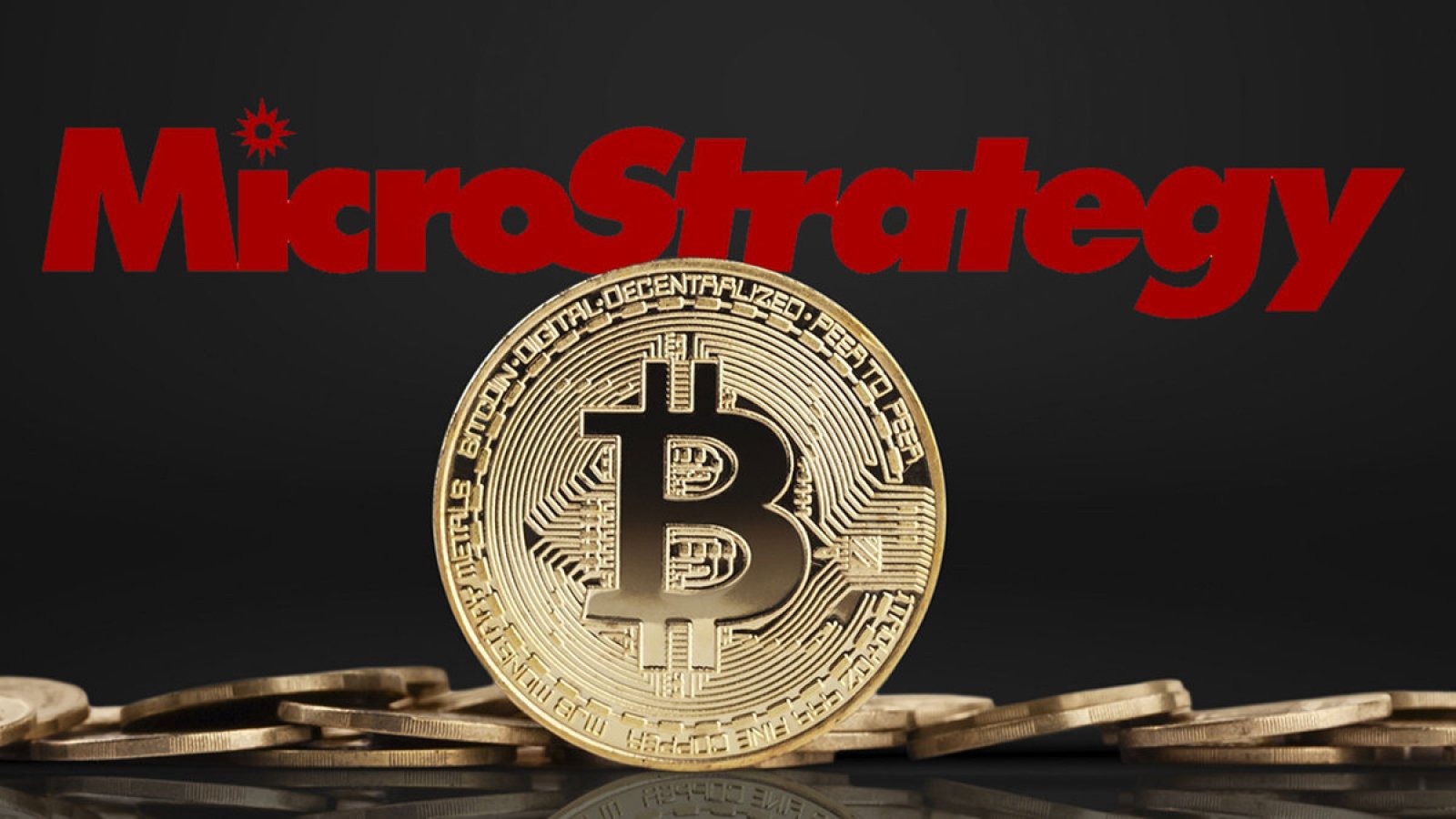
MicroStrategy has successfully completed the issuance of $3 billion in convertible senior notes, marking a significant move just three days after its initial offering. The company, known for its significant Bitcoin holdings, opted for the issuance as part of its strategy to bolster its financial flexibility. The move has attracted widespread attention due to the nature of the deal, which offers investors the opportunity to convert their debt into equity in the future, with a 0% interest rate attached to the notes.

The offering is part of the company’s ongoing efforts to raise capital, primarily to fund its Bitcoin investments. MicroStrategy’s strategy of accumulating Bitcoin over the years has been a key aspect of its business model, and this convertible note issuance is seen as a way to support its ambitious cryptocurrency acquisition goals without incurring immediate interest payments.

The $3 billion raised through this debt offering is a notable increase compared to its previous financing moves. The company had already raised substantial funds through similar offerings in the past, and with Bitcoin’s market fluctuations, the timing of this move is seen as a proactive measure. MicroStrategy’s ability to offer a 0% interest rate has been an enticing factor for investors, signaling confidence in the company’s future performance, even amidst the volatile nature of cryptocurrency markets.

Convertible notes have become a preferred financing option for firms like MicroStrategy, which are heavily involved in the cryptocurrency space. By issuing convertible debt, companies offer investors the potential upside of equity conversion while avoiding the pressure of paying interest, which could strain their balance sheets. The terms of the offering specify that the notes will mature in 2027, giving MicroStrategy ample time to execute its strategy and raise additional capital through its Bitcoin holdings.

The offering comes at a time when cryptocurrency markets are experiencing significant shifts, with Bitcoin prices seeing both upward and downward trends. This volatility makes financing through traditional methods such as equity offerings less appealing for companies like MicroStrategy, which is why convertible debt has become increasingly popular. By issuing these notes, MicroStrategy is able to maintain its focus on acquiring more Bitcoin, which it views as a long-term hedge against inflation and economic instability.

In terms of execution, the completion of the offering so quickly reflects MicroStrategy’s readiness and confidence in its financial strategy. The company was able to swiftly finalize the deal, a testament to its strong investor base and the strategic importance of its Bitcoin holdings. The capital raised from this offering will be used to buy more Bitcoin, aligning with the company’s goal of becoming the world’s largest corporate holder of the cryptocurrency. With this latest round of funding, MicroStrategy’s Bitcoin acquisition plan is set to continue, further solidifying its position in the market.

The notes issued are convertible into common stock at a premium to the current price of MicroStrategy’s shares, offering investors the possibility to benefit from future price appreciation. This structure is a clear indication that MicroStrategy anticipates growth in its stock value, which could eventually lead to profitable conversions of the debt into equity.

The company’s CEO, Michael Saylor, has been a vocal advocate for Bitcoin, emphasizing the cryptocurrency’s role as a store of value. Saylor’s firm stance on Bitcoin as a strategic asset has made MicroStrategy one of the most visible corporate players in the space. The company has continued to accumulate Bitcoin despite the fluctuations in market prices, demonstrating its unwavering commitment to the asset class. As of now, MicroStrategy holds over 150,000 Bitcoin, with the value of these holdings exceeding $4 billion at current prices.

The interest in convertible notes from investors is also reflective of the broader appetite for cryptocurrency exposure. The growing acceptance of Bitcoin and other digital assets in mainstream financial markets has led to an increase in investment vehicles that allow for indirect exposure to the cryptocurrency market. For MicroStrategy, this offering represents a savvy financial maneuver to maintain flexibility while continuing to build its Bitcoin portfolio.

Despite the volatility of Bitcoin and the broader cryptocurrency market, MicroStrategy’s approach to capital raising is attracting attention for its innovation and the company’s unique position in the tech and financial sectors. The move to issue convertible notes also signals that MicroStrategy is positioning itself to ride out any short-term market fluctuations while staying committed to its long-term Bitcoin acquisition strategy.

MicroStrategy’s latest financing effort marks a crucial step in its larger strategy of integrating Bitcoin into its corporate structure. While critics may question the company’s reliance on a volatile asset, MicroStrategy’s leadership remains focused on its vision for the future, with Bitcoin expected to play a central role in its corporate growth. By issuing convertible notes with a zero-interest rate, the company has secured the funds needed to continue its expansion in the cryptocurrency market without taking on additional financial strain.

Donald Trump’s Media and Technology Group (TMTG), parent company of Truth Social, has taken a significant step into the cryptocurrency sector. Reports suggest the company has filed a trademark application for “TruthFi,” signaling plans to develop a platform for cryptocurrency payments, digital asset custody, and trading. This move aligns with its reported discussions to acquire shares in Bakkt, a prominent cryptocurrency exchange platform backed by Intercontinental Exchange.

TMTG’s ambitions in the crypto domain appear to capitalize on the growing influence of digital assets. By potentially acquiring Bakkt, the company seeks to enhance its foothold in the emerging market of decentralized finance and digital payments. Bakkt’s infrastructure, which includes a consumer app for managing cryptocurrencies and other digital assets, could serve as a robust foundation for TMTG’s new venture. Market analysts speculate that this acquisition could bridge Truth Social’s ecosystem with blockchain technology, fostering a streamlined integration of social media and financial technology.

The decision comes during a bullish phase for cryptocurrencies. Bitcoin recently surpassed $93,000, buoyed by optimism surrounding President-elect Donald Trump’s policies, which are expected to favor a lighter regulatory approach to digital assets. This spike has further stimulated activity in the cryptocurrency market, with Ethereum and decentralized finance tokens also experiencing substantial gains.

Bakkt, which went public via a SPAC merger in 2021, has positioned itself as a significant player in the crypto market, offering a regulated platform for trading and managing digital assets. Its potential integration with TMTG could unlock opportunities for users seeking seamless transactions within a politically conservative ecosystem. Trump’s team has declined to comment on the acquisition, though Bakkt acknowledged the market speculation but refrained from issuing a confirmation.

The broader implications of this development extend beyond TMTG’s immediate interests. Analysts believe that a successful foray into cryptocurrency by Trump’s media group could reshape the financial technology landscape, especially by linking ideological media with decentralized finance. This could cater to a niche market of users aligned with Trump’s policies while leveraging the soaring popularity of cryptocurrencies.

Shares of Bakkt surged over 160% following reports of the potential deal, reflecting market optimism. Similarly, TMTG shares experienced fluctuations as speculation about the acquisition grew. Industry observers anticipate further volatility as negotiations progress, with a formal announcement expected to clarify the strategic objectives of the partnership.

As TMTG continues to diversify its portfolio, the integration of cryptocurrency services marks a transformative step in the evolution of its digital ventures. While the success of this endeavor hinges on regulatory approvals and market reception, the potential synergy between Truth Social’s platform and Bakkt’s crypto expertise underscores the growing intersection of media, politics, and finance in the digital age.

This strategic pivot also aligns with Trump’s broader vision to establish a technology-driven economy with minimal government intervention, appealing to proponents of blockchain innovation. As cryptocurrency adoption accelerates globally, TMTG’s initiatives could set a precedent for other media companies exploring similar integrations.

Saudi Aramco, the world’s largest oil company, is advancing its debt strategy, seeking to optimize financial resources while prioritizing consistent dividend payouts to its shareholders. This strategy aligns with the company’s broader goals to remain resilient in the face of global energy market fluctuations and economic challenges.

Aramco’s approach comes at a time when global oil markets are in a state of volatility, driven by geopolitical tensions, supply chain disruptions, and shifting demand. The company’s decision to increase its debt load is seen as an effort to safeguard its dividend policy, which is a critical aspect of its value proposition to investors. Aramco’s dividends have been a significant draw for shareholders, especially given the company’s size and influence in the energy sector.

The company’s recent bond issuance, one of the largest in its history, is a key element in this strategy. Analysts suggest that Aramco is strategically leveraging debt to bolster its liquidity while avoiding the pitfalls of excessive dependence on oil revenues alone. As oil prices fluctuate, Aramco has turned to debt instruments to help ensure stability in its cash flow, a move that underscores its commitment to its long-standing dividend policy.

In its latest move, Aramco plans to issue more bonds and engage in strategic financing activities. The company has emphasized that this will allow it to balance its capital expenditures, which include investments in both upstream and downstream operations, while maintaining robust dividends for its stakeholders. By strengthening its debt profile, Aramco is positioning itself for long-term sustainability, despite potential market risks.

The strategy is designed to support Aramco’s ambitious growth plans. These include continuing investment in key oilfields and enhancing its refining and chemical operations, which are integral to its diversification efforts. The company has also focused on its low-carbon initiatives and investments in renewable energy, both of which have become critical to securing its future in an energy transition world.

With the global energy landscape in flux, Aramco’s management is keenly aware of the pressures that both internal and external factors exert on the company’s financial performance. The increase in debt comes at a time when the company must balance short-term obligations with long-term growth objectives. As part of this initiative, Aramco has reassured investors that the funds raised through debt will be used strategically to support both its operational goals and financial returns.

Aramco’s expanded debt strategy is expected to ensure its ability to maintain a competitive edge in an increasingly dynamic and uncertain energy market. The company’s solid track record of profitability, bolstered by its vast reserves and global footprint, provides a foundation for this enhanced financial approach. By strategically increasing its debt levels, Aramco aims to navigate the unpredictable nature of the oil market while positioning itself as a financially stable and attractive option for investors.

Financial analysts closely monitoring Aramco’s moves believe that the company’s debt strategy could have wider implications for the energy sector. As the global energy transition accelerates, many energy giants are exploring similar strategies to adapt to new market conditions. For Aramco, the challenge will be balancing its debt load with continued operational success, especially as global energy consumption patterns evolve.

Some experts suggest that while Aramco’s strategy to increase debt is sound in the short term, it could present challenges in the longer term, particularly if energy prices experience sustained declines. The company’s massive capital expenditures in the form of infrastructure development and the diversification into non-oil sectors could be financially strained if global oil prices slump. However, with its deep pockets and strong backing from the Saudi government, Aramco is likely to weather these challenges better than most.

Aramco’s increasing reliance on debt raises broader questions about the future of the global energy sector, especially among state-owned oil giants. The move is seen as a response to the changing dynamics of global energy, where sustainability and long-term shareholder value are becoming more important than immediate profits. For Aramco, the shift in focus to maintaining dividends through debt could mark a new phase in its evolution, one where financial flexibility becomes as important as its oil and gas output.

Saudi Aramco is set to bolster its financial positioning by increasing its debt levels, as it aims to continue delivering substantial dividends to shareholders. The decision is part of a broader strategy to maintain its capital return policy while balancing the financial demands of its massive oil and gas operations. The move highlights the company’s commitment to rewarding investors, even as it navigates the complex global energy market.

In a statement issued by the oil giant’s Chief Financial Officer, Aramco emphasized that the increased debt would help facilitate its expansion plans, while also ensuring the growth of its dividend payouts. These dividends have been a key component of Aramco’s investment appeal, with the company previously distributing more than $75 billion to its stakeholders in 2023 alone. The plan to take on more debt underscores a long-term commitment to high dividend levels, despite fluctuations in global oil prices and other macroeconomic factors.

Aramco’s pivot towards debt financing is indicative of its effort to balance its need for reinvestment in oil and gas infrastructure with the demands of shareholders seeking stable returns. Analysts suggest that this move could help the company better withstand market volatility and competition within the global energy sector. However, the strategy also places additional pressure on the company’s financial structure, as it may increase the burden of debt servicing over time.

The company’s debt-to-equity ratio and overall leverage are expected to come under scrutiny as it embarks on this new strategy. While Saudi Aramco remains one of the world’s most profitable companies, critics warn that heavy reliance on debt could expose it to risks if oil prices decline sharply or if geopolitical tensions disrupt supply chains. Nonetheless, Aramco’s financial management team remains confident that the company’s robust cash flow and diversified assets will allow it to service this debt while maintaining its dividend policy.

Aramco’s decision to increase debt comes as oil prices face pressure from a combination of global supply challenges and shifting demand patterns. While the global energy landscape remains unpredictable, Aramco has been consistently outperforming its peers, with solid profits in the last few quarters despite fluctuating crude prices. The company is focusing on maintaining its dominance in the energy sector by investing heavily in both upstream and downstream operations, while also seeking growth in renewable energy projects.

The Saudi oil giant’s move also aligns with its broader goal of diversifying its portfolio to reduce its dependency on crude oil revenue. With a growing interest in natural gas, petrochemicals, and renewable energy ventures, Aramco is looking to adapt to the shifting energy market. This diversification strategy, alongside its increasing debt, suggests that Aramco is positioning itself not only for immediate financial stability but also for long-term resilience.

Despite the challenges posed by shifting global energy markets, Saudi Aramco’s financial position remains strong. The company continues to be a key player in both the energy market and global finance, with investors closely watching its strategies for growth and sustainability. As Aramco ramps up its debt, it also seeks to maintain its reputation as a leading source of stable returns for its investors, cementing its status as one of the world’s most valuable companies.

One of the key aspects of Aramco’s financing strategy is its commitment to shareholder returns, a factor that has long been a hallmark of the company’s business model. As global energy demand fluctuates, Aramco has made it clear that it intends to prioritize its dividend payments as a central element of its financial strategy, which could provide stability to its investors in uncertain times.

However, Aramco’s decision to increase debt is not without its critics. Some experts believe that the move could signal potential concerns over the company’s long-term growth prospects, particularly if energy transition efforts in key markets reduce reliance on fossil fuels. The company’s substantial cash reserves have long been a point of pride, and while debt can provide short-term liquidity, some analysts caution that a more aggressive debt strategy could limit flexibility in the future.

Ultimately, the decision to take on more debt aligns with Aramco’s strategy to balance dividend growth with sustainable investments in its operations and energy diversification. The company’s financial team has expressed confidence that this approach will allow Aramco to meet the demands of its investors while also securing its future in an evolving global energy market.

TAIPEI, TAIWAN – Media OutReach Newswire – 20 November 2024 – As Taiwan’s leading tech media powerhouse, TVBS consistently pioneers in merging advanced technology with high-quality journalism, delivering timely and accurate global news to Taiwanese audiences. With the 2024 U.S. presidential election drawing close competition between the two main candidates, the vote-counting process captivated viewers in Taiwan. On election day, TVBS News Channel, TVBS Channel, and TVBS […]

Russia has announced plans to ban cryptocurrency mining in the territories of Ukraine that it currently occupies, including Donetsk, Luhansk, Zaporizhia, and Kherson regions. This move follows growing concerns about the strain mining operations have placed on the local power infrastructure, which is already grappling with severe shortages and capacity challenges as winter approaches.

The decision comes as Russia faces increasing pressure to manage energy resources more efficiently in these regions, where power outages and instability in the electrical grid have become more common. Authorities have pointed to the significant energy consumption of cryptocurrency mining as a contributing factor to the grid’s instability. Mining operations, which require massive amounts of electricity to power the high-performance computers used to mine digital currencies, have added further stress to an already fragile system, especially as the colder months demand more heating.

In a statement, Russian officials said that the ban would help ensure a more reliable power supply for both residents and essential services in the affected territories. With an already strained energy network, the decision was framed as a necessary step to safeguard the well-being of the local population and support the stability of the electrical grid.

Experts have long raised alarms about the high energy consumption required by the cryptocurrency sector. Mining operations, which often involve running thousands of specialized machines around the clock to solve complex algorithms, consume enormous amounts of electricity. According to some estimates, a single mining rig can use the same amount of power as several households combined, and when scaled up to the industrial level, the energy demands are considerable. This excessive consumption has raised concerns not only in Ukraine but in other parts of the world where crypto mining has been blamed for contributing to power shortages.

While the ban is officially positioned as a necessary measure to address energy shortages, it also reflects the broader geopolitical context of the ongoing conflict. The territories in question have been under Russian control since the early days of the invasion, and the move to restrict cryptocurrency mining underscores the ongoing efforts by Russian authorities to consolidate control over the occupied areas. Mining had become an increasingly important industry in these regions, particularly as a source of revenue for both local residents and military forces operating there. As cryptocurrency continues to grow in popularity worldwide, the sector has proven resilient even in conflict zones, offering financial opportunities amid the chaos.

Despite these efforts, Russia has faced significant challenges in maintaining control over its occupied territories. Energy shortages are not the only issue. Infrastructure damage, disruptions caused by ongoing conflict, and the difficulty of integrating these regions into Russia’s broader economic and administrative systems have all contributed to a complex and unstable situation. The decision to halt crypto mining highlights the Russian government’s attempts to prioritize short-term stability in the face of mounting pressures on the local economy and infrastructure.

The energy situation in the occupied territories has been dire for some time. Power plants and other critical energy infrastructure have been damaged or destroyed in the ongoing conflict, leading to frequent power outages. The electrical grid is struggling to meet the needs of both civilians and military operations, and officials have warned that the situation could worsen as winter approaches. With heating demands set to increase, the government is taking steps to ensure that enough energy is available to meet these needs, and halting energy-intensive operations like crypto mining is seen as a necessary part of the solution.

The ban also comes at a time when Russian authorities are looking for new ways to exert control over the cryptocurrency market. While Russia has not yet passed comprehensive legislation to regulate or ban cryptocurrency nationwide, the country has taken steps to curb the use of digital currencies in some sectors of the economy. The government has expressed concerns about the use of cryptocurrencies for illicit purposes, including money laundering and financing of criminal activities. The cryptocurrency mining industry, despite its growing significance, remains controversial in Russia, where authorities are wary of its potential to undermine traditional financial systems.

For now, the crypto mining ban in these occupied Ukrainian regions will likely have significant implications for the industry. Miners will be forced to shut down operations or relocate to other areas where mining remains legal, potentially causing disruptions in the flow of digital currencies in these regions. At the same time, the move is likely to generate mixed reactions among the local population, some of whom may have relied on mining as a source of income in the absence of stable employment opportunities.

The decision has also raised questions about Russia’s long-term strategy in these territories. While the ban may address immediate energy concerns, it may also serve to reinforce Russia’s growing control over the region’s economy. By restricting activities like crypto mining, Russia can assert more authority over the local population’s economic activities, potentially increasing its leverage in negotiations over the future of these territories.

A pivotal chapter in gaming history, *Half-Life 2* remains a benchmark in storytelling, game mechanics, and immersive environments, redefining what players could expect from interactive entertainment. First released in 2004 by Valve Corporation, this game continues to draw admiration for its blend of narrative depth and technological innovation. The portrayal of its dystopian world, set in City 17 under the alien Combine regime, merges art and atmosphere to create a timeless experience.

The game begins with protagonist Gordon Freeman awakening from stasis under the cryptic guidance of the G-Man, immediately plunging the player into a world ruled by oppression. From the unsettling train ride into City 17 to the authoritarian grip of masked Combine soldiers, the opening sequence establishes the stakes with cinematic intensity. Freeman’s journey, silent but compelling, underscores the resilience of humanity in the face of overwhelming control.

Valve’s use of the Source Engine elevated the visual and interactive elements of *Half-Life 2*. The engine introduced advanced physics through the Havok engine, allowing objects to behave with a realism previously unseen in games. From solving physics-based puzzles to leveraging the iconic Gravity Gun, the gameplay demanded ingenuity, giving players an unprecedented sense of agency.

Narrative complexity further sets *Half-Life 2* apart. Freeman’s allies, including Barney Calhoun, Dr. Kleiner, and Alyx Vance, are richly characterized, with dialogue and interactions that foster emotional investment. Alyx’s AI and the dynamic interactions with her companion, Dog, showcased how character design could drive gameplay while enhancing the story. These relationships lent humanity to a game rooted in a bleak, Orwellian premise.

The oppressive architecture of City 17 and the menacing Striders, mechanical Tripods patrolling the streets, reflect the artistry of the game’s environment design. Coupled with a meticulously crafted soundscape—where ambient noise and character voice work complement the visuals—the game achieves an immersive experience. Iconic moments, such as the eerie Ravenholm sequence, highlight Valve’s mastery of pacing and suspense, leaving a lasting impact on players.

MicroStrategy, a leading business intelligence firm, has put forward a proposal to raise $1.75 billion through a private offering of zero-interest, convertible senior notes due in 2029. The company plans to use the funds to increase its Bitcoin holdings, continuing its aggressive strategy of building a digital asset portfolio.

The firm’s previous financing effort, a $21 billion stock offering, allowed it to acquire 51,780 Bitcoin (BTC), spending $4.6 billion in the process. This investment has proven profitable, yielding a quarter-to-date return of 20.4% and a year-to-date return of 41.8%. As of mid-November 2024, MicroStrategy holds 331,200 BTC, acquired for approximately $16.5 billion.

This latest venture underscores MicroStrategy’s unyielding commitment to Bitcoin as a store of value, as the company pursues further expansion of its cryptocurrency reserves. MicroStrategy’s decision to raise funds through convertible notes is seen as a way to hedge against potential volatility in the digital currency markets, while continuing to capitalize on Bitcoin’s long-term potential.

Despite some critics who caution about the company’s growing reliance on Bitcoin, MicroStrategy’s actions reflect a broader trend in the tech and corporate sectors, where companies are increasingly exploring Bitcoin not only as an investment but also as a treasury reserve asset. The company’s innovative financing model, coupled with its strategic Bitcoin purchases, has positioned it as one of the most significant corporate holders of the cryptocurrency.

MicroStrategy’s Bitcoin strategy is notably overseen by its executive chairman, Michael Saylor, a vocal advocate for Bitcoin who has often cited the asset’s inflation-hedging properties. Saylor, who co-founded the company, has been instrumental in shaping its direction, and his firm belief in Bitcoin’s future has sparked significant discussion about its role in corporate treasury management.

The tech firm’s focus on Bitcoin, despite fluctuations in cryptocurrency prices, highlights its broader vision of leveraging digital assets for long-term growth. With the current economic landscape marked by uncertainty around traditional financial markets, MicroStrategy’s decision to double down on Bitcoin reflects confidence in the digital currency’s potential to outperform conventional assets over time.

MicroStrategy’s previous $21 billion stock offering and its use of funds for Bitcoin purchases have drawn attention from investors, analysts, and industry watchers. The decision to raise $1.75 billion through a private offering of convertible notes is seen as a calculated move to further solidify its position as one of the largest holders of Bitcoin among publicly traded companies.

The issuance of zero-interest, convertible senior notes is seen as a way to limit the immediate financial impact on the company, allowing it to raise capital while minimizing its debt obligations. The convertible feature of the notes also offers investors the opportunity to convert their debt holdings into equity, giving them exposure to the company’s future growth potential.

The proposed offering could also be viewed as a response to fluctuating Bitcoin prices, which can often be volatile in the short term. By issuing debt in the form of convertible notes, MicroStrategy can raise funds without immediately impacting its cash flow or triggering significant equity dilution, which may be an attractive option for both the company and potential investors.

As MicroStrategy moves forward with its plans, questions remain regarding the long-term sustainability of such a strategy. While Bitcoin has delivered strong returns over the past few years, its volatile nature raises concerns about the company’s exposure to risk. Some critics warn that the firm’s heavy reliance on Bitcoin could become a liability if the cryptocurrency market experiences a downturn.

Nonetheless, MicroStrategy’s persistence in its Bitcoin acquisition strategy has earned it recognition in the financial world. The company’s Bitcoin purchases have had a notable impact on the market, as institutional interest in the digital currency continues to grow. Its strategic moves have helped solidify the notion that Bitcoin is a serious asset class, not just for retail investors but also for large corporations and institutional players.

As the company continues its Bitcoin-focused strategy, industry experts remain divided on the future of such an approach. Some argue that Bitcoin’s inherent volatility makes it a risky asset for corporate treasuries, while others believe that it presents a unique opportunity for companies to diversify their holdings and protect against inflation. MicroStrategy’s willingness to take on that risk may be seen as a bold move in a market still rife with uncertainty.

The United Nations General Assembly has overwhelmingly voted in favor of a resolution recognizing the right of the Palestinian people to self-determination, paving the way for the establishment of an independent Palestinian state. A total of 170 countries supported the resolution, signaling strong international backing for the Palestinian cause, while six nations, including Israel and the United States, voted against it. Nine others abstained from the vote, […]

A member of Georgia’s opposition party, Unity – National Movement, disrupted a meeting of the Central Election Commission (CEC) on Friday by throwing black paint at CEC Chairman Giorgi Kalandarishvili. The act was a protest against what Kirtadze, the opposition lawmaker, referred to as alleged election fraud, prompting an immediate suspension of the meeting. The chaotic scene unfolded as Kirtadze, visibly upset, called the act a symbol of his party’s deep concerns regarding electoral integrity.

Following the incident, the security service swiftly intervened and escorted Kirtadze out of the hall. The confrontation has sparked outrage across the political spectrum, further heightening tensions in the country’s already polarized political environment.

The opposition Unity – National Movement party has long accused the ruling government of manipulating elections to secure its hold on power. The protest during the CEC meeting, which was intended to address upcoming elections, underscores the growing dissatisfaction with the election process in Georgia, especially in the wake of controversial results in previous ballots.

Following the interruption, Kalandarishvili, the CEC Chairman, assured the public that despite the disruption, the meeting would reconvene once order was restored. The CEC stressed its commitment to overseeing free and fair elections, despite the disruptions caused by opposition protests.

Kirtadze’s action has raised alarms about the growing volatility in Georgia’s political landscape. While the act was condemned by some, it resonated with many opposition supporters who have voiced their frustrations over the government’s grip on electoral processes. This attack is seen as a dramatic gesture aimed at drawing international attention to the alleged shortcomings of Georgia’s election system.

The Unity – National Movement party has called for an immediate review of the election procedures and has threatened further demonstrations if their demands are not met. The political crisis in Georgia has been escalating in recent months, with frequent clashes between opposition forces and the government. Both sides accuse each other of undermining democracy, leading to widespread protests across the country.

Georgia’s Central Election Commission has historically been a source of contention. While the government insists that elections are fair, opposition groups remain skeptical. The credibility of the election process has been a contentious issue ever since Georgia’s 2020 parliamentary elections, which were marred by accusations of voter manipulation and fraud. Despite international calls for reform, the allegations have continued to dominate public discourse.

The act of throwing paint, while symbolic, highlights a growing sense of desperation within the opposition, which believes that peaceful protest is no longer enough to sway the government. The move to physically confront Kalandarishvili, who has been a central figure in the commission, reflects the intensifying battle for political legitimacy.

The ruling Georgian Dream party has condemned Kirtadze’s actions as an unacceptable form of protest, urging for greater political maturity. However, this event has undoubtedly added fuel to the already heated political climate in Georgia.

International observers have expressed concern about the impact this incident may have on the upcoming elections. While Georgia has made significant strides in its democratic transition over the past decade, the political scene remains fraught with challenges. The incident at the CEC is a stark reminder of the fragility of the country’s electoral process.

Kirtadze’s actions, though widely seen as extreme, are indicative of the mounting pressure opposition parties face in Georgia. As the 2024 elections approach, opposition groups have vowed to continue their fight for electoral reforms, and many are prepared to escalate protests if their demands are not addressed.

The U.S. Department of Government Efficiency is actively exploring the integration of blockchain technology into the federal election process, with the aim of introducing a blockchain-based “eVote” system for voting and identity verification. This initiative could reshape the integrity and accessibility of U.S. elections by harnessing the security and transparency benefits of blockchain.

Sources indicate that this initiative is under early-stage discussions, with the possibility of collaborations involving major blockchain platforms such as Cardano, Hyperledger, Hedera, and X. These partnerships could provide the technical expertise required to build a decentralized and secure system capable of ensuring the integrity of voter data and votes cast during elections.

The potential of blockchain in this context lies in its ability to create immutable records, which would make the voting process more transparent and less vulnerable to manipulation or fraud. This digital voting infrastructure could streamline the electoral process, providing a seamless and secure way for eligible voters to cast ballots remotely, particularly for those unable to attend polling stations due to geographic or physical constraints.

The system being explored would also introduce a blockchain-based identity verification process, designed to prevent voter impersonation and ensure that each eligible voter has a secure method to authenticate their identity. The integration of blockchain could address longstanding concerns over election security and access to voting, making it a key area of focus for federal authorities.

In addition to enhancing election security, proponents argue that such a system could lower operational costs by reducing reliance on traditional physical infrastructure. The deployment of digital voting could enable faster results, as votes would be counted automatically and immediately upon submission.

Global climate goals are facing an escalating challenge as the 1.5°C target, a key ambition set under the Paris Agreement, increasingly appears unattainable. Despite decades of concerted global efforts, the pace of emissions reductions has remained insufficient to halt the ongoing rise in global temperatures. Many experts now argue that it is time to reassess strategies and focus on more adaptable and pragmatic climate solutions. The central […]

Keeping seniors active is crucial for their health and well-being. Yet, many traditional group fitness drills can be too intense for older adults with limited mobility. The good news is, there are many fun, effective exercise routines for seniors. They can be easily adapted to meet their needs. If you’re a fitness instructor or a family member trying to help, knowing how to modify exercises can make […]

VISHNU RAJA
RYO YAMADA
HITORI GOTOH
IKUYO KITA