News related to
Immediate

An artificial intelligence model is transforming diabetic macular edema (DME) screening, offering significant potential for enhancing care in low-resource environments. Researchers have developed a technique focusing on privacy preservation, generalizability, and the ability to account for uncertainty, which are crucial in improving the accuracy and accessibility of DME screening.

Diabetic macular edema, a leading cause of vision impairment among diabetic patients, has been a significant challenge in many parts of the world, particularly in regions with limited healthcare resources. The AI-based screening model addresses these challenges by providing a scalable and cost-effective solution that can be deployed in areas where specialized medical professionals and advanced diagnostic tools are scarce.

This AI model is designed to detect diabetic macular edema through retinal images, analyzing them with high precision. By ensuring the model’s generalizability, the developers have made it adaptable to various populations, regardless of differences in demographics or healthcare infrastructure. This adaptability is critical for its application in diverse settings, from rural clinics to urban hospitals.

One of the key features of the model is its ability to preserve patient privacy. In the age of big data and increasing concerns about personal data security, the model employs techniques that minimize the risk of sensitive information being exposed. This approach not only aligns with ethical standards but also encourages the adoption of AI technologies in healthcare by addressing one of the major concerns of patients and providers alike.

Moreover, the model incorporates a provision for uncertainty, a crucial aspect that enhances the reliability of the screening process. By quantifying the level of confidence in its predictions, the AI system allows healthcare providers to make more informed decisions, potentially reducing the risk of false positives and negatives. This feature is particularly beneficial in low-resource settings, where the consequences of diagnostic errors can be more severe due to the lack of immediate access to secondary or confirmatory testing.

The innovative model has already shown promising results in clinical trials, where it has been able to match or even surpass the performance of human specialists in detecting DME. Its deployment could lead to earlier and more accurate diagnoses, enabling timely interventions that could prevent vision loss in many patients.

As the technology continues to evolve, experts suggest that future developments should focus on incorporating multimodal imaging inputs. This could include combining data from various imaging techniques, such as optical coherence tomography (OCT) and fundus photography, to provide a more comprehensive analysis of the retinal condition. Additionally, further enhancements could aim at detecting center-involved diabetic macular edema, a specific type of DME that is directly associated with severe vision loss.

The application of AI in diabetic macular edema screening marks a significant step forward in the fight against diabetes-related blindness, particularly in underserved regions. By leveraging advanced algorithms and ensuring the ethical use of patient data, this model could pave the way for more accessible and effective eye care globally.

By Nitya Chakraborty The interim Government in Bangladesh led by Dr. Muhammad Yunus has achieved big success in the last few days in persuading the Biden administration to help in bailing out the country’s ailing economy to meet the immediate challenges of the post-Hasina administration. Interim Government head Dr. Md. Yunus who has good friends […]

Bitcoin has experienced a notable increase in outflows from exchanges, driven largely by large-scale transactions. Data indicates that substantial withdrawals have surged, reflecting a reaction from significant investors to the cryptocurrency’s fluctuating prices. This trend underscores the growing sentiment among major players to secure their holdings amid market volatility. Recent analytics reveal that Bitcoin outflows from exchanges have reached unprecedented levels. Over the past few weeks, the […]

Huawei Technologies Co. has announced a major product launch event scheduled for hours after Apple Inc. unveils its iPhone 16, intensifying the competition between the tech giants. The strategic timing of Huawei’s event is poised to capture the global spotlight immediately following Apple’s showcase, as both companies vie for consumer attention and market share in the highly competitive smartphone sector. The upcoming event, set to take place […]

Brazil has officially suspended the social media platform X, owned by Elon Musk, following a court order from Supreme Court Justice Alexandre de Moraes. The suspension is the result of X’s failure to comply with a mandate to appoint a legal representative in the country and pay fines totaling 18.5 million reais ($3.28 million). The ban is part of a broader conflict between Musk and Brazilian authorities, which also saw the freezing of financial accounts tied to Musk’s Starlink service.

Justice de Moraes ordered the immediate shutdown of X, citing the platform’s repeated non-compliance with Brazilian law. The ban is accompanied by stringent measures to prevent users from accessing X via virtual private networks (VPNs), with hefty daily fines imposed on those who attempt to bypass the blockade. The situation has sparked widespread controversy, with figures both in Brazil and internationally criticizing the move as a suppression of free speech.

Elon Musk, who has been vocal about his commitment to free speech, expressed outrage over the ban. He accused the Brazilian government of authoritarian behavior, likening the actions of the administration to those of oppressive regimes. The suspension of X has also drawn criticism from various political and social commentators, who see it as a dangerous precedent for censorship in the digital age.

Brazilian President Luiz Inácio Lula da Silva defended the court’s decision, stating that all entities operating within Brazil must adhere to the country’s laws. He emphasized that foreign companies are not exempt from Brazilian legal requirements, a sentiment echoed by Justice de Moraes in his ruling. This legal battle marks a significant moment in the ongoing global discourse on the regulation of social media platforms and the balance between free speech and legal accountability.

The ban on X has driven many Brazilian users to seek alternatives, with platforms like Bluesky seeing a surge in new registrations. This shift highlights the growing concern among users about the potential for governmental overreach and the future of free expression online. The implications of this legal standoff extend beyond Brazil, as global observers watch closely to see how it may influence social media regulation worldwide.

As the situation continues to develop, it remains to be seen how Musk and X will respond to the Brazilian government’s actions and whether this conflict will escalate further. The outcome could have far-reaching consequences for the relationship between tech giants and sovereign states, as well as the broader fight over digital rights in the 21st century.

Armacell, a leading player in the flexible foam and engineered foams sector, has fully acquired JIOS Aerogel shares from its joint venture partner JIOS. This move marks a significant shift as JIOS refocuses on the electric vehicle market, while Armacell aims to enhance its aerogel production capabilities.

The acquisition of JIOS’s stake in Armacell JIOS Aerogels Limited (AJA) follows the joint venture’s notable success since its establishment in 2016. Initially set up to leverage JIOS’s patented silica aerogel technology, AJA has thrived under Armacell’s global sales and marketing network. The joint venture has become renowned for its ArmaGel® product line, which serves high-temperature and cryogenic insulation needs in the energy industry.

Armacell’s move to acquire full ownership of AJA aligns with its strategy to expand its presence in the aerogel market. The company’s investment aims to boost its production capabilities at AJA’s facility in Cheonan, South Korea. This plant is currently capable of producing over 700 tonnes of aerogel powder annually, with immediate plans for expansion to meet growing market demands.

The acquisition underscores a broader trend of specialized material companies realigning their business strategies. As JIOS channels its resources toward the burgeoning electric vehicle sector, Armacell is reinforcing its position in the aerogel segment, known for its unparalleled insulation properties. Aerogel, recognized as the world’s lightest solid material, offers superior thermal insulation, making it a valuable asset in various industrial applications.

Armacell’s expansion into a fully integrated aerogel producer highlights the company’s commitment to innovation and market growth. The full acquisition of AJA will enable Armacell to consolidate its position as a leading manufacturer of advanced insulation materials, leveraging the synergies of its established global network and JIOS’s technological expertise.

The move also reflects an increasing focus on strategic partnerships and acquisitions within the industrial materials sector. Companies are adapting to evolving market demands by reconfiguring their portfolios and capabilities to maintain competitive advantage.

The evolution of Armacell’s involvement in the aerogel market signifies a pivotal moment in its growth strategy, setting the stage for new developments in the field of high-performance insulation materials.

KUALA LUMPUR, MALAYSIA – Media OutReach Newswire – 2 September 2024 – The influence of presidential elections on financial markets is often temporary. Still, the psychological effect of elections on traders and investors can cause emotional and illogical behaviour, contributing to increased market swings. Apart from the White House, the Senate is also up for grabs this fall, and the balance of power inside the legislative branch […]

Advertisements

Rescue operations in Kerala’s Wayanad district are facing severe challenges as a massive landslide near Mundakkai has left large boulders and debris precariously hanging over the area. The landslide, triggered by heavy rains, has already caused significant damage, and the risk of further landslides looms over the region. Efforts to clear the debris and stabilize the area have been hampered by continuous downpours, making it difficult for […]

The Osteoporosis Society of Hong Kong (OSHK) Launches Groundbreaking Clinical Guidelines to Combat Growing Public Health Burden HONG KONG SAR – Media OutReach Newswire – 1 September 2024 – Alarming Burden of Fragility Fractures in Hong Kong The burden of osteoporosis in Hong Kong has reached alarming levels, with a staggering 51.2% surge in fragility fractures over the past 14 years. The number of cases has skyrocketed […]

India is poised to benefit from an anticipated surge in monsoon rainfall next month, according to the latest weather forecasts. The meteorological department has predicted above-average precipitation for the concluding phase of the June-September monsoon season, offering a significant boost to agricultural productivity. This optimistic forecast comes as a relief to the nation’s farmers who have been grappling with fluctuating weather patterns affecting crop yields. The expected […]

A massive die-off of freshwater fish has transformed a stream in Volos, Greece, into a grim spectacle. The crisis emerged as receding floodwaters carried thousands of fish from a freshwater environment into saltwater conditions, leading to their demise. The high concentration of decomposing fish has choked the stream, causing significant disruptions in the local area. The die-off began after heavy rains and flooding caused the river to […]

One of Ukraine’s F-16 fighter jets was downed while attempting to repel a large-scale Russian missile and drone attack earlier this week, marking the first loss of the U.S.-supplied aircraft since its introduction into the Ukrainian arsenal. The incident has sparked significant concern within Kyiv’s military leadership and resulted in the dismissal of the country’s air force commander, Lt. Gen. Mykola Oleshchuk.

The crash occurred amid an intensifying wave of Russian assaults across various regions of Ukraine. Although the exact cause of the crash remains under investigation, there have been unverified claims that the F-16 may have been mistakenly hit by a Patriot air-defense system. Ukrainian authorities have not confirmed this scenario, but the allegation has already led to heightened tensions within the Ukrainian government and military.

In a swift response, President Volodymyr Zelenskyy removed Oleshchuk from his position, citing the need to enhance the protection of military personnel and ensure stronger command-level decisions. Lt. Gen. Anatolii Kryvonozhko was appointed as the acting air force commander, with immediate tasks focused on reviewing the incident and maintaining operational effectiveness amidst the ongoing conflict.

The crash highlights the fragile balance in Ukraine’s efforts to counter Russia’s aerial superiority. While the introduction of F-16s from European allies has been hailed as a significant boost to Ukraine’s air capabilities, military analysts caution that these aircraft alone cannot drastically alter the course of the war. The Russian air force, backed by sophisticated defense systems, remains a formidable challenge, as evidenced by this latest loss.

On the ground, Russian forces have continued their offensive in eastern Ukraine, while Ukrainian troops strive to hold strategic positions. The F-16 crash underscores the broader difficulties faced by Kyiv in its efforts to sustain a robust defense against a well-equipped adversary.

Meanwhile, Russia’s attacks have also led to significant civilian casualties. A bombing raid on the northeastern city of Kharkiv resulted in the deaths of six people, including a 14-year-old girl, and left dozens wounded. Ukrainian officials argue that such attacks could be mitigated if Western partners further relaxed restrictions on the use of donated weapons, allowing Ukrainian forces to target Russian military assets more effectively.

As investigations into the F-16 crash continue, the incident serves as a stark reminder of the risks inherent in modern warfare and the complexities of coordinating an international coalition in support of Ukraine’s defense efforts. The outcome of this investigation could influence future military strategies and the deployment of critical air assets as Ukraine navigates its path through the ongoing conflict.

The downing of the F-16 and the subsequent shake-up in military leadership represent a critical moment in the war, highlighting both the challenges of integrating new technology into a warzone and the ongoing determination of Ukraine to adapt and respond to evolving threats.

Saudi Arabia is making significant strides in artificial intelligence (AI) development, positioning itself as a key player in the global tech landscape. The country’s commitment to building and refining its own AI models is not only advancing its technological capabilities but also creating substantial economic opportunities for industry leaders like Nvidia. Under its Vision 2030 initiative, Saudi Arabia is investing heavily in AI research and development. The […]

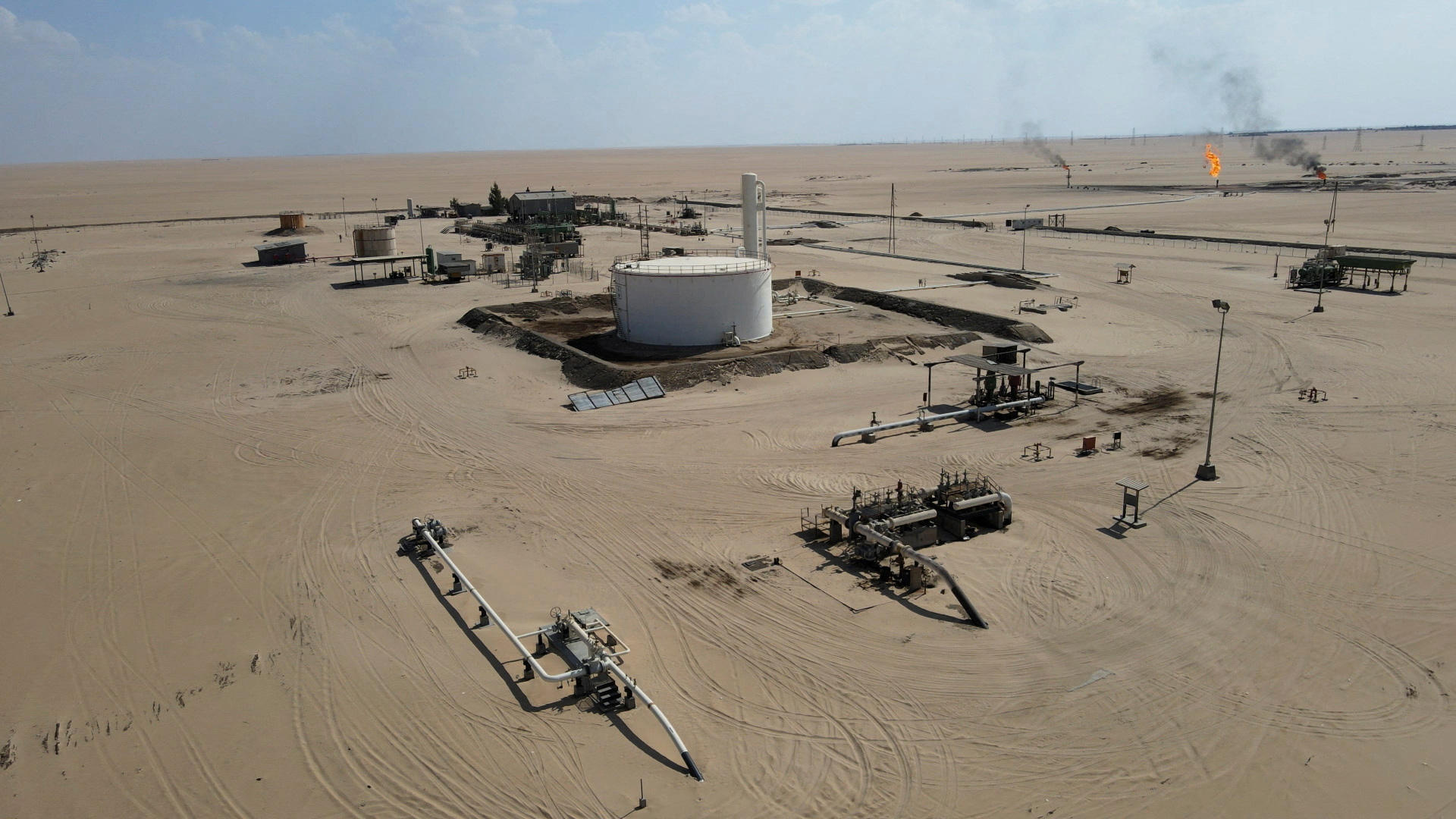
Libya’s ongoing political conflict is jeopardizing its vital oil production, potentially leading to severe disruptions in global supply chains. The strife between rival factions in the country has intensified, raising concerns about the stability of Libya’s oil sector, a crucial component of the global energy market.

The National Oil Corporation (NOC) has reported escalating security threats and operational interruptions at key oil facilities. Production at several major sites, including the Sharara and El Feel fields, has already experienced significant reductions. The disruptions are a direct result of the clashes between the Government of National Unity (GNU) and the House of Representatives (HoR), each backed by different armed groups.

The GNU, based in Tripoli, and the HoR, which controls parts of eastern Libya, have been embroiled in a protracted power struggle. This rivalry has led to a series of blockades and attacks on oil infrastructure, severely impacting the country’s output. The disruption comes at a time when global oil markets are already grappling with volatility due to various geopolitical tensions and economic uncertainties.

Libya’s oil sector, which accounts for approximately 90% of its revenue, has long been a target in the country’s broader conflict. The recent escalation has resulted in reduced exports and financial losses, exacerbating the economic strain on the nation. Analysts warn that prolonged instability could lead to a more prolonged and deep-seated disruption of Libya’s oil exports, affecting global oil prices and supply stability.

International stakeholders, including the United Nations and major oil companies, are closely monitoring the situation. The UN has called for a cessation of hostilities and a return to dialogue to mitigate the impact on oil production. However, the divided political landscape makes it challenging to achieve a consensus or enforce effective measures.

Libya’s oil industry was recovering from years of conflict and mismanagement when the current crisis hit. The industry had seen incremental improvements in production levels and infrastructure upgrades. Yet, the recent conflict threatens to reverse these gains, putting more strain on an already fragile sector.

The uncertainty surrounding Libya’s oil supply has prompted some countries and corporations to seek alternative energy sources or increase their reserves in anticipation of potential shortages. This shift could lead to changes in global energy markets, influencing everything from oil prices to energy policies worldwide.

Efforts to mediate the conflict and stabilize the oil sector have been ongoing, but the entrenched political divisions pose significant obstacles. The situation remains fluid, with potential for further escalation or, conversely, a resolution if diplomatic efforts gain traction.

As the international community watches closely, the immediate concern remains the security of Libya’s oil infrastructure and the broader implications for global energy stability.

KUALA LUMPUR, MALAYSIA – Media OutReach Newswire – 29 August 2024 – As the U.S. presidential elections approach, global financial markets brace for potential turbulence. Global broker Octa looks at the historical correlation between U.S. elections and stocks, gold, and the U.S. dollar. Economy The relationship between the party affiliations of the U.S. presidents and economic growth has been a topic of extensive research and debate. Historically, […]

A significant security vulnerability in the LiteSpeed WordPress cache plugin has exposed more than 5 million websites to potential cyber threats. This flaw, which has been identified and confirmed by cybersecurity experts, allows attackers to exploit the plugin’s weaknesses and potentially gain unauthorized access to sensitive information. The vulnerability lies within the plugin’s handling of user input, which can be manipulated to execute malicious code. This issue […]

Latest All-in-One laundry solution by Samsung integrates a washer, dryer and various AI features that make it the brand’s most intelligent, efficient and environmentally conscious laundry combo to date. SINGAPORE – Media OutReach Newswire – 29 August 2024 – Samsung Electronics Singapore expanded their range of laundry solutions with the new Bespoke AI Laundry Combo™, its first All-in-One laundry solution that integrates a large capacity washer, a […]

Achieved Record High Revenue of HK$273.6M and Net Profit of HK$67.4M Further Penetration to Osteoporosis, Ophthalmology, and Medical Aesthetic Device Markets HONG KONG SAR – EQS Newswire – 28 August 2024 – A fully integrated biopharmaceutical company – Uni-Bio Science Group Limited (“Uni-Bio Science”, together with its subsidiaries referred to as the “Group”, stock code: 0690.HK), is pleased to announce its interim results for the six months […]

Pakistan’s central bank is actively pursuing $4 billion in financial support from Middle Eastern banks to address a significant funding gap in the country’s economy. This strategic move aims to bolster Pakistan’s foreign exchange reserves and stabilize its financial situation amid ongoing economic challenges.

The need for external financial assistance has become more pressing as Pakistan grapples with a substantial trade deficit and a weakening currency. The country’s financial authorities have been engaged in discussions with several banks in the Middle East, seeking their participation in bridging the critical funding shortfall.

Pakistan’s central bank chief highlighted that the proposed funds are crucial for managing the nation’s economic stability. These funds would help mitigate the pressure on foreign reserves, which have been under strain due to persistent trade imbalances and rising import costs. The central bank is focused on securing this financial support to ensure the smooth functioning of the economy and maintain investor confidence.

The initiative to secure funding from Middle Eastern banks reflects Pakistan’s broader strategy to diversify its sources of financial support and reduce dependence on traditional Western lenders. This approach is part of a broader economic reform agenda aimed at stabilizing the economy and fostering sustainable growth.

Middle Eastern banks, known for their substantial financial resources, have been a target for many countries seeking to address economic imbalances. Pakistan’s outreach to these institutions aligns with its efforts to build stronger economic ties with the region and tap into its financial capabilities.

The central bank’s efforts come at a time when Pakistan is also negotiating with international financial institutions for additional support. These negotiations are critical for the country as it seeks to balance its budget and address its economic vulnerabilities.

The potential $4 billion infusion from Middle Eastern banks would provide a significant boost to Pakistan’s foreign exchange reserves, allowing the country to better manage its external debt obligations and enhance its economic stability. This move is expected to alleviate some of the immediate financial pressures and provide a more favorable environment for economic recovery.

In parallel, Pakistan’s government is implementing a series of reforms aimed at improving fiscal discipline and enhancing economic efficiency. These measures are designed to address long-standing structural issues and create a more resilient economic framework.

The central bank’s outreach to Middle Eastern banks underscores the importance of international financial collaboration in addressing global economic challenges. As Pakistan navigates its path to economic stability, securing support from key financial players will be crucial in achieving its financial and economic goals.

This funding initiative represents a pivotal moment in Pakistan’s economic strategy, highlighting the country’s proactive approach to managing its financial challenges and seeking innovative solutions to bolster its economic position.

Amid a backdrop of rising tensions and shifting political landscapes, Israel faces a critical juncture in its ongoing struggle with Iran. As support for Prime Minister Benjamin Netanyahu continues to grow, the question of whether Israel should intensify its confrontation with Iran is gaining prominence. While the prospect of such a move may appeal to some as a demonstration of strength and resolve, the unpredictable nature of warfare poses significant risks that must be carefully considered.

Netanyahu has long positioned himself as a staunch defender of Israel’s security, particularly in relation to the perceived threat from Iran. His rhetoric and actions have consistently underscored the view that Iran’s nuclear ambitions and regional influence constitute an existential danger to Israel. Over the years, Netanyahu has been vocal about the need to curb Iran’s power, and his administration has supported a range of strategies, including military strikes, covert operations, and diplomatic pressure, to achieve this goal.

Recent developments have only heightened the stakes. Iran’s nuclear program appears to be advancing at a rapid pace, with reports suggesting that it may soon reach a critical threshold. Additionally, Iran’s influence in the region, through its support for proxy groups such as Hezbollah and its involvement in conflicts in Syria and Yemen, remains a significant concern for Israel. The strategic calculus for Israel is therefore becoming increasingly complex, as it weighs the potential benefits and costs of escalating the conflict with Iran.

Support for Netanyahu’s hardline approach has been bolstered by several factors. Domestically, his political standing has improved, partly due to his handling of security issues and his ability to present himself as a strong leader in times of crisis. The recent normalization agreements between Israel and several Arab states have also enhanced his reputation, suggesting that Israel’s regional position is stronger than ever. These developments may lead some to believe that now is the opportune moment to confront Iran more directly, capitalizing on Netanyahu’s political momentum and the perceived alignment of regional interests.

However, the decision to escalate the conflict with Iran is fraught with peril. Wars, by their very nature, are unpredictable and can spiral out of control in ways that are difficult to foresee. Even with superior military capabilities, Israel cannot guarantee a quick and decisive victory. Iran is a formidable adversary with a well-established military and a network of regional allies that could respond to Israeli aggression in ways that might destabilize the entire Middle East.

One of the key risks associated with a larger war is the potential for it to draw in other regional and global powers. The Middle East is a complex web of alliances and enmities, and any significant escalation by Israel could provoke responses from other countries, including Russia, Turkey, and the United States. Each of these actors has its own interests and objectives in the region, and their involvement could complicate Israel’s strategic objectives, leading to a protracted and costly conflict.

Moreover, there is the question of public opinion, both domestically and internationally. While Netanyahu may enjoy growing support within Israel, particularly among those who prioritize security concerns, there is also a segment of the population that is wary of the consequences of another major war. The memory of past conflicts, such as the 2006 Lebanon War and the ongoing tensions in Gaza, serves as a reminder of the human and economic toll that war can exact. Internationally, Israel could face increased scrutiny and criticism, particularly if civilian casualties were to mount, which could undermine its diplomatic standing and erode the support it currently enjoys from key allies.

The economic implications of a larger conflict should not be overlooked either. Israel’s economy, while robust, is not immune to the shocks that accompany military conflicts. Prolonged warfare could disrupt trade, deter investment, and strain public finances, leading to long-term economic challenges. The costs of rebuilding and addressing the humanitarian fallout of war could be substantial, diverting resources away from other critical areas such as education, healthcare, and infrastructure.

Given these considerations, the argument against escalating the conflict with Iran gains considerable weight. While the desire to neutralize a perceived threat is understandable, the risks associated with a larger war are significant. Netanyahu’s leadership has been characterized by a willingness to take bold actions, but in this case, caution may be the more prudent course.

Israel’s security concerns are legitimate, and the threat posed by Iran is real. However, history has shown that wars often produce unintended consequences. The 2003 invasion of Iraq by the United States serves as a cautionary tale of how even well-intentioned military interventions can lead to long-term instability and suffering. Israel must weigh the potential short-term gains of weakening Iran against the long-term risks of igniting a broader regional conflict.

Diplomatic efforts, while challenging, offer an alternative path. The international community, including Israel’s allies, has a vested interest in preventing a larger war in the Middle East. Diplomatic channels, including negotiations and multilateral efforts to curb Iran’s nuclear ambitions, should be pursued with renewed vigor. While diplomacy may not provide immediate results, it offers the possibility of a more sustainable and less costly resolution to the ongoing tensions.

The decision to escalate or avoid a larger conflict with Iran is one that will define Netanyahu’s legacy and Israel’s future. It is a decision that requires careful consideration of the potential consequences, both known and unknown. The support for Netanyahu’s approach is undeniable, but the wisdom of pursuing a path of greater confrontation remains questionable. Wars are rarely as simple as they appear at the outset, and the costs of miscalculation can be immense.

As Israel navigates this complex and dangerous terrain, the choice it makes will have profound implications for its security, its economy, and its standing in the world. The allure of a decisive victory over a formidable adversary is strong, but the risks of a broader conflict may ultimately outweigh the potential rewards. Israel must tread carefully, recognizing that while strength is essential, so too is the wisdom to avoid unnecessary and potentially catastrophic conflict.

A severe heatwave in the United Arab Emirates has pushed temperatures beyond 50℃, marking an extraordinary peak in the region’s climatic extremes. This unprecedented surge in temperature has prompted immediate health warnings and advisories from meteorological and health authorities across the country. The heatwave, which began intensifying earlier this week, has led to daily high-temperature records being shattered in several cities, including Dubai and Abu Dhabi. The […]

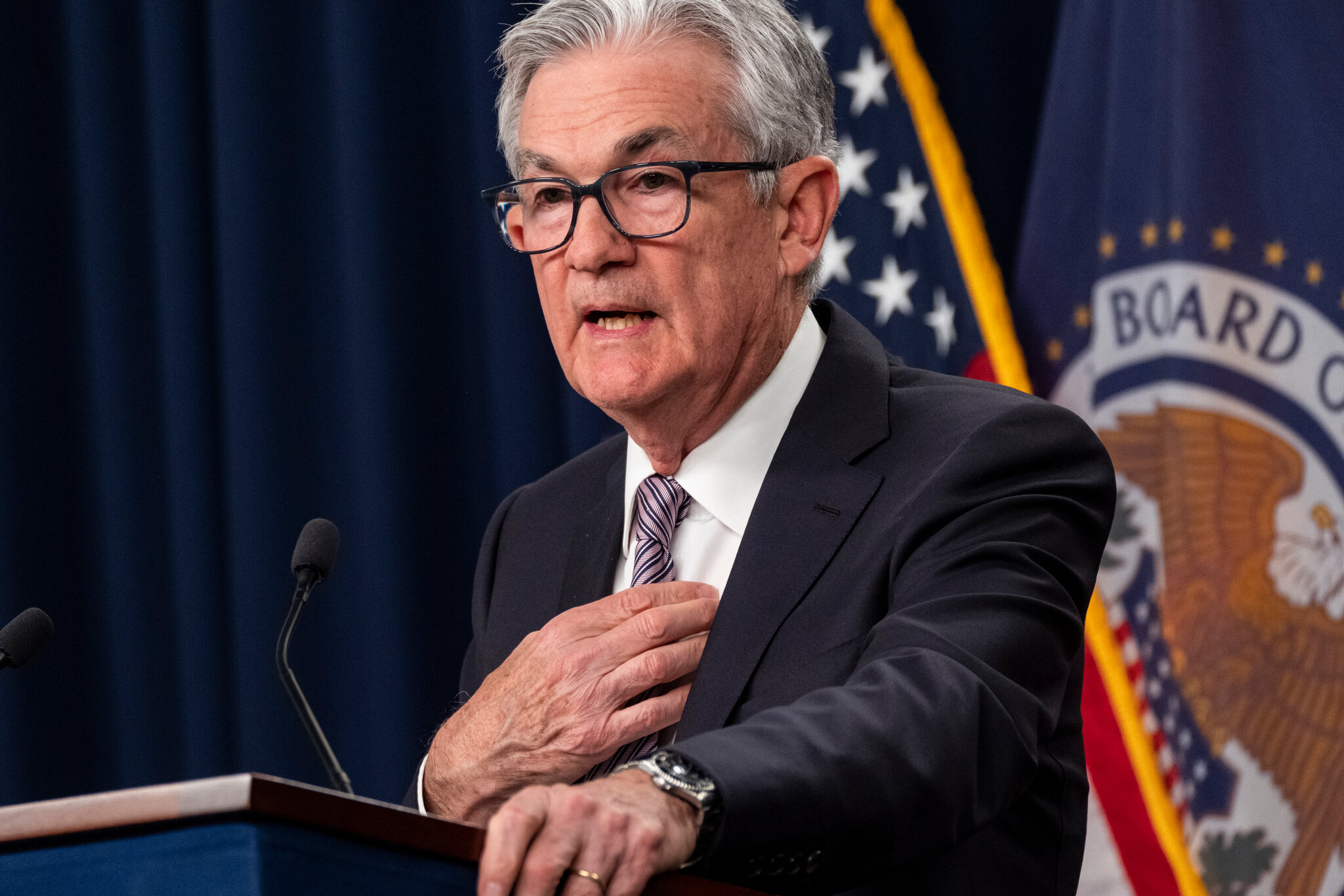
  By Anjan Roy   The US Federal Reserve chairman, Jerome Powell, has given a clear message from Jackson Hole, Wyoming, that the American central bank is all set to enter a rate reversal cycle. The Federal Reserve at long last would usher in a regime of lower policy rates.   This was picked up […]

Climate change is exacerbating income inequality worldwide, with low-income households bearing the brunt of its impacts, according to a comprehensive study analyzing climate shocks across various countries. The research, conducted using a Vector Autoregression (VAR) model, highlights the unequal distribution of climate-related economic effects, particularly in hot, low-income countries with significant agricultural sectors. The study’s findings underscore that climate shocks, such as extreme weather events, are not […]

Ukrainian President Volodymyr Zelenskyy has reiterated his urgent call for increased and expedited defense aid from the United States and its allies, as the conflict with Russia continues to intensify. Following a phone call with U.S. President Joe Biden, Zelenskyy emphasized that Ukraine’s ability to defend itself hinges on the timely delivery of military support. The U.S. has pledged an additional $500 million in budgetary aid, yet Kyiv continues to press for more comprehensive and immediate assistance to bolster its defenses against Russian advances.

VISHNU RAJA
RYO YAMADA
HITORI GOTOH
IKUYO KITA