News related to
Immediate

An initial public offering (IPO) by a leading Saudi human resource firm has garnered significant attention, with the offering fully subscribed within the first hour of trading. This surge in interest reflects growing investor confidence in the burgeoning Saudi market, driven by economic reforms and diversification efforts as outlined in the Vision 2030 initiative. The firm, which specializes in workforce management and recruitment services, has positioned itself […]

By Dr. Gyan Pathak In a countermove to INDIA bloc’s caste census promise, the ruling Mahayuti in Maharashtra taking clue form BJP’s gain in Haryana has decided to take the OBC politics in the state to a new level on the eve of Vidhan Sabha elections likely to be announced soon. How much this decision […]

Hewlett Packard Enterprise (HPE) has unveiled its newest server, the ProLiant Compute XD685, designed to accelerate the development and training of artificial intelligence (AI) models. This cutting-edge server is a result of a collaboration between HPE and AMD, focusing on providing high-performance infrastructure tailored for the growing demands of AI applications, such as large language models (LLMs), natural language processing (NLP), and multi-modal learning. At the core […]

Valve has confirmed that its highly anticipated handheld gaming device, the Steam Deck, will officially launch in Australia in November 2024. This announcement comes after an extended wait for Australian consumers eager to purchase the device directly without relying on third-party resellers. The company has expressed excitement over this launch, emphasizing the importance of catering to local gamers who have been eagerly anticipating the Steam Deck’s arrival. […]

Crown Prince Mohammed bin Salman will not participate in the upcoming BRICS summit scheduled for October 17-19 in Moscow. This decision marks a significant diplomatic moment, as Saudi Arabia engages in a complex geopolitical landscape that includes balancing relationships with both Western nations and emerging economies in the Global South. The absence of the Crown Prince at such a high-profile gathering raises questions about the Kingdom’s strategy […]

Attackathons are innovative competitions designed to bolster cybersecurity by encouraging ethical hackers to identify vulnerabilities in software projects. These events facilitate a collaborative environment where whitehat hackers can showcase their skills and earn rewards while enhancing the overall security of digital platforms. Organized primarily by Immunefi in partnership with various blockchain projects, Attackathons typically unfold in three distinct phases: pre-event preparation, the main hacking event, and post-event […]

Dow Jones futures dipped early Friday, mirroring a slight pullback in the S&P 500 and Nasdaq futures following a mixed market response to key economic indicators. While the latest inflation data from the Consumer Price Index (CPI) hinted at potential adjustments in Federal Reserve interest rate policies, major tech players like Nvidia continued to demonstrate resilience in the face of market fluctuations. Notably, Tesla’s ambitious unveiling at its robotaxi event, led by CEO Elon Musk, did not meet the heightened anticipations of investors.

During the Thursday evening event, Musk presented two new models: the two-seat Cybercab and a larger Robovan. Both vehicles are designed to capitalize on Tesla’s foray into autonomous ride-hailing services, but the absence of detailed production timelines left many analysts and enthusiasts underwhelmed. Musk reiterated his vision for fully autonomous driving capabilities by next year in select states, including California and Texas. However, his previous predictions regarding self-driving timelines have often fallen short, leading to skepticism among stakeholders.

Tesla’s stock fell approximately 6% in premarket trading following the event, indicating investor disappointment. The company’s plans for an affordable electric vehicle (EV), expected to enter production by mid-2025, were notably absent from the showcase, further contributing to concerns about Tesla’s capacity to maintain market momentum. In contrast, ride-hailing rivals like Uber Technologies experienced a surge in their stock prices, capitalizing on Tesla’s perceived setbacks.

In the banking sector, JPMorgan Chase kickstarted the earnings season with a strong performance, buoyed by increased net interest income. The financial giant’s earnings report surpassed expectations, reflecting a robust investment banking landscape. JPMorgan added $1 billion to its net reserves for credit losses, suggesting a proactive approach to potential economic headwinds. The stock’s positive trajectory came even as concerns about broader market conditions lingered.

Amidst these developments, the stock market as a whole exhibited modest fluctuations, with the Dow Jones Industrial Average dipping 0.1%, and the S&P 500 and Nasdaq slightly lower. Investors are closely monitoring inflation indicators and Federal Reserve signals, particularly after Atlanta Fed President Raphael Bostic suggested a possible “pause” on interest rate cuts, which could impact market dynamics moving forward.

Crude oil prices also played a significant role in the market landscape, experiencing a decline of 1% amid mixed trading sentiments. This adjustment in oil futures reflects the ongoing volatility in energy markets, influenced by geopolitical developments and shifts in consumer demand.

The CPI report indicated hotter inflation than expected, igniting discussions about the potential for the Fed to maintain current interest rates in the near term. Market analysts are evaluating the implications of these economic signals, particularly as they relate to investment strategies and asset allocation.

On the technology front, Nvidia has reaffirmed its status as a market leader, with stocks rising 1.6% amid strong demand for its AI chips. Analysts noted that Nvidia’s production of next-generation Blackwell AI processors is in full swing, with sales reportedly sold out for the next year. This surge underscores the growing reliance on AI technologies across various sectors, positioning Nvidia favorably against competitors.

Advanced Micro Devices (AMD), on the other hand, unveiled its upcoming Blackwell rival at a recent event, but the stock faced a setback, dropping 4% amidst competitive pressures from Nvidia. AMD’s CEO expressed optimism regarding the future of AI accelerators, projecting a market worth $500 billion by 2028. However, immediate investor sentiment appears to favor Nvidia, which has firmly established itself in the AI landscape.

The mixed performance of small-cap stocks also drew attention, with the Russell 2000 index declining 0.55% as investors weigh growth prospects against economic uncertainties. Stocks in the AI and cybersecurity sectors, such as Palo Alto Networks and Fortinet, demonstrated positive movements, reflecting ongoing interest in technology-driven solutions.

Market analysts are advising caution amid the current environment, encouraging investors to stay engaged with their portfolios and to capitalize on incremental buying opportunities. Ongoing evaluations of leading stocks and sectors will be crucial for navigating the complexities of this financial landscape, particularly as inflationary pressures persist.


Advertisements

Dubai’s regulatory authority overseeing virtual assets has escalated its enforcement actions against several cryptocurrency firms operating in violation of local regulations. The Virtual Assets Regulatory Authority (VARA), which governs virtual asset activities in the emirate, imposed fines on seven entities, citing breaches of licensing requirements and improper marketing practices. This move is part of an ongoing effort to bolster oversight of the burgeoning crypto industry, reinforcing Dubai’s […]

By P. Sudhir The results of the Jammu and Kashmir assembly elections are of great significance. The victory of the National Conference-led alliance, winning 49 of the 90 seats, is a strong verdict against the Modi government and the BJP’s authoritarian steps to dismantle the state of J&K and deprive it of its special status. […]

Flydubai Cargo has partnered with cargo.one, a prominent digital booking platform, to launch its inaugural digital sales initiative. This strategic collaboration allows freight forwarders to access flydubai Cargo’s capacity seamlessly, marking a significant advancement in the company’s digital transformation efforts. Through this platform, users can leverage instant access to an array of services, including interline routes facilitated by existing partnerships with various airlines.

The digital sales launch aims to streamline the booking process, enabling customers to manage cargo reservations efficiently. This move aligns with the broader industry trend towards digitalization, where traditional logistics practices are increasingly supplemented by technological innovations. The partnership is expected to enhance operational efficiency, reduce turnaround times, and ultimately improve customer satisfaction by providing a user-friendly interface for booking cargo shipments.

With the ongoing growth in e-commerce and the rising demand for air freight services, the collaboration is timely. The global air cargo market has witnessed substantial growth, with estimates projecting it to continue expanding as companies increasingly rely on air transportation for the swift delivery of goods. Flydubai Cargo’s entry into the digital sales space is a response to this evolving market landscape, allowing it to remain competitive and responsive to customer needs.

Cargo.one’s platform is designed to simplify the booking experience for freight forwarders, offering a transparent and real-time view of available capacity. Users can make reservations at their convenience, receiving instant confirmations. This capability is particularly vital in an industry where speed and reliability are paramount. Flydubai Cargo’s capacity will include not only its dedicated routes but also options through interline agreements, enhancing its network reach.

Industry analysts suggest that the integration of digital solutions in cargo operations is becoming essential for companies aiming to optimize their services. The demand for agility in logistics has led many carriers to invest in technology that facilitates faster response times and improves customer interaction. By adopting a digital-first approach, flydubai Cargo positions itself as a forward-thinking player in the air freight sector.

This partnership also reflects a growing trend among airlines to collaborate with technology providers to enhance their service offerings. As digital platforms gain traction, more cargo carriers are recognizing the need to adapt to the shifting dynamics of freight transportation. The success of such initiatives hinges on the ability to provide seamless digital experiences that cater to the evolving expectations of customers.

Cargo.one, known for its innovative solutions in the air cargo booking space, has been instrumental in driving digital transformation across the industry. By partnering with them, flydubai Cargo is not only leveraging existing technology but also benefiting from cargo.one’s established network of freight forwarders. This symbiotic relationship is anticipated to yield significant advantages for both parties, as they aim to capitalize on the growing demand for digital solutions in air freight.

As part of this initiative, flydubai Cargo plans to continuously update its offerings on the cargo.one platform, providing customers with real-time information about capacity, pricing, and available services. The integration of advanced analytics and data insights is expected to further enhance decision-making processes for freight forwarders, allowing them to optimize their logistics strategies.

The air cargo market has seen increasing competition in recent years, with numerous carriers vying for a larger share of the business. Flydubai Cargo’s move to digitalize its sales is a proactive step to differentiate itself in this competitive landscape. By prioritizing customer experience and efficiency, the airline aims to attract new clients and retain existing ones, further solidifying its position in the industry.

Freight forwarders stand to benefit from the enhanced visibility and control offered by the digital sales initiative. With the ability to book cargo space online and receive immediate confirmations, logistics providers can better manage their operations, ultimately improving their service delivery. This transformation not only meets the current demands of the market but also prepares flydubai Cargo for future challenges as the logistics landscape continues to evolve.

As the partnership unfolds, stakeholders will closely monitor the impact of these digital sales on flydubai Cargo’s overall performance. The air freight sector is characterized by rapid changes and evolving customer expectations, making adaptability crucial for success. Flydubai Cargo’s strategic alignment with cargo.one exemplifies a forward-looking approach aimed at addressing these challenges head-on.

QatarEnergy has finalized a significant 20-year naphtha supply agreement with Shell, marking a pivotal development in the global energy sector. The agreement, effective from April 2025, is set to deliver up to 18 million metric tons of naphtha to Shell’s operations, primarily supporting its petrochemical ventures. This deal underscores Qatar’s growing role as a key player in the global energy market, especially in petrochemical production, where naphtha is a vital feedstock.

The announcement was made by Saad al-Kaabi, the CEO of QatarEnergy and the state’s Minister of Energy. He emphasized the importance of this agreement, stating it represents QatarEnergy’s first long-term naphtha sales contract of such duration. Al-Kaabi highlighted the collaboration as part of a broader strategy to leverage Qatar’s vast energy resources, particularly from the North Field, the world’s largest natural gas field, shared with Iran and known as the South Pars gas field in Iran.

The strategic partnership between QatarEnergy and Shell is not new; it has been built over several years through joint ventures and investments in liquefied natural gas (LNG) projects, including the Pearl GTL (Gas-to-Liquids) facility, which is a significant project in Qatar’s energy landscape. The two companies are committed to further collaboration in various energy sectors, enhancing their capabilities in energy production and distribution.

As global energy demands continue to evolve, the deal also reflects the shifting dynamics in the petrochemical industry, where companies are increasingly focused on securing long-term supply contracts to stabilize their operations. Naphtha, derived from crude oil, serves as a critical raw material in producing various chemicals and plastics. The agreement with Shell positions Qatar as a reliable supplier in a market that is grappling with fluctuating energy prices and geopolitical uncertainties.

The significance of this deal extends beyond immediate commercial interests. It aligns with Qatar’s broader vision to diversify its economy and expand its influence in the global energy landscape. By solidifying such long-term contracts, QatarEnergy aims to enhance its competitive edge, ensuring a steady revenue stream while contributing to the stability of global energy supplies.

Industry experts view this agreement as a testament to Qatar’s strategic foresight in recognizing the importance of long-term partnerships in a sector that is increasingly volatile. The collaboration not only strengthens Qatar’s energy export capabilities but also reinforces Shell’s operational efficiency as it seeks to maintain its leadership position in the petrochemical market.

As global energy policies shift towards sustainability, this agreement is also anticipated to play a role in transitioning to more sustainable energy sources. QatarEnergy has been proactive in exploring cleaner energy alternatives and investing in technologies that reduce carbon emissions, reflecting a commitment to environmental stewardship.

Introducing a reimagined complimentary loyalty programme and digital experience LONDON, UK – Media OutReach Newswire – 9 October 2024 – Small Luxury Hotels of the World (SLH), renowned for its characterful portfolio of luxury boutique hotels, today announced a revamped, newly named loyalty programme, SLH Club, and an eagerly anticipated mobile app featuring new customer magazine, Swoon by SLH. The new offerings are designed to provide loyal […]

A transformative budget for 2025 has been approved by the UAE Cabinet, reflecting a strategic vision to enhance the nation’s economic growth, development, and social welfare. The budget, amounting to an unprecedented AED 72.8 billion (approximately USD 19.8 billion), is designed to bolster critical sectors, improve infrastructure, and drive innovation.

Key allocations in the budget underscore a commitment to education, healthcare, and economic diversification. The Ministry of Education will receive AED 16.2 billion, marking a significant increase aimed at advancing educational facilities and enhancing the quality of teaching. This initiative aligns with the broader objective of cultivating a skilled workforce equipped to meet the demands of a rapidly evolving job market.

Healthcare also sees substantial investment, with AED 10 billion earmarked to improve public health services and infrastructure. This funding is expected to expand healthcare access and enhance service delivery across various emirates, particularly in remote areas. The focus on healthcare is part of a long-term strategy to prioritize citizens’ health and well-being, especially in light of the challenges posed by global health crises.

Infrastructure development continues to be a priority, with a notable AED 14 billion allocated for projects aimed at modernizing transport and logistics systems. This investment is poised to facilitate greater connectivity within the UAE and enhance the nation’s position as a global trade hub. It underscores the commitment to maintaining a competitive edge in the region’s logistics and supply chain sectors.

The budget also emphasizes environmental sustainability and energy efficiency. Initiatives aimed at promoting renewable energy and reducing carbon emissions are integral to the government’s long-term vision. Funding for green projects and sustainable practices reflects a commitment to diversifying the energy portfolio and reducing dependency on fossil fuels. This aligns with the UAE’s ambitious sustainability goals, which aim to establish the country as a leader in clean energy solutions.

The Cabinet’s decision to prioritize economic diversification is evident in the allocation of AED 9 billion to support small and medium-sized enterprises (SMEs). Recognizing the pivotal role that SMEs play in driving economic growth and job creation, the government aims to provide these businesses with the necessary resources and support to thrive in a competitive market. This initiative is expected to stimulate innovation and entrepreneurship across various sectors.

Digital transformation is another focal point of the budget, with AED 6.4 billion directed towards enhancing digital infrastructure and cybersecurity measures. As the UAE continues to position itself as a tech-savvy nation, investments in digitalization are crucial for driving efficiency and improving service delivery in both public and private sectors. This funding aims to foster a digital ecosystem that encourages technological advancements and enhances the overall quality of life for residents.

The Cabinet’s approval of the budget reflects a comprehensive approach to governance, prioritizing both immediate needs and long-term goals. The strategic allocations signal a robust framework for navigating challenges while harnessing opportunities for growth. The budget aims to position the UAE as a resilient economy capable of adapting to global shifts and uncertainties.

In addition to focusing on domestic priorities, the budget also highlights the UAE’s commitment to international partnerships. Allocations for foreign aid and developmental assistance demonstrate the nation’s dedication to fostering relationships with other countries and contributing to global efforts in areas such as education, health, and infrastructure development. This commitment enhances the UAE’s reputation as a proactive player on the international stage, reinforcing its position as a leading contributor to global development.

The government has expressed optimism that the 2025 budget will stimulate economic activity and support job creation across various sectors. Officials anticipate that strategic investments will yield positive returns, enhancing overall economic resilience. The budget serves as a roadmap for growth, providing a foundation for initiatives aimed at increasing productivity and fostering a culture of innovation.

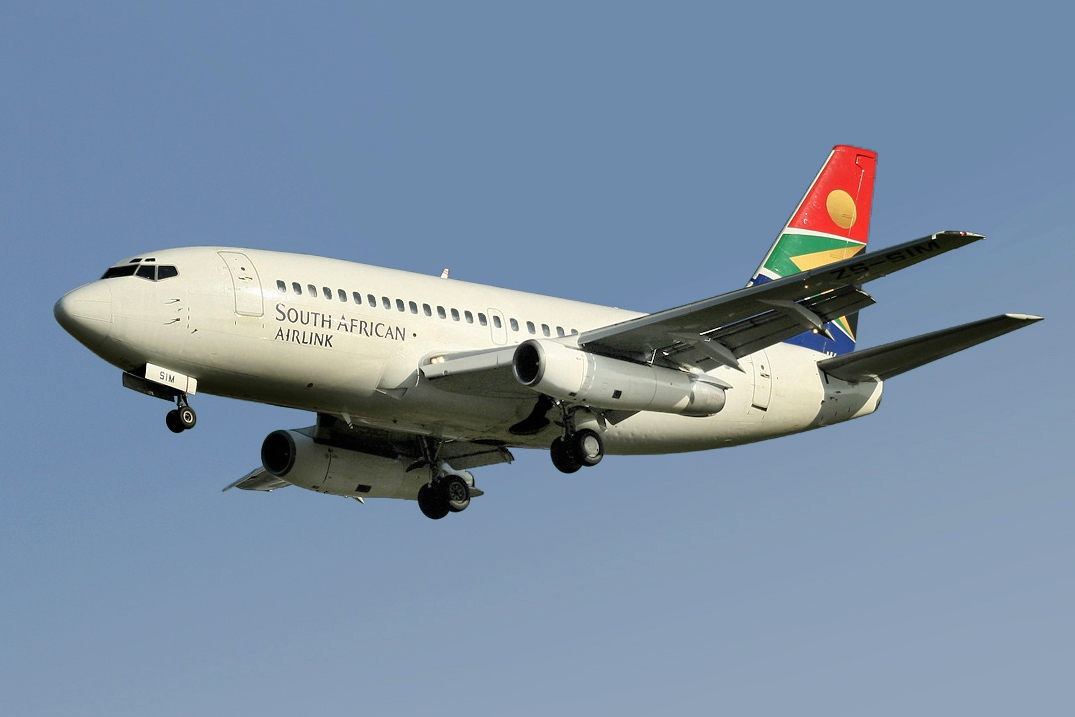
The US Federal Aviation Administration (FAA) has issued a safety alert for operators of Boeing 737 aircraft, warning of potential rudder system malfunctions that could impact aircraft control. This alert follows several reports of restricted or jammed rudder movement due to mechanical issues. The FAA emphasized the need for immediate inspection of the rudder components to mitigate the risks of uncommanded movements that could occur during flights. The affected aircraft include models within the Boeing 737 Next Generation series, widely used across airlines globally.

The warning highlights possible defects in certain hydraulic systems responsible for controlling rudder movements. A failure in these systems can restrict rudder function, potentially causing significant directional control problems. The FAA has called on airlines to conduct thorough checks and implement enhanced monitoring protocols to ensure passenger safety. Although no major incidents have been directly linked to this issue, the FAA’s proactive alert underscores the importance of maintaining strict oversight, especially as the Boeing 737 fleet is extensively relied upon worldwide.

Boeing has responded by stating that they are collaborating with airlines to address the problem. They have emphasized that while the issue is being investigated, affected operators are advised to follow the FAA’s safety recommendations to reduce operational risks. The company is also reviewing the manufacturing and maintenance practices associated with the rudder systems to identify any contributing factors. This comes as Boeing continues to navigate the scrutiny placed on its aircraft following previous technical challenges with other models.

The alert specifically focuses on hydraulic power control units (PCUs), which regulate rudder function. These units have been implicated in past aviation safety issues, and any mechanical faults can lead to deviations from normal flight paths. The FAA’s concerns are based on data collected from maintenance logs and incidents reported by airline operators, with pilots having experienced issues during flights where rudder control was limited or unavailable. In some cases, pilots reported feeling unusual resistance in the controls, prompting them to declare an emergency landing.

For airlines, this FAA directive will likely translate into additional costs and operational delays, as planes undergo inspections and repairs. Nonetheless, ensuring compliance is critical to preventing potential airborne hazards. Airlines, including some of the largest Boeing 737 operators in the US, have already started inspecting their fleets. Southwest Airlines and American Airlines are among the carriers taking immediate steps to ensure their aircraft meet the safety standards laid out by the regulator.

The Boeing 737, which includes several variants, is one of the world’s most widely used aircraft models, particularly for short to medium-haul routes. With thousands of units in service, any technical warning affecting its fleet has the potential to disrupt global air travel schedules. However, the FAA’s alert, while serious, is viewed as a precautionary measure to avert more significant incidents. The focus now remains on rectifying the underlying issues to maintain passenger confidence in the Boeing 737 series.

Aviation experts have noted that while rudder issues are not unprecedented, modern aircraft are designed with multiple redundancies to prevent loss of control during flight. The Boeing 737 Next Generation series has faced isolated rudder-related problems in the past, leading to design changes and updated maintenance protocols. However, given the FAA’s findings, it appears that further adjustments may be necessary to address the current concerns fully.

By Dr. Gyan Pathak Haryana assembly election the result of which came out on Tuesday, has sprung up great surprise belying almost all political projections and analyses predicting Congress to wrest power from the BJP. However, Congress met a serious setback and the BJP spectacularly gained. It marks the reversal of political fortune, which shows […]

Office availability rate drops while high street retail rents continue to recover The Hong Kong Grade A office market witnessed positive net absorption for the fourth consecutive quarter in Q3 2024 to reach 324,100 sq ft, bringing the overall availability rate down to 19.3%. Core retail district high street rents recorded low single-digit growth q-o-q as leasing momentum gained pace, with banking and financial institutions taking opportunities […]

By Nitya Chakraborty Monday October 7 2024 marks the completion of one year of the Israel-Palestine war which started with the brutal attack on the citizens of Israel by the militant Palestine group Hamas and the more severe retaliation by the Israel Defence Forces (IDF) and the complete annexation of the Gaza area along with […]

Escalating hostilities between Israel and Gaza are revealing not only humanitarian crises but also hidden environmental costs that threaten long-term climate stability in the region. As violence intensifies, the ecological impact exacerbates existing challenges posed by climate change, posing severe repercussions for both local and global environments. The ongoing conflict has led to extensive destruction of infrastructure, including water treatment facilities and waste management systems. These critical […]

The United Arab Emirates has amended its Value Added Tax (VAT) legislation to exempt fund management firms and specific virtual asset services, marking a significant shift in its tax framework aimed at enhancing the region’s appeal to international investors. This change aligns with the UAE’s broader strategy to establish itself as a global financial hub and a favorable environment for innovative financial services.

As part of these amendments, the UAE’s Federal Tax Authority (FTA) has clarified the conditions under which fund management services can operate free from VAT. The exemption applies primarily to fund managers operating within the scope of financial services, allowing them to attract more investments without the burden of additional taxation. This initiative is expected to facilitate growth in the asset management sector, further attracting foreign direct investments.

The decision is a strategic move reflecting the UAE’s commitment to maintaining a competitive edge in the finance sector. It comes amid increasing competition from other global financial centers, which have been offering favorable tax regimes to attract fund managers and investors. By removing VAT on fund management services, the UAE aims to streamline operations for these firms and enhance their profitability, ultimately encouraging greater investment flows into the region.

In addition to the VAT exemption for fund management firms, the legislation also introduces provisions specifically tailored for certain virtual asset services. This includes companies engaged in activities related to digital currencies and other blockchain technologies. The VAT exemption is seen as a vital step in fostering innovation in the fintech space, as it reduces the cost of compliance and operational expenses for these businesses.

Key players in the finance and technology sectors have welcomed the amendments, viewing them as a vital step toward bolstering the UAE’s status as a leader in financial technology. The exemptions are expected to attract not only local firms but also international players looking to establish a presence in the UAE, thus enriching the local economy and creating job opportunities.

These legislative changes come as the UAE continues to develop its regulatory framework for virtual assets, including cryptocurrencies and blockchain technologies. The government has been proactive in engaging with industry stakeholders to ensure that the legal and regulatory environment is conducive to innovation while ensuring compliance with international standards.

The move aligns with global trends where countries are increasingly recognizing the significance of virtual assets and the potential economic benefits they can bring. With more nations introducing regulations to harness the growth of cryptocurrencies, the UAE’s latest amendments position it favorably within this dynamic landscape.

Economic analysts suggest that the VAT exemptions could significantly boost the asset management industry in the UAE, allowing firms to enhance their operational efficiency and competitiveness. As the region continues to evolve as a financial hub, the introduction of such measures is anticipated to attract a diverse array of investment products, including private equity, hedge funds, and real estate investment trusts.

The UAE’s financial sector has shown resilience and adaptability in the face of global economic challenges. With this latest reform, the nation reiterates its commitment to providing a robust framework for financial services, fostering a business-friendly environment that encourages investment and innovation.

Stakeholders are optimistic about the potential long-term impacts of these changes. By reducing the tax burden on fund management and virtual asset services, the UAE not only enhances its attractiveness to international investors but also stimulates local entrepreneurship in the financial technology space. This is expected to lead to a vibrant ecosystem that can drive further advancements and innovation.

The amendments to the VAT law are expected to be a game-changer for fund management firms, enabling them to operate with greater flexibility and reduced costs. As the financial landscape evolves, these firms can focus more on delivering value to their clients and exploring new investment opportunities.

While the immediate effects of the changes are still unfolding, industry experts are already observing heightened interest from foreign investors seeking to capitalize on the UAE’s favorable business climate. The tax exemption is likely to facilitate new partnerships and collaborations between local and international firms, thereby enriching the region’s financial services landscape.

The expansion of smart cars is introducing a range of privacy and cybersecurity challenges that demand immediate attention. With vehicles evolving into data-collecting machines, privacy experts and regulators are sounding alarms about the vast amount of personal data being harvested. As modern cars are now equipped with sensors, cameras, and GPS systems, they gather data about drivers’ locations, driving habits, and even contacts stored in smartphones. This trend is raising significant concerns about who controls this data and how it is being used.

Automakers, eager to enhance the driving experience, have equipped their latest models with state-of-the-art connectivity features, from Wi-Fi to cloud services, making these vehicles resemble smartphones on wheels. However, the rise of connected cars has simultaneously led to an increase in the collection and monetization of personal information. Companies are gathering sensitive data through multiple channels, including onboard systems that monitor everything from driving behavior to entertainment preferences. What happens to this data, where it is stored, and how it is shared are questions that car owners are increasingly asking.

Privacy advocates have raised alarms about the potential risks posed by these vehicles. Smart cars can track driver behavior, record routes, and even monitor interactions with third-party services, creating a detailed profile of individual users. The data being collected is staggering, with some estimates suggesting that the average car could generate over a terabyte of data annually. Automakers have started to capitalize on this data, using it to optimize services, and in some cases, sharing it with third parties for targeted marketing and other purposes. However, transparency about what data is collected and how it is used remains limited, creating a troubling scenario for users who are often unaware of the extent of the data being harvested.

Regulatory frameworks are lagging behind technological advancements, leaving a regulatory vacuum in many parts of the world. China has made strides in addressing these concerns by tightening rules around data collection from connected vehicles. Meanwhile, other major markets, including the United States and Europe, have yet to introduce comprehensive regulations governing how carmakers handle user data. In the absence of robust laws, automakers have relied on vague privacy policies, which often lack clarity on what data is being shared and with whom.

The push for regulatory oversight is intensifying, with cybersecurity experts warning of the growing vulnerability of smart cars to hacking and cyberattacks. Hackers could potentially exploit weak points in a car’s digital systems to access personal data or even take control of the vehicle. As smart cars become more autonomous and connected, the risk of malicious attacks increases, prompting calls for automakers to bolster their cybersecurity measures and increase transparency around data usage.

At the heart of this debate is the question of consumer consent. Many car owners are unaware of the extent to which their vehicles collect data, and even when privacy policies are available, they are often filled with legal jargon that makes it difficult for users to understand what they are agreeing to. Automakers have generally not been proactive in educating consumers about their data rights, and the onus often falls on users to navigate complex policies and settings to protect their information.

Despite these concerns, some automakers have started to take steps toward greater transparency. For example, certain manufacturers have implemented clearer policies regarding the sharing of personal data, pledging not to sell data to third-party advertisers or resellers without explicit consent. These moves, however, are the exception rather than the rule, and much more needs to be done to ensure that consumers are fully informed and protected in the age of smart cars.

By Sant Kumar Sharma JAMMU: In something that is happening for the first time in its electoral history, Lieutenant Governor Manoj Sinha will soon nominate five members to the Legislative Assembly of Jammu & Kashmir. These nominated MLAs will have voting rights and can play an equal role as their elected counterparts in the formation […]


KUALA LUMPUR, MALAYSIA – Media OutReach Newswire – 4 October 2024 – Trading in the financial markets offers a valuable opportunity for supplementary income. Still, there is a caveat: the learning curve can be steep for new traders, which, combined with high ambitions, can result in a frustrating experience. Octa, a global broker with more than 13 years in the markets, offers some time-proven tips for traders […]

The International Monetary Fund (IMF) has raised serious concerns over the potential economic fallout from the escalating conflict in the Middle East. As violence spreads and tensions rise, the conflict threatens not only the region’s stability but also the global economy, particularly through disruptions in energy supplies, trade routes, and investor confidence.

The war in Gaza has intensified, drawing in multiple countries and raising fears of broader regional involvement. The IMF’s latest assessments highlight the possibility of severe economic impacts, particularly on energy markets. With the Middle East responsible for a significant portion of the world’s oil production, any disruptions could lead to increased volatility in oil prices. The IMF warned that sustained conflict could push oil prices higher, potentially surpassing $100 per barrel, a figure already approached during earlier hostilities this year. This price surge would have far-reaching consequences, especially for oil-importing nations, straining budgets and intensifying inflationary pressures.

Global financial markets have already shown signs of nervousness. Investors, traditionally wary of instability in key regions, have begun reallocating assets, with several stock indices experiencing sharp drops. Analysts suggest that if the conflict escalates further, the damage could spread beyond energy markets, affecting sectors such as manufacturing and technology that rely heavily on supply chains running through or near conflict zones.

The IMF’s mission chief underscored that while oil prices are the most immediate concern, the broader economic picture is equally troubling. Trade disruptions, particularly in critical shipping lanes like the Suez Canal, could severely impact the flow of goods, exacerbating the already fragile global supply chains. For nations in the region, the toll could be devastating. Countries like Lebanon and Egypt, already grappling with economic crises, could face further destabilization, compounding their debt issues and putting millions more at risk of poverty.

While energy exporters such as Saudi Arabia and the UAE may temporarily benefit from higher oil revenues, the broader economic instability could erode those gains, particularly if conflict spreads further across the region. Additionally, prolonged unrest could deter much-needed foreign investment in the Gulf region, which has been aggressively pursuing diversification away from oil dependency.

The IMF’s warning also extends to food security concerns, as the Middle East plays a crucial role in global grain trade. Egypt, for instance, is one of the world’s largest wheat importers, and disruptions to shipping could lead to shortages and price hikes. This would disproportionately affect lower-income nations, already struggling with inflationary food costs and economic stagnation.

As the situation continues to evolve, the IMF has urged regional governments and the international community to take immediate steps to prevent further escalation. In addition to diplomatic efforts, the IMF is advocating for emergency economic measures to protect the most vulnerable economies. These include securing financial aid, stabilizing food supply chains, and safeguarding energy markets from excessive speculation.

However, the global response remains uncertain. While Western powers and international organizations have expressed concern, efforts to mediate the conflict have so far been limited. The longer the fighting continues, the higher the economic risks become, making it crucial for governments to work towards de-escalation before the crisis spirals further out of control.

Aircraft lessor Dubai Aerospace Enterprise (DAE) has successfully reached a settlement with insurer AXA regarding the jets that have been retained in Russia since the onset of the Ukraine conflict in 2022. This resolution opens avenues for further financial agreements as legal proceedings unfold in a significant trial in London’s High Court. DAE has faced considerable challenges following the Russian invasion of Ukraine, particularly concerning the fate […]

VISHNU RAJA
RYO YAMADA
HITORI GOTOH
IKUYO KITA