News related to
Immediate

Abu Dhabi-based Agthia Group PJSC has acquired a 100% stake in Riviere Mineral Water Desalination & Filling Factory LLC, a prominent player in the United Arab Emirates’ bottled water home and office delivery sector. This strategic move is anticipated to expand Agthia’s Water & Food segment revenues by approximately 6.5% and triple its household customer base. Established in 2003, Riviere serves customers across Abu Dhabi, Al Ain, […]

Dr Imran Khalid The winds of uncertainty are sweeping through Europe as the continent grapples with the stark reality of a diminished U.S. commitment to its security. The handling of the Ukraine crisis by the Trump administration has rightly sent shockwaves through European capitals, unearthing a reality that policymakers have long feared but often failed to address head-on: the United States, under its current leadership, is no […]

A magnitude 7.7 earthquake struck central Myanmar at approximately 12:50 p.m. local time on March 28, 2025, causing significant tremors felt across Southeast Asia. The United States Geological Survey reported the epicenter near Sagaing, about 16 kilometers northwest of the city, at a shallow depth of 10 kilometers. This seismic event prompted evacuations and raised concerns about potential damage and casualties. In Myanmar’s capital, Naypyidaw, residents experienced […]

Abu Dhabi-based Agthia Group has approved the acquisition of a 100% stake in Riviere Mineral Water Desalination & Filling Factory, including its branches and subsidiaries, through its subsidiary Al Ain Food & Beverages. This strategic move is set to expand Agthia’s footprint in the UAE’s water and food sector, aiming for a revenue increase of approximately 6.5%. The acquisition is anticipated to be immediately accretive to Agthia’s […]

By Nitya Chakraborty Prime Minister Narendra Modi is known as the super salesman of jumlas. Beginning from Jan Dhan account of Rs. 15 lakh for everyone to generating two crore jobs for youth every year, all the hyped up propaganda of the BJP led government since 2014 have turned into a big flop. Even in […]

Drake & Scull International PJSC , the Dubai-based construction and engineering firm, has announced a net profit of AED 3.76 billion for the fiscal year ending December 31, 2024, marking a significant turnaround from the AED 366.87 million loss reported in the previous year. The company’s revenue increased to AED 103.67 million, up from AED 86.29 million in 2023. Total assets rose to AED 647 million, compared […]

Airbus has announced a delay in the development of its hydrogen-powered commercial aircraft, originally slated for introduction by 2035. The postponement, expected to extend the timeline by five to ten years, underscores the formidable technological and infrastructural challenges associated with hydrogen propulsion in aviation. The company cited slower-than-anticipated advancements in critical technologies and the absence of a comprehensive regulatory framework for certifying hydrogen-powered aircraft as primary reasons […]

Advertisements

A magnitude 6.7 earthquake occurred off the coast of New Zealand’s South Island on Tuesday afternoon, prompting authorities to assess potential tsunami risks. The tremor was recorded at 2:43 p.m. local time, with its epicenter approximately 160 kilometers northwest of the Snares Islands at a depth of 33 kilometers. The National Emergency Management Agency advised residents in the Southland and Fiordland regions to avoid coastal and marine […]

KUALA LUMPUR, MALAYSIA – Media OutReach Newswire – 24 March 2025 – Premium travel lifestyle brand Cathay is strengthening its lifestyle presence in Southeast Asia through an exciting new partnership with Mitsui Mall Group in Kuala Lumpur. This collaboration opens up new ways for Cathay members to earn Asia Miles while shopping or dining at two popular retail hubs in Kuala Lumpur—Mitsui Outlet Park KLIA Sepang and […]

President Donald J. Trump has initiated a significant overhaul of the United States Agency for International Development , rebranding it as the U.S. International Humanitarian Assistance and integrating blockchain technology into its operations. This restructuring places the agency under the direct authority of Secretary of State Marco Rubio, aiming to enhance transparency and efficiency in foreign aid distribution.

An internal memo circulating within the State Department outlines the administration’s plan to utilize blockchain technology to secure and trace aid disbursements. The objective is to improve the transparency, security, and efficiency of aid distribution by leveraging blockchain’s immutable ledger capabilities. However, the specifics of this integration—whether it involves the use of cryptocurrencies or solely blockchain ledgers—remain unclear. The administration emphasizes a shift towards outcomes-based funding, intending to ensure that aid programs deliver measurable results.

Despite these intentions, the proposed reorganization has encountered legal challenges. A federal judge recently ruled that the dismantling of USAID by the Department of Government Efficiency , led by Elon Musk, likely violates the Constitution. The court issued an indefinite injunction blocking further actions against USAID and mandated the reinstatement of email and computer access to affected employees. This ruling does not reverse all personnel changes or fully restore the agency but highlights concerns over the administration’s approach to restructuring.

Critics argue that while blockchain technology offers potential benefits, its application in humanitarian contexts may not be necessary or cost-effective. Some experts caution that such technological solutions could impose additional burdens on smaller non-governmental organizations and may not provide substantial advantages over existing systems. They suggest that the focus should remain on addressing the immediate needs of aid recipients rather than implementing complex technological frameworks.

The administration’s broader strategy includes reducing the size of the federal government and reallocating resources to align more closely with American geopolitical interests. This involves concentrating on areas such as global health, food security, and disaster response, while politically oriented programs may be redirected to other sections within the State Department. The restructuring plan also proposes the elimination of multiple regional bureaus, aiming to streamline operations and enhance efficiency.

Secretary of State Marco Rubio has indicated that the reorganization will proceed with input from Congress, underscoring the administration’s commitment to aligning foreign aid programs with the interests of U.S. taxpayers and strategic objectives. However, the legal setbacks and critiques from various stakeholders suggest that the path forward may be complex and contentious.

The U.S. Department of the Treasury has lifted sanctions against Tornado Cash, a cryptocurrency mixer previously accused of facilitating extensive money laundering activities, including transactions linked to North Korean cybercriminals. This decision follows a series of legal challenges questioning the Treasury’s authority to impose such sanctions on decentralized software protocols.

In August 2022, the Treasury’s Office of Foreign Assets Control sanctioned Tornado Cash, alleging its involvement in laundering over $7 billion since its inception in 2019. Notably, OFAC claimed that the North Korean hacking group Lazarus utilized the platform to launder more than $455 million. The sanctions marked a significant move by the U.S. government to regulate the use of cryptocurrency mixers, which are designed to obfuscate transaction trails on blockchain networks.

The sanctions faced immediate opposition from various quarters of the cryptocurrency community. Six users of Tornado Cash, with financial backing from the cryptocurrency exchange Coinbase, filed a lawsuit challenging OFAC’s action. They argued that sanctioning open-source, self-executing software exceeded the agency’s statutory authority under the International Emergency Economic Powers Act . The plaintiffs contended that the immutable smart contracts constituting Tornado Cash could not be considered property subject to sanctions.

In November 2024, the U.S. Court of Appeals for the Fifth Circuit ruled in favor of the plaintiffs, stating that OFAC had overstepped its authority. The court held that the smart contracts underlying Tornado Cash were not property and, therefore, not subject to sanctions under IEEPA. This ruling underscored the challenges regulators face when applying traditional legal frameworks to decentralized technologies.

Following the court’s decision, the Treasury conducted a review of the legal and policy issues surrounding the use of sanctions in the context of evolving technologies. On March 21, 2025, the Treasury announced the removal of Tornado Cash and associated Ethereum wallet addresses from the Specially Designated Nationals list. In a statement, Treasury Secretary Scott Bessent emphasized the department’s commitment to combating illicit activities in the digital asset space while acknowledging the need to adapt regulatory approaches to technological advancements.

Despite the delisting, the Treasury reiterated its concerns about North Korea’s state-sponsored hacking and money laundering campaigns. The department stressed the importance of securing the digital asset industry from abuse by illicit actors to maintain U.S. leadership in financial innovation and inclusion. The Treasury also indicated that it would continue to monitor transactions that could benefit malicious cyber actors or the North Korean regime.

The legal proceedings against individuals associated with Tornado Cash have also been noteworthy. In 2023, two co-founders of Tornado Cash were charged with facilitating over $1 billion in money laundering, including transactions linked to the Lazarus Group. One of the co-founders, Roman Storm, is awaiting trial and has denied any criminal activity. Additionally, in May 2024, developer Alexey Pertsev was sentenced to five years and four months in prison in the Netherlands for money laundering related to his involvement with Tornado Cash.

The removal of sanctions against Tornado Cash has elicited varied reactions from the cryptocurrency community and regulatory observers. Proponents of decentralized technologies view the court’s decision and subsequent delisting as a victory for open-source software development and financial privacy. They argue that sanctioning code rather than individuals or entities sets a concerning precedent for technological innovation.

Conversely, critics express apprehension that the delisting could embolden malicious actors to exploit similar platforms for illicit purposes. They emphasize the necessity for regulatory frameworks that effectively address the misuse of privacy-enhancing technologies without stifling innovation. The case of Tornado Cash highlights the complexities regulators face in balancing the promotion of technological advancement with the imperative to prevent criminal exploitation of emerging technologies.

The Treasury’s decision to lift sanctions against Tornado Cash underscores the dynamic nature of regulatory approaches to decentralized technologies. As the digital asset landscape continues to evolve, regulatory bodies worldwide are grappling with the challenge of applying existing legal frameworks to novel technological constructs. The outcome of the Tornado Cash case may serve as a reference point for future policy discussions on regulating decentralized platforms and the broader implications for financial privacy and security.

In the wake of the delisting, stakeholders in the cryptocurrency industry are closely monitoring potential regulatory responses and the development of new guidelines tailored to address the unique attributes of decentralized technologies. The balance between fostering innovation and ensuring robust safeguards against illicit activities remains a central theme in the ongoing discourse on cryptocurrency regulation.

By K Raveendran It would be an understatement that the discovery of a large stash of cash from the residence of Delhi High Court Justice Yashwant Varma has sent shockwaves. This unexpected incident has raised uncomfortable questions about corruption and integrity within the judiciary, often viewed as the guardian of justice and moral rectitude. While […]

A major fire at an electrical substation in Hayes, west London, has led to the complete closure of Heathrow Airport, causing widespread disruption to global air travel. The blaze resulted in a significant power outage, prompting airport authorities to suspend all operations until midnight on 21 March. The incident began when a fire broke out at the North Hyde substation, approximately 1.5 miles from Heathrow. Emergency services, […]

Many factors come into play when choosing a reliable broker to start your trading journey. For someone with limited experience in the markets, this choice can be very confusing, and the priorities are hard to define. However, traders have their own trove of practical knowledge, and tapping into it can shed light on brokers’ red flags. As part of its global research, global broker Octa surveyed hundreds […]

Matein Khalid Starting in 2016, the US has morphed into the world’s largest LNG exporter, eclipsing Australia and Qatar. Trump is determined to achieve global energy dominance as he exploits the geopolitical leverage American LNG exports give him in his relations with Europe, Asia and the GCC. He has pledged to dramatically expand US natural gas production via his “drill baby drill” ethos, rescinded Biden’s environmental pause […]

The TON Foundation, the entity overseeing the development of The Open Network blockchain, has successfully raised over $400 million through the sale of its native cryptocurrency, Toncoin. This substantial investment underscores the growing confidence in blockchain technologies and their potential applications.

Prominent venture capital firms participated in this funding round, including Sequoia Capital, Ribbit, Benchmark, and Kingsway. Additional investors such as Vy Capital, Draper Associates, Libertus Capital, CoinFund, Hypersphere, SkyBridge, and Karatage also contributed, reflecting a broad spectrum of interest from established financial entities.

A spokesperson for the TON Foundation clarified that these investments were made directly in Toncoin, rather than through traditional equity or cash transactions. This approach aligns with the foundation’s commitment to integrating investors into the TON ecosystem, promoting active participation and alignment with the network’s growth objectives.

The TON blockchain, initially conceptualized by Telegram, has experienced significant development and adoption. Over the past year, it has attracted more than 40 million active users, with the number of independent Toncoin holders reaching approximately 121 million. This rapid expansion highlights the platform’s scalability and its appeal to a diverse user base.

Toncoin serves multiple functions within the TON ecosystem, including transaction fees, staking, and governance. Validators and stakers receive Toncoin rewards for securing the network, and holders can participate in on-chain governance by submitting and voting on improvement proposals. This multifaceted utility enhances the token’s value proposition and encourages community engagement.

The involvement of high-profile investors such as Sequoia Capital and Benchmark not only provides substantial financial backing but also brings strategic expertise to the TON Foundation. These firms have a history of supporting innovative technology ventures, and their participation is expected to accelerate TON’s development and market penetration.

The decision to raise funds through a token sale rather than traditional equity financing reflects a broader trend in the blockchain industry. This method allows for immediate liquidity and aligns investor incentives with the network’s performance, fostering a more integrated and symbiotic relationship between the foundation and its backers.

The successful capital raise positions the TON Foundation to further enhance its infrastructure, expand its user base, and explore new applications for its blockchain technology. As the blockchain landscape continues to evolve, TON’s ability to attract significant investment underscores its potential to become a major player in the decentralized technology space.

This development also reflects a growing institutional interest in cryptocurrencies and blockchain projects. The participation of established venture capital firms signifies a maturation of the industry, with traditional investors recognizing the long-term potential of decentralized networks and digital assets.

The TON Foundation’s strategic approach to fundraising and its commitment to integrating investors into its ecosystem may serve as a model for other blockchain projects seeking sustainable growth and community engagement. By aligning the interests of investors, developers, and users, TON aims to foster a vibrant and resilient network capable of adapting to the rapidly changing technological landscape.


Ripple Labs has achieved a significant legal victory as the U.S. Securities and Exchange Commission officially dropped its lawsuit against the company. This development has not only propelled XRP’s market performance but also opened the door for future financial products centered around the cryptocurrency.

The SEC’s decision to withdraw its case concludes a four-year legal battle that began in December 2020, when the agency accused Ripple of conducting unregistered securities sales totaling $1.3 billion. Ripple’s CEO, Brad Garlinghouse, announced the resolution, marking a pivotal moment for the company and the broader cryptocurrency industry. He described the SEC’s move as a “resounding victory” and a “long overdue surrender” by the regulator.

The immediate market reaction to the news was pronounced. XRP’s price surged by approximately 13%, reaching nearly $2.56. This surge solidified XRP’s position as the third-largest cryptocurrency by market capitalization, trailing only Bitcoin and Ethereum. The broader cryptocurrency market also experienced positive momentum, with Bitcoin rising 2.2% to $84,096 and Ethereum increasing 6.6% to $2,031.

Beyond the immediate market implications, Ripple’s legal victory has broader significance for the cryptocurrency industry. The case had been closely watched as a potential precedent for how digital assets might be regulated in the United States. The SEC’s decision to drop the lawsuit may signal a more favorable regulatory environment for cryptocurrencies, encouraging further institutional adoption and investment.

In the aftermath of the legal resolution, Ripple’s CEO, Brad Garlinghouse, expressed optimism about the company’s future prospects. He anticipates the launch of an XRP exchange-traded fund by the end of 2025, reflecting growing investor interest and potential regulatory acceptance. Garlinghouse stated, “I have immense confidence in the ETFs. I think there are 11 different filings pending with the SEC to launch XRP ETFs. I think those will be live in the second half of this year.”

The potential approval of an XRP ETF would represent a significant milestone for Ripple and the broader cryptocurrency market. ETFs provide investors with a regulated and accessible means to gain exposure to digital assets, potentially attracting a broader investor base. Several applications for XRP ETFs are currently under review by the SEC, including proposals for spot, leveraged, and inverse ETFs. Notably, asset management firm Franklin Templeton has recently joined the list of applicants, underscoring the growing institutional interest in XRP.

The resolution of Ripple’s legal challenges and the anticipated launch of an XRP ETF come at a time of increasing mainstream acceptance of cryptocurrencies. Major financial institutions are exploring digital asset offerings, and regulatory clarity is gradually improving. Ripple’s recent developments position the company to capitalize on these trends and potentially expand its influence within the financial sector.

However, challenges remain. The cryptocurrency industry continues to navigate a complex regulatory landscape, and the approval of an XRP ETF is contingent upon the SEC’s assessment of market stability, investor protection, and other factors. Additionally, the volatility inherent in cryptocurrency markets poses risks that both investors and regulators must consider.

Despite these challenges, Ripple’s recent achievements have bolstered confidence among its stakeholders. The company’s proactive engagement with regulators and commitment to compliance have been pivotal in resolving legal disputes and paving the way for future innovations. As the industry evolves, Ripple’s experience underscores the importance of collaboration between regulators and cryptocurrency firms to foster a sustainable and inclusive financial ecosystem.

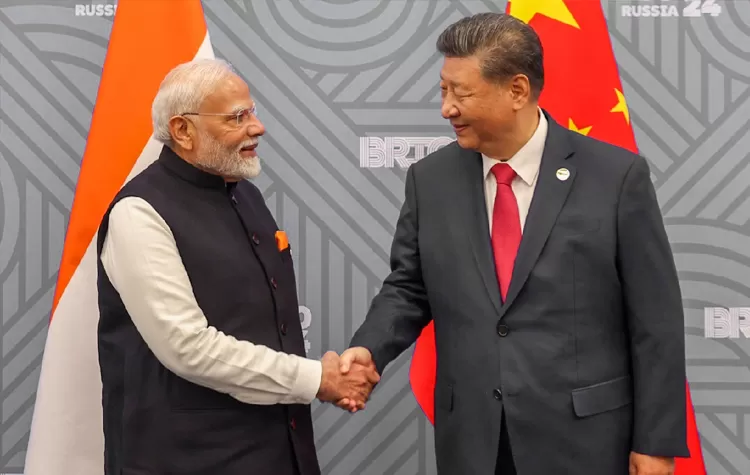
By Nitya Chakraborty Narendra Modi has been heading the Indian government as the Prime Minister since 2014. He has made so far many observations about the delicate India-China relations in the last nearly eleven years, but his observations on this issue made to the American journalist cum researcher Lex Fridman in his podcast released on […]

HONG KONG SAR – Media OutReach Newswire – 19 March 2025 – Jamf (NASDAQ: JAMF) the standard in managing and securing Apple at work, announced it has been included as a Representative Vendor in the 2025 Gartner® Market Guide for Endpoint Management Tools. As the report points out: “Using a unified endpoint management (UEM) tool remains the best approach to managing the entire employee device fleet. However, […]

Escalating conflict in the Middle East has led to significant upheavals in global financial markets. On March 18, 2025, Israel launched extensive airstrikes across the Gaza Strip, effectively ending a ceasefire that had been in place since January. These strikes resulted in over 400 Palestinian casualties, including many women and children, marking one of the deadliest 24-hour periods in the region since 2023. Israeli Prime Minister Benjamin […]

Amazon has announced that, effective March 28, 2025, all voice recordings from Echo devices will be processed exclusively in the cloud, eliminating the option for local processing. This change accompanies the introduction of Alexa+, a generative AI-powered assistant designed to offer more advanced features and a human-like interaction experience. The shift has raised significant privacy concerns among users and experts alike. Previously, certain Echo models offered a […]

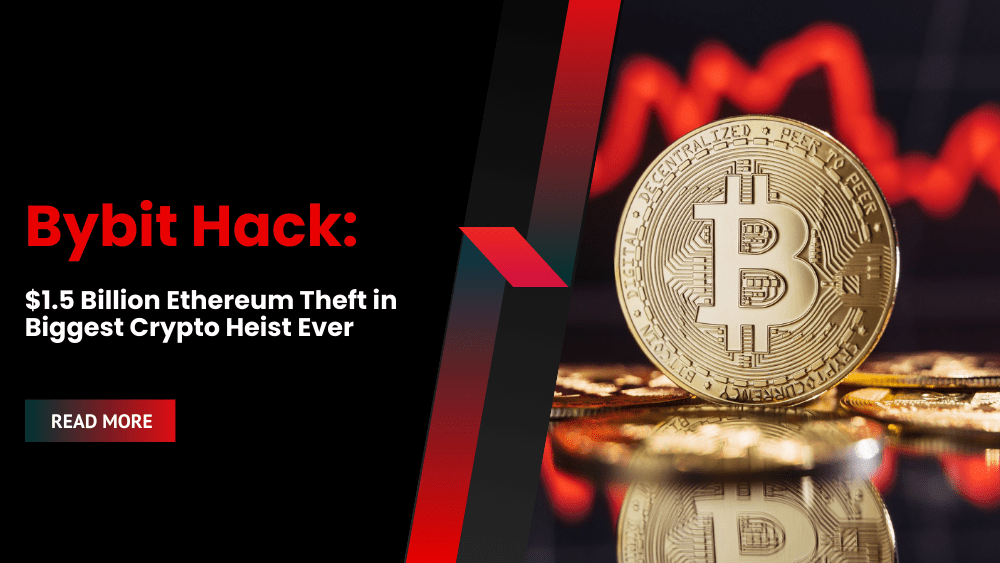
On 21 February 2025, Bybit, one of the world’s leading cryptocurrency exchanges, suffered a monumental security breach resulting in the theft of approximately 400,000 Ether tokens, valued at $1.5 billion. This incident has been identified as the largest cryptocurrency heist to date, surpassing previous records and sending shockwaves throughout the digital asset community.

The breach occurred during a routine transfer from Bybit’s cold wallet to a warm wallet—a standard procedure intended to ensure liquidity for daily operations. Attackers exploited this process by intercepting the transfer, redirecting the substantial sum to unknown addresses. Initial investigations have traced the hack to the Lazarus Group, a cybercrime organization associated with North Korea, notorious for orchestrating similar high-profile cyberattacks in the past.

In the immediate aftermath, Bybit’s market share plummeted from nearly 20% to a mere 5% by 2 March 2025, as users and traders sought more secure platforms. Binance emerged as a primary beneficiary during this period, with its market dominance soaring to 62% as traders migrated their assets. Other major exchanges, such as OKX and Coinbase, also experienced minor increases in market share, reflecting a broader redistribution of trading activity.

Bybit’s swift crisis response played a crucial role in stabilizing the situation. Unlike many exchanges that suspend withdrawals during security breaches, Bybit maintained operational status, allowing users to access their funds. This decision, coupled with consistent updates, helped maintain confidence and prevent mass withdrawals. The exchange also secured emergency funding from firms including Galaxy Digital, FalconX, and Wintermute, replenishing its reserves within 72 hours. By 9 March 2025, Bybit’s market share had rebounded to 9.04%. However, the exchange still faces significant reputational damage and lingering trust issues, raising doubts about its ability to fully regain its pre-hack position.

The incident has sparked discussions about the inherent vulnerabilities within the cryptocurrency ecosystem. While technological defenses continue to advance, this breach underscores that human error remains a critical weak point. INSEAD’s Ben Charoenwong emphasized that human failings, rather than technical glitches, are often the most significant factors in such incidents. He highlighted that a barrier to effective security is the reluctance to acknowledge ownership and responsibility for vulnerable systems.

The Bybit hack serves as a stark reminder of the importance of robust security protocols and the need for continuous vigilance in the rapidly evolving digital asset landscape. As the industry grapples with the implications of this unprecedented breach, stakeholders are urged to reassess their security measures, prioritize transparency, and foster a culture of accountability to safeguard against future threats.

By Deeksha Dwivedi The recent arrest of Mahmoud Khalil in the United States, an active member of Columbia University’s protests against the ongoing genocide in Gaza, takes me back to 2016 when student political leaders Umar Khalid, Kanhaiya Kumar and Anirban Bhattacharya were arrested by the Delhi Police on charges of sedition. A controversy had […]


OKX, a prominent cryptocurrency exchange, has temporarily suspended its decentralized exchange aggregator service following the detection of a coordinated attempt by the North Korean hacking collective, Lazarus Group, to exploit its decentralized finance offerings. This proactive measure aims to bolster security and prevent further misuse of the platform.

The exchange announced that, after consulting with regulators, it decided to pause its DEX aggregator services to implement additional security upgrades. This suspension allows OKX to address incomplete tagging on blockchain explorers and enhance its systems to prevent malicious activities. The company emphasized its commitment to transparency and is collaborating with blockchain explorers to ensure accurate labeling of transactions, thereby preventing the misidentification of its aggregator as the point of trade.

In response to the detected threats, OKX has already rolled out several security enhancements. These include a hacker address detection system for its Web3 DEX aggregator and a real-time tracking mechanism to monitor and block malicious addresses within its centralized exchange. These measures are part of OKX’s ongoing efforts to stay ahead of cyber threats and protect its users.

Despite the suspension of the DEX aggregator, OKX’s wallet services remain operational. However, the creation of new wallets has been temporarily paused in select markets during this period of heightened security measures. The exchange has not provided a specific timeline for the resumption of its DEX aggregator services, indicating that the suspension will remain in effect until the necessary security upgrades are fully implemented.

The decision to suspend the DEX aggregator comes amid reports of European Union financial watchdogs investigating OKX’s Web3 services and wallet offerings for their alleged role in laundering funds from a significant hack targeting another cryptocurrency exchange, Bybit. According to Bybit CEO Ben Zhou, approximately $100 million from the $1.5 billion hack had been laundered through OKX’s Web3 platform, with a portion of the funds now untraceable.

OKX has refuted these allegations, stating that such reports are misleading. The exchange asserts that upon learning of the Bybit hack, it took immediate action by freezing associated funds from moving into its centralized exchange and developing new hack detection features. OKX maintains that its Web3 DEX aggregator is not a custodian of customer assets but rather serves to provide access to liquidity across multiple protocols, offering users an efficient peer-to-peer trading experience.

The Lazarus Group, believed to be linked to the North Korean government, has been implicated in several high-profile cyberattacks targeting financial institutions and cryptocurrency platforms. Their involvement in the attempted exploitation of OKX’s DeFi services underscores the persistent threats facing the cryptocurrency industry.

In light of these events, OKX has reiterated its commitment to combating financial crime and enhancing the security of its platforms. The exchange has implemented measures such as prohibited markets’ IP blocking and a real-time black address detection and blocking system. OKX CEO Star Xu emphasized the company’s dedication to building industry control standards in collaboration with global partners to ensure a secure and transparent trading environment.

VISHNU RAJA
RYO YAMADA
HITORI GOTOH
IKUYO KITA