News related to
Immediate

DGCA has directed Air India to strip three senior officials of all responsibilities in crew scheduling and rostering, citing repeated and serious violations of licensing, rest periods, and flight‑duty time norms, according to its order dated 20 June. The order targets a divisional vice‑president and two crew‑scheduling managers, requiring disciplinary proceedings and immediate reassignment to non‑operational roles until reforms are enacted.

Air India must report the outcomes of disciplinary measures within ten days, while the DGCA warns that further breaches could result in financial penalties, licence suspensions, or even revocation of operating permissions. The directive followed a post‑transition audit after the airline migrated from ARMS to the CAE flight‑and‑crew management platform, which uncovered unauthorised crew pairings and scheduling beyond permissible duty hours.

Officials identified include Choorah Singh, Divisional Vice‑President; Pinky Mittal, Chief Manager, DOPS – Crew Scheduling; and Payal Arora, Planning – Crew Scheduling. The DGCA noted that these individuals were directly responsible for the failures in licensing compliance, rest‑period requirements and recency norms—a critical safety concern.

Two long‑haul Bangalore–London flights on 16 and 17 May exceeded the 10‑hour flight‑duty time limit under a special dispensation, prompting a separate show‑cause notice to the airline’s accountable manager.

This regulatory action follows last week’s Boeing 787 crash shortly after take‑off from Ahmedabad, which claimed 270 lives. Though the crew‑rostering order is not directly linked to the crash, it adds to the broader investigation and safety scrutiny surrounding Air India operations.

The DGCA’s move underscores systemic lapses in Air India’s crew‑management framework. The regulator expressed “serious and repeated” concerns, despite self‑disclosure by the airline, highlighting deficiencies in internal oversight and compliance controls. Air India has been instructed to implement corrective reforms to align with Civil Aviation Requirements, specifically those governing flight‑duty time‑limitations intended to mitigate fatigue.

These revisions are timely: new pilot duty‑and‑rest hour regulations will take effect from 1 July, increasing minimum weekly rest from 36 to 48 hours and capping night‑operation landings at two. The DGCA’s enforcement thus dovetails with wider efforts to bolster systemic safety in the aftermath of the Ahmedabad tragedy.

Regulatory experts observe that such administrative and disciplinary responses are not anomalies. In May, the DGCA issued warnings regarding overdue maintenance checks on three Airbus aircraft, including emergency‑equipment inspections. Earlier in the year, Air India received fines totalling ₹30 lakh for pilot recency violations.

Commenting on the broader safety landscape, former regulators note that consistent oversight is crucial in preventing fatigue‑related lapses and mechanical oversights. A sustained regulatory push is under way to restore confidence in Air India’s operational reliability.

Air India has yet to publicly respond to the DGCA directive. In previous instances, the airline has emphasised cooperation and accelerated internal reforms. As it enters the 10‑day deadline, the aviation community will closely monitor how the airline reshapes its rostering protocols and whether these measures signal a lasting shift in safety governance.


Toyota Motor Corp has confirmed that it will increase the prices of selected Toyota and Lexus models sold in the United States by an average of US $270 and US $208 respectively, with the changes taking effect in July 2025. The pricing adjustment comes as part of Toyota’s standard price‐review cycle, the company emphasised, rather than a direct response to the higher US import tariffs on vehicles and auto […]

The Saudi Central Bank has introduced sweeping reforms in the rules governing credit-card issuance and operation, aiming to reduce consumer costs, bolster transparency and align with global standards. The changes include mandatory fee notifications, reduced cash withdrawal charges, capped international transaction fees and improved disclosures.

SAMA will implement these updates within 30 to 90 days. Key changes include a requirement for issuers to send SMS alerts before any fee or term modification, allowing cardholders a 14-day window to cancel agreements without penalty under the updated terms. E-wallet top-ups using credit cards will now incur no charges, a move intended to incentivise digital payments.

Cash withdrawals of SR2,500 or less will carry a maximum fee of 3% of the transaction value; those of SR2,500 or more are capped at SR75. Previously, cash advance fees applied sharply until SR5,000 with a flat SR75, and beyond that 3%, up to SR300—making the new cap notably more favourable for larger withdrawals. International purchases will now attract a clear 2% fee of the transaction amount.

A notable enhancement allows customers to deposit amounts beyond their credit limit and withdraw them at any point without additional charges, enhancing flexibility and consumer agency. Account statements must now be issued via SMS at least 25 days before payment, detailing balances, due dates and fees. Immediate notifications must follow any credit-card transaction, including details such as merchant, amount and remaining limit. Issuers are also required to provide pre‑transaction tools for estimating international charges and reward benefits.

Repayment provisions maintain consumer safeguards: a 25-day minimum grace period is mandated before term costs apply. The rules prohibit levying additional fees for full balance payments and outlining clear terms for minimum payments and their implications.

These reforms are underpinned by standardised disclosure templates for fees and benefits, inclusive of promotional terms—a step towards consistency across the market. Issuers must emphasise APR, term costs and expiration timelines for rewards or promotions, with SMS reminders 14 days in advance.

SAMA’s emphasis on mandatory due diligence and creditworthiness checks prior to card issuance is reinforced under the new framework. Criteria now include explicit customer consent via authenticated channels, formal credit record assessments and eligibility conditions aligned with industry best practices.

Procedures for supplementary cards, default reporting and dispute resolution have also been clarified. For example, the minimum repayment remains 5% of the due balance, and any default procedures must include consumer advisory services before legal or collection measures begin.

SMS has been designated the primary channel for disclosures, with issuers obliged to inform customers of account activity, fee changes and promotional developments. Financial institutions must adhere to SAMA‑specified notification templates to promote uniformity and clarity.

According to a senior official within SAMA, the goal is to “establish minimum requirements to promote disclosure, transparency and fair practices, as well as to limit credit risk.” Industry reaction has been generally positive. Analysts from regional banks suggest the rules will “enhance consumer protection while supporting digital payment growth.” Critics, however, note potential implementation challenges—particularly in updating existing systems to align with stricter notification and compliance requirements.

The timing reflects SAMA’s broader strategy to modernise the financial sector and accelerate digital payments as part of Saudi Vision 2030. A 2020 directive mandated real‑time notifications for debit card and e-wallet transactions, laying foundational infrastructure for today’s enhanced SMS regime. Collaboration with global payment networks—such as Visa, MasterCard and American Express—has helped shape caps on international and cash advance fees.

Banks and fintech firms are now preparing compliance roadmaps. One major lender has initiated system-wide updates to include the new SMS templates, fee calculators and balance‑flexibility features. Industry trade bodies are urging transparency in implementation timelines to ensure consumers are well informed ahead of the rollout.

As SAMA positions Saudi Arabia’s credit‑card framework at par with international best practice, key areas to monitor include transparency in third‑party charges, enforcement mechanisms for non-compliant issuers, and feedback from consumer‑protection advocates.

KUALA LUMPUR, MALAYSIA – Media OutReach Newswire – 21 June 2025 – Crude oil, which is arguably the world’s most important commodity, is on everybody’s mind right now. The flared up conflict in the Middle East is increasing risks of a major oil supply shock, potentially pushing the price of ‘black gold’ into the stratosphere and completely derailing the global economy. In this article, Octa, a global […]

Question.AI has launched a significantly enhanced AI-driven educational platform designed to provide immediate, accurate assistance across diverse subjects. Now boasting over 20 million monthly users, the platform offers image-based problem solving, writing enhancements, multilingual translation, and real-time AI chat—all accessible around the clock. At the heart of the offering is a “snap‑and‑solve” feature that allows users to upload photos of homework problems and receive detailed, step‑by‑step solutions […]

By Nitya Chakraborty The Israel-Iran war which entered its eighth day on Friday June 20 witnessed some major developments in the last 24 hours frustrating Tel Aviv’s desperate bid to speedily finish off its task of destroying Iran, especially Teheran. Chinese President Xi Jinping talked to Russian President Vladimir Putin late Thursday on the joint […]

Santos Ltd’s board of directors has endorsed a US $18.7 billion cash offer from an Abu Dhabi-led consortium, pledging immediate relief for stretched gas markets but plunging Australia into a high-stakes national interest conflict. The bid, sponsored by ADNOC’s investment arm XRG alongside ADQ and Carlyle, offers A$8.89 per share—a 28 per cent premium to Santos’s market value—while assuming A$36.4 billion in enterprise debt. It marks the largest all‑cash takeover ever in […]

Advertisements

Acquisition strengthens Chemin’s capabilities in complex AI data services amid global demand surge SINGAPORE – Media OutReach Newswire – 20 June 2025 – TDCX Group, a leading provider of digital customer experience (CX) and growth services for global enterprises, today announced the acquisition of SUPA, a cutting-edge data labeling and annotation platform known for its agile, gig-powered delivery model. SUPA will be integrated into Chemin, TDCX Group’s […]

Tata Consultancy Services confirmed its systems and user infrastructure remain uncompromised following the cyberattack that struck the retailer Marks & Spencer. At its annual shareholder meeting on 19 June, independent director Keki Mistry emphasised, “As no TCS systems or users were compromised, none of our other customers are impacted,” noting the ongoing M&S investigation does not extend to TCS systems.

M&S, which disclosed the cyber incident in April, continues to navigate significant disruption. The attack, attributed to the “highly sophisticated and targeted” Scattered Spider hacking group, reportedly utilised stolen help‑desk credentials from a TCS contractor. This led to the theft of personal data and forced the retailer to suspend online clothing sales for weeks—their online operations remain impaired, with recovery expected to extend into July.

Financial impact estimates remain stark. M&S anticipates a £300 million loss in operating profit, with weekly losses highlighted at approximately £40 million spanning clothing and food services. The retailer has drawn on its robust financial footing—boasting over £400 million in net funds before the incident—to support recovery measures. Insurance claims and cost containment strategies aim to offset roughly half of the losses.

The attack’s disruption extended to in‑store services, including payment systems and “meal‑deal” availability at stations, where stocks dwindled and meal‑deal offers were suspended. M&S CEO Stuart Machin described the incident as triggered by human error, stating that attackers duped a contractor’s help‑desk staff via social engineering tactics. Although M&S has not disclosed ransom payment details, hackers reportedly issued a ransom demand to Machin directly, claiming ransomware deployment across the retailer’s servers.

TCS had been internally probing whether its systems served as the breach gateway, an inquiry reportedly scheduled for completion by the end of May. With Mistry’s public assurance, TCS now distances itself from fault, while confirming its services to other clients—including the UK Co‑op—remained unaffected.

Beyond TCS, UK retailers Co‑op and Harrods have suffered similar breaches in recent weeks, prompting government authorities to call cybercrime “serious organised crime” and urge businesses to elevate cybersecurity priorities. The National Cyber Security Centre is rolling out new software security guidance for the sector.

M&S leadership has kick‑started accelerated IT modernisation, fast‑tracking system upgrades they had planned over two years into the next six months to strengthen defences. CEO Machin reaffirmed the retailer’s resilience, underlining transparency in communication and ongoing support to customers during the disruption.

While TCS’s reassurance quells immediate concerns among its client base, reputational challenges linger. Cybersecurity analysts warn that such high‑profile breaches erode trust in outsourcing vendors. Mumbai‑based brokerage Nirmal Bang commented that linkage to the attack would be “quite embarrassing” for TCS.

TCS’s absence of any formal probe initiation by regulators signals regulatory leniency. However, this episode spotlights the vulnerabilities inherent in third‑party access chains. As M&S works to restore its online footprint and TCS reaffirms its integrity, both firms face ongoing scrutiny over their cybersecurity governance.

Security researchers have uncovered an enormous password cache comprising 16 billion unique login credentials spanning major platforms such as Apple, Facebook, Google, Telegram, GitHub, VPN services and even government portals—making it the largest credential leak known to date. These credentials were harvested via at least 30 substantial datasets, some containing up to 3.5 billion records, indicating multiple infostealer malware operations operating at a large scale during 2025. Researchers found […]

If the United States launches direct military strikes against Iran, global stock markets will likely react with speed and force—dropping hard before any official policy statements are made or economic forecasts adjusted. This would not be a measured repricing. It would be a sharp reflex from investors who have, until now, largely overlooked the rising threat of a wider regional war in the Middle East. Equities across […]

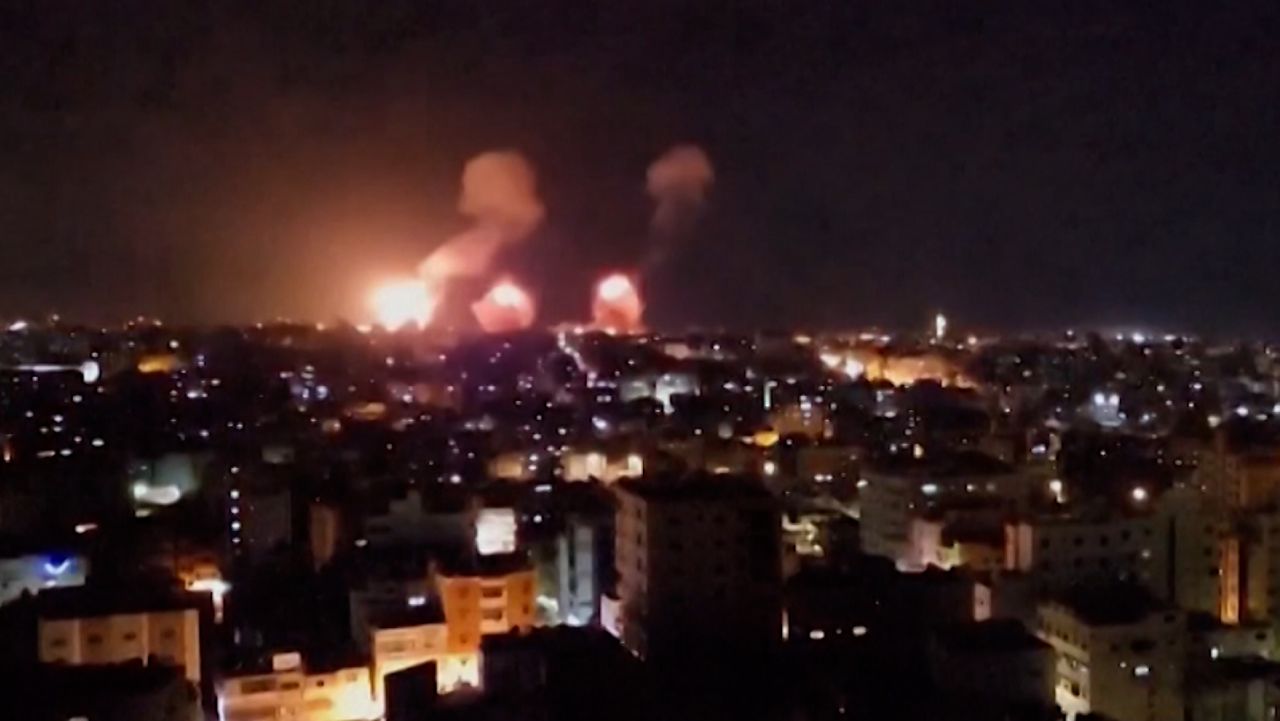
A ballistic missile launched by Iran struck the Tel Aviv Stock Exchange building in Ramat Gan on 19 June 2025, inflicting substantial structural damage in the heart of Israel’s financial district. This incident occurred amid a coordinated barrage that also hit key civilian infrastructure elsewhere, including Soroka Medical Centre in Be’er Sheva, intensifying already volatile regional tensions.

Sirens wailed across central and southern Israel as air defence systems engaged waves of inbound missiles. Between 20 and 30 ballistic projectiles were reported, an escalation surpassing previous exchanges earlier this monthꟷnotably those on 15 and 16 June, which injured dozens and damaged residences in Tel Aviv, Bat Yam and Haifa. This latest salvo targeted multiple urban areas, with at least 32 civilians confirmed wounded by Magen David Adom teams, some in serious condition.

The stock exchange structure, known as Birsa, sustained extensive facade damage and shattered windows, with parts of surrounding offices impacted. Video footage circulated online showing debris falling from upper floors into streets below. Emergency crews were deployed immediately to evacuate employees and assess structural integrity, though no fatalities were reported at the site.

In parallel, Soroka Medical Centre at Be’er Sheva—Israel’s principal hospital serving around one million residents with more than 1,000 beds—was also struck. Footage and eyewitness reports confirmed significant damage: roof collapse in some wards, shattered glass across corridors and injuries among both patients and medical staff. Hospital officials imposed strict access controls, advising the public to avoid the area as emergency protocols were activated.

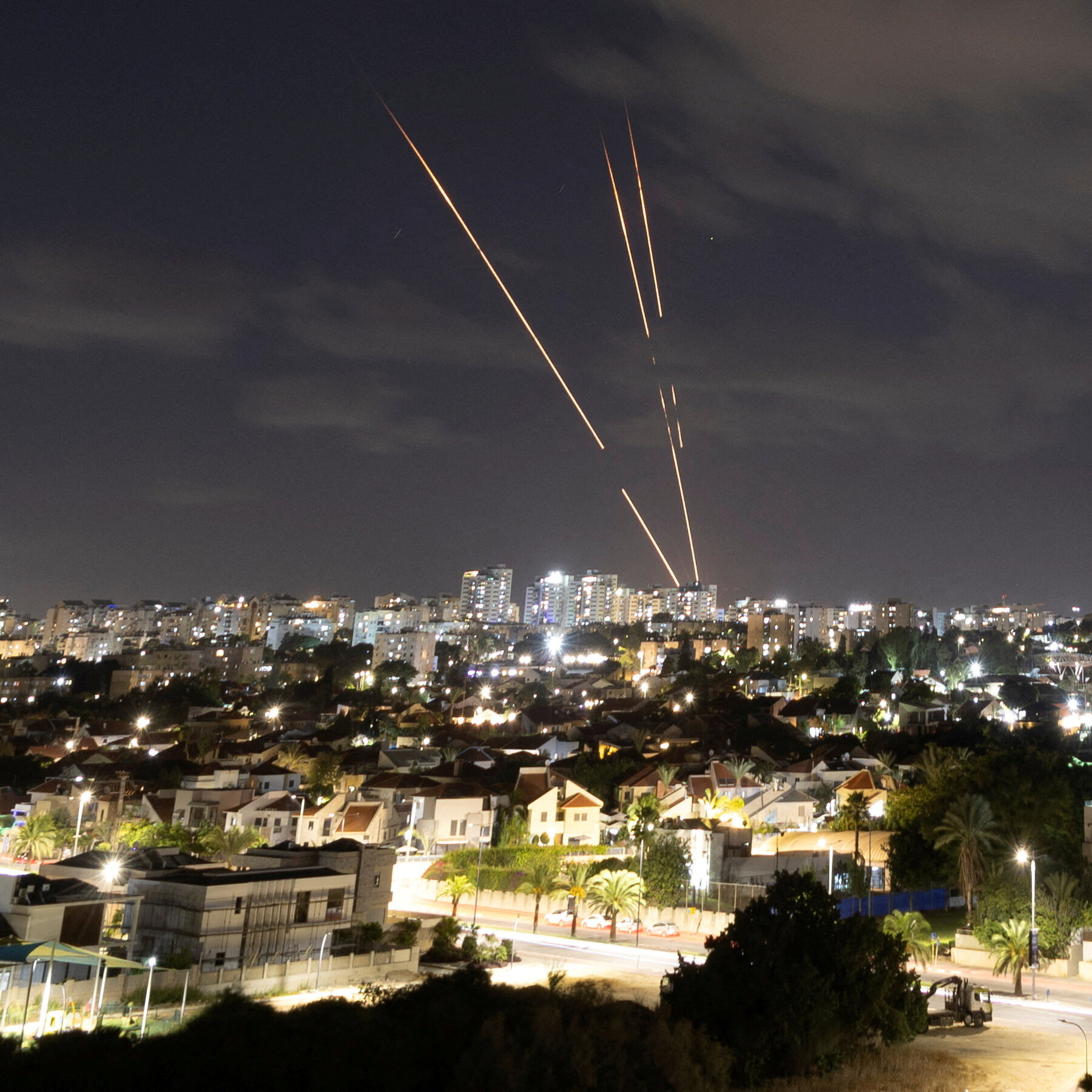
Israel’s air-defence systems, including Iron Dome and Arrow batteries, intercepted many of the missiles but failed to prevent all impacts. Some missiles penetrated defences and struck densely populated neighbourhoods, damaging residential high-rises and injuring civilians. This pattern marks a troubling shift. Previous intercepts had been more successful, but the latest strikes have underscored vulnerabilities in urban protection.

The missile offensive came as retaliation for Israel’s strikes on Iranian nuclear facilities. Earlier on 19 June, Israeli aircraft reportedly struck the heavy-water reactor at Arak and a related plutonium-production component, in what the Israeli government called efforts to disrupt Tehran’s nuclear capabilities. Iran’s state media countered that the reactor had been evacuated in advance and there was no radiation leak.

Prime Minister Benjamin Netanyahu publicly condemned the missile strikes on Israel’s financial hub and its hospital network, accusing Iran’s leadership of targeting civilians and vowing that Tehran “will pay the full price”. Defence officials say that Iran deployed over 25 missiles targeting Israeli urban centres during this wave.

Humanitarian services are stretched thin. Magen David Adom paramedics reported at least 32 people with injuries ranging from shock and minor shrapnel wounds to serious trauma in Be’er Sheva and Tel Aviv. Hospitals near strike zones have diverted critically ill patients and limited admissions to emergencies, raising concerns over the continuity of essential health services.

Economically, the assault on the stock exchange reverberated across markets. While share trading has continued, operational disruptions occurred as staff evacuated and investigations into building safety commenced. Analysts note that the financial centre embodies Israel’s economic resilience, but warn that repeated infrastructure targeting injects uncertainty into investor sentiment.

As missiles fly in both directions, global powers are watching warily. US President Donald Trump indicated possible military support for Israel pending internal approval, while European leaders called for restraint and emphasised the potential for diplomatic channels. The International Atomic Energy Agency has voiced alarm over Iran’s uranium enrichment practices, now exacerbated by military confrontations sparked by retaliatory airstrikes.

Israeli authorities warn that this may be Iran’s most sustained attack yet, burning through long-range arsenal previously reserved for strategic military targets. Intelligence assessments suggest Iran is deploying missiles intensively—over 400 since the conflict’s escalation—though only a fraction have struck urban centres.

With civilian infrastructure clearly in the crosshairs, the stakes are escalating dangerously. Analysts warn that further strikes on hospitals, markets or cultural institutions may invite stronger Israeli countermeasures, potentially widening the conflict. For now, cities remain on high alert as missiles continue to disrupt daily life and rattle the foundations of an already tense Middle East.

Oil markets surged on Tuesday and Wednesday as escalating military exchanges between Iran and Israel sparked investor anxiety. Brent crude futures climbed approximately 2.1 per cent to $74.79 a barrel by 12:02 GMT, while US West Texas Intermediate settled near $73.19—following intraday swings exceeding 2 per cent gains and drops. The gains were driven by soaring geopolitical concerns after Israel bombed Iran’s South Pars gas field—shared with Qatar—igniting a fire that prompted Iran […]

By K Raveendran With the likelihood of a diplomatic solution appearing increasingly distant, West Asia is now clearly veering toward a longer and more intense confrontation, one that may significantly reshape economic, geopolitical, and energy dynamics not only in the Middle East but globally. What was initially perceived as a retaliatory exchange following months of […]


The United Arab Emirates has cautioned against a dangerous spiral between Israel and Iran, as its foreign minister strongly warned that “uncalculated and reckless steps” might spread beyond the conflict zones. Sheikh Abdullah bin Zayed Al Nahyan expressed deep concern over escalating military actions that risk drawing in neighbouring states and aggravating regional instability, the UAE Foreign Ministry said on Tuesday. Abu Dhabi’s heightened alarm follows a sharp intensification of hostilities. […]

Matein Khalid There is precious little good news to emerge from the Middle East since the IDF launched its spectacular blitzkrieg and leadership decapitation strike against Iran’s nuclear asset and military/intelligence elite last Friday. This weekend was grim with Iran’s ballistic missile strike on Haifa and Tel Aviv with even a real miss on the IDF command and control complex in Kirya. Netanyahu’s boast that he would […]

A minor yet persistent air leak inside the Zvezda service module of the International Space Station has led NASA to indefinitely postpone Axiom Mission 4, highlighting widening concerns over the station’s ageing infrastructure and safety. Though currently stable, pressure readings in the affected segment continue to require close monitoring by NASA and Roscosmos, reinforcing questions over the ISS’s longevity and future viability. The anomaly was detected in […]

Security experts have identified a critical and exploitable chain of vulnerabilities in Sitecore Experience Platform that enables pre-authenticated remote code execution, sparking concern among enterprises that deploy the CMS. The flaws include a hard‑coded single‑character credential in an internal account, coupled with two post-authentication flaws facilitating arbitrary file uploads—one through a zip‑slip path‑traversal and another via Sitecore PowerShell Extensions. The most troubling discovery centres on the sitecoreServicesAPI […]

Chad is confronting a cascading humanitarian disaster in its eastern regions, where acute food shortages coincide with a rising risk of cholera, UN officials have warned. At a UN briefing in Geneva on 13 June, François Batalingaya, the UN Resident and Humanitarian Coordinator in Chad, urged the global community to act decisively as millions face worsening hunger and potential disease outbreak. The country is enduring its sixth successive […]

Thousands of visitors were left outside the Louvre under its iconic glass pyramid on 16 June 2025 after staff launched a spontaneous strike over overcrowding, chronic understaffing and deteriorating infrastructure at the world’s most‑visited museum. The closure, initiated during a routine internal meeting, involved gallery attendants, ticket office personnel and security staff who refused to work, describing current conditions as “untenable”. The unexpected walkout ignited fresh scrutiny […]

Pump.fun’s official X account and that of its co‑founder Alon Cohen have been suspended by X as part of a broader enforcement effort targeting numerous memecoin‑related accounts, according to platform observers. The action, which began on 16 June, affected dozens of handles tied to Solana‑based crypto tools—including GMGN, Bloom Trading, BullX, ElizaOS—and coincided with growing concern over platform manipulation, unauthorised data access and regulatory rumblings.

The affected accounts were removed around 19:30 UTC on 16 June, leaving followers unable to access official communications. Platforms such as GMGN and Bloom Trading also noted unexplained suspensions, prompting speculation about an “internal enforcement sweep” rather than mass reporting. Notably, X has not issued any formal explanation of policy breaches or rule changes that prompted the action.

Some within the crypto community suggest the crackdown may stem from unauthorised use of X’s API infrastructure. Observers point to tools linked to Pump.fun and others that scrape tweet data or emulate automated trading without premium API access—activities that could trigger platform enforcement. However, neither X nor any of the suspended entities have confirmed such allegations.

The broader context involves mounting regulatory and ethical pressures on the Solana‑based memecoin ecosystem. Pump.fun, launched in January 2024 by Alon Cohen, Noah Tweedale and Dylan Kerler, has been prolific in facilitating meme token launches—over 6 million coins had been created via the platform by early 2025, according to Wired. But token launches have grown increasingly controversial. A livestreaming feature, later suspended, was tied to extreme promotional tactics, including staged threats of suicide or violence during broadcasts.

Earlier this year, the platform faced a class‑action lawsuit in New York alleging it operated as an unregistered securities offering and facilitated pump‑and‑dump schemes, notably involving a token called PNUT. This suit highlights regulators’ concerns that Pump.fun may operate in a legal grey zone. In addition, the UK Financial Conduct Authority warned the platform in late 2024 about offering unlicensed financial services.

Market data following the suspensions reveals immediate ripples: within an hour of X account removals, new tokens referencing the bans flooded Pump.fun, generating over US $10 million in volume. Five such suspension‑themed tokens ranked among the top‑ten daily by trading volume.

Crypto traders and observers are divided. Some see the suspensions as overdue intervention against manipulative tools; others raise concerns about opaque enforcement and potential overreach. Affected platforms, such as GMGN, have assured users that operations remain intact while formal appeals with X are underway.

Technical analysis indicates this episode is unlikely to halt memecoin activity. Indeed, pump‑and‑dump cycles continue: behavioural studies show short‑term spikes in token value followed by longer‑term declines averaging 30 per cent over 12 months. In the absence of clear regulation or platform transparency, speculative launches keep drawing liquidity.

President Donald Trump has called for the immediate evacuation of Tehran, warning that Iran “cannot have a nuclear weapon” after a series of escalating military exchanges with Israel. He issued the statement via Truth Social while attending the G7 summit in Canada, then departed early to convene his national security team. The growing hostilities, now entering a fifth day, have provoked market turbulence, prompted military deployments, and […]

Arabian Post Staff -Dubai Shadow has rolled out its Neo cloud PC tier, immediately replacing its Boost offering across Europe and North America. Priced from $37.99 a month, Neo delivers performance aiming at NVIDIA RTX 4060-class levels and is supported on fibre links up to 1 Gb/s. Powered by an eight‑vCore AMD EPYC processor clocked between 3.25 GHz and 3.8 GHz and equipped with 16 GB DDR5 RAM, Neo uses Nvidia’s RTX 2000 […]

Amazon Web Services has secured a landmark 20‑year power purchase agreement with Talen Energy, guaranteeing 1,920 MW of carbon‑free electricity from the Susquehanna nuclear plant in Pennsylvania. The contract, lasting until 2042 with extension options, positions nuclear energy as a pillar of Amazon’s strategy to meet surging demand from its AI and cloud operations. Talen will gradually ramp up delivery, starting with 840–1,200 MW by 2029 and reaching full […]

VISHNU RAJA
RYO YAMADA
HITORI GOTOH
IKUYO KITA