News related to
Immediate

The International Court of Justice in The Hague issued an advisory opinion stating that Gaza Strip’s occupying power must facilitate humanitarian relief efforts by the United Nations Relief and Works Agency for Palestine Refugees in the Near East and other UN bodies, and ensure the civilian population’s essential needs for food, water, shelter, fuel and medical care are met. Presiding Judge Yuji Iwasawa declared that Israel “is […]

Cybersecurity firm Sophos has unveiled its new solution, Sophos Identity Threat Detection and Response, offering organisations continuous monitoring of identity risks, dark-web credential tracking and automated response capabilities within its Sophos Central platform. The UK-headquartered company positions the product as a strategic response to the “never-ending” rise of identity-based attacks. The new ITDR module integrates with Sophos’ existing Extended Detection and Response and Managed Detection and Response […]

HONG KONG SAR – Media OutReach Newswire – 23 October 2025 – The Hong Kong Productivity Council (HKPC) today released the results of the “AI Readiness in Workplace Survey 2025”, which delves into the overall readiness, actual needs, challenges and future development opportunities of local enterprises in the application of artificial intelligence (AI). Building on these insights, HKPC set out eight strategic recommendations to drive broad and […]

Oil prices shot up by around 3% Thursday, driven by fresh US sanctions on Russia’s top oil producers and signs that major buyers are rethinking their purchases. Brent crude futures rose to approximately $64.53 per barrel, while US West Texas Intermediate climbed to about $60.39.

The sanctions, targeting Rosneft and Lukoil, mark a marked escalation by the US in response to Russia’s war-time exports. The measures were accompanied by a US warning that further action could follow unless Moscow commits to a cease-fire.

A key knock-on effect: Indian refiners, including state-owned entities, have begun reviewing trade documents to ensure they are not sourcing crude directly from the sanctioned suppliers. With India having become one of the largest importers of discounted Russian oil following Western withdrawals, the scale of this review is significant.

The sanctions underscore a new risk premium in the oil market. Unlike previous rounds of sanctions—which largely constrained financing, insurance and shipping without substantially affecting physical oil flows—this move seeks to directly curtail output from Russia’s two largest producers. Rosneft and Lukoil collectively account for a large share of Russian crude exports and fuel the Kremlin’s budget.

Analysts caution, however, that while the immediate reaction has been sharp, structural supply disruption is not guaranteed. Russia retains significant production capacity and a sophisticated network of intermediaries and a “shadow fleet” of tankers that have helped maintain exports despite earlier sanctions. Nevertheless, the combination of curtailed Russian supply and potential reductions in purchases by major refiners sets the scene for tighter market conditions.

In India, refiners such as Indian Oil Corporation, Bharat Petroleum Corporation and Hindustan Petroleum Corporation are scrutinising bills of lading and cargo origins to ensure compliance. India imported roughly 1.7 million barrels per day of Russian crude in the first nine months of the year, predominantly via intermediaries rather than directly from Rosneft or Lukoil. The new sanctions give insurers, banks and traders until 21 November to wind down transactions involving the sanctioned firms.

The US move also dovetails with other sanctions developments: the EU approved a 19th package targeting Russia’s energy exports, including a ban on Russian liquefied natural gas imports and restrictions on shadow-fleet tankers. The combined effect is to intensify pressure on Russia’s energy supply chains.

From a market-demand vantage point, the worry is whether alternative sources can swiftly fill any gap. OPEC+ producers have some spare capacity but not enough to instantly offset a major Russian shortfall. Meanwhile, the US inventory situation added fuel to the rally: US crude stockpiles declined unexpectedly, reinforcing supply-tightness perceptions.

Energy-market specialists say the key factors to watch include India’s crude-import strategy, China’s stock-building trends and how aggressive Russia’s response will be—whether via production cuts or leveraging its ties with China and others. One observer noted the sanctions could be “a knee-jerk reaction” rather than a structural pivot, given Russia’s past ability to maintain volumes despite sanctions.

Purchasers of Russian crude face a growing compliance burden. Firms must navigate insurance exclusions, shifting shipping patterns and potential secondary sanctions from the US. Some refiners may opt to ramp up purchases from the US Gulf and other non-Russian sources, which could reorient trade flows and raise Atlantic-coast pricing.

Dubai-headquartered digital operator VEON Ltd. is set to acquire full ownership of classified-ads platform OLX Kazakhstan through its Kazakh subsidiary Beeline Kazakhstan for US$75 million, marking a strategic push into Central Asia’s digital services ecosystem. The deal expands Beeline’s footprint beyond connectivity into online marketplace operations at a time when Kazakhstan’s internet penetration and e-commerce engagement are advancing. Under the terms, Beeline Kazakhstan will acquire 100 per cent of […]

A significant outage at Amazon Web Services rippled through the digital economy on 20 October 2025, cutting off access to dozens of major websites and applications. The disruption emerged from AWS’s US-EAST-1 data-centre region in Northern Virginia — a hub that hosts some of the world’s most critical cloud infrastructure. The fault, described by AWS as a failure in network-load-balancer health monitoring and associated DNS resolution problems, […]

HONG KONG SAR – Media OutReach Newswire – 20 October 2025 – For Hong Kong tertiary students, pursuing dreams often comes with financial pressures. While applying for the government’s Student Financial Assistance Scheme (“Grant Loan”) is a common option, its complex application process and strict deadlines frequently catch students off guard, potentially leading to missed tuition payments and penalties. uFinance, a dedicated student loan platform, addresses this […]

Advertisements

HONG KONG SAR – Media OutReach Newswire – 17 October 2025 – The Mineral Boutique Spa, a new luxury wellness destination located on the 36th floor of WWTTC Mall in Causeway Bay, officially opened in August 2025. Overlooking panoramic sea views and the city skyline, the spa introduces a new era of mineral-based skincare and personalized wellness experiences in Hong Kong. Positioned between a spa and a […]

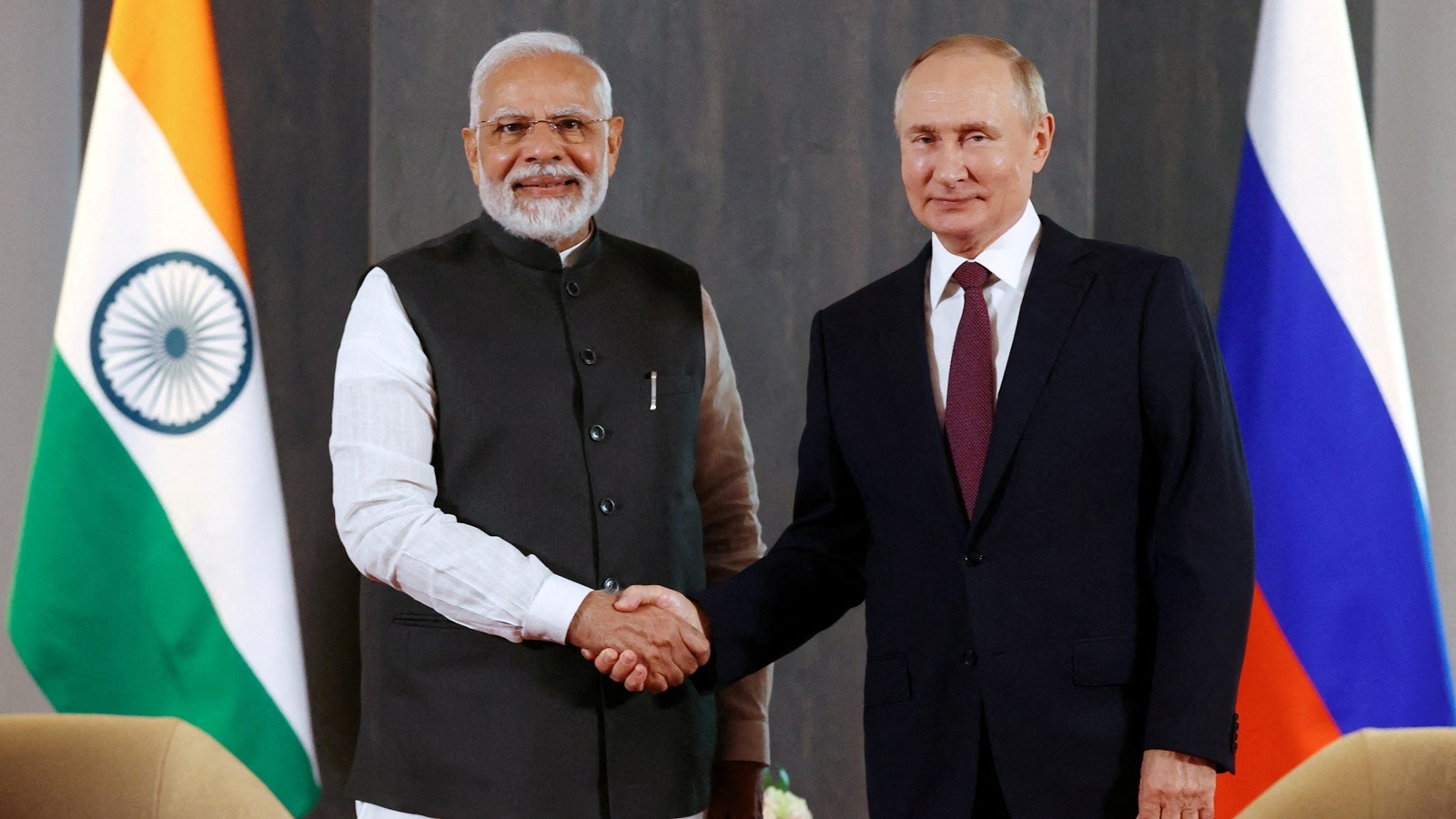
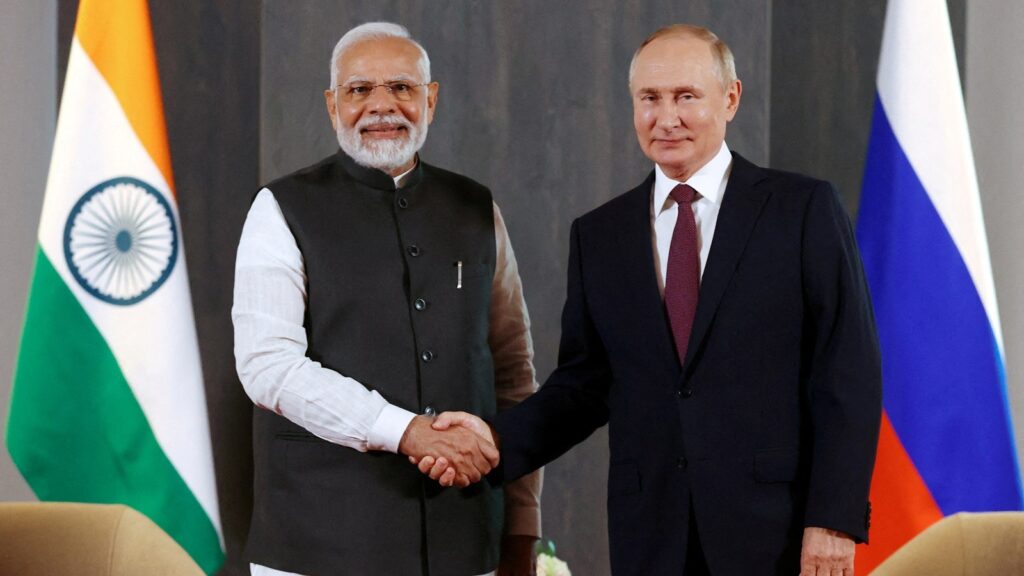
By Nitya Chakraborty Prime Minister Narendra Modi’s diplomatic woes are mounting as Russian President Vladimir Putin’s proposed visit to India on December 5 and 6 is approaching. US President Donald Trump is determined to ensure substantial reduction in Indian imports of Russian oil by November and this has been linked with the progress of the […]

The article Narendra Modi’s Mounting Dilemma Over President Putin’s Visit To India In December appeared first on Latest India news, analysis and reports on Newspack by India Press Agency).

By Girish Linganna The prisoner-hostage exchange between Israel and Hamas has been completed successfully, and many are calling it a major victory for peace. Twenty Israeli hostages returned home in exchange for about 2,000 Palestinian prisoners, aid started flowing back into Gaza, and guns fell silent after months of devastating conflict. But anyone familiar with […]

The article A House Built On Sand: The Fault Lines In Trump’s 20 Point Gaza Peace Plan appeared first on Latest India news, analysis and reports on Newspack by India Press Agency).

Alibaba’s most advanced vision-language model, Qwen3-VL 235B, is now accessible via Ollama’s cloud infrastructure, signalling a milestone in multimodal AI deployment. The dense and sparse variants of the Qwen3 family—4B, 8B, 30B and 235B—are slated to become available for local use in due course. Qwen3-VL elevates visual reasoning capabilities: it can interpret graphical interfaces, recognise GUI elements, press buttons, call external tools and complete tasks autonomously. Its […]

Abu Dhabi — Aldar has sold all units of its Yas Living development in just days after launch, securing more than AED 1.3 billion in sales. The development comprises 678 apartments spread across three buildings, offering configurations from studios to three-bedroom units. Owners will enjoy dedicated amenities in each building — including adult and children’s pools, a cinema, zen gardens, games rooms, children’s play spaces, and a […]

Russia and China have endorsed an ambitious joint action plan to expand shipping via the Northern Sea Route, setting freight targets and launching collaborative projects that signal a deepening strategic partnership in the Arctic domain. At a meeting of the bilateral NSR sub-commission in Harbin, officials agreed on a roadmap aimed at scaling cargo traffic to 20 million tonnes by 2030, while pursuing development in shipbuilding, logistics, […]

Dubai Healthcare City Authority has unveiled a Dhs1.3 billion development programme for Phase 1 of Dubai Healthcare City, marking an aggressive expansion that aims to elevate its global standing in health infrastructure. Construction is set to start in December, with a targeted completion window by November 2027.

At the heart of the initiative lies a triple-pronged buildout: a LEED Platinum-certified office block, a purpose-built medical complex, and supporting infrastructure—each tailored to attract health-related investors and operators. The office building, designed by P&T Architects & Engineers, spans some 13,000 sqm across nine levels and includes flexible workspaces and ground-floor retail zones. The medical complex, by Design & Architecture Bureau, covers 5,800 sqm, with two basements and five floors, and is planned to accommodate surgical units, diagnostics, outpatient services and lab facilities.

Beyond buildings, the infrastructure scope includes multi-storey parking with electric vehicle charging points, integration with Salik for smart parking, and accessibility enhancements. The aim is to strengthen the underlying ecosystem so that the healthcare precinct becomes not just a cluster of clinics, but a fully serviced global health hub.

Issam Galadari, DHCA’s CEO, asserted that these projects reflect the authority’s ambition to combine sustainability, global investment appeal and design excellence, aligned with Dubai’s Economic Agenda and the UAE’s Net Zero Strategy 2050. Allae Almanini, COO, added that the works will “boost confidence for healthcare providers and investors” by improving efficiency, accessibility and sustainability across the community.

Phase 1 of DHCC, located in Oud Metha, currently operates within a 4.1 million sq ft footprint dedicated to medical services and education. Phase 2, by contrast, spans around 19 million sq ft at Al Jaddaf, and is oriented more toward wellness and mixed support services.

This new investment signals a sharpened focus on physical infrastructure as a differentiator. In recent years, DHCC has emphasised partnerships and innovation: its free-zone model already supports over 400 licensing entities and more than 168 clinical facilities. Earlier this year, DHCA collaborated with AI Quantum Intelligence Institute to launch an AI healthcare innovation lab in the free zone, and formed an agreement with AirMed International to deepen medical transport capabilities.

Analysts see the move as a bid to compete not only regionally, but globally. Healthcare infrastructure, especially when linked with sustainability credentials such as LEED Platinum certification, is increasingly a factor in investors’ decisions. The new build will position DHCC among the few healthcare zones worldwide that combine clinical, administrative and research capacity within one contiguous ecosystem.

However, the scale and timeline carry risks. Dubai’s construction sector is already navigating supply-chain pressures, labour constraints, and rising material costs. Ensuring timely delivery and quality control in a high-performance project will demand rigorous project management. Meanwhile, the authority must ensure that demand from healthcare operators, both local and international, matches the expanded real estate supply, lest vacancy rates rise.

More immediately, the December commencement date — just weeks away — will test DHCA’s readiness in securing contractors, tendering work packages and coordinating certifications. Delays in permitting or approvals could cascade into missed target windows. Yet, if executed successfully, the project will enable DHCC to present itself as an integrated health campus offering offices, clinical space, and support services under one sustainable umbrella.

Observers note that medical tourism in Dubai already commands significant weight, drawing patients from the GCC, the broader Arab world, Europe, and Asia. DHCA’s bet is that infrastructure sophistication will amplify that pull, especially for high-end specialty and precision medicine segments.


By Nitya Chakraborty There is a big possibility of renewal of India-US bilateral ties impacting the ongoing trade talks following the proposed one on one meeting between the Indian Prime Minister Narendra Modi and the U.S. President Donald Trump during their presence in Kuala Lumpur to attend the summit of ASEAN members on October 26 […]

The article Trump-Modi Meet At ASEAN Summit In Malaysia Can Remove Irritants In Indo-US Ties appeared first on Latest India news, analysis and reports on Newspack by India Press Agency).

Metra will implement fare hikes ranging from 13 % to 15 % starting February 2026 to counter a projected $200 million funding shortfall — a move that aims to prevent service cuts in the immediate term. The commuter rail system’s proposed 2026 budget, set at about $1.1 billion, depends heavily on that increase to stem deficits, while maintaining its existing service levels. The Regional Transportation Authority has […]

Qualcomm has confirmed its acquisition of Arduino, the Italian open-source electronic prototyping platform used by more than 33 million developers worldwide, in a move intended to deepen the chipmaker’s stake in edge computing and AI development. Under terms not disclosed publicly, Arduino will retain its brand, tools and mission, while joining Qualcomm’s broader technology and development ecosystem. As part of the deal, the two firms unveiled the […]

HANOI, VIETNAM – Media OutReach Newswire – 10 October 2025 – The Vietnamese music scene is experiencing an unprecedented seismic event: G-DRAGON has assented to fan demands, officially announcing a second performance for his highly anticipated G-DRAGON 2025 WORLD TOUR [Übermensch] IN HANOI. The decision to add a second show on Sunday, November 9, at the 8Wonder Ocean City follows a ticket phenomenon that has redefined the […]

A ceasefire between Israel and Hamas has entered into force, with the Israel Defence Forces confirming a suspension of major offensive operations and stepping back from parts of Gaza. The armistice supports a mediated exchange: Hamas will release 20 living hostages within 72 hours, and Israel will free a broad list of Palestinian detainees. The ceasefire commenced at midday local time, with Israeli troops withdrawing to a […]

By Nitya Chakraborty The Israel-Hamas peace deal announced by the US President Donald Trump on Wednesday night in Washington is a welcome development, however limited it be at the moment as the agreement between the two warring parties is only for the first phase of Trump sponsored deal involving the release of all hostages by […]

The article Israel-Hamas Ceasefire Deal Is Welcome But The Follow Up Is Crucial For Enduring Peace appeared first on Latest India news, analysis and reports on Newspack by India Press Agency).

Google has broadened the accessibility of its AI-powered search feature, now available in 35 additional languages and 40 more countries. This global expansion brings cutting-edge search capabilities to millions more users, further solidifying the tech giant’s position in the evolving digital landscape.

The search engine’s AI mode, which has already been integrated into several regions, is designed to enhance user experience by delivering more nuanced, contextually aware responses. It leverages advanced machine learning algorithms to provide users with relevant, personalised information based on their search queries. As a result, users now receive more accurate results and immediate answers, whether they’re looking for detailed technical data, news, or casual information.

The expansion into 35 new languages, including Bengali, Malay, and Persian, marks a significant milestone in Google’s ambition to create a more universally accessible search engine. The company’s efforts to make its AI-powered features more inclusive have resonated with a global audience, particularly in regions with high numbers of native speakers who had previously been underrepresented in AI-driven services.

This development is part of Google’s broader strategy to strengthen its competitive edge in the search market. With AI now becoming a central element in search functionality, the company aims to differentiate itself from other players, such as Microsoft’s Bing, which has also integrated AI technology into its search engine.

Google’s move aligns with its ongoing efforts to prioritise artificial intelligence across its platforms. AI’s role in search has evolved beyond simple query-based responses to complex problem-solving and semantic understanding. By deploying AI in this expanded format, the company is setting a new benchmark for how search engines should interact with users. The introduction of more languages ensures that users worldwide benefit from a more intuitive and responsive search experience.

The roll-out is also designed to capture the attention of non-English-speaking markets, where Google has faced competition from regional players. For example, in countries where local languages dominate, such as parts of Southeast Asia and the Middle East, the ability to use AI-driven search in native languages is a crucial step towards maintaining user loyalty. Google’s strategy appears to be not only about providing relevant information but also tailoring responses in ways that reflect cultural and linguistic contexts.

Industry analysts note that the deployment of AI in search is becoming increasingly vital for tech companies looking to stay ahead in the digital space. By bringing AI to more languages, Google is ensuring its search platform remains at the forefront of technological innovation, offering greater value to users around the globe. Furthermore, the technology promises to assist businesses in connecting with customers more effectively by improving discoverability and delivering content more suited to regional and linguistic preferences.

This step towards universal AI integration is also a response to the growing demand for more accessible, user-centric services. As artificial intelligence continues to mature, users expect it to provide not only immediate answers but also solutions that are tailored to their individual needs and linguistic background.

However, the move is not without its challenges. Ensuring that AI algorithms perform optimally in diverse languages, including those with complex grammatical structures and dialects, remains a significant hurdle. For instance, languages like Bengali or Malay pose unique challenges due to their rich vocabulary and varied sentence structures. Google’s AI team is likely to continue refining its models to handle these nuances, improving accuracy and overall user satisfaction.

The growing global reach of AI-powered search further emphasises the broader trend of AI’s role in shaping future technology. With machine learning increasingly being embedded into everyday tasks, from search engines to digital assistants, the evolution of AI represents both an opportunity and a responsibility for companies like Google. The company must balance rapid innovation with ethical considerations, ensuring that its AI systems are transparent, equitable, and accountable.

Violent protests have forced the University of Fort Hare in Alice, Eastern Cape, to suspend all operations, as buildings were set ablaze and mounting demands for institutional accountability intensified. Officials estimate damage to campus infrastructure could reach between R 250 million and R 500 million after fires consumed the main administration building, the student affairs block, an agriculture facility and a new clinic under construction. Police have […]

Since its arrival in September 2025, the XPL token has drawn attention as the fulcrum of Plasma’s stablecoin-first blockchain vision. The network, engineered to process high-volume stablecoin transfers with minimal friction, stakes much on XPL’s design, distribution, and incentive architecture. A close look at how the token functions, how it has been received in markets, and what early ecosystem moves suggest reveals both promise and pitfalls.

XPL is conceived as the backbone of network security, transaction operations, and ecosystem growth. Under Plasma’s model, validators will stake XPL to secure the network under the PlasmaBFT consensus protocol, earning rewards in return. Meanwhile, the token also acts as the medium for executing non-basic transactions and participating in governance-like decisions tied to ecosystem programs. In that sense, XPL parallels Bitcoin’s role on the Bitcoin network and Ether’s role on Ethereum, though with nuances shaped by Plasma’s stablecoin orientation. The team states that its architecture deliberately ties token mechanics to campaign-driven incentives designed to migrate traditional financial flows onto its rails.

From a distribution perspective, Plasma launched with a fixed supply of 10 billion XPL. Ten percent was allocated to a public sale, while 40 percent was reserved for ecosystem and growth initiatives. At mainnet beta, 8 percent of the total supply was unlocked to support initial liquidity, partner incentives, and launch integrations. The remainder—particularly allocations for team, investors, and long-term contributors—follows graded vesting schedules to temper sudden sell pressure. In the public sale design, non-U. S. participants’ tokens were fully unlocked at launch, while U. S. participants face a 12-month lockup. This dual-track unlocking scheme aims to balance inclusion and capital discipline.

The tokenomics also include a built-in inflation schedule and fee mechanics intended to contain supply pressure. Initial validator rewards are targeted around 5 percent per annum, with planned reductions over time toward 3 percent baseline. Meanwhile, the protocol supports a form of fee burn inspired by EIP-1559; as transaction usage scales, some portion of fees will be removed from supply, offsetting inflation. The combined effect is intended to sustain staking incentives without runaway dilution. Another technical feature is Plasma’s “paymaster” system, which allows standard USDT transfers to carry zero fees, subsidized by the protocol itself. That mechanism reduces the necessity for every user to hold XPL merely to pay gas, lowering adoption friction.

Market reception to XPL turned dramatic almost immediately. At launch, the network held more than USD 2 billion in stablecoin liquidity across over 100 DeFi protocols. Within 24 hours of trading, XPL surged by over 50 percent in some reports—a mark of speculative demand meeting limited immediate circulating supply. Some early buyers from the public sale reportedly reaped significant multiples, even as Plasma distributed bonus tokens to pre-deposit participants regardless of purchase. At peak, XPL reportedly hit above USD 1.50 before retracing to levels around USD 0.90 to USD 1.10. Observers estimated its fully diluted value approaching USD 8–10 billion, reflecting soaring expectations baked into launch pricing.

Yet that market euphoria also exposes structural tensions. The disparity between circulating supply and total supply creates a potential “float risk”—many tokens locked under vesting may exert downward pressure as unlocks commence. The timing and pacing of those unlocks will test whether early demand can be sustained under growing supply. Furthermore, while the paymaster model reduces friction, it also transfers the burden of fee subsidies to the protocol’s reserves. If usage scales unpredictably, that subsidy cost could challenge sustainability unless fee revenue or ecosystem yield compensates.

Another variable is how decentralized and secure the validator structure becomes. The strength of PlasmaBFT relies on meaningful decentralization and active participation. If validator concentration remains high or slashing risks are unevenly applied, token holders may question whether XPL truly underpins a secure, trust-minimized system. The use of reward slashing somewhat mitigates direct capital loss risk, but critics argue it may weaken incentives for strict validator discipline.

Beyond core mechanics, XPL’s ecosystem deployment matters. Early integrations offer a glimpse: Plasma granted XPL funding to Clearpool to support PayFi, a stablecoin‐settled credit infrastructure. That move reflects a play to establish secondary use cases—credit rails, yield protocols, merchant flows—that could entrench XPL usage beyond staking and fees. Meanwhile, Binance’s announcement of a 75 million XPL airdrop tied to its HODLer program signals aggressive token distribution into retail investor hands. That distribution may expand user base but also risks speculative churn.

On the regulatory front, XPL must navigate emerging scrutiny. Since stablecoins straddle monetary and securities domain, a blockchain built entirely around them invites questions about oversight and compliance. To date, Plasma has employed jurisdictional filtering, KYC onboarding, and cautious distribution to U. S. investors, but scaling into global payments heightens exposure. If major jurisdictions impose stricter rules on stablecoin issuance or transfer, XPL’s value proposition may face constraints or require adaptation.

Donald Trump announced that Israel and Hamas have acquiesced to the first phase of a U. S.-brokered Gaza peace plan, under which hostages would be released “very soon” and Israeli troops would withdraw to a predetermined line. He described the agreement as an opening step toward “a strong, durable, and everlasting peace.” The accord, reportedly brokered in Egypt, calls for the immediate release of all living hostages—with […]

VISHNU RAJA
RYO YAMADA
HITORI GOTOH
IKUYO KITA