Just in:
Salik posts Dhs1.045bn profit despite lower toll traffic // 11 Boutique Xinjiang Wineries to Debut in Singapore // Nvidia appoints Colette Kress interim chief after Huang departure // Lego restores BrickLink marketplace after security investigation // Electoral register gains 2.17 lakh voters // Yicura BioMed Advances Dual Capital and Industrial Strategy: Completes First Closing of Series B Financing Led by Gobi Partners // US authorities dismantle North Korean cryptocurrency deception infrastructure // China Reconciled To U.S. Curbs On Chips Exports, Woos South Korea For Supply // Crescent Enterprises venture arm funds Oyster Therapeutics development // US resumes flights after nationwide air traffic shutdown // Sun World Ba Den Mountain marks Vietnam Culture Day, welcoming Cambodian visitors over Bon Om Touk // UAE crews sustain coastal oil removal as beaches reopen // L’OCCITANE Celebrates 50 Years Of Provençal Craftsmanship With Holiday 2026 Collection // China’s Taiwan warning tests Washington’s defence commitments // TORRAS Launches Two New iPhone Duo Cases from Its Popular Ostand Series, Addressing Foldable Phone Users’ Concerns About Difficult Stand Positioning and Scratches // From Dubai to the EU: how UAE-based crypto firms can expand under MiCA // Messi affair SIT finds all-round violations // Rooftop solar planning gaps behind power shortages // The Honey Trap Is The Headline, The Chip Pipeline Is The Story // Microsoft outage leaves Outlook and Teams users disconnected //

News related to
Immediate

Oil prices fell sharply after OPEC+ announced plans to raise its production output by 547,000 barrels per day, effective from September. The decision, which came in line with market expectations, has raised fresh concerns about the potential for a global oversupply, especially as fears mount over the long-term impact of economic challenges driven by the US-led trade war.

Brent crude dipped toward $69 per barrel, while West Texas Intermediate hovered near $67, reflecting a sharp pullback following the announcement. The decision to increase output marks a shift in OPEC+ strategy, after several months of production cuts aimed at stabilising oil prices during periods of uncertain demand. However, with global economic headwinds, particularly from trade tensions and slowing growth in major economies, questions are now being raised about whether this increase in supply could overwhelm demand.

Analysts have pointed out that the ongoing US-China trade conflict may be having a profound effect on global energy consumption. The trade war, which has led to tariffs and retaliatory measures between the two largest economies, continues to disrupt global supply chains and dampen business activity. Slower growth in industrial production and manufacturing in key markets has prompted concerns that energy demand could continue to weaken in the face of broader economic struggles.

The increase in production from OPEC+ countries, particularly from the likes of Saudi Arabia, Russia, and Iraq, comes at a critical juncture for global oil markets. While the move was made to ease rising prices and provide some breathing room for oil-dependent economies, the effect of this policy shift is complex. Economists argue that by adding more barrels to an already fragile market, OPEC+ could inadvertently drive down prices further, straining the economic recovery in various parts of the world.

For the time being, the immediate impact of the decision has been reflected in market reactions, with investors showing caution. Oil futures have displayed heightened volatility in response to these developments, as traders remain uncertain about how the oil market will balance the twin pressures of increased supply and potential demand weakness.

The decision was met with mixed reactions from within OPEC+ itself, with some members pushing for a more aggressive increase in output, while others expressed concerns about the potential for exacerbating the supply glut. The divergence of views within the coalition underscores the challenges facing the organisation as it attempts to navigate global economic headwinds. Some member states with economies heavily reliant on oil exports may welcome the production increase as a means to inject more revenue into their national coffers. However, the overall effect on oil prices may ultimately prove counterproductive, especially as the US energy sector continues to grow and exert pressure on global markets.

The decision by OPEC+ to increase output by this amount is also raising questions about the future of production cuts and supply management. The group has made strides to curtail output in recent years in a bid to boost prices, but with uncertainty surrounding demand forecasts, it remains to be seen whether these additional barrels will be absorbed by the market or contribute to further price erosion.

Some market watchers have speculated that the OPEC+ move could be an attempt to pre-emptively counterbalance a potential slowdown in demand as a result of ongoing geopolitical tensions. The trade war, for instance, has prompted governments to enact policies aimed at reducing energy consumption and shifting toward greener, more sustainable energy sources, all of which could place long-term downward pressure on fossil fuel consumption.

Amid these shifting dynamics, some experts are also questioning whether OPEC+ will be able to continue its production increase strategy without facing backlash from consumers and governments alike. With many nations already feeling the strain of high fuel prices, there is a growing sentiment that increasing output may not be the best course of action, particularly in light of concerns about the broader economic slowdown.
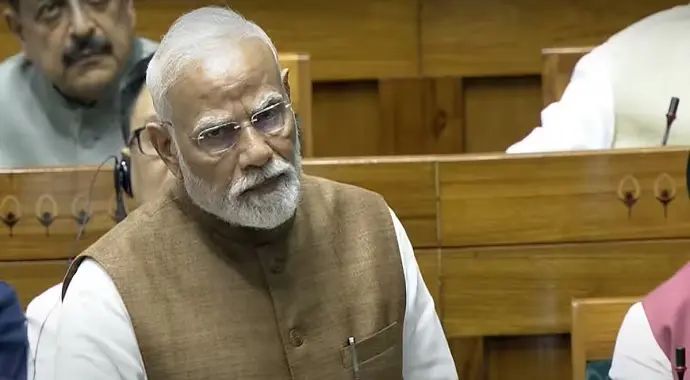

By Nitya Chakraborty It is not a cliché to say that our powerful Prime Minister Narendra Modi’s moment truth has arrived after 11 years of ruling the country as the unchallenged leader. The 25 per cent tariff hike on Indian exports announced by the United States President Donald Trump on Wednesday and taking effect from […]

HONG KONG SAR – Media OutReach Newswire – 1 August 2025 – ShopBack, Asia’s foremost cashback platform, proudly announces its official entry into the Macau market, introducing a sophisticated yet intuitive solution for savvy shoppers to unlock greater value with every transaction. This strategic expansion signifies ShopBack’s commitment to bringing its signature savings-driven shopping experience to a new community of users. ShopBack officially launches in Macau. New […]

SINGAPORE – Media OutReach Newswire – 31 July 2025 – Oriental Remedies Clinic, a Traditional Chinese Medicine (TCM) clinic chain in Singapore, has announced the opening of its new clinic in Punggol. Located at Punggol Coast Mall, the chain’s fifth branch aims to cultivate a sanctuary for holistic family wellness, prioritising a nurturing and stress-free environment that offers a child-friendly experience for all ages. Warm, personalised TCM […]

A deadly shooting at the Grand Sierra Resort in Reno, Nevada, on Monday left three people dead and three others wounded, prompting an immediate law enforcement response. The attack, which took place inside the popular casino, occurred around midday, sending shockwaves through the community. Authorities quickly responded to the scene, with Reno Police Chief Kathryn Nance confirming the fatalities and injuries. The victims’ identities have not been […]

A hacker has uncovered a significant security flaw within Amazon’s Q platform, potentially endangering millions of users. The breach, which came to light after the hacker injected covert code into the system, highlighted vulnerabilities in the platform’s security measures. The hacker’s actions, intended as a warning, may have had far worse consequences had they been exploited for malicious purposes. Amazon Q, a widely-used service that integrates AI […]

Coastal areas of Russia’s Kuril Islands and Japan’s northern island of Hokkaido were struck by a powerful tsunami following a magnitude 8.8 earthquake that occurred early Wednesday. The quake, which originated in the Pacific Ocean, triggered immediate alerts and evacuations across both nations. The earthquake, which had a depth of around 590 kilometers, was felt across vast stretches of the region, causing significant tremors that reached as […]

Advertisements

Abu Dhabi Police General Headquarters has entered into a landmark agreement with the AI firm Presight, aiming to revolutionise policing and public safety through the deployment of cutting-edge artificial intelligence technologies. The strategic collaboration will see Presight’s AI-Policing Suite, which includes generative AI, AI agents, and advanced data analytics, integrated into the police force’s existing operational systems. The initiative promises to enhance crime prevention, optimise emergency response […]

Malaysia’s central bank has revised its economic growth forecast for 2025, citing increased volatility stemming from ongoing global trade tensions, notably those related to US tariffs. The Bank Negara Malaysia reduced its expected GDP growth to a range of 4% to 5%, down from an earlier projection of 5% to 5.5%. The adjustment comes as a response to the shifting dynamics of global trade, which have been exacerbated by the imposition of tariffs by the United States under the administration of President Donald Trump.

While Malaysia has been largely insulated from direct tariff measures, the broader implications of the US-China trade war and related tariffs have left a significant mark on its export-driven economy. Malaysia’s position as a key player in global supply chains has made it vulnerable to shifts in the global trade environment. The US tariffs, particularly on Chinese goods, have reverberated through Southeast Asia’s manufacturing sector, affecting Malaysia’s export performance and business sentiment.

BNM’s decision to cut the forecast reflects the broader concerns surrounding economic stability in the region. The central bank noted that the uncertainty surrounding US trade policy, particularly regarding its tariffs on various Chinese products, is likely to persist throughout 2025. Furthermore, the report highlighted the continued risks posed by rising protectionism and trade barriers globally, which have disrupted supply chains and added to market volatility.

In addition to the impact of tariffs, Malaysia’s central bank has also pointed to domestic factors influencing growth. These include higher inflationary pressures, mainly due to increased global commodity prices, which have had a knock-on effect on consumer spending. Malaysia’s key exports, such as palm oil, rubber, and electronic components, have all seen price fluctuations driven by external factors such as US tariffs and China’s economic slowdown.

The reduction in growth expectations comes at a time when Malaysia is also grappling with challenges in maintaining fiscal discipline. The government has pledged to reduce its budget deficit but has struggled to meet its revenue targets, further complicating the nation’s economic outlook. Malaysia’s reliance on exports, especially to major economies like the United States and China, has made it particularly sensitive to trade tensions. These developments have placed additional strain on the country’s fiscal policy, forcing the government to reconsider its growth strategies.

The central bank’s move is likely to have significant implications for Malaysia’s monetary policy. With inflation on the rise and external risks mounting, BNM may opt to adopt a more cautious stance in terms of interest rate adjustments. While the central bank has refrained from any immediate changes, economists expect that it will closely monitor both domestic and international developments, particularly as trade tensions show no sign of easing.

The challenges facing Malaysia’s economy are also compounded by global economic slowdowns, which have affected demand for Malaysian goods and services. As countries like the United States and China grapple with their own internal economic issues, Malaysia’s export markets have softened, leading to a reduced demand for its products. In particular, Malaysia’s electronics and semiconductor industries, which account for a significant portion of its exports, have faced headwinds as the US-China trade war has diverted global supply chains elsewhere.

Despite these challenges, the government remains optimistic about Malaysia’s long-term prospects. The country has made significant strides in diversifying its economy over the past few years, with a growing emphasis on technology, innovation, and sustainable development. Malaysia’s efforts to strengthen its digital infrastructure and promote industries such as e-commerce and renewable energy are seen as key to sustaining growth, even amid global trade disruptions.

A widespread outage at Linode’s Newark, New Jersey data centre has led to significant disruptions for users across multiple regions globally. The issue began at approximately 10:00 UTC on July 27, 2025, and has affected the functionality of several key services across Linode’s network. The Newark facility, one of Linode’s primary data centres in the United States, is at the centre of a cascading failure that has […]

The trajectory of large language models like GPT and its counterparts has raised numerous questions in recent months. As companies such as OpenAI continue to pour billions into scaling these models, the fundamental issue of their cognitive limitations remains glaring. The hype surrounding LLMs, though widely praised for their fluency and utility, overlooks a critical flaw in their design. These models may perform tasks that mimic intelligent […]

OPEC+ is expected to maintain its current strategy on oil production levels when the Joint Ministerial Monitoring Committee convenes on Monday, despite shifting market conditions. Key delegates from the oil-producing coalition indicated that there will be no immediate changes to the group’s decision to increase output in August, which will see a rise of 548,000 barrels per day.

The JMMC, comprising high-ranking officials from the Organization of the Petroleum Exporting Countries and its allies, including Russia, is scheduled to meet at 1200 GMT. The outcome of this meeting has drawn considerable attention as global oil markets adjust to fluctuating demand patterns and supply conditions.

Several OPEC+ delegates, speaking anonymously, stated that the group is unlikely to alter its course, with the decision to gradually increase production still firmly in place. “There is a consensus that the demand recovery during the summer months is adequate to absorb the additional supply,” one source said. “The market dynamics currently seem to support this increase, and we are committed to regaining lost market share.”

Since the production cuts agreed upon in 2020 to counter the downturn caused by the COVID-19 pandemic, OPEC+ has been slowly increasing its oil output in a phased approach. However, with global economies on a recovery path, the group is under increasing pressure to balance its output against rising demand, particularly in regions such as Asia and North America.

While the rise in demand, particularly during the summer driving season, is helping to absorb the additional barrels, concerns have been voiced over the potential for global oil prices to soften. The overall impact of geopolitical tensions, the economic slowdown in key markets, and the risk of higher interest rates remain points of consideration for the group. However, OPEC+ delegates have indicated that their immediate focus will be on ensuring market stability while continuing to rebuild their market share lost during the pandemic.

Experts also pointed out that a significant shift in the global oil market would need to occur before the JMMC meeting in order to warrant a change in strategy. For now, the consensus is that OPEC+ will stick with the current path to bolster its market position. The decision to implement production increases has thus far been perceived as cautious and calibrated, aimed at preventing market volatility while capitalising on seasonal demand.

The continued commitment to raise output reflects OPEC+’s broader goal of restoring pre-pandemic production levels, despite the headwinds faced in navigating complex global markets. With increasing production from non-OPEC countries, including the United States and Brazil, OPEC+ is mindful of its position and market share but seeks to avoid dramatic shifts in strategy that could destabilise oil prices.

The JMMC’s decision will carry significant weight in shaping the oil market’s near-term trajectory. While global oil inventories remain relatively tight, with a demand spike in the Northern Hemisphere, OPEC+ is closely monitoring the response of major economies to any potential macroeconomic uncertainties. The meeting will also likely set the tone for discussions in future OPEC+ summits, where longer-term strategies will be evaluated in light of emerging trends, particularly energy transitions.

A landmark federal framework for stablecoins became law on 18 July 2025, when President Donald Trump signed the Guiding and Establishing National Innovation for U. S. Stablecoins Act. The legislation mandates that stablecoins — digital currencies pegged one‑to‑one to the U. S. dollar or short‑term Treasury bills — must be fully backed by liquid reserves, publicly disclose holdings monthly, and comply with anti‑money laundering and consumer protection rules.

The Act clears a path for both banks and approved non‑bank entities to issue payment stablecoins under a dual licensing system, encompassing federal and state oversight. It also creates a formal category for such assets, offering legal clarity that had eluded stablecoin issuers until now.

Despite bipartisan support in Congress — with Senate approval on 17 June and House passage on 17 July — the new law has drawn criticism. Some lawmakers and experts argue it falls short on stricter anti‑money laundering measures and allows big tech firms to issue stablecoins with fewer regulatory hurdles than traditional banks.

Trump lauded the Act during the White House signing ceremony, calling it “a hell of an act” and asserting it will solidify American crypto leadership and support the dollar’s global primacy. He noted the GENIUS Act “creates a clear and simple regulatory framework” capable of unleashing innovation and enhancing payment systems.

Stakeholders across finance and fintech are re-evaluating their strategies. Traditional banks are preparing pilot programmes and exploring partnerships to issue or facilitate stablecoins, while crypto firms like Circle and Coinbase, which have backed U. S. stablecoin issuance earlier, have seen share prices rise following the law’s enactment.

In parallel, the law aims to channel demand into U. S. Treasuries, reinforcing the dollar’s global role. Treasury Secretary Scott Bessent highlighted that requiring asset backing in government debt would deepen Treasury markets. Financial institutions are bracing for increased reserve purchases and adjustments in asset allocation strategies.

The Act introduces rigorous governance: stablecoin issuers must implement reserve audits, adhere to marketing restrictions—such as avoiding government endorsement claims—and prioritise redeeming customer claims ahead of other creditors in insolvency scenarios. It also extends anti‑money laundering obligations under the Bank Secrecy Act, granting treasury authorities power to freeze illicit funds.

Though heralded as a milestone, implementation remains complex. Regulators are expected to issue detailed rules within a year, and the Act’s “effective date” is projected for late 2026, contingent on final regulatory actions or an 18‑month grace period.

Global central banks and fintech players are watching closely. Some expect U. S. leadership in regulated digital currencies could spur innovation overseas, while others warn that insufficient guardrails may encourage regulatory arbitrage. Foreign issuers may enter the U. S. market if they meet rigorous Treasury approval, including comparable home‑jurisdiction oversight and U. S.-based reserve management.

Market response has been immediate: global crypto valuations have surged past $4 trillion, led by strong gains in bitcoin and ether amidst expectations of broader stablecoin integration. Industry experts suggest stablecoins may soon become mainstream payment tools, with major retailers and tech giants like Google, Uber and Apple exploring adoption.

However, voices of caution persist. Critics say the framework could permit big tech to bypass stricter banking regulations, heightening systemic risks, and that consumer safeguards remain inadequate. Transparency International warned the law might provide loopholes exploitable by criminals or hostile regimes.

As rule‑making proceeds and industry adapts, the GENIUS Act marks a fundamental shift in U. S. crypto policy — ushering stablecoins from regulatory limbo into a legalised, structured, but contested future.

By Dr. Gyan Pathak Health issue is the officially stated reason for the Vice President of India Jagdeep Dhankhar’s resignation, but it has a political context. It was only in December 2024, Dhankhar had rebuked its own government led by PM Narendra Modi over not talking to agitating farmers of Punjab. He had said that […]

Global crude consumption is now cresting in the third quarter rather than the fourth, as China and India’s surging summer demand upends decades of winter-driven market patterns. The reversal of the traditional seasonality, first observed around 2015, is being amplified in 2025, with implications for supply strategies, prices and refinery operations worldwide. OPEC’s July report highlights strong refinery throughput in June, with intake rising by 2.1 million bpd—clear evidence […]

A critical vulnerability in on‑premise Microsoft SharePoint servers is being actively exploited, enabling unauthenticated remote code execution and full server takeover, cybersecurity agencies and independent researchers have confirmed. The flaw, tracked as CVE‑2025‑53770, allows attackers to bypass authentication entirely by exploiting a deserialization weakness in SharePoint server code. They can upload malicious ASPX web‑shells, extract machine and cryptographic keys and gain persistent access—even after patches are applied. […]

Dubai has introduced the world’s first icon-based system to clearly signal whether content is crafted by humans, artificial intelligence, or a blend of both. Launched by Sheikh Hamdan bin Mohammed bin Rashid Al Maktoum, the Human–Machine Collaboration classification marks a shift in content disclosure standards. The initiative requires government entities to adopt the system immediately, marking a drive towards accountability and public trust in an era of rapid AI integration.

The HMC framework comprises five primary icons: All Human, Human-Led, Machine-Assisted, Machine-Led, and All Machine, each reflecting increasing levels of machine involvement. Developers can further specify nine functional icons to indicate AI contribution across tasks such as ideation, data analysis, writing, translation, visuals, and design.

The system, developed by the Dubai Future Foundation and endorsed by Sheikh Hamdan in his capacity as Chairman of its Board of Trustees, is compulsory for all Dubai government research and knowledge publications. Media content, academic papers, technical reports, videos, academic journals and other multimedia outputs must now prominently display the appropriate icons. For non-government creators, the icons are voluntary but available for ethical transparency.

Sheikh Hamdan said transparency is essential for distinguishing human creativity from machine efficacy. He urged global content creators—researchers, publishers, writers, and designers—to adopt the new classification as a norm. On LinkedIn, he stated: “Today, we launch the world’s first Human–Machine Collaboration Icons…a new global benchmark in the age of AI,” inviting worldwide adoption.

The initiative meets growing demands for clarity around AI-generated content in scientific, academic, and creative fields. As AI technologies such as generative models and automation tools proliferate, distinguishing authorship becomes increasingly complex. The HMC system addresses this by offering concise visual indicators of machine involvement throughout a document’s lifecycle.

Beyond classification, the icons offer practical guidelines. Each icon can appear on the cover, footer, or bibliography of a document, with no numerical thresholds assigned. The nine functional icons enable precise reporting by highlighting stages influenced by AI, such as data collection or translation. The system avoids quantification due to challenges in objectively assessing AI contribution levels.

Dubai’s icon strategy is modelled on enhancing trust in public knowledge creation. Government entities in Dubai must adopt the icons; private sector use is labelled “opt-in and voluntary,” encouraging transparency across broader sectors. The icons aim to build credibility in educational materials, annual reports, research briefs, social media content, public-facing campaigns, and design outputs.

Industry experts have broadly welcomed the initiative. Fast Company Middle East noted the dual-layer approach offers transparency without excessive complexity, while Economy Middle East reported Sheikh Hamdan’s emphasis on the blurred lines between human art and machine output. Gulf News cited the icons as a tool for “honest self-assessment,” reinforcing accountability among content creators.

Academics and publishers are now exploring integration possibilities. The system could become a template for journal submission protocols or university publishing frameworks. Concerns persist about compliance monitoring and the potential for misuse—some question whether creators may understate AI contribution or apply icons inconsistently across formats.

Dubai Future Foundation has emphasised that icons are free to use and do not require licensing; they are copyrighted but freely deployable, with no prior permission needed. The foundation’s intention is to encourage natural adoption in scholarly work, media, and social channels, promoting a culture of transparency rather than regulatory enforcement.

Global observers note that while Dubai is first, other cities and institutions are likely to follow. The HMC icons address growing demand from research communities for AI disclosure standards, amid debates over authorship attribution, peer review confidence, and reproducibility.

Dubai’s initiative closes a gap in ethical AI practice by establishing a clear visual code for machine involvement. As AI-generated content becomes ubiquitous, its success will depend on global uptake, consistent application, and alignment with existing ethics and publishing standards. In the meantime, Dubai’s icons offer a blueprint for transparency, setting a new bar for content creation in the AI era.

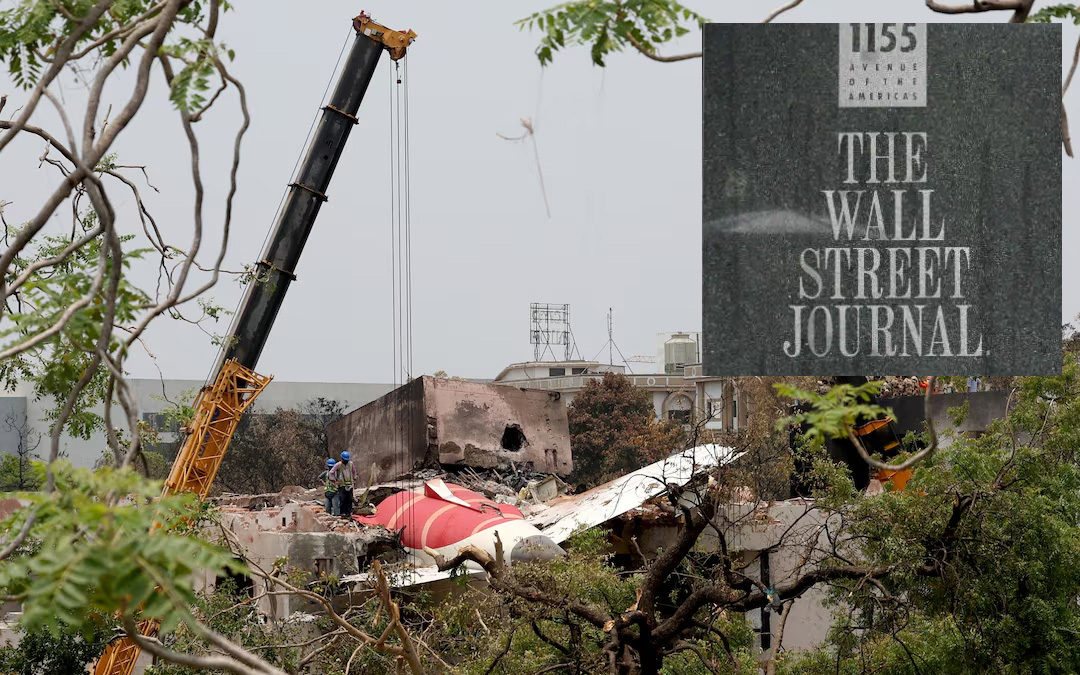
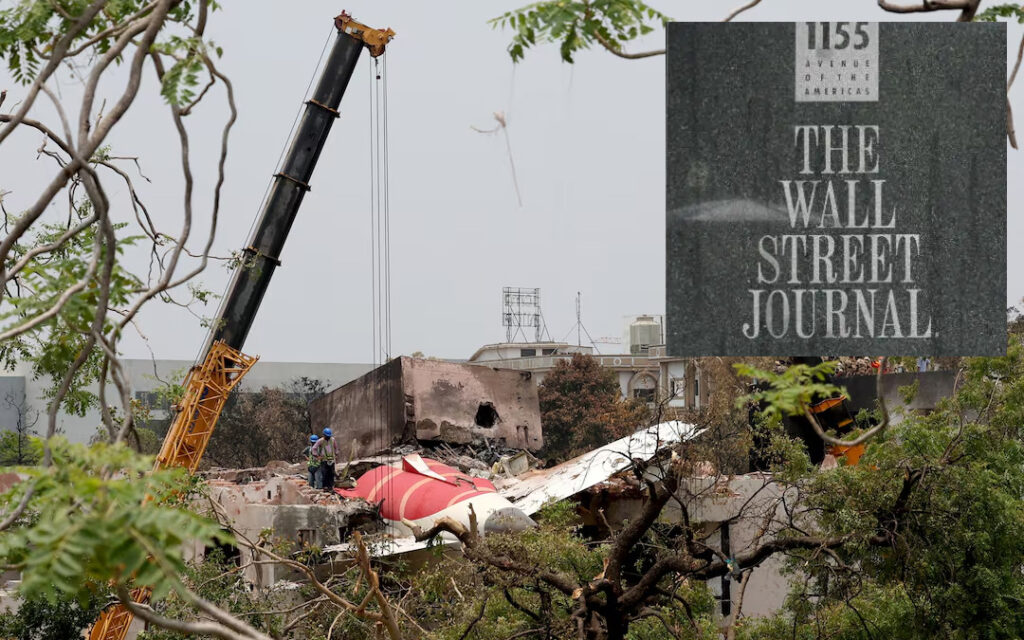
By K Raveendran The Wall Street Journal’s report on the Ahmedabad Air India crash has triggered a storm of controversy not only for what it suggests but also for what it deliberately avoids. The claim that the crash, which took 260 lives, may have been caused by the senior pilot unintentionally or mistakenly putting the […]

The UAE Ministry of Finance has introduced Ministerial Decision No. 173 of 2025, establishing clear rules for applying depreciation adjustments to investment properties held at fair value under the corporate tax regime. The decision allows businesses that choose the realisation basis to deduct tax depreciation, addressing a long-standing ambiguity in the treatment of such assets. Under the new rules, eligible taxpayers may deduct whichever is lower: the tax written-down […]

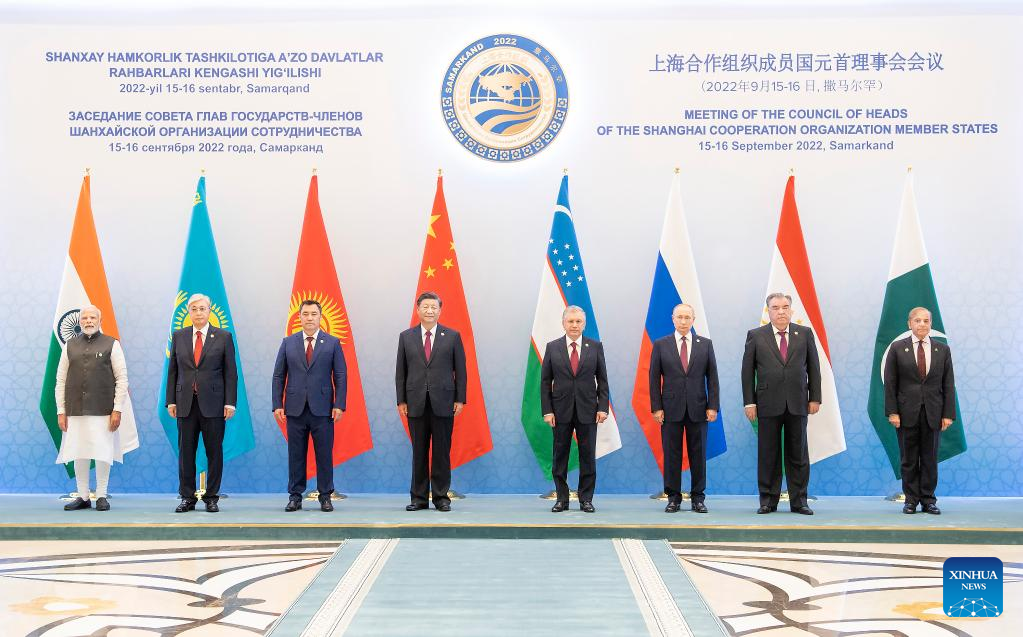
M A Hossain It is easy to overlook the quiet revolutions in geopolitics, especially when the headlines are dominated by wars in Ukraine and Gaza, tensions in the Indo-Pacific, or the perennial drama of U.S.-China rivalry. Yet, beneath the surface of global power struggles, there is a subtler but equally consequential shift unfolding across Central Asia and the South Caucasus. And it is not Moscow, Beijing, or […]

Bahrain’s Crown Prince Salman bin Hamad Al Khalifa has unveiled a $17 billion investment plan in the United States following a high-level meeting with President Donald Trump at the White House. The announcement signals deepening economic and strategic ties between Manama and Washington, with deals cutting across aviation, energy, and defence sectors.

A key feature of the plan includes a contract worth approximately $7 billion under which Gulf Air, Bahrain’s flag carrier, will purchase 12 Boeing aircraft. The agreement also includes an option for six additional planes and 40 aircraft engines from General Electric. The deal was presented as a tangible outcome of bilateral discussions, reinforcing Bahrain’s commitment to US industry and technology.

Crown Prince Salman described the deals as “real” and economically sound, addressing scepticism often associated with foreign investment pledges. The statement, made from the Oval Office, was aimed at highlighting the financial credibility of the agreements. “These aren’t fake deals,” he remarked, drawing a sharp contrast with previously publicised but unfulfilled investment promises by other nations.

The Bahraini leader’s Washington visit followed a similar pattern to President Trump’s earlier engagement with Saudi Arabia, during which over $600 billion in US investment commitments were secured. Trump had also finalised a $142 billion arms agreement with Riyadh. Bahrain’s announcement is now being viewed as a strategic move to bolster its position as a reliable economic and security partner of the United States.

The investment plan is expected to deliver significant economic dividends to both countries. For the US, the immediate impact would be in job creation, especially across Boeing’s manufacturing facilities and GE’s industrial operations. For Bahrain, the plan strengthens access to cutting-edge aviation technology and helps modernise its national infrastructure in both civil and defence aviation.

The timing of the announcement also reflects the evolving regional security dynamics in the Gulf. Iran’s influence and the broader geopolitical situation were key discussion points during the White House meeting. Bahrain, which hosts the US Navy’s Fifth Fleet, has remained a close military ally to Washington. The investment commitment not only serves economic purposes but also underscores Bahrain’s alignment with US strategic objectives in the Middle East.

Observers note that the choice of sectors—aviation, defence technology, and energy—signals Bahrain’s intent to link its national growth trajectory with American innovation and industrial capability. Gulf Air’s fleet expansion through Boeing jets and GE engines is viewed as a cornerstone of this agenda. Beyond the aviation component, additional investment is expected in energy-related projects and advanced technology, although specific agreements in these areas are yet to be publicly detailed.

The financial scope of the investment echoes previous patterns of engagement between Gulf monarchies and US administrations. Bahrain’s capital injection arrives amid growing competition among Gulf states seeking to secure American technological partnerships and defence cooperation, while positioning themselves as key regional intermediaries.

For President Trump, who had prioritised foreign investment in US manufacturing and defence during his tenure, the $17 billion figure plays into the broader narrative of restoring domestic industrial capacity through global alliances. It also fits into the administration’s push for balancing trade relationships and encouraging allies to contribute more significantly to US economic interests.

Strategic analysts have pointed out that the Gulf kingdom’s outreach comes at a time when regional alliances are undergoing shifts. Bahrain has been at the forefront of some of the Arab world’s diplomatic realignments, including its role in the Abraham Accords. The alignment with US economic and security goals could further consolidate its position as a trusted partner in American foreign policy planning for the Gulf.

Crown Prince Salman’s visit marked the continuation of a trend where Middle Eastern states use bilateral state visits to announce substantial investment projects. These announcements serve dual purposes: generating domestic political capital for US leaders while allowing foreign partners to project influence and economic modernisation.

Washington policymakers have signalled approval of the deals, suggesting that the partnership with Bahrain could deepen further in sectors such as infrastructure development, cyber-security, and military training. While the specifics of such cooperation are yet to materialise in binding agreements, the tone from both capitals points toward an expanding strategic partnership.

By Nitya Chakraborty India-China bilateral relations have started showing cautious improvement with the signals from both the leaderships of the two biggest countries of Asia that they are keen to restore normal political and economic ties. Indian external affairs minister Dr. S Jaishankar’s meeting with the Chinese President Xi Jinping on Monday in Beijing was […]

South African vehicle shipments to the United States have plunged after U. S. import tariffs were escalated, posing a serious threat to jobs and industrial hubs across the country. Export volumes dropped by 73 per cent in the first quarter of 2025 and declined a further 80 per cent in April and 85 per cent in May, according to figures from the National Association of Automobile Manufacturers of South Africa. The tariffs, introduced […]

Uber Technologies and Baidu Inc. have confirmed a multi‑year strategic alliance to bring Baidu’s Apollo Go autonomous robotaxis to markets beyond the U. S. and mainland China, initiating the programme later this year in select cities across Asia and the Middle East. The new service, integrated into the Uber app, will offer riders the option to choose fully driver‑free vehicles powered by Apollo Go’s advanced AI systems.

Apollo Go currently operates the world’s largest driverless ride‑hailing network, with more than 1,000 fully autonomous vehicles deployed across 15 cities—including Dubai and Abu Dhabi—and over 11 million rides completed as of May 2025. The expansion, announced on 15 July 2025, marks a significant move by Uber as it intensifies its foray into autonomous vehicles, supplementing existing partnerships with other AV developers such as Waymo, Pony AI, WeRide, May Mobility, Volkswagen and Avride.

Uber CEO Dara Khosrowshahi described the venture as a decisive milestone: “This partnership brings together two of the world’s most iconic technology companies to help shape the future of mobility. As the world’s largest platform of its kind, spanning mobility, delivery, and freight, Uber is uniquely positioned to help AV leaders like Baidu bring their autonomous technology to the world.” Baidu’s co‑founder and CEO Robin Li added that integrating Baidu’s autonomous driving technology with Uber’s network represents “a major milestone in deploying our technology on a global scale,” aimed at delivering safe, efficient and cost‑effective transport to a wider audience.

Market response to the announcement has been positive: Uber’s shares rose more than 1 % in pre‑market trading in the U. S., while Baidu’s U. S.‑listed stocks surged almost 5 %, reflecting investor confidence in the deal’s potential to accelerate autonomous mobility adoption worldwide.

The initial deployment targets key cities in Asia—potentially including Singapore and Malaysia where Baidu plans to launch Apollo Go this year—and in the Gulf region, where regulatory environments are favourable and infrastructure is supportive. Recent reports highlight that Gulf countries such as the UAE and Saudi Arabia aim to have at least 25 % of transport in major cities autonomous by 2030‑2040, presenting a promising opportunity for robotaxi services.

Analysts view the Uber‑Baidu partnership as a pivotal step in global AV expansion. By entering markets outside its core regions, Baidu leverages an “asset‑light” international strategy driven by collaboration instead of proprietary platforms. Uber gains immediate access to a proven self‑driving fleet without the development time and costs associated with in‑house technology, bolstering its competitiveness in the robotaxi space, particularly against rivals like Lyft and Waymo.

Safety and regulatory scrutiny remain top concerns. Apollo Go’s record of over 11 million rides with a robust safety profile strengthens public and regulatory confidence. Still, each market’s regulatory readiness varies, requiring phased live testing and strong oversight to meet local licensing standards.

Financially, the deal promises dividend benefits. By significantly increasing supply of robotaxis through Uber’s platform, Baidu stands to accelerate revenue from its autonomous segment, potentially addressing investor concerns over its core advertising business. Uber, which has seen its stock climb 56 % this year, reinforces its diversification into autonomous and freight services ahead of its Q2 earnings report scheduled for 6 August.

Competition is heating up. The Gulf region already hosts partnerships between Uber and Chinese AV firms such as Pony AI and WeRide, both of which are conducting trials or planning roll‑outs in Dubai and Abu Dhabi. Baidu’s entry into this competitive space joins a growing group of Chinese robotaxi operators—such as Pony AI, AutoX, DiDi and WeRide—vying for global market share.

While the United States and mainland China remain outside the deal’s scope—due to complex regulatory frameworks and entrenched competition—Uber and Baidu have hinted at future expansions into Europe and Oceania, suggesting a long‑term global vision. Baidu’s ongoing engagement with European regulators, including Switzerland and Turkey, supports predictions for expanded rollout later this year.

VISHNU RAJA
RYO YAMADA
HITORI GOTOH
IKUYO KITA