News related to
Immediate

By Nitya Chakraborty The tariff war declared by the United States President Donald Trump against India by imposing a total duty of 50 per cent on Indian exports to the USA effective August 27 this year, is having its impact on the economic relations between the two powerful economies of Asia , China and India. […]

Digital Realty and Vultr have entered into a strategic global partnership to deploy enterprise‑grade, GPU‑accelerated AI infrastructure in key data‑hub markets. Through this alliance, Vultr’s cloud‑based GPU clusters – powered by NVIDIA HGX B200 and AMD Instinct MI325X chips – will be integrated into Digital Realty’s PlatformDIGITAL data‑centre network, offering high‑performance AI compute close to where enterprise data resides. The new offering allows organisations to access Vultr’s GPU resources via direct […]

Dubai’s population has exceeded four million residents in 2025, marking one of its most rapid growth phases. Analysts from DXBinteract report that over the past year, the city welcomed more than 231,000 new residents—achieving a 6.13 per cent increase—underscoring the emirate’s position among the globe’s fastest-expanding urban centres.

The city’s demographic growth trajectory reflects a profound transformation. In 2008 Dubai was home to some 1.6 million people; today that figure has surged to over four million. This expansion has occurred alongside a widening appeal as a global hub for commerce, real estate investment and multicultural living.

The implications for infrastructure and property markets are immediate. DXBinteract data indicates that Dubai now hosts more than 2,000 developers, nearly 29,400 real estate agents and close to 8,800 brokerages—highlighting a highly competitive market environment. AI-backed forecasts anticipate the emirate’s population reaching five million by 2029–2030, a scenario that would require construction of at least 300,000 additional housing units.

Key factors behind the demographic surge include robust economic diversification, progressive residency policies and enhanced global connectivity. Visa reforms such as the Golden Visa, the allowance of 100 per cent foreign ownership in designated zones, and development of specialized free zones are drawing entrepreneurs, professionals, and high-net-worth individuals to the city.

Natural population growth also plays a role, coupled with sustained net migration. DXBinteract notes that over the span of 14 years—from 2011 to today—Dubai’s population has effectively doubled, moving from around 1.93 million to more than four million inhabitants.

Parallel figures from Gulf News further underpin this narrative: by 25 August, the population stood at an estimated 3,999,247, reflecting an increase of 3.5 per cent—or over 134,000 people—since the beginning of the year. Local citizens’ numbers also rose, reaching nearly 300,000 Emiratis, the highest local population recorded to date.

These demographic patterns are stretching the city’s infrastructure. Housing markets are responding with rapid development across residential zones—both to meet rental demand and home-purchase interest. Expanded transport networks, public services and retail facilities are also under strain.

Looking ahead, AI-driven projections suggest a growth-to-consolidation shift rather than unchecked expansion. Larger real estate firms and tech-oriented platforms are expected to gain greater market share in response to evolving supply dynamics.

Dubai’s expanding population deepens its role on the global stage as a crossover centre for trade, tourism and investment. But with accelerated urban growth comes a renewed emphasis on sustainability, quality of life and long-term planning to ensure that infrastructure and housing keep pace with demographic ambitions.

Ozak AI’s presale is drawing significant attention, having advanced to its fifth stage at a price point of $0.01 per token. To date, the project has amassed between $2.3 million and $2.4 million in funding while selling more than 800 million $OZ tokens—figures that reflect strong investor interest in its AI-driven infrastructure.

Meanwhile, Maxi Doge has emerged as one of the standout meme coins of the year, igniting investor enthusiasm through both its branding and presale momentum. It has raised in excess of $1.5 million to date and continues to attract strong speculation.

Bitcoin Swift, trading under the ticker BTC3, is finishing its final presale stage with growing fervour. It has gathered more than $1.3 million in funding, with over 5,500 users now onboard. With an early launch slated for 30 August, the project is offering exceptionally high rewards—staging APY at a remarkable 300 per cent, alongside tiered bonus schemes—underscoring its appeal as one of the most aggressive presale opportunities in the crypto market.

Investors are captivated by the prospect of rapid returns across these offerings. Ozak AI’s token structure—with a projected listing price of $1—implies potential gains of up to 100‑fold for early buyers. Maxi Doge, riding on meme culture and social media traction, is similarly projected to deliver returns ranging from 50x up to even 200x, depending on future price performance. Bitcoin Swift stands out by blending immediate yield with a technical roadmap—the APY and bonuses are designed to reward investors even before wider market listing.

These presales differ in their value propositions. Ozak AI combines predictive analytics, decentralised physical infrastructure, and multi‑chain compatibility to deliver utility‑driven use cases. It has also secured partnerships with tech firms such as SINT, Hive, and Weblume, and is undergoing audits by Certik to reinforce smart‑contract security and investor confidence. Maxi Doge derives its momentum from meme‑coin culture: heavy speculation, viral branding, accessible staking mechanisms, and ambitious narratives related to leverage and community growth. Bitcoin Swift merges advanced technology—such as AI‑driven smart contracts, programmable Proof‑of‑Yield rewards, zk‑SNARK privacy, and decentralised identity—with transparency and a defined migration path to its own blockchain in 2026.

Despite the excitement, these investments come with inherent risks. The volatility of presale tokens, regulatory uncertainty, and the nascent nature of many projects mean outcomes could deviate sharply from projections. Analysts caution that early-stage ventures might not always deliver on lofty targets, particularly if adoption fails to materialise or broader market conditions deteriorate. Nevertheless, the blend of community hype, utility integration, and yield incentives continues to draw retail and institutional investors alike.

NMC Healthcare, one of the United Arab Emirates’ foremost private healthcare providers, has turned to Snowflake’s AI Data Cloud platform to elevate its patient-care capabilities. The agreement empowers NMC to consolidate operational and clinical data from across its network of 70 facilities, enabling real-time, AI-powered analytics to enhance point‑of‑care decision‑making and patient experience.

Christopher Habib, Chief Strategy Officer at NMC Healthcare, has emphasised that Snowflake’s infrastructure equips teams to “act on insights in real time — whether that’s enhancing patient care and experience or optimising operations.” This development represents a significant stride in the organisation’s digital transformation and innovation trajectory.

Centralising data across numerous outlets lays the groundwork for scalable systems tailored to evolving regulatory, operational, and patient‑care demands. By deploying an AI‑ready platform, NMC intends to boost speed‑to‑insight and enrich its analytics capacity across the board.

Analysts note that real‑time analytics are increasingly pivotal in healthcare—particularly amid growing volumes of patient data and demand for timely interventions. Platforms like Snowflake support seamless integration of disparate data sources, enabling care teams to deliver personalised responses and predictive insights.

Beyond regional impact, Snowflake has cultivated a growing presence in Middle Eastern healthcare initiatives, positioning AI‑powered data platforms as strategic enablers of digital health advancement.

NMC’s embrace of Snowflake underscores a wider pivot among UAE healthcare providers towards data‑driven operations. Consolidated data empowers administrators to monitor performance across locations, refine resource allocation, and respond swiftly to patient needs.

Industry voices suggest that accessible 360‑degree patient profiles—enabled by secure, unified data platforms—enhance clinicians’ ability to anticipate complications, tailor treatments, and improve outcomes.

Operationally, the shift supports more efficient workflows. With instantaneous analytics, NMC can optimise scheduling, predict demand surges, and better manage inventory across its hospital network. This aligns with corporate growth strategy and innovation goals.

Centralising analytics also simplifies compliance. A unified platform helps ensure consistent data governance, audit capabilities, and adherence to evolving healthcare regulations focused on patient privacy and data security.

Although immediate rollout details remain undisclosed, the scale of NMC’s network suggests that implementation could significantly elevate operational agility. Snowflake’s cloud‑native design also offers flexibility—allowing future expansion and integration with emerging health‑tech tools.

NMC Healthcare’s strategic turn signals that Middle Eastern private health systems are entering a new era—where advanced data infrastructure not only supports clinical decisions, but also underpins broader organisational resilience.

Emerging trends suggest that demand for AI‑enabled, centralised data ecosystems will rise further, particularly as providers seek to standardise care quality and scalability across regions. NMC’s move may well serve as a model for other networks aiming to harmonise operations and elevate patient care through data intelligence.

Finance watchers may note that Snowflake, listed on NYSE under the ticker SNOW, continues to grow its market presence, backed in part by strategic partnerships like this one. The company’s capabilities align neatly with healthcare sector demands for secure, interoperable data solutions.

Global stock markets are basking in record highs, but the mood beneath the surface is far from confident. This isn’t a calm, sustainable rally. It’s one built on fragile assumptions, stretched valuations, and dangerous complacency. The higher equities climb, the more brutal the eventual reckoning could be. This summer has rewarded investors handsomely. The S&P 500 and FTSE 100 broke into new territory just over a week […]

Menzies Aviation, the wholly owned subsidiary of logistics firm Agility, has completed its acquisition of G2 Secure Staff for a total enterprise value of $305 million, with an additional $10 million payable in 2026 upon meeting performance targets. The transaction immediately doubles Menzies’ U. S. footprint, adding more than 110 locations across key hubs such as Atlanta, Los Angeles and Denver. Menzies will consolidate G2’s operations under its own brand and begin integration at once to ensure continuity for staff, clients and partners.

The acquisition is projected to result in a 20 per cent uplift to group revenue, taking it beyond $3.1 billion based on fiscal 2024 figures. This marks a pivotal expansion within the United States—arguably the world’s most dynamic aviation market—and fortifies Menzies’ standing as the largest independent aviation services provider in the U. S.

Menzies now operates across 350 airports in 65 countries, supported by a workforce numbering tens of thousands. The addition of G2’s expertise in passenger assistance, cabin cleaning, ground and air cargo handling significantly enhances its service portfolio.

Menzies’ Executive Vice-President for the Americas, John Redmond—who has led the region for nearly two decades—will continue to steer U. S. operations with support from G2’s senior leadership. Both companies emphasise that the culture and values of each will be integrated to benefit employees and clients.

Hassan El-Houry, Executive Chairman of Menzies Aviation, frames the acquisition as a strategic bet on enduring demand in the U. S. aviation sector. He notes that U. S. passenger traffic is expected to exceed one billion by 2040, amid rising airport infrastructure investments, and says the deal builds structural capacity for growth, digital transformation, and labour demand.

Group CEO Philipp Joeinig describes the deal as more than simple expansion. He highlights that the added infrastructure is “high-readiness,” tailored to meet growing airline demand for seamless service across multiple airports. Menzies plans to roll out its leading standards in training, safety, sustainability, and technology to the newly acquired operations.

Menzies and G2 are now aligned to elevate operational excellence, with the rebranded operations aimed at reinforcing both efficiency and service standards. The integration promises job creation and upskilling for the combined U. S. workforce, which will operate under unified management and best-in-class protocols.

Advertisements

By Tajul Islam When Bangladesh’s students took to the streets last year, their demands were clear: dismantle the structures of fascism, restore democracy, and build a government that put the people before politics. Their movement culminated in a historic moment on August 8, when Nobel laureate and Grameen Bank founder Dr. Muhammad Yunus was sworn in as Chief Advisor to the interim government. The appointment followed the […]

Exclusive WhatsApp platform delivers speed, discretion, and precision in global real estate investments. BT-AI: Broker Terminal, founded by Wasim Tariq (CEO) and Naeem Tariq (Director), has officially launched its first global real estate intelligence service, which will be provided solely via WhatsApp. By eliminating the need for separate apps, dashboards, and login details, the company has redefined how investors access property insights, offering a discreet and highly […]

The Chromium browser has rolled out native High Dynamic Range support for Linux users running Wayland sessions, marking a significant step forward for Linux-based systems. This long-awaited feature brings an enhanced visual experience, making it easier for users to enjoy vivid colours and improved contrast across supported websites and applications. Historically, Wayland, the modern display server protocol for Linux, has faced challenges when it comes to supporting […]

OKB, the native token of the OKX exchange, has surpassed the $200 mark, generating significant attention in the cryptocurrency market. This surge in price comes after the platform announced the burning of 65 million OKB tokens, a move that has impacted the token’s supply and price trajectory.

The token burn, part of a broader strategy by OKX to reduce the circulating supply, was confirmed by the exchange in its latest quarterly report. The reduction in the available supply has had an immediate effect on the price of OKB, driving it higher as investors react to the scarcity of the token. The burn, valued at over $1.3 billion at current prices, has sent a signal to the market that the platform is committed to managing the long-term sustainability and value of OKB.

In addition to the burning event, several factors are influencing OKB’s upward movement. The growing adoption of the OKX platform, as well as the increasing institutional interest in the wider cryptocurrency market, is contributing to a favourable market sentiment. OKX has also gained recognition for its transparent approach to tokenomics, including regular updates on its burn schedule and token supply adjustments.

The broader context of rising interest in decentralized finance and the increasing use of exchange-native tokens is also playing a role. Many traders and investors are turning to OKB not just as a utility token for the exchange but as an asset that holds value in its own right. The token’s recent price movement has been accompanied by increased trading volumes, further driving up the price.

Experts suggest that the token burn may have created a short-term supply shock, but it is the long-term market fundamentals that will determine OKB’s price stability. While the reduction in token supply tends to lead to a price increase, the overall health of the cryptocurrency market, the strength of OKX’s platform, and the evolving regulatory environment remain key factors in sustaining the current momentum.

The OKB burn is part of OKX’s ongoing efforts to create a deflationary model for the token, which has included previous burns as well as strategic buybacks. These measures are designed to reward holders by increasing the value of the token over time. However, critics argue that while token burns can create upward price pressure in the short term, they do not guarantee long-term price appreciation if demand for the token does not remain strong.

As OKB continues to perform well, some analysts are raising questions about the sustainability of the current rally. They point to potential challenges in the global crypto market, particularly with the tightening of regulations across major jurisdictions. Despite this, OKB has shown resilience, with its strong growth being bolstered by a series of partnerships and its increasing use in DeFi protocols.

OKX has not only focused on tokenomics but also on expanding its range of products and services. The exchange has been integrating its platform with various blockchain ecosystems and is promoting its suite of DeFi tools, which has helped boost OKB’s utility beyond just trading. The introduction of new features such as staking and yield farming for OKB holders is also enhancing its appeal to long-term investors.

Looking ahead, the next steps for OKX could include additional token burns, further integrations with DeFi, and possibly the release of new products aimed at attracting more users to the platform. Investors will be keen to see whether the momentum can be sustained or whether market conditions will pose challenges to OKB’s continued growth.

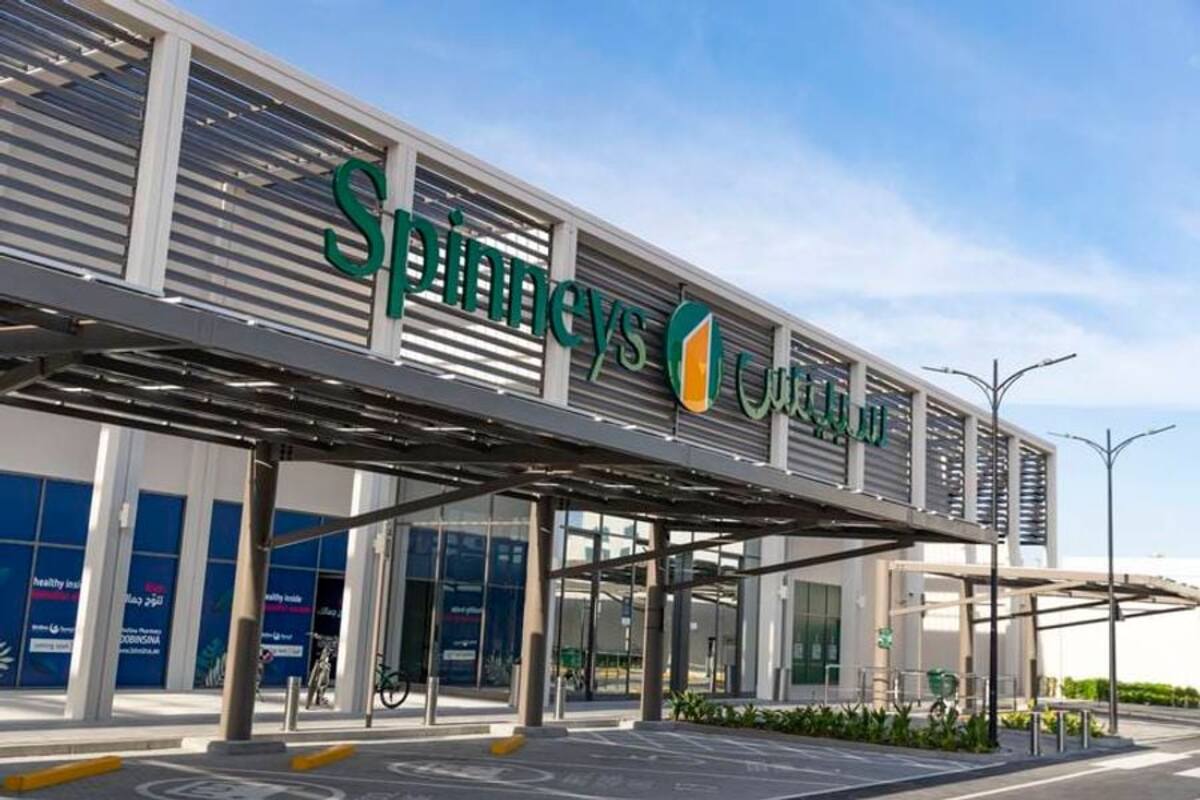
Supermarket operator Spinneys has confirmed its expansion into Kuwait through a strategic joint venture with retail powerhouse Alshaya Group. Under the agreement, Spinneys will retain a 51 per cent controlling stake and will take responsibility for running and managing all planned outlets. The rollout includes ten stores, with the first store slated to open in 2026—marking the brand’s arrival in its fourth Gulf Cooperation Council market after UAE, Saudi Arabia and Oman.

Spinneys has accelerated its regional expansion over the last 16 months, opening twelve new stores in the UAE and two in Saudi Arabia between April 2024 and August 2025. The move into Kuwait aligns with the company’s ambition to position itself as the region’s leading premium fresh-food grocer, with Alshaya’s extensive regional experience providing vital strategic support.

Sunil Kumar, chief executive of Spinneys, described Kuwait as “a high potential market” offering robust growth prospects, and emphasised that the partnership with Alshaya offers a “solid foundation for a successful entry and long-term scale”. John Hadden, chief executive of Alshaya Group, highlighted Kuwait’s dynamic consumer landscape and the local appetite for premium offerings. He said Spinneys’ brand and operational strengths are expected to resonate strongly with Kuwaiti consumers.

Kuwait stands as the GCC’s fourth-largest economy, with some of the region’s highest per-capita disposable incomes. Its affluent and discerning consumer base presents considerable opportunities for high-quality retail formats. This expansion is seen as the natural next phase in Spinneys’ growth strategy.

On the financial markets, Spinneys’ share price saw an immediate boost following the announcement, climbing approximately 3.1 per cent. The company, which went public via a Dubai listing in May 2024, currently operates 86 stores across three GCC countries, including those under its own brands and Waitrose and Al Fair franchises.

Alshaya Group, established in 1890 in Kuwait, is a leading retail franchise operator across the Middle East, North Africa, Türkiye and Europe. It manages nearly seventy international consumer brands and has diversified operations across sectors including fashion, food, health and beauty, pharmacy, home furnishings and leisure.

The joint venture allows Spinneys to capitalise on Alshaya’s deep-rooted regional network and operational expertise while delivering its premium fresh-food proposition to Kuwaiti customers. At the same time, Alshaya adds a trusted high-end grocery brand to its extensive retail portfolio, enabling both firms to strengthen their regional positioning.

A US Supreme Court order permitting Mississippi’s social media age-verification law to be enforced has prompted Bluesky to block access across the state. Critics warn the measure infringes on free speech and user privacy, while proponents contend it offers vital protection for children. Bluesky has suspended service entirely to IP addresses in Mississippi, citing the law’s sweeping demands and the technical burden it imposes. The measure—known as […]

Abu Dhabi National Energy Company has secured a significant financial boost in the form of an AED 8.5 billion term loan aimed at enhancing liquidity and supporting its growth strategies. This loan agreement marks a strategic move by the company as it seeks to continue its expansion and strengthen its financial position. The loan facility, which has a two-year term, is denominated in UAE dirhams and comes […]

Labour unrest at the CHEP plant in Boksburg, South Africa, escalated on Thursday when approximately 110 workers initiated a strike following two months of failed negotiations. The dispute centres around unresolved wage issues and conditions that employees claim have been neglected by management. The workforce, employed at the CHEP site in Jet Park, halted operations after talks between the unions and management reached an impasse, with no […]

Leading players in the cryptocurrency industry, including Coinbase, Binance, Kraken, Robinhood, PayPal, Ripple, and others, have launched the Beacon Network, a collaborative effort to tackle the growing issue of stolen cryptocurrency. By working alongside law enforcement and researchers such as ZachXBT, the network aims to offer a real-time solution to prevent the illicit transfer and withdrawal of stolen crypto assets.

The Beacon Network functions by blacklisting suspicious crypto addresses and immediately freezing any funds that are attempted to be withdrawn to an exchange. This swift action is designed to prevent stolen funds from being converted into liquid assets or used for further illegal activities. It is part of a broader effort to safeguard the integrity of the crypto ecosystem and help victims recover assets that have been taken through hacks, scams, and other forms of cybercrime.

The network’s development is timely, as the scale of cryptocurrency thefts continues to escalate. Since 2023, an estimated $47 billion has been funneled into fraudulent wallets, often linked to a range of malicious activities, including hacks, scams, and illicit funding of groups such as North Korean cybercriminals. These trends have prompted both public and private sector entities to take stronger measures to address the vulnerabilities in the crypto world.

One of the key objectives of the Beacon Network is to fight against the growing threat posed by cybercriminals who exploit the anonymity of cryptocurrencies. By leveraging the collective resources of major crypto exchanges and financial platforms, the network seeks to build a collaborative system that can trace stolen assets in real-time. This is expected to disrupt the operations of hackers who often rely on the difficulty of tracking digital currency transactions to launder their ill-gotten gains.

In addition to dealing with cybercriminals, the Beacon Network is also focused on combating other high-profile security threats, such as the use of stolen funds to finance terrorism or support state-sponsored hacking activities. The collaboration between the crypto industry and law enforcement aims to create a more resilient framework for addressing these issues, preventing funds from reaching dangerous or malicious actors.

This initiative marks a significant shift in how cryptocurrency exchanges, financial institutions, and even government bodies approach the problem of stolen crypto. For years, the industry has struggled with the negative perception of cryptocurrencies being used for illicit activities. However, the Beacon Network serves as an example of how crypto giants can take a proactive role in addressing security concerns while maintaining the privacy and decentralised nature of their operations.

The development of the Beacon Network is also an indication of how the cryptocurrency sector is maturing. What was once an unregulated space largely dominated by individual actors and exchanges is now seeing a concerted effort to adopt more formalised and secure practices. The collaboration among these prominent crypto platforms is expected to encourage others in the industry to follow suit, creating a more secure environment for users and reducing the risks associated with digital currency theft.

For the victims of crypto theft, the Beacon Network offers hope for recovering stolen assets. With its automated tracking and freezing capabilities, users will be able to report and prevent further damage to their stolen funds before they can be laundered or moved across borders. While the process is still in its early stages, the network’s potential to return stolen assets to their rightful owners represents a significant step forward in the fight against crypto-related crime.

Norway’s Sovereign Wealth Fund, managed by Norges Bank Investment Management, has achieved a new milestone in its investment portfolio with an increased exposure to Bitcoin. This exposure, reaching a record high, is now valued at the equivalent of 7,161 Bitcoin, achieved through investments in companies that hold Bitcoin on their balance sheets. This move signifies a notable shift in the fund’s diversification strategy, as it moves further into the digital asset space.

The fund’s strategy typically involves investing in a broad spectrum of assets, including global equities, bonds, and real estate. However, the rising value of cryptocurrencies and their growing acceptance in mainstream financial markets have prompted the fund to increase its indirect exposure to Bitcoin. NBIM’s current indirect holdings represent a stake in Bitcoin through companies that have embraced cryptocurrency, such as MicroStrategy and Tesla, which have allocated significant portions of their balance sheets to the digital currency.

With Bitcoin’s price having seen significant volatility over the years, the fund’s exposure to the digital asset has raised questions about the risks and benefits of investing in such a volatile commodity. As of the latest figures, the total value of these Bitcoin-linked investments stands at approximately 1,387 Norwegian kroner per Norwegian citizen, based on the current exchange rates and Bitcoin’s market price.

This development underscores the growing integration of digital currencies into traditional investment portfolios. The Norwegian Sovereign Wealth Fund, traditionally focused on more conventional assets, has now ventured into a more speculative investment arena. While the fund’s management has assured that this exposure remains minimal compared to its total assets, the move reflects broader trends within institutional investment.

NBIM’s strategy aligns with increasing interest among large-scale investors in diversifying into Bitcoin and other cryptocurrencies. Over the past few years, several prominent investment funds and financial institutions have adjusted their portfolios to include Bitcoin as a hedge against inflation or as a long-term store of value. These entities view Bitcoin’s finite supply and its potential as an alternative investment vehicle in a world of low-interest rates and global economic uncertainties as key drivers behind their investment decisions.

However, the fund’s Bitcoin exposure remains highly indirect. Instead of holding Bitcoin directly, NBIM’s stake comes from investments in companies like MicroStrategy, whose CEO, Michael Saylor, is a known advocate for Bitcoin. Tesla, another key player in the space, made headlines in 2021 when it disclosed its investment in Bitcoin, which led to an immediate surge in the digital currency’s value.

The Norwegian government, which oversees the fund’s operations, has expressed cautious optimism about its cryptocurrency exposure. While the fund is generally conservative in its investment approach, there is recognition that digital assets could play a role in long-term portfolio diversification. The Fund has made it clear that its current exposure is small and that the risk of loss is something it continues to monitor.

While Bitcoin has proven to be an incredibly volatile asset, some argue that its performance over time, including periods of significant appreciation, has made it an attractive speculative asset. Proponents believe that as Bitcoin becomes more integrated into the financial system and more institutional investors enter the market, its volatility will decrease, and its value will continue to appreciate in the long term. Conversely, critics caution that Bitcoin’s lack of intrinsic value and its exposure to regulatory scrutiny could render it a risky bet for long-term investors.

The Norwegian Sovereign Wealth Fund’s growing interest in Bitcoin is part of a wider trend that is seeing institutional investors increasingly embrace digital currencies. In addition to companies like MicroStrategy and Tesla, several other financial entities have made substantial investments in Bitcoin, such as Grayscale Investments and the publicly traded Bitcoin ETF, which tracks the price of Bitcoin directly.

As this trend continues, it raises broader questions about the role of cryptocurrencies in the global financial system. While Bitcoin and other digital assets were once viewed primarily as speculative investments or a form of digital gold, they are now starting to be considered by more traditional investors as part of a diversified investment strategy. The Norwegian Sovereign Wealth Fund’s increasing exposure to Bitcoin may serve as a bellwether for other institutional investors contemplating similar moves.

US Treasury Secretary Scott Bessent last week made a comment that should have sent markets into deep reflection. Instead, it was largely shrugged off. He suggested that the White House’s unprecedented revenue-sharing deal with Nvidia and AMD could be extended to other industries. This single line carries profound implications — and the muted reaction says more about investor complacency than anything else. The arrangement currently in place […]

The US Food and Drug Administration has issued a public health warning regarding a specific brand of shrimp sold at Walmart stores across the country. The advisory, which comes after routine checks, highlights concerns over the presence of radioactive material detected in the product. The shrimp, which is imported from overseas, has sparked alarm among health experts, prompting an immediate call for consumers to dispose of any […]

New research has highlighted the significant long-term effects of Covid-19 on vascular health, revealing that even mild infections can accelerate the aging of blood vessels. The study shows that arterial stiffness increases by approximately five years, particularly in women, raising concerns about the long-term risk of cardiovascular events such as heart attacks and strokes. According to the findings, blood vessels of individuals who had contracted Covid-19 exhibit […]

Backpack Exchange, a leading digital asset platform, has announced the launch of daily Proof of Reserves audits, marking a significant step in promoting transparency and security within the cryptocurrency exchange space. This move, verified by cybersecurity firm OtterSec, aims to provide users with real-time assurance that the exchange maintains more than enough reserves to cover all customer deposits.

The PoR initiative is part of a broader effort by cryptocurrency platforms to rebuild trust after a series of high-profile exchange collapses. These audits will detail the reserve ratio, with Backpack Exchange’s current reserve ratio standing at 100.42%. This indicates that for every unit of cryptocurrency held in customer accounts, the exchange holds an equivalent amount and more, ensuring liquidity and solvency.

The verification process, carried out by OtterSec, involves rigorous checks on Backpack Exchange’s crypto holdings and liabilities. This third-party validation is designed to increase investor confidence by ensuring that the platform does not engage in risky lending practices or operate with insufficient backing. The daily audits will be publicly accessible, allowing users to independently verify the platform’s financial stability.

This move comes as part of a growing trend in the cryptocurrency industry, where exchanges are being pressed to adopt higher standards of transparency in the wake of the collapse of firms like FTX and Celsius. These platforms were accused of operating with insufficient reserves and failing to disclose critical financial information to users and regulators. In response, many exchanges, including Backpack Exchange, are now taking proactive steps to restore credibility and accountability.

One of the major concerns that has plagued the crypto industry is the lack of clear regulation and oversight. While governments around the world have begun to implement new laws to protect investors, many exchanges have faced criticism for not providing enough information about their financial operations. Backpack Exchange’s decision to make PoR a daily practice is an attempt to address this concern directly, giving users the tools they need to assess the health of the platform without relying solely on regulatory bodies.

While the PoR audits provide an additional layer of transparency, experts caution that these measures should be viewed as part of a broader effort to ensure that exchanges operate within a secure and well-regulated framework. “Proof of reserves is important, but it does not guarantee the absence of other risks, such as fraud or mismanagement,” says Laura Tan, a blockchain security expert. “It is crucial that exchanges continue to improve their operational practices, beyond just audits, to protect users.”

The timing of Backpack Exchange’s announcement is also noteworthy, as it comes amid increasing scrutiny from both regulators and the public. In many jurisdictions, regulators are seeking to enforce stricter compliance requirements on cryptocurrency exchanges, including mandatory audits and greater financial disclosures. This trend is part of a larger push for comprehensive regulation in the crypto space, aimed at reducing market manipulation, fraud, and investor losses.

Despite the growing regulatory pressure, the cryptocurrency industry remains largely self-regulated, with few standardized practices for exchanges to follow. As a result, platforms like Backpack Exchange that adopt self-imposed transparency measures may set the bar for others to follow. Experts believe that this trend could encourage further innovation in the space, driving exchanges to develop new methods of ensuring financial integrity and user protection.

Another key benefit of daily PoR is its potential to deter malicious actors. By making the platform’s reserve status publicly available, Backpack Exchange creates an environment where any attempt to manipulate reserves would be immediately apparent. This level of visibility can help prevent fraud and instil confidence among users, knowing that they can rely on independent verification of the platform’s solvency at any given moment.

The decision to implement daily audits reflects a growing recognition that the cryptocurrency market must evolve to attract and retain mainstream investors. Institutional investors, in particular, have been cautious about entering the market due to concerns about security and transparency. With daily PoR audits, Backpack Exchange may be positioning itself as a more secure and trustworthy platform, appealing to both retail and institutional traders.

This transparency initiative also places significant pressure on other exchanges to adopt similar measures. As the market matures and regulatory bodies continue to apply pressure, exchanges that fail to provide adequate transparency or secure user funds may struggle to compete. Backpack Exchange’s early adoption of daily PoR audits could set a new standard for transparency in the crypto industry, raising the bar for exchanges across the board.


A growing crisis unfolds in Saint-Louis as families uprooted from the Langue de Barbarie peninsula remain in precarious limbo at the Khar Yalla site, more than nine years after coastal erosion rendered their homes uninhabitable. Despite the introduction of temporary shelters at Diougop under the SERRP programme, many displaced persons continue to confront chronic hardship, vulnerability and the erosion of hope. Dozens of families originally from Guet-Ndar, […]

French authorities have initiated dialogue with Mali to secure the immediate release of a French national working at the embassy in Bamako, whose detention Bamako’s military regime justifies with allegations of involvement in a destabilisation plot. The French foreign ministry has dismissed these allegations as baseless, emphasising that the detained individual is entitled to protections under the Vienna Convention on Diplomatic Relations. French officials argue that the […]

Greenlogue/AP Suqia, the UAE’s national water charity, continues to solidify its global humanitarian efforts, reaching nearly one million people in Tanzania with clean drinking water. In partnership with the Emirates Red Crescent and backed by a grant from HH Sheikh Mohammed bin Rashid Al Maktoum, this initiative aims to address water scarcity, one of the most pressing issues facing communities in East Africa. The project, a part […]

VISHNU RAJA
RYO YAMADA
HITORI GOTOH
IKUYO KITA