Just in:

News related to
Nvidia

Meta has undergone a transformative shift, pivoting from its metaverse ambitions to focus heavily on artificial intelligence. The company, led by Mark Zuckerberg, has embraced an open-source approach with its generative AI model, Llama, now at the heart of its operations. By making the model widely accessible, Meta is encouraging innovation across industries, from advertising to augmented reality, while challenging its competitors’ proprietary strategies. This decision has […]

Nvidia, the dominant force in the AI revolution, and its growth trajectory continues to outshine even the most optimistic projections. As the company prepares to release its Q3 FY2024 results, investors are not merely asking if Nvidia can sustain its extraordinary momentum—they are pondering just how much further it can climb. After all, it has already surpassed a $3.5 trillion market cap and delivered revenue growth at […]

DataBank, a leader in high-performance computing and edge colocation solutions, has attained certification under the NVIDIA DGX-Ready Data Center program. This recognition positions DataBank among a select group of data centers equipped to support NVIDIA DGX systems, tailored for advanced artificial intelligence and machine learning applications. The certification highlights DataBank’s commitment to meeting the stringent requirements of AI workloads, which demand robust infrastructure, energy efficiency, and cutting-edge […]

KUALA LUMPUR, MALAYSIA – Media OutReach Newswire – 11 November 2024 – AI has already made a profound impact on the financial markets. Its ability to predict trends, execute trades swiftly, and manage risk is transforming investment strategies at its core. Since it allows companies to provide enhanced user experience with improved accuracy and personalisation, businesses have started to adopt the tech and implement AI-based solutions. NVIDIA’s […]

DigitalOcean’s Q3 2024 results show a marked rise in growth and profitability, as the cloud service provider reported a 12% year-over-year revenue increase, reaching $198 million. The results underscore the company’s strategic emphasis on innovation in AI infrastructure, helping to position DigitalOcean among competitive tech players targeting small- and medium-sized businesses (SMBs). With its latest launches in AI, DigitalOcean aims to address the shifting needs of developers, […]

The Nasdaq 100 Index surged to a record high, bolstered by significant gains in megacap technology stocks following the US presidential election. This marks the index’s first new peak since July, as investor optimism around the political outcome combined with robust performances from major tech players helped fuel market momentum.

On the day following the election, the Nasdaq 100 surged by 2.7%, an impressive jump that extended its gains for the year. The rise comes on the back of a broader rally in tech stocks, a sector that has seen consistent growth in 2024. Among the leaders were companies like Apple, Microsoft, Amazon, and Alphabet, all of which have played a pivotal role in propelling the Nasdaq 100 to this milestone. The performance of these companies, coupled with a favorable market environment, suggests that the growth trend in big tech could continue into the near future.

The post-election optimism appears to have resonated across the broader tech sector, where investors are betting on the continued dominance of leading companies. With the political uncertainty following the election largely resolved, the focus has shifted back to the strong earnings reports and growth potential from these firms. These companies are not only capitalizing on existing trends like artificial intelligence and cloud computing but also making strategic investments in new technologies, which investors believe will continue to drive future growth.

While the Nasdaq 100 has experienced significant growth, its recent rally underscores the broader shift in market sentiment. The favorable political landscape, paired with a stable economic outlook, has resulted in a more risk-on environment, with tech stocks once again becoming the focal point for investors. The rally also highlights a growing divergence in the market, with big tech stocks significantly outperforming other sectors, such as energy and industrials.

As of now, the outlook for tech remains positive, with analysts noting that the fundamentals of many leading companies remain strong. The increasing adoption of AI technologies, for instance, has been a key driver of growth, with companies in the tech space expanding their product lines and services to meet the growing demand. This trend has been reflected in the strong earnings growth of companies like Nvidia, which has seen its stock price soar as a result of its leadership in AI chip development.

However, concerns about valuation levels persist. While the Nasdaq 100’s climb is impressive, some analysts caution that the continued rise of these tech stocks could signal overvaluation, particularly in a market where growth expectations are already high. Despite this, the current market conditions, including low interest rates and strong consumer demand, provide a favorable backdrop for tech stocks to continue their upward trajectory.

The performance of the Nasdaq 100 is also a reflection of broader investor sentiment toward the US economy. With consumer spending remaining resilient and inflation pressures easing, the outlook for the US economy seems more optimistic than it has been in previous years. This has provided investors with confidence that the strong performance in tech stocks will continue, despite any potential headwinds that may emerge in the broader market.

Global trends, such as the ongoing digital transformation in various industries, are also contributing to the bullish sentiment surrounding tech stocks. Companies that have successfully adapted to the evolving landscape, especially in areas like AI, 5G, and automation, are being rewarded by the market. The increasing reliance on technology in both consumer and enterprise sectors suggests that the demand for innovative solutions will remain robust, further supporting the growth trajectory of these companies.

Certainly, I’ll create this news report for you. One moment, please.

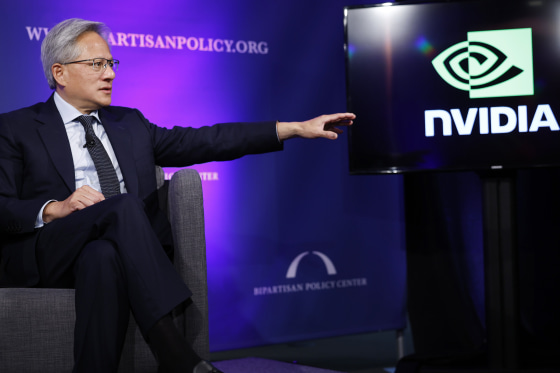
The Dow Jones Industrial Average, a long-established benchmark reflecting the U.S. stock market, is preparing to replace Intel with Nvidia, marking a pivotal change driven by the latter’s ascendance in artificial intelligence (AI). Nvidia’s impressive stock surge over recent years has made it a prime candidate for the Dow, where selections are based on sustained growth and market interest. As Nvidia’s influence in AI and data-driven computing continues to expand, Intel’s long-held seat in the Dow, which it has occupied since 1999, now seems increasingly out of alignment with the evolving market landscape.

This shift underscores the growing weight of AI in financial markets, with Nvidia’s valuation skyrocketing alongside its impact in cloud computing, AI software, and high-performance graphics processing units (GPUs) that power industries from healthcare to gaming. Intel, by contrast, has faced challenges, including decreased demand for consumer and enterprise chips and increased competition from international semiconductor manufacturers.

Advertisements

AMD has unveiled significant advancements in AI infrastructure, signaling a robust push to challenge competitors in the AI and data center markets. The company’s introduction of the Instinct MI325X and the MI355X AI accelerators, alongside new data processing units (DPUs), reflects its strategic focus on delivering enhanced performance for AI and generative models, particularly against industry leader NVIDIA. The Instinct MI325X is a follow-up to AMD’s successful […]

Dow Jones futures dipped early Friday, mirroring a slight pullback in the S&P 500 and Nasdaq futures following a mixed market response to key economic indicators. While the latest inflation data from the Consumer Price Index (CPI) hinted at potential adjustments in Federal Reserve interest rate policies, major tech players like Nvidia continued to demonstrate resilience in the face of market fluctuations. Notably, Tesla’s ambitious unveiling at its robotaxi event, led by CEO Elon Musk, did not meet the heightened anticipations of investors.

During the Thursday evening event, Musk presented two new models: the two-seat Cybercab and a larger Robovan. Both vehicles are designed to capitalize on Tesla’s foray into autonomous ride-hailing services, but the absence of detailed production timelines left many analysts and enthusiasts underwhelmed. Musk reiterated his vision for fully autonomous driving capabilities by next year in select states, including California and Texas. However, his previous predictions regarding self-driving timelines have often fallen short, leading to skepticism among stakeholders.

Tesla’s stock fell approximately 6% in premarket trading following the event, indicating investor disappointment. The company’s plans for an affordable electric vehicle (EV), expected to enter production by mid-2025, were notably absent from the showcase, further contributing to concerns about Tesla’s capacity to maintain market momentum. In contrast, ride-hailing rivals like Uber Technologies experienced a surge in their stock prices, capitalizing on Tesla’s perceived setbacks.

In the banking sector, JPMorgan Chase kickstarted the earnings season with a strong performance, buoyed by increased net interest income. The financial giant’s earnings report surpassed expectations, reflecting a robust investment banking landscape. JPMorgan added $1 billion to its net reserves for credit losses, suggesting a proactive approach to potential economic headwinds. The stock’s positive trajectory came even as concerns about broader market conditions lingered.

Amidst these developments, the stock market as a whole exhibited modest fluctuations, with the Dow Jones Industrial Average dipping 0.1%, and the S&P 500 and Nasdaq slightly lower. Investors are closely monitoring inflation indicators and Federal Reserve signals, particularly after Atlanta Fed President Raphael Bostic suggested a possible “pause” on interest rate cuts, which could impact market dynamics moving forward.

Crude oil prices also played a significant role in the market landscape, experiencing a decline of 1% amid mixed trading sentiments. This adjustment in oil futures reflects the ongoing volatility in energy markets, influenced by geopolitical developments and shifts in consumer demand.

The CPI report indicated hotter inflation than expected, igniting discussions about the potential for the Fed to maintain current interest rates in the near term. Market analysts are evaluating the implications of these economic signals, particularly as they relate to investment strategies and asset allocation.

On the technology front, Nvidia has reaffirmed its status as a market leader, with stocks rising 1.6% amid strong demand for its AI chips. Analysts noted that Nvidia’s production of next-generation Blackwell AI processors is in full swing, with sales reportedly sold out for the next year. This surge underscores the growing reliance on AI technologies across various sectors, positioning Nvidia favorably against competitors.

Advanced Micro Devices (AMD), on the other hand, unveiled its upcoming Blackwell rival at a recent event, but the stock faced a setback, dropping 4% amidst competitive pressures from Nvidia. AMD’s CEO expressed optimism regarding the future of AI accelerators, projecting a market worth $500 billion by 2028. However, immediate investor sentiment appears to favor Nvidia, which has firmly established itself in the AI landscape.

The mixed performance of small-cap stocks also drew attention, with the Russell 2000 index declining 0.55% as investors weigh growth prospects against economic uncertainties. Stocks in the AI and cybersecurity sectors, such as Palo Alto Networks and Fortinet, demonstrated positive movements, reflecting ongoing interest in technology-driven solutions.

Market analysts are advising caution amid the current environment, encouraging investors to stay engaged with their portfolios and to capitalize on incremental buying opportunities. Ongoing evaluations of leading stocks and sectors will be crucial for navigating the complexities of this financial landscape, particularly as inflationary pressures persist.


The recent release of Mario Draghi’s long-awaited report on European Union competitiveness has sparked discussions across the financial and business world. While the report is rich in policy recommendations for bolstering Europe’s competitive edge, one striking detail stands out: In the last 50 years, no EU company with a market capitalization exceeding €100 billion has been created from scratch. Meanwhile, in the United States, six companies—most famously […]

OpenAI has successfully raised $6.6 billion in a funding round that has significantly boosted its valuation to $157 billion. This is a remarkable increase from the $29 billion valuation it held just a year ago. Key contributors to this funding round include major industry players such as Microsoft, Nvidia, and SoftBank, underscoring the growing confidence in the artificial intelligence sector and OpenAI’s pivotal role within it. The […]

Nvidia’s Container Toolkit, a vital tool in cloud environments utilizing AI, has been found to harbor a severe vulnerability, CVE-2024-0132. The flaw, discovered by Wiz Research, allows attackers to escape from containers and access host systems, threatening sensitive data across cloud infrastructures. This vulnerability is particularly concerning in AI-focused setups using Nvidia GPUs, as it could compromise data integrity and service security. Nvidia’s Container Toolkit and GPU […]

The United States government has enacted a new regulatory framework aimed at enhancing the export of artificial intelligence (AI) chips, particularly to nations in the Middle East. This development arrives amid increasing global demand for AI technologies and reflects a broader strategic intent to foster technological cooperation with regional allies. The updated policies are expected to significantly impact the semiconductor industry, as key players adapt to the […]

Tech giant Apple has officially exited negotiations to invest in OpenAI’s latest funding round, which aims to raise approximately $6.5 billion and is expected to close soon. This decision stands out against the backdrop of increasing investments in artificial intelligence, particularly as OpenAI’s valuation could soar to over $100 billion following this funding round. Reports indicate that Apple’s withdrawal came during the final stages of the negotiations, […]

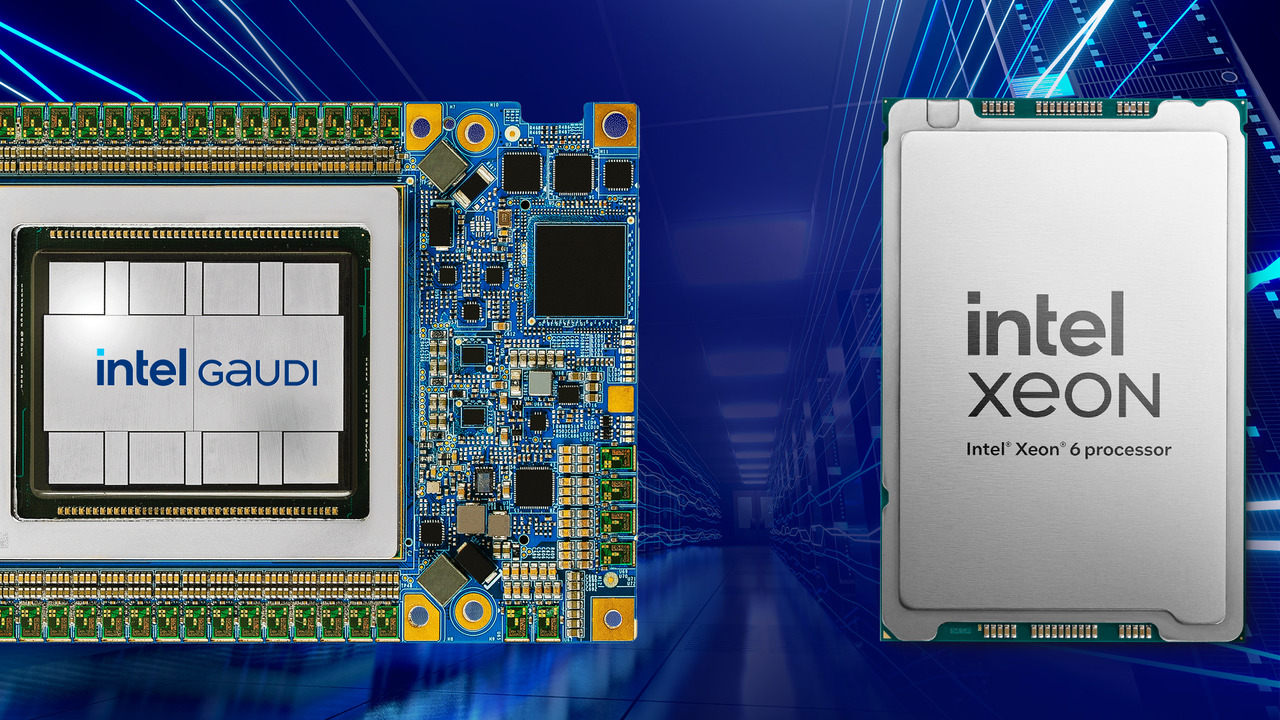
Intel has unveiled its latest offerings, the Xeon 6 processors featuring Performance-cores (P-cores) and the Gaudi 3 AI accelerators, marking a significant step forward in its pursuit of leadership in the artificial intelligence and data center sectors. The new hardware promises to deliver enhanced performance and efficiency, positioning Intel favorably in an increasingly competitive landscape dominated by Nvidia and other emerging players.

The Xeon 6 series aims to meet the escalating demand for processing power driven by AI applications. These processors utilize an architecture designed to optimize performance for various workloads, including cloud computing, edge processing, and high-performance computing (HPC). By integrating P-cores, which focus on maximizing performance for demanding tasks, Intel intends to address the needs of data centers seeking to balance workloads effectively while minimizing energy consumption.

One of the key features of the Xeon 6 processors is their support for advanced AI frameworks, enabling developers to build and deploy AI models more efficiently. Intel emphasizes that these processors are not only faster but also smarter, incorporating enhanced machine learning capabilities that streamline operations in data-intensive environments. This is particularly relevant as businesses increasingly leverage AI for analytics, automation, and improved decision-making processes.

The Gaudi 3 AI accelerators complement the Xeon 6 lineup by providing specialized processing power tailored specifically for deep learning workloads. Built on a unique architecture, Gaudi 3 accelerators promise to offer substantial improvements in both performance and scalability compared to their predecessors. Intel’s focus on AI-specific tasks reflects a broader industry trend where companies are prioritizing hardware that can efficiently handle the complexities of AI computations.

The introduction of the Gaudi 3 also highlights Intel’s commitment to enhancing the performance-per-watt ratio, a critical consideration as enterprises seek to optimize energy consumption in their data centers. By improving the energy efficiency of AI workloads, Intel aims to address one of the most pressing challenges in the industry: the rising costs and environmental impact associated with high-power computing.

In addition to the technical advancements, Intel’s launch includes new software tools and frameworks that will assist developers in maximizing the potential of the Xeon 6 and Gaudi 3 products. These tools are designed to simplify the process of integrating AI capabilities into existing infrastructures, thereby accelerating the adoption of AI technologies across various sectors.

Intel’s strategic positioning with these products also involves partnerships with leading cloud service providers and technology companies. By collaborating with entities such as Microsoft and Google, Intel seeks to ensure that its new hardware is optimized for widespread use in cloud-based AI applications. This collaboration is seen as essential in an environment where cloud adoption is accelerating, and organizations are increasingly migrating to cloud solutions for their computing needs.

The launch aligns with Intel’s broader strategy of revitalizing its product offerings in response to competitive pressures from firms like AMD and Nvidia, which have made significant inroads in the AI and data center markets. The tech giant’s commitment to innovation is underscored by its substantial investments in research and development, aimed at enhancing its competitive edge through cutting-edge technology.

As businesses worldwide embrace digital transformation, the demand for robust AI solutions continues to rise. Organizations are looking for hardware that can provide not only higher performance but also flexibility and scalability to adapt to evolving needs. Intel’s Xeon 6 and Gaudi 3 accelerators are positioned to meet these expectations, providing solutions for enterprises aiming to harness the full potential of AI.

Analysts suggest that Intel’s latest offerings could reshape the landscape of AI and data center performance. By integrating advanced processing capabilities with energy efficiency, Intel is poised to play a pivotal role in the ongoing evolution of AI technologies. The focus on enhancing the developer experience with new tools further strengthens its appeal to enterprises seeking to innovate and integrate AI into their operations.

Whispers about Nvidia’s next-generation graphics card, the RTX 5090, are igniting excitement among gamers and tech enthusiasts alike. Speculation surrounding the RTX 5090’s specifications suggests a significant leap over its predecessor, the RTX 4090, especially regarding processing power and efficiency. The graphics card is expected to debut with a staggering 21,000 CUDA cores, pushing performance boundaries far beyond the 16,384 cores found in the RTX 4090. The […]

BrowserStack has launched its latest feature, App Accessibility Testing, to address the growing need for inclusive and accessible mobile applications. As global regulations like the Americans with Disabilities Act (ADA) and European Accessibility Act (EAA) push for greater accessibility standards, this tool offers a comprehensive solution for developers and quality assurance teams to create applications that cater to all users, including those with disabilities. This development signals […]

Investors have witnessed a marked shift in market behaviour in recent weeks. The once seemingly invincible Big Tech stocks have faced pressure, no longer reaching new all-time highs, even as the broader S&P500 index posted record highs earlier this week (Monday). Nvidia—the poster child of the recent tech renaissance—has seen its stock price fall 8.5% from its August peak, despite reporting impressive second-quarter earnings on August 28th […]

Global Cloud Leader Collaborates with NVIDIA, XPENG, miHoYo, Atlas, Codium, UNESCO-ICHEI to Drive the Future of Mobility, Gaming, Travel, IT and Education HANGZHOU, CHINA – Media OutReach Newswire – 20 September 2024 – Alibaba Cloud, the digital technology and intelligence backbone of Alibaba Group, today announced at its annual flagship event Apsara Conference that its proprietary foundational model Tongyi has attracted over 300,000 customers via its generative […]

A new collaboration between G42, a prominent technology company in the UAE, and Nvidia, a global leader in AI computing, aims to develop advanced climate solutions utilizing G42’s Earth-2 platform. This partnership is positioned to harness cutting-edge artificial intelligence and data analytics to address pressing environmental challenges, enhancing sustainability efforts in various sectors. Earth-2 serves as a robust digital twin of the planet, designed to simulate and […]

Abu Dhabi-based MGX, a state-backed technology investment firm, is reportedly exploring an investment in OpenAI. This potential move follows OpenAI’s current efforts to raise $6.5 billion in funding, aiming to reach a valuation of $150 billion. OpenAI, the company behind the widely used AI language model ChatGPT, is looking to accelerate its AI initiatives amid heightened global interest in artificial intelligence technologies.

MGX, which was founded in 2024 with the backing of the UAE’s sovereign wealth fund Mubadala and AI company G42, has emerged as a significant player in the AI investment landscape. Created with the goal of advancing the UAE’s position as a global hub for technology innovation, MGX focuses on AI infrastructure, core AI technologies, and AI applications. It is also part of the UAE’s broader strategy to reduce reliance on oil and expand its footprint in technology sectors like artificial intelligence.

The potential MGX investment is part of OpenAI’s larger funding initiative, which includes major global technology companies such as Microsoft and Nvidia. Microsoft has already committed significant investments in OpenAI, totaling over $13 billion since 2019, underscoring its belief in the future of AI. MGX’s participation in this funding round would further position the UAE as a pivotal player in AI-driven technologies.

OpenAI’s CEO, Sam Altman, has been actively engaging with investors, highlighting the company’s annual recurring revenues of $4 billion as a signal of its growing market dominance. Additionally, Altman has reportedly held discussions with MGX leadership, including Sheikh Tahnoun bin Zayed Al Nahyan, on future initiatives, including a potentially trillion-dollar investment aimed at expanding global semiconductor capacity. This strategic partnership could be a critical component of OpenAI’s long-term growth, particularly as the demand for advanced computing power continues to rise.

MGX’s entry into AI investments aligns with the UAE’s ongoing efforts to position itself at the forefront of technological innovation. In addition to its collaboration with OpenAI, MGX’s partner, G42, secured a $1.5 billion investment from Microsoft earlier this year, reflecting the UAE’s strategic vision to be a leader in AI and digital transformation globally.

As the world witnesses a surge in AI development and its integration into various industries, investments like these underscore the geopolitical and economic shifts taking place. For OpenAI, securing funds from MGX would provide crucial support for expanding its product offerings and meeting the growing global demand for artificial intelligence solutions.

MGX’s move also signals Abu Dhabi’s ambitions to establish itself as a technology leader not just within the region but globally. With approximately $2 trillion in sovereign wealth, the UAE has the financial firepower to support these ambitions. The partnership between MGX and OpenAI could serve as a blueprint for future collaborations between state-backed investment funds and AI firms, reshaping the landscape of global technological advancements.

The Biden administration is weighing the possibility of granting Nvidia permission to export its advanced chips to Saudi Arabia, according to sources familiar with the matter. This move could significantly bolster Saudi Arabia’s efforts to enhance its artificial intelligence capabilities by enabling the training and operation of high-performance AI models. The issue of chip sales emerged as a notable discussion point at GAIN, Saudi Arabia’s global AI […]

The dominance of the US stock market in recent years, led by tech giants like Apple, Microsoft, and Nvidia, has been undeniable. These Magnificent Seven companies have driven much of the growth in US equities, with the S&P 500 reaping the rewards of their strong earnings performance. However, as we sit in September 2024, global investors should seriously reconsider their portfolios. Relying heavily on US stocks, especially […]

AMD is shifting its focus from sheer performance dominance to making its next-generation graphics cards more accessible to a broader audience. Jack Huyhn, a prominent figure at AMD, has emphasized that the company’s priority is not to create high-end GPUs that cater only to the elite. Instead, AMD is concentrating on providing value and affordability, aiming to strike a balance between performance and cost.

The upcoming RDNA 4 architecture, anticipated to power AMD’s latest GPUs, signifies a strategic pivot from the ultra-high-end performance of its predecessors. Historically, AMD’s high-performance GPUs have been positioned as premium products, often priced at a premium level akin to luxury vehicles. However, Huyhn’s statements suggest a departure from this strategy, focusing on delivering products that appeal to a wider range of consumers.

This shift in strategy reflects broader market trends and competitive pressures. NVIDIA’s recent advancements with its RTX 40 series GPUs have set high standards for performance, pushing AMD to reconsider its approach. The RDNA 4 cards are expected to offer incremental performance improvements over the RDNA 3 generation but at more accessible price points.

In the competitive GPU market, AMD’s strategy might be aimed at broadening its market share. Historically, high-end GPUs have been reserved for enthusiasts and professionals, often commanding premium prices. By prioritizing affordability, AMD seeks to attract mainstream consumers and build a larger user base. This could potentially result in increased sales volume, which is crucial for maintaining competitive momentum against NVIDIA’s dominant market position.

The focus on cost-effectiveness also aligns with AMD’s broader business strategy. The company has been making concerted efforts to expand its presence across various market segments, including consumer and enterprise levels. Offering high-performance GPUs at competitive prices can bolster AMD’s standing in both gaming and professional applications, broadening its appeal.

The RDNA 4 architecture is expected to bring several advancements over its predecessors. While detailed specifications remain under wraps, industry analysts anticipate improvements in efficiency and performance-per-watt. These enhancements are likely to contribute to better overall value, aligning with AMD’s emphasis on affordability.

Moreover, the shift towards value-driven GPUs could influence consumer behavior and expectations. Gamers and professionals might start to view high-end graphics performance as a standard feature rather than an exclusive benefit of premium products. This could also prompt competitors to adjust their strategies, potentially leading to a more balanced and competitive GPU market.

In addition to affordability, AMD’s RDNA 4 GPUs are anticipated to incorporate advancements in AI and machine learning capabilities. These features are becoming increasingly important in gaming and professional applications, enhancing graphical fidelity and performance. By integrating these technologies while maintaining competitive pricing, AMD aims to offer a compelling value proposition.

AMD’s strategy could also have implications for the broader tech ecosystem. As GPUs become more accessible, it may stimulate greater demand for high-performance computing across various industries. This could drive innovation and development, benefiting sectors ranging from gaming to scientific research.

Despite the focus on affordability, AMD’s commitment to performance remains strong. The RDNA 4 architecture is expected to deliver substantial improvements over the RDNA 3 generation, even if it does not match the highest-end models in raw performance. The emphasis on cost-effectiveness suggests that AMD is balancing its technical advancements with market realities, ensuring that its products remain competitive and appealing.

VISHNU RAJA
RYO YAMADA
HITORI GOTOH
IKUYO KITA