News related to
OLED

Apple has unveiled its first touchscreen MacBook Pro laptops, reversing a longstanding design position associated with co-founder Steve Jobs and bringing direct finger controls to its premium notebook range. The 14-inch and 16-inch models, announced on Wednesday, 28 October, combine touch-enabled OLED displays with M5 Pro and M5 Max processors. Pre-orders opened immediately, with availability scheduled for 6 November. The 14-inch touchscreen model starts at $2,899 in […]

Arabian Post Staff -Dubai Nothing’s CMF Watch 3 Pro smartwatch is being offered for $59 in the United States, a $20 reduction from its $79 selling price, as retailers extend discounts across the device’s four colour options. The offer, equivalent to approximately 25% off the $79 reference price, has appeared on Amazon, with listings also identifying discounted units at Walmart and Nothing’s own store. Availability and delivery […]

Arabian Post Staff -Dubai Apple has introduced an OLED-equipped iPad mini with a larger, brighter display, a faster processor, enhanced connectivity and water resistance, marking a substantial redesign of its smallest and most portable tablet. The device, announced on Monday, features an 8.5-inch Super Retina XDR screen, Apple’s A20 Pro chip and a thinner enclosure. Pre-orders open on October 28, with deliveries and retail availability scheduled for […]

By Dr. Gyan Pathak India is set to further ‘improve’ employment and unemployment data by revamping the Periodic Labour Force Survey (PLFS) and bringing out the data accordingly from January 2027. The National Statistics Office (NSO), Ministry of Statistics and Programme Implementation (MoSPI) has proposed to introduce modification in the sampling design of the PLFS […]

The article India Set To Further ‘Improve’ Employment Data From January 2027 appeared first on Latest India news, analysis and reports on Newspack by India Press Agency).

TONGXIANG, CHINA – Media OutReach Newswire – 20 October 2026 – The 2026 World Internet Conference Wuzhen Summit will open on Nov. 2, bringing technology leaders, researchers and companies to the historic water town as Tongxiang firms expand AI applications from commercial cleaning and autonomous delivery to industrial control and data-center cooling.

The CenoBot S5 autonomous cleaning robot undergoes real-world testing at a demonstration site in Tongxiang.

For Tongxiang, long associated with the annual internet conference, the summit is also a chance to demonstrate how local companies are commercializing AI technologies for customers at home and abroad.

Ahead of the event, reporters visited seven Tongxiang-based companies working in robotics, intelligent vehicles, synthetic data, industrial automation, logistics and computing infrastructure.

Singapore Changi Airport earlier this year placed a fourth order for commercial cleaning robots from CenoBots, a Tongxiang-based company whose machines are used in airports, supermarkets, hospitals, factories and warehouses.

CenoBots has sold products in more than 40 countries and regions. Its customers include Changi Airport, British retailer Tesco, the University of Minnesota and pharmaceutical company Novo Nordisk. This year, the company supplied about 600 autonomous cleaning robots for Tesco Express stores across the United Kingdom.

“Cleaning robots are appearing in more and more settings,” said Shen Jizhong, CenoBots’ co-founder and vice president. “It is much like electric vehicles becoming a familiar sight on the roads — a trend that is gathering pace.”

The company’s machines are adapted to different settings. Hospital robots must move through busy corridors without disrupting patient care, while those used in supermarkets navigate around shoppers and carts. Factory robots operate near forklifts, and airport models must handle both fine debris in carpeted areas and small obstacles on smooth floors.

CenoBots continues to refine its robots through real-world testing, focusing on reliable operation and consistent cleaning performance across diverse environments. The company has expanded its research, development and production facilities in Tongxiang from approximately 3,000 square meters in its early years to more than 20,000 square meters. Local malls, hospitals and sports venues have also served as long-term testing sites.

While CenoBots focuses on service robots, TEEMO is developing the vehicle platforms that support autonomous mobility. The company makes drive-by-wire skateboard chassis and core components for autonomous vehicles used in last-mile delivery, patrols and logistics.

Its standardized chassis can be equipped with different vehicle bodies and hardware for specific uses. One of TEEMO’s strategic customers, autonomous delivery-vehicle maker Zelos, was selected for all lots in China Post’s centralized procurement program for 7,000 autonomous delivery vehicles.

TEEMO’s customers already span the United States, the Middle East, India and Russia, said Zhang Yongjian, the company’s director of operations.

“In some overseas markets, distances are long, populations are dispersed and last-mile delivery is difficult to staff,” Zhang said. “Autonomous delivery vehicles have strong potential there, and overseas business will become an important growth driver for us.”

Other Tongxiang companies are concentrating on the data and perception systems that allow machines to function in physical environments.

Dayan Technology, founded in Tongxiang in May 2025, provides synthetic-data and toolchain services for autonomous-driving and humanoid-robotics companies. It combines real-world data collection, digital twins and simulated training environments to help developers train robots before they are deployed.

Its wearable devices record human movement and interactions with objects. A haptic glove uses liquid-metal and pressure sensors to capture hand gestures, finger movements and contact force. A multi-camera headset records a user’s visual field, body posture, hand movements and the position of nearby objects.

Dayan said its tactile-perception model can process touch signals in milliseconds. The technology is intended to help robots do more than identify objects visually: They can learn how firmly to grip an item, recognize when it is slipping and apply force without causing damage.

Freetech Intelligent Factory

Freetech is applying related sensing and decision-making capabilities to intelligent driving. The company develops intelligent-driving systems and 4D imaging radar for passenger and commercial vehicles, and said its technology has been selected for hundreds of vehicle programs.

Its ODIN AI platform supports products at different levels of driving automation. The radar is designed to complement cameras in heavy rain, fog, darkness and abrupt changes in light, including when vehicles enter or leave tunnels.

At its intelligent-manufacturing base in Wuzhen, Freetech is also using AI in production. An in-house system reads customer orders and calculates the components and materials needed for each production line before manufacturing begins. The company said the system has increased overall efficiency by more than 20%.

“Transportation combined with a specialized function will be an important direction for the future,” said Dr. Zhang Lin, Freetech’s founder and CEO.

Freetech sees potential applications beyond passenger vehicles, including robots, elder-care vehicles, mining equipment and agricultural machinery.

Beyond mobility, Tongxiang firms are using AI to address the complexity of industrial operations. Founded in 2019, Shuhan Technologies provides on-premises industrial AI for chemical plants, energy facilities and wastewater-treatment systems. Its AI-driven control layer continuously ingests data from central control systems and field sensors, identifies dynamic conditions and autonomously adjusts operating parameters in real time.

“Fundamentally, all industrial process challenges can be framed as control and optimization problems,” said Zhai Zhengjun, Shuhan’s Chief Technology Officer.

At a coal chemical plant with annual capacity of 1.2 million metric tons, Shuhan said its system reduced raw-material consumption by 6%. The company estimated that the deployment generated more than 176 million yuan, or about $26 million, in annualized economic benefits and reduced carbon emissions by more than 500,000 metric tons.

SENAD is targeting bottlenecks in logistics operations, including loading, unloading, sorting and pallet handling. It develops autonomous loading and unloading robots, as well as a multimodal logistics model called Robot Insight, for sectors including beverages, tobacco, consumer goods, pharmaceuticals and logistics.

Tongxiang’s AI sector also includes companies addressing the infrastructure needed to run increasingly powerful computing systems. SynthCool is tackling a basic constraint of the AI boom: heat.

SynthCool develops two-phase liquid-cooling systems to address the heat generated by increasingly powerful processors. Inadequate cooling can trigger thermal throttling, reducing performance and energy efficiency.

“Heat dissipation is infrastructure,” said Zhu Zhijiang, SynthCool’s general manager.

SynthCool’s two-phase cooling technology uses the latent heat of vaporization to remove heat from processors. The cooling fluid absorbs heat and boils into vapor, which is then condensed back into liquid and recirculated.

Depending on ambient conditions and system design, two-phase cooling can also support free cooling and reduce reliance on compressor-based refrigeration. Waste heat may be recovered where temperatures and local demand make reuse practical.

According to SynthCool, its technology supports heat dissipation of more than 3,000 watts per chip and heat flux above 250 watts per square centimeter. Under comparable cooling requirements, the system requires approximately one-third of the flow needed by conventional single-phase water-cooled cold plates, helping reduce piping requirements and pumping demand.

SynthCool’s portfolio includes two-phase direct-to-chip and immersion cooling solutions, along with distribution units and control systems for AI data centers.

Hashtag: #Tongxiang

The issuer is solely responsible for the content of this announcement.

Ledger is investigating suspected cryptocurrency thefts involving wallets sold through Southeast Asian reseller CryptoBilis, as blockchain investigators raise their estimated losses beyond $86 million. The hardware wallet manufacturer has asked CryptoBilis to suspend sales and shipments while it examines complaints from customers whose digital assets disappeared. Ledger has not confirmed the total stolen, established how many people were affected or identified the cause of the reported losses. […]

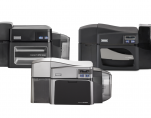
Upgrades improve print quality, strengthen security and simplify ID card issuance

SINGAPORE – Media OutReach Newswire – 6 October 2026 – HID, a global leader in trusted identity solutions, is rolling out enhancements across its FARGO® DTC ID card printers, including the DTC1250e, DTC4500e and DTC1500 models, to help organizations issue secure, professional-quality ID cards faster, with less IT support and the ability to easily scale as needs evolve.

DTC Ext Family AUG2026

Organizations that issue ID cards — from schools and healthcare systems to government offices, corporate campuses and others — need printers that are easy to operate, produce consistently high-quality credentials and keep pace with growing security requirements. The latest enhancements address each of those priorities.

Built to Print: Faster, Sharper Output and Stronger Security
Speed and reliability are essential for high-volume credential issuance. Printing more cards in less time with fewer interruptions, these printers have been updated with newer, faster hardware and electronics platforms. Support for high-capacity ribbons also streamlines the issuance workflow and maintains high productivity, reducing reloads and lost time. For front-desk and HR staff who issue dozens of badges a day, this means shorter lines and less time waiting on a stalled print job.

“We’ve been at this for a long time. For more than three decades, organizations have trusted us to power their ID badging programs,” said Apryl Erickson, VP and Head of FARGO. “With thousands of printers in the field worldwide, we’re excited to build on that legacy by delivering enhanced solutions that provide greater value to our end users and support their mission-critical issuance processes.”

Card quality matters just as much as issuance speed. With 300 x 600 dpi resolution, an enhanced color profile and adjustable K-panel printing, organizations benefit from having professional-quality ID cards that look sharper, have crisper text, cleaner logos and more accurate color.

When an organization issues credentials, they need to enhance card security and safeguard cardholder data. As such, all DTC printers offer enhanced AES-256-GCM encryption and resin scramble data protection. On the DTC1500 and DTC4500e, a built-in, customizable watermark overlay adds a layer of security at no added cost.

Built to Last: Secure, Reliable, Sustainable Performance and Less Downtime
Reliable and sustainable, the enhancedDTC printers are backed by three-year product warranties, provide ongoing printer health monitoring and are specifically engineered for efficient energy use.

Organizations also need to keep operator maintenance low. An integrated diagnostic utility and Color Assist tool are now built directly into the printer driver, so common issues can be identified and resolved without a support call. An optional OLED SmartScreen on the DTC1250e further simplifies day-to-day operation, helping non-technical staff be productive from day one with no IT ticket required.

Built for More: Room to Grow Without Starting Over
Programs rarely remain static, and organizations need to scale as their needs grow without incurring the cost of new hardware. FARGO DTC printers offer field-upgradable dual-side printing and encoding options that let organizations start with what they need and add capabilities later, without having to buy new base hardware, as programs expand.

These upgrades build on more than 30 years of DTC printing expertise. The portfolio also integrates with HID’s broader ecosystem for access control and identity management, helping organizations expand their credentialing programs as needs evolve. The DTC1500 and DTC4500e are also compatible with FARGO Connect™, a secure, cloud-based card printing platform that provides real-time fleet visibility.

The enhanced DTC printer portfolio is commercially available now. Product availability for enhanced FARGO DTC1250e and DTC4500e printers is slated for late October/early November, varying by region. Enhanced FARGO DTC1500 units will follow later in Q4 2026.

Building on these enhancements, HID plans to further expand the FARGO DTC portfolio later this year with a streamlined, single-sided printer designed for organizations with lower-volume issuance needs. It will not be available in the United States and Canada. It will be offered only in select regions outside these markets. The new model will bring the same reliability and ease of use while providing an accessible entry point into the broader FARGO portfolio.

FARGO printers are available through HID’s partner and distributor network.

Stay Connected with HID

Visit our Media Center, read our Industry Blog, and follow us on Facebook, LinkedIn and X (Twitter).
Hashtag: #HID #FARGO #TrustedIdentity


The issuer is solely responsible for the content of this announcement.

About HID

HID powers the trusted identities of the world’s people, places and things. We make it possible for people to transact safely, work productively and travel freely. Our trusted identity solutions give people convenient access to physical and digital places and connect things that can be identified, verified and tracked digitally. Millions of people around the world use HID products and services to navigate their everyday lives, and billions of things are connected through HID technology. We work with governments, educational institutions, hospitals, financial institutions, industrial businesses and some of the most innovative companies on the planet. Headquartered in Austin, Texas, HID has over 4,500 employees worldwide and operates international offices that support more than 100 countries. HID is an ASSA ABLOY Group brand. For more information, visit .

© 2026 HID Global Corporation/ASSA ABLOY AB. All rights reserved. HID, the HID Blue Brick logo and the Chain Design are trademarks or registered trademarks of HID Global, ASSA ABLOY AB, or its affiliates(s) in the US and other countries and may not be used without permission. All other trademarks, service marks, and product or service names are trademarks or registered trademarks of their respective owners.

Advertisements
SHANGHAI, CHINA – Media OutReach Newswire – 1 October 2026 – Huawei today officially launched its next-generation flagship HUAWEI Mate 90 Series, featuring the powerful LogicFolding Tau Chip, the Kirin 9050 Pro. Packed with breakthrough innovations, including the XMAGE True-to-Color Portrait Camera, the Second-generation Linglong Display, full-body Kunlun Xuanwu architecture, and the HUAWEI XMAGE Z10 Modular Camera, the series sets a new benchmark for mobile technology.

Huawei Launches the HUAWEI Mate 90 Series, Equipped with the Flagship Tau Chipset Across the Entire Series

Richard Yu, Executive Director of Huawei, Director of the Investment Review Board, and Chairman of the Huawei Consumer BG, stated: “The HUAWEI Mate 90 Series is equipped with the flagship Tau chipset across the entire series. Through vertical integration of hardware, software, chips, and cloud, we have achieved a comprehensive evolution in design, performance, imaging, reliability, and smart user experience. Today, we step into a new era of brilliance.”

Between 2007 and the end of 2025, Huawei invested a total of CNY1.8 trillion into R&D. Today’s product breakthroughs are the direct result of long-term R&D investment and a foundation of core technology. Huawei is turning foundational advancements in Kirin, HarmonyOS, and beyond into tangible product experiences that consumers can truly feel.

Meticulously Crafted, Radiant at First Sight

The HUAWEI Mate 90 Series introduces a refined, seamless design, pairing a glossy mid-frame with a matte metal rear cover.

In terms of durability, the Mate 90 Pro and higher models are built on the full-body Kunlun Xuanwu architecture. The camera cover introduces the industry’s first Optical Kunlun Glass, delivering 20x better drop resistance, while the front display is protected by 3rd-gen Kunlun Glass, offering a 50% improvement in impact resistance. The Pro Max Premium Edition and RS ULTIMATE DESIGN go further with upgraded Xuanwu Kunlun Glass, cutting reflections by 70% and boosting scratch resistance by 16x. The entire lineup supports IP68 dust and water resistance up to 6 meters alongside IP69 resistance against high-temperature, high-pressure water jets.

Powered by LogicFolding Tau Chip: A Massive Leap in Performance

At the heart of the HUAWEI Mate 90 Pro Max is the LogicFolding Tau Chip, built on an innovative architecture that drastically compresses critical path latency to enable 5 million signal transmission bonds and an impressive 125 TB/s inter-die bandwidth. The Pro Max Premium Edition and RS ULTIMATE DESIGN are powered by the Kirin 9050 Pro chip, delivering a 31% increase in overall performance. Meanwhile, the Pro model’s Kirin 9035 chip brings a 20% performance boost, and the standard edition’s Kirin 9030 chip offers a 27% gain in performance.

Vertically integrated with HarmonyOS 7 across hardware, software, chips, and the cloud, the Kirin 9050 Pro CPU supports hyper-threading technology for effortless, ultra-smooth operations. Mobile gaming also reaches new heights with hardware-accelerated ray tracing, capable of rendering up to 55 million rays per second.

Second-Generation Linglong Display: A Screen That Truly Stands Out

The HUAWEI Mate 90 Pro introduces the second-generation Linglong Display, reaching an unprecedented peak brightness of 12,000 nits at 1% APL. Built on an enhanced Tandem OLED Architecture, panel lifespan is extended by 138%. The HUAWEI Mate 90 Pro Max and RS ULTIMATE DESIGN debut the Full-color Linglong Display. Leveraging its 12,000-nit ultra-high brightness and full BT.2020 end-to-end color management, over 60 mainstream apps can now upsample P3 content to vibrant, full-color BT.2020 quality. Eye care technology also receives a major upgrade, featuring industry-first ambient light detection and a 1-nit ultra-low brightness eye-comfort mode for a seamless, strain-free viewing experience.

Breakthrough Connectivity & Reliable Outdoor Utility

Connectivity gets a total overhaul. The industry-first Wi-Fi and cellular converged antenna architecture boosts signal gain by 2 dB. The entire lineup supports eSIM, with the Pro Max pioneering four-SIM, three-standby functionality. With multi-device communication sharing, photo and video upload speeds are boosted by up to 40% in congested environments like crowded concerts or remote outdoor areas.

XMAGE True-to-Color Portrait

The entire series comes equipped with True-to-Color Camera 3.0, featuring full-focal-length infrared optical coating for the first time, which advances overall color accuracy by 37% and skin-tone accuracy by 62%. The updated XMAGE True-to-Color Portrait engine introduces four versatile shooting modes: Portrait original, Soft light portrait, Dazzling fireworks, and Starburst, delivering striking, authentic portraits that speak directly to the heart.

The Pro Max features a powerful 18 EV ultra-HDR main camera, a large-sensor 200 MP RYYB telephoto camera, and CIPA 7.5-rated hardware image stabilization, guaranteeing crisp, steady shots even beyond 20x zoom. The lineup also introduces a dedicated live-streaming optimization mode, making it an ideal companion for content creators.

Additionally, the HUAWEI XMAGE Z10 Modular Camera features a 1-inch large sensor, 24–240 mm continuous optical zoom, and a maximum aperture of f/2.0 to f/4.5, providing pristine, studio-quality imagery across every focal length.

HarmonyOS AI: Smarter, Proactive, and Seamless

Powered by the 30B MoE full-modal on-device foundation model on the Pro Max and higher models, next-generation AI features come to life. Celia Memories seamlessly syncs and organizes content from over 50 mainstream apps, while the Celia navigation bar proactively suggests over 30 context-aware actions based on on-screen content. For everyday tasks, Celia Call 2.0 handles automated call answering, call summaries, and real-time translation, while the Celia Gallery Assistant enables intuitive voice- or text-driven photo editing and instant video generation. Furthermore, HarmonyOS Interconnect brings distance-free remote Huawei Share and allows one-tap sharing to multiple HarmonyOS devices simultaneously.

Committed to taking the harder but right path, Huawei provides users and developers with a powerful alternative in HarmonyOS. Today, HarmonyOS 6 and HarmonyOS 7 power over 90 million devices, including smartphones, PCs, and tablets, and are on track to pass the 100 million mark by the end of this year. At the same time, Huawei’s global registered developer community has grown to over 11 million.

ULTIMATE DESIGN: See the Extraordinary

The HUAWEI Mate 90 RS ULTIMATE DESIGN evolves the iconic Star Diamond camera module aesthetic and debuts Dynamic Lenticular Kunlun Glass, elevating high-durability materials into an expression of premium design. The rear cover showcases an all-new Ascending Texture available in Red, White, and Black. Under the hood, it packs the Kirin 9050 Pro chip, Full-color Linglong Display, Tiantong Satellite Communications, BeiDou Satellite Messaging, four-SIM three-standby, and the advanced True-to-Color Camera 3.0 with an 18 EV ultra-HDR main camera, delivering ultimate design, technology, imaging, and experience.

The series starts at CNY5,999 for the HUAWEI Mate 90, CNY6,999 for the HUAWEI Mate 90 Pro, CNY9,499 for the HUAWEI Mate 90 Pro Max, and CNY12,999 for the HUAWEI Mate 90 RS ULTIMATE DESIGN.

Hashtag: #Huawei

The issuer is solely responsible for the content of this announcement.

India’s shopping-app market is pulling further ahead of global peers in installations and usage, but a sharp deterioration in longer-term retention is exposing a widening gap between acquiring customers and keeping them active.

Android shopping-app installs in India grew 85% between the third quarter of 2024 and the second quarter of 2026, compared with 2% globally, according to AppsFlyer’s State of eCommerce for Marketers in India 2026 report. India accounted for 63% of Android shopping installs and 71% of sessions across the markets measured, underscoring the scale of mobile-led commerce.

The expansion has not translated into equally durable customer relationships. Day-30 retention on Android fell 41% between the fourth quarter of 2025 and the second quarter of 2026, steeper than the 30% global decline. Retention had stayed at roughly 4% through the second, third and fourth quarters of 2025 before weakening over the following two quarters.

Marketing allocations moved in the same direction. Remarketing expenditure in India dropped 42% between the fourth quarter of 2025 and second quarter of 2026 while user-acquisition spending rose 10%. Android remarketing conversions subsequently fell 62% in the second quarter, suggesting businesses were putting more money into attracting users while spending less on bringing existing customers back.

Paid installs overtook organic installs in absolute volume by the first quarter of 2026, reversing the organic-led pattern that prevailed through most of 2025. The shift increases the importance of measuring whether customers acquired through advertising remain active long enough to justify acquisition costs.

“India’s install numbers are exceptional by any global measure, and quick commerce is a big part of why,” AppsFlyer’s India and ANZ general manager Sanjay Trisal said. He said engagement was holding up even as install growth cooled, adding that businesses could under-invest in existing customers when acquisition remained strong.

Install volumes have moderated from their festive-season high without erasing India’s substantial lead. Android installs were 22% below their third-quarter 2025 peak by the second quarter of 2026, while sessions declined only 5%. On iOS, sessions increased 13% over the same period, indicating that established users continued opening shopping apps even as new-install momentum eased.

The festive surge was particularly pronounced. Android shopping installs climbed 136% year on year during the Navratri quarter, while organic installs rose 143%. The figures help explain why acquisition has remained attractive to marketers despite signs of weaker retention farther into the customer lifecycle.

Quick commerce is an important driver of that activity. Redseer Strategy Consultants estimates the segment closed the 2025-26 financial year at about $13 billion to $14 billion in gross merchandise value, equivalent to roughly 17% of India’s online retail market. It has expanded beyond grocery into categories including beauty, personal care, electronics and fashion, increasing the number of shopping occasions served through apps.

Broader online retail demand also remains strong. Redseer estimates the market grew about 25% year on year in the first half of 2026 to roughly $38 billion and expects it to exceed $90 billion for the full calendar year. That growth provides a large pool of transactions for shopping platforms, while placing greater emphasis on whether customer acquisition produces repeat purchasing.

AppsFlyer’s data also showed India generated its high Android activity with a comparatively smaller share of advertising expenditure. The country represented 19% of global Android user-acquisition spend among measured markets despite accounting for 63% of installs and 71% of sessions. On iOS, it accounted for 16% of installs but 2% of user-acquisition expenditure.

Traffic quality strengthened over the longer measurement period. India’s Android install-fraud rate declined from 10% in the third quarter of 2024 to 3% in the second quarter of 2026, against a 7% global rate. The iOS fraud rate stood at 1%, compared with 3% globally, although Android fraud increased quarter on quarter in the latest period.

By Ashok Nilakakntan Ayers WASHINGTON: The confrontation between Donald Trump and the American press has entered a new phase. What began on Friday as a presidential declaration against three news organizations — CNN, MS NOW and Politico — became a physical ban on Saturday, when reporters from the three organizations were stopped at the White […]

The article Trump’s White House Media Ban: Fourth Estate Under Attack In USA appeared first on Latest India news, analysis and reports on Newspack by India Press Agency).

Arabian Post Staff -Dubai Lending growth at the UAE’s 10 largest listed banks slowed in the second quarter of 2026 as regional disruption from the US-Iran conflict intensified, while profitability and asset quality remained broadly resilient. Net loans and advances increased 4.2 per cent from the previous quarter, down from about 5.8 per cent in the first three months of the year, according to the latest UAE […]

Netflix, Amazon and YouTube have created a Washington-based lobbying coalition to press for policies favouring consumer choice and technology-neutral treatment of streaming services as political scrutiny intensifies over the migration of live sport from traditional television. The Streaming Access and Choice Alliance, or SACA, was announced on Monday with the three companies as founding members and TechNet, a technology industry advocacy group, leading the organisation. Mike Ward, […]

National Stock Exchange of India has cut the size of its long-awaited initial public offering by more than 15 per cent, with several existing shareholders reducing planned sales after the exchange settled on a lower valuation range.

The offer will now comprise up to 126.44 million shares, down from about 148.91 million in the draft prospectus, according to the red herring prospectus dated September 10. The price band has been fixed at Rs 1,700 to Rs 1,785 a share, valuing NSE at as much as roughly Rs 4.42 trillion.

At the top of the band, the offer could raise about Rs 22,568 crore, compared with roughly Rs 26,580 crore had the original number of shares been sold at the same price. The transaction is entirely an offer for sale, meaning NSE will not receive proceeds and no fresh shares will be issued.

The revised structure follows concern among prospective investors about whether the exchange could sustain the growth rates that supported higher valuation expectations before tighter rules cooled activity in its lucrative derivatives business. An earlier marketed range of about Rs 2,000 to Rs 2,100 a share would have implied a valuation of as much as Rs 5.26 trillion.

Several large shareholders have reduced the number of shares they plan to sell. State Bank of India cut its proposed sale to about 15.97 million shares from 24.75 million, while Bank of Baroda, Indian Bank and other institutional holders also lowered their offers. SBI Capital Markets was added as a selling shareholder with nearly 8.8 million shares.

Other investors, including Canada Pension Plan Investment Board and ICICI Lombard General Insurance, retained their proposed sale quantities. The changes reduce the stake being offered to about 5.2 per cent of NSE’s equity from the 6 per cent envisaged in the draft prospectus.

The downsizing comes as investors scrutinise the exchange’s dependence on derivatives activity. NSE derives a substantial share of its revenue from options trading, where volumes have weakened after the Securities and Exchange Board of India introduced measures aimed at curbing excessive speculation and reducing risks for retail participants.

Options trading volumes on the exchange fell more than 12 per cent from a year earlier in August, adding to questions about the pace of future transaction-related revenue growth. Those concerns have been balanced by NSE’s strong profitability and dominant position in cash equities and derivatives.

For the quarter ended June, NSE reported a 6.7 per cent increase in net profit to about Rs 3,120 crore, while revenue rose roughly 13 per cent to Rs 4,560 crore. The figures give prospective investors a clearer view of the exchange’s earnings power as they assess the lower offer price.

The public offer is scheduled to open on September 17 and close on September 21, with anchor investors expected to bid a day earlier. A listing is expected around September 24, subject to completion of the offer process and final regulatory requirements.

The timetable follows regulatory clearance that removed a key obstacle to the listing. The Securities and Exchange Board of India approved the IPO prospectus on September 4 after NSE moved to settle long-running disputes linked to allegations of unfair access to its trading systems.

The Supreme Court also dismissed the market regulator’s appeal in the co-location matter after the parties indicated that a settlement had been reached. NSE had agreed to pay about Rs 1,491 crore to resolve the case, allowing the listing process to advance without that litigation hanging over the issue.

The reduced transaction will no longer challenge Hyundai Motor India’s 2024 flotation for the record as the country’s largest IPO by proceeds. Hyundai raised about Rs 27,870 crore, while NSE’s offer is expected to be worth about Rs 22,500 crore at the top of its announced price band.

Bitcoin ownership is estimated at about 5% of the world’s population, with India accounting for the largest number of holders, according to figures published by on-chain analyst Willy Woo. Woo’s country-level table, posted on September 1, places worldwide adoption in a range of 4.5% to 6%, equivalent to roughly 370 million to 500 million people. India is estimated to have about 68 million Bitcoin holders, representing 4.6% […]

South Korea’s Financial Services Commission has set February 2027 as the starting point for a three-stage expansion of tokenised securities, with the programme ultimately intended to support on-chain settlement linked to stablecoins. The roadmap, announced after a public-private consultative meeting on September 4, covers conventional assets including stocks, bonds and funds as well as fractional investment products. It is tied to amendments to the Act on Electronic […]

Arabian Post Staff Independent financial advisory firm deVere Group has built and launched live pricing and analysis pages across all four markets, designed for investors managing money across borders and currencies rather than sitting inside a single market. “We built these pages because our investors are living across dozens of countries, and they were checking four different markets through four different sources just to get a full […]

Firmly Implementing the “Single Brand, Multi-categories, Diversified Channels” Strategy; Super BOOM Capsule Technology Achieves Full Commercialization; Deepens Global Professional Sports Resources Together with Curry

FINANCIAL HIGHLIGHTS

  • In the first half of the year, the Group recorded the following operating results:
    • Revenue rose by 2.8% to RMB15,235 million; gross profit margin increased by 0.9 percentage points to 50.9%
    • Net operating cash inflow was RMB954 million
    • Net profit attributable to equity holders was RMB1,816 million with net profit margin of 11.9%, and EBITDA margin was 22.1%
  • Working capital remained at a healthy level:
    • The percentage of gross average working capital to revenue was 7.8%
    • The cash conversion cycle was 35 days, an increase of 4 days compared with the same period last year
  • The Board resolved to declare an interim dividend of RMB35.12 cents per ordinary share of the Company issued or to be issued upon conversion of convertible securities for the six months ended 30 June 2026.

OPERATIONAL HIGHLIGHTS

  • The retail sell-through for the overall platform increased by low-single-digit from last year, including online and offline channels.
  • Offline channel new products sell-through accounted for 83% of overall offline channel sell-through, maintaining a healthy and reasonable level.
  • Channel inventory-to-sales ratio of 4 months; and inventory level and ageing structure remained at a healthy level.

HONG KONG SAR – Media OutReach Newswire – 20 August 2026 – Li Ning Company Limited (“Li Ning” or the “Company”, together with its subsidiaries, collectively the “Group”; Hong Kong Stock Exchange stock codes: 2331 (HKD counter) and 82331 (RMB counter)) today announced the unaudited interim results of the Group for the six months ended 30 June 2026 (the “Reporting Period”).

FINANCIAL RESULTS

In the first half of 2026, the Group continued to enhance product technology performance, optimise channel efficiency and deepen its professional brand mindset, maintaining steady operations. During the period, the Group’s revenue reached RMB15,235 million, up 2.8% year-on-year (2025: RMB14,817 million). Gross profit was RMB7,751 million, up 4.5% year-on-year (2025: RMB7,415 million), and the Group’s overall gross profit margin was 50.9%, up 0.9 percentage points year-on-year (2025: 50.0%).

During the period, profit attributable to equity holders of the Group was RMB1,816 million (2025: RMB1,737 million); the margin of profit attributable to equity holders was 11.9% (2025: 11.7%); and return on equity attributable to equity holders was 6.5% (2025: 6.5%). Basic earnings per share were RMB70.40 cents (2025: RMB67.43 cents). The Board resolved to declare an interim dividend of RMB35.12 cents per ordinary share of the Company issued or to be issued upon conversion of convertible securities for the six months ended 30 June 2026 (2025: RMB33.59 cents).

In terms of cash flow management, net cash generated from operating activities during the period amounted to RMB954 million (2025: RMB2,411 million). As at 30 June 2026, cash and cash equivalents (including cash at banks and in hand, and fixed term deposits with original maturity of not more than three months) amounted to RMB13,003 million, a decrease of RMB3,713 million compared with 31 December 2025. Adding back amounts recorded in bank time deposits, the cash balance was RMB19,389 million, a net decrease of RMB585 million compared with 31 December 2025. During the period, revenue increased year-on-year while cash expenses such as marketing expenses and taxes increased, resulting in a year-on-year decrease in net cash generated from operating activities; an increase in time deposits led to a significant increase in net cash used in investing activities. The Group will continue to prioritise cash flow management to ensure the stable development of the Company in the long term.

BUSINESS OVERVIEW

In the first half of 2026, the Group firmly implemented its core development strategy of “Single Brand, Multi-categories, Diversified Channels”. On one hand, it continuously strengthened the core of professional sports technology and product performance, consolidating the brand’s professional mindset in niche segments; on the other hand, it continuously deepened its highly efficient operating model, maintaining solid operating fundamentals and a healthy inventory level.

In terms of product upgrades, the Group drove iterative upgrades in the performance of its core category products through technological innovation, and coordinated the synergistic development of the core categories of running, basketball, training, badminton, table tennis and sports casual. The Group launched its “Super BOOM Capsule” technology, applied to racing running shoe series such as Feidian and Red Hare, covering the full-scenario needs of competitive training, elite and mass runners; the LI-NING Aerospace Dynamic Thermal Technology was applied to the award equipment of the Chinese Sports Delegation at the 2026 Milan Winter Olympics. The Group also expanded its outdoor product matrix and accelerated its layout in the outdoor market.

In terms of brand communication, the Group focused on building an all-round sports resource system represented by its cooperation with the Chinese Olympic Committee (the “COC”) and top international athlete IPs. During the period, the Group continued to strengthen its strategic partnership with the Chinese Olympic Committee, developing podium wear for the Chinese sports delegation competing at the 2026 Milan Winter Olympics, and establishing a presence at the “China House” in Milan, working alongside the Chinese Olympic Committee to showcase the strength of Chinese sports. In addition, the Group entered into a long-term strategic partnership with NBA superstar Stephen Curry and his brand “Curry Brand”, cooperating on the research and development of professional basketball equipment, the promotion of event culture, and the expansion of new-generation consumer groups, enhancing LI-NING’s professional sports brand perception and international exposure.

In terms of channels, the Group continued to deepen strategic synergy with leading commercial complexes and orderly carried out the planning and roll-out of innovative store formats. During the period, the standalone outdoor store “COUNTERFLOW” officially opened in Chongqing, laying the foundation for the Group’s outdoor category to deepen its presence in the Southwest regional market; the Group’s cooperation with quality commercial resources also entered a new stage, creating favourable conditions for the concentrated opening of multiple “Loong Stores” in the second half of the year. At the same time, the Group continued to optimise its rental structures and commercial cooperation models, enhancing the overall operating health of its channels.

In terms of retail operations, the Group promoted dual-driven growth in products and brand by establishing a high-tier market operating model and a distribution business operating model. In high-tier markets, the Group strengthened its brand image around three dimensions, namely channel structure optimisation, refinement of store product mix and upgrading the shopping experience, driving incremental capture of brand elevation and category depth. In terms of distribution business, the Group concurrently established a distribution management model to enhance distribution efficiency and the sustainable operating capability of the channel. In terms of terminal operating capability, the Group continued to drive the implementation of retail standards on a project basis, strengthened coordination efficiency between headquarters and terminals, and enhanced sports advisors’ customer reception capability and professional service standards, comprehensively improving consumers’ shopping experience in LI-NING stores and laying the foundation for enhanced single-store operating efficiency.

In terms of e-commerce operations, the Group leveraged key promotional opportunities including Tmall Celebration Day, Goddess Festival and 618 to precisely target new-customer acquisition and deeply reach female consumer groups, effectively driving simultaneous growth in sales scale and brand influence. The Group also converted cutting-edge technology into quality product experiences, coordinated Olympic champions and celebrity spokesperson resources, and worked with fashion magazines, trend events and social media platforms to continuously consolidate its professional sports mindset. Flagship products including basketball shoes Gamma 2, LI REN 6V2 and DLO 2, as well as the running shoe matrix of Wushi, Youzhi and Zhui Feng, all achieved notable results in expanding awareness and increasing sales, while the Feeling family remained ranked first in searches in the thin-soled shoe segment.

In terms of new retail business, the Group established a new retail department to focus on mapping out its omni-channel growth business model. Through the O2O model, it connected online and offline merchandise pools, providing consumers with a more consistent and efficient shopping experience. The Group also accelerated its layout on mainstream instant-retail platforms, making concerted efforts across three areas: channel store expansion, merchandise matching and refined single-store operations. On the one hand, it fully leveraged the Group’s multi-category advantages, expanding product coverage on the basis of core categories such as running shoes, basketball shoes and lifestyle apparel in combination with sports and lifestyle scenario needs; on the other hand, it strengthened the supply of seasonal categories such as outdoor and sun protection around consumption nodes such as holiday travel, driving stable growth in sales scale for the instant-retail channel.

In terms of product management, to respond to market competition, the Group increased its technology investment in high-end professional running shoes, leveraging the “Feidian” family driven by “Super BOOM Capsule” technology and the brand-new “Red Hare ULTRA” series to consolidate the brand’s product mindset and market position among professional runners. While the basketball shoe market faced challenges, the Group relied on core signature models combined with an e-commerce-channel-led promotion strategy to keep basketball shoe sales stable across directly-operated and e-commerce channels. The Group also actively applied flexible supply models such as segmented production and rolling replenishment orders, dynamically adjusting order scale according to actual sales and, in particular, carrying out refined control of the inventory structure for the running shoe category, maintaining healthy inventory levels amid a challenging market environment.

In terms of supply chain and logistics, the Group continued to advance the building of a large supply-chain system across five directions: planning management, quality control, cost management, development management and digital-intelligence transformation. The Group actively advanced the development of its Glory Gold Label series to safeguard the supply of top-tier event equipment, while also promoting the implementation of AI and 3DVR design and development processes for footwear, substantially shortening the R&D cycle. On the logistics front, the Group advanced omni-channel logistics integration, connecting online and offline inventory, and continued to drive warehouse automation and the application of RFID technology, improving the efficiency of goods flow and the precision of inventory management.

OUTLOOK

Looking ahead to the second half of 2026, the Group will continue to seize the development opportunities arising from the ongoing release of domestic demand potential, uphold its core value of ” Serve With Sportsmanship “, continuously refine the “LI-NING’s experience value”, and strive to become the preferred professional sports brand trusted by consumers in the sports consumption sector.

  1. Technology-driven product upgrades: The Group will continue to adhere to technological innovation as its core driving force, strengthening the core competitiveness of its products through the three major levers of its technology innovation platform, a full-scenario category matrix and Eastern aesthetics, while reinforcing its layout in high-potential tracks such as professional sports and urban outdoor.
  2. Top-tier resources empowering the brand: The Group will coordinate its domestic and overseas marketing resources. By leveraging core resource deployments such as its partnership with the Chinese Olympic Committee and collaborations with superstar IPs, the Group will build a multi-dimensional, long-term and high-conversion communication system. The Group will continue to deepen its long-term cooperation with the Chinese Olympic Committee, supporting the Chinese sports delegation as it competes in international events such as the 2026 Asian Games, and will deepen its strategic cooperation with Stephen Curry and “Curry Brand”.
  3. Elevating both the quality and efficiency of business operations: The Group will focus on the three core pillars of channel layout, merchandise systems and supply chain integration, accelerating online-offline integration, prioritising the scalable replication of innovative store formats such as “Loong Store”, and building a flexible supply chain system that is high-efficiency, low-cost and fast-response.
  4. Strengthening the foundation to safeguard development: The Group will reinforce its operating foundation across talent, finance and digital intelligence, building out its talent pipeline, maintaining ample cash flow and a rigorous risk control mechanism, and advancing the deep penetration of artificial intelligence and digital technologies across the full scenarios of R&D, production and channels.

Mr. Li Ning, Executive Chairman and Joint Chief Executive Officer of the Group, commented,“The year 2026 marks the opening year of the ’15th Five-Year Plan’. Although the external trade landscape was complex and volatile in the first half of the year and structural divergence in the domestic consumer market persisted, consumption in functional niche segments such as professional sports and urban outdoor remained resilient, supported by a series of national policies to expand domestic demand and promote consumption. Facing a challenging external environment, the Group firmly implemented its core development strategy of ‘Single Brand, Multi-categories, Diversified Channels’, achieving steady growth in both revenue and profit while maintaining healthy inventory and working capital levels, a clear demonstration of the resilience of the Group’s operating fundamentals.

Looking ahead to the second half of the year, we will stay rooted locally while looking to the future, seizing the structural opportunities brought by the ’15th Five-Year Plan’ policies to expand domestic demand and build a leading sports nation, advancing the scalable replication of innovative store formats such as ‘Loong Store’, deepening the dual drivers of technological innovation and top-tier sports resources, so as to deliver higher-quality and more sustainable steady operations in return for the long-term trust of our consumers and shareholders.”

Hashtag: #LiNing

The issuer is solely responsible for the content of this announcement.

About Li Ning Company Limited

Li Ning Company Limited is one of the leading sports brand companies in China, mainly operating professional and leisure footwear, apparel, equipment and accessories under the LI-NING brand. The Group has comprehensive research and development, design, manufacturing, marketing, distribution and retail management capabilities. It has established an extensive retail distribution network and supply chain management system in China. We are committed to be the most prominent, stylish, world-leading sports brand from China.

In addition to its core LI-NING brand, the Group also manufactures, develops, markets, distributes, sells various sports products which are self-owned by or licensed to the Group, including Double Happiness (table tennis), AIGLE (outdoor sports) and Kason (badminton), which are operated through joint venture/associate with third parties of the Group.


Minimal Company has unveiled its second-generation smartphone with an AMOLED display, 5G connectivity and significantly faster hardware, while retaining the physical QWERTY keyboard that distinguishes the device from mainstream touchscreen handsets. The Minimal Phone 2 marks a sharp change from the original model’s 4.3-inch E Ink screen. The new handset uses a 3.92-inch AMOLED panel with a 1080 by 1240 resolution and 90Hz refresh rate, giving users […]

France, Spain and Greece battled destructive wildfires on Thursday as extreme heat, dry vegetation and strong winds forced hundreds of thousands of people from homes, holiday resorts and threatened communities. Firefighters gained ground against some of the largest blazes in France and Spain, but authorities warned that unstable weather and exhausted emergency crews left wide areas vulnerable to fresh outbreaks. Greece faced a worsening emergency after fires […]

King Hamad Bin Isa Al Khalifa Park is emerging as a major summer attraction in Abu Dhabi, combining dense natural shade with an air-conditioned promenade and recreational facilities designed for year-round use. Located in the Al Mushrif area, the free-entry park features more than 1,100 mature Ghaf trees, elevated walking trails, cycling routes, meditation decks and open lawns. Its centrepiece is an air-conditioned walkway extending about 700 […]

A China-linked cyber-espionage group has expanded its use of hijacked devices to mask attacks on telecommunications infrastructure, deploying three newly documented malware implants across Windows, Linux and network edge systems. The activity, tracked as UAT-9244, has targeted critical telecoms infrastructure in South America since 2024. The campaign shows how state-aligned operators are moving beyond direct server compromise to build distributed relay networks that help them scan, brute-force […]

Samsung Group and SK hynix have laid out investment plans worth about $174 billion for South Korea’s Chungcheong region, expanding the country’s drive to secure a stronger position in artificial intelligence chips, advanced packaging, displays and next-generation battery materials.

The commitments, unveiled at a government-backed industrial development event in Asan, place Chungcheong at the centre of a broader strategy to spread high-technology manufacturing beyond the Seoul metropolitan area and existing semiconductor clusters. President Lee Jae Myung praised the companies’ “bold decision” and called for faster execution of major industrial projects, warning that global competition in semiconductors and artificial intelligence will reward countries that move with speed on permits, power, water and land.

Samsung plans to invest 140 trillion won, or about $90 billion, across the central region. The programme covers display panels, high-bandwidth memory-related capacity, semiconductor packaging substrates, batteries and other core materials. The group’s plan is expected to reinforce manufacturing links between Samsung Electronics, Samsung Display, Samsung SDI and Samsung Electro-Mechanics, whose operations span chips, OLED screens, batteries and electronic components.

SK hynix said it would invest 100 trillion won, or about $64 billion to $72 billion depending on exchange-rate calculations, in Cheongju, North Chungcheong Province. The plan includes the M17 NAND flash memory fabrication plant and P&T7, an advanced packaging and test facility. M17 is scheduled to break ground in 2026 and begin operations in the first half of 2029, while P&T7 is targeted for completion by the end of 2027.

The Cheongju expansion is intended to strengthen SK hynix’s NAND business and add back-end capacity at a time when artificial intelligence systems are raising demand for both high-performance memory and storage. While high-bandwidth memory has received the strongest investor attention because of its role in AI accelerators, large-scale data centres also require more NAND-based storage as models, user data and enterprise workloads expand.

The Chungcheong plan follows a wider national push in which Samsung Electronics and SK hynix are expected to invest hundreds of billions of dollars in new chipmaking hubs over the next decade. The government has framed the initiative as a “triple axis” strategy built around semiconductors, physical AI and data centres, with the aim of building industrial strength outside the traditional capital-area manufacturing corridor.

For Samsung, the Chungcheong investment gives the group a regional base for several linked supply chains. OLED production in Asan and surrounding areas can support premium smartphones, tablets, monitors and automotive displays. Battery investment strengthens Samsung SDI’s role in electric mobility and energy storage, while semiconductor materials and packaging substrates address one of the key bottlenecks in AI hardware production.

For SK hynix, Cheongju already has semiconductor infrastructure, making it a faster route for expansion than a greenfield project. The company has been one of the largest beneficiaries of the AI memory boom, helped by demand for high-bandwidth memory used with Nvidia graphics processors. Its latest investment signals that the company is also preparing for broader memory demand, including NAND and advanced packaging.

The scale of the commitments underlines the strategic importance of memory chips to South Korea’s economy. Samsung Electronics and SK hynix are the world’s two largest memory chipmakers, with dominant positions in DRAM and a major presence in NAND. Their investment decisions affect global supply, pricing expectations and the pace at which cloud companies can build AI infrastructure.

The programme also carries risks. Semiconductor investment cycles have often produced periods of oversupply after large capacity expansions. Investors have shown caution over whether the current AI-driven boom can absorb the output planned by the industry, especially if data-centre spending slows or if memory pricing weakens before new factories reach full capacity.

Infrastructure remains another challenge. Advanced chip plants require stable electricity, ultra-pure water, skilled engineers and rapid permitting. Lee’s comments on execution reflect concern that delays could undermine the industrial strategy. Local governments are expected to face pressure to accelerate utility connections, transport links and land-use approvals while managing environmental and community concerns.

Regional development is a central political theme of the initiative. By placing more advanced manufacturing in Chungcheong and other areas outside Seoul’s orbit, the administration is seeking to reduce economic concentration and create high-value jobs in provincial cities. That ambition will depend on whether new factories attract suppliers, research teams and service industries rather than functioning as isolated production sites.

Bitcoin fell below $62,000 in Asian trading as renewed US-Iran hostilities drove oil prices higher, prompting investors to cut exposure to cryptocurrencies and other risk assets. The world’s largest digital token traded near $62,000 after touching an intraday low around $61,700, extending a pullback that spread across Ether, XRP and Solana. Ether hovered near $1,625, while several large alternative tokens lost between 1 and 3 per cent […]

Global equities advanced after weaker US employment figures reduced expectations of an imminent Federal Reserve rate increase, pushing investors back into risk assets while lifting gold and easing pressure on the dollar. The rally followed the June employment report, which showed non-farm payrolls rising by 57,000, well below market expectations of roughly 110,000. The unemployment rate eased to 4.2 per cent, but the decline was clouded by […]

VISHNU RAJA
RYO YAMADA
HITORI GOTOH
IKUYO KITA