Just in:
U.S. Mid Term Result Is A Clear Verdict Against Trump’s Authoritarianism // Burying Head In “India Made Poverty Reduction” Data Is Dangerous // AI trust gap reveals distinct retail priorities: Divergent paths to consumer growth in Hong Kong and the GBA // xCube Access Welcomes Entrust Capital Limited  Expanding Access to Professional Portfolio Management // Ta’ziz finalises $1.39bn funding for Ruwais industrial facilities // Democrats secure Senate majority after Republican election losses // DIP Holding targets Dh1.12 IPO price and $529m proceeds // Cloudflare unveils Zero Wire vulnerability intelligence service // Democrats capture Senate majority with seven Republican seats // Govt opposes Arlekar’s PSC action // Cyberport Venture & Capital Forum 2026 Grand Opening // Anthropic to prohibit persistent abuse of Claude chatbot // ADIA and partners establish $1.4 billion aviation venture // Middle East governments assess Iran war after US vote // Fast Just Got Fastest: STING Energy Boost™ Celebrates Kimi Antonelli’s Formula 1® World Championship and the Fan Energy Behind It // CPI, CPM dispute portrayal of Vayalar uprising leaders // mamun raises US$3 million to finance cross-border trade between the Gulf and Asia // After Reaching 7 Million Users in the Philippines, Skyro Launches Transparent Cash Loans in Malaysia // As AI Reshapes Education, Singapore Convenes Global Dialogue on the Future of Early Childhood Education // Emirates Group records AED 4.1 billion half-year profit //

News related to
Tech

AM Green Technology and Solutions B.V., part of the AM Green Group, has finalized agreements to acquire Chempolis Oy, marking a significant step in its push toward sustainable fuel solutions. The acquisition of Chempolis, a biofuel technology company, aligns with AM Green’s strategy to strengthen its presence in the global energy transition market. AM Green plans to invest approximately $1 billion over the next three years to scale up the production of Sustainable Aviation Fuel (SAF) through Chempolis’ next-generation second-generation bio-refinery technology.

The acquisition is positioned to transform AM Green into a major player in the renewable fuels sector, focusing on producing over half a million metric tonnes per annum (MTPA) of SAF. The deal, formalized in a binding agreement, is seen as part of the broader industry trend toward decarbonizing the aviation sector, where SAF has gained increasing attention due to its potential to significantly reduce carbon emissions.

AM Green’s Chief Executive Officer described the acquisition as a “pivotal moment” for the company. He emphasized that the technology provided by Chempolis will allow for a more environmentally friendly approach to fuel production, particularly in the aviation industry, which is under mounting pressure to meet global carbon reduction targets. “This acquisition underscores our commitment to providing innovative, scalable solutions for energy transition. Chempolis’ bio-refinery technology is uniquely positioned to make a meaningful impact in the effort to decarbonize global airline operations,” he noted.

Chempolis is known for its cutting-edge, second-generation bio-refining technology that converts agricultural residues into biofuels. Unlike first-generation biofuels that rely on food crops like corn and sugarcane, second-generation biofuels are made from non-food sources, offering a more sustainable alternative without competing with global food supplies. By integrating Chempolis’ expertise, AM Green aims to rapidly scale its biofuel production to serve the growing global demand for SAF.

The aviation industry is facing increasing scrutiny over its environmental impact, with SAF emerging as a key solution to mitigate carbon emissions from flights. SAF is recognized for its ability to reduce greenhouse gas emissions by up to 80 percent compared to traditional jet fuel, depending on the production process. Many airlines, particularly in Europe and North America, have begun to incorporate SAF into their operations as part of broader sustainability goals. However, production volumes remain limited, with high costs and supply chain challenges posing obstacles to widespread adoption.

AM Green’s investment will help address these issues by ramping up SAF production and reducing costs through economies of scale. The company plans to leverage Chempolis’ technology not only in its own operations but also through a global licensing model. This strategy will enable other industry players to adopt the bio-refining technology, thus expanding the reach of SAF production beyond AM Green’s facilities. The aim is to create a broader ecosystem of bio-refineries around the world, working together to meet the aviation sector’s decarbonization targets.

Experts have noted that the acquisition reflects the growing competition among companies to acquire advanced biofuel technologies as the world shifts toward renewable energy sources. The airline industry is projected to face stricter environmental regulations in the coming years, driving the demand for alternative fuels. SAF, which can be blended with conventional jet fuel and used in existing aircraft without modifications, is seen as a practical solution to reduce emissions in the near term, while longer-term innovations like electric and hydrogen-powered planes remain under development.

AM Green’s $1 billion investment will be crucial in scaling up SAF production, which is still in its early stages. Currently, SAF represents less than 1 percent of total jet fuel consumption, but analysts predict that figure will rise significantly over the next decade as more airlines commit to sustainable fuel alternatives. By integrating Chempolis’ technology, AM Green is positioning itself to play a leading role in this transition.

The company also intends to partner with airlines and airports to facilitate the adoption of SAF on a global scale. In addition to producing SAF, AM Green plans to develop an extensive bio-refinery network, providing licensing opportunities for other companies interested in utilizing Chempolis’ technology. This approach could help lower the entry barriers for SAF production, making it more accessible and affordable for a wider range of stakeholders.

The bio-refinery technology that Chempolis offers is designed to be highly versatile, capable of processing various types of biomass, including agricultural residues, municipal waste, and forestry by-products. This flexibility allows for a more sustainable and diversified feedstock supply, reducing reliance on any single resource. Moreover, the technology is known for its efficiency in converting raw materials into usable fuels, minimizing waste and environmental impact.

Less than half of the player base for Hamster Kombat, a blockchain-based multiplayer game, managed to qualify for the anticipated Season 1 airdrop. As part of the game’s move towards rewarding its community with token distribution, the game’s management revealed that just 43% of active users met the necessary criteria, while over 2.3 million accounts were disqualified due to cheating. The announcement has generated significant discussion within […]

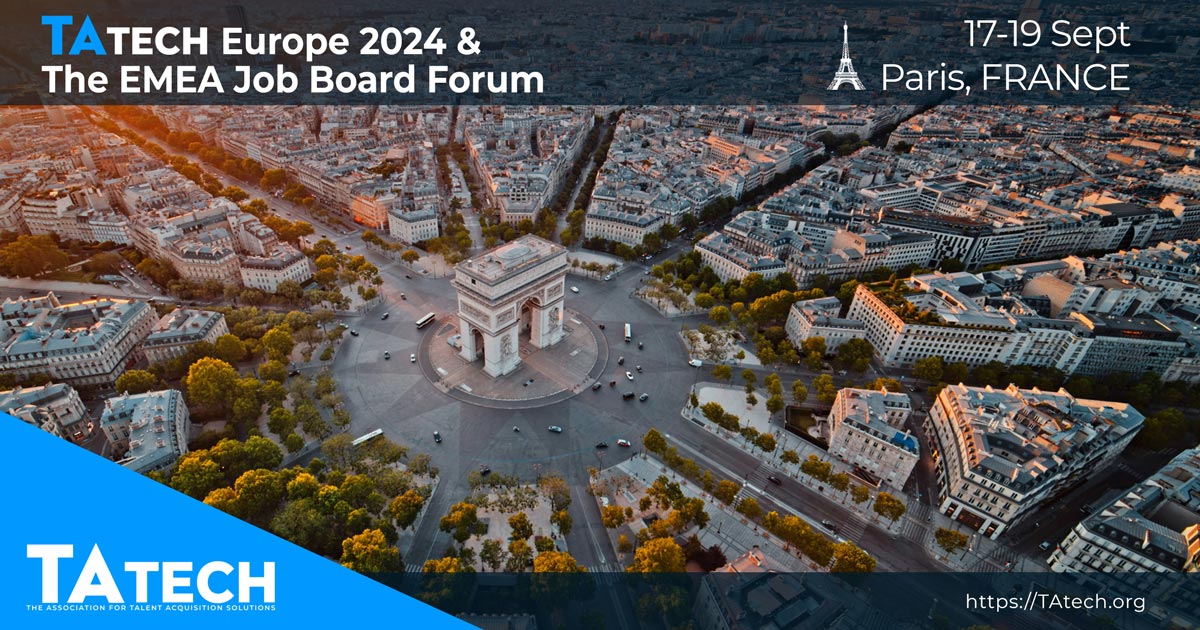
The Tatech 2024 conference, the only event in the EMEA region focused exclusively on job boards and talent technology, concluded last week in Paris. The event drew significant participation from industry leaders, technology providers, and workforce management experts, emphasizing the evolving landscape of recruitment and talent acquisition.

With over 1,200 attendees, Tatech 2024 served as a platform for sharing insights and innovations that are shaping the future of recruitment. Discussions highlighted advancements in artificial intelligence and data analytics, which are increasingly integral to improving hiring processes and enhancing candidate experiences. Experts stressed the importance of leveraging these technologies to streamline operations, reduce costs, and ultimately drive organizational success.

Keynote speakers from leading firms presented case studies demonstrating how integrated technology solutions are transforming traditional hiring methods. A notable highlight was the presentation by a representative from a prominent global HR tech company, who showcased their latest software designed to improve job matching through predictive analytics. This approach not only enhances efficiency but also aligns talent acquisition strategies with broader business objectives.

Networking opportunities facilitated collaborations among diverse stakeholders, fostering relationships that could lead to innovative partnerships. Representatives from established job boards engaged with new entrants in the market, sharing strategies on how to remain competitive in an increasingly crowded space. The exchange of ideas included discussions on the importance of user-centric design and the role of mobile technology in reaching a broader audience.

A prominent theme throughout the conference was the emphasis on data privacy and compliance. With the implementation of various regulations across Europe, industry leaders underscored the necessity for technology solutions that prioritize data security while maintaining compliance with local and international laws. Experts advocated for transparent practices in data collection and usage, which are essential for building trust with candidates and clients alike.

Panels addressed the evolving expectations of job seekers, who are increasingly seeking personalized and engaging experiences during the recruitment process. Innovations in virtual reality (VR) and augmented reality (AR) were explored as potential tools for enhancing candidate engagement. Companies are beginning to adopt immersive technologies to provide realistic job previews, allowing candidates to better understand the work environment and expectations before applying.

The importance of diversity and inclusion within the recruitment process was also a significant topic of discussion. Speakers highlighted the need for tools that not only promote diverse hiring practices but also help organizations assess and improve their internal culture. The integration of AI-driven bias detection tools was suggested as a means to ensure that recruitment processes are fair and equitable, contributing to a more inclusive workplace.

As the conference concluded, participants expressed optimism about the future of talent technology. Many attendees highlighted the value of the insights gained and the connections made during the event. The shared commitment to leveraging technology for improved recruitment outcomes resonated throughout the discussions, signaling a collective drive towards innovation in the sector.

Looking ahead, the impact of the trends discussed at Tatech 2024 will likely shape recruitment strategies in the coming years. As technology continues to advance, the challenge will be for organizations to adapt swiftly and effectively to meet the demands of a dynamic workforce landscape. The insights from this year’s conference provide a roadmap for navigating these changes, ensuring that job boards and recruitment platforms remain competitive and responsive to market needs.

WordCamp USA concluded recently with a keynote address from Matt Mullenweg, the co-founder of WordPress.org and CEO of Automattic, that has since ignited a considerable backlash from the WordPress community and beyond. While the event typically fosters a spirit of collaboration and community, Mullenweg’s speech diverged sharply from this norm, culminating in pointed criticism of a prominent managed WordPress web host, WP Engine. This controversial moment not […]

HubSpot has launched an innovative suite of AI-powered tools, named “Breeze,” designed to enhance marketing automation capabilities for businesses. This new offering aims to streamline processes, increase efficiency, and empower marketers to leverage advanced technology without losing the human touch. According to company executives, the integration of AI into marketing strategies represents a significant leap forward for organizations looking to optimize their operations. The Breeze tools are […]

Oman’s Nama Power and Water Procurement Company (Nama PWP) has identified several prominent utility developers to spearhead the construction of five large-scale wind energy projects. This initiative marks a significant step in the nation’s efforts to diversify its energy sources and enhance sustainability. The competitive process saw strong interest from major players in the energy sector, with Saudi Arabia’s Acwa Power, Japan’s Sumitomo and Itochu, France’s TotalEnergies […]

The EDGE Group, a prominent defense technology firm based in the UAE, has unveiled a new subsidiary named FADA, dedicated to advancing the nation’s space capabilities. This strategic move positions EDGE as a key player in the burgeoning space sector, which is rapidly gaining traction in the Middle East. The establishment of FADA reflects a growing ambition to not only enhance domestic capabilities but also contribute to global space initiatives.

FADA aims to serve as a comprehensive platform for developing satellite technologies and associated services. This initiative is part of a broader national effort to establish the UAE as a leader in space exploration and satellite manufacturing. By leveraging advanced technologies and expertise, FADA is expected to facilitate significant advancements in both military and civilian space applications.

The UAE has made considerable strides in the space domain over the past decade, highlighted by the successful launch of the Hope Probe to Mars in 2020. This achievement underscored the nation’s commitment to becoming a notable player in international space exploration. With the introduction of FADA, EDGE is poised to build upon these foundations by providing a focused entity that can accelerate the development of sophisticated space solutions tailored to both local and international needs.

The new company will focus on several key areas, including satellite design and manufacturing, space systems integration, and ground control solutions. By centralizing these capabilities under one roof, FADA aims to streamline operations and foster innovation in space technologies. The establishment of this entity not only showcases EDGE’s commitment to diversifying its portfolio but also highlights the UAE’s strategic vision for expanding its footprint in the space sector.

FADA’s operations will align with the UAE’s long-term goals outlined in its National Space Strategy. This strategy emphasizes the importance of developing indigenous capabilities to ensure that the UAE can independently manage and operate sophisticated space systems. FADA will play a crucial role in achieving these objectives by focusing on research and development, as well as collaborating with global partners to enhance technological expertise.

One of the pressing needs in the space sector is the development of small satellite technologies. FADA is set to focus on this area, capitalizing on the global trend towards miniaturization and cost-effective satellite solutions. These small satellites are increasingly being used for a variety of applications, including Earth observation, telecommunications, and scientific research. By investing in these technologies, FADA aims to provide affordable solutions for both government and commercial entities.

FADA’s establishment is likely to attract significant investment into the UAE’s space sector. As the global market for satellite technologies continues to expand, the UAE is strategically positioned to become a hub for research, development, and manufacturing. The presence of FADA can foster partnerships with international firms, thereby enhancing the local industry’s capabilities and promoting knowledge transfer.

The leadership at EDGE has emphasized that the launch of FADA is not just about expanding the company’s business portfolio, but also about contributing to the national interest. By developing local talent and fostering innovation, FADA seeks to empower a new generation of engineers and scientists in the UAE. This aligns with the government’s vision of cultivating a knowledge-based economy, wherein homegrown talent plays a pivotal role in driving technological advancements.

Collaboration with academic institutions and research organizations will be crucial for FADA’s success. The company is expected to engage in partnerships that foster research initiatives, enabling the integration of cutting-edge technologies into its projects. Such collaborations will ensure that FADA remains at the forefront of innovation in the space sector, while also contributing to the educational and professional development of the local workforce.

The global landscape of space exploration is characterized by an increasing number of private-sector participants. FADA’s entry into this domain may inspire similar initiatives within the region, fostering a competitive environment that could spur technological advancements and operational efficiencies. The presence of multiple players can lead to an ecosystem that encourages innovation and rapid development of new space technologies.

Advertisements

Australia is set to implement regulations requiring cryptocurrency firms to secure financial services licenses, aligning the legal status of many digital assets with that of traditional financial products. This significant move reflects the growing recognition of cryptocurrencies as essential components of the financial landscape and aims to enhance consumer protection and reduce systemic risks associated with the volatile crypto market. The Australian Securities and Investments Commission (ASIC) […]

A variety of solutions will offer simple and affordable cross-border shipping with returns and integration with existing e-commerce platforms Provide end-to-end delivery service from China to Germany within 4-5 working days Expedited solution to Europe, United Kingdom and U.S. SHANGHAI, CHINA – Media Outreach Newswire – 23 September 2024 – DHL Global Forwarding, the freight specialist of DHL Group, is introducing a variety of cross-border e-commerce solutions […]

A substantial issuance of $6.8 billion in government treasury bonds and Islamic treasury sukuk highlights the UAE’s robust financial strategy amidst evolving economic conditions. This move reflects the country’s commitment to maintaining liquidity and enhancing its fiscal stability. The recent bond sale is aimed at meeting the growing funding requirements while also strengthening investor confidence in the UAE’s economic landscape.

The issuance comprises $4 billion in treasury bonds and $2.8 billion in sukuk, with varying maturities catering to a wide array of institutional and retail investors. The Ministry of Finance announced that the bonds have received a favorable response from both domestic and international markets, indicating strong demand for UAE government securities. The issuance will be used to finance various developmental projects, including infrastructure, healthcare, and education, aligned with the UAE’s long-term strategic vision.

Analysts highlight that this latest move is part of a broader trend where regional governments are increasingly turning to capital markets for financing. This approach allows for greater flexibility and efficiency in raising funds, particularly in a time when global interest rates are fluctuating. By tapping into both conventional bonds and sukuk, the UAE is also catering to a diverse investor base, which is critical for maintaining liquidity in the market.

The demand for the sukuk component of the issuance underscores the growing interest in Sharia-compliant investments. Sukuk, which are Islamic financial certificates similar to bonds, have been gaining traction as more investors seek ethical investment opportunities that align with Islamic finance principles. The success of this issuance may lead to more offerings in the future, further diversifying the UAE’s financial instruments available in the market.

As the UAE navigates through global economic uncertainties, this issuance is a strategic maneuver to bolster its fiscal position. The government has emphasized its commitment to financial prudence, ensuring that public debt remains sustainable and manageable. This careful approach is intended to foster a stable economic environment, which is crucial for attracting foreign investment and stimulating economic growth.

Emerging trends in the global bond market also play a significant role in shaping the UAE’s financial strategies. With the backdrop of rising interest rates in several economies, the UAE’s issuance at competitive yields is likely to appeal to investors looking for relatively stable returns. The bonds are expected to have strong performance, particularly given the UAE’s favorable credit ratings and economic fundamentals.

Key players in the bond market are closely monitoring this issuance as it sets a benchmark for future government and corporate debt offerings in the region. Market participants expect that the success of this sale will encourage other Gulf Cooperation Council (GCC) nations to undertake similar measures, further enhancing the depth and liquidity of the regional bond markets.

The UAE’s proactive approach in issuing bonds and sukuk is indicative of its efforts to adapt to the changing economic landscape. This initiative comes as the nation continues to diversify its economy away from oil dependency, focusing on sectors such as technology, renewable energy, and tourism. By ensuring robust funding mechanisms through bond issuances, the UAE is positioning itself to support these strategic sectors effectively.

The Ministry of Finance has also indicated that proceeds from this issuance will be channeled into sustainability initiatives, aligning with the UAE’s commitment to achieving the United Nations Sustainable Development Goals. This focus on sustainability not only resonates with global investor sentiment but also enhances the UAE’s reputation as a leader in green finance.

Investor sentiment remains positive, bolstered by the UAE’s track record of timely payments and a commitment to fiscal discipline. Analysts believe that the bond issuance will further reinforce the UAE’s status as a regional financial hub, attracting both local and international investors looking for secure investment opportunities.

Arabian Post Staff -Dubai Global semiconductor powerhouses TSMC and Samsung Electronics are reportedly exploring significant chip manufacturing ventures in the United Arab Emirates, with potential investments exceeding $100 billion. This development marks a strategic move as both companies seek to bolster their production capabilities amid a growing demand for chips worldwide. The discussions between TSMC and Samsung reflect a broader trend in the semiconductor industry, where supply […]

Germany’s top envoy to Canada has issued a stark warning regarding the future of natural gas demand in Europe, suggesting that the continent’s appetite for Canadian exports is poised to diminish. This statement arrives amid ongoing discussions about energy supply amid Europe’s shifting focus towards renewable energy sources and greater energy independence. The envoy highlighted a significant transformation in Europe’s energy landscape, emphasizing a strategic pivot away […]

SINGAPORE – Media Outreach Newswire – 23 September 2024 – Pentair (the “Company”), a leading global water solutions purveyor, is excited to announce its participation in the upcoming FHA-HoReCa 2024 in Singapore from October 22-25. Pentair’s booth number is 4D1-01, located at the entrance of Hall 4. At the event, Pentair will showcase its latest innovations in water filtration technologies, including solutions to address the growing concern […]

BEIJING, CHINA – Media OutReach Newswire – 18 September 2024 – On September 12, the 2024 China International Fair for Trade in Services officially kicked off. The Beijing Economic-Technological Development Area (also known as Beijing E-Town) made a stunning debut in Hall 2 of the Shougang Park with its themed exhibition area. By showcasing cutting-edge innovations like Xiaomi’s SU7, Longwood Valley MedTech’s surgical robot, and the Jielong-3 […]

OpenAI’s GPT-4, a leading AI language model, has sparked discussions regarding its environmental impact, particularly in terms of water usage. A recent study reveals that the model consumes the equivalent of three water bottles to generate just 100 words of text. This revelation has raised concerns amid growing scrutiny over the resource demands of advanced artificial intelligence systems. The study highlights the intricate relationship between AI development […]

A Crucial Milestone in the Fight Against Cardiovascular Disease in Chinese Population HONG KONG SAR – Media OutReach Newswire – 22 September 2024 – A groundbreaking AI-powered risk prediction tool is poised to revolutionize the prevention and management of cardiovascular disease (CVD) within the Chinese population. Professor Celine Chui Sze-ling, Assistant Professor of the School of Nursing and the School of Public Health, LKS Faculty of Medicine, […]

Joint Effort Aims to Accelerate Growth and Expansion of Thai Companies in Singapore SINGAPORE – Media OutReach Newswire – 19 September 2024 – SUNRATE, an intelligent global payment and treasury management platform, announced that it has signed a memorandum of understanding (MOU) with the Singapore-Thai Chamber of Commerce (STCC Thailand) to empower Thai companies seeking to scale and operate in Singapore. As part of the partnership, members […]

India’s climate tech sector is facing significant funding challenges, according to a report by IIMA Ventures and MUFG Bank. Despite the country boasting over 800 climate tech startups, the ecosystem is grappling with limited access to capital, which is hampering innovation in critical areas such as renewable energy, carbon capture, and sustainable agriculture. The findings highlight a growing concern over the sector’s future, as it seeks to […]

President Joe Biden convened with key Indo-Pacific leaders on Saturday, reaffirming the United States’ commitment to bolstering regional maritime cooperation and countering the growing strategic influence of China. During the summit with the leaders of India, Australia, and Japan, Biden underscored the importance of the Quadrilateral Security Dialogue (Quad), a security coalition increasingly focused on ensuring the stability of the Indo-Pacific region, both economically and militarily. Biden’s […]

Brazil’s video game market is set to take the spotlight as GamesIndustry.biz kicks off its Brazil Games Week. The event will highlight the latest trends and challenges shaping the gaming ecosystem in Latin America’s largest economy. Over the week, key discussions will unfold around the growing potential of the Brazilian gaming industry, with a focus on both the opportunities for developers and the hurdles the industry faces. […]

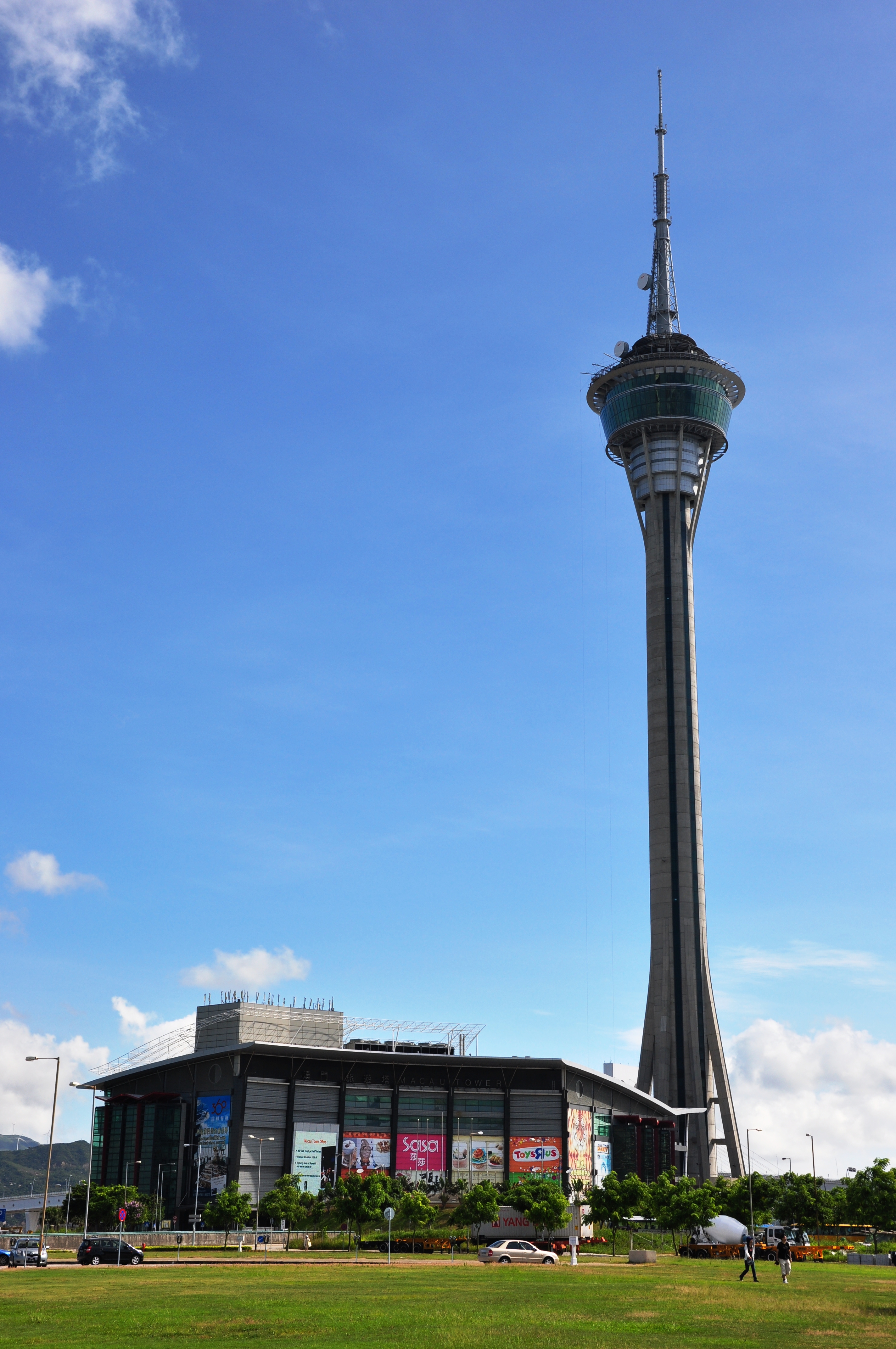
Macau, long recognized as the world’s casino capital, is pivoting towards economic diversification as concerns mount over the sustainability of its gaming-centric economy. The territory, heavily reliant on its vibrant gambling industry, is now witnessing a push from key leaders to embrace broader economic avenues in light of recent challenges, including regulatory pressures and shifting global economic dynamics.

Sam Hou Fai, a former judge and leading contender for the role of Macau’s next chief executive, has emerged as a prominent advocate for this diversification strategy. Emphasizing the urgent need for change, he has openly criticized the rampant expansion of the gaming sector, labeling it “barbaric” and detrimental to the territory’s long-term viability. Hou Fai’s vision encompasses not only an expansion of tourism beyond gaming but also the development of cultural, technological, and entertainment sectors that can provide stable revenue streams independent of the fluctuating fortunes of gambling.

The challenges facing Macau’s economy are manifold. Following the COVID-19 pandemic, the territory has seen a dramatic decline in tourist arrivals, particularly from mainland China, which accounted for a significant portion of its gaming revenues. This downturn has illuminated the risks of an economy overly reliant on a single industry. Furthermore, the Chinese government’s tightening of regulations surrounding gambling and its crackdown on illicit activities linked to the gaming industry have led to uncertainty, prompting both local stakeholders and investors to reconsider their strategies.

As part of this broader push for economic resilience, Macau has initiated various initiatives aimed at enhancing its attractiveness as a destination for non-gaming tourism. These include the development of cultural and heritage tourism, which seeks to showcase Macau’s rich history and blend of Portuguese and Chinese cultures. Events such as the Macau International Fireworks Display Contest and the Macau Arts Festival are being promoted to draw visitors who may not be interested in gambling but are keen on experiencing the local culture.

The shift towards diversification is also backed by the Macau government, which has unveiled plans to allocate substantial funds towards infrastructural projects that enhance connectivity and accessibility. This includes the expansion of public transport networks and the enhancement of facilities to accommodate large-scale international events. By investing in infrastructure, Macau aims to position itself as a competitive hub for business, conventions, and exhibitions, catering to a broader audience.

Tech innovation is another focal point in Macau’s diversification efforts. The government is actively encouraging the growth of tech startups and digital industries, aiming to harness the potential of emerging technologies such as artificial intelligence and blockchain. Initiatives to support entrepreneurship and attract foreign investment in tech sectors are being prioritized, with the goal of creating a sustainable ecosystem that supports job creation and economic growth beyond gambling.

Furthermore, Macau’s geographic location offers unique opportunities for expanding its role as a trade and logistics hub within the Greater Bay Area, a region comprising Hong Kong, Guangdong province, and Macau. This initiative aligns with China’s broader economic strategy, promoting interconnectedness among cities within the region. By leveraging its advantageous location and existing infrastructure, Macau seeks to establish itself as a key player in regional supply chains, thereby attracting businesses that are looking to expand their operations in Asia.

While the road to diversification presents numerous challenges, including resistance from entrenched gaming interests and the need for skilled labor in emerging sectors, the momentum for change is palpable. Sam Hou Fai’s leadership and advocacy are crucial in navigating these complexities, as he seeks to foster a collaborative environment among various stakeholders, including businesses, government entities, and the community at large.

The evolving landscape of Macau’s economy also reflects broader global trends. Many economies that have traditionally relied on a narrow set of industries are recognizing the importance of resilience and adaptability in an increasingly volatile world. The push for diversification is not just about mitigating risks; it is also about seizing new opportunities in a post-pandemic era characterized by shifting consumer preferences and technological advancements.

The Quad alliance, consisting of the United States, Japan, Australia, and India, solidified its growing significance as Prime Minister Narendra Modi emphasized India’s commitment to hosting the 2025 Quad Summit. Speaking at the Wilmington Summit, Modi underlined the alliance’s role in promoting stability and security in the Indo-Pacific region, while reaffirming that the grouping is not directed against any specific nation. This strategic partnership, formed in response to shared democratic values, continues to gain momentum amid evolving geopolitical tensions.

The Wilmington meeting marked a critical moment in the Quad’s development, furthering dialogue and cooperation between the four member states. Since its revival in 2021, the Quad has played a prominent role in fostering regional security, focusing on areas such as technological collaboration, climate action, and defense cooperation. Modi’s remarks highlighted India’s readiness to lead the next phase of the alliance, with preparations underway to host the 2025 summit.

As global challenges intensify, the Quad has emerged as a cornerstone of multilateral diplomacy in the Indo-Pacific. Modi pointed out the shared commitment to ensuring a free, open, and inclusive Indo-Pacific, with democratic principles at the core of the alliance. “The Quad is here to stay,” Modi stated, emphasizing that the grouping stands as a platform for collaborative solutions rather than a response to any particular nation or bloc. The assertion reflects the Quad’s non-confrontational approach, focusing instead on promoting collective security and economic prosperity across the region.

The Quad’s evolution since 2021 has been rapid, with member nations consistently expanding their areas of cooperation. Strategic experts have noted the alliance’s success in areas such as maritime security, with Quad navies conducting joint exercises aimed at improving interoperability. These exercises have not only bolstered defense capabilities but also demonstrated the alliance’s resolve to protect vital maritime routes, which are critical to global trade. With India poised to take on the next summit, expectations are high that the country will continue to push forward initiatives that reinforce regional security and economic growth.

The Wilmington Summit also underscored the importance of technology sharing and innovation. One of the key areas discussed was the development of resilient supply chains, particularly in the semiconductor industry, which has been under strain due to global shortages. The Quad countries are looking to collaborate on reducing dependency on specific nations for key technological inputs, enhancing supply chain diversification. Modi emphasized that the Indo-Pacific region, as a hub for technological development, could play a pivotal role in global supply chain stabilization. This effort reflects the Quad’s broader strategic aim of reducing vulnerabilities in critical industries while ensuring the equitable growth of emerging technologies.

The Quad’s expanding agenda now includes addressing climate change, a subject of critical importance for the Indo-Pacific, which is home to several vulnerable island nations. The Wilmington Summit reiterated the Quad’s commitment to reducing carbon emissions and promoting clean energy. Modi reinforced India’s role as a key player in the global climate conversation, showcasing the country’s strides in renewable energy development and its leadership in the International Solar Alliance. He noted that climate resilience would remain a core focus at the 2025 summit, as the Quad aims to balance economic growth with sustainable environmental practices.

While defense and economic issues dominated the Quad agenda, the alliance’s role in fostering people-to-people ties has not been overlooked. The Wilmington Summit highlighted educational exchanges and cultural collaborations between member states, reflecting the Quad’s broader ambition to strengthen ties beyond security and economics. By fostering a deeper understanding between citizens, the alliance seeks to build long-term partnerships that transcend geopolitical concerns. Modi’s vision for the 2025 summit includes a renewed focus on such exchanges, positioning India as a cultural and diplomatic bridge between the East and West.

Despite its progress, the Quad continues to face scrutiny, particularly from nations like China, which view the alliance as an attempt to contain their influence in the Indo-Pacific. However, Modi was quick to dispel this notion, stating that the Quad’s goals remain inclusive and transparent. The Quad’s diplomatic language has consistently emphasized collaboration over confrontation, seeking to engage with all nations willing to work toward a stable and prosperous region.

India’s growing role within the Quad has been noted by analysts, particularly in light of the country’s increasing influence in global economic and security forums. As the host of the 2025 summit, India is expected to leverage its diplomatic capabilities to further solidify the Quad’s position as a key player in the Indo-Pacific. Modi’s strategic vision includes strengthening defense ties with Quad members, while also expanding economic cooperation to address shared challenges such as trade imbalances and supply chain vulnerabilities.

The timing of India’s hosting of the 2025 Quad Summit is significant, as the Indo-Pacific continues to be a focal point for international diplomacy. Analysts have pointed out that India’s ability to navigate complex geopolitical dynamics will be crucial in ensuring the Quad’s continued success. With global powers vying for influence in the region, the Quad’s balanced and inclusive approach has positioned it as a diplomatic force for stability.

The Wilmington Summit also saw discussions on strengthening health security, with a focus on pandemic preparedness. The Quad’s efforts in distributing vaccines to Indo-Pacific nations have been well-received, showcasing the alliance’s capability to provide humanitarian assistance in times of crisis. Modi acknowledged the importance of continuing this collaboration, noting that health security would remain a priority in future Quad discussions. The pandemic’s impact on global health infrastructure has reinforced the need for multilateral approaches to address both current and future challenges, and the Quad is expected to play a vital role in these efforts moving forward.

SpaceX is under scrutiny for alleged safety violations during two launches in 2023, as the U.S. Federal Aviation Administration (FAA) has revealed. The company, led by Elon Musk, could face a fine of up to $630,000 due to failure to meet established launch safety requirements. The FAA disclosed that these violations occurred during two separate missions, raising concerns over adherence to regulatory standards governing commercial spaceflight.

The FAA’s enforcement proposal is based on findings that SpaceX committed three significant violations during its 2023 operations. These violations have prompted the agency to pursue a civil penalty amounting to $633,009, an amount calculated according to the civil penalty guidelines laid out by federal law. SpaceX has been given a 30-day period to respond to the FAA’s formal notice.

The first violation involves SpaceX’s failure to adhere to pre-flight safety protocols, which are designed to ensure that launch conditions are safe for both the crew and the public. The FAA stressed the importance of these protocols, emphasizing that any deviation from them poses potential risks to the mission’s success and to those involved in the launch process. This violation was reported to have occurred during a major satellite launch, which drew significant attention due to its payload and the complex nature of the mission.

The second violation occurred during another SpaceX mission later in 2023. This particular infraction concerned the post-launch safety measures, which are critical in preventing accidents that could arise from debris or malfunctions. The FAA’s findings indicate that SpaceX did not fully comply with the requirements for tracking and mitigating potential risks posed by falling rocket stages or debris that might threaten populated areas.

While SpaceX has been at the forefront of innovation in the space industry, the company has also drawn criticism for pushing the boundaries of regulatory frameworks. The FAA’s proposed fine underscores the tension between innovation and safety, especially as commercial space travel becomes increasingly accessible. SpaceX’s rapid cadence of launches has made it one of the most prolific players in the sector, but the FAA’s findings suggest that this speed may come at a cost to safety.

SpaceX has long been a critical partner in advancing U.S. spaceflight capabilities, working closely with NASA and private sector clients to deliver payloads to orbit and beyond. However, the 2023 violations point to a need for stricter compliance with federal safety regulations. Industry experts have highlighted that as the space industry expands, regulatory agencies such as the FAA must balance the need for innovation with stringent safety oversight to ensure that commercial spaceflight remains sustainable and safe for all stakeholders.

This is not the first time SpaceX has encountered challenges related to regulatory compliance. In previous years, the company faced investigations and scrutiny from federal agencies over various issues, including environmental concerns and noise complaints from communities near its launch sites. However, this proposed fine is one of the largest civil penalties the company has faced to date, signaling the FAA’s commitment to enforcing safety standards in the rapidly evolving commercial space sector.

Critics of SpaceX’s approach to launches argue that the company’s fast-paced operations may be contributing to oversight lapses. Some have raised concerns that the company’s focus on rapid development and frequent launches may come at the expense of rigorous safety checks. SpaceX has previously defended its track record, citing the overall success of its missions and its role in revolutionizing the space industry. Nevertheless, the violations in question indicate that more work may need to be done to ensure compliance with federal safety standards.

Industry analysts believe that the proposed fine could serve as a warning to other space companies operating under the FAA’s purview. The rise of private space ventures has transformed the landscape of space exploration, and with this transformation comes the need for robust oversight. The FAA’s decision to impose penalties on SpaceX could signal a broader shift toward stricter regulatory enforcement in an industry that has, until now, operated with relative freedom compared to other sectors.

SpaceX’s leadership is expected to respond to the FAA’s allegations within the specified 30-day window. It remains to be seen whether the company will contest the fine or take measures to address the violations. Should SpaceX decide to challenge the FAA’s findings, the case could set a significant precedent for how safety violations in commercial spaceflight are handled in the future. If the company chooses to settle, it could result in enhanced safety protocols for future missions and potentially stricter oversight from the FAA going forward.

The space industry is experiencing a period of unprecedented growth, with SpaceX at the forefront of this transformation. The company has achieved remarkable milestones, including the development of reusable rockets, which have lowered the cost of space travel and enabled a surge in commercial space activity. However, these achievements come with increased scrutiny from regulators, who are tasked with ensuring that safety standards keep pace with the rapid advancements in technology and operational scale.

SpaceX’s relationship with the FAA has seen both cooperation and conflict in the past. While the FAA has granted numerous licenses and approvals for the company’s operations, there have also been instances where SpaceX’s ambitious timelines have clashed with the FAA’s regulatory processes. One notable example occurred during a previous high-profile launch, when SpaceX proceeded with a test flight despite FAA objections over environmental concerns. The company’s assertiveness in pushing its agenda has won it praise for innovation but also criticism for occasionally sidestepping regulatory boundaries.

As the investigation into the 2023 violations unfolds, it is likely to fuel broader discussions about the future of space regulation. With more private companies entering the sector and the increasing frequency of launches, the FAA and other regulatory bodies face mounting pressure to ensure that safety protocols are consistently followed. The outcome of the SpaceX case could influence how these agencies approach enforcement in the coming years.

KUALA LUMPUR, MALAYSIA – Media OutReach Newswire – 19 September 2024 – In the last few years, financial scams and fraud have been rampant across various sectors in Southeast Asia. Traders and investors, in particular, are being exposed to financial malpractices like never before. Kar Yong Ang, a financial analyst from Octa, a global broker with extensive experience in the financial markets, offers some actionable tips that […]

VISHNU RAJA
RYO YAMADA
HITORI GOTOH
IKUYO KITA