Just in:
Kochi police detain two actors over bid to honey trap doctor // Miss Universe Hong Kong Jen Zhou Departs for Puerto Rico to Compete in the 75th Miss Universe World Final // TVM –Mangaluru Vande Bharat claims top spot // Ousted top Kochi cop gets IG post // After Reaching 7 Million Users in the Philippines, Skyro Launches Transparent Cash Loans in Malaysia // APT29-linked campaign exploits outdated Apple and Android software // Meraas showcases five residential zones at Dubai Design Week // OpenAI identifies 948 Linux privilege escalation flaws using AI // Asia Left Behind: Ten international companies have yet to report delivering on their cage-free egg pledges across the region // Ta’ziz finalises $1.39bn funding for Ruwais industrial facilities // The “1st Greater Bay Area Health and Longevity Summit & Awards Ceremony” concludes successfully in Macao // Cyberport Venture & Capital Forum 2026 Grand Opening // Private varsities bill all set to face the axe // Emirates Group records AED 4.1 billion half-year profit // Middle East governments assess Iran war after US vote // Vance attributes Republican midterm defeats to Iran conflict // Fast Just Got Fastest: STING Energy Boost™ Celebrates Kimi Antonelli’s Formula 1® World Championship and the Fan Energy Behind It // UK air traffic outage inflicted £33m financial losses // Geely’s i-HEV Intelligent Hybrid Technology Offers a New Direction for Gasoline-Powered Vehicles // Hong Kong mandates crypto transaction disclosures to tax authorities //

News related to
Tech

Qatar Electricity and Water Company (QEWC) has announced its plans to develop a new solar power project with a capacity of 500 megawatts (MW), further reinforcing its commitment to sustainable energy. This venture aligns with Qatar’s broader push toward diversifying energy sources and reducing its carbon footprint as part of the national vision to achieve sustainability. With the global energy market pivoting toward renewable sources, QEWC’s announcement […]

The United Arab Emirates has introduced a significant tax reform, exempting value-added tax (VAT) on the transfer and conversion of cryptocurrencies. This decision, effective from January 1, 2018, aims to bolster the growth of the crypto market in the UAE, aligning the country with global trends favoring digital asset investments. Alongside these exemptions, the new regulations extend to additional services related to managing investment funds and virtual assets.

This reform marks a pivotal shift in the UAE’s approach to digital currencies, reflecting an effort to enhance the nation’s position as a hub for financial innovation and technology. As the global crypto landscape evolves, the UAE aims to attract businesses and investors by minimizing tax burdens, which could potentially stimulate economic activity within the sector.

The announcement includes provisions that exempt investment fund management services from VAT, addressing a significant gap in the taxation framework that previously imposed VAT on these services. Fund managers will now have a clearer regulatory environment as they operate, and this change could lead to a surge in the establishment of crypto-related investment funds in the region .

Experts predict that the VAT exemption will encourage more companies to engage with cryptocurrencies, enhancing liquidity in the market and fostering innovation. Firms previously deterred by tax implications may find the UAE a more attractive jurisdiction for crypto trading and investment. However, businesses involved in these transactions are advised to review their VAT accounting practices retrospectively to ensure compliance since the original implementation date.

The retroactive application of the exemption emphasizes the UAE’s commitment to not only facilitating current operations but also correcting any previous tax burdens faced by businesses in the cryptocurrency sector. Stakeholders will need to reassess their tax strategies, especially regarding the potential recovery of input VAT on expenses incurred from January 2018 onwards.

Ubisoft’s ambitious roadmap for its “Assassin’s Creed” franchise is encountering significant delays, with key projects like “Assassin’s Creed Shadows” pushed back to 2025. Internal challenges, including technical bugs and developmental setbacks, have emerged as major hurdles for the game studio. Developers cited issues with fine-tuning gameplay mechanics and addressing feedback from internal playtests. While Ubisoft Quebec remains committed to a February 2025 release for “Assassin’s Creed Shadows,” […]

The expansion of smart cars is introducing a range of privacy and cybersecurity challenges that demand immediate attention. With vehicles evolving into data-collecting machines, privacy experts and regulators are sounding alarms about the vast amount of personal data being harvested. As modern cars are now equipped with sensors, cameras, and GPS systems, they gather data about drivers’ locations, driving habits, and even contacts stored in smartphones. This trend is raising significant concerns about who controls this data and how it is being used.

Automakers, eager to enhance the driving experience, have equipped their latest models with state-of-the-art connectivity features, from Wi-Fi to cloud services, making these vehicles resemble smartphones on wheels. However, the rise of connected cars has simultaneously led to an increase in the collection and monetization of personal information. Companies are gathering sensitive data through multiple channels, including onboard systems that monitor everything from driving behavior to entertainment preferences. What happens to this data, where it is stored, and how it is shared are questions that car owners are increasingly asking.

Privacy advocates have raised alarms about the potential risks posed by these vehicles. Smart cars can track driver behavior, record routes, and even monitor interactions with third-party services, creating a detailed profile of individual users. The data being collected is staggering, with some estimates suggesting that the average car could generate over a terabyte of data annually. Automakers have started to capitalize on this data, using it to optimize services, and in some cases, sharing it with third parties for targeted marketing and other purposes. However, transparency about what data is collected and how it is used remains limited, creating a troubling scenario for users who are often unaware of the extent of the data being harvested.

Regulatory frameworks are lagging behind technological advancements, leaving a regulatory vacuum in many parts of the world. China has made strides in addressing these concerns by tightening rules around data collection from connected vehicles. Meanwhile, other major markets, including the United States and Europe, have yet to introduce comprehensive regulations governing how carmakers handle user data. In the absence of robust laws, automakers have relied on vague privacy policies, which often lack clarity on what data is being shared and with whom.

The push for regulatory oversight is intensifying, with cybersecurity experts warning of the growing vulnerability of smart cars to hacking and cyberattacks. Hackers could potentially exploit weak points in a car’s digital systems to access personal data or even take control of the vehicle. As smart cars become more autonomous and connected, the risk of malicious attacks increases, prompting calls for automakers to bolster their cybersecurity measures and increase transparency around data usage.

At the heart of this debate is the question of consumer consent. Many car owners are unaware of the extent to which their vehicles collect data, and even when privacy policies are available, they are often filled with legal jargon that makes it difficult for users to understand what they are agreeing to. Automakers have generally not been proactive in educating consumers about their data rights, and the onus often falls on users to navigate complex policies and settings to protect their information.

Despite these concerns, some automakers have started to take steps toward greater transparency. For example, certain manufacturers have implemented clearer policies regarding the sharing of personal data, pledging not to sell data to third-party advertisers or resellers without explicit consent. These moves, however, are the exception rather than the rule, and much more needs to be done to ensure that consumers are fully informed and protected in the age of smart cars.

RNTrust is gearing up to present its groundbreaking advancements in artificial intelligence and hyperautomation at the 2024 edition of GITEX Global in Dubai. The company’s updated SPITrust Coopera platform, set to be unveiled at the Novotel DWTC, is designed to reshape the digital transformation landscape for businesses by offering a comprehensive solution for business orchestration, automation, and enterprise content management (ECM). This new version of Coopera is […]

Red Hat is set to spotlight its open-source innovations at GITEX Global 2024, underscoring its role in reshaping digital infrastructure through hybrid cloud technologies. As businesses increasingly embrace digital transformation, Red Hat’s participation at this high-profile technology event will focus on empowering organizations with scalable, flexible solutions that drive efficiency and agility. The event, taking place from October 14-18 at Dubai World Trade Centre, is expected to attract global tech leaders, offering a platform for companies to explore the future of digital ecosystems.

The company’s showcase will emphasize its hybrid cloud platform, which is rapidly becoming a core solution for organizations navigating the complexities of digitalization. Red Hat, well-known for its contributions to open-source software, has positioned its hybrid cloud infrastructure as a vital tool in addressing the diverse needs of industries ranging from finance to healthcare. By integrating cloud-native applications and services, the platform enables seamless collaboration and innovation across private and public cloud environments, allowing enterprises to stay competitive in an ever-changing market.

Central to Red Hat’s offerings is its edge computing capabilities, which have garnered significant attention due to their potential in enhancing operational efficiency. The company’s booth at GITEX 2024, H6-B50, will feature live demos showcasing how Red Hat’s hybrid cloud solutions are designed to optimize edge computing environments. Edge computing, a crucial aspect for industries with real-time data processing needs, requires a flexible, open-source approach, and Red Hat’s platform provides the necessary tools to unlock this potential.

One of the key highlights of Red Hat’s participation will be its AI and machine learning solutions, particularly in the context of business innovation. As part of its ongoing efforts to integrate artificial intelligence into enterprise environments, Red Hat will host a session on October 15, focusing on moving AI from conceptualization to impactful implementation. Osama Oransa, a prominent figure in Red Hat’s AI division, is expected to lead the discussion on how businesses can overcome challenges and leverage AI to drive growth and innovation.

With cloud computing becoming increasingly integral to digital transformation strategies, Red Hat’s emphasis on open-source development ensures that organizations have access to adaptable, community-driven technologies. Its approach to hybrid cloud architecture reflects a commitment to openness, collaboration, and transparency—values that are foundational to the open-source movement. By empowering companies with the flexibility to scale and innovate, Red Hat continues to play a pivotal role in shaping the digital future of enterprises globally.

MANILA, PHILIPPINES – Media OutReach Newswire – 4 October 2024 – Salmon, a leading provider of financial services and consumer lending products in Southeast Asia, operating a licensed bank in the Philippines, today announces the successful completion of its $30 million Series A-2 equity financing round. The planned round saw strong participation from key institutional investors of the Company, including the International Finance Corporation (IFC) and Lunate […]

Advertisements

Gulf states are rapidly advancing their initiatives to produce low-carbon metals as the European Union prepares to implement its carbon border adjustment mechanism (CBAM). This development represents a significant shift in the region’s industrial strategy, focusing on sustainable practices to align with global decarbonization trends. The EU’s carbon tax is designed to reduce greenhouse gas emissions by imposing tariffs on imported goods that do not meet certain […]

BAODING, CHINA – Media OutReach Newswire – 5 October 2024 – On October 1st, Great Wall Motor (GWM) and tens of thousands of its owners set the Alxa Desert ablaze with the grandeur of the “Hero Festival.” Featuring the TANK series, GWM POER Series, and the newly launched 2nd generation GWM HAVAL H9, GWM united off-road enthusiasts from around the world for an exhilarating celebration of off-road […]

LANGKAWI, MALAYSIA – Media OutReach Newswire – 4 October 2024 – In a dazzling celebration of culinary and cinematic artistry, KOKU Japanese Restaurant hosted an exclusive curated dinner event last week, bringing together the stars of the much-anticipated film “Duyung Legenda Aurora” – sequel to the hit film “Duyung” from 2008, and a select group of guests. This unique event, held at Langkawi’s premier fine dining Japanese […]

‘Run with ViewQwest’ Challenge Offers Over SGD 20,000 in Cash Prizes Across All Race Categories Challenge invites all non-competitive SCSM runners to join for FREE SINGAPORE – Media OutReach Newswire – 4 October 2024 – ViewQwest is sponsoring the Standard Chartered Singapore Marathon (SCSM) for the third consecutive year, aligning with its commitment to support world-class endeavours in Singapore. The SCSM is recognised as one of the […]

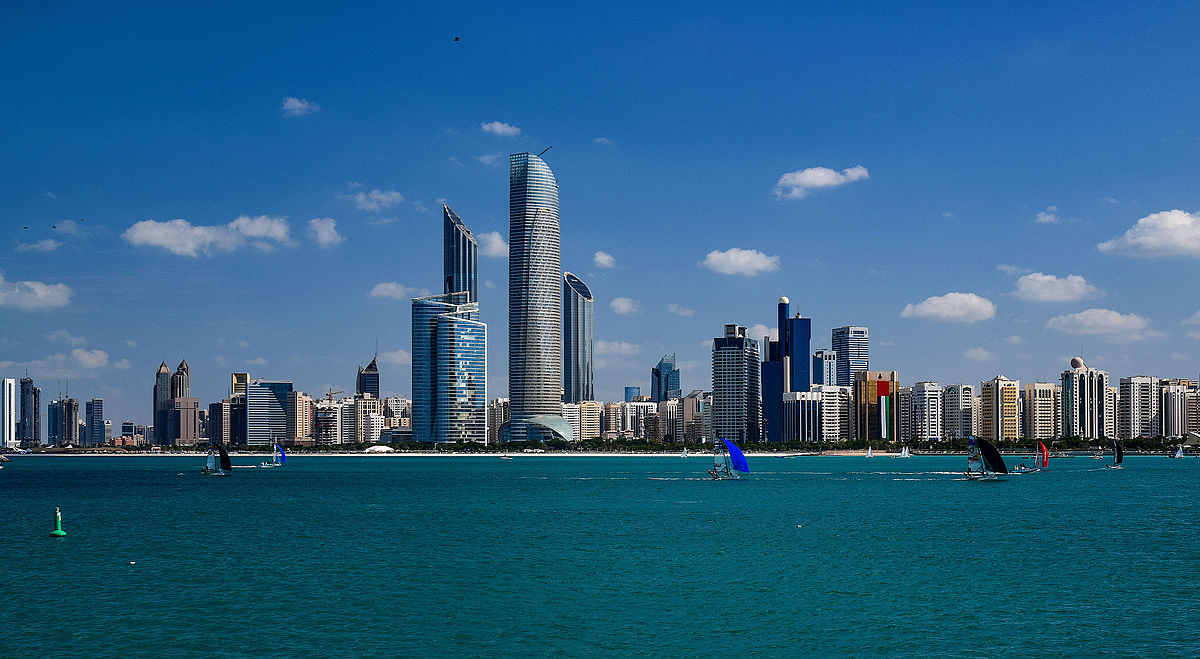
Family offices are playing a transformative role in Abu Dhabi’s economic landscape, driving diversification and growth across various sectors. Representing a significant portion of privately owned businesses in the UAE, these entities have expanded beyond traditional investments in real estate and finance, contributing to the emirate’s ambitions for sustainability and innovation.

Key developments in Abu Dhabi, such as the Abu Dhabi Industrial Strategy (ADIS), highlight the growing importance of family offices in fostering industrial growth, technology advancement, and clean energy projects. Under this strategy, the industrial sector’s GDP saw a remarkable surge from AED 83 billion in 2022 to AED 101 billion by 2023, with family offices continuing to boost these efforts through large-scale investments.

Family offices are now focusing on high-impact sectors like infrastructure, technology, and renewable energy, aligning with the emirate’s long-term goals. Their involvement is particularly notable in collaborative initiatives with the Abu Dhabi government, exemplified by agreements under programs like the Musataha initiative, which fosters private investment in state-owned land for community-driven projects.

The leadership in Abu Dhabi, including figures like Ahmed Jasim Al Zaabi, chairman of the Abu Dhabi Department of Economic Development, has been vocal about the strategic role of these family-owned businesses. Al Zaabi emphasized how initiatives like ADIS are not only growing the industrial sector but also positioning the emirate as a hub for innovation, advanced manufacturing, and clean technology.

Dubai’s Roads and Transport Authority (RTA) has lifted the restriction on foldable e-scooters within the Dubai Metro and Tram system, marking a shift in transport policy that comes with a firm set of guidelines. The RTA had initially introduced the ban in March 2024, citing concerns for commuter safety. However, with revised safety protocols in place, e-scooter riders are once again permitted to carry their devices on public transit, provided they adhere to stringent conditions aimed at maintaining safety and order within metro and tram stations.

The decision to relax the ban coincides with an increase in the popularity of e-scooters as a convenient mode of transport, especially for the last-mile commute in Dubai’s growing urban landscape. Foldable e-scooters have now been given the green light, provided they meet specific criteria set by the RTA. These scooters must be no larger than 120cmx70cmx40cm and weigh no more than 20kg. Additionally, they must be folded and placed in designated areas when inside stations or on public transport. This move comes as part of Dubai’s broader strategy to enhance eco-friendly transportation options, integrate diverse mobility solutions, and alleviate congestion in high-density areas.

Safety, however, remains a top priority. The new rules emphasize that riding e-scooters inside stations or on public transport is strictly prohibited, with the RTA reiterating that passengers must fold their scooters upon entering metro or tram premises. Failure to comply with these rules could lead to penalties, as part of the city’s drive to maintain high safety standards in public areas.

This policy adjustment reflects Dubai’s commitment to promoting sustainable transport, aligning with global trends that see cities embracing micro-mobility solutions. With e-scooters gaining traction in urban areas worldwide, especially in Europe and the US, cities are increasingly adopting frameworks to ensure these devices coexist safely with other forms of transport.

RTA’s renewed focus on safety is also evident in the broader context of its micro-mobility regulations. In addition to the size and weight restrictions, users are reminded that scooters must meet specific technical standards, such as brake functionality and proper lighting. Moreover, the RTA has announced that it will continue to monitor compliance and may introduce further updates to these regulations as necessary.

This regulatory shift follows a period of deliberation and review after the initial ban was imposed earlier this year. Public feedback and input from safety experts were reportedly considered in developing the new rules, ensuring that e-scooters can be integrated into the city’s public transport network without compromising the safety of metro and tram passengers.

By lifting the ban and putting these guidelines in place, Dubai joins a growing number of global cities that are actively working to incorporate micro-mobility solutions into their transport networks. It is yet another step in Dubai’s transformation into a smart city, enhancing the quality of life for residents by providing more flexible and sustainable transport options.

For e-scooter users, the easing of restrictions offers new convenience, particularly for commuters looking to bridge the gap between metro stations and their final destinations. As this mode of transport continues to evolve, the RTA is expected to remain vigilant in enforcing safety measures and adapting to the needs of a rapidly changing urban mobility landscape.

DUBAI, UAE – EQS Newswire – 4 October 2024 – The 10th World Green Economy Summit (www.WorldGreenEconomy.org) hosted a high-level roundtable that featured HE Surangel Whipps Jr, President of Palau; HE Dr Amna bint Abdullah Al Dahak, UAE Minister of Climate Change and Environment; HH Abdulla Balalaa, Assistant Minister for Energy and Sustainable Affairs at the UAE Ministry of Foreign Affairs; Dr Mahmoud Fathallah, Director of the […]

Abu Dhabi’s Abu Dhabi Holding Company (ADQ) has joined forces with EQTY Lab to introduce ClimateGPT, an innovative artificial intelligence tool aimed at addressing climate change challenges. The collaboration emphasizes the commitment of both organizations to leverage cutting-edge technology in the pursuit of sustainability and climate resilience. ClimateGPT is designed to provide actionable insights and recommendations to policymakers, businesses, and communities, facilitating more informed decision-making in the […]

SINGAPORE – Media OutReach Newswire – 4 October 2024 – As MotoGP™ marks its 75th anniversary in 2024, MOTUL Asia Pacific proudly celebrates its longstanding role at the centre of motorsports alongside its title sponsor of MotoGP™ Japan 2024. Since the 1950s Motul has been a key player in motorcycle racing, continuing its legacy of supporting motorsports with cutting-edge lubricant technology. Their innovations have powered iconic racing […]

Masdar, the renewable energy subsidiary of Abu Dhabi’s Mubadala Investment Company, is experiencing accelerated growth in the United States, reflecting the country’s increasing commitment to clean energy. The company’s expansion strategy in the US has been underscored by its recent projects, significant investments, and partnerships aimed at enhancing its renewable energy capacity, particularly in solar and wind energy sectors. This momentum coincides with the US government’s focus […]

Dubai’s booming real estate sector, characterized by record demand and competitive opportunities, is posing mounting challenges for developers seeking prime land. According to Reef Luxury Developments CEO, Samer Ambar, securing high-value plots has become a significant hurdle as the market continues to grow, attracting a diverse array of investors from around the globe. Ambar’s insights come at a pivotal moment for Dubai’s real estate market, which has […]

Dubai has maintained its position as the world’s top destination for greenfield foreign direct investment (FDI) projects in the first half of 2024, solidifying its leadership in global markets. The city attracted a high volume of investments, surpassing all other major financial hubs globally. These investments, particularly in greenfield projects, continue to play a significant role in driving the city’s economic diversification and positioning it as a […]

Gulf sovereign wealth funds are on track to collectively manage an unprecedented $7.3 trillion in assets by 2030, driven by significant global investments and domestic diversification efforts. Buoyed by surging oil revenues, these funds have evolved from passive actors into proactive players reshaping both local economies and global markets. The rise of these funds, especially over the last decade, has been fueled by sharp increases in oil […]

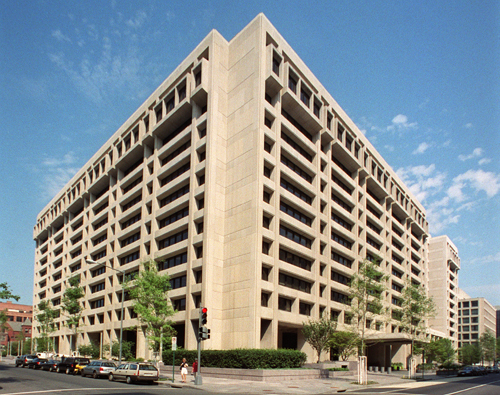
The International Monetary Fund (IMF) has raised serious concerns over the potential economic fallout from the escalating conflict in the Middle East. As violence spreads and tensions rise, the conflict threatens not only the region’s stability but also the global economy, particularly through disruptions in energy supplies, trade routes, and investor confidence.

The war in Gaza has intensified, drawing in multiple countries and raising fears of broader regional involvement. The IMF’s latest assessments highlight the possibility of severe economic impacts, particularly on energy markets. With the Middle East responsible for a significant portion of the world’s oil production, any disruptions could lead to increased volatility in oil prices. The IMF warned that sustained conflict could push oil prices higher, potentially surpassing $100 per barrel, a figure already approached during earlier hostilities this year. This price surge would have far-reaching consequences, especially for oil-importing nations, straining budgets and intensifying inflationary pressures.

Global financial markets have already shown signs of nervousness. Investors, traditionally wary of instability in key regions, have begun reallocating assets, with several stock indices experiencing sharp drops. Analysts suggest that if the conflict escalates further, the damage could spread beyond energy markets, affecting sectors such as manufacturing and technology that rely heavily on supply chains running through or near conflict zones.

The IMF’s mission chief underscored that while oil prices are the most immediate concern, the broader economic picture is equally troubling. Trade disruptions, particularly in critical shipping lanes like the Suez Canal, could severely impact the flow of goods, exacerbating the already fragile global supply chains. For nations in the region, the toll could be devastating. Countries like Lebanon and Egypt, already grappling with economic crises, could face further destabilization, compounding their debt issues and putting millions more at risk of poverty.

While energy exporters such as Saudi Arabia and the UAE may temporarily benefit from higher oil revenues, the broader economic instability could erode those gains, particularly if conflict spreads further across the region. Additionally, prolonged unrest could deter much-needed foreign investment in the Gulf region, which has been aggressively pursuing diversification away from oil dependency.

The IMF’s warning also extends to food security concerns, as the Middle East plays a crucial role in global grain trade. Egypt, for instance, is one of the world’s largest wheat importers, and disruptions to shipping could lead to shortages and price hikes. This would disproportionately affect lower-income nations, already struggling with inflationary food costs and economic stagnation.

As the situation continues to evolve, the IMF has urged regional governments and the international community to take immediate steps to prevent further escalation. In addition to diplomatic efforts, the IMF is advocating for emergency economic measures to protect the most vulnerable economies. These include securing financial aid, stabilizing food supply chains, and safeguarding energy markets from excessive speculation.

However, the global response remains uncertain. While Western powers and international organizations have expressed concern, efforts to mediate the conflict have so far been limited. The longer the fighting continues, the higher the economic risks become, making it crucial for governments to work towards de-escalation before the crisis spirals further out of control.

Focusing on OTC Trading, Security Token Offerings, and Real-World Asset Tokenization HONG KONG SAR – Media OutReach Newswire – 4 October 2024 – Hong Kong Virtual Asset Exchange (HKVAX) has obtained Type 1 (dealing in securities) and Type 7 (providing automated trading services) licences from the Securities and Futures Commission (SFC), along with the Anti-Money Laundering and Counter-Terrorist Financing Ordinance (AMLO) licence to operate a virtual asset […]

Dubai’s position as a global hub for innovation has drawn considerable attention to the city’s expanding cryptocurrency market. The United Arab Emirates (UAE), with its pro-technology policies and investment in blockchain infrastructure, has emerged as a strategic hotspot for crypto exchanges. With a clear focus on security, liquidity, and competitive fees, Dubai-based crypto platforms are capturing the attention of both retail and institutional investors alike. As the industry evolves, some exchanges stand out for their user-friendly approach, strong compliance with local regulations, and diverse product offerings.

The cryptocurrency landscape in Dubai is buoyed by the government’s proactive stance, including the adoption of blockchain technology in public services. The introduction of Emcash, the UAE’s first official cryptocurrency, underscores the country’s ambition to lead in the digital asset space. Given the booming interest in cryptocurrency trading, finding the best platform in Dubai is critical for investors keen to participate in this dynamic market. Several exchanges distinguish themselves by catering to different needs, from high liquidity to low transaction fees, ensuring that both new traders and seasoned professionals can find a suitable platform.

Among the leading platforms, Binance stands out due to its global reach, immense liquidity, and strong security features. Binance’s popularity in Dubai can be attributed to its diverse offering of digital currencies, its top-tier security measures such as multi-factor authentication, and its ability to process high transaction volumes efficiently. The exchange also boasts advanced trading features, including futures contracts, margin trading, and staking options, making it a go-to for both day traders and long-term investors.

Bybit, another prominent player in the Dubai market, has carved a niche for itself with its focus on derivatives trading and copy trading features. For those new to cryptocurrency, Bybit’s copy trading option allows users to mimic the trades of successful investors, reducing the risks typically associated with beginner errors. The platform’s clean interface and educational tools make it an appealing choice for new traders while offering robust charting tools and high-leverage options for more experienced users. Additionally, Bybit’s emphasis on compliance with UAE regulations has made it a trusted platform for local traders.

For investors looking to diversify beyond crypto assets, eToro provides an ideal solution. The platform is known for its multi-asset capabilities, allowing users to trade both cryptocurrencies and traditional forex markets. The added flexibility of managing diverse portfolios from a single platform enhances its appeal among traders in Dubai. eToro’s social trading feature, where users can follow and replicate trades from more experienced investors, adds another layer of accessibility, especially for those less familiar with the nuances of cryptocurrency markets. Its compliance with local regulatory frameworks further strengthens its credibility in the region.

BitOasis, one of the UAE’s homegrown exchanges, is widely recognized for its user-centric approach. Established in Dubai, the platform provides an easy entry point for new investors by simplifying the process of buying and selling popular cryptocurrencies like Bitcoin and Ethereum. What distinguishes BitOasis is its deep integration with local banking systems, which allows for smooth fiat-to-crypto conversions. This local focus has also enabled it to build a reputation for reliability and transparency, making it a preferred choice for users keen to avoid international transfer fees or delays.

On the other end of the spectrum, Rain has become a popular platform due to its low trading fees and ease of use, particularly appealing to budget-conscious investors. Originally based in Bahrain but with a strong presence in Dubai, Rain caters specifically to the Middle Eastern market by offering support for local currencies and adhering to regional regulations. The platform also offers a mobile-first design, ensuring that users can manage their portfolios and execute trades on the go. Its emphasis on low transaction fees makes it one of the most affordable options for traders in Dubai, helping Rain carve out a space in the competitive crypto exchange market.

While all these exchanges have different strengths, it is important to note the regulatory landscape of the UAE. In Dubai, the Virtual Assets Regulatory Authority (VARA) plays a crucial role in overseeing the cryptocurrency sector, ensuring that platforms operate within legal frameworks and adhere to stringent anti-money laundering (AML) and know-your-customer (KYC) requirements. This ensures that Dubai remains a secure environment for cryptocurrency activities, providing peace of mind for investors concerned with compliance and security.

The integration of blockchain technology within Dubai’s economy continues to grow, spurred on by these exchanges and the government’s broader vision for the future of digital assets. Dubai’s government has been at the forefront of blockchain adoption, aiming to become a global leader in the digital economy. Through initiatives like the Dubai Blockchain Strategy, the city has laid the groundwork for a more efficient, transparent, and secure financial ecosystem, with cryptocurrencies playing a pivotal role in this transformation.


The 15th edition of IGEM will bring together thought leaders worldwide to share breakthrough technologies and strategies for achieving net zero emissions. KUALA LUMPUR, MALAYSIA – Media OutReach Newswire – 4 October 2024 – The International Greentech & Eco Products Exhibition and Conference Malaysia (IGEM) returns for its landmark 15th edition from 9 to 11 October 2024. As one of Southeast Asia’s largest green technology showcases, IGEM […]

VISHNU RAJA
RYO YAMADA
HITORI GOTOH
IKUYO KITA
Just in:
Xi Jinping Preparing For A Trilateral Summit With Trump And Putin At APEC Summit On Nov 18-19 // Miss Universe Hong Kong Jen Zhou Departs for Puerto Rico to Compete in the 75th Miss Universe World Final // Dubai boat show confirms international shipyard line-up for November // Ta’ziz finalises $1.39bn funding for Ruwais industrial facilities // The “1st Greater Bay Area Health and Longevity Summit & Awards Ceremony” concludes successfully in Macao // Oil and chip shares retreat after Democratic victories // Private varsities bill all set to face the axe // Cloudflare unveils Zero Wire vulnerability intelligence service // After Reaching 7 Million Users in the Philippines, Skyro Launches Transparent Cash Loans in Malaysia // Cyberport Venture & Capital Forum 2026 Grand Opening // e-Crime Bureau Signs Cybersecurity Partnership With Smart Africa, Reinforcing Its Global Expansion // TVM –Mangaluru Vande Bharat claims top spot // Middle East governments assess Iran war after US vote // ADIA and partners establish $1.4 billion aviation venture // Emirates Group records AED 4.1 billion half-year profit // Geely’s i-HEV Intelligent Hybrid Technology Offers a New Direction for Gasoline-Powered Vehicles // Fast Just Got Fastest: STING Energy Boost™ Celebrates Kimi Antonelli’s Formula 1® World Championship and the Fan Energy Behind It // CR Longdation Aethereal Cybersecurity × Global Cybersecurity Alliance (GCSA) Join Hands to Establish the “AI and Cybersecurity Research Centre” // Hong Kong mandates crypto transaction disclosures to tax authorities // Kochi police detain two actors over bid to honey trap doctor //