Just in:

News related to
Tech

Brazil’s Chamber of Deputies is deliberating a legislative proposal aimed at incorporating Bitcoin into the country’s foreign reserve portfolio. This groundbreaking move seeks to allocate a portion of Brazil’s international reserves to the cryptocurrency, marking a significant step towards integrating digital assets into mainstream financial strategies.

The proposed legislation, introduced by lawmakers advocating for diversified economic resilience, would allow Bitcoin to constitute up to five percent of the nation’s reserves. This initiative aligns with global trends where nations and institutions are exploring the potential of cryptocurrencies to hedge against traditional economic risks. If passed, the bill could position Brazil as a leader in adopting blockchain-backed financial instruments at a governmental level.

The draft highlights the strategic advantages of holding Bitcoin, including its decentralized nature, resistance to inflationary pressures, and potential as a counterbalance to fluctuations in fiat currencies. Proponents argue that Bitcoin’s finite supply and increasing global acceptance enhance its viability as a reserve asset. These features, according to the proposal, could complement Brazil’s existing reserves composed of foreign currencies, gold, and special drawing rights.

Analysts monitoring Brazil’s economic policies have noted the implications of such a move. Incorporating Bitcoin would diversify the country’s portfolio, potentially safeguarding it against geopolitical tensions and market volatility affecting traditional reserve currencies. The legislation reflects broader global discussions about the role of digital currencies in future economic frameworks, as countries grapple with evolving financial technologies.

Critics of the proposal, however, have raised concerns about the volatility of Bitcoin, which has seen dramatic price swings since its inception. They caution that incorporating such an asset into national reserves could introduce risks, particularly in a global economic environment already rife with uncertainty. Economists skeptical of the move emphasize the importance of stability in reserve assets, arguing that Bitcoin’s speculative nature might undermine the reliability of the country’s holdings.

Despite these criticisms, supporters of the measure point to the growing adoption of Bitcoin and blockchain technology across various sectors worldwide. They argue that early investment in digital currencies could provide Brazil with a strategic advantage, particularly as cryptocurrencies gain legitimacy and value in international markets. Bitcoin’s adoption by major corporations and financial institutions has further strengthened the case for its inclusion in national strategies.

Brazil’s proposal comes amid a broader regional interest in cryptocurrencies. Other Latin American countries, including El Salvador, have taken bold steps to integrate Bitcoin into their economies. While El Salvador adopted Bitcoin as legal tender, Brazil’s approach appears more measured, focusing on Bitcoin as a reserve asset rather than a medium of exchange.

The legislative push aligns with Brazil’s broader digital transformation efforts, which include initiatives to modernize financial services and explore blockchain applications in public administration. These measures signal the country’s intent to leverage technology to enhance transparency, efficiency, and economic growth. Observers see the Bitcoin reserve proposal as a natural extension of these efforts, reflecting a willingness to embrace innovation while navigating its challenges.

The Chamber of Deputies has yet to finalize deliberations on the bill. If approved, the legislation would require regulatory adjustments to ensure that Bitcoin holdings comply with international financial standards and Brazil’s fiscal policies. Key stakeholders, including the Central Bank of Brazil, are expected to play a pivotal role in shaping the implementation framework should the bill pass into law.

Understood. I will craft the requested news report adhering to the guidelines. Please allow me some time to ensure thorough research and fact-checking for accuracy.

A federal judge ruled against the U.S. Treasury Department’s decision to sanction Tornado Cash, citing the decentralized nature of the protocol. The court determined that Tornado Cash’s immutable smart contracts, being autonomous and ownerless, do not qualify as “property,” a key criterion for applying sanctions. The decision follows months of legal challenges arguing that such sanctions overreach legal boundaries.

Tornado Cash, an open-source cryptocurrency mixer operating on Ethereum, was initially sanctioned by the Office of Foreign Assets Control (OFAC) in 2022. The sanctions were aimed at curbing alleged misuse by entities such as the Lazarus Group, a North Korean cybercrime organization implicated in laundering over $1 billion through the platform. OFAC’s move faced sharp criticism from privacy advocates and developers, who argued that sanctioning a decentralized protocol set a dangerous precedent for open-source technology.

This legal outcome challenges the government’s ability to regulate decentralized tools in cryptocurrency ecosystems. It underscores the difficulty of applying traditional legal frameworks to technologies designed to operate independently of centralized control. Despite the ruling, Tornado Cash remains at the center of debates over its role in facilitating financial privacy versus enabling illicit activities.

The Justice Department is separately pursuing criminal charges against Tornado Cash cofounders Roman Storm and Roman Semenov. Both face allegations of conspiracy to launder money and operate an unlicensed money-transmitting business. Prosecutors claim their actions contributed to sanctions violations, including facilitating transactions for banned entities like the Lazarus Group. While Storm has been arrested, Semenov’s location remains undisclosed.

The ruling does not eliminate scrutiny of Tornado Cash or its developers, as the court acknowledged the legitimate concerns of law enforcement. However, the judgment has been celebrated as a victory for decentralization and the principles of blockchain autonomy, raising questions about how governments can enforce laws in the age of decentralized finance. The case is likely to influence regulatory approaches to cryptocurrency in the United States and beyond.

Kraken, one of the world’s largest cryptocurrency exchanges, has confirmed it will close its NFT marketplace by February 27, 2025. The move comes as the platform prepares to focus on its blockchain technology, with the marketplace halting new listings effective immediately. Users will retain the ability to withdraw NFTs to their wallets until the final closure date.

The decision follows a broader trend of declining activity in the NFT market. Despite significant growth in 2021 and early 2022, global NFT sales volumes have shown a steady decline in the last year, leading several platforms to reevaluate their strategies. Kraken’s pivot aligns with its goal to enhance its DeFi offerings and expand its blockchain ecosystem. The forthcoming blockchain, expected to launch in early 2025, will enable decentralized app development without requiring intermediary services, marking a shift in Kraken’s operational focus.

Unlike similar efforts by competitors like Binance and Coinbase, Kraken has announced it will not introduce a native token for its blockchain, opting instead to prioritize stability and user functionality. This strategy aims to differentiate Kraken’s blockchain in a highly competitive market while minimizing speculative volatility.

By Rabindra Nath Sinha KOLKATA: It is not just that the Bharatiya Janata Party cut a sorry figure in the electoral battle 2024 for Jharkhand assembly despite a high octane campaigning that had strong communal overtones and in which the party’s money power was all too evident. Some new developments, which may shape future politics […]

HONG KONG SAR – Media OutReach Newswire – 26 November 2024 – Coda Bridge, a pioneering Hong Kong-based blockchain platform provider known for its charity project that leverages blockchain technology to ensure accurate tracking of charitable donations, is pleased to announce its expansion into Singapore in collaboration with StraitsX. The upcoming collaboration aims to leverage blockchain technology and smart contract programming to issue Purpose Bound Money (PBM) […]

Nissan Motor Co. is scaling back production operations in the United States amidst declining sales and intensifying financial challenges. This decision coincides with mounting pressure from tariff threats that could impact the automaker’s cross-border supply chain, particularly between Mexico, Canada, and the United States. The automaker’s production adjustments come as part of broader restructuring efforts aimed at countering its continued struggle to recover market share and stabilize […]

A 360° Experience and A Night of Thrilling Action for UFC Fans MACAU SAR – Media OutReach Newswire – 26 November 2024 – Galaxy Macau™ was proud to host the return of UFC®, the world’s premier Mixed Martial Arts (MMA) organization, to Macau. UFC® FIGHT NIGHT MACAU: YAN vs. FIGUEIREDO was held at Macau’s largest indoor arena, Galaxy Arena, in front of more than 12,000 fans, including […]

Advertisements

HAI PHONG, VIETNAM – Media OutReach Newswire – 26 November 2024 – November 26, 2024, the President of the Republic of Bulgaria, H.E. Rumen Radev, along with a high-ranking Bulgarian delegation, visited the VinFast Hai Phong Manufacturing Complex. He expressed high regard for the quality and potential of VinFast’s electric vehicles in the European market and urged VinFast to explore collaboration and investment opportunities in Bulgaria. Vice […]

NEW YORK, US – Media OutReach Newswire – 26 November 2024 – From pharmaceutical manufacturing to petrochemical refinement, many industries utilize solvents for various processes, such as synthesis, extraction, purification, and more. Nevertheless, the conventional method across industries involves extensive solvent use followed by their disposal, often through incineration. This creates a never-ending cycle of vast chemical consumption that leads to significant waste streams, contributing to environmental […]

An affiliate of Mubadala Capital, the UAE-based alternative asset management firm, has reached an agreement to acquire Canada’s CI Financial Corp. in a deal valued at approximately CAD 4.7 billion ($3.36 billion). Under the terms of the agreement, all shareholders of CI Financial will receive CAD 32 per share, representing a significant 33% premium over Friday’s closing price and a 58% premium over the 60-day volume-weighted average […]

The UAE’s small and medium-sized enterprises (SMEs), which make up over 90% of the country’s businesses, are witnessing an influx of transformative mergers and acquisitions (M&A) activity. This surge, prompted by a combination of government initiatives and the rise of digital solutions, is expected to redefine the sector’s growth trajectory. As part of its economic diversification strategy, the UAE has been fostering the expansion of SMEs, and […]

Dubai International Financial Centre (DIFC) has unveiled an exciting collaboration with the Skywards Everyday app, aiming to elevate the shopping, dining, and entertainment experience at the renowned Gate Avenue. The partnership marks a significant step in enhancing customer engagement and offering additional benefits to both new and existing users of the Skywards loyalty program.

Gate Avenue, located in the heart of Dubai’s financial district, is known for its vibrant atmosphere and extensive range of luxury retail outlets, dining options, and entertainment experiences. This new partnership with Skywards Everyday, part of Emirates’ frequent flyer program, offers customers the opportunity to earn and redeem Skywards Miles for purchases at participating outlets within the DIFC precinct.

The collaboration will allow users to earn Skywards Miles for everyday spending, with exclusive offers and promotions available across various restaurants, cafes, and retail outlets in Gate Avenue. Shoppers can now seamlessly integrate their Skywards account with the Skywards Everyday app, benefiting from personalized rewards and exclusive deals. This move is aimed at enhancing the customer experience by merging Dubai’s retail and hospitality sectors with the convenience of a loyalty program, creating a more dynamic, rewarding environment for both local residents and international visitors.

The Dubai International Financial Centre has long been a hub for business, finance, and lifestyle, attracting both global corporations and high-net-worth individuals. By teaming up with the Skywards Everyday app, DIFC aims to tap into the growing demand for integrated digital solutions that provide seamless experiences for consumers. This partnership reflects the evolving nature of consumer expectations, with an increasing desire for convenience, personalized rewards, and a more integrated lifestyle experience.

The initiative also underscores the UAE’s broader ambition to position itself as a global leader in innovation and technology. By leveraging the power of digital applications like Skywards Everyday, the DIFC hopes to foster greater engagement within its community and enhance its status as a top destination for high-end retail and leisure activities. The partnership is expected to bring in a new wave of visitors to Gate Avenue, with Skywards Everyday’s extensive reach providing DIFC with access to a diverse and affluent customer base.

Skywards Everyday, which launched in 2020, has rapidly grown in popularity, providing users with the ability to earn miles on everyday purchases. The app has been designed to work with a wide range of retailers, enabling users to earn Skywards Miles at thousands of locations across the UAE. With this expansion into Gate Avenue at DIFC, users will be able to collect miles for purchases at some of Dubai’s most exclusive shopping and dining spots.

For Emirates, the expansion of the Skywards Everyday app to high-profile locations such as DIFC is part of its ongoing efforts to strengthen the Emirates Skywards program and its loyalty offerings. As the aviation and travel industries continue to recover from the pandemic, loyalty programs have become an increasingly important tool in driving customer retention and engagement. By providing additional ways for Skywards members to earn miles and rewards, Emirates is enhancing the value of its frequent flyer program, which has long been a key differentiator in a competitive industry.

This collaboration also highlights a broader trend in Dubai’s retail and hospitality landscape, where the fusion of technology and customer service is reshaping how businesses interact with consumers. In a city known for its luxury experiences and cutting-edge innovations, partnerships like this are becoming essential in attracting and retaining customers in an increasingly competitive market.

Gate Avenue at DIFC has long been one of Dubai’s prime destinations for luxury shopping and fine dining. The precinct has hosted numerous global brands and offers a wide range of services that cater to the tastes and preferences of the UAE’s affluent residents and international visitors. With the new partnership, DIFC is positioning itself as a leading player in the city’s retail and leisure scene, bridging the gap between traditional shopping experiences and modern digital solutions.

Dubai is a global icon of rapid urban transformation, evolving from a quiet desert town into a bustling international metropolis in just a few decades. Behind this remarkable growth lies a network of services enabling the city’s expansion and mobility. Among these, moving companies in Dubai are key players, ensuring seamless transitions for residents, businesses, and global professionals. The Unprecedented Growth of Dubai Population Growth and Urban […]

Dubai’s retail giant, Union Coop, is actively exploring a significant transition from a consumer cooperative society to a public joint stock company. This potential shift aims to enhance transparency, improve market efficiency, and further align the retailer with Dubai’s broader financial strategy. Union Coop, which already made history by becoming the first cooperative society to direct-list its shares on the Dubai Financial Market (DFM) in mid-2022, continues […]

Emirates will introduce its first-ever Airbus A350 service to Edinburgh starting January 3, marking a new chapter in its global expansion. The new route will provide enhanced connectivity between the Scottish capital and Dubai, reflecting the airline’s strategy to further increase its presence in the UK market.

The Airbus A350, which Emirates debuted into its fleet in 2022, offers a blend of advanced technology and passenger comfort. It will replace the Boeing 777 on the Edinburgh route, further elevating the travel experience for passengers. The decision to operate the A350 on this route is part of the airline’s broader initiative to modernize its fleet and reduce its carbon footprint, while offering travelers the latest in aircraft design and amenities.

The introduction of the A350 on the Edinburgh route will provide passengers with a state-of-the-art flying experience. The aircraft features the latest cabin innovations, including fully private suites in first class, lie-flat seats in business class, and spacious economy class seating. Additionally, the A350 is equipped with advanced fuel-efficient engines, making it a key player in Emirates’ commitment to reducing emissions. The airline has emphasized that the aircraft is one of the most environmentally friendly options available in the market today, contributing to the airline’s sustainability goals.

The Edinburgh route is expected to be a significant boost to the city’s tourism and business travel sectors. As a popular destination for both leisure and corporate travelers, Edinburgh is anticipated to benefit from the increased air traffic and the arrival of Emirates’ premium services. The new service will provide more than just a direct link to Dubai; it will also connect Scottish passengers to Emirates’ extensive network in the Middle East, Asia, and beyond, including key destinations like India, Australia, and Africa.

The route launch has been met with optimism from local authorities and business leaders. Edinburgh Airport’s CEO, Gordon Dewar, expressed excitement over the introduction of the A350 service. He noted that Emirates’ decision to operate the A350 reflects the growing importance of Edinburgh in international aviation, reinforcing the city’s position as a major hub for global connectivity. The new service is expected to strengthen Edinburgh’s attractiveness as a destination for both business and leisure travelers.

For Emirates, this launch signals its continued commitment to expanding its UK network. The airline already operates a busy schedule from London Heathrow, Manchester, Birmingham, and Glasgow. Edinburgh’s inclusion in this network is seen as a strategic move to cater to the rising demand for flights to and from Scotland, particularly with the growing number of business ventures and investments being made in the region.

The A350’s launch into Edinburgh is not only significant for Emirates but also for the airline industry as a whole. With the aviation sector still recovering from the impacts of the global pandemic, carriers are increasingly looking to optimize their fleets for efficiency, sustainability, and customer experience. Emirates’ decision to operate the A350 on this route underscores the airline’s focus on staying ahead of industry trends and embracing technological advancements in aviation.

As the aviation industry continues to evolve, Emirates is positioning itself at the forefront of these changes. The airline has been upgrading its fleet to include more eco-efficient aircraft, with the A350 being a central part of this strategy. The move to phase out older, less efficient aircraft in favor of modern, environmentally friendly options is a key part of Emirates’ broader commitment to sustainability.

The new service is expected to operate daily, offering travelers flexible options for both outbound and return flights. The introduction of the A350 will be welcomed by many passengers who have long sought a more comfortable and sustainable travel experience on the Edinburgh-Dubai route.

Dubai has unveiled the world’s largest mosaic artwork, an extraordinary tribute to the UAE’s Founding Fathers, Sheikh Zayed bin Sultan Al Nahyan and Sheikh Rashid bin Saeed Al Maktoum. This monumental piece, spanning 50 meters in length, is located at the Dubai International Financial Centre (DIFC) Gate, an iconic site in the city. The artwork commemorates the vision and leadership that shaped the nation, immortalizing the founding leaders in a bold and innovative display.

The mosaic, designed by Emirati artist Maitha Demithan, fuses both traditional art forms and modern technology. Demithan’s work combines intricate photographic imagery and contemporary artistic techniques, creating a three-dimensional visual experience. This piece prominently features historic photos by renowned photographer Ramesh Shukla, whose work has documented the UAE’s evolution over the past five decades.

Shaima Al Suwaidi, Director of Brand Dubai, highlighted that the artwork serves as a symbol of national unity and collective achievement. The installation is part of the #ZayedAndRashid campaign, which is aligned with national celebrations such as Flag Day and Eid Al Etihad, marking significant milestones in the UAE’s history.

The artwork also embodies the nation’s ongoing progress, set against the backdrop of Dubai’s modern skyline. By showcasing the two leaders against this backdrop, the piece highlights the enduring legacy of their leadership in shaping the UAE’s transformation into a global hub.

Morocco’s central bank has confirmed that it is preparing legislation to integrate cryptocurrencies into the country’s legal framework, marking a significant shift in its financial strategy. Abdellatif Jouahiri, the Governor of Bank Al-Maghrib (BAM), announced that the regulatory framework has been finalized and will be subjected to discussions with industry stakeholders before legislative implementation. This initiative reflects the growing recognition of cryptocurrencies’ potential within the global economy, particularly in emerging markets like Morocco.

The proposed regulations aim to define and contextualize cryptocurrencies in a manner suitable for Morocco’s economic and financial environment. The draft bill is expected to balance innovation with necessary safeguards, focusing on protecting individuals while encouraging the development of financial technologies. It also underscores Morocco’s commitment to participating in the digital economy without compromising regulatory oversight. The central bank collaborated with institutions like the International Monetary Fund and the World Bank to develop the guidelines. Insights were also drawn from the regulatory approaches of countries such as France, Sweden, and Switzerland to align the framework with international standards.

Morocco’s stance on cryptocurrency has evolved significantly in recent years. While cryptocurrency trading is currently outlawed in the country, the increasing adoption of digital assets among its population has created a push for regulatory reforms. Reports from Chainalysis indicate that Morocco is one of the fastest-growing cryptocurrency markets in the Middle East and North Africa region, with digital asset ownership rising from 2.4% of the population in 2021 to 3.1% in 2022. This growth mirrors a broader regional trend, as the MENA region recorded a 48% increase in cryptocurrency transaction volumes between mid-2021 and mid-2022.

The legislation’s introduction aligns with the country’s broader economic ambitions. Morocco has shown a keen interest in leveraging blockchain technologies, as demonstrated by projects like Soluna, a blockchain-powered wind farm in Dakhla. The farm channels surplus energy into cryptocurrency mining, exemplifying how digital innovations can integrate with traditional sectors such as renewable energy.

The new legal framework also responds to international concerns about the risks associated with cryptocurrencies, such as money laundering and financial instability. By regulating the sector, Morocco aims to mitigate these risks while harnessing the benefits of blockchain technology. This development could attract foreign investments and spur domestic innovation in the fintech space, potentially positioning Morocco as a regional hub for digital finance.

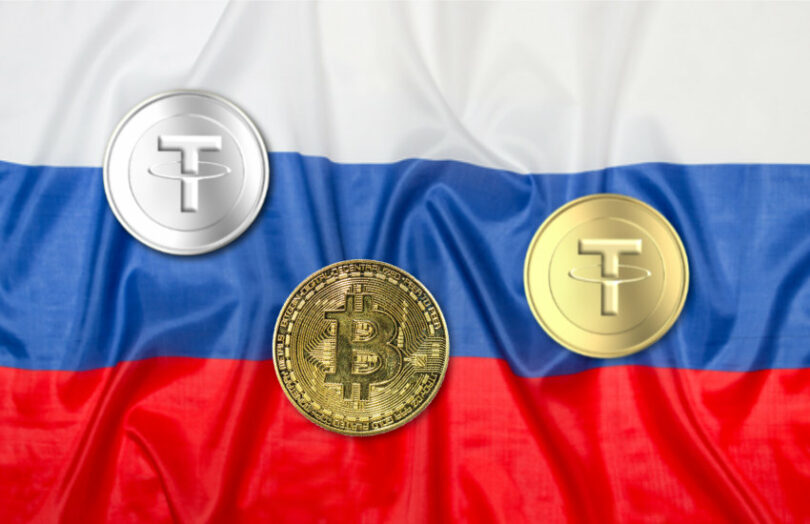
Digital currencies are officially recognized as taxable property in Russia, following legislative amendments approved by the State Duma. This landmark development introduces comprehensive tax rules for cryptocurrency transactions and mining, slated to take effect from January 1, 2025. The amendments represent a significant step in the country’s regulatory approach to digital assets, aiming to streamline income reporting and ensure compliance.

The legislative changes impose a tax of 13% for individual income from cryptocurrency operations, with a slightly higher rate of 15% applicable to non-resident individuals. Additionally, businesses involved in cryptocurrency-related activities will benefit from a value-added tax (VAT) exemption for mining-related transactions. This provision is designed to encourage greater participation in the crypto-mining sector while fostering a controlled environment for its growth. These measures reflect the government’s effort to balance innovation with the need for robust oversight in the digital economy.

A crucial aspect of the legislation involves the stricter regulation of mining infrastructure operators. Companies in this domain will be required to register and comply with stringent guidelines aimed at curbing illegal activities and ensuring transparency. By regulating these operators, authorities seek to establish a framework that promotes legitimate operations and protects market participants from fraud or exploitation.

The move aligns with Russia’s broader strategy to regulate cryptocurrencies amidst increasing global scrutiny of the sector. Cryptocurrencies, often viewed as tools for money laundering or tax evasion, have prompted governments worldwide to introduce regulations to monitor and manage their use effectively. By categorizing digital currencies as property, Russia not only brings clarity to their legal status but also signals its intention to integrate them into the formal economy.

Market analysts suggest that the taxation framework could encourage crypto-mining firms to operate within the law, as compliance becomes a prerequisite for business continuity. This development is especially significant for Russia, which is among the leading countries in crypto-mining due to its vast energy resources and favorable climate. The regulatory measures are expected to attract domestic and international players seeking stability and legal certainty in their operations.

The new rules also mandate the disclosure of cryptocurrency holdings and transactions in annual tax filings, creating an accountability system for individuals and entities involved in digital asset trading. Failure to comply with reporting requirements could result in severe penalties, reinforcing the government’s commitment to maintaining integrity within the sector.

Russia’s decision to implement these measures comes against a backdrop of evolving global attitudes toward cryptocurrency regulation. Countries such as the United States and members of the European Union have been advancing similar initiatives, highlighting a collective acknowledgment of the economic potential and risks associated with digital currencies. By joining this regulatory movement, Russia positions itself as a key player in shaping the future of the global crypto landscape.

Despite the optimism surrounding these changes, critics have raised concerns about the potential for overregulation to stifle innovation. Some industry stakeholders argue that the stringent requirements for mining infrastructure operators could create barriers for small-scale participants, thereby consolidating the industry in favor of larger entities. This, they warn, might undermine the decentralized ethos of cryptocurrency and limit opportunities for new entrants.

The effectiveness of these regulations will largely depend on their implementation and enforcement. Ensuring compliance in a rapidly evolving and highly technical sector presents significant challenges, requiring continuous adaptation and investment in oversight mechanisms. Observers emphasize the need for authorities to strike a balance between fostering growth and maintaining control to avoid unintended consequences.

The Guangdong-Hong Kong-Macao Greater Bay Area Listed Companies Summit 2024 Unveils the “Hong Kong—Best Headquarters Choice for Greater Bay Area Listed Companies” Initiative Empowering Mainland Enterprises to Leverage Hong Kong for IPOs and International Growth HONG KONG SAR – Media OutReach Newswire – 26 November 2024 – On November 25, the “Guangdong-Hong Kong-Macao Greater Bay Area Listed Companies Summit 2024,” hosted by the Greater Bay Area Association […]

Suriname’s presidential candidate Maya Parbhoe has unveiled a groundbreaking strategy to transform the nation’s financial system by adopting Bitcoin as its primary currency, seeking to make Suriname a global pioneer in cryptocurrency-based governance. If elected, Parbhoe plans to declare Bitcoin as legal tender immediately and phase out the Suriname dollar (SRD), positioning the nation at the forefront of decentralized economic reform.

This initiative, inspired by El Salvador’s trailblazing adoption of Bitcoin, represents a broader ambition to overhaul the country’s financial framework and diminish reliance on international financial institutions, including the International Monetary Fund (IMF). Parbhoe envisions Bitcoin as not just a currency but a foundation for economic sovereignty and a shield against corruption.

Parbhoe’s proposal to introduce Bitcoin as legal tender hinges on its expedited implementation. The executive order required for this change, she asserts, could bypass legislative hurdles, ensuring rapid adoption. This measure would follow her inauguration, signaling the start of a comprehensive economic transition designed to dismantle existing financial hierarchies and empower local populations. With Bitcoin replacing the SRD as the national currency, Suriname could set an unprecedented example of large-scale cryptocurrency integration.

To facilitate this transition, Parbhoe has assembled a specialized economic advisory group, including Austrian economist Philip Baggis, who has extensive experience in decentralized financial systems. The advisory panel is drafting a roadmap to ensure a structured shift to Bitcoin while addressing potential legal and logistical challenges. This transformation, estimated to take two to three years, would also involve public education initiatives to familiarize citizens with cryptocurrency usage.

The candidate’s campaign has gained international attention, particularly among the global cryptocurrency community. A crowdfunding effort on Geyser, a platform tailored for Bitcoin projects, has so far raised approximately $45,000. This support has not only fueled her political campaign but also enabled local development projects, including technology centers and community food initiatives, reinforcing her image as a reformist leader.

Suriname’s modest economy and relatively small population provide an environment conducive to such a bold financial experiment. Parbhoe believes that adopting Bitcoin will allow the nation to bypass conventional financial constraints, reduce dependency on volatile currency exchange rates, and attract foreign investment. The revenue from oil reserves, projected to rise significantly by 2028, is another pillar of her strategy, aimed at repaying external debts and ensuring financial autonomy.

Critics, however, caution against the risks associated with volatile cryptocurrency markets and the social upheaval that could accompany such a sweeping economic change. Skeptics argue that a lack of infrastructure and widespread understanding of Bitcoin could create barriers to implementation, potentially alienating sections of the population and disrupting everyday transactions.

Harbour City Shopping Mall in Hong Kong is set to captivate visitors this holiday season with a spectacular lineup of festive attractions, combining art, light displays, and interactive experiences. The renowned shopping center, known for its large-scale holiday celebrations, has revealed a series of events that are expected to become some of the city’s signature attractions this Christmas.

The centerpiece of the celebrations is the mall’s iconic outdoor lighting display. This annual installation has become a major draw for both locals and tourists, transforming the exterior of the shopping complex into a dazzling spectacle. This year’s theme features an innovative mix of cutting-edge LED technology and traditional Christmas motifs, designed to create an immersive holiday experience. The display spans several stories of the building and showcases intricate light patterns that change throughout the evening, inviting passersby to marvel at its grandeur. The festive lights will continue to shine through the holiday season, attracting both photography enthusiasts and families looking for a memorable Christmas outing.

Alongside the lighting display, Harbour City has partnered with internationally acclaimed Japanese artist Tatsuya Tanaka to present a unique miniature art exhibition. Known for his whimsical and imaginative dioramas, Tanaka’s art will offer a fresh perspective on Christmas traditions. His miniature sculptures will bring holiday scenes to life with an unexpected, playful twist, combining familiar Christmas imagery with his signature miniature world. The exhibit will allow visitors to engage with the art in a way that encourages creativity and exploration. Tanaka’s work has previously been showcased in major art venues around the world, and his latest exhibition at Harbour City promises to be another highlight for art lovers during the holiday season.

In addition to the art display, Harbour City is also introducing an interactive Peko’s Candy House, a festive, family-friendly attraction. This installation brings the beloved Japanese character, Peko-chan, to life in an immersive candy-themed environment. Visitors will have the chance to step inside the Candy House, where they can explore a world of sweets and treats, from oversized candy sculptures to Peko-themed merchandise. The Candy House will be designed with vibrant colors and playful elements, making it a perfect spot for families and children to enjoy together. As part of the experience, special events and themed activities will take place, ensuring that there is something for every age group to enjoy.

Harbour City’s festive season also includes various promotions and collaborations with top retail brands, giving shoppers a chance to take advantage of exclusive offers. The mall’s annual Christmas market will feature a selection of international and local vendors offering seasonal gifts, decorations, and artisanal goods. Visitors can browse a variety of high-quality items, making it a great opportunity to find unique presents for loved ones. Special Christmas-themed pop-up stores will also add to the shopping experience, with limited-edition products and festive merchandise from global brands.

The multi-faceted nature of this year’s Christmas celebrations at Harbour City highlights the mall’s commitment to providing a diverse and engaging experience for its visitors. Whether it’s the stunning lighting display, Tanaka’s intricate art, or the whimsical charm of Peko’s Candy House, the mall is set to become a central hub of holiday activities in Hong Kong.

Beyond entertainment, the event underscores the growing trend of experiential retail in Hong Kong, where shopping centers are becoming more than just places to buy goods. This shift towards creating memorable, immersive experiences for visitors has been a key strategy for many leading malls across the region. Harbour City, in particular, continues to be a pioneer in integrating art, culture, and entertainment into its retail offerings.

HONG KONG SAR – Media OutReach Newswire – 26 November 2024 – Is Hong Kong back to normal? It’s a question that continues to be asked of people who live in Hong Kong, and to those who visit Hong Kong. It assumes that the city has not been itself in recent years. However, Hong Kong has always been a vibrant and entrepreneurial city with unique quirks and […]

Fragment, a platform built on blockchain technology, has introduced a Know-Your-Customer (KYC) requirement for its services, including the purchase of Telegram usernames, anonymous phone numbers, premium subscriptions, and in-app currency “stars.” This new policy is aimed at increasing user security and compliance with international regulations as cryptocurrency-related platforms face growing scrutiny.

Fragment operates primarily through the TON blockchain, a platform used by various applications, including Telegram. With the integration of blockchain-based phone numbers, users could previously access Telegram without the need for a traditional SIM card, offering a higher degree of anonymity, the platform has now shifted its stance, requiring users to verify their identities to maintain the integrity and security of transactions.

This move aligns with broader trends in the digital and cryptocurrency sectors, where regulatory bodies are imposing stricter rules on platforms that allow for pseudonymous transactions. By requiring KYC, Fragment aims to prevent misuse of its services for illegal activities, such as money laundering and fraud, which have been concerns for many blockchain and crypto platforms. Moreover, the introduction of KYC adds a layer of accountability, ensuring that individuals engaging with its services are properly identified.

The KYC procedure involves submitting personal identification details, which will be verified by third-party services before users can engage in the platform’s transactions. This includes purchasing or transferring usernames, anonymous phone numbers, and the stars used within Telegram’s premium features. It’s a significant shift from the platform’s previous operational model, which emphasized privacy and decentralization.

Telegram’s adoption of blockchain-based phone numbers through Fragment has been a pivotal feature in enhancing user privacy, allowing users to operate without a SIM card or a traditional phone number. This feature appeals to privacy-conscious users, including those in countries with high surveillance. The “No-SIM sign-up” option has been welcomed as a major privacy boost for Telegram users【9†source, Fragment’s introduction of KYC now places its future use under greater regulatory oversight, signaling a change in how blockchain services are operating amid increasing pressure from governments to tighten security and oversight.

The move to KYC also affects the sale of digital assets like usernames and other unique identifiers, which can be valuable on platforms like Telegram. Previously, these digital assets could be bought or sold with relative anonymity, but now users will have to provide personal details, adding a layer of verification that may deter some users who prioritize complete privacy.

By implementing these measures, Fragment is positioning itself as a more compliant entity within the blockchain ecosystem, signaling its readiness to adapt to global standards of financial regulation. While the KYC policy may reduce the anonymity of some users, it may also provide additional security and legal protection for those engaging in transactions on the platform. This move might pave the way for other similar services to adopt stricter compliance measures as blockchain-related industries mature and face greater regulatory scrutiny.

Donald Trump is preparing to sign an executive order imposing a 25% tariff on all goods imported from Mexico and Canada. The order, which is set to take effect soon, also includes an additional 10% tariff on Chinese imports. The move, according to Trump administration officials, is aimed at addressing the flow of fentanyl and other illicit drugs entering the United States, primarily from these countries. This economic strategy is positioned as part of the broader efforts to curtail the opioid crisis that has ravaged communities across the nation.

The tariff proposal, which would be one of the most significant in recent history, is designed to put economic pressure on neighboring countries and China to stem the flow of synthetic opioids, particularly fentanyl, that have led to a sharp increase in overdose deaths. U.S. officials have expressed frustration that these drugs continue to enter the country, despite previous efforts and international cooperation to curb the trade. With this new economic leverage, Trump hopes to force both Mexico and Canada, along with China, to take more substantial action to prevent fentanyl and other dangerous substances from being trafficked into the U.S.

In addition to the 25% tariff on products from Mexico and Canada, the 10% levy on Chinese imports would signal a significant shift in the ongoing trade tensions between the two countries. While U.S. relations with China have been marked by disputes over technology, trade imbalances, and intellectual property, the fentanyl issue has emerged as a new front in the ongoing trade war. Chinese manufacturers of fentanyl precursor chemicals have been accused of enabling the drug’s production and shipment to the U.S. by circumventing existing international controls.

Trump’s administration has been under increasing pressure to demonstrate tangible results in the fight against the opioid crisis, which claimed the lives of over 100,000 Americans in 2022 alone. The crisis has been compounded by fentanyl, which is up to 100 times more potent than morphine and is responsible for a significant portion of the overdose deaths. Law enforcement agencies, including the U.S. Drug Enforcement Administration (DEA), have repeatedly emphasized the role of international trafficking networks in facilitating the distribution of this deadly drug.

The 25% tariff on Mexico and Canada, two of the U.S.’s largest trading partners, would have a profound economic impact, particularly on industries that rely on cross-border trade, such as automotive, agriculture, and manufacturing. Goods such as cars, machinery, electronics, and agricultural products are likely to be affected. Both Mexico and Canada have expressed concerns over the potential economic fallout, with Canadian officials warning that such measures could trigger retaliatory tariffs. Mexico, meanwhile, has stated that it is committed to addressing the issue of fentanyl trafficking but has argued that blanket tariffs would hurt both economies rather than foster cooperation.

China, which has long been a focal point in discussions on fentanyl and other illicit drug manufacturing, faces additional scrutiny under the proposed executive order. The U.S. has accused Chinese drug producers of operating with impunity in the international market, using the country’s vast manufacturing capabilities to produce fentanyl precursors. Despite China’s commitment to increasing its domestic regulations and limiting the export of such chemicals, U.S. officials contend that China’s efforts have been insufficient. The tariff would be aimed at ramping up pressure on Beijing to fully crack down on illegal drug production and trafficking.

Trump’s proposed tariffs are expected to face significant opposition within Congress, particularly among lawmakers who represent industries that depend heavily on trade with Mexico, Canada, and China. The proposed tariffs could escalate inflationary pressures, increase costs for U.S. consumers, and potentially disrupt supply chains. Some analysts have warned that the move could result in unintended economic consequences, including higher prices for goods and reduced economic growth.

The executive order, if signed, would mark a shift in U.S. foreign and trade policy, as the administration moves beyond traditional trade negotiations and directly ties tariffs to drug enforcement. It underscores the growing concerns over the opioid epidemic, with U.S. officials focusing on international collaboration as part of a broader strategy to combat the drug crisis. The order also signals an escalating approach to trade relations with Mexico, Canada, and China, signaling that economic diplomacy may become increasingly intertwined with the fight against illegal drug trade.

This development has sparked intense debate among experts, policymakers, and industry stakeholders about the potential risks and rewards of such a tariff strategy. Critics of the plan argue that using tariffs as a tool to address drug trafficking may not yield the desired results. They point to the complex nature of the drug trade, which involves numerous actors, including drug cartels, criminal networks, and even corrupt officials, making it difficult to target effectively through economic measures alone.

VISHNU RAJA
RYO YAMADA
HITORI GOTOH
IKUYO KITA