Just in:
Utilities pursue ₹1,992 cr in unpaid bills // e-Crime Bureau Signs Cybersecurity Partnership With Smart Africa, Reinforcing Its Global Expansion // After Reaching 7 Million Users in the Philippines, Skyro Launches Transparent Cash Loans in Malaysia // Meraas showcases five residential zones at Dubai Design Week // Asia Left Behind: Ten international companies have yet to report delivering on their cage-free egg pledges across the region // TVM –Mangaluru Vande Bharat claims top spot // Cloudflare unveils Zero Wire vulnerability intelligence service // CR Longdation Aethereal Cybersecurity × Global Cybersecurity Alliance (GCSA) Join Hands to Establish the “AI and Cybersecurity Research Centre” // APT29-linked campaign exploits outdated Apple and Android software // Cyberport Venture & Capital Forum 2026 Grand Opening // SC to examine students’ exam plea today // Private varsities bill all set to face the axe // Xi Jinping Preparing For A Trilateral Summit With Trump And Putin At APEC Summit On Nov 18-19 // ADIA and partners establish $1.4 billion aviation venture // Trump’s Iran War Has A Share Of Contribution To His Midterm Debacle // Dubai boat show confirms international shipyard line-up for November // Emirates Group records AED 4.1 billion half-year profit // Fast Just Got Fastest: STING Energy Boost™ Celebrates Kimi Antonelli’s Formula 1® World Championship and the Fan Energy Behind It // Govt opposes Arlekar’s PSC action // Ta’ziz finalises $1.39bn funding for Ruwais industrial facilities //

News related to
Tech

Experience the new autumn menu, a one-night only Italian feast by michelin-starred chefs and more joy of exclusive culinary at Galaxy Macau. MACAU SAR – Media OutReach Newswire – 17 October 2024 – As the crisp north winds signal the start of the harvest season, the Autumn Crab Feast at Galaxy Macau™ Integrated Resort begins in earnest, treating food lovers to the most luxurious and magnificent culinary […]

An executive program aimed at enhancing the museum sector has been established between Saudi Arabia and China. The Museums Commission, part of Saudi Arabia’s Ministry of Culture, signed a significant agreement with the National Museum of China, bolstered by support from the Chinese Ministry of Culture and Tourism. This initiative is poised to fortify cultural ties between the two nations and promote collaborative efforts in museum development, heritage preservation, and cultural exchange.

The newly signed program emphasizes the importance of cultural diplomacy in fostering mutual understanding and cooperation. Through this partnership, both countries aim to benefit from shared expertise, resources, and innovative practices in the museum field. This collaboration is part of a broader strategy by Saudi Arabia to diversify its economy and position itself as a cultural hub in the region.

Under the framework of the executive program, various activities are planned, including staff exchanges, joint exhibitions, and the development of educational programs. The goal is to enhance professional training and capacity building within the museum sector. Experts from both nations will engage in knowledge sharing to develop best practices in museum management, curation, and visitor engagement strategies.

Saudi Arabia has been making significant strides in its cultural sector as part of its Vision 2030 initiative, which seeks to reduce the country’s reliance on oil revenue and promote tourism and cultural heritage. The establishment of museums has been identified as a critical area for development, aligning with the nation’s broader goals of economic diversification and global engagement.

The National Museum of China, renowned for its vast collection of historical artifacts and exhibitions, is expected to play a pivotal role in guiding the development of Saudi Arabia’s museum sector. By leveraging China’s extensive experience in museum management, Saudi Arabia can accelerate the development of its cultural institutions, ensuring they meet international standards.

This partnership comes at a time when both countries are keen on enhancing their bilateral relations. The agreement reflects a growing trend of cultural cooperation between China and Middle Eastern nations, as countries in the region seek to leverage cultural diplomacy to strengthen ties with major global players.

Experts believe that this collaboration will lead to a mutual exchange of ideas that can benefit both countries. The focus on developing educational initiatives, particularly aimed at youth engagement in cultural heritage, is seen as a significant step toward nurturing future generations’ appreciation for history and art.

Saudi Arabia’s approach to culture has shifted dramatically in the past few years, particularly with the unveiling of several high-profile cultural projects, including the Diriyah Gate and the King Abdulaziz Center for World Culture. These projects aim to position the kingdom as a cultural leader in the Gulf region, making it a focal point for international tourists and cultural enthusiasts.

The involvement of the National Museum of China adds a layer of credibility and expertise to the program. With China’s rich history and extensive experience in museum curation and cultural preservation, the partnership stands to benefit from innovative approaches to exhibiting and interpreting cultural heritage.

The collaboration is expected to enhance visitor experiences at Saudi Arabian museums. The development of joint exhibitions that showcase the histories and cultures of both nations will create unique opportunities for cultural exchange and education. This aspect is particularly important as Saudi Arabia seeks to attract more tourists and provide them with enriching cultural experiences.

The program aligns with the broader international cultural landscape, where countries increasingly recognize the value of cultural diplomacy in building soft power. As global interest in Saudi Arabia’s cultural heritage grows, this initiative presents an opportunity for both nations to showcase their unique histories and foster greater understanding between their peoples.

In addition to these developments, the program emphasizes the importance of digital innovation in the museum sector. With technology transforming how museums operate, both countries will explore ways to integrate digital tools into exhibitions, making art and history more accessible to diverse audiences. This focus on innovation aligns with global trends in museum practices, where digital engagement has become increasingly vital.

The signing of the executive program also reflects the broader geopolitical landscape in which cultural exchanges are gaining importance. As China continues to expand its influence globally, partnerships like this one provide Saudi Arabia with an avenue to enhance its cultural visibility on the world stage while benefiting from China’s established expertise in heritage management.

The initiative illustrates the commitment of both nations to investing in their cultural futures. By fostering collaboration in the museum sector, Saudi Arabia and China are setting a precedent for similar partnerships across other cultural domains. The long-term impact of this program is expected to extend beyond museum development, influencing the broader cultural and artistic landscape of both nations.


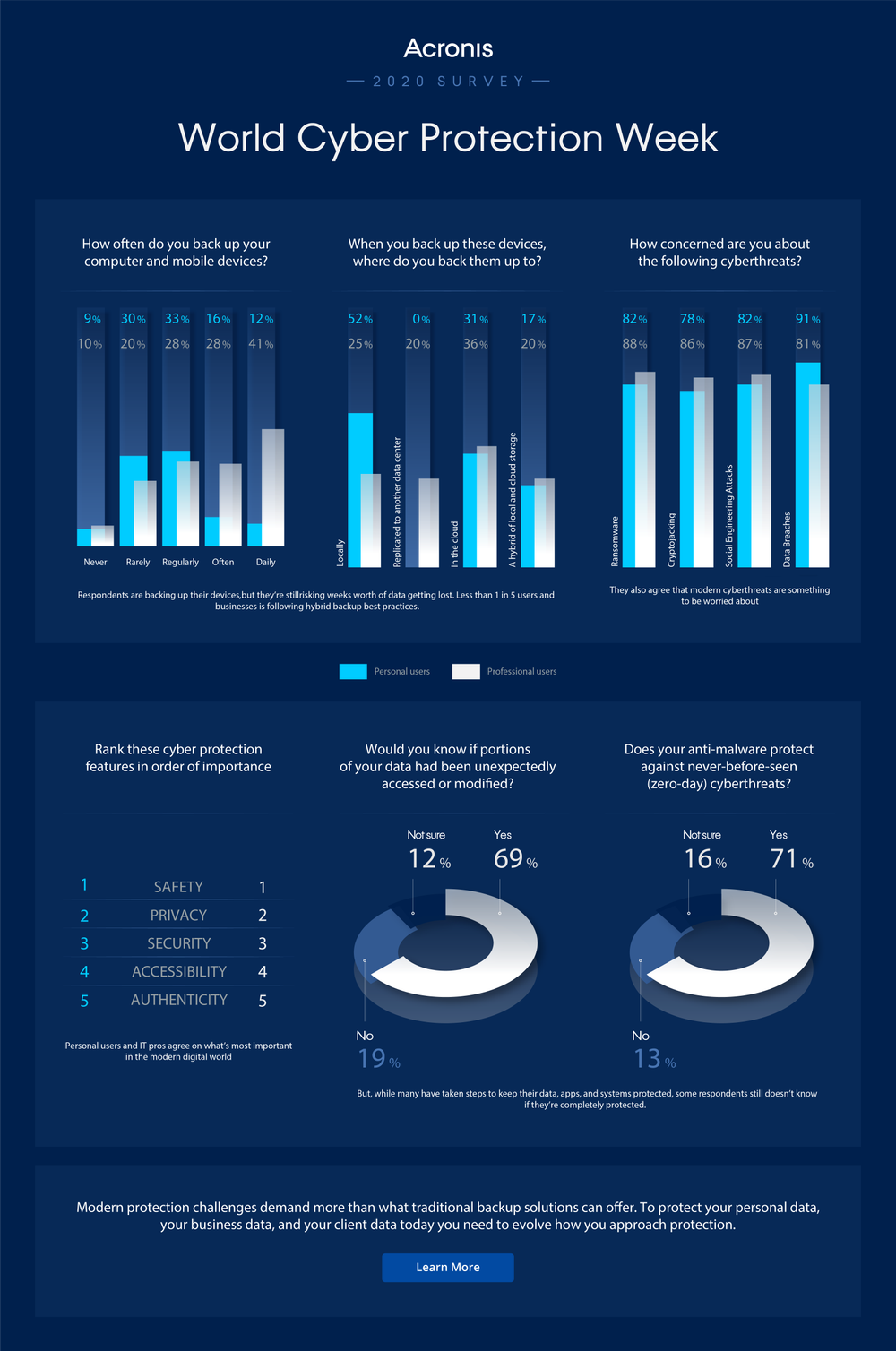
The cybersecurity sector in the UAE is experiencing unprecedented pressure, as highlighted by Acronis’ recent report indicating a staggering 68% revenue increase. This growth is attributed to the rising prevalence of cyber threats, which have intensified in 2024. Malware detections have surged by 65.3%, while URL-based threats have escalated by 36.9%, creating a pressing need for robust cybersecurity solutions across various industries.

Acronis’ findings come amid a backdrop of increased global cybercrime, with businesses in the UAE becoming prime targets. The growing digital transformation across sectors such as finance, healthcare, and government has expanded the attack surface for malicious actors. As organizations adopt cloud services and remote work policies, they inadvertently expose themselves to a myriad of vulnerabilities. The result is a burgeoning market for cybersecurity services, compelling companies like Acronis to adapt quickly to meet the evolving demands of clients.

This surge in revenue reflects not only Acronis’ successful strategic initiatives but also a broader trend within the cybersecurity industry. Organizations are increasingly prioritizing their cybersecurity frameworks, investing in comprehensive solutions to protect sensitive data and ensure business continuity. Acronis has positioned itself effectively within this landscape by offering integrated protection solutions, including data backup, disaster recovery, and cybersecurity services tailored to combat emerging threats.

Key players in the cybersecurity market are rapidly innovating to keep pace with the evolving threat landscape. The rise of sophisticated cyberattacks has prompted a shift toward proactive cybersecurity measures. Companies are now prioritizing advanced threat detection and response capabilities, leveraging artificial intelligence and machine learning to enhance their defenses. These technologies enable organizations to identify and neutralize threats before they cause significant damage, underscoring the importance of adopting a proactive rather than reactive approach to cybersecurity.

The implications of these developments are profound for businesses in the UAE. With cyber threats on the rise, organizations must reassess their cybersecurity strategies to ensure they are not only compliant with regulations but also adequately protected against potential breaches. Cybersecurity frameworks are evolving to encompass not just IT security but also physical security and personnel training, creating a comprehensive approach to risk management.

The UAE government has been proactive in addressing these challenges. Initiatives aimed at enhancing the nation’s cybersecurity posture include the establishment of the UAE Cybersecurity Council, which seeks to unify efforts across public and private sectors. This collaborative approach aims to create a resilient digital ecosystem, reinforcing the importance of cybersecurity awareness and education among employees and the wider community.

As Acronis continues to grow in this dynamic environment, its emphasis on innovation will be critical. The company has committed to enhancing its cybersecurity offerings by integrating cutting-edge technologies and expanding its global footprint. Such strategies are vital for maintaining a competitive edge and meeting the diverse needs of clients navigating this complex landscape.

The increase in cyber threats is also prompting a reevaluation of regulatory frameworks in the UAE. Businesses are now under greater scrutiny to comply with stringent cybersecurity regulations, emphasizing the need for transparency and accountability in their operations. Companies that fail to meet these requirements face not only financial penalties but also reputational damage, making cybersecurity a board-level concern.

Emerging trends indicate that small and medium-sized enterprises (SMEs) are becoming more aware of their cybersecurity needs. Historically, SMEs have been less equipped to handle cyber threats due to limited resources. However, with increased awareness and the availability of scalable cybersecurity solutions, these businesses are now taking proactive steps to safeguard their operations.

The challenge of recruiting and retaining cybersecurity talent continues to plague the industry, further complicating efforts to bolster defenses. As the demand for skilled cybersecurity professionals grows, companies face intense competition in attracting top talent. Educational institutions and training programs are responding by developing specialized curricula aimed at preparing the next generation of cybersecurity experts, a move crucial for addressing the skills gap in the sector.

Another critical aspect of the evolving cybersecurity landscape is the role of cyber insurance. As organizations recognize the potential financial impact of cyber incidents, interest in cyber insurance policies is increasing. These policies can help mitigate losses resulting from data breaches, ransomware attacks, and other cyber threats. However, the complexities involved in underwriting such policies highlight the need for comprehensive risk assessments, ensuring that organizations understand their vulnerabilities and the appropriate measures to address them.

A groundbreaking artificial intelligence engine is set to transform urban mobility in Abu Dhabi. This initiative, led by Abu Dhabi Mobility, aims to enhance traffic management and improve the overall quality of life for residents. Leveraging advanced data analytics, the AI system will monitor various aspects of city movement, including traffic congestion, accident occurrences, and even apartment occupancy levels. The AI engine operates by analyzing real-time data […]

The European Union has exempted Elon Musk’s social media platform X from stringent regulations originally established under the Digital Services Act (DSA). This decision follows a preliminary finding in July that indicated X had been misleading users regarding its blue checkmark verification system. The DSA was designed to enforce strict accountability measures on major tech companies to enhance user protection and transparency. The EU’s DSA framework, which […]

Injective Protocol’s native token, INJ, has seen an impressive price surge of 18% as anticipation builds for its upcoming listing on the Bitfinex exchange. This increase highlights the growing interest and momentum surrounding the Injective project, which has garnered significant attention within the cryptocurrency community. Market analysts are closely monitoring this development, especially as INJ approaches the critical psychological level of $35.

The excitement surrounding the listing on Bitfinex, a leading cryptocurrency exchange known for its advanced trading features, has drawn considerable investor interest. The official announcement regarding the listing sparked a flurry of trading activity, contributing to the significant uptick in INJ’s price. As the exchange gears up for the token’s introduction, traders are eagerly speculating on the potential for further gains.

Injective Protocol is a decentralized exchange (DEX) that aims to enhance trading experiences by offering a unique layer-2 solution on the Cosmos blockchain. Its innovative technology facilitates faster transaction speeds and lower fees, making it an attractive option for traders seeking efficient decentralized trading solutions. The recent developments highlight Injective’s strategic positioning within the growing DeFi landscape.

Market analysts suggest that the price surge of INJ reflects broader trends within the cryptocurrency market, particularly the increasing adoption of DeFi protocols. The demand for decentralized trading solutions has surged as traders seek alternatives to traditional exchanges amid rising regulatory scrutiny. This trend positions Injective Protocol as a key player in the evolving crypto ecosystem.

The Cosmos Network, which serves as the foundation for Injective Protocol, has been instrumental in the project’s success. With its interchain communication capabilities, Cosmos enables seamless interaction between different blockchains, enhancing the overall user experience. This interoperability has attracted numerous projects and investors to the Cosmos ecosystem, further bolstering Injective’s growth prospects.

The INJ token’s recent price movement has prompted speculation about its potential trajectory in the near term. Many traders are eyeing the $35 mark as a crucial target, with some analysts predicting that sustained interest could propel the token even higher. However, market volatility remains a concern, and traders are advised to exercise caution amid fluctuating conditions.

In addition to the excitement surrounding its listing, Injective Protocol has been actively expanding its ecosystem through partnerships and collaborations. The project has forged strategic alliances with various blockchain projects and DeFi platforms, enhancing its visibility and reach. This expansion is expected to play a crucial role in driving user adoption and increasing liquidity within the Injective ecosystem.

The project has been focusing on enhancing its platform’s features to attract a broader user base. Recent upgrades have introduced new functionalities, including advanced trading options and improved user interfaces. These enhancements are designed to cater to the needs of both retail and institutional traders, positioning Injective as a versatile trading platform.

Community engagement also plays a significant role in the project’s growth. Injective Protocol has fostered a strong community of supporters who actively participate in discussions and contribute to the project’s development. This community-driven approach has created a sense of ownership among users, further fueling interest in the INJ token.

As the cryptocurrency market continues to evolve, the significance of governance and decentralization has gained prominence. Injective Protocol allows INJ token holders to participate in governance decisions, giving them a voice in the future direction of the platform. This emphasis on decentralization aligns with the core principles of the cryptocurrency movement and enhances user confidence in the project.

The current market conditions present both opportunities and challenges for cryptocurrency projects, including Injective Protocol. While the surge in INJ’s price reflects positive sentiment, it is essential for traders and investors to remain vigilant. The dynamic nature of the crypto market means that price fluctuations can occur rapidly, necessitating informed decision-making.

In the context of broader market trends, the performance of major cryptocurrencies such as Bitcoin and Ethereum can significantly influence altcoin prices, including INJ. The interconnectedness of the cryptocurrency market means that shifts in sentiment toward larger assets can have cascading effects on smaller tokens. As such, market participants are advised to monitor developments closely.

FTT, the native token of the defunct FTX exchange, has witnessed a significant overnight price surge, raising eyebrows and suspicions within the cryptocurrency community. Currently trading close to the $3 mark, the token has experienced an impressive rally of approximately 16%. This sudden surge comes in the context of a broader recovery in the cryptocurrency market, which has seen various altcoins gaining momentum. However, many analysts are cautioning that this rise may not be a straightforward bullish signal, but rather a potential setup for market manipulation orchestrated by larger investors, commonly referred to as “whales.”

The surge in FTT’s price has been attributed to several factors, including increased trading volumes and speculative interest from investors hoping to capitalize on the anticipated recovery of cryptocurrencies following a turbulent period. Market dynamics have seen FTT becoming a focal point for traders, particularly as interest in altcoins resurges. However, the sudden nature of the price movement has led some analysts to speculate about the underlying motives driving this activity. The price rally appears disconnected from any fundamental developments associated with FTX, especially given the ongoing legal proceedings and regulatory scrutiny surrounding the exchange’s collapse.

Whale activity in the cryptocurrency market is well-documented and often leads to drastic price fluctuations. These larger holders can significantly influence market prices through large buy or sell orders, leading to manipulation concerns among smaller investors. Experts suggest that the current spike in FTT’s price may be an orchestrated move to entice retail investors to enter the market, potentially leaving them vulnerable to losses once larger investors decide to offload their holdings at a profit. This tactic is not new; similar patterns have been observed in the past, where sudden price surges preceded sharp declines, raising alarms about the integrity of market movements.

Market analysts are also examining the overall trading patterns of FTT. The trading volume has seen a marked increase, suggesting heightened interest. Data indicates that this surge could be a strategic play by whales looking to manipulate sentiment around FTT. Analysts advise caution, highlighting the historical context of FTT’s price fluctuations, which have been marked by volatility since the collapse of FTX. The token was once a key player in the crypto landscape but has struggled to regain its footing in the wake of significant regulatory challenges and public scrutiny.

As FTT nears the critical $3 threshold, the cryptocurrency market is rife with speculation. Many traders are monitoring the situation closely, attempting to discern whether this price increase represents a genuine recovery or a setup for a potential downturn. This pivotal moment may act as a litmus test for investor sentiment and the broader market’s reaction to price manipulations. The fear of being caught in a “whale trap” is palpable, especially for new entrants in the market who may lack the experience to navigate these complex dynamics.

Investors are urged to remain vigilant and to conduct thorough research before making decisions related to FTT or any other tokens exhibiting similar price patterns. The implications of whale manipulation can be severe, leading to significant financial losses for unsuspecting investors. Many market participants are advocating for increased transparency and regulatory oversight in the cryptocurrency space to protect investors from these potentially harmful practices.

Despite the challenges, there remains a strong community of supporters rallying around FTT and its potential for a comeback. Some proponents argue that the current rally is indicative of a broader trend within the cryptocurrency sector, where tokens can rebound despite adverse conditions. This perspective emphasizes the possibility of recovery and growth, contingent on improved market conditions and regulatory clarity.

The development of decentralized finance (DeFi) protocols and growing adoption of cryptocurrencies by mainstream financial institutions may provide a foundation for a more stable future for tokens like FTT. As the crypto market evolves, the ability to mitigate manipulation risks through technological advancements and regulatory frameworks will be critical in shaping investor confidence.

Advertisements

HONG KONG SAR – Media OutReach Newswire – 17 October 2024 – John Lee, Chief Executive of the Hong Kong Special Administrative Region unveiled a range of measures in his 2024 Policy Address (October 16) to inject greater vitality into the economy, focusing on both established and emerging industries. In terms of existing businesses, Mr Lee said the Government would explore new growth areas, specifically by creating […]

With the upcoming U.S. elections, the cryptocurrency market is seeing increased attention from investors seeking to diversify portfolios, particularly with altcoins. These smaller, often overlooked tokens are drawing considerable interest due to their unique positioning and technological advancements, promising significant gains during this volatile period. Several altcoins stand out as particularly promising bets in this election season, driven by evolving regulatory environments and investor interest.

As cryptocurrencies increasingly capture mainstream attention, some altcoins, especially those that solve real-world problems or tap into popular sectors like AI and decentralized finance (DeFi), are performing well. Altcoins are becoming crucial alternatives for those wanting to hedge bets outside major cryptocurrencies like Bitcoin and Ethereum.

Bittensor’s AI Integration Makes It a Key Player

Bittensor (TAO) is one of the more intriguing altcoins in the spotlight. Its integration of artificial intelligence and decentralized machine learning through the Yuma Consensus mechanism is attracting tech-driven investors. Unlike many cryptos focusing solely on blockchain for financial transactions, Bittensor’s network allows machine learning services to be paid for using its TAO tokens, democratizing access to these services. TAO has witnessed strong growth this year, aided by its listing on Binance, pushing it into the ranks of top AI-centric tokens. This intersection between AI and crypto is a significant trend that could help Bittensor continue its upward trajectory.

Optimism’s Layer-2 Solution Unlocks Ethereum’s Potential

Optimism (OP), a Layer-2 solution on Ethereum, continues to impress investors by addressing Ethereum’s scalability issues. Its adoption of Optimistic Rollups allows faster and cheaper transactions, making decentralized finance (DeFi), NFTs, and gaming more accessible. With Ethereum’s scalability upgrades still in progress, Optimism fills the gap, attracting users looking to avoid high transaction fees and slow confirmation times on Ethereum’s mainnet. Optimism’s Bedrock upgrade, launched in 2023, further lowered fees and increased processing speed, reinforcing its status as a top candidate for investment during this election cycle.

BNB’s Resilience Amid Challenges

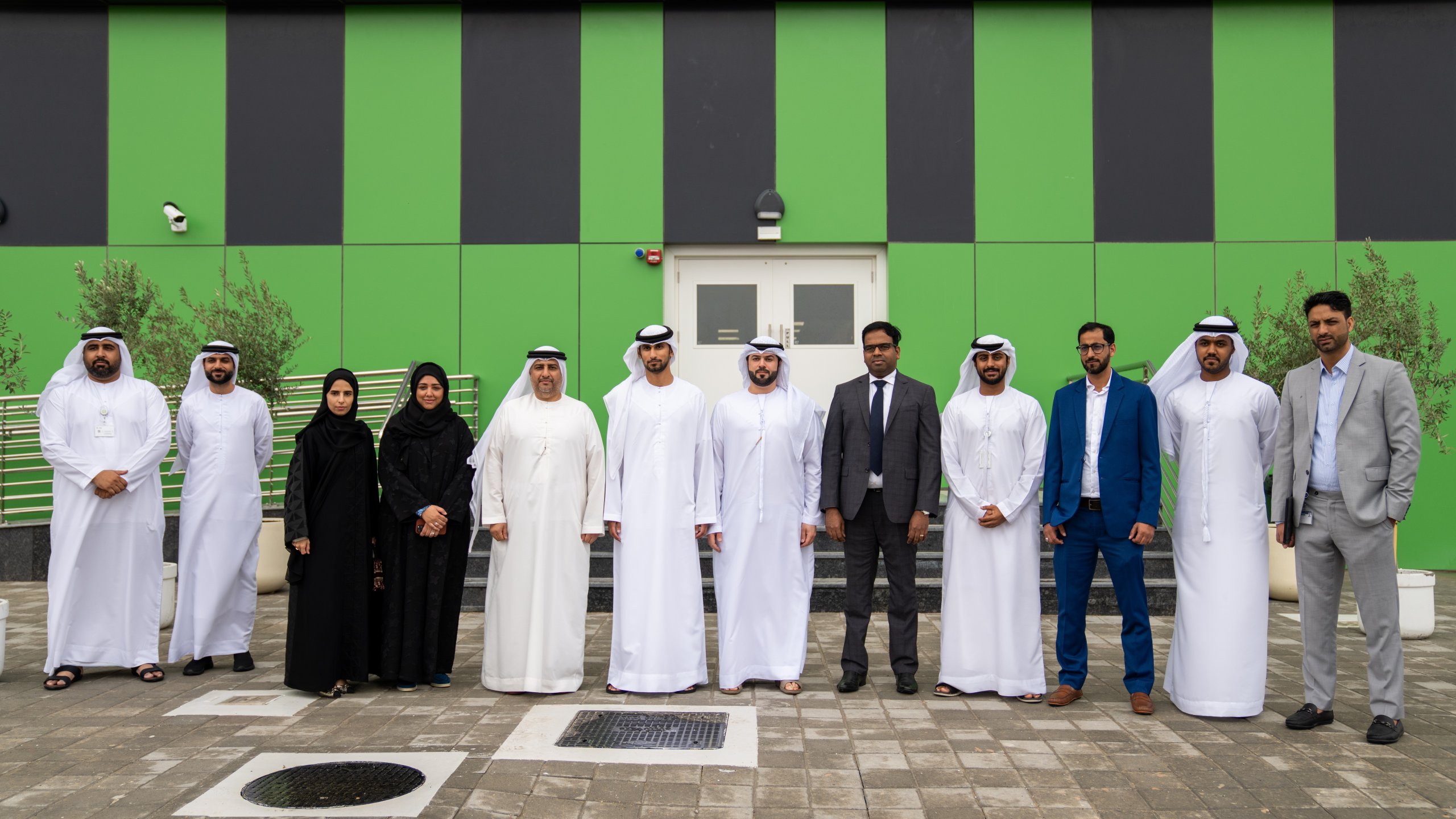
Moro Hub, a subsidiary of Digital DEWA, has formalized a partnership with Dubai Islamic Bank (DIB) aimed at enhancing the bank’s cybersecurity capabilities. The collaboration focuses on the provision of advanced colocation services and a comprehensive cybersecurity suite, ensuring the security and resilience of DIB’s IT infrastructure. This development is expected to boost Dubai Islamic Bank’s efforts to safeguard its operations and data against an evolving threat landscape while expanding its digital footprint.

The Memorandum of Understanding (MoU) signed between Moro Hub and Dubai Islamic Bank underscores the growing need for robust digital infrastructure in the financial sector. As part of the agreement, Moro Hub will provide DIB with secure colocation services in a state-of-the-art data center, alongside a suite of cybersecurity solutions tailored to meet the specific needs of the financial institution. These services aim to mitigate the risk of cyberattacks and ensure the bank’s compliance with regulatory standards, reflecting the increasing pressures on banks globally to adopt enhanced security measures.

Colocation, a service allowing businesses to rent space for their servers and other computing hardware within a third-party data center, offers banks like DIB the advantage of enhanced physical security, disaster recovery, and operational efficiency. Moro Hub’s colocation services will enable Dubai Islamic Bank to host its critical systems in a secure environment, benefiting from the company’s advanced infrastructure, which is designed to meet the stringent security requirements of financial institutions.

This partnership comes at a time when financial institutions in the UAE and around the world are grappling with a surge in sophisticated cyber threats. With the rise of digital banking services and the increased reliance on online platforms, banks have become prime targets for cybercriminals. By leveraging Moro Hub’s expertise in cybersecurity, Dubai Islamic Bank aims to strengthen its defenses against these threats, ensuring the protection of its clients’ sensitive information.

The global banking sector has witnessed a dramatic rise in cybersecurity incidents over the past few years, prompting financial institutions to invest heavily in protective measures. From phishing attacks to sophisticated ransomware campaigns, banks are constantly under siege by attackers seeking to exploit vulnerabilities in their systems. Dubai Islamic Bank’s decision to partner with Moro Hub reflects a proactive approach to dealing with these challenges, as the bank seeks to stay ahead of the curve in an increasingly digitalized world.

Moro Hub, established as part of Dubai’s broader Smart City initiative, has positioned itself as a key player in the region’s digital transformation efforts. The company’s data centers and cybersecurity services are aligned with international standards, making it a trusted partner for businesses seeking to secure their digital operations. For Dubai Islamic Bank, this partnership offers a significant opportunity to enhance the security and efficiency of its IT operations while also reducing the operational costs associated with maintaining in-house data centers.

Cybersecurity is no longer just a technological challenge; it has become a critical component of business strategy for banks and other financial institutions. Regulatory bodies in the UAE and across the globe have tightened their requirements for data protection, mandating that banks adopt stricter security protocols to safeguard customer data and prevent breaches. Failure to comply with these regulations can result in hefty fines and damage to the institution’s reputation. By partnering with Moro Hub, Dubai Islamic Bank aims to ensure full compliance with these regulatory standards while also minimizing the risk of operational disruptions caused by cyberattacks.

Beyond the immediate security benefits, this partnership is also expected to have broader implications for Dubai Islamic Bank’s digital transformation journey. The bank has been steadily expanding its digital services, offering customers a range of online banking options, including mobile banking apps and digital payment platforms. As customer expectations continue to evolve, DIB’s ability to provide seamless and secure digital services will be crucial to maintaining its competitive edge in the market.

The digital banking landscape is undergoing rapid transformation, with customers increasingly favoring online and mobile services over traditional banking methods. This shift has forced banks to rethink their operational strategies, with a focus on enhancing the digital experience for customers while ensuring robust security measures are in place. For Dubai Islamic Bank, the partnership with Moro Hub is a strategic move to ensure that its digital infrastructure is capable of meeting these demands while also safeguarding against the growing threat of cyberattacks.

Financial institutions across the UAE have been accelerating their investments in digital infrastructure in response to changing market conditions and regulatory pressures. With initiatives such as the UAE’s National Cybersecurity Strategy and Dubai’s push towards becoming a global fintech hub, banks are under increasing pressure to enhance their cybersecurity frameworks. Dubai Islamic Bank’s collaboration with Moro Hub is in line with these national priorities, positioning the bank as a leader in digital security within the financial sector.

While the specific financial terms of the MoU were not disclosed, the partnership between Moro Hub and Dubai Islamic Bank represents a significant step forward in the bank’s efforts to strengthen its IT infrastructure. The bank’s leadership has emphasized the importance of cybersecurity as a core component of its business strategy, and this collaboration with Moro Hub is expected to play a key role in achieving those objectives.

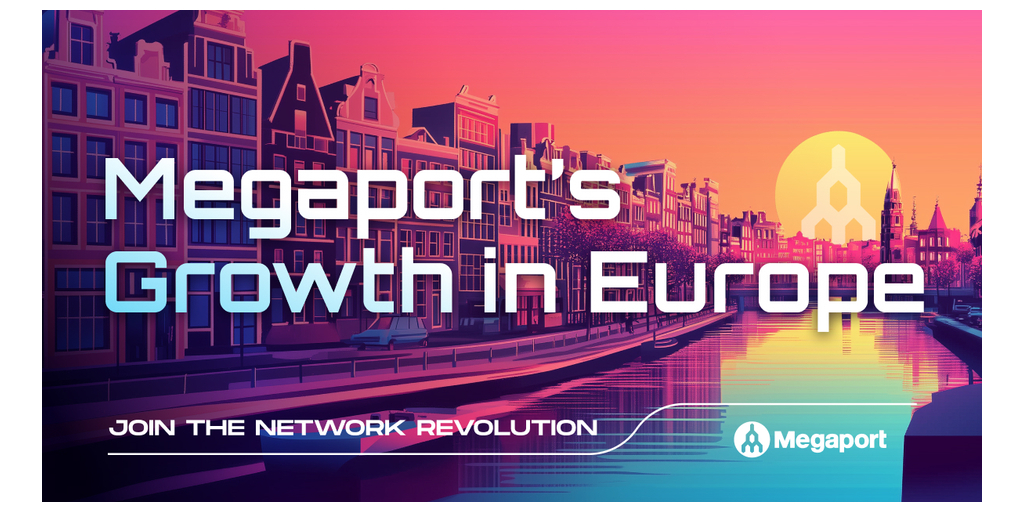
Megaport, a global Network-as-a-Service (NaaS) provider, has announced the strategic expansion of its European operations with the introduction of 14 new data centers across seven countries. This move marks a significant step in strengthening its European presence, aimed at meeting growing demand for flexible, high-speed connectivity to cloud services and data solutions in the region.

The new locations, spread across Germany, France, Spain, Italy, and other European nations, enhance Megaport’s existing network by offering businesses access to a broader array of connectivity options. By partnering with major data center operators like Portus Data Centers in Germany, NorthC Data Centers in the Netherlands, and Sipartech in France, Megaport has increased its capacity to provide faster and more efficient network access.

CEO Michael Reid highlighted the significance of this expansion, noting that extending into these new European markets reflects Megaport’s commitment to driving a network revolution in the region. According to Reid, this strategic growth allows customers to optimize their network infrastructure, modernize their operations, and gain access to Megaport’s extensive ecosystem of cloud providers and partners. This enables businesses to establish network connections within seconds and benefit from advanced cloud service integration.

The partnerships with European data center operators play a pivotal role in this development. Portus Data Centers, which operates a Tier IV facility in Munich, expressed excitement about working with Megaport, emphasizing how this collaboration extends Megaport’s reach in Germany, enabling businesses to access more powerful connectivity solutions. Similarly, NorthC Data Centers, with its new Point of Presence (PoP) in Almere, Netherlands, facilitates enhanced cloud and network services for its clients, pushing digital transformation efforts across the region.

Sipartech, a French provider of high-speed connectivity, has been integral to Megaport’s success in Western Europe. Its dense optical network covers major European capitals, offering last-mile connectivity that bolsters the performance of Megaport’s customers in France and surrounding countries.

This expansion coincides with a wider trend in the European tech landscape, where businesses increasingly rely on agile, scalable networking solutions to manage growing volumes of data and cloud infrastructure. The ability to establish secure, private, and direct connections to leading cloud platforms such as AWS, Google Cloud, and Microsoft Azure has become a priority for companies undergoing digital transformation.

As demand for cloud services grows, particularly in sectors such as finance, healthcare, and e-commerce, the addition of these new data centers will likely have a profound impact on how businesses in Europe manage their IT infrastructure. Vincent Lauriat, Chief Technology Officer at Veolia Water, commented that Megaport’s solutions have improved Veolia’s multicloud strategies, diversifying their data access across multiple centers in Europe and enhancing operational efficiency.

TRENDS Research and Advisory, a prominent think tank headquartered in Abu Dhabi, has launched a virtual office in São Paulo, Brazil. This move comes as part of a larger global expansion effort, reflecting the think tank’s growing presence in key international markets. With additional offices opening in Washington, Buenos Aires, Berlin, and Moscow, TRENDS aims to deepen its research capabilities and strengthen ties with academic, political, and technological institutions across continents.

The office in Brazil marks a significant strategic decision for TRENDS as it sets its sights on analyzing the evolving landscape of security threats and economic challenges in Latin America. São Paulo’s technological and industrial sectors have seen rapid growth in recent years, but with that expansion has come a rise in cybersecurity risks, prompting TRENDS to focus on proactive measures to address these vulnerabilities.

Awadh Al-Breiki, Senior Researcher and Head of TRENDS Global Sector, emphasized that the proximity to key global regions like Brazil will enhance the think tank’s role in fostering international dialogue. Brazil’s prominence in the tech sphere, combined with its connection to various global markets, makes it an ideal location for TRENDS to spearhead research on emerging technological threats and defensive strategies.

Cybersecurity is a growing concern for both private and public institutions in Latin America, with an increase in digital attacks posing significant risks. The opening of TRENDS’ office in São Paulo provides a unique opportunity to address these concerns by collaborating with local experts and governments, offering policy recommendations, and creating actionable strategies to combat the increasing number of cyber threats. This move reflects TRENDS’ dedication to being a thought leader in analyzing the economic and security dynamics of the regions it operates in.

The think tank’s presence in Brazil will also extend its reach into forums and global events, such as the Brazil-Africa Forum. At this event, TRENDS will contribute to discussions on geopolitical and economic challenges, emphasizing its focus on global knowledge exchange. As part of their engagement in Latin America, TRENDS researchers are set to present new findings on the vulnerabilities of emerging technologies, underscoring the need for greater cybersecurity frameworks.

By integrating local expertise with its broader research, TRENDS aims to bolster regional security measures, provide in-depth analysis of policy changes, and offer innovative solutions tailored to the challenges faced by Brazil’s booming tech industry. As cyber threats become more sophisticated, think tanks like TRENDS are positioning themselves at the forefront of mitigating the risks tied to rapid technological advancement.

This initiative reflects a broader trend among think tanks and research organizations aiming to enhance collaboration and information sharing to tackle global issues more effectively. TRENDS’ expansion in Latin America highlights its ongoing efforts to provide comprehensive research on critical topics such as cybersecurity, digital economy, and international cooperation.

With São Paulo serving as a key hub for research, TRENDS’ virtual office will act as a bridge, connecting Latin American insights to global policy dialogues. The think tank’s leadership emphasizes that this move is part of a long-term vision to create global knowledge bridges, furthering TRENDS’ mission to contribute to informed decision-making in both the public and private sectors.

This expansion comes amid broader discussions about global tech vulnerabilities, especially in emerging markets. As technology continues to advance at a rapid pace, regions like Latin America find themselves navigating a complex landscape of economic growth and security concerns. By establishing a dedicated presence in Brazil, TRENDS is taking proactive steps to offer in-depth analysis and support to institutions looking to safeguard their digital infrastructures.

TRENDS Research and Advisory, a think tank based in the UAE, has opened a virtual office in São Paulo, Brazil, marking a significant move to foster closer ties with academic institutions in Latin America. The launch aligns with TRENDS’ ongoing expansion strategy, following its previous ventures into Africa and Asia. This virtual office is expected to enhance collaboration on research projects and scholarly exchanges, particularly focusing on areas such as geopolitical studies, climate change, and economic development, which are gaining increasing attention in the region.

Dr. Mohammed Abdullah Al-Ali, CEO of TRENDS, emphasized the importance of this office in reinforcing the think tank’s global research network. The initiative was introduced during the 2024 Brazil-Africa Forum in São Paulo, where TRENDS participated as a Diamond Sponsor. By entering the Latin American region, TRENDS seeks to expand its influence and contributions in shaping policy discussions and providing academic insights tailored to the needs of countries in the Global South.

The decision to launch in Brazil reflects the country’s growing significance as a research hub within Latin America. Brazil’s rich academic landscape and its role as a key player in regional political and economic issues made it an attractive location for TRENDS. The think tank aims to collaborate with leading Brazilian institutions to produce studies addressing shared challenges such as climate change, technology, and international trade relations. The establishment of this virtual office allows TRENDS to work closely with local experts, creating a knowledge-sharing platform that benefits both regions.

TRENDS has been pursuing an ambitious international agenda, with recent expansions into Africa, China, and South Africa, highlighting its commitment to becoming a global thought leader. Its initiatives often focus on issues like governance, social development, and security, topics that are of growing relevance across Latin America. The São Paulo office is expected to organize seminars, forums, and joint research efforts that will bridge gaps between Latin American scholars and their counterparts in the Middle East, further contributing to the global knowledge economy.

The virtual nature of the office in Brazil comes as a strategic choice, reflecting the evolving landscape of international research collaboration in a post-pandemic world. Virtual offices allow think tanks like TRENDS to operate flexibly and minimize logistical barriers, fostering intellectual exchanges without the constraints of physical borders. By leveraging technology, TRENDS aims to facilitate continuous engagement with its global partners, especially as it ventures into markets and academic communities that are becoming increasingly interconnected.

Through partnerships with local universities and research centers, TRENDS is expected to support the development of critical research initiatives on topics ranging from environmental policy to digital transformation. These collaborations are set to be an important channel for the dissemination of TRENDS’ studies, with a particular focus on topics that resonate with policymakers across both continents.

As part of its global expansion, TRENDS has also been active in organizing panels and symposiums addressing major global issues. The organization’s research output has often delved into global power shifts, technological advancements, and the implications of new political alliances. In recent years, TRENDS has notably expanded its scope by focusing on interdisciplinary research that includes experts from a range of fields, such as sociology, economics, and international relations. Its work has garnered attention for providing nuanced, data-driven insights that appeal to decision-makers worldwide.

The new office in Brazil will also enhance TRENDS’ capacity to contribute to global debates on sustainability, social justice, and innovation. The think tank’s presence in Latin America is expected to be particularly relevant in the areas of environmental research and sustainable development, which are high on Brazil’s policy agenda. Brazil’s leadership in biodiversity conservation and its role as a major economy in the region offer fertile ground for research initiatives that TRENDS is keen to explore further.

By Nitya Chakraborty Bangladesh is the diplomatic battleground of two super powers USA and China since the interim Government took over power on August 9 this year following the ouster of the Sheikh Hasina led Awami League regime on August 5 last. In the last five weeks of the new government led by Chief Adviser […]

Siam Commercial Bank (SCB) has made history by becoming the first bank in Thailand to incorporate stablecoins for cross-border payments, a significant advancement in the country’s financial technology landscape. This pioneering move is part of a partnership with the fintech company Lightnet, which aims to enhance the efficiency and speed of international money transfers, particularly in the Southeast Asian region.

SCB’s initiative signals a major shift toward digital currencies in traditional banking, responding to a growing demand for more streamlined and cost-effective payment solutions in an increasingly interconnected world. The integration of stablecoins, which are digital currencies pegged to stable assets like fiat currencies, offers a way to mitigate the volatility typically associated with cryptocurrencies. By leveraging stablecoins, SCB can facilitate faster transactions and reduce fees, making it a compelling option for businesses and consumers engaged in cross-border trade.

This strategic partnership is not merely an isolated development but part of a broader trend among financial institutions worldwide embracing blockchain technology and digital currencies to remain competitive. SCB’s move aligns with the Thai government’s digital economy initiatives, which promote the adoption of innovative technologies to enhance the country’s financial infrastructure. The use of stablecoins is expected to streamline the payment processes significantly, allowing users to transfer funds in real-time, a stark contrast to traditional methods that often take several days to complete.

Lightnet, founded in 2018, has been at the forefront of integrating blockchain technology into the financial services industry. The company utilizes a decentralized network that connects various payment platforms, enabling users to send and receive funds across borders seamlessly. By collaborating with SCB, Lightnet aims to expand its operations in Thailand and enhance the overall efficiency of financial transactions within the region.

As part of this partnership, SCB will leverage Lightnet’s blockchain infrastructure to facilitate transactions in stablecoins, thus providing a secure and efficient method for cross-border payments. This approach not only positions SCB as a leader in fintech innovation within Thailand but also enhances its competitive edge against other banks and financial institutions in the region that are yet to adopt similar technologies.

The implications of this partnership extend beyond mere transactional efficiency. By adopting stablecoins, SCB is responding to the needs of businesses that require faster and more reliable payment methods to meet the demands of global trade. This move may also inspire other financial institutions in Thailand and across Southeast Asia to explore similar partnerships with fintech firms, fostering a more dynamic and competitive banking landscape.

Experts have noted that the adoption of stablecoins in the banking sector can significantly impact the remittance market, particularly in regions like Southeast Asia, where a substantial portion of the population relies on cross-border remittances for their livelihoods. Traditional remittance services often impose high fees and lengthy processing times, making stablecoin-based solutions an attractive alternative for those seeking more affordable and efficient options.

The integration of stablecoins aligns with the broader trend of digital transformation within the banking sector, as more institutions recognize the necessity of evolving to meet changing consumer expectations. The COVID-19 pandemic has accelerated the shift towards digital payments and online banking, prompting banks to adopt new technologies to enhance customer experience and streamline operations.

This development also raises questions about regulatory frameworks surrounding digital currencies in Thailand and the broader Southeast Asian region. As banks like SCB begin to incorporate stablecoins into their operations, regulators will need to establish clear guidelines to ensure the safety and security of these transactions. The Thai government has already indicated its intention to create a conducive environment for fintech innovations, but balancing regulation with the need for innovation will be crucial as the industry evolves.

The implications of SCB’s adoption of stablecoins are profound, potentially reshaping the landscape of cross-border payments in Thailand and beyond. As this initiative gains traction, it may pave the way for increased collaboration between banks and fintech companies, fostering an ecosystem where innovative solutions can thrive.

This partnership could stimulate greater interest in stablecoins among consumers and businesses, driving broader adoption across various sectors. With SCB leading the charge, it is likely that other banks will follow suit, recognizing the benefits of integrating digital currencies into their payment systems.

HOHHOT, CHINA – Media OutReach Newswire – 17 October 2024 – Under the warm autumn sun, hundreds of farmers are racing to seize the remaining chance before winter to plant trees along the banks of Ulan Suhai Lake, the largest freshwater lake in the Yellow River basin. A greater flamingo is seen in Ulan Suhai Lake in Urad Qianqi, north China’s Inner Mongolia Autonomous Region, May 25, […]

Emirates Transport is set to embark on a pioneering initiative to pilot test hydrogen and electric vehicles as part of its strategy to transition toward sustainable transportation. This ambitious project aligns with the UAE’s broader commitment to reducing carbon emissions and advancing environmental sustainability within the transportation sector. The initiative represents a significant step toward achieving the goals outlined in the UAE’s Vision 2021 and the National […]

Ardian, a global investment firm, is reportedly evaluating potential co-investment opportunities in the green hydrogen sector alongside two prominent players: Masdar and the Public Investment Fund (PIF) of Saudi Arabia. This collaborative venture could significantly impact the renewable energy landscape, reflecting a growing commitment to sustainable investments as nations strive to meet climate goals. The interest in green hydrogen arises from its potential to serve as a […]

The World Bank forecasts a 4.1% growth for the United Arab Emirates’ GDP in 2025, supported by diversification efforts and recovery in tourism and trade. This projection comes amidst ongoing economic reforms and investments in infrastructure and technology that aim to bolster the country’s long-term economic resilience. In its latest report, the World Bank emphasizes that the UAE’s economy has shown remarkable adaptability, bouncing back from the […]

Abu Dhabi Securities Exchange (ADX) has announced a strategic partnership with ADIB Securities to launch a digital onboarding platform aimed at enhancing customer experience and streamlining investment processes. This collaboration marks a significant step towards digital transformation in the financial services sector, reflecting the broader trend of modernization across markets in the region. The new platform, set to be operational in the coming months, will leverage cutting-edge […]

Microsoft’s cloud ecosystem is poised to significantly bolster the UAE’s economy, contributing over $74 billion in the next four years. This substantial impact underscores the growing role of technology in driving economic growth and digital transformation within the region. As businesses increasingly migrate to cloud platforms, the demand for advanced digital services is surging, transforming traditional business models and fostering innovation.

The projections stem from Microsoft’s commitment to enhancing its cloud infrastructure in the UAE, which aligns with the nation’s broader vision of becoming a global tech hub. The company has been actively investing in local data centers and expanding its cloud services, such as Azure, Dynamics 365, and Microsoft 365. These initiatives are expected to accelerate digital adoption among enterprises, enabling them to harness advanced analytics, artificial intelligence, and other cutting-edge technologies.

A recent report from a leading market research firm highlights that the UAE’s digital economy is on an upward trajectory, driven by initiatives such as the National Digital Economy Strategy and the Emirates Digital Economy Council. These efforts aim to create a resilient, competitive, and sustainable digital economy that supports diverse sectors, including finance, healthcare, and education.

Microsoft’s investments also play a crucial role in fostering job creation and skills development in the region. As more companies transition to cloud-based operations, the demand for skilled professionals in cloud computing, data analysis, and cybersecurity is escalating. Microsoft has pledged to provide training programs and certifications to empower local talent, addressing the skills gap and enhancing employability within the tech sector.

The collaboration between Microsoft and the UAE government signifies a robust public-private partnership that can drive economic diversification. The government’s push to embrace digital transformation aligns with Microsoft’s expertise in cloud computing and innovation, creating a synergistic relationship that enhances the overall economic landscape.

As companies in the UAE adapt to the digital age, the reliance on cloud services is becoming increasingly vital. The cloud offers flexibility, scalability, and cost-effectiveness, allowing businesses to respond swiftly to changing market dynamics. This shift not only enhances operational efficiency but also opens new avenues for innovation and collaboration.

The UAE’s strategic location as a gateway to the Middle East and North Africa (MENA) region further amplifies the significance of Microsoft’s investments. By positioning itself as a leader in cloud technology, Microsoft is not only catering to local enterprises but also targeting international businesses looking to establish a foothold in the MENA market. This approach is expected to attract foreign direct investment (FDI) and enhance the UAE’s competitiveness as a business hub.

Microsoft’s commitment to sustainability aligns with the UAE’s ambitious goals for a greener future. The company is dedicated to achieving carbon neutrality by 2030 and has initiated programs aimed at reducing the environmental impact of its data centers. This emphasis on sustainability resonates with the UAE’s vision for sustainable development, positioning Microsoft as a responsible corporate citizen in the region.

Industry experts have lauded Microsoft’s efforts in enhancing the UAE’s digital landscape. The collaboration between tech giants and governments is seen as a catalyst for innovation and economic growth. Analysts believe that the ripple effects of Microsoft’s cloud ecosystem will extend beyond direct contributions to GDP, influencing various sectors and fostering a culture of innovation among local enterprises.

As part of its cloud initiatives, Microsoft is leveraging partnerships with local startups and enterprises to drive innovation and foster entrepreneurship. These collaborations aim to create a vibrant ecosystem that nurtures creativity and supports the growth of homegrown businesses. By empowering startups with access to cutting-edge technology and resources, Microsoft is contributing to a thriving entrepreneurial landscape in the UAE.

The anticipated economic impact of Microsoft’s cloud ecosystem is not only a testament to the company’s strategic vision but also reflects the UAE’s determination to embrace digital transformation as a cornerstone of its economic future. As the nation continues to evolve into a technology-driven economy, the partnership with Microsoft positions it at the forefront of the global digital landscape.

BYD, the Chinese electric vehicle (EV) manufacturer, is making significant strides in the global automotive market, solidifying its position as a leader in producing affordable electric cars. Recent reports indicate that the company’s strategy is not just about increasing production capacity but also focuses on innovative technologies and cost-cutting measures that make electric vehicles more accessible to a broader audience.

The global electric vehicle market has been experiencing remarkable growth, driven by rising consumer demand and regulatory pressures to reduce carbon emissions. In this evolving landscape, BYD’s production capabilities and technological advancements are enabling it to offer vehicles that cater to various segments of the market. The company’s recent launch of the BYD Dolphin, a compact electric hatchback priced competitively, showcases its commitment to making EVs attainable for everyday consumers. This model is particularly noteworthy for its range of features at an entry-level price point, setting a precedent in the budget EV segment.

One of the critical factors contributing to BYD’s success is its vertically integrated supply chain. By manufacturing essential components, such as batteries and electric motors in-house, BYD has managed to reduce costs significantly. This approach allows the company to maintain control over quality and supply, which is increasingly crucial as global supply chain disruptions have affected many automakers. Furthermore, BYD’s expertise in battery technology, particularly lithium iron phosphate (LFP) batteries, has enabled the company to produce more efficient and cost-effective energy storage solutions. These batteries are not only cheaper to produce but also provide enhanced safety and longevity, making them an attractive option for consumers.

Competition in the EV market is intensifying, with established automakers and new entrants alike vying for market share. Tesla, once the undisputed leader in the electric vehicle sector, faces increasing pressure from competitors such as BYD, which are rapidly closing the gap in technology and production capabilities. Tesla’s high-end models have carved out a niche market, but BYD’s focus on affordability targets a different demographic, particularly in emerging markets where price sensitivity is paramount.

BYD’s international expansion strategy is also noteworthy. The company has been increasing its footprint in Europe, Asia, and South America, adapting its offerings to meet the local demand for electric vehicles. For example, in Europe, BYD has introduced models designed specifically for urban environments, emphasizing compact sizes and efficient performance. This tailored approach has allowed BYD to capture the attention of consumers and local governments looking to transition to greener transportation options.

The company’s efforts to enter the U.S. market have garnered significant attention. While navigating the complexities of U.S. regulations and consumer preferences presents challenges, BYD has made strides in establishing partnerships and exploring opportunities for local production. Recently, the company announced plans to invest in manufacturing facilities in North America, a move aimed at mitigating tariffs and streamlining distribution. Such initiatives signal BYD’s commitment to becoming a major player in one of the world’s most lucrative automotive markets.

The push for sustainable manufacturing practices is increasingly shaping consumer preferences and regulatory frameworks. BYD has been proactive in addressing environmental concerns, aiming to position itself as a leader in sustainable mobility. The company has committed to utilizing renewable energy sources in its manufacturing processes, further enhancing its appeal to eco-conscious consumers. This commitment aligns with global trends emphasizing sustainability and corporate responsibility, influencing purchasing decisions across demographics.

The competitive landscape is also seeing new players entering the market, notably from traditional automotive manufacturers pivoting towards electrification. Companies like Volkswagen and Ford are investing heavily in EV development, attempting to leverage their established brand recognition and distribution networks to compete with companies like BYD. The influx of capital into EV development from established players adds another layer of complexity to the industry dynamics. However, BYD’s early investments in technology and production capabilities provide it with a competitive edge.

In addition to affordability, BYD’s focus on technological innovation is crucial in attracting consumers. Features such as advanced driver-assistance systems (ADAS) and smart connectivity options are becoming increasingly expected among consumers. BYD is actively investing in research and development to enhance these features in its vehicles, aiming to meet and exceed consumer expectations. The integration of technology not only improves user experience but also serves as a differentiator in a crowded marketplace.

Industry analysts predict that the competition among EV manufacturers will intensify in the coming years, with price wars becoming more common as companies strive to capture market share. BYD’s strategy to offer high-quality, affordable vehicles positions it well to navigate these challenges. As battery technology continues to advance and production costs decrease, the feasibility of producing lower-priced electric vehicles will only increase, benefiting companies like BYD that have already established a foothold in this arena.

BYD’s commitment to enhancing its vehicle lineup is evident in its strategic partnerships and collaborations. The company has been actively engaging with various technology firms to enhance its offerings further, particularly in software development and connectivity features. By integrating cutting-edge technologies, BYD is poised to not only meet the current demands of the market but also to shape future consumer preferences in the electric vehicle sector.

United Development Company (UDC), a prominent real estate and investment firm in Qatar, has finalized an agreement to divest a 40% stake in Qatar Cool, the leading district cooling service provider in the region. This strategic move is poised to bolster UDC’s financial position while allowing Qatar Cool to enhance its operational capabilities and expand its service offerings. The deal underscores the growing importance of sustainable energy solutions in Qatar’s rapidly developing economy.

Qatar Cool, which was established in 2003, has been instrumental in providing efficient cooling solutions to various sectors, including residential, commercial, and industrial clients. The company has a significant footprint in Qatar, servicing landmark projects such as The Pearl-Qatar, Lusail City, and various governmental facilities. The district cooling model has gained traction in the Gulf region, particularly in Qatar, where high temperatures necessitate energy-efficient cooling solutions.

The decision by UDC to divest a portion of its stake comes at a time when the demand for district cooling services continues to rise, driven by increasing urbanization and the ongoing development of large-scale infrastructure projects. Industry analysts view this divestment as a move that will allow UDC to unlock capital for reinvestment into its core real estate ventures while also enabling Qatar Cool to leverage the new partnership for growth opportunities. The transaction is expected to close within the coming months, pending regulatory approvals.

As the largest shareholder in Qatar Cool, UDC’s divestment will not significantly alter the company’s strategic direction. However, the introduction of new partners could provide fresh perspectives and innovative approaches to expand Qatar Cool’s operations. Analysts are optimistic that this partnership will enable the company to enhance its technology and service delivery, aligning with Qatar’s Vision 2030 objectives focused on sustainable development.

The Qatar district cooling market has seen a substantial increase in investment over the past few years, with several new projects coming online to meet the burgeoning demand. According to industry reports, the district cooling market in Qatar is projected to grow at a compound annual growth rate (CAGR) of approximately 7.5% between 2024 and 2030. This growth is largely attributed to the government’s push for energy-efficient solutions that reduce carbon emissions and support sustainable urban development.

Qatar’s commitment to hosting global events such as the FIFA World Cup 2022 has accelerated infrastructure development across the country. The event has not only raised the profile of Qatar on the world stage but has also catalyzed significant investments in various sectors, including energy, real estate, and utilities. This investment climate is favorable for companies like Qatar Cool, as they can capitalize on the infrastructure development boom to expand their customer base.

Key players in the district cooling industry are increasingly adopting advanced technologies, such as smart cooling systems and IoT-enabled monitoring solutions, to improve energy efficiency and operational performance. Qatar Cool, in particular, has been at the forefront of this trend, leveraging innovative technologies to enhance its service offerings. The company has implemented state-of-the-art infrastructure that allows for real-time monitoring and management of its cooling systems, leading to improved efficiency and cost savings for customers.

UDC’s move to divest a portion of its stake aligns with a broader trend among corporations in the Middle East, where companies are re-evaluating their asset portfolios to focus on core competencies and maximize shareholder value. This strategic realignment is becoming increasingly important as the region navigates economic challenges and seeks to diversify its economies away from oil dependency. The sale of the stake is seen as a prudent financial strategy, positioning UDC to better invest in its real estate projects that are vital to Qatar’s ongoing development.

Industry experts anticipate that this divestment could pave the way for further consolidation in the district cooling sector, as companies seek to enhance their operational capabilities and market reach. The entrance of new stakeholders could bring additional investment, expertise, and innovation to Qatar Cool, ultimately benefiting its customers and contributing to the country’s sustainability goals.

Nokia’s third-quarter performance failed to meet expectations, with net sales dropping to €4.33 billion, down 7% from the previous year. The company’s recovery, anticipated to pick up by now, has been slower than forecasted. While Network Infrastructure and Nokia Technologies divisions saw some growth, a significant drop in Mobile Networks, particularly in India, along with divestments in Cloud and Network Services, led to this overall decline. Despite these setbacks, Nokia maintained its full-year outlook, expecting profits at the lower end of its projected range.

Nokia’s profit did see a year-on-year improvement, rising to €169 million, while comparable profit from continuing operations increased to €358 million. However, these gains could not offset the overall sales decline. Nokia’s mobile networks, especially in key markets, face challenges, with weaker demand, notably in India, being a major factor. The company continues to focus on operational cost-cutting to counterbalance slow sales recovery.

Despite missing sales estimates, Nokia remains committed to its longer-term goals, aiming for improved margins and profitability through to 2026. The company’s leadership is banking on ongoing restructuring and investments in 5G and new technologies to drive this future growth. Nonetheless, investor concerns remain, particularly given the sluggish turnaround and competitive pressures in the global telecom sector.

VISHNU RAJA
RYO YAMADA
HITORI GOTOH
IKUYO KITA