News related to
Technology

Solana’s recent price surge has generated a wave of optimism in the cryptocurrency space, as investors speculate on the potential for the blockchain’s value to continue climbing. With buzz surrounding the approval of exchange-traded funds tied to cryptocurrencies and the increasing attention from large-scale users, Solana is positioned as one of the most promising assets. Its growing influence suggests significant shifts may be ahead in the broader digital asset landscape, making it essential to evaluate the factors driving this momentum.

The primary driver behind Solana’s resurgence is the anticipated approval of Bitcoin ETFs, which has sparked renewed investor interest in digital assets. While Bitcoin dominates the market, the potential for cryptocurrency ETFs to open up broader institutional participation could help raise the value of assets like Solana. The growing excitement around these ETFs is paving the way for more diversified exposure to cryptocurrencies, providing a foundation for other blockchain networks, including Solana, to gain substantial market share.

Beyond institutional investors, another factor contributing to Solana’s rise is the growing focus on the XYZVerse—a virtual ecosystem that is catching the attention of large users and influencers in the tech space. These large-scale actors, known as “whales” in crypto parlance, are starting to move significant amounts of capital into platforms like XYZVerse, further solidifying Solana’s potential for growth. This influx of attention from well-established players signals a shift in the broader digital landscape, as companies and investors alike look for opportunities to integrate blockchain technology into their existing infrastructure.

The XYZVerse, which is being touted as a decentralized metaverse, holds the promise of revolutionizing how users interact with the digital world. Built on a blockchain infrastructure, it offers opportunities for creating decentralized applications , handling financial transactions, and engaging with immersive virtual environments. As whales flock to this space, the demand for blockchain solutions that can scale and operate efficiently is higher than ever. Solana, with its high throughput and low transaction costs, has become an attractive option for developers looking to deploy services within this new digital ecosystem.

With the increased focus on these emerging platforms, the market is witnessing a renewed interest in Solana’s technical capabilities. The network’s ability to process transactions at high speed while keeping costs low gives it an edge over many of its competitors, positioning it well for future growth. For instance, Solana’s proof-of-history consensus mechanism ensures that data is time-stamped and verified in a highly efficient manner, making it an ideal candidate for large-scale applications. This has prompted both developers and investors to view the blockchain as a top contender in the race for dominance in the crypto space.

Solana’s ecosystem is seeing significant expansion, with new projects continuously emerging. From decentralized finance applications to non-fungible tokens and beyond, Solana’s ability to host and scale a wide range of use cases makes it a central figure in the future of decentralized technologies. As more developers build on Solana, the platform’s network effect grows, drawing in additional users and capital that could push the asset to new heights.

With Solana trading at a level that many observers consider undervalued, the potential for further price appreciation remains high. Analysts are already projecting a bullish outlook, with some forecasting that Solana could hit $400 per coin if the current trends continue. This optimism stems from a variety of factors, including increasing institutional participation, the burgeoning interest in virtual worlds like XYZVerse, and Solana’s technological advancements that set it apart from other blockchain platforms.

However, as with any market, there are risks to consider. The cryptocurrency space is known for its volatility, and Solana’s price movements are no exception. Regulatory challenges, network security concerns, and competition from other blockchain projects could temper its growth. Despite these risks, Solana’s strong fundamentals and growing adoption make it a strong contender for continued upward movement.

The rising optimism surrounding Solana’s future also highlights a broader trend in the digital asset space: the increasing institutionalization of cryptocurrency markets. As more financial institutions seek to integrate blockchain technologies and cryptocurrencies into their portfolios, assets like Solana are well-positioned to benefit. Solana’s speed, scalability, and affordability make it an appealing choice for both institutional investors and developers.

The increasing focus on Web3 technologies, which emphasize decentralized control of data and digital assets, adds another layer of growth potential for Solana. As more platforms and applications emerge that prioritize decentralization and blockchain-based solutions, the demand for platforms like Solana is likely to increase. This shift towards Web3 aligns with broader societal trends favoring privacy, security, and user autonomy, further enhancing Solana’s prospects in the digital economy.

The excitement surrounding Solana’s future is also tied to the rise of decentralized finance and the expanding role of blockchain in traditional finance. DeFi platforms, which operate without intermediaries, have seen massive growth in recent years, and Solana’s infrastructure has become an attractive base for these applications. The combination of low fees, fast transaction speeds, and the ability to scale make Solana an ideal choice for DeFi developers.

As the market continues to evolve, the interaction between established players, such as Bitcoin, Ethereum, and emerging platforms like Solana, will shape the future of digital assets. Solana’s rising prominence is a reflection of the increasing diversification within the cryptocurrency ecosystem, as investors look for projects that offer innovation, scalability, and real-world utility.

Coinbase has recently strengthened its Advisory Board by appointing four influential political and financial experts. This move marks a strategic push by the cryptocurrency exchange to enhance its operations and reputation, particularly in navigating complex regulatory landscapes and expanding its influence in both the financial and governmental sectors.

The new appointments signal Coinbase’s ongoing commitment to improving its strategic positioning in the fast-evolving digital asset market. As the cryptocurrency industry faces heightened regulatory scrutiny, the company is keen on leveraging the expertise of these newly appointed advisors to help guide its operations through potential legislative challenges. The new advisory team consists of individuals with deep experience in policy-making, finance, and corporate governance.

The individuals appointed bring with them decades of experience in various sectors, including finance, law, and public policy. Their expertise is expected to play a pivotal role as Coinbase continues to refine its regulatory strategies while expanding its services to new markets. Their knowledge will also assist the company in strengthening its communication with regulators and policymakers, two key groups that have become increasingly important for the exchange’s future growth.

One of the notable appointments is that of a former U.S. senator, whose background in government service is expected to provide valuable insights as Coinbase works to influence and shape crypto-related legislation in Washington. This particular appointment aligns with the company’s ongoing efforts to establish strong relationships within the political sphere, a move considered vital to the success of crypto businesses in the U.S. amid growing concerns over regulatory frameworks.

Another prominent addition is a former senior executive from one of the world’s largest investment banks. The experience of this new advisory member in financial markets and risk management will likely benefit Coinbase as it navigates market volatility and continues to expand its institutional offerings. With increased institutional interest in cryptocurrencies, the advice of such an expert could prove instrumental in helping Coinbase better serve large-scale investors and ensure robust compliance practices.

The composition of the new advisory board also includes experts with vast experience in global financial markets and regulatory affairs. These appointments reflect Coinbase’s strategy to solidify its presence internationally, as the company has faced varying degrees of regulatory scrutiny in markets outside the United States, particularly in Europe and Asia. By bringing on board individuals who have worked with international regulators, Coinbase appears poised to strengthen its international operations and better understand the regulatory demands in multiple regions.

Coinbase’s decision to bolster its Advisory Board comes at a time when the cryptocurrency industry is grappling with an evolving regulatory environment. Global regulators have intensified their efforts to create clearer frameworks for digital assets, while lawmakers continue to debate the role of cryptocurrencies in the broader economy. By bringing in top-tier experts from political and financial backgrounds, Coinbase seeks to ensure that it remains at the forefront of the ongoing dialogue surrounding digital asset regulation.

As one of the largest cryptocurrency exchanges in the world, Coinbase’s moves to enhance its advisory resources come as no surprise. The company has consistently been proactive in addressing regulatory concerns and fostering relationships with policymakers. This commitment to advisory growth is part of Coinbase’s larger strategy to build a more secure and compliant foundation for its business operations while positioning itself for sustainable long-term growth.

In recent years, Coinbase has increasingly emphasized its role as a responsible market player, striving to lead the industry toward more robust standards and practices. The newly appointed members of the Advisory Board are expected to contribute significantly to the company’s efforts in this regard. Their deep insights will likely guide Coinbase in its ongoing discussions with regulators and legislators to influence the regulatory landscape, especially as governments worldwide continue to examine the broader implications of blockchain technologies and cryptocurrencies.

Coinbase’s latest move comes as the digital asset industry continues to evolve, with developments in blockchain technology and decentralized finance contributing to an increasingly complex ecosystem. As cryptocurrency adoption grows, so too does the need for clear and effective regulation. The expansion of Coinbase’s Advisory Board, particularly with such distinguished new members, demonstrates the company’s proactive approach to navigating the regulatory challenges that lie ahead.

ElizaOS, formerly known as ai16z, has rebranded to enhance its collaboration with enterprises seeking advanced AI solutions. The project, which operates as a decentralized autonomous organization managed by AI agents, aims to solidify its position in the AI agent space.

The rebranding to ElizaOS reflects the project’s growing influence and commitment to developing cutting-edge AI technologies. The name change addresses concerns about brand confusion with the established venture capital firm Andreessen Horowitz, known as a16z.

Despite the rebranding, the ai16z ticker for its associated token will remain unchanged for now. Future updates, including potential changes to the ticker, will be determined through a DAO vote.

ElizaOS operates as a decentralized venture capital DAO run by autonomous AI agents. In January, Eliza Labs introduced ElizaOS, an open-source platform on Solana designed to build and manage AI agents and simulations.

The rebranding opens exciting doors to collaboration with established players eager to leverage ElizaOS’s groundbreaking technology. The project is now working on Eliza v2, aiming to create the most feature-rich agent framework ever developed.

Despite the rebranding, the ai16z ticker for its associated token will remain unchanged for now. Future updates, including potential changes to the ticker, will be determined through a DAO vote.

The ai16z token has experienced a sharp decline, dropping over 12% to $0.56 and marking a 53% drop in the last seven days. The broader AI crypto market cap has also suffered, falling to $37 billion, a 3.5% decline amid a downturn in AI-related assets.

Cboe BZX Exchange has refiled its application for spot Solana exchange-traded funds , paving the way for potential market shifts in the cryptocurrency space. The move comes after the U.S. Securities and Exchange Commission delayed decisions on previous submissions, signaling growing interest and evolving regulatory scrutiny around crypto-based ETFs.

The refiled application is an important step for four companies looking to launch products that will directly track the price of Solana, one of the top digital assets by market capitalization. These filings represent a significant push by crypto-focused financial institutions to bring more crypto exposure to traditional investors via regulated market products.

Despite growing enthusiasm in the market for blockchain-based investment opportunities, the SEC remains cautious, having postponed previous decisions on a range of cryptocurrency-linked ETFs. Historically, the SEC has been slow to approve such products, citing concerns over market manipulation, liquidity issues, and the volatile nature of the assets involved. The approval of such ETFs could represent a landmark development in how cryptocurrencies like Solana are integrated into mainstream financial markets.

The companies involved in the application process are seeking to offer products that provide direct exposure to Solana’s price movements. By tracking the value of Solana in real-time, the ETFs would provide a vehicle for investors who want to gain exposure to the cryptocurrency without having to directly purchase or store the asset themselves. This development reflects the increasing integration of digital assets into mainstream finance, with institutions and retail investors alike seeking easier, regulated pathways to access the growing cryptocurrency market.

While Solana’s blockchain is known for its speed and scalability, it has also faced significant challenges, including network outages and security concerns. These hurdles, along with the overall volatility of cryptocurrency markets, have been key points of debate surrounding the approval of digital asset ETFs. However, the renewed push for the approval of Solana-based ETFs highlights a broader trend of growing institutional and regulatory acceptance of blockchain technology, despite these risks.

Crypto investors have been closely monitoring the SEC’s stance on spot crypto ETFs, as these products would provide a more direct link between the digital assets and traditional financial markets. The approval of such ETFs could bring more legitimacy to cryptocurrencies and attract a broader investor base. Traditional financial firms, including major investment banks, have shown increasing interest in offering crypto-related products, with some already creating futures-based ETFs. The approval of a spot Solana ETF could help solidify the case for cryptocurrencies as an asset class.

Solana’s standing in the cryptocurrency market, along with its strong community support, has been a driving factor in the latest push for ETFs. Despite the challenges the network has faced, including a series of technical difficulties and market volatility, Solana has remained a major player among blockchain platforms, with strong development and a growing list of decentralized applications. The platform’s rapid transaction speeds and lower costs compared to other blockchain networks, such as Ethereum, make it a strong candidate for institutional investment products.

Several key players in the crypto asset management industry are behind the push for spot Solana ETFs. These include well-established investment firms with a track record in crypto and traditional finance, aiming to bridge the gap between digital assets and more traditional investment products. Their strategic efforts to file applications reflect a broader vision of integrating blockchain-based assets into existing financial systems.

The SEC’s decision on spot crypto ETFs has been highly anticipated within both the crypto industry and the broader financial sector. As regulatory frameworks for digital assets evolve, market participants expect increased clarity from the SEC on the rules governing the creation and operation of such products. The outcome of this application process could have far-reaching implications, not only for the Solana ecosystem but also for the entire cryptocurrency market, setting a precedent for other blockchain-based ETFs in the future.

The approval of a spot Solana ETF would provide investors with a way to bet on Solana’s long-term potential without the complications associated with owning the digital asset directly. This could lead to increased participation in the cryptocurrency market, allowing more retail and institutional investors to engage with Solana through a product that fits within traditional financial structures. Additionally, the launch of such a product could bolster Solana’s visibility among investors who may be unfamiliar with its underlying technology but are interested in its financial performance.

A devastating stampede at the Kumbh Mela festival in Prayagraj, Uttar Pradesh, resulted in the deaths of at least 15 individuals, with many more injured. The incident occurred in the early hours as thousands of devotees gathered for a ritual bath at the confluence of the Ganges, Yamuna, and the mythical Saraswati rivers.

Eyewitnesses reported that the stampede began when crowd-control barriers gave way, leading to panic among the pilgrims. Medical personnel on-site provided immediate assistance, while rescue teams worked tirelessly to transport the injured to nearby medical facilities. Families of the victims have been seen outside hospitals, anxiously awaiting news of their loved ones.

The Kumbh Mela, a six-week-long festival that commenced on January 13, is one of the most significant events in the Hindu religious calendar, attracting millions of pilgrims from across the country. On this particular day, considered highly auspicious, a massive influx of devotees was anticipated. Despite extensive preparations, including the deployment of hundreds of cameras and the establishment of a command center to monitor crowd density, the measures proved insufficient to prevent the tragedy.

Authorities had implemented advanced technologies, such as artificial intelligence, to manage the vast crowds. Approximately 300 cameras were installed throughout the festival grounds and along access routes, supplemented by drone surveillance. These systems were designed to provide real-time data on crowd movements and densities, enabling proactive management to avert potential dangers. However, the sheer number of attendees overwhelmed these precautions.

In response to the incident, Prime Minister Narendra Modi and Uttar Pradesh Chief Minister Yogi Adityanath have called for immediate support measures and urged the public to utilize alternative riverbanks for the holy dip to alleviate congestion at the primary site. Religious leaders have also appealed to pilgrims to avoid the main bathing areas and seek less crowded locations.

The Kumbh Mela has a history of tragic incidents. In 1954, more than 400 people died in a stampede during the festival, marking one of the deadliest crowd-related disasters globally. In 2013, another stampede resulted in 36 fatalities. These recurring tragedies highlight the challenges of managing such large gatherings, despite advancements in technology and infrastructure.

KUALA LUMPUR, MALAYSIA – Media OutReach Newswire – 29 January 2025 – This week, China and the world are celebrating the arrival of the Year of the Wood Snake. According to Chinese tradition, the snake represents intelligence and transformation, often symbolizing mystery and wisdom. Wood adds the qualities of growth and flexibility. An analysis provided by global broker Octa highlights how these attributes align with current trends […]

Reliance Industries has unveiled plans to establish one of the world’s largest AI data centers in Jamnagar, India. The project, which is estimated to cost between $20 billion to $30 billion, is poised to become a significant player in the global data infrastructure sector. Once completed, it will boast a capacity of three gigawatts, supporting the growing demand for artificial intelligence and cloud computing services.

This initiative marks a monumental step in Reliance’s ongoing push into the technology and digital services sectors. The company, led by billionaire Mukesh Ambani, has consistently sought to diversify its business interests, expanding from its roots in petrochemicals and telecommunications into cutting-edge digital and tech infrastructure. With the world increasingly leaning towards AI-driven innovations, the proposed data center aims to cater to this global shift.

The AI data center in Jamnagar will serve as a cornerstone for Reliance’s plans to tap into the rising demand for AI processing and cloud services. As artificial intelligence and machine learning applications continue to surge across industries such as healthcare, finance, and manufacturing, the demand for high-performance computing facilities like data centers has never been higher. The facility in Jamnagar will provide cloud infrastructure to businesses and governments, both within India and globally, to power their AI-driven operations.

Reliance’s ambitious investment in the data center underscores the growing role of India in the global AI ecosystem. The country has long been recognized as a hub for IT outsourcing and software development, but the establishment of a state-of-the-art AI data center will further cement its place as a global player in the technology sector. This move also aligns with the Indian government’s Digital India initiative, which aims to boost digital infrastructure and make India a leader in emerging technologies.

The choice of Jamnagar as the site for the massive data center is strategic, as the city is located in close proximity to key infrastructure such as ports and highways. Additionally, the region offers a reliable power supply and favorable geographical conditions, both essential for the energy-intensive operations of a large-scale data center. The location also places the facility within reach of other key business hubs in Gujarat, one of India’s most industrialized states.

Reliance’s data center project is not only about advancing technology; it also represents a significant economic opportunity for the region. The construction and eventual operation of the facility will create thousands of jobs, ranging from construction workers to highly specialized engineers and IT professionals. The facility will also serve as a major hub for tech startups, enabling them to access advanced computing infrastructure without having to make the hefty investments in building their own data centers.

The massive scale of the data center is a reflection of Reliance’s confidence in the future of AI technologies and the increasing reliance on data processing and storage. With AI applications expected to grow exponentially in the coming years, the company’s investment positions it at the forefront of a digital revolution. The facility will also support a range of advanced technologies, including 5G networks, IoT , and edge computing, further enhancing its relevance in the evolving tech landscape.

One of the central features of the Jamnagar data center will be its emphasis on sustainability. Given the environmental concerns surrounding the energy consumption of data centers, Reliance has pledged to incorporate renewable energy sources into the facility’s operations. The company has made significant strides in transitioning towards green energy in its other business divisions, and the new data center will follow suit by integrating solar power and other renewable energy technologies to ensure its operations align with global sustainability standards.

While Reliance’s venture into AI and data infrastructure may initially appear as an expansion into a new market, it is deeply connected to the company’s broader strategy. As one of the largest conglomerates in India, Reliance has access to a vast array of resources, including capital, land, and talent, which gives it a distinct competitive advantage. Furthermore, the data center is expected to strengthen the company’s position within its digital ecosystem, complementing its existing ventures in e-commerce, telecommunications, and digital services.

The project will also further bolster the strength of Jio Platforms, Reliance’s telecom arm, which has emerged as a major player in India’s digital services sector. Jio has made significant strides in providing affordable internet access across the country, and the new data center will help to support its growing cloud services. The combination of Jio’s telecom infrastructure and the cutting-edge AI capabilities of the new data center will offer businesses the tools they need to take advantage of the latest technological developments.

Given the increasing demand for AI and cloud computing services, Reliance is also set to face stiff competition from both global tech giants and other regional players. Companies like Amazon Web Services, Microsoft Azure, and Google Cloud have already established a strong presence in India, and their advanced data center infrastructures are widely used by businesses in the region. However, Reliance’s significant investments in the sector, its strong regional presence, and its ability to offer tailored services to the Indian market may give it a competitive edge.

Advertisements

China’s newest artificial intelligence innovation, DeepSeek, has made waves globally, causing major disruptions in the U.S. tech sector. Following its surprising success, U.S. technology stocks experienced a sharp sell-off, with investors expressing concerns over the rapidly evolving AI landscape. The emergence of DeepSeek has raised alarms among key players in the tech industry, particularly regarding China’s growing prowess in AI development and its potential to outpace American […]

Render, a fast-emerging cloud application platform serving over two million developers, has secured $80 million in Series C funding. This capital injection is expected to fuel the company’s ambitions to expand its global footprint and redefine the rapidly evolving cloud computing landscape. The investment was led by Geodesic Capital, with participation from existing investors including Coatue and SignalFire. Cloud computing continues to play a critical role in […]

Bambu Lab, a well-known name in the 3D printing industry, has faced a significant backlash due to ongoing firmware issues that have divided the community. This controversy has sparked heated debates among users, enthusiasts, and professionals, with some questioning the company’s commitment to quality and transparency. While the firmware glitches have affected various printer models, the aftermath has been particularly notable among the company’s top-tier products, leaving […]

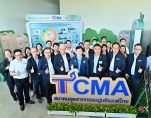
BANGKOK, THAILAND – Media OutReach Newswire – 29 January 2025 – Thai Cement Manufacturers Association (TCMA) and cement manufacturers with fully support to Saraburi Province, government agencies, private sectors, and civil society to present the one-year anniversary of progress of SARABURI SANDBOX, Thailand’s first low-carbon city. The initiative is set to advance efforts in clean energy transition, green industry, and value creation for carbon with support from […]

Max Fashion has opened its inaugural Concept Store in the UAE at Ibn Battuta Mall, marking a pivotal shift in its retail approach. The new store is the second of its kind in the GCC and represents a significant move toward transforming the traditional shopping experience. Located in one of Dubai’s most well-known shopping destinations, the store combines contemporary design with a customer-centric shopping environment, offering a […]

The Electronic Frontier Foundation has called for the dismissal of charges against Roman Storm, a key figure involved in the creation of the Tornado Cash cryptocurrency mixer. The EFF, a prominent digital rights advocacy group, argues that the prosecution of Storm and the broader case surrounding Tornado Cash represents a dangerous overreach of U.S. criminal law, extending far beyond its intended scope.

Tornado Cash, a decentralized, privacy-enhancing tool built on the Ethereum blockchain, has been a controversial figure in the growing debate over privacy and regulation in the cryptocurrency world. The platform allowed users to obscure the origin and destination of transactions, which made it popular for those seeking anonymity in their financial dealings. However, this anonymity has also made it a target for governments and regulators, who have voiced concerns about its potential use in illegal activities such as money laundering and terrorist financing.

In August 2022, the U.S. Treasury Department’s Office of Foreign Assets Control sanctioned Tornado Cash, effectively blacklisting the platform by prohibiting U.S. persons from interacting with it. This move was grounded in allegations that Tornado Cash had been used to launder over $7 billion, including proceeds from North Korean cyberattacks. Despite its focus on criminal activity, Tornado Cash’s developers, including Storm, have maintained that their platform was designed for privacy and had legitimate uses.

The legal battle escalated when Storm was arrested in the summer of 2023, charged with conspiracy to violate U.S. sanctions and facilitating the laundering of criminal proceeds. The prosecution has sparked widespread controversy in the crypto and privacy communities, with critics asserting that the case threatens to set a dangerous precedent for the broader tech and blockchain industries. The EFF’s involvement has underscored the growing concern about privacy rights and the reach of U.S. government actions over global technologies.

EFF’s stance in the case is rooted in its belief that the prosecution of Tornado Cash developers, and specifically Storm, ignores the fundamental principles of free speech and software development. The organization contends that creating open-source software, like Tornado Cash, is akin to publishing code that can be used for a variety of purposes, both legal and illegal. EFF’s legal experts argue that prosecuting developers for the potential misuse of their software would set a precedent where coders could be held liable for the actions of users, a stance they believe undermines the principles of free speech and innovation.

EFF also claims that the prosecution of Roman Storm stretches the scope of U.S. criminal laws beyond their original intent, potentially criminalizing activity that was not meant to be illegal. They point to the vagueness in the charges, asserting that the government has not demonstrated sufficient evidence to link the Tornado Cash protocol itself to any specific criminal activity. The EFF’s position is that the mere existence of a technology that can be used for illegal purposes should not result in criminal charges for its creators, especially when it is otherwise designed for legitimate use cases such as privacy protection.

The Tornado Cash case also highlights the broader tension between privacy and regulation in the digital age. Supporters of the platform argue that privacy-enhancing technologies are vital in an increasingly digital world, where financial transactions and personal data are increasingly vulnerable to surveillance. They emphasize that privacy is a fundamental right that should not be compromised, even in the face of potential misuse by criminals.

On the other hand, the U.S. government’s stance reflects growing concerns over the use of cryptocurrencies in illegal activities. The government has expressed its intent to regulate the cryptocurrency space more tightly, citing national security risks and the need to prevent financial crimes. The sanctions on Tornado Cash were seen as part of this broader effort to curb illicit activity in the crypto ecosystem. However, critics argue that such measures may inadvertently harm legitimate users who rely on privacy tools for lawful purposes.

As the case proceeds, it is expected to set a significant legal precedent for the regulation of privacy-focused technologies. The outcome could have wide-ranging implications for developers and users of privacy-enhancing tools, especially in the context of a rapidly evolving regulatory landscape surrounding digital currencies and blockchain technologies. The EFF’s push for dismissal emphasizes the need for clear legal boundaries that protect innovation and free speech while addressing legitimate concerns about criminal activity.

Roman Storm’s legal team has strongly denied the charges, maintaining that he was simply a developer of an open-source software project with no knowledge of any illicit use of Tornado Cash. They argue that the prosecution is an overreach that misrepresents the nature of the technology and the role of its developers. Storm’s case has drawn attention from a variety of legal and tech experts, many of whom argue that criminalizing the development of software based on its potential misuse is both legally and ethically problematic.

Juniper Networks has rolled out its revamped Juniper Partner Advantage 2025 program, designed to propel partner profitability and foster long-term business growth. The updated initiative introduces a range of enhanced incentives, cutting-edge tools, and a significant funding boost aimed at solidifying partnerships and maximizing the collective potential of its global ecosystem. The JPA 2025 program is a strategic response to the evolving needs of Juniper’s partners, many […]

Etihad Water and Electricity has revealed a fresh corporate identity, marking a significant step in the company’s evolution and its commitment to innovation in the UAE’s utility sector. The unveiling of the revamped logo, which combines vibrant blue and orange hues, is designed to reflect the seamless and dynamic nature of the services the utility provider offers to the nation’s residents and businesses. The new identity aims […]

Leaseweb, a global leader in cloud hosting and data center services, has significantly expanded its artificial intelligence infrastructure by incorporating NVIDIA’s cutting-edge GPUs. This move addresses the growing demand for powerful computing resources in industries such as gaming, media & entertainment, and AI. The expansion aims to meet the increasing need for scalable, high-performance computing solutions while ensuring competitive pricing that benefits a wide array of businesses. […]

DUBAI, UAE – Media OutReach Newswire – 28 January 2025 – AstraZeneca, a leading multinational pharmaceutical and biotechnology company, has been recognized as the second-best place to work across the Middle East for 2024 according to the annual prestigious “Best Places to Work” ranking. The company achieved remarkable country-specific ranking in the Best Places to Work certification, including being named the Best Place to Work for Women […]

Saudi Arabia has announced a historic move, opening doors for foreign investments in publicly-traded companies that own real estate in the holy cities of Makkah and Madinah. This marks a significant shift in the Kingdom’s approach to foreign investment, as the government seeks to diversify its economy and attract international capital to support its ambitious Vision 2030 economic plan. The decision to allow foreign investors into one […]

Pure Health, a prominent UAE-based healthcare provider, is set to acquire a controlling stake in Greece’s Hellenic Healthcare Group, marking a significant milestone in its international expansion strategy. The move is poised to strengthen Pure Health’s presence in Europe, opening doors to new growth opportunities in the rapidly evolving healthcare sector. The acquisition, which is expected to be finalized in the coming months, will give Pure Health […]

A shift in recruitment strategies across the Middle East, especially in the UAE and Saudi Arabia, signals a major move towards prioritizing skills over traditional job roles, industry experts say. Companies in these regions are adjusting their hiring approaches to match the rapidly changing demands of modern workplaces and the skills required for innovation. The concept of hiring based on specific skill sets, rather than predefined roles, […]

SINGAPORE – Media OutReach Newswire – 27 January 2025 – Dou Yee Enterprises, a prominent global player in high-tech manufacturing and precision engineering, has entered into a strategic partnership with BIOVIA a leader in scientific software solutions. Through this collaboration, Dou Yee will serve as a reseller of BIOVIA Laboratory Information Management System (LIMS) and Electronic Laboratory Notebook (ELN) software solutions across Southeast Asia. This propelled Dou […]

The Ras Al Khaimah Economic Zone (RAKEZ) has achieved an extraordinary milestone in 2024, welcoming over 13,000 new companies into its business ecosystem. This record growth marks a significant expansion for the free zone, reflecting its growing appeal to both regional and international businesses looking to capitalize on the strategic advantages offered by the UAE’s business-friendly environment.

This surge in company registrations can be attributed to a combination of factors, including the free zone’s comprehensive range of services, its cost-effective infrastructure, and the robust business climate in Ras Al Khaimah. As one of the fastest-growing economic zones in the region, RAKEZ has established itself as a vital hub for diverse industries, including manufacturing, logistics, technology, and services.

The 13,000 new companies span various sectors, underlining the broad interest in the region’s diverse economic opportunities. This growth not only strengthens RAKEZ’s position as a key player in the UAE’s economic landscape but also contributes significantly to the emirate’s overall economic development.

The free zone’s flexibility in offering tailor-made business solutions has become increasingly attractive to entrepreneurs, particularly in sectors like technology, e-commerce, and logistics, which have seen significant demand for their services. RAKEZ’s efforts to continuously enhance its infrastructure, improve customer services, and adapt to market trends have played a central role in its success.

Key to RAKEZ’s growth has been its ability to provide businesses with efficient, cost-effective solutions for setting up operations in the UAE. The zone offers a range of services, including 100% foreign ownership, zero taxation, and a simple licensing process that is especially appealing to start-ups and international companies entering the Middle East market.

Another factor contributing to the zone’s growth is the ongoing global demand for logistics and manufacturing services. As the UAE continues to develop as a global trade hub, companies in these sectors are finding Ras Al Khaimah’s strategic location and modern infrastructure increasingly appealing for establishing a foothold in the region.

For many entrepreneurs and international companies, RAKEZ’s proximity to key markets in Europe, Asia, and Africa is a major draw. The economic zone’s proximity to ports, airports, and trade routes makes it an ideal location for global logistics companies looking to expand their footprint in the Middle East and North Africa (MENA) region. With modern infrastructure that includes state-of-the-art warehouses and business parks, RAKEZ has become a preferred choice for firms seeking to establish a presence in this region.

RAKEZ’s efforts to promote innovation and technology-based industries have been a cornerstone of its success. The free zone has attracted a growing number of technology-driven companies, with particular focus on areas such as artificial intelligence, data analytics, and software development. With initiatives aimed at fostering innovation, RAKEZ continues to position itself as a leading destination for tech start-ups and established firms alike.

The zone has also focused on sustainability, which has increasingly become a significant factor for companies when choosing their business location. The UAE’s commitment to green initiatives, combined with RAKEZ’s sustainable infrastructure and green energy solutions, has contributed to its reputation as a responsible and forward-thinking business environment.

RAKEZ’s strategic focus on customer satisfaction and ease of doing business has been another key factor behind its success. The free zone provides a wide array of services that streamline the process for businesses, including fast-track licensing, streamlined visa processing, and operational support. The customer-centric approach has made it easier for companies to set up and grow, which in turn has contributed to RAKEZ’s ongoing expansion.

The steady rise in the number of new business registrations can also be seen as a testament to the overall economic resilience of Ras Al Khaimah. The emirate has shown impressive growth in various sectors, with increased foreign direct investment (FDI) and a stable business environment that continues to attract international players.

Another key driver for RAKEZ’s success has been the government’s commitment to fostering economic diversification. The UAE’s focus on creating a conducive environment for businesses to thrive has played a crucial role in ensuring that RAKEZ remains an attractive option for entrepreneurs and multinational corporations. By encouraging investment in non-oil sectors, the government has made significant strides in positioning the country as a diversified, future-ready economy.

As the global business landscape continues to evolve, RAKEZ is well-positioned to remain a major player in the UAE’s free zone ecosystem. The region’s continued growth will be shaped by its ability to attract new companies, encourage innovation, and adapt to the changing needs of a globalized economy. With its increasing prominence in key sectors like logistics, manufacturing, and technology, RAKEZ is set to remain a crucial component of Ras Al Khaimah’s economic development strategy.

By K Raveendran The Trump administration’s exploration of creating a national Strategic Bitcoin Reserve (SBR) may usher in a new era of global financial strategy, one defined by digital assets rather than traditional monetary instruments. This concept marks a potential seismic shift in how nations perceive and secure wealth, akin to the historical role of […]


ATLANTA – Newsaktuell – 23 January 2025 – DYMO®, a leading provider of innovative labeling and printing solutions and part of the Newell Brands portfolio, and GA International (LabTAG), a leader in exceptional laboratory and industrial identification solutions, have announced a strategic partnership that makes high-quality cryogenic LabelWriter® labels available to users of the DYMO LabelWriter® 5 Series printers. DYMO & GA International (LabTAG) “We are excited […]

VISHNU RAJA
RYO YAMADA
HITORI GOTOH
IKUYO KITA