News related to
Technology

NEW YORK, USA – Media OutReach Newswire – 8 May 2025 – FLock.io, a private AI training platform, closed a strategic funding round led by DCG in December 2024 and launched FL Alliance, a solution enabling decentralized AI model training. FL Alliance transforms everyday devices into training nodes, allowing users to create personalized LLMs, earn token rewards, and maintain complete data privacy. AI adoption in healthcare, fintech, […]

Coinbase Global has agreed to acquire Deribit, the world’s largest bitcoin and ether options trading platform, for approximately $2.9 billion. The transaction comprises $700 million in cash and 11 million shares of Coinbase Class A common stock, marking the company’s most significant acquisition to date.

This strategic move positions Coinbase to strengthen its presence in the burgeoning crypto derivatives market, which has witnessed substantial growth in recent years. Deribit, founded in 2016 and headquartered in Dubai, specializes in options, futures, and spot trading. The platform reported a near doubling of its trading volume in 2024, reaching $1.2 trillion, largely attributed to increased institutional participation following the U.S. elections.

The acquisition aligns with Coinbase’s broader international growth strategy, particularly as the company seeks to expand its services beyond the United States. Deribit’s active license to operate in Dubai offers Coinbase a strategic foothold in the Middle Eastern market, a region that has emerged as a key global hub for blockchain and cryptocurrency businesses amid increasing regulatory pressures in the U.S. and EU.

Greg Tusar, Coinbase’s Vice President of Institutional Product, stated, “This will make us the most comprehensive player in derivatives.” The deal underscores Coinbase’s commitment to diversifying its offerings and catering to the evolving needs of institutional clients.

The acquisition comes amid a surge in crypto-related mergers and acquisitions, fueled by a more supportive U.S. regulatory environment under President Trump. The administration has pledged to advance the country as a “bitcoin superpower,” prompting a wave of deals in the sector. Notably, Kraken agreed to a $1.5 billion deal for NinjaTrader, and Ripple announced a $1.25 billion purchase of Hidden Road.

Coinbase’s previous acquisitions, including One River Digital and Tagomi , have bolstered its service offerings and footprint in the crypto sector. The Deribit deal represents a significant step in Coinbase’s ongoing efforts to expand its global reach and capitalize on the growing demand for crypto derivatives.

Deribit’s CEO, Luuk Strijers, acknowledged the company’s receipt of strategic investment inquiries over time but emphasized that Deribit had not been put up for sale. Despite this, the company engaged Financial Technology Partners to assess potential acquisition offers, reflecting the increasing interest in crypto derivatives platforms.

A significant cybersecurity breach has compromised the LockBit ransomware syndicate, exposing nearly 60,000 Bitcoin addresses and a trove of internal data, including affiliate credentials. This development marks a pivotal moment in the ongoing efforts to dismantle one of the most prolific cybercriminal networks operating globally.

The breach, orchestrated by an international coalition of law enforcement agencies, has provided unprecedented insight into LockBit’s operations. Authorities now have access to a vast array of information detailing the group’s financial transactions, operational structures, and the identities of its affiliates. This intelligence is expected to significantly aid in the prosecution of individuals involved in the ransomware activities.

LockBit, known for its “ransomware-as-a-service” model, has been responsible for over 2,000 attacks worldwide, extorting more than $120 million from victims across various sectors, including healthcare, finance, and critical infrastructure. The group’s business model involved leasing its ransomware tools to affiliates, who would then carry out attacks and share a portion of the proceeds with the core group.

The exposed Bitcoin addresses reveal the extensive financial network underpinning LockBit’s operations. Analysis of these wallets indicates that the group had amassed over $110 million in unspent cryptocurrency, highlighting the scale of their illicit earnings. The transparency afforded by blockchain technology has enabled investigators to trace these funds, potentially leading to further asset seizures and the identification of additional perpetrators.

The breach also uncovered detailed records of LockBit’s internal communications and operational protocols. This information sheds light on the group’s recruitment strategies, target selection processes, and the methods employed to launder ransom payments. Notably, the data suggests that LockBit maintained a hierarchical structure, with a core leadership team overseeing a decentralized network of affiliates.

In response to the breach, several countries have imposed sanctions on key figures associated with LockBit. These measures include asset freezes and travel bans, aimed at disrupting the group’s activities and deterring future cybercriminal endeavors. The sanctions underscore the international community’s commitment to combating ransomware threats and holding perpetrators accountable.

HONG KONG SAR – Media OutReach Newswire – 8 May 2025 – This Mother’s Day, love finds its most radiant expression at LANDMARK in Central Hong Kong. Over 200 distinguished guests, including industry experts, LANDMARK’s esteemed clients, and a stellar lineup of celebrities—such as Michelle Wai, Best Actress of the 43rd Hong Kong Film Awards, Jay Fung, Marf Yau, DJ Ah Jeng, Jennifer Yu, Grace Chan, Albert […]

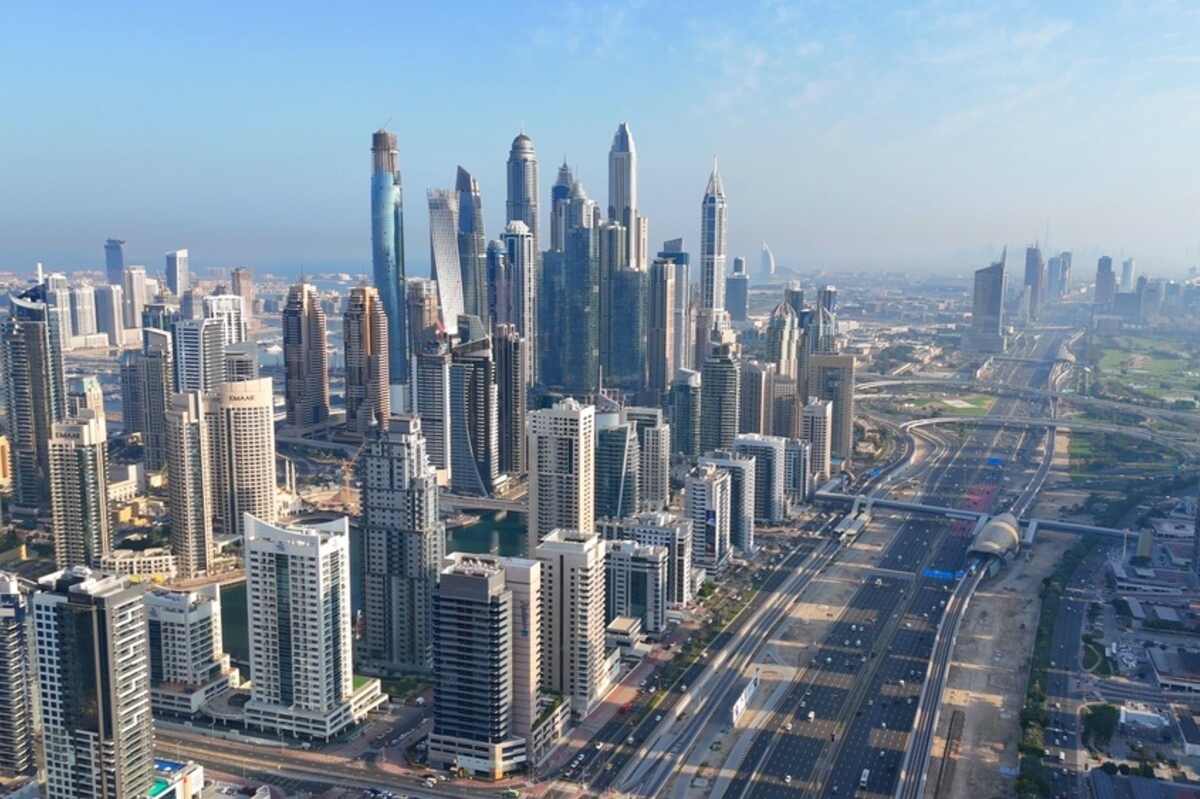
The UAE’s blockchain market is expected to experience robust growth, with a compound annual growth rate of approximately 42% from 2025 to 2030. This surge is being driven by strategic government initiatives aimed at harnessing the potential of blockchain technology, positioning the UAE as a global leader in the sector.

The Emirates Blockchain Strategy 2021, alongside the Dubai Blockchain Strategy, has been a key factor in propelling the country’s blockchain ambitions. The UAE government aims to transform Dubai into the first city fully powered by blockchain technology, establishing the city as a central hub for digital innovation. The National Blockchain Strategy, launched to cover the period from 2021 to 2031, outlines a bold vision for the country, with a target to convert 50% of government transactions into blockchain-based systems. This initiative is set to fundamentally reshape the public sector, enhancing transparency, efficiency, and security in governmental operations.

At the heart of this growth is a clear government-driven commitment to blockchain, which has fostered a conducive environment for both local and foreign investors. By encouraging blockchain adoption across various sectors, the UAE has attracted substantial interest from international businesses seeking to tap into this emerging market.

Blockchain’s applications in sectors beyond government administration, such as finance, healthcare, and logistics, are seeing increased adoption across the UAE. The integration of blockchain into these industries promises to revolutionise processes, particularly in terms of data security and automation.

The rise in interest surrounding digital assets, especially cryptocurrencies such as Bitcoin and Ethereum, has further bolstered blockchain’s relevance in the UAE. As a growing hub for cryptocurrency, the UAE’s regulatory bodies have facilitated the establishment of secure environments where blockchain-powered digital assets can thrive. The Abu Dhabi Global Market and Dubai Multi Commodities Centre have set high standards for crypto businesses, ensuring that these ventures operate within a structured, regulated framework. This regulatory clarity has positioned the UAE as a safe and attractive destination for cryptocurrency investors and entrepreneurs.

The surge in blockchain-related developments has also had a ripple effect on startup ecosystems in the UAE. Many tech startups are focusing on blockchain innovations, tapping into the opportunities offered by a market eager for cutting-edge technology solutions. The government has offered various incentives to these startups, making it easier for entrepreneurs to develop and launch blockchain solutions across different industries. This includes support for research and development, tax incentives, and access to venture capital funding.

International investors have also shown significant interest in the UAE’s blockchain market. The country’s stable regulatory environment, coupled with its proactive stance on blockchain integration, makes it an attractive destination for global investors seeking exposure to the digital economy. The UAE’s financial and regulatory bodies, such as the UAE Central Bank, have been instrumental in ensuring that blockchain technologies are seamlessly integrated into existing financial infrastructure, laying the groundwork for future innovations in digital banking and transactions.

The UAE’s focus on blockchain adoption has resulted in collaborations with global technology giants. International companies, especially those from the fintech and tech sectors, are increasingly establishing a presence in the UAE, taking advantage of the region’s favourable business environment. These collaborations are not only elevating the UAE’s technological landscape but also contributing to the global development of blockchain technology.

One of the UAE’s strategic advantages is its ability to position itself as a gateway for the Middle East, Africa, and Asia in terms of blockchain technology. The country’s well-established infrastructure, highly developed financial services industry, and strong governmental support provide an ideal backdrop for the scaling of blockchain-related businesses and projects.

In addition, the UAE is committed to building a strong talent pool in blockchain technology. With the rapid rise of blockchain across industries, there has been a growing demand for professionals with expertise in blockchain development, smart contracts, and digital asset management. The UAE has introduced various educational initiatives to address this demand, including partnerships with international universities and the establishment of blockchain-focused training programmes.

Despite the promising outlook, the UAE’s blockchain market faces challenges, including the need for continuous technological innovation and regulatory adaptation to keep pace with the rapidly evolving sector. The country will need to ensure that its legal and financial infrastructure remains flexible and dynamic, catering to the needs of blockchain developers, crypto investors, and businesses seeking to integrate blockchain into their operations.

The adoption of blockchain technology across various sectors will require overcoming cultural and institutional resistance. Although the government has made significant strides in promoting blockchain, further education and awareness campaigns may be needed to ensure that blockchain’s potential is fully realised across all industries.


Netflix is undertaking a significant overhaul of its user interface, introducing an AI-driven search feature and a vertical video feed reminiscent of TikTok, aiming to streamline content discovery and enhance user engagement. The updates are part of the company’s strategy to address decision fatigue among its over 300 million global subscribers and to maintain a competitive edge in the streaming industry. The revamped TV app interface will […]

Dubai’s real estate market is poised for substantial expansion, with projections indicating a potential doubling of property values over the next five years, according to Abdullah Alajaji, CEO of Driven Properties. This optimistic outlook is underpinned by a combination of robust demand, strategic urban planning, and investor-friendly policies.

Average property prices in Dubai have surged by approximately 75% since early 2021, nearing the pre-2008 peak of AED 1,750 per square foot. This growth is attributed to a 50-month rally driven by economic resilience, liberalized visa regulations, and a significant influx of expatriates. The city’s population is projected to exceed 4 million by 2026, fueling sustained demand for residential properties, particularly in emerging areas such as Dubai South, Jumeirah Village Circle, and Dubai Hills Estate.

The luxury segment has witnessed remarkable activity, with sales of properties valued at AED 15 million and above reaching 948 transactions in 2024. Developments like Palm Jumeirah and Dubai Hills Estate have been at the forefront, attracting high-net-worth individuals seeking premium residences. The introduction of branded residences and ultra-luxury waterfront properties continues to appeal to affluent buyers.

Dubai’s government has implemented several initiatives to enhance the real estate sector’s appeal. Notably, policies allowing 100% foreign ownership of commercial companies outside free zones have been introduced, boosting investment in office and retail spaces. The expansion of the golden visa scheme has further attracted international investors, contributing to increased demand for high-end properties.

Sustainability and smart technology are increasingly influencing buyer preferences. By 2025, it is anticipated that 35% of new office spaces in Dubai will be LEED-certified, reflecting a shift towards eco-friendly developments. Smart homes equipped with IoT-enabled features, AI-powered security, and blockchain-based transaction systems are becoming more prevalent, aligning with the city’s commitment to innovation and sustainability.

The off-plan market remains a significant driver of growth, with 7,381 transactions recorded in January 2025 alone, totaling AED 15.1 billion. Flexible payment plans and attractive pricing continue to draw both foreign investors and end-users. Additionally, the redevelopment of areas like Sheikh Zayed Road and Al Jaddaf into freehold zones is expected to attract new investors and spur property value increases of 30-50% in these locations.

Despite the impressive growth, the market faces potential risks, including global economic fluctuations and oil price volatility. However, Dubai’s efforts to diversify its economy and attract foreign investment provide a solid foundation for long-term resilience. The city’s proactive approach to urban planning, coupled with its focus on sustainability and innovation, positions it favorably for continued growth in the real estate sector.

Advertisements

Tether, the issuer of the popular stablecoin USDT, is set to launch its token on the Kaia blockchain, marking a significant move into the ecosystem of LINE NEXT, the subsidiary of the messaging giant LINE Corporation. This new development will enable LINE users to access a range of blockchain-based financial services directly from their platform. Through this partnership, the USDT stablecoin will be integrated into LINE’s Mini Dapp platform and wallet, broadening the scope of services available to millions of users within LINE’s ecosystem.

The collaboration between Tether, Kaia, and LINE NEXT aims to leverage the fast-growing trend of integrating blockchain technology with mobile apps, particularly in Asia, where LINE has a dominant presence. LINE NEXT, which focuses on the development of Web3 and blockchain-related technologies, is poised to play a key role in facilitating the adoption of digital currencies within LINE’s ecosystem. By integrating USDT into its Mini Dapp platform, LINE hopes to attract more users to explore decentralized finance services, including payments, cross-border remittances, and token transfers.

The partnership is expected to provide LINE users with enhanced payment options, allowing them to transfer funds internationally with minimal fees. The use of USDT, a stablecoin pegged to the US dollar, offers an appealing solution for users who wish to avoid the volatility often associated with cryptocurrencies. Tether’s USDT is already one of the most widely adopted stablecoins, with billions of dollars in circulation, making it a reliable option for both retail and institutional users.

The inclusion of USDT on the Kaia blockchain represents a significant milestone for both Tether and the broader blockchain industry. The Kaia blockchain, which has been gaining attention for its focus on scalability and security, will benefit from the increased demand for its services through this partnership. The Kaia blockchain is expected to provide a robust and efficient infrastructure for Tether’s USDT transactions, offering users fast and secure transfers while ensuring that the scalability needs of the growing LINE ecosystem are met.

With the integration of USDT into LINE’s Mini Dapp platform, users will be able to engage in a variety of blockchain-based financial activities without leaving the LINE app. This includes paying for goods and services, making cross-border payments, and participating in DeFi services such as lending and borrowing. LINE has already made significant strides in incorporating blockchain technology into its platform, and this move is expected to further solidify its position as a leader in the Web3 space.

The timing of this partnership comes at a crucial moment in the evolution of blockchain technology, as more companies and platforms are exploring ways to integrate digital currencies into their services. The popularity of mobile payment systems and the growing adoption of DeFi services make this collaboration particularly noteworthy. By providing a seamless experience for users to access both traditional and decentralized financial services, LINE and Tether are tapping into a new wave of digital financial innovation.

LONDON, UNITED KINGDOM – Media OutReach Newswire – 7 May 2025 – Diginex Limited (“Diginex”) (NASDAQ: DGNX), a global leader in ESG sustainable RegTech, is pleased to announce that His Highness Shaikh Mohammed Bin Sultan Bin Hamdan Al Nahyan, a member of the Abu Dhabi Royal Family, has purchased warrants to purchase 6.75 million Ordinary Shares of Diginex (the “Warrants”) in a private transaction for a consideration […]

The UK Treasury has confirmed it will not pursue the establishment of a national cryptocurrency reserve, diverging from the approach taken by the United States. Instead, the government will focus on implementing a comprehensive regulatory framework for digital assets and exploring the issuance of sovereign debt via blockchain technology.

Treasury Secretary Emma Reynolds stated that creating a crypto reserve is not aligned with the UK’s strategic objectives. The emphasis will be on fostering innovation within a regulated environment, ensuring consumer protection, and maintaining financial stability.

To this end, the UK government has introduced draft legislation aimed at regulating cryptocurrency exchanges, dealers, and agents. These regulations will require crypto firms operating in the UK to adhere to standards for transparency, consumer protection, and operational resilience. The legislation is expected to be finalised by the end of 2025.

The Financial Conduct Authority plans to prohibit retail investors from borrowing funds, including via credit cards, to purchase cryptocurrencies. This measure is designed to protect consumers from the high risks associated with crypto investments. The FCA is also considering implementing credit checks and investment experience assessments for consumers involved in crypto lending and borrowing.

In a move to modernise the UK’s financial markets, the government is exploring the issuance of “digital gilts” on the blockchain. This initiative aims to enhance the efficiency and transparency of the debt issuance process. The Digital Securities Sandbox , launched jointly by the Bank of England and the FCA, will facilitate the testing of such innovations within a regulated environment.

The UK is also working closely with the United States to align regulatory approaches to digital assets. This collaboration includes discussions on a regulatory “sandbox” for digital securities and the exemption of overseas stablecoin issuers from UK regulations, provided they comply with equivalent standards in their home jurisdictions.

Industry leaders have expressed support for the UK’s approach, highlighting the importance of clear and forward-looking regulation to stimulate innovation and growth. They commend specific measures such as the proposed stablecoin regime and the UK-US regulatory sandbox, which are seen as steps towards establishing the UK as a global hub for digital assets.

While the UK government is accelerating efforts to develop a clear definition of cryptoasset staking and to establish a taxonomy of different staking business models, it does not intend to bring stablecoins into UK payments regulation at this time. This decision is based on the current use cases and aims to avoid placing additional regulatory burdens on certain stablecoin activities.

G42, an AI powerhouse based in Abu Dhabi, is embarking on an ambitious expansion into the United States. This move signals the UAE’s broader strategy to solidify its role as a global leader in artificial intelligence, a sector that has become a cornerstone of its economic vision for the future. The company, founded in 2018, has grown swiftly into a major player in the Middle East’s rapidly […]

A high-level delegation from Abu Dhabi has arrived in Tokyo for the inaugural Abu Dhabi Investment Forum, marking a significant step towards deepening the economic ties between the UAE capital and Japan. The four-day visit, running from May 6 to 9, sees top officials and private sector leaders from Abu Dhabi engaging with their Japanese counterparts to explore new areas of collaboration, particularly in advanced industries such […]

Dubai Multi Commodities Centre has unveiled two new business licence categories designed to offer greater flexibility and efficiency for companies operating in the UAE. The newly introduced Special Purpose Vehicle and Holding Company licences are aimed at providing businesses with enhanced options for structuring investments, managing assets, and overseeing operations across the region. The initiative reflects DMCC’s continued efforts to adapt to the evolving needs of the […]

Dubai Holding, a leading global investment conglomerate, has announced the listing of its Dubai Residential Real Estate Investment Trust on the Dubai Financial Market . This marks the first initial public offering in Dubai for the year, reflecting the continuing strength of the emirate’s thriving property sector.

The Dubai Residential Reit, a sharia-compliant fund that generates income through investments in residential real estate, is set to offer 1.625 billion units, representing 12.5 per cent of the total stake in the trust. Dham Investments, a fully owned subsidiary of Dubai Holding, is behind the move, aiming to diversify the company’s portfolio and expand its reach in the regional real estate market.

The subscription period for the offering will run from May 13 to May 20, 2025. After this, the final offer price will be disclosed on May 21, with the trading of the Reit’s units expected to commence on the Dubai Financial Market on May 28, 2025. The offer is poised to attract a wide range of investors, from institutional to retail, as the Dubai property market continues to attract significant interest from global investors.

The Dubai property market has shown remarkable resilience in the face of global economic challenges, with both residential and commercial segments witnessing robust growth. With high demand for luxury homes, rental properties, and mixed-use developments, the Reit presents a strategic opportunity for investors to gain exposure to the lucrative Dubai real estate market.

This IPO comes amid a boom in the emirate’s property market, fuelled by strong investor confidence, favourable government policies, and an influx of expatriates looking to secure a foothold in one of the world’s most dynamic cities. Dubai’s real estate market has been one of the most resilient globally, thanks to a range of measures introduced by the government to attract foreign investment, including long-term residency options for investors and property owners.

The listing is also significant for Dubai Holding, which has consistently sought to diversify its investment portfolio across various sectors, including real estate, hospitality, and technology. As one of the largest investment companies in the UAE, Dubai Holding’s strategic shift into the publicly traded real estate space could potentially open doors for further capital raising and market expansion in the region.

The offering is expected to draw attention not only from regional investors but also from international funds, as Dubai continues to be a top destination for global real estate investments. With property prices expected to maintain upward momentum in the coming months, the timing of the IPO could prove advantageous, particularly as Dubai continues to grow as an international business hub.

The Dubai Residential Reit has a strong portfolio of residential assets, strategically located in prime areas across the emirate. These properties are anticipated to generate consistent rental income, making the Reit an attractive investment for those seeking exposure to Dubai’s booming property market without the complexity of direct property ownership. Investors will also benefit from the fund’s income-distributing structure, with regular dividend payouts projected over time.

The IPO follows Dubai Holding’s broader strategy of strengthening its presence in key sectors and diversifying its investment base. With the growing demand for real estate in the region, Dubai Holding’s decision to list the Reit is seen as a move to unlock value from its high-quality assets while expanding its footprint in the public capital markets.

As with all public offerings, the success of this IPO will depend on the investor appetite, market conditions, and the overall economic landscape. Despite this, Dubai’s real estate sector remains resilient, buoyed by strong fundamentals and continuous infrastructure development that supports both residential and commercial property demand.

The Dubai Financial Market has positioned itself as a key player in the region’s capital markets, and the listing of Dubai Residential Reit is expected to contribute to further growth in market activity. It marks a significant milestone for the DFM, which has seen a series of successful listings in recent years, strengthening its position as a leading financial hub in the Middle East.

Emirates Integrated Telecommunications Company has reported a strong financial performance for the first quarter of 2025, reflecting substantial growth in both net profit and revenues. The company’s net profit surged by 19.8%, reaching AED 722 million , while revenues increased by 7.4% year-on-year to AED 3.8 billion. The results highlight du’s resilience and strategic initiatives in a highly competitive telecom market.

The strong growth in net earnings is primarily attributed to du’s effective management of its revenue mix and operational costs. The company’s EBITDA also saw a notable increase of 15%, amounting to AED 1.8 billion. This growth in earnings before interest, tax, depreciation, and amortisation was aided by the improved cost management strategies and a more balanced revenue distribution, which contributed to an EBITDA margin of 47.4%. This marked a 3.1 percentage-point improvement from the same period last year.

du’s performance in Q1 2025 underscores the success of its ongoing transformation efforts aimed at strengthening its market position. The company has made significant strides in diversifying its product and service offerings, tapping into new revenue streams, and expanding its digital services portfolio. These measures have not only helped improve its financial outcomes but also bolstered its competitiveness in an evolving telecommunications landscape.

The telecom industry in the UAE, which continues to be driven by technological advancements and digital transformation, has seen both du and its competitors adapt to changing consumer demands. With an increasing reliance on mobile data, fibre optics, and digital platforms, du has managed to capitalise on this shift by enhancing its service delivery and improving customer experience. The company’s digitalisation strategy has been integral to this growth, positioning it as a strong player in both consumer and business sectors.

In terms of operational performance, du has placed a significant emphasis on network optimisation and infrastructure upgrades. This includes expanding its 5G capabilities, which have become a crucial part of the telecom landscape in the UAE. As 5G networks continue to roll out across the country, du’s investments in next-generation technologies are likely to provide a competitive edge, enabling it to meet the growing demand for faster and more reliable mobile connectivity.

The company has also focused on improving its cost management strategies, which have been a key factor in its improved profitability. By streamlining operations, reducing unnecessary expenditures, and optimising its resource allocation, du has been able to maintain a healthy margin despite the competitive pressures in the telecom sector.

Another factor contributing to du’s success has been its continued focus on expanding its customer base. The company has increased its customer acquisition efforts, both in the consumer and enterprise markets, offering tailored solutions to meet the needs of various segments. With a robust digital strategy, du has been able to deliver value-added services, such as cloud solutions, IoT, and advanced cybersecurity offerings, which are highly sought after by businesses and government entities.

Looking ahead, du’s financial outlook remains positive, with analysts forecasting continued growth in the upcoming quarters. The company’s strong market position, enhanced service offerings, and commitment to technological innovation are expected to support its long-term growth trajectory. Furthermore, the UAE’s ongoing infrastructure development and plans for economic diversification are likely to present further opportunities for du to expand its footprint.

Despite the challenging nature of the telecom industry, characterised by high competition and regulatory pressures, du’s performance demonstrates its ability to adapt and thrive. The company’s proactive approach to cost control, investment in technology, and customer-centric focus have proven to be effective strategies in maintaining profitability and growth.

Dubai’s equity market emerged as the top performer among Gulf Cooperation Council bourses in April 2025, registering a 4.1% gain driven by robust activity in the real estate and banking sectors. This contrasts with the broader S&P GCC Composite Index, which declined by 1% during the same period, reflecting mixed performances across the region amid fluctuating oil prices and global trade uncertainties.

The banking sector played a pivotal role in Dubai’s market ascent. Dubai Islamic Bank , the largest Sharia-compliant lender in the UAE, reported an 8% year-on-year increase in net profit for the first quarter of 2025. This growth was underpinned by a 7% rise in net financing and sukuk investments, reaching AED 212 billion. DIB’s asset quality improved significantly, with impairment charges dropping by 71% to AED 407 million and the non-performing financing ratio decreasing to 4%. The bank’s shares responded positively, posting a 5.4% gain in April.

In the real estate sector, Emaar Properties experienced a 1.5% decline in its stock price, contributing to a 0.4% dip in Dubai’s main index on April 30. Despite this, the overall monthly performance remained strong, bolstered by gains in other financial institutions. Emirates NBD, for instance, saw its shares rise by 1.2%, reflecting investor confidence in the banking sector’s resilience.

Abu Dhabi’s stock market also recorded positive movement, with its index climbing 1.8% in April. First Abu Dhabi Bank , the UAE’s largest lender by assets, exceeded first-quarter profit expectations, reporting a 23% year-on-year increase in net profit to AED 5.13 billion. This performance was driven by a substantial rise in non-interest income, which grew by 22% to AED 3.8 billion. FAB’s strategic restructuring, including the appointment of Linos Lekkas as head of investment banking and a reorganisation into four operational divisions, has been positively received by investors, with the bank’s shares gaining 8.7% over the month.

Qatar’s equity markets posted a 2.2% growth in April, supported by a 1.4% increase in Qatar Islamic Bank shares. However, the broader market sentiment was tempered by declines in other sectors, such as a drop in Qatar Gas Transport’s stock ahead of its earnings report.

In contrast, Saudi Arabia’s main index experienced a slight decline of 0.1% on April 30, influenced by falling oil prices and weaker corporate earnings. Saudi Aramco’s shares fell by 0.6%, while Americana Restaurants International saw a 2.2% decrease following a drop in quarterly profits. Alinma Bank’s stock also declined by 1.2% due to a sequential drop in quarterly profits.

UAE Cybersecurity Powerhouse CPX Appoints Tenet as Digital Growth Partner to Accelerate Regional and Global Expansion Award-winning UI/UX and growth marketing agency Tenet (We are Tenet) selected to spearhead CPX’s digital transformation efforts and accelerate global market expansion following strategic G42 acquisition. Abu Dhabi, UAE – May 5, 2025 – Tenet (We are Tenet), a globally recognized growth marketing and UI/UX design agency, today announced its appointment […]

OpenAI is advancing towards acquiring Windsurf, an AI-powered coding assistant formerly known as Codeium, in a transaction valued at approximately $3 billion. If finalized, this acquisition would represent OpenAI’s largest to date, underscoring its commitment to enhancing its capabilities in AI-driven software development. Windsurf, founded in 2021 by MIT alumni Varun Mohan and Douglas Chen, has rapidly gained prominence in the developer tools sector. The company offers […]

DUBAI, UAE – Media OutReach Newswire – 5 May 2025 – Zindi, the leading professional network for data scientists and AI developers in emerging markets, is pleased to announce that it has signed a Memorandum of Understanding (MOU) with Cassava Technologies, a global technology leader of African heritage, to deliver artificial intelligence (AI) solutions and GPU-as-a-Service (GPUaas) across the African continent. This partnership represents a significant step […]

The security situation between India and Pakistan has escalated to its highest point in years after a deadly assault on Indian tourists in Kashmir last month. The attack, which claimed several lives, has intensified long-standing hostilities between the two nuclear-armed neighbours. Both nations now stand at a critical juncture, with diplomatic channels strained and military forces on high alert, leading many to fear the potential for an […]

Formula E has showcased a significant advancement in electric vehicle technology by completing a full lap of the Monaco circuit using energy solely regenerated through braking. This achievement was accomplished by the GENBETA prototype, a modified version of the GEN3 race car, during a controlled descent of over 1,000 vertical metres on the Col de Braus in the French Alps. The GENBETA prototype represents a leap in […]

Kyrgyzstan is set to launch a gold-backed stablecoin, the Gold Dollar , in the third quarter of 2025. The initiative, spearheaded by the Ministry of Finance, aims to integrate blockchain technology into the national financial system, offering a transparent and stable digital asset backed by $500 million in gold reserves. Plans are underway to increase this backing to $2 billion within two years.

Unlike central bank digital currencies , USDKG operates within a privately managed smart contract ecosystem, ensuring security and transparency without central bank control. The stablecoin is pegged 1:1 to the U.S. dollar and will initially launch on the Ethereum blockchain, with intentions to expand to other chains as adoption grows.

USDKG is designed to facilitate cross-border payments, a significant feature for Kyrgyzstan, where remittances account for approximately 30% of the country’s GDP. The stablecoin enables instant, low-cost international transactions, making it easier for workers abroad to send money home.

Transparency is a cornerstone of USDKG’s design. Each token is verifiably tied to physical gold stored in secure, audited vaults. A publicly accessible proof-of-reserves system will be available, allowing real-time verification of gold reserves and stablecoin issuance on the blockchain.

The Kyrgyz government has also proposed legislation to establish licensed crypto banks, aiming to provide regulated banking services related to digital assets and cryptocurrencies. This move is intended to legalize and regulate the cryptocurrency market, increase trust in crypto assets, and mitigate risks of fraud and unauthorized access to funds.

In addition to USDKG, the National Bank of the Kyrgyz Republic plans to launch a digital national currency, the digital som, by the end of 2026. The digital som will coexist with traditional cash and non-cash currencies, facilitating cashless transactions and improving control over budget spending.

AD Ports Group and the General Authority for the Suez Canal Economic Zone have entered into a significant partnership to develop a state-of-the-art industrial and logistics park at East Port Said, positioned strategically on the Mediterranean coast. The deal, formalised with a 50-year renewable usufruct agreement, is set to transform the region into a global trade and industrial hub, enhancing Egypt’s role in the international trade landscape.

The industrial park, spanning 20 square kilometres, will be located near the Egyptian city of Port Said, right at the entrance to the Suez Canal. This prime location offers a unique opportunity to establish a critical node for the East-West trade routes. The Suez Canal, already a vital passage for global maritime trade, is expected to see increased economic activity with the development of the new park.

The agreement was signed in Cairo in a ceremony attended by key figures from both the UAE and Egypt. Dr. Mostafa Madbouly, Egypt’s Prime Minister, was present to oversee the occasion, which also saw notable ministers and officials in attendance, including Dr. Sultan Al Jaber, UAE Minister of Industry and Advanced Technology, and Lieutenant General Engineer Kamel Al Wazir, Egypt’s Deputy Prime Minister for Industrial Affairs and Minister of Industry and Transport. From the business side, Captain Mohamed Juma Al Shamisi, Managing Director and Group CEO of AD Ports Group, and Mr. Waleid Gamal El-Dien, Chairman of SCZONE, were also among those involved in the proceedings.

This agreement marks a milestone in Egypt’s ongoing efforts to attract investment into its industrial and logistics sectors. By developing the East Port Said Industrial Zone, both countries are tapping into the immense potential for trade and industry in the region. The new industrial park aims to provide a wide range of services, from manufacturing and assembly to warehousing and distribution, tailored to serve both regional and global markets.

The development of the KEZAD East Port Said Industrial and Logistics Zone is expected to offer numerous advantages. Chief among these is its proximity to the Suez Canal, which connects the Mediterranean Sea to the Red Sea, making it a critical gateway for goods moving between Europe, Asia, and the Middle East. This location is anticipated to drive trade growth and improve logistics efficiency, benefitting international companies looking to establish a presence in the region.

The park will leverage the existing infrastructure in Port Said, including its deep-water port and transport links, to support the smooth flow of goods and services. The project is poised to attract multinational companies, as it offers easy access to one of the world’s busiest trade routes. The emphasis on advanced technology and industrial processes will further strengthen Egypt’s competitive edge in the global market.

This development is not just an economic opportunity for Egypt but also an important step in strengthening ties between the UAE and Egypt. The UAE, through AD Ports Group, has long been a key player in global logistics and infrastructure development, and this partnership builds upon their growing presence in Egypt. The collaboration aims to attract investments, create job opportunities, and support Egypt’s vision for economic diversification.

In addition to its strategic location, the park is designed to cater to the evolving needs of industries that are integral to Egypt’s economic future, such as manufacturing, technology, and logistics. The project is expected to facilitate the integration of advanced technologies in the industrial sector, allowing companies operating in the park to benefit from cutting-edge facilities and services. This will further cement the area’s status as a key investment destination for both domestic and international investors.

As the agreement paves the way for large-scale development, it is also expected to foster innovation and the adoption of sustainable practices in the industrial and logistics sectors. The emphasis on sustainability aligns with global trends towards greener industrial practices and further boosts the appeal of East Port Said as a forward-thinking industrial hub.

With a long-term focus on growth and development, the agreement also outlines provisions for the renewal of the usufruct, ensuring that the project remains viable and adaptable over the decades. This long-term commitment is a testament to the confidence both AD Ports Group and SCZONE have in the potential of the East Port Said region and its capacity to drive forward Egypt’s economic ambitions.

The involvement of high-profile figures, including government ministers and ambassadors, underlines the significance of the deal, not only for Egypt but also for the broader region. It reflects a shared vision between Egypt and the UAE to strengthen economic ties, increase trade, and improve infrastructure. This cooperation also supports broader regional stability and economic growth, with the East Port Said development serving as a symbol of the growing partnerships between the UAE and Egypt.

United Airlines has cut 35 daily flights at Newark Liberty International Airport, citing a critical shortage of air traffic controllers and repeated failures in the Federal Aviation Administration’s infrastructure. The move, which affects approximately 10% of United’s domestic round-trip operations at the airport, follows days of severe delays, cancellations, and diversions that have rippled across the national aviation network. Chief Executive Scott Kirby described the situation as […]

VISHNU RAJA
RYO YAMADA
HITORI GOTOH
IKUYO KITA
Just in:
OpenAI unveils ChatGPT Wallet for agent-led purchases // Iran claims six-drone operation against US radar in Bahrain // The Honey Trap Is The Headline, The Chip Pipeline Is The Story // Danone expands consumer insight capabilities to accelerate nutrition innovation through Southeast Asia R&I Application Lab upgrade // HKGSEO Launches New SEO×GEO Dual-Engine Optimization Monthly Plan // Bahrain broadcasts nationwide safety warnings amid aerial threats // October Food Price Shock Has Far Reaching Consequences // Salik posts Dhs1.045bn profit despite lower toll traffic // Microsoft apologises as Outlook services recover after outage // Hong Kong International Airport Online Shop Winter Festive Offer // US authorities dismantle North Korean cryptocurrency deception infrastructure // China Reconciled To U.S. Curbs On Chips Exports, Woos South Korea For Supply // US resumes flights after nationwide air traffic shutdown // Hong Kong schedules Gulf-Asia investment forum for 2027 // Govt rejects SIT Pooram report, orders new probe // Sun World Ba Den Mountain marks Vietnam Culture Day, welcoming Cambodian visitors over Bon Om Touk // TORRAS Launches Two New iPhone Duo Cases from Its Popular Ostand Series, Addressing Foldable Phone Users’ Concerns About Difficult Stand Positioning and Scratches // Pink Economy report puts equal rights at the heart of Thailand’s road to Bangkok WorldPride 2030 // BJP-sponsored school exam approval revoked // Fitch maintains UAE rating as 2026 growth persists //