News related to
Technology

Telegram has partnered with Libre to tokenize $500 million worth of bonds, marking a significant step in the integration of traditional financial instruments with blockchain technology. This collaboration is set to bring Telegram’s bond offerings onto The Open Network , a blockchain designed to enable scalable and fast transactions. The move represents a noteworthy expansion of Telegram’s efforts to bridge the gap between conventional finance and decentralised finance .

The Telegram Bond Fund will serve as a platform through which these tokenized assets can be utilised within DeFi protocols. This integration allows the bonds, typically constrained to traditional markets, to become part of the rapidly growing blockchain-based financial ecosystem. By leveraging the TON network, Telegram and Libre aim to make bond trading more accessible, transparent, and efficient, tapping into the growing demand for tokenised assets in the DeFi space.

The use of blockchain technology for tokenizing bonds allows for fractional ownership, providing an opportunity for retail investors to participate in markets traditionally dominated by institutional investors. Blockchain’s inherent security and transparency features are expected to provide an additional layer of trust and legitimacy to bond markets. Investors will be able to trade these tokenized bonds with greater speed and efficiency compared to conventional methods, which often involve lengthy settlement times and high fees.

The Telegram Bond Fund’s tokenisation process will employ the TON blockchain to ensure a seamless transfer of digital assets. This process allows for bonds to be divided into smaller units, or tokens, which can be traded and transferred across the TON network. Each token will represent a share in the underlying bond, enabling investors to buy, sell, or hold them as they would any other digital asset. This could have profound implications for both the bond market and the broader DeFi space, which has long sought to integrate more traditional financial products into its decentralised framework.

For Telegram, the move is a strategic effort to expand its financial ecosystem beyond its messaging platform. Telegram has already introduced several innovative features, including its TON-based cryptocurrency wallet and TON coin. By introducing tokenised bonds, Telegram is broadening its financial services, positioning itself as a key player in the intersection of social media, messaging, and decentralised finance. The platform’s large user base offers a unique advantage, providing instant access to millions of potential investors who may be drawn to the ease of using Telegram for both social communication and financial transactions.

Libre’s role in the partnership is crucial, as it will facilitate the actual process of tokenisation and integration with DeFi protocols. The company has built its reputation by bridging traditional finance with blockchain technology, creating platforms that allow traditional assets to be digitised and traded on decentralised networks. Libre’s expertise in this area will enable the successful launch and operation of the Telegram Bond Fund, ensuring that the tokenised bonds adhere to the necessary legal and regulatory standards.

The integration of tokenised bonds into DeFi protocols opens up new possibilities for yield generation and liquidity provision. Investors will not only be able to buy and hold these digital bonds, but also engage in activities such as staking or lending within the TON network’s decentralised finance protocols. This could provide an additional avenue for users to earn returns on their investments, further increasing the appeal of tokenised bonds in the DeFi space.

As blockchain technology continues to mature, tokenisation of traditional assets like bonds is becoming increasingly common. This trend reflects a broader movement towards digitising traditional financial systems to make them more accessible, efficient, and user-friendly. For years, the potential for blockchain to revolutionise financial markets has been discussed, but the adoption of tokenisation is now gaining significant traction, with many believing that the future of finance lies in decentralised networks and digital assets.

Telegram’s entry into the bond tokenisation space is another step towards fulfilling this vision, making it possible for individuals to participate in financial markets in ways that were previously unavailable. It also signals the increasing importance of platforms like TON, which offer an infrastructure capable of supporting large-scale tokenisation projects. With the backing of a messaging platform as influential as Telegram, the success of this venture could pave the way for more established financial institutions to consider similar integrations with blockchain networks.

The regulatory landscape surrounding tokenisation remains a complex issue. While blockchain technology offers many advantages, including transparency and decentralisation, it also presents challenges in terms of legal compliance, especially when it comes to securities laws. However, Telegram’s entry into this market, along with the legal oversight provided by Libre, suggests that the project is designed to meet regulatory requirements, which may help alleviate concerns about the legality and legitimacy of tokenised bonds.


Enabling customers to make better informed sustainability and business decisions 14 environmental data attributes now covering 70% of product turnover HONG KONG SAR – Media OutReach Newswire – 30 April 2025 – Schneider Electric, the leader in the digital transformation of energy management and automation, has launched its Environmental Data Program. This initiative, which builds on the legacy Green Premium label, provides customers with unique access to […]

MACAU SAR – Media OutReach Newswire – 30 April 2025 – In celebration of the 30th anniversary of diplomatic relations between China and Monaco, Galaxy Macau™ proudly presents the “Galaxy Music Gala: A Musical Journey from Monaco to Macau“. On May 21. This prestigious evening of classical music celebrates the deepening friendship between China and Monaco over the years with musical charm, further promoting exchanges and cooperation […]

Jollibee Group remains the sole Philippine-based company to be recognized by the prestigious award MANILA, PHILIPPINES – Media OutReach Newswire – 29 April 2025 – The Jollibee Group, one of the world’s fastest-growing restaurant companies, has once again been recognized for its commitment to fostering a joyful workplace culture. For the fourth time, the company has received the Gallup Exceptional Workplace Award (GEWA)—a prestigious global recognition given […]

Kazakhstan’s oil production from April 1 to 28 reached 1.814 million barrels per day , exceeding its OPEC+ quota of 1.473 million bpd by over 340,000 bpd, despite a 3% decline from March’s average. This overproduction continues a pattern observed in previous months, with March’s output at 1.8 million bpd, surpassing the quota by 332,000 bpd. The Chevron-led Tengiz oilfield, Kazakhstan’s largest, has been a significant contributor […]

Reimagining collaborative approaches to silver economy with government, businesses and social enterprises HONG KONG SAR – Media OutReach Newswire – 29 April 2025 – As Hong Kong and other cities in the Greater Bay Area face challenges brought by an ageing population, DBS Foundation (“DBSF”) believes that a senior-friendly community can be a powerful driver for innovation and economic growth. DBSF today hosts its first-ever “GBA Impact […]

China International Capital Corp. is intensifying efforts to expand its presence beyond mainland China by establishing a new branch in Dubai and deepening its foothold in Southeast Asia, as global demand for cross-border financial services continues to grow. The Beijing-based investment bank, recognised as one of the country’s most influential financial institutions, is preparing to open a new branch in the Gulf city to cater to sovereign […]

Advertisements

DXC Technology has launched its new AI Workbench, designed to help businesses across various industries deploy artificial intelligence at scale. The platform, a pre-built and scalable solution, aims to accelerate AI adoption and facilitate quicker and more efficient solutions to complex business challenges. Ferrovial, the Spanish multinational infrastructure company, is the first major client to utilise this cutting-edge tool. The AI Workbench is an advanced platform that […]

Loan Assets Reach a Record High of HK$3.13 billion Customer Deposits Have Significant Growth of 74% Net Interest Income Surged 70% to over HK$130 million In 2024, PAObank achieved outstanding performance across key operational indicators, with net interest income increasing significantly by 70% year-on-year to over HK$130 million. Dedicated to empowering SMEs, PAObank remains committed to supporting their upgrade and transformation. In 2024, total loans and advances […]

Brazil has made significant strides in modernising its air cargo industry by becoming the first country in the Americas to adopt the electronic air waybill system. This shift marks a critical milestone in the global movement towards digitalisation in air freight, allowing Brazil to enhance its competitiveness in the sector while reducing operational costs. By waving the requirement for a physical air waybill, Brazil has streamlined its logistics, supporting broader efforts to foster a more efficient and environmentally friendly global supply chain.

The International Air Transport Association has hailed the move, noting that Brazil’s embrace of the eAWB is a crucial step towards the modernisation of air cargo processes. The eAWB, a fully digital version of the traditional paper-based air waybill, has already been adopted by many countries, but Brazil’s decision to implement the system nationwide positions it as a leader in the Americas. According to IATA, this adoption will not only reduce administrative costs but will also pave the way for increased speed, accuracy, and transparency in international shipping.

IATA’s Director General, Willie Walsh, stated that the digital transformation in Brazil is a testament to the growing demand for seamless, paperless operations in air cargo. By implementing the eAWB, Brazil is not only improving its own air cargo logistics but also setting a precedent for other countries in the region. “This marks a milestone in the sector’s journey towards full digitalisation, and Brazil’s leadership will inspire other nations to follow suit,” he added.

The move is part of a broader trend within the global logistics sector, where the push towards paperless systems and automation has gained momentum in recent years. Globally, the air cargo industry has faced rising demands for speed and efficiency, with digital tools like eAWB becoming essential for meeting these expectations. The switch from paper to digital air waybills reduces delays and the risk of errors that come with handling physical documents, which often contribute to bottlenecks in shipping operations.

The shift to digital documentation aligns with sustainability goals by significantly cutting down on paper use. The air cargo industry has long been criticised for its environmental impact, and digitalisation is seen as a key way to mitigate some of this damage. By reducing the need for paper air waybills, the industry will also lower its carbon footprint, contributing to global sustainability efforts.

Brazil’s adoption of the eAWB will also have direct benefits for its logistics and transportation sectors. The country’s position as one of the largest economies in South America means that its decision could reverberate throughout the region, with neighbouring countries likely to follow Brazil’s lead. According to analysts, Brazil’s air cargo market is expected to grow as it becomes more digitally connected, enhancing its ability to tap into international markets with greater ease.

The change will also have a profound impact on airlines operating in Brazil, including major players like LATAM Airlines and Gol Linhas Aéreas. Airlines will benefit from the adoption of the eAWB through lower operational costs and reduced complexity in cargo handling. As air cargo services become increasingly reliant on technology, carriers that adopt digital solutions will be better equipped to offer competitive, efficient services.

However, the transition to the eAWB system is not without its challenges. Although it offers numerous advantages, the full integration of eAWB requires significant investment in both infrastructure and training. The eAWB system is not just a technological change, but also a cultural one, as it requires all stakeholders in the air cargo ecosystem – including customs authorities, freight forwarders, and ground handling agents – to embrace digital practices. While Brazil’s government and industry leaders are committed to making the shift, the success of the transition will depend on the widespread adoption of digital tools across the sector.

The implementation of the eAWB highlights the importance of collaboration between public and private sector stakeholders. Brazil’s aviation authority, ANAC , has worked closely with airlines, freight forwarders, and IATA to ensure the smooth roll-out of the system. This partnership has been instrumental in overcoming the technical and logistical challenges associated with the transition.

As more countries in the Americas and beyond look towards digitalisation, Brazil’s move could serve as a model for other nations. The country’s efforts to modernise air cargo operations could inspire governments and industry players in other regions to adopt similar digital solutions. Latin American countries, in particular, are expected to benefit from Brazil’s leadership, as the continent seeks to bolster its air cargo capabilities.

International businesses that rely on air freight will also benefit from Brazil’s move towards digitalisation. The streamlined, paperless process reduces the time spent on paperwork and improves the accuracy of shipments, which will ultimately lead to faster, more reliable deliveries. For companies looking to expand in Latin America, this development presents an opportunity to tap into a more efficient and digitally connected market.

Driverless transport options are gaining ground in Abu Dhabi as authorities move to widen the reach of RoboTaxi services across the emirate. The Integrated Transport Centre, operating under Abu Dhabi Mobility, confirmed the expansion of autonomous taxi trials through a strategic collaboration with Autogo, an advanced autonomous mobility solutions provider, and Apollo Go, Baidu’s self-driving platform.

Abu Dhabi Mobility stated that the expansion marks a significant step towards integrating autonomous vehicles into everyday life, with an emphasis on both safety and sustainability. The project is part of the broader Smart Mobility strategy aimed at reducing carbon emissions and improving transport efficiency. This move follows initial successful trials on Yas Island, where RoboTaxis operated under controlled conditions to collect performance and safety data.

The latest phase extends the autonomous taxi service to additional urban areas within Abu Dhabi, including Saadiyat Island and parts of Al Reem Island. Passengers can now hail RoboTaxis through dedicated mobile applications, with the service designed to offer round-the-clock operations. The vehicles are equipped with Level 4 autonomy, meaning they can perform all driving tasks within defined operational areas without human intervention, although a safety operator remains onboard during trials as a precautionary measure.

Autogo and Apollo Go are deploying an updated fleet fitted with enhanced sensor arrays, including lidar, radar, and high-resolution cameras. These vehicles are capable of detecting and responding to complex traffic scenarios, such as pedestrian crossings, cyclist movements, and emergency vehicle prioritisation. Abu Dhabi authorities have indicated that full commercial operations are anticipated once regulatory frameworks are fully established and trial benchmarks are consistently met.

Demand for autonomous mobility services in the emirate has been steadily growing, driven by factors such as urbanisation, digitalisation, and a young, tech-savvy population open to adopting innovative transport modes. Global consultancy reports predict that the Middle East’s autonomous vehicle market will grow significantly over the next decade, with Abu Dhabi positioned to lead regional adoption given its early investment in smart city technologies.

Abu Dhabi’s Department of Municipalities and Transport, which oversees the Integrated Transport Centre, has reiterated its commitment to fostering a regulatory environment that prioritises safety while encouraging innovation. Current trials are being closely monitored, with data analytics playing a key role in assessing vehicle performance, user acceptance, and integration with traditional traffic systems.

Autogo’s Chief Executive Officer, Wang Yu, emphasised the importance of international collaboration in accelerating the adoption of autonomous technologies. Speaking at a media briefing, Yu said the partnership with Abu Dhabi Mobility was a model for how governments and technology firms could work together to bring transformative transport solutions to market. Baidu’s Apollo Go division echoed these sentiments, noting that Abu Dhabi offered favourable infrastructure conditions for high-level autonomous driving trials.

The RoboTaxi initiative forms part of Abu Dhabi’s larger plan to diversify its economy and reduce dependence on oil revenues by investing heavily in technology, innovation, and sustainable infrastructure. The expansion of the service is also aligned with the UAE’s Net Zero 2050 strategy, which targets a significant reduction in greenhouse gas emissions through a variety of initiatives, including sustainable transport solutions.

While the adoption of autonomous vehicles in Abu Dhabi has been largely welcomed, industry experts caution that challenges remain. Public trust in self-driving technology is still developing, and authorities are working to address concerns through extensive safety demonstrations, public education campaigns, and transparent data sharing. Insurance and liability frameworks are also under review, as current models must adapt to scenarios where vehicles, rather than drivers, are responsible for road incidents.

Meanwhile, competition in the global autonomous vehicle sector is intensifying. Companies such as Waymo, Cruise, and Motional have made substantial progress in cities across the United States, while Asian markets like China and Japan are moving rapidly towards large-scale RoboTaxi deployment. Abu Dhabi’s proactive approach is aimed at positioning the emirate as a leader not only regionally but also on the global stage of autonomous mobility.

Recent deployments by Apollo Go in other territories, including parts of China’s first-tier cities, have demonstrated the scalability of the technology, offering encouraging prospects for Abu Dhabi’s ambitions. Autogo’s track record in delivering commercial-scale deployments in international markets has further strengthened confidence in the success of the partnership.

The trial expansion also includes provisions for enhanced accessibility, with the vehicles designed to accommodate passengers with limited mobility. Special features such as lower step-in heights, automatic ramps, and voice-activated controls have been integrated to ensure inclusivity. Abu Dhabi Mobility confirmed that these considerations were central to the service’s design ethos, aiming to create a transport system that is equitable and user-friendly for all demographics.

As the service expands, Abu Dhabi Mobility is engaging with stakeholders across sectors including urban planning, energy, and telecommunications to ensure that the infrastructure needed to support mass autonomous vehicle adoption is in place. This includes the development of smart intersections, 5G communication networks, and dedicated pickup and drop-off zones optimised for autonomous vehicle operations.

Technological advancements are expected to drive further enhancements to the RoboTaxi experience, with future iterations promising even greater vehicle-to-infrastructure communication capabilities and improved AI decision-making models. Engineers working on the trials are also studying the impact of local environmental conditions, such as extreme heat and sandstorms, on the performance of autonomous systems to tailor solutions specifically for the region.

Public sentiment around the RoboTaxi service has so far been largely positive, with early users praising the convenience and novelty of the experience. Authorities have stressed, however, that safety remains the overriding priority, with rigorous checks in place at every stage of service delivery. Plans are underway to gradually transition the RoboTaxi fleet from supervised to fully driverless operations once confidence in system reliability is firmly established.

Abu Dhabi’s vision for a technology-driven future is steadily taking shape, with autonomous transport a key pillar in its broader innovation agenda. The expansion of the RoboTaxi service is being closely watched by global cities also exploring autonomous mobility solutions, underlining the emirate’s growing influence in shaping the next era of urban transportation.

SINGAPORE – Media OutReach Newswire – 29 April 2025 – The United Nations Development Programme (UNDP) and Trigger Asset Management (Trigger) have launched a landmark partnership aimed at unlocking capital and strengthening support for startups and businesses advancing the Sustainable Development Goals (SDGs). This collaboration brings together UNDP’s global innovation and finance expertise with Trigger’s strength in sustainable and scalable investment solutions. Led by UNDP’s Alternative Finance […]

Salesforce has introduced its autonomous AI platform, Agentforce, at GITEX Africa 2025 in Marrakech, Morocco, marking a significant advancement in customer relationship management technology. This launch underscores Salesforce’s commitment to integrating artificial intelligence into business operations across the African continent. -Powered, Data-Driven Customer Relationship Management – Voxafrica, Salesforce Soars at GITEX Africa: Unveiling Artificial Intelligence -Powered, Data-Driven Customer Relationship Management ) Agentforce is designed to enhance efficiency […]

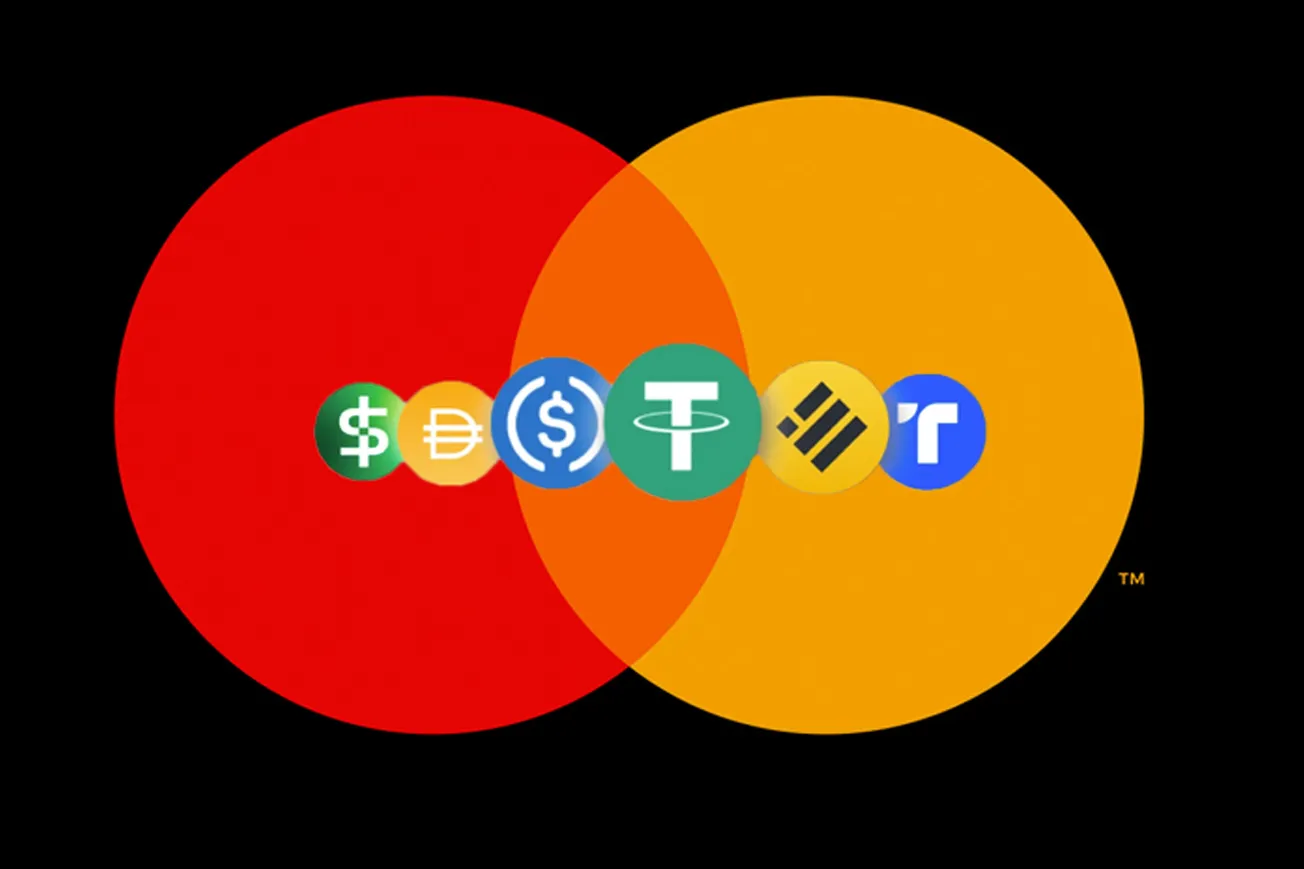
Mastercard has moved to expand its digital asset footprint by unveiling a stablecoin-powered global payment system that aims to bridge traditional finance with blockchain technology. The initiative incorporates wallet integration, card issuance, merchant settlement, and on-chain remittances, signalling a major endorsement for stablecoins within mainstream financial services.

The payments giant will partner with OKX to launch the OKX Card, offering users the ability to spend crypto assets seamlessly through Mastercard’s established infrastructure. The collaboration is positioned to provide cardholders with the option to convert their digital holdings into fiat currency at the point of sale, utilising USDC stablecoins to facilitate transactions in real time.

Mastercard’s broader collaboration also includes Circle, Nuvei, and Paxos, three key players in the stablecoin and blockchain space. The strategy centres on enabling direct merchant settlement using stablecoins, starting with USDC. The move is expected to accelerate merchant acceptance of digital currencies by eliminating the need for fiat conversions and complex intermediary processes.

Raj Dhamodharan, Mastercard’s head of crypto and blockchain, stated that the company is building a “future-proof” payments ecosystem that integrates digital assets responsibly and securely. He emphasised that Mastercard’s framework would ensure compliance with existing regulations and uphold strong consumer protection measures while offering the benefits of blockchain efficiencies.

By embedding stablecoins into payment rails, Mastercard is seeking to address long-standing challenges that have limited wider adoption of digital currencies, including volatility, liquidity management, and interoperability between financial systems. Stablecoins, which are typically pegged to fiat currencies like the US dollar, offer price stability that traditional cryptocurrencies like Bitcoin do not, making them more suitable for everyday transactions.

The OKX Card is expected to launch initially in select markets, with expansion plans to follow based on regulatory approvals and market demand. OKX’s president Hong Fang described the partnership as a “game-changer” that will “empower millions to experience the future of payments today.” The card will allow users to link their crypto wallets directly and spend their digital assets without the need to manually convert them into fiat beforehand.

Mastercard’s collaboration with Circle is particularly noteworthy as Circle’s USDC stablecoin is widely regarded for its regulatory compliance and transparency. Circle CEO Jeremy Allaire welcomed the partnership, highlighting that direct merchant settlement in USDC would reduce transaction costs, enhance speed, and provide greater transparency across payment processes.

Nuvei and Paxos will contribute to strengthening the backend settlement capabilities. Nuvei, a global payment technology firm, brings extensive experience in integrating alternative payment methods for merchants, while Paxos, a regulated blockchain infrastructure platform, provides trusted stablecoin issuance and custody solutions.

This new framework comes at a time when global financial institutions are increasingly exploring digital currencies. The Bank for International Settlements reported an upsurge in central bank digital currency projects globally, with a growing focus on how stablecoins and blockchain could complement traditional payment systems rather than disrupt them.

Mastercard has been experimenting with blockchain and digital assets for several years, conducting pilot programmes with various crypto companies and financial institutions. The company’s partnership with the Reserve Bank of Australia and the Digital Finance Cooperative Research Centre on a central bank digital currency pilot was another key step illustrating its commitment to innovating responsibly within the space.

Mastercard’s stablecoin settlement model follows a successful pilot in Australia, where live transactions using USDC and Mastercard’s network proved the technical viability and regulatory feasibility of using stablecoins for real-world transactions. The pilot included collaboration with Cuscal and Mintable, showcasing the ability to settle card transactions directly on blockchain networks.

Through these developments, Mastercard appears to be positioning itself as a leader among traditional financial service providers seeking to integrate blockchain into their core offerings. This approach not only supports digital asset adoption but also builds bridges between traditional payment providers and emerging decentralised finance ecosystems.

Industry analysts note that Mastercard’s entry into stablecoin-powered payments could force other major payment processors to accelerate their blockchain strategies. Visa, which has been running its own stablecoin settlement pilots, will likely view Mastercard’s moves as a call to action to deepen its blockchain integration efforts to remain competitive.

There are challenges ahead, particularly regarding regulatory clarity. Stablecoins have come under increasing scrutiny from regulators concerned about financial stability, money laundering, and consumer protection risks. Mastercard has indicated that its stablecoin programme will operate within regulated frameworks, ensuring that only stablecoins backed by transparent and compliant reserves are included.

The initiative also highlights growing merchant interest in accepting digital currencies without bearing volatility risks. Direct stablecoin settlement allows merchants to receive payment in a stable asset without relying on third-party crypto-to-fiat conversion services, streamlining operations and reducing costs.

As stablecoins continue to evolve beyond speculative assets into functional financial tools, Mastercard’s system reflects an understanding that digital currencies must serve real-world use cases to achieve mainstream adoption. The company’s ability to integrate stablecoin technology with traditional card networks could significantly alter how digital assets are used in daily commerce.

Mastercard’s latest announcement also underlines a broader industry shift toward interoperability. By supporting transactions across multiple blockchain networks and integrating with different stablecoin issuers, Mastercard aims to create a unified ecosystem where users, merchants, and financial institutions can interact seamlessly across both traditional and digital finance landscapes.

Tether’s tokenised gold product, XAU₮, has reached a major milestone with over 7.7 tonnes of physical gold now backing the asset, pushing its market capitalisation to $770 million as of 28 April 2025. This development marks a significant expansion of Tether’s portfolio beyond its flagship stablecoin USDT and highlights growing investor interest in digital assets secured by tangible commodities.

XAU₮, which represents ownership of one troy ounce of gold held in Swiss vaults, has seen steady accumulation over the past year amid fluctuating economic conditions and shifting investor sentiment towards inflation-resistant assets. According to market data, the token’s supply growth has mirrored increasing demand for alternative stores of value as concerns around fiat currency stability and geopolitical tensions continue to drive diversification strategies.

Tether’s disclosure that XAU₮ is now underpinned by more than 7.7 metric tonnes of physical gold signals strengthened efforts by the company to reinforce confidence in its tokenisation products. Analysts observing this trend note that digital gold products have carved a distinct niche, combining the traditional appeal of precious metals with the technological advantages of blockchain systems, including faster settlement times and greater accessibility for a global investor base.

Paolo Ardoino, CEO of Tether, stated that the surge in XAU₮’s backing reflects broader demand for hybrid assets that bridge the gap between conventional wealth preservation tools and new digital financial infrastructure. He added that Tether remains committed to transparency and robust management practices as it expands its product suite.

Since its launch, XAU₮ has distinguished itself by providing a clear legal structure for ownership claims over specific gold bars, with serial numbers and weight details disclosed through regular attestations. This level of verification has been crucial in appealing to institutional participants who require clear regulatory and custodial assurances before engaging with tokenised assets.

The achievement of a $770 million market cap also places XAU₮ among the most substantial gold-backed cryptocurrencies in circulation, competing with platforms like Paxos Gold and Perth Mint Gold Token . However, Tether’s strong brand presence and expansive network have given XAU₮ a competitive edge in terms of liquidity and market penetration.

Gold itself has continued to perform as a relatively stable asset amid volatile equity markets, stubborn inflation in key economies, and unpredictable monetary policy shifts. As of late April, gold prices hovered around $2,350 per ounce, with analysts forecasting further strength if macroeconomic uncertainty persists. This backdrop has reinforced the appeal of tokenised gold products like XAU₮, especially for investors looking for easily tradable options without the logistical challenges of physical storage.

XAU₮ has also benefited from integration with major exchanges and decentralised finance platforms, allowing users to utilise tokenised gold in broader financial applications such as lending, borrowing, and yield farming. This flexibility contrasts with traditional gold investment avenues, which typically lack interoperability with modern financial tools.

Institutional interest has played a critical role in the token’s growth trajectory. Asset managers, family offices, and corporate treasuries have increasingly explored tokenised commodities as a way to diversify their holdings while maintaining exposure to traditional safe havens. The ability to transfer ownership efficiently and transparently across jurisdictions has further bolstered the attractiveness of XAU₮.

Tether has continually faced scrutiny over its reserve management practices, particularly regarding USDT. However, the company’s detailed disclosures regarding XAU₮’s physical gold reserves appear to have mitigated similar concerns for this product. Regular attestations by third-party auditors have provided additional layers of reassurance to stakeholders wary of opaque reserve practices.

The evolving regulatory environment for stablecoins and tokenised assets may also influence the trajectory of products like XAU₮. Jurisdictions such as the European Union, the United Arab Emirates, and Singapore have introduced or are in the process of finalising frameworks aimed at ensuring greater oversight and consumer protection within the digital asset space. These regulations are expected to encourage higher standards of reporting and reserve management among issuers, benefiting products that already maintain rigorous transparency protocols.

Market participants have observed that gold tokenisation is emerging as a sector with strong fundamentals, particularly as broader adoption of blockchain technology reshapes traditional financial services. XAU₮’s growth demonstrates that tokenisation is not limited to speculative assets but can extend to historically conservative sectors such as commodities.

While challenges remain — including regulatory uncertainty, technological security risks, and the need for robust custodial solutions — the success of Tether’s XAU₮ underscores a maturing digital asset market increasingly focused on quality, transparency, and tangible backing. Observers suggest that continued institutional adoption and technological advancements could position tokenised gold as a staple component of diversified digital portfolios.

Nscale, a rapidly growing artificial intelligence startup, is positioning itself to raise around $2.7 billion in funding as it prepares for a high-profile partnership with ByteDance Ltd. The deal comes at a crucial time for Nscale, which is also grappling with a significant debt load estimated at $1.8 billion. The company, which is less than a year old, has quickly captured attention in the AI sector with […]

Revolut has reported a significant pre-tax profit of $1.4 billion for 2024, marking a 149% surge compared to the previous year. This surge is largely attributed to the company’s strategic expansion, diversified revenue streams, and growing customer base. The fintech firm has also taken a key step in its plans to further solidify its presence in the financial sector with the acquisition of a UK banking licence. […]

SINGAPORE – Media OutReach Newswire – 28 April 2025 – On April 23, at the inaugural GITEX ASIA 2025 in Singapore, iFLYTEK made a grand entrance by unveiling its On-Prem LLM All-in-One Solution to global acclaim. This turnkey appliance is meticulously engineered for enterprises that demand robust levels of data sovereignty and bespoke AI capabilities, enabling organizations to train, fine-tune, and deploy large language models entirely within […]

Arabian Post Staff -Dubai Unveiling its latest flagship devices at a grand event in Singapore, POCO made a strong statement with the launch of the POCO F7 Ultra and POCO F7 Pro, positioning itself more firmly within the premium smartphone segment. The UAE market, where young, tech-savvy consumers are increasingly demanding top-tier performance without exorbitant pricing, is poised to become a key battleground for these new devices. […]

Toyota has partnered with Huawei to integrate the Chinese tech giant’s HarmonyOS in its upcoming electric sedan model. This move marks a significant shift in the automotive industry as the Japanese automaker aligns itself with a technology platform developed by a key competitor to Google’s Android in the connected car space. The decision comes amid growing tensions between the US and China, as well as a rapidly evolving global market where automakers are increasingly dependent on innovative software for everything from vehicle performance to customer experience.

HarmonyOS, launched by Huawei as a competitor to Android, is designed to offer greater security and seamless integration across various devices. While initially developed for smartphones, the system has expanded into a variety of smart devices, including automobiles. Toyota’s adoption of HarmonyOS in its new electric sedan reflects the growing importance of software in vehicles, especially as automakers shift focus to electric and autonomous technologies.

The electric sedan, set to hit the Chinese market first, will benefit from the advanced connectivity and smart features of HarmonyOS, such as AI-based in-car assistants and enhanced user interfaces. This is expected to provide a competitive edge for Toyota as it navigates the increasingly crowded Chinese electric vehicle market, where local companies such as BYD and NIO have already established a strong foothold.

Huawei’s HarmonyOS has faced challenges in gaining international traction, particularly due to its ties to the Chinese government and its exclusion from key US-based app ecosystems. However, the system has found significant success within China, where Huawei has a commanding presence in both telecommunications and consumer electronics. Toyota’s decision to integrate the platform may not only strengthen its position in the Chinese market but also mark a turning point in the global race for automotive software dominance.

While Toyota continues to rely on established partners like Google for its global connected car initiatives, this collaboration with Huawei represents a key step in diversifying its software strategy, particularly in regions like China where local technology is often favoured. As automakers seek to ensure the security and functionality of increasingly digital vehicles, HarmonyOS’s promise of enhanced privacy features could play a crucial role in attracting tech-savvy consumers.

The automotive industry has long been navigating a delicate balance between software development and traditional vehicle manufacturing. Toyota’s embrace of Huawei’s operating system is indicative of the growing reliance on third-party tech companies to provide the kind of high-tech, integrated solutions that are rapidly becoming a standard in modern cars. The partnership also underscores the importance of China as a strategic market for global automakers, with its massive population and burgeoning EV market offering significant growth potential.

This development comes at a time when other major tech players are making inroads into the automotive sector. SK Telecom’s announcement to replace SIM cards in its vehicles after a data breach underscores the growing importance of cybersecurity in connected car systems. Moreover, India’s advancements in satellite docking automation signal a broader trend toward increased integration of autonomous systems in the automotive sector. In China, companies are working toward greener solutions, with efforts to reduce the carbon footprint of data centres becoming a focal point for many technology giants.

With the global automotive industry rapidly evolving, Toyota’s partnership with Huawei places the automaker at the crossroads of software innovation and traditional vehicle manufacturing. The collaboration may not only affect the Chinese electric sedan market but could also set a precedent for future ventures between automakers and tech companies, particularly as the digital landscape of the automotive sector continues to evolve.

Burj Azizi, developed by Azizi Developments, has been recognised with the ‘Iconic Design of the Year’ award at the UAE Realty Awards 2025, highlighting its remarkable architectural achievement. Positioned to become the world’s second-tallest building upon completion, the landmark project is setting new standards for structural design and innovation in Dubai’s evolving skyline. Situated on Sheikh Zayed Road in Dubai, Burj Azizi stands as a testament to […]

Ripple has made it clear that it will not be pursuing an initial public offering in 2025, despite its strong financial position and ongoing expansion in the digital payments sector. The company, led by President Monica Long, stated that it does not require additional capital or increased visibility at this stage.

Ripple’s decision to forgo an IPO has sparked curiosity, particularly given the company’s prominent role in the cryptocurrency and blockchain industries. Founded in 2012, Ripple’s blockchain-based payment solutions have gained significant traction among financial institutions, providing faster and more efficient cross-border payment systems. However, despite this growth and increasing adoption, Ripple believes its financial strength and current business model make an IPO unnecessary at this time.

Ripple’s business model, which revolves around facilitating real-time, low-cost international money transfers, has been lauded for its potential to revolutionise global payments. The company’s flagship product, RippleNet, has been adopted by several large financial institutions and remittance services worldwide. This widespread adoption has allowed Ripple to expand its network while maintaining a steady revenue stream, enabling the company to self-fund its operations and future developments without the need for external capital.

Monica Long, who took over as Ripple’s president in 2022, reinforced this position during recent statements, explaining that the company is not in a position where it must seek additional funding to fuel its growth. Long highlighted Ripple’s profitability, strong balance sheet, and ability to continue expanding its operations without relying on public market funding. “We are financially sound and focused on executing our long-term strategy,” Long said. “An IPO is simply not a part of our plan for 2025.”

The announcement comes at a time when many technology and blockchain firms have been considering IPOs to capitalise on favourable market conditions. However, Ripple’s decision to stay private also reflects broader trends in the blockchain and cryptocurrency industries. Despite the rise in popularity of blockchain-based financial services and decentralised finance , many blockchain companies have opted to remain private, citing concerns over regulatory challenges and market volatility.

Ripple’s unique position in the industry also plays a role in its decision to remain private. Unlike other cryptocurrency companies, Ripple has faced significant legal challenges, particularly from the U.S. Securities and Exchange Commission . The SEC filed a lawsuit against Ripple Labs in December 2020, alleging that the company had conducted an unregistered securities offering through the sale of its XRP token. While the lawsuit is ongoing, Ripple has managed to continue its operations and expand its offerings, positioning itself as a leader in the global payments space.

The case with the SEC has been closely watched by the broader cryptocurrency community, with many viewing it as a potential turning point for the regulation of digital assets. Should Ripple win its case, it could have significant implications for the entire crypto industry, potentially providing greater clarity on how digital assets are regulated and whether tokens like XRP are considered securities.

Despite the legal hurdles, Ripple has continued to strengthen its partnerships with global financial institutions. The company has worked with major players such as Santander, American Express, and PNC to integrate Ripple’s payment solutions into their operations. These partnerships, along with Ripple’s expansion into new markets such as Asia and the Middle East, have been key to the company’s growth and continued success.

Ripple’s stance on an IPO also reflects broader changes in the IPO market itself. While some tech firms still opt to go public in order to fuel further growth, others are increasingly choosing to stay private, preferring to raise capital through private funding rounds rather than public markets. This shift is part of a broader trend in the tech industry, where companies are opting for more flexibility and control over their operations.

Ripple’s decision not to pursue an IPO has been met with mixed reactions in the industry. On one hand, some analysts argue that an IPO could have provided Ripple with a valuable opportunity to boost its profile and raise capital for expansion. On the other hand, others see the company’s decision to stay private as a sign of financial maturity and stability. Ripple’s ability to sustain its operations and continue to grow without relying on public market funding is a testament to the strength of its business model.

As the cryptocurrency landscape continues to evolve, Ripple’s choice to remain private will likely be watched closely by other firms in the space. The company’s success or failure in the coming years will offer valuable insights into the potential benefits and drawbacks of staying private in an increasingly public-facing industry.

stc Group has been ranked as the top company for career development in Saudi Arabia for 2025 by LinkedIn, reinforcing its position as a major driver of professional advancement in the region. The recognition reflects the telecommunications giant’s continued investment in employee growth, skills enhancement, and leadership opportunities during a period of rapid digital transformation in the Kingdom.

The LinkedIn Top Companies list, published annually, evaluates organisations based on several critical pillars, including skills growth, company stability, external opportunity, company affinity, gender diversity, and educational background of employees. stc Group secured the top spot after outperforming competitors across these measures, highlighting its emphasis on creating a dynamic and sustainable work environment.

The company’s prioritisation of employee development aligns with Saudi Arabia’s Vision 2030 agenda, which seeks to diversify the economy and build a thriving private sector. stc Group has implemented numerous initiatives aimed at cultivating talent, including internal leadership academies, technical training programmes, and partnerships with leading educational institutions. These efforts are designed to equip its workforce with the digital capabilities and leadership competencies required to thrive in a highly competitive and evolving market.

LinkedIn’s analysis highlighted that stc Group demonstrated exceptional commitment to employee advancement, with many staff members acquiring new skills and transitioning into leadership roles within the company. This has contributed to the organisation’s reputation as a destination employer for professionals seeking both stability and growth in the Kingdom’s vibrant technology and communications sector.

stc Group’s strong performance is also attributed to its comprehensive employee benefits packages, flexible working arrangements, and strategic focus on diversity and inclusion. The company has been recognised for fostering an inclusive workplace culture where opportunities for advancement are accessible across gender and educational backgrounds. This approach is particularly significant as the Kingdom intensifies efforts to boost female participation in the workforce.

The telecommunications sector has seen a major expansion across Saudi Arabia as part of broader efforts to build a digital economy. stc Group has played a central role in deploying 5G infrastructure, expanding fibre optic networks, and investing in emerging technologies such as cloud computing, artificial intelligence, and cybersecurity. This strategic positioning has not only driven the company’s financial success but has also created a wealth of career opportunities for local and international talent.

In addition to its domestic achievements, stc Group has expanded its presence across regional markets, acquiring stakes in companies in Bahrain, Kuwait, and other Gulf Cooperation Council countries. This regional footprint has enabled the company to offer diverse career pathways and foster cross-border professional experiences for its employees.

stc Group’s emphasis on continuous learning has been underscored by the launch of its dedicated Digital Academy, which offers specialised programmes in areas such as data science, cybersecurity, software development, and project management. Through a combination of classroom instruction, online modules, and practical experience, the academy equips employees with the technical expertise needed to lead in the Fourth Industrial Revolution.

The company’s innovation-driven culture has been further reinforced by its establishment of various innovation hubs and research centres, encouraging employees to work on cutting-edge projects that have direct commercial and societal impact. This approach has strengthened employee engagement, enhanced creativity, and driven a spirit of entrepreneurship within the organisation.

The recognition by LinkedIn also comes as stc Group pursues its ambitious DARE strategy, aimed at driving digital transformation, accelerating business growth, reinforcing operational efficiency, and enabling sustainability initiatives. The company’s strategy outlines a clear roadmap for adapting to global technology trends while building a future-ready workforce.

According to data from LinkedIn’s survey, professionals employed at stc Group have experienced higher levels of job satisfaction and career advancement compared to peers in other companies. Many employees have cited the firm’s mentorship programmes, skills training, and international exposure as key reasons for their professional development.

Notably, the company’s focus on promoting female leadership has begun to bear fruit, with women increasingly occupying senior roles across various divisions. This achievement mirrors the broader social and economic reforms underway in Saudi Arabia, where gender parity and empowerment initiatives are gaining momentum across industries.

Saudi Arabia’s labour market has been undergoing a transformation, with employers placing greater emphasis on skills-based hiring and career progression pathways. stc Group’s leadership position in this context underlines its ability to adapt to changing workforce expectations and technological shifts, ensuring that it remains an employer of choice for top talent.

The telecommunications giant’s recognition is expected to further enhance its brand reputation among young professionals and graduates, many of whom view LinkedIn’s Top Companies list as an important guide when considering future employers. stc Group’s investment in youth initiatives, graduate recruitment programmes, and internships has positioned it strongly to attract the next generation of digital leaders.

Beyond technical expertise, stc Group has also focused on cultivating soft skills such as leadership, collaboration, and adaptability among its workforce. The company’s comprehensive talent development strategy is designed to build holistic capabilities, ensuring employees are well-prepared to navigate the complexities of the global digital economy.

A major scientific breakthrough in quantum research has sparked optimism that practical quantum encryption could be realised within the next decade, while a fully developed quantum internet may become achievable within the next half-century, according to leading physicists and technology experts. Researchers at Delft University of Technology in the Netherlands confirmed they had successfully demonstrated quantum entanglement between distant nodes in a network in a stable, reliable […]

VISHNU RAJA
RYO YAMADA
HITORI GOTOH
IKUYO KITA
Just in:
US authorities dismantle North Korean cryptocurrency deception infrastructure // Inpex reaffirms Gulf oil strategy despite shipping constraints // Thiruvambady Devaswom hails rejection of report // TORRAS Launches Two New iPhone Duo Cases from Its Popular Ostand Series, Addressing Foldable Phone Users’ Concerns About Difficult Stand Positioning and Scratches // The Honey Trap Is The Headline, The Chip Pipeline Is The Story // Salik posts Dhs1.045bn profit despite lower toll traffic // US resumes flights after nationwide air traffic shutdown // BJP-sponsored school exam approval revoked // October Food Price Shock Has Far Reaching Consequences // Iran claims six-drone operation against US radar in Bahrain // Sun World Ba Den Mountain marks Vietnam Culture Day, welcoming Cambodian visitors over Bon Om Touk // IEA forecasts fourth-quarter oil surplus as Gulf shipments rebound // Microsoft apologises as Outlook services recover after outage // Pink Economy report puts equal rights at the heart of Thailand’s road to Bangkok WorldPride 2030 // China Reconciled To U.S. Curbs On Chips Exports, Woos South Korea For Supply // JCI Names the 2026 Ten Outstanding Young Persons of the World // EU levies definitive duties on five steel suppliers // Danone expands consumer insight capabilities to accelerate nutrition innovation through Southeast Asia R&I Application Lab upgrade // HKGSEO Launches New SEO×GEO Dual-Engine Optimization Monthly Plan // Microsoft restores services gradually but gives no recovery deadline //