News related to
Technology

OPPO is one of the first smartphone brands to implement Private Computing Cloud and has further integrated applications with Google Gemini so users can soon take action across OPPO apps in Gemini. During MWC2025, OPPO unveiled new AI features, including AI Call Translator and AI VoiceScribe, and has committed to releasing new AI updates roughly every month. OPPO plans to bring generative AI features to around 100 […]

US financial markets experienced significant declines on Monday, March 3, 2025, following President Donald Trump’s confirmation that 25% tariffs on imports from Canada and Mexico would commence on Tuesday, March 4. The Dow Jones Industrial Average fell by 649 points, closing at 43,191.24—a 1.5% decrease. The S&P 500 Index dropped 1.8% to 5,849.72, and the Nasdaq Composite declined 2.6% to 18,350.19. The President’s announcement ended investor hopes […]

Internxt, a Valencia-based tech company, has become the first cloud storage provider to implement post-quantum encryption, marking a significant advancement in data security. This move addresses growing concerns about the potential threats posed by quantum computing to traditional encryption methods. Quantum computers, leveraging the principles of quantum mechanics, have the potential to perform computations at speeds unattainable by classical computers. This capability threatens current encryption protocols, as […]

At the Mobile World Congress in Barcelona, Qualcomm Technologies unveiled the Qualcomm X85 5G Modem-RF, an advancement poised to redefine connectivity standards for Android devices. This eighth-generation modem-to-antenna solution, integrated with AI capabilities, achieves peak download speeds up to 12.5 Gbps, enhancing streaming, gaming, and overall user experiences. The X85 supports both sub-6 GHz and mmWave frequencies, ensuring seamless connectivity across diverse network environments. Its AI-powered data […]

Telecommunications provider du has launched a new Travel eSIM service aimed at enhancing connectivity for transit passengers passing through the United Arab Emirates . This initiative allows travellers to maintain seamless data connectivity across more than 190 countries without the need for physical SIM cards.

The Travel eSIM is designed to offer convenience and affordability to international travellers. By scanning a QR code, users can activate the eSIM on their compatible devices, enabling immediate access to data services without the hassle of purchasing local SIM cards or incurring roaming charges. This digital solution aligns with the global shift towards eSIM technology, which integrates SIM functions directly into devices, eliminating the need for physical cards.

Fahad Al Hassawi, CEO of du, highlighted the company’s commitment to enhancing customer experiences: “Our Travel eSIM is a testament to du’s dedication to innovation and customer-centric solutions. We understand the needs of modern travellers and aim to provide them with seamless connectivity, no matter where they are in the world.”

The eSIM offers a range of data bundles tailored to different durations and data requirements. For instance, users can select packages that provide unlimited data for specific periods, such as one day or seven days, depending on their travel needs. This flexibility ensures that both short-term visitors and long-term travellers can find a plan that suits their usage patterns.

To activate the eSIM, travellers can visit du’s official website or authorized retailers to purchase a data bundle. After completing the purchase, they receive a QR code, which, when scanned, installs the eSIM profile on their device. It’s recommended to activate the eSIM upon arrival at the destination to ensure the data bundle period aligns with the travel schedule. Devices must be eSIM compatible and network unlocked to utilize this service.

The introduction of the Travel eSIM addresses common challenges faced by international travellers, such as the inconvenience of swapping physical SIM cards and the unpredictability of roaming charges. By offering a digital solution, du aims to streamline the connectivity process, allowing users to stay connected with ease.

In addition to data services, the eSIM provides access to local networks, enhancing the quality and reliability of the connection. This feature is particularly beneficial for business travellers who require consistent and high-speed internet access for work-related tasks.

The global eSIM market has been experiencing significant growth, driven by the increasing adoption of eSIM-compatible devices and the demand for flexible connectivity solutions. Analysts predict that the number of eSIM-enabled smartphones will continue to rise, further solidifying the importance of services like du’s Travel eSIM in the telecommunications industry.

Travellers have expressed positive feedback regarding the convenience of eSIMs. A user on a travel forum shared their experience: “I arrived in Dubai and was able to get a tourist eSIM from the Virgin mobile shop. It was a straightforward process and didn’t involve getting a normal SIM as a stepping stone.” Such testimonials underscore the practicality and user-friendliness of eSIM technology.

However, it’s essential for users to ensure their devices are compatible with eSIM technology. Most modern smartphones from leading manufacturers support eSIM functionality, but travellers are advised to verify compatibility before attempting to install the eSIM. Additionally, devices should be network unlocked to prevent any activation issues.

Vietnam’s government has initiated the development of a legal framework for digital assets and currencies, aiming to bolster economic growth to at least 8% by 2025. Prime Minister Pham Minh Chinh has directed the Ministry of Finance and the State Bank of Vietnam to draft the necessary regulations, with a proposal expected to be submitted this month. This initiative is part of Directive No. 05, which outlines measures to stimulate the nation’s economic expansion.

The absence of a formal legal framework for digital assets has left Vietnamese investors vulnerable to potential scams and financial losses. Currently, cryptocurrency transactions occur without specific regulatory oversight, increasing the risk for participants. The government’s move to establish clear regulations seeks to protect users and enhance trust in blockchain technology and related applications.

Nguyễn Duy Hưng, Chairman of Saigon Securities Incorporation, highlighted Vietnam’s significant position in the global digital asset market, noting that the country ranks among the top four in terms of transaction volume. He emphasized the necessity of a transparent legal framework to ensure that both developers and investors are protected, thereby fostering a secure environment for market participants and deterring fraudulent activities.

The urgency for regulation has been underscored by incidents such as a recent $100 million cryptocurrency fraud, which exploited the regulatory vacuum. Lawyer Phạm Ba Đô, Director of SJKLAW Law Firm, pointed out that the lack of comprehensive legal guidelines has created fertile ground for such fraudulent schemes. He advocates for the prompt establishment of clear definitions and regulations concerning virtual currencies and assets, recognizing their potential for trade and payment in specific contexts while clarifying their status as legal means of payment.

Vietnam’s strategic move to regulate digital assets aligns with its broader economic ambitions. The country has revised its GDP growth target for 2025 to at least 8%, up from the previous range of 6.5% to 7.0%. This adjustment reflects the government’s commitment to rapid economic development. The National Assembly has approved significant infrastructure projects, including the construction of the country’s first nuclear power plants and a rail link connecting northern Vietnam’s major seaport to China. These initiatives are expected to enhance the nation’s industrial capabilities and trade connectivity.

The manufacturing sector continues to be a cornerstone of Vietnam’s economy, with value added projected to reach $108.7 billion by 2025, growing at a compound annual growth rate of 3.33% from 2025 to 2029. The country’s strategic location, coupled with labor costs approximately 50% lower than China’s, makes it an attractive destination for international businesses seeking relocation. Government tax incentives and participation in trade agreements like the Comprehensive and Progressive Agreement for Trans-Pacific Partnership and the EU-Vietnam Free Trade Agreement further enhance Vietnam’s appeal as a manufacturing hub.

However, achieving the ambitious 8% GDP growth target is not without challenges. The Asian Development Bank forecasts Vietnam’s GDP growth at 6.2% for 2025, while the World Bank projects a slightly higher rate of 6.6%. These figures, though optimistic, fall short of the government’s target, indicating the need for effective policy implementation and favorable external conditions to realize the desired growth.

The development of a legal framework for digital assets is expected to attract foreign investment and stimulate innovation within the financial sector. By providing legal clarity, Vietnam aims to position itself as a regional leader in the digital economy, capitalizing on the growing global interest in cryptocurrencies and blockchain technology.

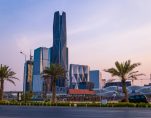
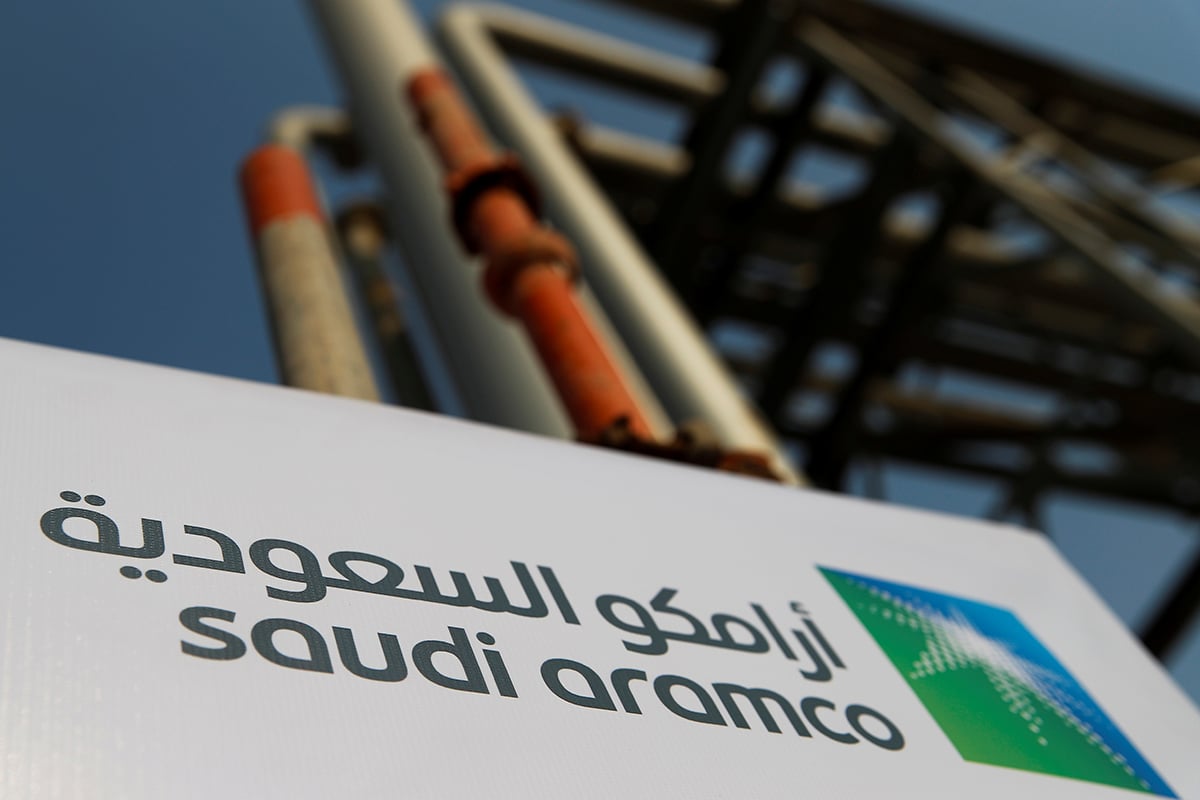
Saudi Arabia’s ambitious $124 billion dividend payout to Aramco shareholders is facing increasing scrutiny as the kingdom grapples with rising fiscal pressures and economic uncertainty. The payout, one of the largest in history, is at the heart of the country’s financial strategy, but concerns about the sustainability of this massive distribution are growing.

The kingdom has long relied on its state-owned oil giant, Saudi Aramco, as a major source of revenue, particularly in funding its Vision 2030 diversification programme. However, with global oil prices experiencing volatility and the kingdom’s economic growth showing signs of strain, questions are being raised about whether such a hefty payout can continue to be supported by the nation’s financial structure.

Saudi Arabia’s fiscal challenges are not new but have intensified recently due to various factors, including fluctuations in oil prices and a need to fund extensive public sector projects aimed at reducing the kingdom’s dependence on oil exports. This shift towards diversification involves significant investments in non-oil sectors such as technology, entertainment, and tourism. While these sectors hold promise for future growth, they have not yet generated the same level of revenue as oil, leaving the government in a delicate position.

Aramco’s profits have been a key contributor to the kingdom’s financial health, with the company remaining one of the world’s most profitable corporations. In 2023, Aramco’s net income exceeded $160 billion, allowing it to maintain its status as the highest dividend-paying company globally. This enabled the state to continue its lavish payouts to shareholders, including the Saudi government itself, which holds a majority stake.

Despite Aramco’s healthy profits, the global energy landscape has shifted significantly. Rising energy costs, geopolitical instability, and increasing competition from renewable energy sources are all factors that could impact the oil industry’s long-term profitability. Saudi Arabia’s ability to balance these challenges with its ambitious payout policy could prove to be a major hurdle.

The kingdom’s fiscal outlook is further complicated by its commitment to maintaining its social and economic development programs, which are pivotal for the success of Vision 2030. The state has allocated significant sums to infrastructure, healthcare, and housing initiatives, all of which are critical for securing the country’s long-term economic stability. However, these expenditures, combined with the substantial payout to Aramco shareholders, create a significant strain on public finances.

To address these challenges, Saudi Arabia is looking to restructure its approach to fiscal management, exploring options such as public debt and non-oil revenue streams. Some analysts suggest that this could involve revising the Aramco dividend model, potentially reducing the payout in favour of reinvesting in the country’s non-oil sectors.

The pressure on the Saudi government is not only financial but also political. With global attention focused on Saudi Arabia’s economic reforms, any deviation from its ambitious growth plans could undermine investor confidence, which has been a cornerstone of its economic strategy. International investors, particularly those in the energy sector, are closely monitoring the situation, aware that any decision to alter the dividend payout could have ripple effects throughout the global markets.

The geopolitical landscape adds another layer of complexity to the situation. Saudi Arabia’s position within OPEC and its ongoing efforts to stabilise global oil prices play a key role in its economic future. However, OPEC’s decisions are increasingly influenced by non-member countries and shifting global consumption patterns. As demand for oil from traditional markets in Europe and the US declines, Saudi Arabia faces the dual challenge of maintaining oil revenues while simultaneously adapting to a future in which oil may no longer be the dominant driver of global growth.

In the wake of these uncertainties, Aramco’s leadership remains focused on enhancing its operations and securing long-term profitability. The company has committed to expanding its investments in petrochemicals, refining, and other energy-related sectors, as well as pursuing green energy initiatives that could ensure its relevance in the post-oil era. However, even with these efforts, Aramco faces growing competition from other energy giants and the increasing pressure to adopt sustainable practices in response to global climate concerns.

Saudi Arabia’s fiscal trajectory will likely remain unpredictable for the foreseeable future, especially as the country navigates the complexities of economic diversification while maintaining its oil revenue base. The government’s ability to balance its financial commitments to both Aramco and its broader economic goals will be crucial in shaping the future of its financial landscape.


Advertisements

The longstanding business model of India’s information technology industry is facing obsolescence due to the rapid advancements in artificial intelligence , according to industry leaders. At the recent Nasscom Technology and Leadership Forum in Mumbai, HCL Technologies’ CEO, C Vijayakumar, emphasized the urgency for IT companies to adopt a “paranoid” mindset to remain relevant and drive growth.

Vijayakumar highlighted that the traditional model, characterized by a linear scaling of revenues and personnel over the past three decades, is now ripe for disruption. He revealed that HCL has been challenging its teams to achieve double the revenue with half the workforce, leveraging AI-driven automation to enhance productivity. This approach underscores the necessity for the industry to rethink its operations in the face of AI’s transformative potential.

Echoing this sentiment, Infosys CEO Salil Parekh concurred on the need for vigilance to stay relevant in the evolving landscape. He noted that a significant portion of the industry operates on input-based models and stressed the importance of transitioning to output and platform-based services. Parekh emphasized that AI is a massive productivity development tool, bringing in new work that otherwise wouldn’t have been possible.

The rise of generative AI technologies, which can automate tasks such as code generation, has been identified as a significant factor disrupting current business models. Vijayakumar pointed out that AI’s impact is considerably different from past technological shifts like cloud computing and digitization, necessitating proactive measures including the creation of new revenue streams and business ventures. For instance, generative AI can greatly enhance productivity by accelerating project timelines, exemplified by a potential reduction of a billion-dollar, five-year tech program to three and a half years.

To mitigate dependency on external models and geopolitical risks, Vijayakumar advocated for Indian tech firms to invest in building their own language models, citing the decreasing costs of setting up training infrastructure. This move could offer a long-term competitive advantage as costs decrease. Infosys has already taken steps in this direction by launching an open-source responsible AI toolkit to enhance trust and transparency in AI, furthering its commitment to creating an inclusive AI ecosystem that ensures safety, security, privacy, and fairness.

Sharon AI and New Era Helium have initiated plans to develop a 250-megawatt net-zero energy data center in Ector County, Texas. The companies have signed a non-binding letter of intent with GROW Odessa, an economic development corporation, to acquire a 200-acre site for the project. The proposed data center will be powered by natural gas supplied by New Era Helium, with plans to implement carbon capture utilization […]

TAIPEI, TAIWAN – Media OutReach Newswire – 3 March 2025 – The Asian Electronics Online Exhibition 2025 (ASIANTRONICS 2025) is set to redefine global sourcing and collaboration in the electronics sector. Running from March 3, 2025, to June 30, 2025, this hybrid event seamlessly integrates virtual and physical elements, providing an unparalleled platform for buyers to connect with top-tier Asian suppliers, manufacturers, and exporters. Jointly organized by […]

The United Arab Emirates has firmly established itself as a leading global investment destination, attracting substantial foreign direct investment inflows that have significantly bolstered its economic landscape. In 2023, the UAE’s FDI inflows surged by 34.97% to reach $30.69 billion, up from $22.74 billion in 2022, marking a notable increase in investor confidence and economic resilience. This remarkable growth positions the UAE as the second-largest recipient of […]

Bitlayer, a prominent player in the Bitcoin Layer 2 ecosystem, has announced strategic collaborations with five major blockchain networks: Base, Starknet, Arbitrum, Sonic, and Plume Network. This initiative aims to integrate Bitlayer’s BitVM technology, thereby unlocking approximately $1.9 trillion in Bitcoin liquidity and expanding its utility within decentralized finance ecosystems.

The integration of BitVM, a trust-minimized Bitcoin bridge developed by Bitlayer, is central to these partnerships. This technology facilitates secure and programmable interactions between Bitcoin and various blockchain platforms, enabling users to leverage their Bitcoin holdings across multiple DeFi applications.

Base, an Ethereum Layer 2 solution developed by Coinbase, is among the networks collaborating with Bitlayer. Through this partnership, Bitcoin holders can utilize their assets within Base’s ecosystem, bridging the gap between Bitcoin and Ethereum-compatible decentralized applications. This integration is expected to enhance Bitcoin’s liquidity within the Base network, offering users access to a broader range of financial services.

Starknet, a permissionless decentralized ZK-rollup, is also integrating with Bitlayer’s BitVM Bridge. This collaboration aims to provide Bitcoin users with seamless access to Starknet’s ecosystem, enabling instant transactions with minimal fees in a trust-minimized environment secured by STARK proofs. The integration is anticipated to create a Bitcoin DeFi hub, allowing users to fully exploit the potential of their Bitcoin holdings.

Arbitrum, known for its robust and highly liquid DeFi ecosystem, is another key partner in this initiative. By integrating with Bitlayer’s BitVM Bridge, Arbitrum users will be able to bridge assets to and from Bitcoin under a trust-minimized framework. This development positions Arbitrum as a pioneer in bringing genuine DeFi solutions to the Bitcoin space, further enhancing the interoperability between Bitcoin and Ethereum-compatible networks.

The Plume Network, recognized as the first full-stack Layer 1 Real World Asset chain and ecosystem purpose-built for RWAFi, is also collaborating with Bitlayer. Through the BitVM Bridge, Plume Network aims to achieve optimal liquidity for diverse use cases within the Bitcoin ecosystem. This partnership is expected to advance RWAs as a cornerstone for bringing institutional-grade products to the blockchain space, thereby broadening the scope of Bitcoin’s utility.

Sonic, the first SVM to launch on Solana, is integrating with Bitlayer’s BitVM Bridge to transform how users interact with games and applications. This collaboration is set to enhance the gaming and decentralized application landscape by incorporating Bitcoin’s liquidity and security features, offering users a more enriched experience.

Collectively, these integrations are poised to unlock Bitcoin’s substantial liquidity across multiple blockchain ecosystems. Users on Base, Starknet, Arbitrum, Sonic, and Plume Network will gain access to a variety of DeFi opportunities, including yield farming, liquidity pools, staking, lending, and borrowing, all while benefiting from Bitcoin’s renowned security and decentralization.

Microsoft has officially announced the end of Skype’s era as the company shifts its focus towards Teams as its primary platform for video calling and communication. After 23 years of providing messaging, voice, and video calling services to millions globally, Skype will no longer be a key player in Microsoft’s communication strategy. This move underscores a broader trend in the tech industry where organisations are consolidating their […]

VideoLAN, the creator of the popular media player VLC, has marked its 20th anniversary with a bold leap forward in the tech world. The open-source project, renowned for its adaptability and reliability, has achieved a remarkable milestone by successfully integrating its player with the Lunar Reconnaissance Orbiter , enabling users to view space exploration footage in real-time. This move not only celebrates VLC’s two decades of innovation […]

PsiQuantum has announced the development of Omega, a quantum photonic chipset designed to facilitate the construction of utility-scale quantum computers. This significant advancement aims to overcome longstanding challenges in quantum computing by enabling the mass production of quantum chips essential for building million-qubit systems. The Omega chipset integrates high-performance single-photon sources, superconducting detectors, and low-loss optical switches. Notably, PsiQuantum has collaborated with GlobalFoundries to manufacture these chips […]

Saudi Arabia’s leading low-cost airline, Flynas, has secured a Murabaha financing agreement worth SAR 495 million with Bank Aljazira to fund the acquisition of three Airbus A320neo aircraft. This strategic move aligns with Flynas’s ambitious expansion plans, aiming to enhance its operational capacity and competitiveness within the regional aviation sector.

The financing deal underscores Flynas’s commitment to modernizing its fleet and expanding its network coverage. The addition of the A320neo aircraft is expected to improve operational efficiency and support the airline’s goal of adding over 100 aircraft by the end of 2030, as part of a total order of 280 aircraft. This expansion is anticipated to contribute significantly to the growth of the Saudi aviation sector, aligning with the Kingdom’s Vision 2030 objectives.

Bank Aljazira’s involvement in this financing arrangement highlights the bank’s role in supporting the aviation industry’s growth in Saudi Arabia. The Sharia-compliant Murabaha financing structure reflects the bank’s commitment to providing tailored financial solutions that meet the specific needs of its clients while adhering to Islamic banking principles.

In July 2022, Flynas became the first airline to sign a purchase and leaseback agreement with AviLease, a subsidiary of the Public Investment Fund , for 12 Airbus A320neo aircraft. This collaboration marked a significant milestone in Flynas’s expansion strategy and demonstrated the airline’s proactive approach to fleet modernization.

The recent financing agreement with Bank Aljazira is a continuation of Flynas’s efforts to strengthen its fleet and expand its operations. The acquisition of the new A320neo aircraft is expected to enhance Flynas’s competitiveness in the regional aviation market and support the airline’s long-term growth objectives.

Flynas’s expansion plans are also expected to have a positive impact on the Saudi aviation sector as a whole. The airline’s growth is anticipated to increase connectivity within the Kingdom and beyond, supporting tourism and economic development in line with Vision 2030.

The financing agreement with Bank Aljazira demonstrates the bank’s commitment to supporting key sectors in Saudi Arabia, including aviation. By providing Sharia-compliant financing solutions, Bank Aljazira is playing a crucial role in facilitating the growth of the aviation industry and supporting the Kingdom’s economic diversification efforts.

The addition of the new Airbus A320neo aircraft to Flynas’s fleet is expected to enhance the airline’s operational efficiency and support its expansion into new markets. The A320neo is known for its fuel efficiency and advanced technology, making it a valuable asset for airlines seeking to optimize their operations and reduce environmental impact.

Arabian Post Staff -Dubai Casio has unveiled the DW-5000R, a meticulous re-creation of its inaugural G-SHOCK model, the DW-5000C, which first debuted in 1983. This release pays homage to the original design while integrating modern enhancements to meet contemporary standards. The DW-5000R is set to launch in Japan on December 13, 2024, priced at 33,000 yen , with global availability details yet to be announced. The DW-5000C […]

A significant gathering of influential figures from the cryptocurrency and technology sectors will take place at the White House next week, marking a pivotal moment in the ongoing discussions around the future of digital currencies and artificial intelligence. U.S. President Donald Trump will join key stakeholders, including the nation’s Crypto and AI Czar, David Sacks, alongside prominent founders, CEOs, and investors.

The meeting comes as the U.S. government intensifies its efforts to define a clearer regulatory framework for cryptocurrency markets and artificial intelligence technologies. This roundtable aims to address critical issues surrounding the regulation of digital assets, the role of emerging technologies in the economy, and how the U.S. can maintain its competitive edge on the global stage.

David Sacks, appointed as the Crypto and AI Czar, will play a central role in leading the conversation. Known for his leadership in both the cryptocurrency and technology spaces, Sacks brings a wealth of experience from his work with major tech companies and his active involvement in crypto ventures. His insights into the intersection of digital assets and artificial intelligence are expected to shape the discourse during the session, where attendees will discuss the potential impact of AI on financial markets and the wider economy.

The roundtable also comes amid growing concerns over the security and integrity of cryptocurrency markets. Following the surge in digital currency trading, alongside the increasing adoption of blockchain technologies, the sector has faced a wave of scrutiny. Critics have raised questions about the potential for illicit activities, market manipulation, and investor protection. The White House meeting aims to establish a clear regulatory stance on these issues, with particular focus on ensuring the safe integration of crypto technologies within the broader financial ecosystem.

At the same time, artificial intelligence continues to raise both opportunities and concerns within the tech world. While AI presents significant benefits in fields ranging from healthcare to autonomous vehicles, its application within the cryptocurrency industry has sparked debates. Many believe that AI-driven systems could transform the way digital currencies are mined, traded, and secured, but they also fear that AI could be used to exploit market vulnerabilities. The White House gathering is set to delve into the risks and rewards of incorporating AI in crypto markets, seeking to strike a balance between innovation and regulatory oversight.

The presence of top industry leaders at the roundtable signals the growing recognition of the importance of dialogue between government and the private sector in addressing these complex challenges. With major players from Silicon Valley and the broader cryptocurrency industry involved, the meeting will offer a platform for high-level discussions aimed at aligning policy with the evolving landscape of digital finance.

President Trump’s participation underscores his administration’s commitment to engaging directly with the tech and crypto sectors to shape policies that will impact both domestic and international markets. The outcome of the discussions could have far-reaching consequences, setting the stage for future policy decisions that might influence everything from tax laws and securities regulations to international trade agreements.

As the U.S. seeks to position itself as a leader in both cryptocurrency and artificial intelligence, the White House is taking a proactive stance in shaping the regulatory environment. The administration’s focus on these emerging technologies reflects a broader global trend, as governments worldwide grapple with the implications of digital transformation. In Europe, regulators have already taken steps to impose stricter regulations on cryptocurrencies, while Asian markets continue to innovate in the blockchain and AI space. The outcome of the White House roundtable could help to inform similar policy frameworks across the globe.

Dubai’s Roads and Transport Authority has introduced significant advancements to its public transport services, aiming to enhance commuter convenience and align with the emirate’s smart city vision. Passengers across various modes of transport can now access free Wi-Fi and utilize cashless payment options, reflecting RTA’s commitment to integrating technology into daily commutes. As of February 2025, the RTA, in collaboration with e& , has successfully installed free […]

Merger and acquisition activity in the Middle East and North Africa region experienced a significant uptick in 2024, with total deal value reaching $92.3 billion, a 7% increase from the previous year. The number of deals also rose by 3%, totaling 701 transactions compared to 679 in 2023. This growth has been largely attributed to substantial reforms in capital markets, strategic policy changes, and enhanced efforts to attract foreign investments.

The Gulf Cooperation Council countries were at the forefront of this surge, accounting for 580 deals worth $90 billion. Cross-border transactions played a pivotal role, representing 52% of the total deal volume and 74% of the overall value. Sovereign wealth funds such as the Abu Dhabi Investment Authority , Mubadala Investment Company from the United Arab Emirates , and the Public Investment Fund from Saudi Arabia were instrumental in driving this activity.

The UAE emerged as a key player, recording the region’s largest M&A deal of the year. Clayton Dubilier & Rice, Stone Point Capital, and Mubadala Investment announced the acquisition of Truist Insurance for $12.4 billion. Following closely, Saudi Aramco acquired a 22.5% stake in Rabigh Refining and Petrochemical Company from Japan’s Sumitomo Chemical for $8.9 billion. Additionally, a consortium comprising PAG, Mubadala, and ADIA acquired a 60% stake in China’s Zhuhai Wanda Commercial Management Group for $8.3 billion.

Outbound deals dominated the M&A landscape, contributing 61% of the total deal value with 199 transactions amounting to $56.6 billion. The MENA region continued to attract foreign direct investment, with 163 inbound deals valued at $11.4 billion, marking an 18% increase in volume and a 42% surge in value compared to 2023.

Sector-wise, technology and consumer products led in deal volume, each experiencing a 10% year-on-year increase. The United States stood out as the largest acquiring country outside the region, with 48 transactions totaling $4.6 billion.

The UAE maintained its position as a preferred investment destination, achieving the highest volume and value for inbound transactions. The country recorded 96 deals valued at $7.6 billion, representing 67% of the total deal value. The technology sector was particularly vibrant, with 35 deals driven by the nation’s focus on artificial intelligence, cybersecurity, and digital transformation. Notably, Microsoft’s $1.5 billion acquisition of Abu Dhabi’s Group 42 underscored the strengthening ties between the UAE and the United States.

Saudi Arabia also attracted significant investment, with the UAE and Saudi Arabia collectively reporting 318 deals valued at $29.6 billion. Both countries were among the top bidders in the MENA region, highlighting their active participation in the M&A landscape. In 2024, the United States was the favored target destination for MENA investors, with 41 deals amounting to $19.9 billion.

Domestic M&A activity saw an uptick, contributing 48% of the total deal volume with 339 deals, up from 333 in 2023. The combined disclosed value of domestic transactions stood at $24.4 billion. The technology and consumer products sectors attracted increased investor interest, fueled by digital transformation and evolving consumer behaviors, together accounting for 35% of the total domestic deal volume.

The oil and gas sector continued its upward trajectory, leading in disclosed deal value with $9 billion, representing 37% of the total domestic deal value. This was largely due to Saudi Aramco’s $8.9 billion acquisition of Rabigh Refining and Petrochemical Company.

HONG KONG SAR – Media OutReach Newswire – 28 February 2025 – International Genius Company (hereafter referred to as “IGC“; Stock Code: 0033.HK) announced its interim results for the period ending December 31, 2024.Thanks to the application of AI-driven trading technology solutions, IGC’s tech-driven investment management services segment has achieved significant growth, turning losses into profits. During the reporting period, IGC witnessed a substantial increase in both […]

The Group recorded US$3.52 million in total comprehensive income for FY2024 as compared to a total comprehensive loss of US$8.47 million for FY2023 The turnaround was mainly due to an increase of US$6.53 million in other income and gains, primarily driven by a US$5.96 million reversal of an impairment loss on the share of results of the Group’s 43.88%-owned associated company, Spackman Media Group Limited The reversal […]

Matein Khalid Had Warren Buffett, oracle of Omaha, been born North Indian, he would have summarized Wall Street’s temper tantrum since last Friday with his famous observation “only when the tide goes out do you discover who’s been swimming nanga punga (naked)”. When history’s most iconic value investor ran up $300 billion in cash, I knew that the tide had run out for this deliciously profitable but […]

The Gulf region’s strategic importance in global supply chains is increasing as the US seeks to secure critical minerals vital for technology and clean energy. With an eye on reducing dependence on China, the US is now pivoting towards the Gulf, an area rich in natural resources and energy infrastructure, to diversify its supply of rare earth elements and minerals. Recent geopolitical shifts have made it clear […]

VISHNU RAJA
RYO YAMADA
HITORI GOTOH
IKUYO KITA
Just in:
Inpex reaffirms Gulf oil strategy despite shipping constraints // JCI Names the 2026 Ten Outstanding Young Persons of the World // Hong Kong schedules Gulf-Asia investment forum for 2027 // Govt offers talks to protesting teachers after CM signal // Regulator demands answers on controversial power deal // Thiruvambady Devaswom hails rejection of report // China’s Taiwan warning tests Washington’s defence commitments // Sun World Ba Den Mountain marks Vietnam Culture Day, welcoming Cambodian visitors over Bon Om Touk // US authorities dismantle North Korean cryptocurrency deception infrastructure // Bitcoin rebounds after weekend plunge wipes billions from cryptocurrencies // US resumes flights after nationwide air traffic shutdown // TORRAS Launches Two New iPhone Duo Cases from Its Popular Ostand Series, Addressing Foldable Phone Users’ Concerns About Difficult Stand Positioning and Scratches // Ramayana triggers high tourist traffic to Jatayu rock centre // Govt offers talks to protesting teachers after CM signal // Ramayana triggers high tourist traffic to Jatayu rock centre // Iran claims six-drone operation against US radar in Bahrain // Danone expands consumer insight capabilities to accelerate nutrition innovation through Southeast Asia R&I Application Lab upgrade // Hong Kong International Airport Online Shop Winter Festive Offer // Bahrain broadcasts nationwide safety warnings amid aerial threats // Bankrupt Indian Business Barons Mostly Live Life King-Size //