News related to
Years

SHENZHEN, CHINA – Media OutReach Newswire – 10 November 2025 – On October 28, OPPO unveiled the Find X9 series, its latest generation of flagship smartphones redefining premium quality with industry-leading imaging and AI capabilities. Alongside the launch of the new series, OPPO is further enhancing the after-sales experience for Find X9 series owners with the introduction of new user-centric services, including dedicated One-on-One Support and Exclusive […]

Crescent Enterprises, a prominent UAE-based conglomerate, has announced a bold investment plan amounting to AED 1 billion in the Gulf Cooperation Council, India, and Southeast Asia over the next three years. The initiative, spearheaded through the company’s strategic platform, CE-Invests, is aimed at acquiring minority stakes in mid-market businesses across various high-growth sectors, such as consumer goods, healthcare, manufacturing, and financial services. The company’s move is rooted […]

Abu Dhabi National Hotels, a leading hospitality investment and management company in the UAE, has made a significant move into Ras Al Khaimah’s burgeoning luxury real estate sector. The company has officially announced the launch of The Residences at Nasim Al Bahr, part of the prestigious Luxury Collection Resort & Spa located on Al Marjan Island. This waterfront development is valued at Dhs3 billion and represents a major step for ADNH in diversifying its portfolio to include high-end residential properties.

Designed to offer an elevated living experience, The Residences at Nasim Al Bahr combines contemporary architectural design with premium amenities, setting a new standard for luxury in the region. The project is poised to cater to a growing demand for exclusive residential options in Ras Al Khaimah, which is rapidly becoming a sought-after destination for affluent buyers looking for both tranquillity and luxury living close to nature and world-class leisure offerings.

Located in one of the most picturesque areas of Ras Al Khaimah, the development aims to integrate seamlessly with its surroundings while providing residents with unparalleled access to the resort’s vast amenities, including a luxurious spa, gourmet dining options, and recreational facilities. The residential complex is part of a wider trend in the UAE, where demand for upscale properties, particularly those offering a mix of leisure and residential facilities, has surged in recent years.

The development is not only a milestone for ADNH but also a reflection of the broader trends shaping the UAE’s real estate market. The emirate of Ras Al Khaimah has long been known for its pristine landscapes, including its beaches, mountains, and desert terrain. As a result, luxury developments, particularly those offering panoramic views and exclusive features, have become increasingly popular among investors, both locally and internationally.

According to industry experts, the success of this development hinges on its ability to cater to an increasingly sophisticated clientele seeking privacy, comfort, and luxury in a serene environment. This move into Ras Al Khaimah comes as part of ADNH’s strategy to tap into the growing demand for luxury properties that cater to high-net-worth individuals and families seeking to invest in the UAE’s most prestigious residential locations.

Ras Al Khaimah has witnessed notable growth in its real estate sector in recent years, thanks to a series of strategic initiatives by the local government to promote the emirate as a hub for both tourism and high-end residential developments. The launch of The Residences at Nasim Al Bahr comes at a time when the UAE’s northern emirates are gaining increasing attention from investors, further diversifying the real estate landscape beyond the traditionally dominant markets of Dubai and Abu Dhabi.

This project also complements the UAE’s broader ambition to expand its luxury tourism and hospitality sectors, positioning itself as a global leader in high-end living and leisure experiences. The addition of The Residences to the portfolio of the Luxury Collection Resort & Spa is expected to attract a diverse range of international buyers, who are increasingly looking beyond the major urban centres for exclusive and private residences.

Receives industry accolades for claims management and digital transformation Achieves top customer NPS ranking and strong business growth of 24% HONG KONG SAR – Media OutReach Newswire – 11 November 2025 – Blue Cross (Asia-Pacific) Insurance Limited (“Blue Cross”) upholds its customer-centric philosophy by actively introducing innovative technologies to enhance operational efficiency and service quality. The company continuously optimises the customer journey across four key stages of […]

EZHOU, CHINA – Media OutReach Newswire – 11 November 2025 – Since the beginning of this year, Ezhou Huahu International Airport, has seen robust growth in air cargo. According to the latest data, its international airfreight throughput in the first three quarters rose 138% year-on-year. The airport has also expanded its global cargo network with 24 new routes, further strengthening its role as a key air logistics […]

HONG KONG SAR – Media OutReach Newswire – 10 November 2025 – The Hong Kong Productivity Council (HKPC) today officially opened the “GBA International Artificial Intelligence and Robotics Summit 2025,” themed “Empowering Resilient Industries through Embodied AI,” bringing together top experts from the Chinese Mainland, Switzerland, Germany, Italy, Japan, Korea and Hong Kong to explore the industrialisation of artificial intelligence (AI) and robotics. Professor Dong SUN, JP, […]

By Nantoo Banerjee It is difficult to grasp the fact that even 78 years after its independence, India, the world’s most populous country, continues to be heavily dependent on imported fertilizer to produce crops to feed its 1.46 billion-plus population. The prospect of a sudden fertiliser price surge ahead of its most important Rabi (winter) […]

The article Fertiliser Import Price Surge May Hit India’s Rabi Crop Output appeared first on Latest India news, analysis and reports on Newspack by India Press Agency).

Advertisements

The Bank of England has announced a new policy restricting the amount of stablecoins that individuals and businesses can hold in the country, setting a cap of £20,000. The move comes as part of broader efforts to regulate the rapidly evolving digital currency market, ensuring financial stability while fostering innovation in the fintech sector.

The Bank’s decision follows months of discussions and consultations with financial experts and market participants. It aims to address the increasing popularity of stablecoins, digital currencies pegged to traditional assets such as the British pound or US dollar. While stablecoins are generally considered less volatile than other cryptocurrencies, their rapid growth has raised concerns over potential risks to the broader financial system.

This new regulation is expected to apply to both domestic and international users of stablecoins operating within the UK. It will limit the amount of stablecoins that can be held or transacted by any single entity or individual to £20,000, a figure designed to reduce the systemic risks posed by large, unregulated digital assets in the UK economy.

Stablecoins, which have been touted as a bridge between traditional finance and the world of digital currencies, have gained traction in recent years. However, central banks have been cautious about their potential to destabilise financial markets. The Bank of England’s intervention reflects a growing global trend towards regulating the digital asset space, with governments and central banks around the world striving to balance innovation with risk management.

For many, the £20,000 limit is seen as a precautionary measure rather than a significant hurdle. Advocates for digital currencies argue that such regulations may stifle innovation, particularly for businesses looking to integrate blockchain technology into their operations. However, the Bank of England has insisted that the measure is necessary to safeguard financial integrity and protect consumers from potential losses in a volatile market.

The UK government has also made strides in providing clearer guidelines for the treatment of cryptocurrencies and other digital assets. In recent months, the government has introduced draft legislation aimed at improving the transparency of crypto markets and creating a regulatory framework for their use. The UK’s proactive stance towards regulating stablecoins and other digital assets is part of a broader ambition to become a global leader in financial technology, or “fintech.”

While the Bank of England’s move is a step toward ensuring the stability of the financial sector, it is unlikely to be the last word on digital currency regulation. As the stablecoin market continues to grow and evolve, further policy adjustments may be necessary to address emerging risks and opportunities. The international nature of digital assets also presents a challenge for regulators, who must work together to ensure that these digital currencies do not undermine the stability of the global financial system.

Oil prices rose as investors reacted to the prospect of a resolution to the US government shutdown, bolstered by optimism that a deal could bring an end to the ongoing stalemate. The increase in oil prices follows two consecutive weeks of declines, as market participants await key data that could provide more clarity on global supply and demand dynamics. Brent crude surpassed $64 per barrel, while West […]

HONG KONG SAR – Media OutReach Newswire – 10 November 2025 – DL Holdings Group Limited (Stock Code: 1709.HK) today issued a positive profit alert, announcing that based on a preliminary review of the Group’s unaudited management accounts for the six months ended September 30, 2025. It is expected to record a profit of approximately HK$180 million to HK$220 million, compared with a net profit of about […]

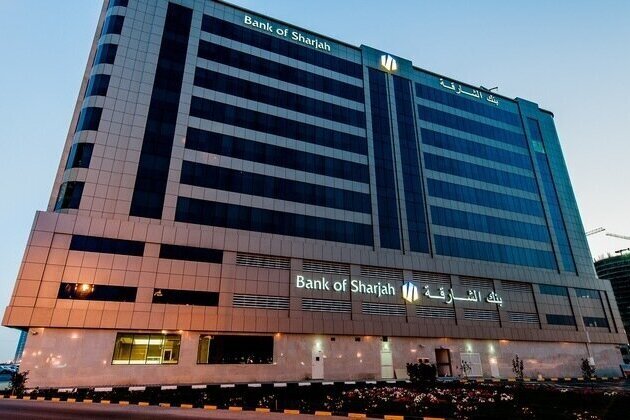
Bank of Sharjah played a key role in Ittihad International Investment LLC’s latest financing success, serving as Joint Lead Manager and Bookrunner in a US$550 million senior unsecured Sukuk issuance. The five-year bond offering attracted overwhelming investor interest, with the order book oversubscribed more than four times, peaking at US$2 billion. This level of demand highlights the strong confidence investors have in Ittihad International’s financial health and future growth prospects.

The Sukuk issuance represents a major milestone for Ittihad International Investment LLC, a prominent UAE-based investment group. With a focus on diversified investments across various sectors, Ittihad International has consistently shown its ability to adapt to market changes and maintain robust financial fundamentals. The success of the Sukuk offering is a clear reflection of the group’s strategic vision, which continues to resonate well with both regional and international investors.

The issuance attracted a diverse mix of institutional investors, including sovereign wealth funds, banks, and asset managers from across the globe. The appetite for the bond offering was not only driven by Ittihad’s strong credit profile but also by the stability and potential growth of the UAE’s economy, which remains a key driver for investment in the region. The overwhelming demand for the Sukuk underscores the high level of trust investors place in Ittihad’s long-term business strategies.

This successful transaction is a significant achievement for Bank of Sharjah, which has built a strong reputation in the financial sector for its role in leading major capital market deals in the region. The bank’s involvement as Joint Lead Manager and Bookrunner further solidifies its position as a leading financial institution in the UAE and the broader Middle Eastern market. Bank of Sharjah’s role in this high-profile Sukuk offering is seen as an endorsement of its deep understanding of regional markets and its ability to facilitate complex transactions for clients in a competitive environment.

The Sukuk, which is based on a Sharia-compliant structure, offers investors an attractive return while supporting Ittihad International’s strategic initiatives. The proceeds from the issuance are expected to be used for general corporate purposes, which include financing new investments and expanding the company’s portfolio in the UAE and beyond. The success of the transaction is a testament to Ittihad’s ongoing efforts to strengthen its financial position and drive long-term value for its stakeholders.

The Sukuk market in the Middle East has been thriving in recent years, with increasing interest from both local and international investors in Islamic finance products. The demand for Sukuk remains strong due to the region’s large and growing investor base, as well as the broader appeal of Sharia-compliant financial instruments. The Ittihad Sukuk transaction highlights the continued maturity of the Middle East’s debt capital markets and reinforces the role of Islamic finance in diversifying global investment opportunities.

The deal’s success also comes at a time when investor confidence in the UAE remains high, bolstered by the country’s continued economic recovery, business-friendly policies, and strong infrastructure development. These factors have contributed to the UAE’s attractiveness as a destination for both regional and international investors looking to capitalise on the country’s growth potential.

Dubai’s economy has demonstrated remarkable strength in the first half of 2025, with growth surpassing projections and reaffirming the emirate’s status as a global economic powerhouse. The city’s GDP expanded by 4.4 percent, reaching AED 241 billion, while the second quarter saw a notable 4.7 percent growth, bringing the total GDP for Q2 to AED 122 billion.

Key sectors played a pivotal role in driving this impressive performance. Dubai’s diversified economy, marked by a robust blend of finance, tourism, real estate, and trade, continues to thrive despite global uncertainties. The construction sector also witnessed significant growth, with an influx of infrastructure projects reflecting Dubai’s ambition to maintain its position as a leading global business hub.

One of the standout performers has been Dubai’s financial services industry, which has grown by a substantial margin. This sector’s success is largely attributed to Dubai International Financial Centre, which continues to attract a global clientele seeking access to the region’s thriving markets. With new regulatory reforms and the expansion of digital financial services, the financial services sector remains a cornerstone of Dubai’s economic resilience.

In addition, the real estate sector has shown signs of recovery after a few years of downturn, with both residential and commercial properties seeing increased demand. This growth can be linked to Dubai’s competitive positioning within the global property market, particularly in the luxury and hospitality segments. The city’s focus on international investors and high-net-worth individuals, combined with attractive incentives such as long-term visas and ease of doing business, has further bolstered investor confidence.

Tourism has also been a driving force behind Dubai’s economic growth. The city has seen a steady rise in international visitors, who are drawn to its world-class attractions, shopping festivals, and hospitality offerings. The Dubai Expo 2020, now extended into 2025, has had a ripple effect on the tourism sector, generating further investments and exposure to new global markets. Events and conferences have continued to bring in significant numbers of international guests, contributing to growth in the hospitality, retail, and leisure sectors.

The transportation and logistics sectors have been equally important to Dubai’s continued success. Dubai’s strategic location as a transport and logistics hub for the Middle East, Africa, and Asia continues to give it a competitive edge. Dubai International Airport, which consistently ranks among the world’s busiest airports, has witnessed a surge in passenger traffic, further solidifying its position as a key global aviation hub. Meanwhile, the port sector remains robust, with Dubai Ports World continuing to expand its reach internationally through strategic acquisitions and partnerships.

The emirate’s government has played a significant role in fostering a business-friendly environment, attracting foreign investment and enhancing the ease of doing business. New initiatives such as the Dubai Future Foundation and Dubai 2040 Urban Master Plan have injected fresh momentum into the city’s long-term growth trajectory. Dubai’s commitment to sustainable development, with a focus on green energy and technological innovation, ensures its competitiveness in a rapidly changing global economy.

Dubai’s resilience in the face of global economic challenges speaks to the emirate’s strategic focus on diversification and innovation. The city has managed to stay ahead of the curve by adopting advanced technologies in sectors like finance, healthcare, and education. In particular, the embrace of artificial intelligence, blockchain, and digital innovation has helped Dubai stay at the forefront of global economic trends.

Engineered by Australia’s leading probiotics expert, this high CFU probiotic delivers the ultimate gut defense, helping to reduce gut transit time by up to 18 hours. SINGAPORE – Media OutReach Newswire – 10 November 2025 – Life-Space, Australia’s No.1 probiotic brand, proudly unveils Triple Strength Probiotics, a flash charged probiotic designed to deliver intensive gut health support for those with more demanding digestive needs. With 15 premium […]

Visa and Mastercard are reportedly nearing a resolution in a two-decade-long legal dispute with a group of merchants over the fees associated with their payment systems. Sources familiar with the ongoing negotiations indicate that both companies, along with the merchants involved, are working towards an agreement that could put an end to the protracted legal battle, which has caused significant tension in the payments industry.

The legal issue dates back to the early 2000s when merchants accused the payment giants of anti-competitive practices, specifically their practice of setting high interchange fees for card transactions. These fees, paid by merchants to card issuers, have been a point of contention for years, with many arguing that the pricing structures imposed by Visa and Mastercard were unfairly high and limited competition within the payments market.

This dispute first gained public attention when large retailers and other business associations banded together, alleging that the card networks were using their market dominance to maintain inflated fees. Over time, the case expanded to include a wide range of merchants, from small businesses to multinational corporations, who collectively argued that the financial burden of interchange fees was ultimately passed on to consumers in the form of higher prices.

Throughout the years, both Visa and Mastercard have faced legal challenges, and a series of class-action lawsuits have been filed. These lawsuits have not only focused on the fees themselves but also on the lack of transparency in how they were determined and enforced. Merchants claimed that the payment networks’ practices amounted to price-fixing, a violation of antitrust laws. The legal battle escalated over time, with both sides digging in their heels.

The talks have reportedly intensified in recent months, with both Visa and Mastercard keen to resolve the matter without further litigation. According to the sources, the settlement under discussion would likely result in a significant financial payout to merchants, though the exact amount remains undisclosed. The agreement could also include changes to the way interchange fees are structured, potentially leading to lower costs for businesses that accept card payments.

For Visa and Mastercard, the prospect of a settlement would bring an end to a costly and divisive legal fight. Both companies have defended their practices throughout the proceedings, maintaining that the fees they charge are justified by the value they provide in terms of security, convenience, and innovation in the payments ecosystem. However, they also face growing pressure from lawmakers, regulators, and consumers to address the issue of interchange fees, which have been a sticking point in the broader debate on financial services.

For merchants, the settlement represents a significant potential win. Many business owners, particularly in sectors like retail and hospitality, have long argued that interchange fees represent a hidden tax on their operations, undermining their ability to compete. Lowering these fees could provide financial relief, particularly for smaller businesses that often face the highest costs in the payment system.

If the settlement is reached, it could have a ripple effect across the payments industry, influencing how other payment processors and financial institutions structure their fees. Moreover, it could pave the way for further regulatory scrutiny of the broader payments ecosystem, with calls for greater transparency and fairness in the way card networks operate.

In addition to the financial terms, the settlement is also expected to address broader issues within the payments sector. Changes to the way interchange fees are communicated to merchants, improvements in fee structures, and possible new regulations could be part of any final agreement. These changes could not only benefit merchants but also lead to a more competitive environment in the payment processing industry.


By Nitya Chakraborty In Chinese media, lot of interest is focused on the future of the US sponsored security bloc QUAD and what will be India’s relations with it in the backdrop of US President Donald Trump’s strained relations with the Indian Prime Minister Narendra Modi and the last August 30 summit of the Indian […]

The article China Sees Political Coldness In India’s Dealing With Coming QUAD Summit appeared first on Latest India news, analysis and reports on Newspack by India Press Agency).

Dubai’s property market is grappling with a widening supply-demand gap, as the number of completed units lags behind the increasing volume of new project announcements. While developers continue to launch projects at an accelerated pace, experts warn that this could lead to a critical imbalance in the coming years. According to real estate agency Allsopp & Allsopp, a significant discrepancy is emerging between the number of new […]

Lendlease Global Commercial REIT, a real estate investment trust listed in Singapore, has secured a major acquisition, purchasing a 70% stake in Singapore’s Paya Lebar Quarter mall. The deal, valued at $679 million, sees the Singapore-listed trust take ownership of a significant portion of the property from the Abu Dhabi Investment Authority. The acquisition comprises 70% of the total issued units in the PLQM Trust, which owns […]

Abu Dhabi National Oil Company is poised to significantly ramp up its global trading operations, with plans to increase the volume it handles by two-thirds over the next few years. This expansion is part of a broader strategy to strengthen ADNOC’s position on the global stage and tap into new revenue streams. The move signals the growing ambition of the UAE’s state-owned oil giant to enhance its commercial footprint beyond traditional oil and gas production.

Since the establishment of its trading arm in 2018, ADNOC has been gradually building its global network, positioning itself as a major player in international energy markets. The company has already set up trading offices in key financial hubs such as Singapore and Geneva, with the United States next on its list. This expansion is seen as a strategic initiative aimed at consolidating ADNOC’s presence in both the fuel trading and energy markets, where it competes with some of the world’s largest oil companies.

Ahmed Bin Thalith, CEO of ADNOC Global Trading, outlined the company’s goals during a recent interview. He explained that ADNOC’s trading operations are central to its broader strategy of extracting greater value from the fuel produced not only in the UAE but from global markets. Thalith emphasized that the expansion of the trading unit is integral to ADNOC’s vision of becoming a more diversified energy enterprise, moving beyond its traditional role as a major oil producer.

The UAE, known for its vast reserves of oil and natural gas, is under pressure to diversify its economy, which is heavily dependent on hydrocarbons. By expanding its trading operations, ADNOC seeks to secure additional revenue streams from the global sale of fuel products, a vital step as the world moves towards a more sustainable energy future. The move aligns with the UAE’s broader vision of positioning itself as a global energy hub, diversifying into renewable energy and other industries, such as technology and manufacturing.

ADNOC’s global trading expansion follows a series of similar moves by other Gulf oil companies seeking to broaden their operations beyond the traditional export of crude oil. Companies like Saudi Aramco have been pursuing similar strategies to increase their influence in the global energy trading market. However, ADNOC’s strategy to build a robust trading platform since 2018 gives it a more established presence in the field. The company is now looking to leverage its growing infrastructure to manage an even greater volume of trades, both within the Middle East and globally.

In addition to expanding its physical presence in strategic locations, ADNOC Global Trading is also exploring new technologies to improve its operations. This includes the use of data analytics and advanced digital tools to monitor and predict market trends, a crucial aspect for maintaining competitiveness in the volatile global energy market. By integrating cutting-edge technology into its trading practices, ADNOC aims to stay ahead of the curve and better position itself in a market where agility and adaptability are paramount.

The decision to enter the U. S. market is one of the more ambitious elements of ADNOC’s expansion plans. The company aims to tap into the largest energy market in the world, which has seen significant changes in recent years due to the shale revolution and growing interest in alternative energy sources. By establishing a presence in the U. S., ADNOC hopes to gain access to new trading opportunities, as well as foster relationships with key players in the global energy sector.

The expansion also reflects ADNOC’s long-term vision of becoming a more diversified energy company that is not solely reliant on crude oil exports. The UAE has been increasingly investing in renewable energy, and ADNOC’s trading division is seen as a key pillar in achieving this transition. As part of its sustainability strategy, ADNOC has set ambitious targets for reducing its carbon footprint and increasing its investment in cleaner energy technologies, including solar power and hydrogen.

Bad Brain Game Studios, a Canada-based video game developer, has confirmed its closure following a strategic decision by its parent company, NetEase. The shutdown marks a significant shift in NetEase’s gaming portfolio, reflecting broader industry trends and company priorities. Founded in 2018, Bad Brain Game Studios garnered attention for its innovative approach to game development, focusing on immersive experiences and pushing boundaries within the gaming landscape. The […]

Nigeria has successfully raised $2.35 billion through the sale of 10-year and 20-year Eurobonds, marking a significant achievement in its financial strategy. The transaction, announced on Wednesday, attracted a staggering $13 billion in orders, the largest-ever demand for Nigerian sovereign debt. The sale, conducted through the country’s Debt Management Office, highlights strong investor confidence in Nigeria’s economic recovery prospects despite ongoing challenges. The sale included two tranches: […]

Iron ore prices have continued their downward trend, heading towards their most significant weekly decline since February. The ongoing drop in prices is being driven by sluggish demand for steel in China and the tightening profit margins faced by steel mills. These factors have raised concerns about the overall stability of the global iron ore market, particularly in the world’s largest consumer, China.

Steel mills in China, which are the primary drivers of iron ore demand, are facing significant challenges due to rising input costs and tighter margins. The country’s construction and manufacturing sectors, which consume a large portion of steel, have struggled to gain momentum amid slower economic growth. With high input costs and a slowdown in industrial activity, many steelmakers have been forced to curb production, leading to reduced demand for iron ore.

At the same time, steel prices have also been under pressure, further exacerbating the squeeze on mill margins. While there were hopes for a recovery earlier in the year, the anticipated rebound in steel demand has yet to materialise, as economic conditions in China remain uncertain. The country’s industrial output has shown signs of stagnation, with infrastructure projects failing to meet expectations and housing activity continuing to struggle.

In addition to weak demand, iron ore prices have also been affected by rising supply levels. Brazilian mining giant Vale, one of the largest iron ore producers globally, has increased production in recent months, adding to the market’s supply glut. Vale’s expansion of its operations has helped to further ease supply concerns that have plagued the market over the last few years. However, this has created a situation where the supply of iron ore is outpacing demand, particularly given the subdued consumption from China’s steel mills.

The combination of oversupply and weakening demand has led to a decline in iron ore futures. The most actively traded contracts have experienced a significant fall in recent trading sessions, reflecting the broader bearish sentiment in the market. Prices have dropped by as much as 6% this week, marking a notable setback for an industry that had previously seen strong growth due to the post-pandemic recovery phase.

Global iron ore producers are feeling the impact of these declines as well. Companies such as Rio Tinto and BHP have faced a slowdown in earnings growth, despite their dominance in the market. Lower iron ore prices have put pressure on the profitability of these companies, leading to recalibrated forecasts for the rest of the year.

China’s role in the iron ore market remains critical, with the country accounting for over half of global iron ore consumption. However, the shift in the country’s steelmaking practices, including a push towards cleaner and more sustainable steel production, has led to concerns that long-term demand may not be as robust as previously expected. Furthermore, the government’s increasing focus on reducing emissions could eventually affect steel production levels in the country.

Despite these challenges, analysts believe that iron ore prices are unlikely to fall precipitously in the coming months. While demand from China may remain subdued, global steel production is expected to recover in other regions, such as Europe and North America. This could provide some support for iron ore prices, although the pace of recovery remains uncertain.

A landmark agreement has been signed by the UAE clean-energy firm Masdar and Austrian integrated energy company OMV to establish a joint venture for the financing, construction and operation of a 140 MW green-hydrogen electrolyser plant at Bruck an der Leitha, Austria. The plant is expected to commence operations in 2027, following the commencement of construction in September 2025. OMV will hold a 51 per cent majority […]

Quantinuum, a leading quantum computing company, has officially launched Helios, a cutting-edge quantum system that it claims to be the most precise general-purpose commercial quantum computer globally. This milestone is seen as a significant development in the quantum computing industry, offering businesses the potential to solve complex computational problems with unprecedented accuracy and efficiency. Helios is powered by advanced quantum technology that allows it to solve problems […]

TAIPEI, TAIWAN – Media OutReach Newswire – 7 November 2025 – The World Travel Market (WTM) returned to London’s ExCeL this November, bringing together travel professionals and media from across the globe. Taipei joined the show under the theme “Taipei – A City of Layers,” presenting a city where mountains, culture and modern life are seamlessly intertwined. At WTM London, Taipei engaged actively with European travel partners, […]

VISHNU RAJA
RYO YAMADA
HITORI GOTOH
IKUYO KITA