News related to
Years

Michigan’s State Retirement System has significantly increased its investment in Bitcoin, demonstrating confidence in the cryptocurrency’s long-term potential. The fund has tripled its exposure to Bitcoin through the ARK 21Shares Bitcoin ETF, a move that reflects growing interest from institutional investors in digital assets. This increase comes as Bitcoin continues to see heightened attention from both retail and institutional investors, positioning it as a key player in the evolving financial landscape.

The Michigan State Pension Fund, managed by the Michigan Department of Treasury, is one of the largest public pension funds in the United States, with assets exceeding $90 billion. Its decision to increase Bitcoin holdings through the ARK 21Shares Bitcoin ETF is seen as part of a broader trend in which pension funds, endowments, and other institutional investors have begun diversifying their portfolios by including digital assets.

The ARK 21Shares Bitcoin ETF, which is designed to provide exposure to Bitcoin without requiring investors to directly hold the cryptocurrency, has gained traction among institutional investors for its simplicity and regulatory compliance. This ETF allows for Bitcoin exposure in a traditional investment vehicle, offering an avenue for pension funds that may otherwise be restricted from investing directly in cryptocurrencies.

Cryptocurrency has become an increasingly important asset class for institutional investors. A growing number of asset managers have begun to see Bitcoin and other digital currencies not just as speculative investments, but as a hedge against inflation and currency devaluation. Bitcoin’s reputation as “digital gold” has been reinforced by its performance in the face of economic uncertainty, especially in comparison to traditional assets like equities and bonds.

The decision to expand Bitcoin holdings is also linked to the broader trend of pension funds seeking higher returns to meet long-term obligations. With global interest rates remaining low and traditional investments yielding modest returns, pension funds are under growing pressure to diversify their portfolios and consider alternative assets. Bitcoin, with its potential for high returns despite its volatility, has become a prominent choice.

Experts suggest that institutional adoption of Bitcoin is still in its early stages, but the trend is accelerating. Michigan’s State Pension Fund’s move to increase its Bitcoin exposure follows similar actions by other major pension funds and financial institutions. The California Public Employees’ Retirement System, the largest public pension fund in the U. S., has also explored Bitcoin exposure, although in a more cautious manner.

This shift towards digital assets by public pension funds is not without controversy. Some critics argue that the volatile nature of Bitcoin and other cryptocurrencies makes them a risky investment for pension funds, which are tasked with managing the retirement savings of millions of individuals. Concerns about the regulatory landscape and the potential for sudden price swings have prompted calls for greater caution in incorporating cryptocurrencies into institutional portfolios.

However, proponents of the move argue that Bitcoin’s resilience and increasing institutional support make it a sound long-term investment. As blockchain technology continues to mature and the regulatory environment around digital assets evolves, many believe that the risks associated with Bitcoin will be mitigated over time. Moreover, the increasing mainstream adoption of cryptocurrencies by corporations and financial institutions is seen as a positive indicator of their future potential.

The ARK 21Shares Bitcoin ETF itself has become a widely-followed vehicle for gaining Bitcoin exposure. Managed by ARK Invest, a firm known for its focus on disruptive innovation, the ETF holds Bitcoin in a secure manner and allows investors to gain exposure without directly purchasing or storing the cryptocurrency. The ETF has drawn interest from various institutional investors, including pension funds, hedge funds, and family offices, all seeking a regulated and secure method of gaining exposure to the world of digital assets.

Despite the benefits, the decision to triple Bitcoin exposure has sparked some concerns about diversification within the Michigan State Retirement System’s broader portfolio. Critics warn that an overconcentration in any single asset, particularly one as volatile as Bitcoin, could undermine the stability of the pension fund. While Bitcoin has demonstrated substantial returns in recent years, its volatility has also led to significant drawdowns, making it a risky bet for long-term investors.

The pension system’s commitment to Bitcoin, however, signals the growing legitimisation of digital currencies in the traditional financial world. Michigan’s pension fund is not alone in recognising Bitcoin’s potential as part of a diversified portfolio, as other states and private institutions have made similar moves to explore digital assets.


Dubai’s real estate sector continues to be a focal point for both investors and homebuyers, with market trends highlighting the emergence of new residential hotspots. These areas are offering lucrative opportunities for long-term capital appreciation, driven by shifting preferences and strategic developments that cater to various demographic segments. Among these, six communities have emerged as the key players, transforming the residential landscape in Dubai. Chestertons MENA, a […]

ServeU, a prominent facilities management firm in the UAE, has secured a strategic acquisition of House Keeping and its domestic workers division in a deal valued at 100 million dirhams. This acquisition marks a significant move for ServeU, expanding its presence in the domestic workforce segment and enhancing its service capabilities. The acquisition, finalized by ServeU, includes both the House Keeping brand and its subsidiary operations. Despite […]

Espresso AI, a cutting-edge platform developed by former Google engineers, has unveiled a Kubernetes Scheduler for Snowflake, marking a significant step in optimising data warehouse performance and cost-efficiency. This new solution leverages large language models to enhance the management and operational workflows of Snowflake data warehouses, enabling businesses to significantly reduce costs while maintaining high-performance standards. Snowflake, a widely adopted cloud data platform, has revolutionised data storage […]

American Bitcoin Corp., a Bitcoin mining firm linked to Donald Trump, is making waves in the financial world with plans to list on the Nasdaq. The move marks a significant step for the cryptocurrency industry, highlighting how major players are seeking to establish more conventional footholds on Wall Street.

Founded in 2021, American Bitcoin Corp. aims to scale up its operations significantly by tapping into public capital markets. The company has stated that it intends to raise substantial funds to expand its mining capacity and enhance its technological capabilities. According to internal reports, the firm has already secured partnerships with several high-profile players in the energy sector to support its ambitious plans.

The firm’s connection to Trump adds a layer of political intrigue to the listing process. Trump, who has long been associated with various business ventures, is reportedly involved in an advisory capacity, lending his brand and strategic expertise to the company’s growth. His endorsement has proven valuable in garnering attention, not only among traditional investors but also among those with a keen interest in the intersection of politics and business.

The move to list on Nasdaq comes at a time when the cryptocurrency mining industry faces increasing scrutiny over its environmental impact and energy consumption. Mining operations like those at American Bitcoin Corp. use vast amounts of energy to secure Bitcoin transactions, a process that has been criticised for contributing to carbon emissions. Despite this, the firm is positioning itself as an environmentally conscious entity, touting its use of renewable energy sources as part of its long-term sustainability plan.

American Bitcoin Corp. is not alone in its ambition to go public. Several other firms in the digital asset space have followed similar paths, capitalising on the growing interest in cryptocurrency and blockchain technology. The listing process for such companies has been characterised by both enthusiasm and caution, as investors weigh the risks and rewards of entering an industry that is still in its infancy.

The company’s decision to enter the public markets through a direct listing rather than a traditional IPO is seen as an indication of its readiness to embrace the evolving financial landscape. A direct listing allows a company to bypass the usual underwriting process, allowing it to raise capital while potentially avoiding the costs and regulatory hurdles that come with a standard IPO. This strategy has been adopted by a growing number of firms in the tech and cryptocurrency sectors, where traditional methods of capital-raising are increasingly viewed as outdated.

There is no doubt that American Bitcoin Corp.’s decision to list on Nasdaq could be a game-changer for the cryptocurrency space. If successful, the company’s public debut could open the door for other mining firms and blockchain-based companies to follow suit, further integrating digital assets into the mainstream financial ecosystem. This would be a significant moment for the cryptocurrency industry, as it continues to move from the periphery of global finance into the centre stage.

However, as with any venture tied to the volatile cryptocurrency market, the risks associated with American Bitcoin Corp.’s listing cannot be ignored. Bitcoin and other digital currencies have faced wild price fluctuations over the years, and while the long-term outlook for the sector remains optimistic, many investors are still cautious about committing to assets that are prone to such dramatic swings. As a result, American Bitcoin Corp. will likely face considerable scrutiny from both the public and regulatory bodies in the coming months.

The company’s plan also raises broader questions about the future of cryptocurrency mining in the United States. With growing concerns over the environmental cost of mining and the regulatory uncertainty surrounding the sector, American Bitcoin Corp. will need to navigate a complex web of challenges in order to maintain its position as a leading player in the industry.

The involvement of high-profile figures like Trump could prove to be a double-edged sword. While his brand brings immediate attention to the company, it could also subject American Bitcoin Corp. to increased political scrutiny, particularly given the polarising nature of his public persona. The firm will need to strike a balance between leveraging Trump’s influence and distancing itself from the controversy that often surrounds his name.

BUCHAREST, ROMANIA – Media OutReach Newswire – 6 August 2025 – Pfizer Romania has been officially certified as one of the Best Places to Work in Romania for 2025, a recognition that highlights its commitment to fostering a workplace culture grounded in integrity, inclusion, and employee empowerment. The Best Places to Work program is a leading international certification that honors organizations providing exceptional employee experiences. The evaluation […]

Arabian Post Staff -Dubai FBS, a prominent global trading company, has suspended its operations in India, citing increasing regulatory challenges. The decision to cease trading activities follows growing concerns from Indian authorities regarding the company’s compliance with local financial regulations and its failure to meet the standards set by the Securities and Exchange Board of India. The move has raised questions about the country’s rapidly evolving regulatory […]

Advertisements
By Nitya Chakraborty Bangladesh is finally going for national elections in February 2026 ending all speculations in the political circles in Dhaka in the last one year since the abdication of the earlier Prime Minister Sheikh Hasina from power on August 5, 2024. Chief Adviser of the interim government Dr. Muhammad Yunus announced the elections […]

The Africa Debate conference, a pivotal event focusing on trade and investment across the African continent, is set to take place on 30 September 2025 in Dubai. Organised by Invest Africa in partnership with the UAE government, this flagship conference aims to address critical issues surrounding economic growth, investment opportunities, and regional collaboration in Africa. Held in cooperation with the UAE Ministry of Foreign Trade, the conference […]

Joachim Hanssen appointed Chief Executive Officer, Asia Pacific (APAC), effective August 1, 2025 Alberto Martinez appointed Chief Executive Officer, Europe (EU), effective October 1, 2025 Renee Toh to succeed Martinez as Vice President Global Ocean Freight, effective September 25, 2025 SINGAPORE – Media OutReach Newswire – 6 August 2025 – The Rhenus Group today announced three strategic leadership appointments that will play a pivotal role in driving […]

The Indian real estate market is under increasing pressure, with housing sales plummeting by 20% in major metropolitan areas. Data from ANAROCK reveals that only 96,285 homes were sold in Q2 2025, a sharp decline from 120,335 sales recorded in the same period the previous year. The downturn highlights a growing sense of buyer hesitancy, fuelled by external factors like tariffs imposed by the Trump administration, which have disrupted market stability.

A significant driver of the decline is the mounting uncertainty surrounding global trade dynamics, particularly the new 25% tariffs on key imports. These tariffs are expected to have a ripple effect on several sectors, including real estate, with the affordable housing market feeling the brunt. The tariffs impact micro, small, and medium enterprises —a key demographic for the affordable housing segment—further limiting purchasing power in this sector.

The sharp drop in home sales comes amid skyrocketing property prices. According to ANAROCK, the average price of residential properties in the seven largest Indian cities has increased by 39% over the past two years. Prices jumped from INR 6,470 per square foot in Q2 2023 to INR 8,990 per square foot in Q2 2025. The rapid price surge is another contributing factor to the decline in transactions, as many potential homebuyers are now priced out of the market, especially in the affordable housing sector.

Amid this turbulence, the Reserve Bank of India has opted to maintain its current repo rate at 5.5%, a move that has been closely scrutinised by both the real estate and finance sectors. Analysts had speculated that a rate cut could help rejuvenate the housing market by lowering mortgage rates, especially for those looking to buy within the affordable segment. However, the RBI has opted for caution, mindful of the ongoing global trade tensions and the potential ripple effects on the Indian economy.

Despite the market challenges, there is still hope that long-term confidence in the Indian real estate sector may prevent further deterioration. While short-term factors like interest rates and tariffs play a critical role, a segment of buyers continues to prioritise long-term investment in property. Experts suggest that the market may see a resurgence, particularly if developers introduce more flexible payment schemes and attractive offers during the upcoming festive season. These strategies could help ease affordability concerns and stimulate demand, especially in an environment where many buyers are seeking stability rather than short-term savings.

For developers, the key to weathering the current storm lies in balancing price sensitivity with buyer confidence. Offering more affordable housing options, particularly in emerging suburbs and tier-2 cities, may provide a strategic path forward. As large-scale developers attempt to retain buyer interest, creative financing options, including extended payment plans and discounts, could be key in sustaining sales. However, the central government and the RBI’s policy decisions in the coming months will remain critical to shaping the trajectory of the sector.

Geopolitical uncertainties and escalating regional tensions have continued to dampen growth in the UAE’s non-oil sector, with July’s Purchasing Managers’ Index marking its lowest point in four years. The S&P Global UAE PMI dropped to 52.9 from 53.5 in June, highlighting a slower pace of expansion in the country’s non-oil business activity. The decline indicates that the rate of growth has weakened, falling below the long-term trend observed in past months.

The report, based on a survey of businesses across the UAE, signalled the weakest growth in the non-oil sector since June 2021. It outlined several key factors contributing to the slowdown, most notably the lingering geopolitical uncertainties affecting both domestic and regional market conditions. Sales, in particular, have been impacted, with companies facing challenges in securing new business. The survey revealed that a cautious approach was being adopted by clients, with many hesitant to commit to new expenditures due to the prevailing uncertain environment.

The survey found that new business growth had slowed further, with firms reporting reduced client demand across various sectors. This has led to a decline in both hiring and purchasing activity, further underscoring the strained business conditions. Companies appear more reluctant to invest in workforce expansion or in the procurement of goods and services.

Despite these setbacks, there was a notable increase in output levels, as firms worked to manage their backlogs of work. To ensure that delivery times were met and customer satisfaction remained high, businesses opted to accelerate their production. This uptick in output was a response to the mounting pressures caused by increased demand from existing orders, with firms aiming to prevent a further buildup of work left unfinished.

According to the PMI report, the services sector, a key pillar of the non-oil economy, showed signs of stagnation in growth. This is in contrast to other periods of relative expansion, where the sector had experienced more robust gains. The impact of external factors, such as regional tensions and fluctuating demand, has been particularly noticeable in the services sub-sector, which includes industries like hospitality, tourism, and business services.

Notably, the survey’s findings also revealed that UAE businesses were still grappling with a cautious economic outlook. Many are navigating the ongoing challenges posed by global economic conditions, including inflationary pressures and supply chain disruptions. While some sectors have managed to adapt, the overall sentiment among businesses remains one of caution.

Another contributing factor to the sector’s struggle has been the steady rise in costs. With inflationary pressures mounting, firms have faced higher input costs, which they have had to balance against the slower growth in demand. Despite these challenges, many companies are opting to absorb the additional costs to maintain competitive pricing in the marketplace, though the sustainability of this approach is under scrutiny as conditions persist.

While the non-oil sector’s growth has been muted, there have been some positive indicators in the form of continued investment in infrastructure projects and the government’s commitment to diversifying the economy. The UAE’s Vision 2030, which focuses on reducing dependence on oil revenues, remains a long-term blueprint for economic transformation. However, the road ahead appears uncertain, with regional tensions and external pressures acting as major headwinds to the UAE’s ambitious goals.

In terms of employment, the outlook is mixed. While there has been a decline in hiring across some sectors, others continue to experience demand for skilled workers, particularly in industries aligned with the country’s long-term economic diversification plans. However, businesses have also been cautious in their hiring practices, mindful of the fluctuating economic environment and the potential for further uncertainties in the coming months.

Capital Deployed to Date: Over US$1 Billion Companies Supported: Advised and invested in 200+ SGX-listed companies SINGAPORE – Media OutReach Newswire – 6 August 2025 – ICH Group is the key anchor investor in the recent Initial Public Offerings (IPOs) of Lum Chang Creations, Info-Tech and Goodwill Entertainment on multi-asset platform Singapore Exchange (SGX Group), a decisive move that signals renewed investor confidence following a notable drought […]

By Mark Gruenberg NEW YORK—The Trump administration and its radical right foot-soldiers in the federal government and in the states are undertaking a comprehensive scheme to undermine future state and federal elections, in effect rigging the rolls to keep themselves in power no matter what the voters decide. So far, other than the report itself, […]

Matein Khalid There are two gems in global finance that I believe can make serious money if purchased at the right price this autumn. Their high beta means a 16% hit if the S&P has the 10% index correction that Morgan Stanley projects. The best thing at TPG for me is CEO Jon Winkelried, who I first met in Goldman Sachs’ cathedral of money at Peterborough Court […]

Alphabet’s investment arm has fully divested its stake in CrowdStrike, a cybersecurity firm, after initially reducing its holdings in the first quarter. This decision signals a notable shift in the company’s strategy, which had previously seen an active involvement in the growth of CrowdStrike. The tech giant’s divestment raises questions about broader trends in the tech and cybersecurity sectors. The exit from CrowdStrike follows Alphabet’s trimming of […]

Ubuntu Server 25.10 has made a significant change by removing wget from its default installation, opting instead for wcurl as the default command-line tool for web requests. This shift marks a departure from the long-standing reliance on wget, a tool that has been a core utility in Unix-like systems for decades. While some might view this as a technical evolution, it also raises questions about the future […]

A zoo in northern Denmark has made an unusual appeal to the public, requesting donations of small pets such as hamsters, rabbits, and guinea pigs to feed its carnivorous animals. The request has stirred a mix of surprise and concern among pet owners, animal rights activists, and the general public. The facility, located in the town of Aalborg, operates a variety of exhibits housing apex predators, including […]

Dubai is set to become the first city globally to introduce a commercial air taxi service, marking a significant milestone in the evolution of urban mobility. This groundbreaking move follows the successful completion of full-scale test flights by US-based Joby Aviation, a company leading the development of electric vertical takeoff and landing aircraft. The service is planned to roll out in 2026, making Dubai a frontrunner in […]

A major economic migration is shaping the global landscape, with the UAE emerging as a primary destination for millionaires seeking new opportunities. In 2025, projections indicate that over 140,000 affluent individuals will relocate across borders, and the UAE is set to capture a substantial portion of this wealth migration. Among the largest share of the 142,000 millionaires relocating worldwide, the UAE is expected to see 9,800 of […]

A remarkable discovery in palaeontology has emerged from the re-examination of a fossil originally unearthed over four decades ago in the Posidonia Shale of Germany. The fossil, which has long been a subject of scientific intrigue, has now been identified as belonging to a previously unknown species of long-necked marine reptile, Plesionectes longicollum. This breakthrough finding significantly alters the understanding of marine life during the Jurassic period, […]

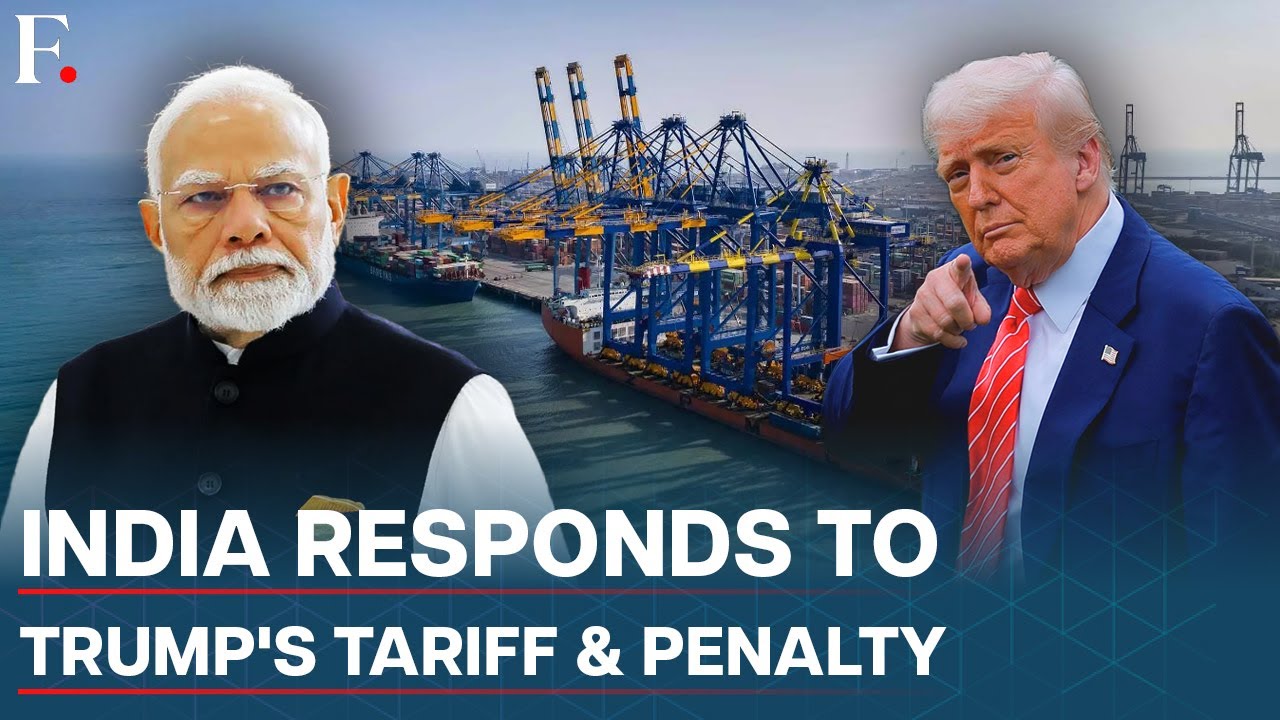
US President Donald Trump has announced plans to significantly raise tariffs on exports from India, citing the country’s oil purchases from Russia as the primary reason for the move. The statement marks an escalation in tensions between the two countries, with both sides having clashed over trade policies and geopolitical issues in recent years.

Trump’s remarks, made on social media, have ignited a strong response from New Delhi, which views the threat as unjustified and damaging to its economic interests. The US President criticized India’s ongoing imports of Russian crude oil, calling the move a betrayal, as the West intensifies efforts to isolate Moscow over its invasion of Ukraine. He pointed out that India’s purchases were then being resold on the international market for profits, further compounding the situation.

The US government has consistently condemned the sale of Russian oil to countries that are still buying from Moscow amid global sanctions designed to cripple the Russian economy. These sanctions, which were imposed by the US and its allies in response to Russia’s aggressive actions in Ukraine, have led to a complex diplomatic web, with several nations, including India, caught in the middle.

While the US and European Union have significantly reduced their oil imports from Russia, countries like India and China have stepped in to fill the gap, buying discounted crude oil from Moscow. India, in particular, has ramped up its purchases of Russian energy, a decision that is seen by many as a strategic move to secure energy resources at lower costs. These purchases have helped India maintain its economic growth amidst the energy price crisis exacerbated by the war in Ukraine.

The announcement by Trump that tariffs on Indian goods would be substantially raised could have serious repercussions for trade between the two nations. India is one of the United States’ largest trading partners, and any significant tariffs would undoubtedly affect a range of industries, from agriculture to technology. In 2022, the bilateral trade between the two countries surpassed $150 billion, with India exporting a wide array of goods to the US, including textiles, chemicals, and pharmaceuticals.

The Indian government, however, has rejected Trump’s claims, arguing that its oil purchases from Russia are in line with its energy security needs and do not violate any international laws. New Delhi has maintained a neutral stance on the war in Ukraine, calling for dialogue and diplomacy to resolve the crisis rather than escalating sanctions and pressure on Russia.

India’s position reflects a broader strategy of balancing its foreign relations with both the West and Russia. While it maintains strong ties with the US and Europe, it also values its long-standing relationship with Russia, particularly in defense and energy sectors. Over the years, Russia has been a reliable supplier of defense equipment to India, a factor that continues to shape India’s foreign policy decisions.

The economic impact of higher tariffs could have a ripple effect on both countries’ economies. India could face higher costs for its exports to the US, which might lead to inflationary pressures within certain sectors. For the US, such tariffs could result in higher prices for American consumers on imported goods, potentially exacerbating inflation at a time when the country is already grappling with economic challenges.

The political fallout from Trump’s threat to raise tariffs could further complicate efforts to resolve trade disputes between the US and India. Both nations have been working on strengthening their strategic and economic ties, but issues like tariffs and energy trade could undermine this progress. Negotiations over trade deals, such as the proposed free trade agreement, may now face significant hurdles as both sides dig in their heels.

The decision to increase tariffs on India could also have wider implications for the global economy. It might set a precedent for other nations to retaliate against countries purchasing Russian oil, particularly those in the Global South who have not been willing to fully sever their economic ties with Moscow. This could potentially fragment the global energy market even further, making it harder for countries to secure stable and affordable energy supplies.

This development highlights the growing division between the US-led West and countries that have opted to remain neutral or continue engaging with Russia. As the war in Ukraine shows no sign of abating, the economic and diplomatic repercussions of these decisions are likely to continue shaping global relations for the foreseeable future.

By Nantoo Banerjee US President Donald Trump is becoming increasingly unpredictable, if not crazy, with his freakish combination of styles to deal with countries and issues – from trade to diplomacy. The 25 percent import tariff on India since last Friday may not considerably hurt India’s export trade with the US, but it threatens to […]


Dubai has seen a marked surge in its real estate sector in 2025, with 24 major property projects completed in the first half of the year. These developments, worth a combined Dh4.5 billion, are part of a wider trend that reflects the city’s growing demand for residential units and integrated communities. According to the Dubai Land Department, there are currently 726 active projects under construction across the […]

VISHNU RAJA
RYO YAMADA
HITORI GOTOH
IKUYO KITA