News related to
Years

Nigeria will kick off its 2025 oil licensing round in December, according to an announcement made by the country’s oil regulatory body in London. This new auction, which is expected to attract significant attention from both local and international energy companies, forms a key part of the Nigerian government’s strategy to revitalise dormant oil assets and bolster production levels. The licensing round is aimed at unlocking valuable […]

UNESCO’s General Conference has officially recognised Kiswahili as one of its official languages, a significant move towards enhancing linguistic diversity within the organisation. This decision marks a milestone in the global promotion of African languages and elevates Kiswahili to a prominent status in international discourse. The decision, which was made during the 41st session of the UNESCO General Conference, reflects the growing importance of Kiswahili not only […]

Abu Dhabi-based Aldar Properties has enhanced its asset portfolio with the acquisition of two prime industrial and logistics properties from a subsidiary of AD Ports Group for a total of 570 million dirhams. The deal, which includes two Grade A assets, underscores Aldar’s strategy to diversify and strengthen its recurring income base, especially within the logistics and industrial sectors.

The assets, situated in Khalifa Economic Zones, include one property leased to Noon, a prominent e-commerce platform, which operates a state-of-the-art fulfilment centre, and another property rented to Emtelle, a manufacturer of fibre optic solutions for the telecoms industry. The acquisition not only adds significant value to Aldar’s real estate holdings but also reinforces its presence in the rapidly growing logistics sector, which has seen increasing demand due to the boom in e-commerce and telecommunications.

Khalifa Economic Zones, a key business hub in Abu Dhabi, offers strategic connectivity and is home to various global companies. The two acquired properties represent institutional-grade assets, expected to generate stable and long-term income streams. The properties are located in one of the UAE’s most dynamic areas for industrial and logistical operations, enhancing the appeal of this acquisition for Aldar. The agreement further highlights KEZAD’s growing prominence as a central location for leading global players in e-commerce and technology sectors.

Aldar’s decision to expand its holdings in the industrial space is aligned with its ongoing strategy of diversifying its income sources. The company has steadily been growing its portfolio of income-generating assets, focusing on sectors such as residential, retail, and now industrial logistics. This acquisition forms part of Aldar’s broader investment strategy to optimise its portfolio, positioning itself as a key player in sectors that offer resilient, long-term returns.

With the rise in demand for logistics properties, particularly those catering to e-commerce businesses, Aldar’s move to acquire these assets is timely. Noon’s use of the space as a fulfilment centre aligns with the UAE’s expanding e-commerce sector, which has experienced significant growth, further accelerated by the pandemic. Similarly, the Emtelle facility contributes to the growing telecom sector, driven by the need for fibre optic solutions as digital transformation progresses across the region.

This transaction reflects a broader trend of increasing institutional investment in industrial and logistics real estate, a sector seen as highly resilient due to the ongoing digital transformation and e-commerce boom. Aldar’s acquisition strategy mirrors regional and global shifts towards securing high-quality, long-term investments in key infrastructure sectors.

The deal marks a key milestone for Aldar as it looks to strengthen its foothold in Abu Dhabi’s industrial property market. By adding these Grade A assets, the company not only boosts its portfolio but also positions itself to benefit from future growth in logistics, telecommunications, and e-commerce sectors, which are expected to continue expanding in the coming years.

SharpLink Gaming has reported a significant achievement, earning 492 ETH in staking rewards within a single week. This milestone reflects the company’s robust performance in the rapidly growing field of decentralized finance, where staking plays an essential role in earning passive income. With a growing presence in the gaming and blockchain sectors, SharpLink’s latest success highlights its expanding role in the emerging digital economy.

The company’s staking rewards come as part of its broader strategy to harness blockchain technology for sustained revenue generation. Through participating in Ethereum’s staking mechanism, SharpLink has effectively capitalized on the network’s transition to a proof-of-stake model. Ethereum’s shift, which replaced the energy-intensive proof-of-work system, has opened the door for institutional and individual investors alike to earn rewards by locking up ETH in the network.

SharpLink’s performance reflects broader trends in the crypto market, where institutional investors are increasingly turning to staking as a reliable source of income. By participating in Ethereum’s PoS system, investors can contribute to the network’s security and operations while earning rewards in the form of additional ETH. As the second-largest cryptocurrency by market cap, Ethereum’s transition to PoS has made staking more attractive to a wider range of investors, from retail to institutional.

The 492 ETH earned by SharpLink during the past week adds to its growing total of staking rewards, with the company steadily building its portfolio through a combination of strategic staking initiatives and its involvement in blockchain-based gaming projects. Staking rewards are particularly attractive in the context of volatile crypto markets, where traditional forms of investment might not offer comparable returns.

Beyond the immediate financial benefits, SharpLink’s participation in Ethereum staking signals the company’s commitment to long-term engagement with blockchain technology. The company has been focusing on integrating blockchain and decentralized elements into its gaming platform, positioning itself as a key player in the emerging intersection of gaming and cryptocurrency. With the broader gaming industry increasingly exploring blockchain technology, SharpLink’s moves suggest a forward-thinking approach that could give it an edge in an increasingly competitive market.

While Ethereum’s shift to PoS has been a key driver behind this surge in staking rewards, SharpLink’s ability to generate consistent returns is also attributed to its in-depth understanding of the mechanics of DeFi. The company has been leveraging its expertise to optimise its staking strategies, ensuring that it remains competitive within the ever-evolving cryptocurrency landscape. This ability to adapt and capitalise on new trends is critical in a market that is known for its rapid changes and unpredictable nature.

The success of SharpLink Gaming also comes at a time when other players in the DeFi and gaming sectors are beginning to see similar benefits from staking and other blockchain-related activities. Ethereum’s PoS model has not only created an opportunity for passive income but has also contributed to the overall stability of the Ethereum network, which has been crucial for sustaining investor confidence. As more companies like SharpLink participate in Ethereum staking, the broader ecosystem stands to benefit from increased security and scalability.

SharpLink’s earnings are a testament to the ongoing maturation of the DeFi ecosystem, which has steadily grown in influence over the last few years. The Ethereum blockchain, along with other DeFi platforms, has been instrumental in reshaping the traditional financial landscape, offering decentralized alternatives to conventional financial systems. For companies like SharpLink, this shift represents both a challenge and an opportunity to tap into a burgeoning market that continues to grow in size and sophistication.

Cross-sector collaboration drives innovation in digital assets ecosystem HONG KONG SAR – Media OutReach Newswire – 4 November 2025 – KPMG is pleased to announce the successful conclusion of the Digital Assets Forum: Policy, Market Dynamics and Institutional Adoption, held on 31 October 2025. The event convened over 200 industry leaders, regulators, and subject matter experts to explore the rapidly evolving digital assets landscape. They engaged in […]

JPMorgan has unveiled its blockchain-based deposit token, JPM Coin, aimed at enhancing the efficiency of cross-border payments for its institutional clients. This move is seen as a significant step forward in the bank’s ongoing efforts to integrate blockchain technology into mainstream finance, expanding its digital asset offerings.

The launch of JPM Coin follows years of research and development into blockchain’s potential to streamline financial transactions. JPMorgan has long been a proponent of blockchain’s transformative capabilities, initially launching the token as part of a pilot programme in 2019. Now, the bank has rolled out JPM Coin more broadly, offering institutional clients an innovative method to transfer U. S. dollar deposits securely and quickly across borders.

JPMorgan’s new service allows clients to transfer money using blockchain, reducing the friction and cost often associated with international payments. Blockchain’s real-time settlement capabilities make the process faster and more transparent, minimising the risk of human error and the complexities of traditional payment systems. JPM Coin will primarily be used by major institutional clients, including corporations, banks, and government entities, allowing them to transact more efficiently without relying on conventional financial infrastructure.

The use of JPM Coin signifies the growing interest in blockchain-based financial solutions among large-scale institutional clients. The token allows these clients to send payments instantly, avoiding the delays associated with traditional banking systems. Furthermore, the blockchain’s inherent security features help protect against fraud and reduce the need for third-party intermediaries.

JPMorgan’s blockchain offering is part of a broader trend where traditional financial institutions are gradually adopting digital currencies and distributed ledger technologies. The bank’s move also aligns with increasing regulatory scrutiny surrounding cryptocurrencies and the growing demand for digital solutions in financial markets. While JPM Coin is designed specifically for institutional clients, the wider implications for the financial sector are evident. As digital currencies gain traction, more banks are likely to explore blockchain technology’s potential to enhance financial services.

Notably, JPMorgan has been a pioneer in institutional adoption of blockchain, having previously launched its own blockchain platform, Liink, for facilitating faster, more transparent transactions. Liink, like JPM Coin, operates on a permissioned blockchain and is designed to cater to the needs of global financial institutions, offering faster payment settlements and reduced costs compared to traditional systems.

The introduction of JPM Coin follows a string of similar innovations by other global financial institutions, as banks increasingly seek ways to harness blockchain’s advantages to improve payment speed, reduce costs, and enhance security. While JPM Coin currently operates exclusively in U. S. dollars, its potential for future integration into other currencies could further expand its use cases in global financial markets.

The development and adoption of JPM Coin signal the bank’s belief in blockchain as an essential technology for modernising financial infrastructure. As a major player in global finance, JPMorgan’s embrace of this technology is expected to have a ripple effect throughout the industry, spurring further investment in blockchain projects by other financial institutions.

However, the move is not without its challenges. While JPM Coin offers substantial benefits, including cost savings and faster transactions, it also raises questions about the role of traditional banking institutions in the future of digital currencies. The launch of JPM Coin puts JPMorgan at the forefront of an evolving digital payments landscape but also invites scrutiny from regulators and policymakers concerned about the risks associated with blockchain-based financial products.


China is intensifying its efforts to import liquefied natural gas from Russia, despite the ongoing sanctions imposed by the United States and the European Union. As part of these efforts, China has begun developing a fleet of ships designed to transport the super-cooled fuel, with the aim of circumventing international sanctions that prevent direct shipments of Russian LNG to Western markets.

The growing need for energy security and a steady supply of LNG has driven China to explore alternative ways to obtain natural gas, as it faces increasing pressure from energy demand and geopolitical challenges. With European nations largely cutting ties with Russia due to the conflict in Ukraine, China sees an opportunity to secure more of Russia’s vast natural gas reserves. However, the US and EU sanctions, which prohibit companies from providing services and equipment that facilitate the transportation of Russian LNG, have posed significant barriers to the direct importation of Russian gas.

To sidestep these restrictions, China is reportedly building a “shadow fleet” of vessels—tanker ships capable of transporting LNG without being registered under the jurisdictions of Western countries. These ships are often equipped with modified technologies and reflagged to nations that do not enforce the same sanctions as Western powers. Experts suggest this new fleet could potentially enable China to bypass regulatory hurdles and enhance its access to Russia’s energy exports.

This development comes amidst growing concerns about energy supply in both Russia and China. For Russia, the loss of its traditional European export markets has accelerated the search for new buyers in Asia. China, with its vast and growing energy demands, has become the ideal partner for Russia, with both nations keen to deepen their trade relations in the energy sector.

In recent months, reports from various trade bodies and maritime sources have indicated that Chinese shipping companies have begun to work closely with Russian counterparts to facilitate these energy exchanges. According to analysts, these operations are being conducted with the support of intermediaries who play a critical role in enabling the shipment of Russian gas to China. These intermediary companies typically operate under the radar, helping to shield the true origins of the LNG shipments from scrutiny.

The expansion of this fleet raises important questions about the international regulatory landscape and the extent to which sanctions can be effectively enforced in an increasingly interconnected global economy. While Western powers have imposed sanctions on Russia’s energy exports, many analysts argue that their impact has been diluted by countries like China and India, who have continued to purchase Russian energy despite the restrictions.

The move to build a shadow fleet also highlights the growing divide in global energy politics. As Western nations look to reduce their dependency on Russian energy, China has emerged as a key player in filling the gap. With this increasing trade of Russian LNG to China, there are indications that both countries are fortifying their positions in the global energy market, positioning themselves as key energy suppliers to the global south.

China’s energy imports from Russia are also seen as a key component of the broader geopolitical shifts that have been underway in recent years. By continuing to build its energy relationship with Russia, China is further diversifying its sources of energy, ensuring that it has a reliable and growing supply of natural gas that is less susceptible to the fluctuations of the global market. This is especially important as China seeks to meet its ambitious energy and industrial goals in the coming decades.

The logistical complexities of importing LNG are considerable, and China’s efforts to expand its shadow fleet reflect the nation’s determination to secure a more consistent energy supply. These vessels, which are currently being constructed and modified, will be able to bypass many of the traditional channels through which Western powers exert control over Russian energy exports. This represents a significant shift in the global LNG market, with China positioning itself as a key recipient of Russian energy.

Advertisements

BEIJING, CHINA – Media OutReach Newswire – 11 November 2025 – Today, Huawei held its sixth Innovation and Intellectual Property (IP) Forum, where the company announced the winners of its biannual “Top Ten Inventions” award. The event gathered experts in innovation and intellectual property from around the world to explore the importance of openness and IP protection in driving innovation and social progress. Liuping Song, Huawei’s Chief […]

SoFi has achieved a significant milestone in the world of financial services, becoming the first nationally chartered bank in the United States to introduce cryptocurrency trading, including Bitcoin. This development positions the company as a key player in bridging traditional banking with the expanding digital currency market.

The move allows SoFi’s customers to buy, sell, and hold cryptocurrencies directly through their existing accounts, enhancing the platform’s appeal as a one-stop-shop for financial services. This shift comes amid growing demand for crypto investments, particularly as more consumers seek alternatives to traditional investments in stocks and bonds.

With the new crypto offering, SoFi customers will have the ability to trade a variety of digital assets, starting with Bitcoin. The platform also plans to expand its range to include other major cryptocurrencies such as Ethereum in the near future. SoFi’s seamless integration of crypto trading with its other services, including personal loans, mortgages, and investing, aims to simplify the crypto experience for users who are new to the digital asset space.

This landmark move also signals a growing acceptance of digital currencies within mainstream financial institutions, traditionally hesitant about embracing the volatile market. SoFi’s decision to allow crypto trading comes at a time when other financial services companies are cautiously exploring similar offerings. Many banks and payment companies are entering the crypto space, but SoFi stands out as the first to secure national banking status and roll out a comprehensive crypto trading service.

The firm, which already holds a charter as a savings and loan institution under the supervision of the Office of the Comptroller of the Currency, secured approval from the regulatory body to add crypto trading to its list of services. This approval was seen as a crucial step in the broader trend of regulatory authorities gradually adapting to the rapid growth of the cryptocurrency sector.

SoFi’s expansion into cryptocurrency trading also aligns with the broader trend of increased institutional interest in digital currencies. Over the past few years, various asset management firms and banks have slowly begun offering crypto-related services to their customers, albeit cautiously. SoFi’s move to offer crypto trading through a fully regulated bank platform could catalyse further innovation in the sector, prompting other financial institutions to follow suit.

While this development represents a win for SoFi, it also raises questions about the future of traditional banking as the line between conventional and digital finance continues to blur. As digital currencies gain traction, banks and financial institutions will need to adopt increasingly flexible approaches to remain competitive. SoFi’s move reflects its strategy to capture the younger, tech-savvy demographic that is more inclined to explore digital currencies and alternative investments.

The introduction of crypto trading by SoFi also opens up opportunities for the firm to expand its revenue streams. With the growing popularity of cryptocurrencies, companies that offer crypto services have seen significant growth in customer acquisition and engagement. SoFi’s vast user base, which includes millennials and Generation Z, could see increased activity on the platform, potentially boosting its financial performance in the coming quarters.

However, the regulatory landscape surrounding cryptocurrencies remains a concern. Despite increasing adoption, regulators continue to grapple with how to effectively oversee the space. This includes determining the appropriate level of consumer protection, tax implications, and how to mitigate potential illegal activities associated with digital currencies. SoFi’s decision to offer crypto trading within a regulated environment could provide some reassurance to customers concerned about the risks of engaging in the volatile crypto market.

Greenlogue/AP Masdar, a global leader in renewable energy, has signed a landmark agreement to develop Uzbekistan’s largest standalone battery energy storage system in the Navoiy region. The deal marks a significant step in the country’s energy transformation as it seeks to bolster grid reliability and enhance the integration of renewable energy sources. The 600 MW / 600 MWh BESS will be pivotal in supporting Uzbekistan’s growing renewable […]

By Ashok Nilakantan Ayers NEW YORK: The world’s most valuable technology companies are engaged in a spending spree unlike anything seen since the space race. Meta, Amazon, Alphabet and Microsoft intend to invest as much as $320 billion this year into artificial intelligence technologies, with Amazon offering the most ambitious spending initiative among the four, […]

The article Tech Giants’ $400 Billion AI Bet: Returns On Investment Is The Key Issue appeared first on Latest India news, analysis and reports on Newspack by India Press Agency).

. NET Multi-platform App UI is set to significantly extend its reach, making its way to Linux desktops and the web, with improved performance capabilities for macOS. The announcement, long anticipated by the development community, brings new opportunities for building cross-platform applications. This expansion, along with the enhanced speed for macOS, marks a notable shift in how developers can approach cross-platform app creation, offering a more comprehensive […]

Mailbird, a popular email management platform, has unveiled an advanced set of features aimed at transforming the way individuals and businesses handle their inboxes. The new launch promises to tackle the long-standing problem of email overload, offering users a streamlined, intuitive interface that promises to cut through the chaos of modern communication. Email remains a central tool in daily life for both personal and professional communication, but […]

SHENZHEN, CHINA – Media OutReach Newswire – 10 November 2025 – On October 28, OPPO unveiled the Find X9 series, its latest generation of flagship smartphones redefining premium quality with industry-leading imaging and AI capabilities. Alongside the launch of the new series, OPPO is further enhancing the after-sales experience for Find X9 series owners with the introduction of new user-centric services, including dedicated One-on-One Support and Exclusive […]

Crescent Enterprises, a prominent UAE-based conglomerate, has announced a bold investment plan amounting to AED 1 billion in the Gulf Cooperation Council, India, and Southeast Asia over the next three years. The initiative, spearheaded through the company’s strategic platform, CE-Invests, is aimed at acquiring minority stakes in mid-market businesses across various high-growth sectors, such as consumer goods, healthcare, manufacturing, and financial services. The company’s move is rooted […]

Abu Dhabi National Hotels, a leading hospitality investment and management company in the UAE, has made a significant move into Ras Al Khaimah’s burgeoning luxury real estate sector. The company has officially announced the launch of The Residences at Nasim Al Bahr, part of the prestigious Luxury Collection Resort & Spa located on Al Marjan Island. This waterfront development is valued at Dhs3 billion and represents a major step for ADNH in diversifying its portfolio to include high-end residential properties.

Designed to offer an elevated living experience, The Residences at Nasim Al Bahr combines contemporary architectural design with premium amenities, setting a new standard for luxury in the region. The project is poised to cater to a growing demand for exclusive residential options in Ras Al Khaimah, which is rapidly becoming a sought-after destination for affluent buyers looking for both tranquillity and luxury living close to nature and world-class leisure offerings.

Located in one of the most picturesque areas of Ras Al Khaimah, the development aims to integrate seamlessly with its surroundings while providing residents with unparalleled access to the resort’s vast amenities, including a luxurious spa, gourmet dining options, and recreational facilities. The residential complex is part of a wider trend in the UAE, where demand for upscale properties, particularly those offering a mix of leisure and residential facilities, has surged in recent years.

The development is not only a milestone for ADNH but also a reflection of the broader trends shaping the UAE’s real estate market. The emirate of Ras Al Khaimah has long been known for its pristine landscapes, including its beaches, mountains, and desert terrain. As a result, luxury developments, particularly those offering panoramic views and exclusive features, have become increasingly popular among investors, both locally and internationally.

According to industry experts, the success of this development hinges on its ability to cater to an increasingly sophisticated clientele seeking privacy, comfort, and luxury in a serene environment. This move into Ras Al Khaimah comes as part of ADNH’s strategy to tap into the growing demand for luxury properties that cater to high-net-worth individuals and families seeking to invest in the UAE’s most prestigious residential locations.

Ras Al Khaimah has witnessed notable growth in its real estate sector in recent years, thanks to a series of strategic initiatives by the local government to promote the emirate as a hub for both tourism and high-end residential developments. The launch of The Residences at Nasim Al Bahr comes at a time when the UAE’s northern emirates are gaining increasing attention from investors, further diversifying the real estate landscape beyond the traditionally dominant markets of Dubai and Abu Dhabi.

This project also complements the UAE’s broader ambition to expand its luxury tourism and hospitality sectors, positioning itself as a global leader in high-end living and leisure experiences. The addition of The Residences to the portfolio of the Luxury Collection Resort & Spa is expected to attract a diverse range of international buyers, who are increasingly looking beyond the major urban centres for exclusive and private residences.

Receives industry accolades for claims management and digital transformation Achieves top customer NPS ranking and strong business growth of 24% HONG KONG SAR – Media OutReach Newswire – 11 November 2025 – Blue Cross (Asia-Pacific) Insurance Limited (“Blue Cross”) upholds its customer-centric philosophy by actively introducing innovative technologies to enhance operational efficiency and service quality. The company continuously optimises the customer journey across four key stages of […]

EZHOU, CHINA – Media OutReach Newswire – 11 November 2025 – Since the beginning of this year, Ezhou Huahu International Airport, has seen robust growth in air cargo. According to the latest data, its international airfreight throughput in the first three quarters rose 138% year-on-year. The airport has also expanded its global cargo network with 24 new routes, further strengthening its role as a key air logistics […]

HONG KONG SAR – Media OutReach Newswire – 10 November 2025 – The Hong Kong Productivity Council (HKPC) today officially opened the “GBA International Artificial Intelligence and Robotics Summit 2025,” themed “Empowering Resilient Industries through Embodied AI,” bringing together top experts from the Chinese Mainland, Switzerland, Germany, Italy, Japan, Korea and Hong Kong to explore the industrialisation of artificial intelligence (AI) and robotics. Professor Dong SUN, JP, […]

By Nantoo Banerjee It is difficult to grasp the fact that even 78 years after its independence, India, the world’s most populous country, continues to be heavily dependent on imported fertilizer to produce crops to feed its 1.46 billion-plus population. The prospect of a sudden fertiliser price surge ahead of its most important Rabi (winter) […]

The article Fertiliser Import Price Surge May Hit India’s Rabi Crop Output appeared first on Latest India news, analysis and reports on Newspack by India Press Agency).

The Bank of England has announced a new policy restricting the amount of stablecoins that individuals and businesses can hold in the country, setting a cap of £20,000. The move comes as part of broader efforts to regulate the rapidly evolving digital currency market, ensuring financial stability while fostering innovation in the fintech sector.

The Bank’s decision follows months of discussions and consultations with financial experts and market participants. It aims to address the increasing popularity of stablecoins, digital currencies pegged to traditional assets such as the British pound or US dollar. While stablecoins are generally considered less volatile than other cryptocurrencies, their rapid growth has raised concerns over potential risks to the broader financial system.

This new regulation is expected to apply to both domestic and international users of stablecoins operating within the UK. It will limit the amount of stablecoins that can be held or transacted by any single entity or individual to £20,000, a figure designed to reduce the systemic risks posed by large, unregulated digital assets in the UK economy.

Stablecoins, which have been touted as a bridge between traditional finance and the world of digital currencies, have gained traction in recent years. However, central banks have been cautious about their potential to destabilise financial markets. The Bank of England’s intervention reflects a growing global trend towards regulating the digital asset space, with governments and central banks around the world striving to balance innovation with risk management.

For many, the £20,000 limit is seen as a precautionary measure rather than a significant hurdle. Advocates for digital currencies argue that such regulations may stifle innovation, particularly for businesses looking to integrate blockchain technology into their operations. However, the Bank of England has insisted that the measure is necessary to safeguard financial integrity and protect consumers from potential losses in a volatile market.

The UK government has also made strides in providing clearer guidelines for the treatment of cryptocurrencies and other digital assets. In recent months, the government has introduced draft legislation aimed at improving the transparency of crypto markets and creating a regulatory framework for their use. The UK’s proactive stance towards regulating stablecoins and other digital assets is part of a broader ambition to become a global leader in financial technology, or “fintech.”

While the Bank of England’s move is a step toward ensuring the stability of the financial sector, it is unlikely to be the last word on digital currency regulation. As the stablecoin market continues to grow and evolve, further policy adjustments may be necessary to address emerging risks and opportunities. The international nature of digital assets also presents a challenge for regulators, who must work together to ensure that these digital currencies do not undermine the stability of the global financial system.

Oil prices rose as investors reacted to the prospect of a resolution to the US government shutdown, bolstered by optimism that a deal could bring an end to the ongoing stalemate. The increase in oil prices follows two consecutive weeks of declines, as market participants await key data that could provide more clarity on global supply and demand dynamics. Brent crude surpassed $64 per barrel, while West […]

HONG KONG SAR – Media OutReach Newswire – 10 November 2025 – DL Holdings Group Limited (Stock Code: 1709.HK) today issued a positive profit alert, announcing that based on a preliminary review of the Group’s unaudited management accounts for the six months ended September 30, 2025. It is expected to record a profit of approximately HK$180 million to HK$220 million, compared with a net profit of about […]

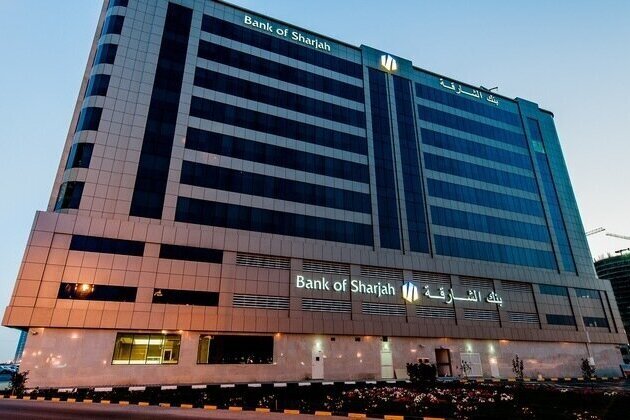
Bank of Sharjah played a key role in Ittihad International Investment LLC’s latest financing success, serving as Joint Lead Manager and Bookrunner in a US$550 million senior unsecured Sukuk issuance. The five-year bond offering attracted overwhelming investor interest, with the order book oversubscribed more than four times, peaking at US$2 billion. This level of demand highlights the strong confidence investors have in Ittihad International’s financial health and future growth prospects.

The Sukuk issuance represents a major milestone for Ittihad International Investment LLC, a prominent UAE-based investment group. With a focus on diversified investments across various sectors, Ittihad International has consistently shown its ability to adapt to market changes and maintain robust financial fundamentals. The success of the Sukuk offering is a clear reflection of the group’s strategic vision, which continues to resonate well with both regional and international investors.

The issuance attracted a diverse mix of institutional investors, including sovereign wealth funds, banks, and asset managers from across the globe. The appetite for the bond offering was not only driven by Ittihad’s strong credit profile but also by the stability and potential growth of the UAE’s economy, which remains a key driver for investment in the region. The overwhelming demand for the Sukuk underscores the high level of trust investors place in Ittihad’s long-term business strategies.

This successful transaction is a significant achievement for Bank of Sharjah, which has built a strong reputation in the financial sector for its role in leading major capital market deals in the region. The bank’s involvement as Joint Lead Manager and Bookrunner further solidifies its position as a leading financial institution in the UAE and the broader Middle Eastern market. Bank of Sharjah’s role in this high-profile Sukuk offering is seen as an endorsement of its deep understanding of regional markets and its ability to facilitate complex transactions for clients in a competitive environment.

The Sukuk, which is based on a Sharia-compliant structure, offers investors an attractive return while supporting Ittihad International’s strategic initiatives. The proceeds from the issuance are expected to be used for general corporate purposes, which include financing new investments and expanding the company’s portfolio in the UAE and beyond. The success of the transaction is a testament to Ittihad’s ongoing efforts to strengthen its financial position and drive long-term value for its stakeholders.

The Sukuk market in the Middle East has been thriving in recent years, with increasing interest from both local and international investors in Islamic finance products. The demand for Sukuk remains strong due to the region’s large and growing investor base, as well as the broader appeal of Sharia-compliant financial instruments. The Ittihad Sukuk transaction highlights the continued maturity of the Middle East’s debt capital markets and reinforces the role of Islamic finance in diversifying global investment opportunities.

The deal’s success also comes at a time when investor confidence in the UAE remains high, bolstered by the country’s continued economic recovery, business-friendly policies, and strong infrastructure development. These factors have contributed to the UAE’s attractiveness as a destination for both regional and international investors looking to capitalise on the country’s growth potential.

VISHNU RAJA
RYO YAMADA
HITORI GOTOH
IKUYO KITA