News related to
Years

Information technology expenditure across the Middle East and North Africa region is poised to climb to $169 billion by 2026, reflecting a notable 8.9 percent growth from 2025, according to projections from Gartner. The surge in IT spending underscores a region-wide shift towards digital transformation, fuelled by the increasing reliance on artificial intelligence, intelligent automation, and AI-optimised infrastructure enhancements. This rise in spending is taking place against […]

The Gulf region is fast becoming a significant alternative hub for Indian jewellery manufacturing and exports, spurred by rising trade tensions between the US and India. Experts point to the growing challenges faced by Indian jewellers, particularly as American tariffs on Indian imports climb in response to geopolitical factors, including India’s continued oil purchases from Russia.

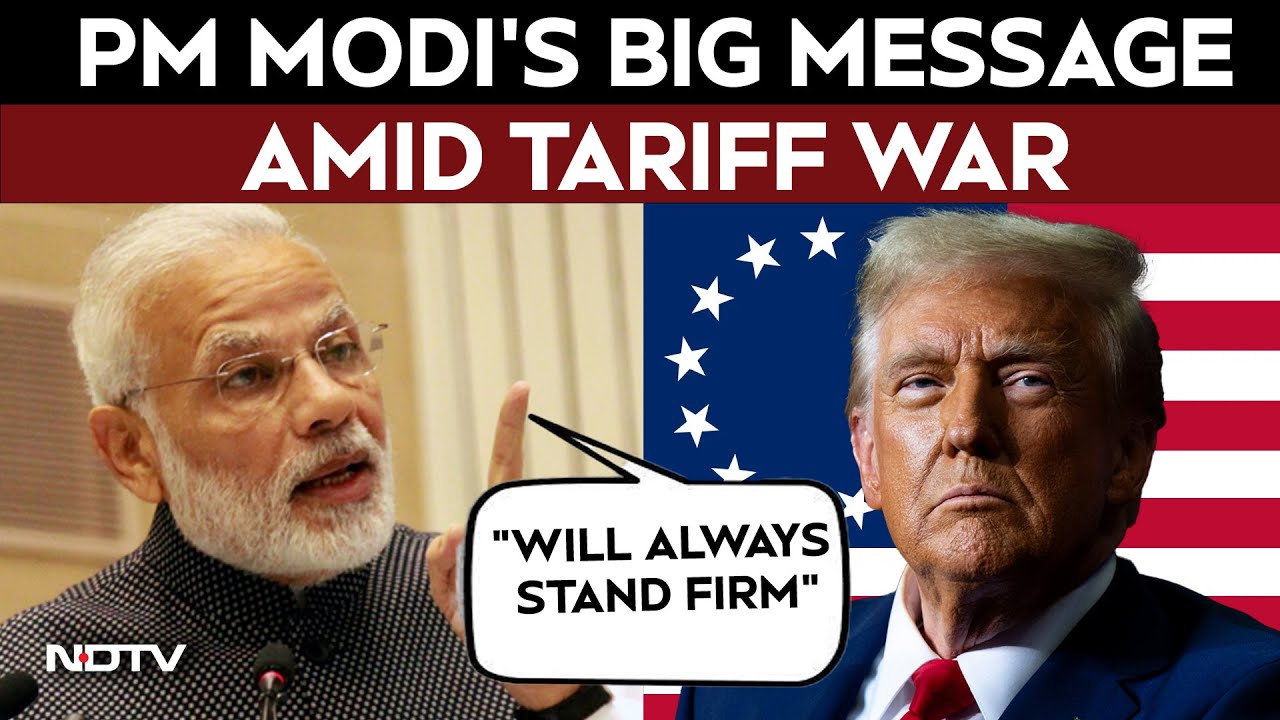
The latest move by the US, led by an executive order from President Donald Trump, has intensified trade uncertainties. The executive order, signed on Wednesday, introduces a hefty 25 per cent tariff on Indian goods, with specific implications for the jewellery sector. This tariff hike, effective in three weeks, increases the overall tariff burden on Indian imports to 50 per cent—one of the highest rates the US has imposed on its trading partners.

For years, India has been the global leader in jewellery manufacturing, with a robust presence in the international market, particularly in the US. However, the imposition of punitive tariffs has forced many Indian jewellers to rethink their export strategies. The Gulf region, traditionally a key market for Indian gold and precious stones, is now gaining prominence as a strategic manufacturing base, offering a more favourable trade environment.

The decision to shift operations to the Gulf is driven by a combination of factors, including the region’s strategic geographic position and its trade agreements with major markets. Countries like the UAE and Bahrain have long been involved in the jewellery trade, but as tariffs increase on Indian exports to the US, their roles are now being redefined. Experts suggest that the Gulf’s advanced infrastructure, coupled with an array of free trade agreements, makes it an attractive destination for manufacturing and re-exporting high-end jewellery to global markets, including the US.

The Dubai Gold and Jewellery Group, one of the region’s leading jewellery trade bodies, has welcomed the shift, noting the opportunities it presents for growth. The UAE, in particular, has developed an attractive ecosystem for jewellery manufacturers, offering tax incentives, access to advanced technology, and a well-established logistics network. These benefits make it an appealing alternative for Indian jewellers seeking to bypass the punitive tariffs imposed by the US.

India’s reliance on the US market for jewellery exports, particularly in the high-end sector, has been significant. However, as the tariff burden becomes heavier, companies are exploring alternatives that provide both cost-effectiveness and access to lucrative international markets. Several large manufacturers have already established bases in the UAE, with plans to expand their operations further into the region.

A noteworthy trend is the increasing collaboration between Indian and Gulf-based jewellery firms. These partnerships are focused on expanding manufacturing capabilities while reducing reliance on traditional export routes. The UAE, with its business-friendly policies, is proving to be an ideal locale for jewellery production, particularly for smaller-scale businesses that are unable to absorb the full impact of the US tariffs.

One of the key drivers of this shift is the growing US demand for luxury goods, including jewellery. The tariff hike, while discouraging direct exports from India, has not dampened the appetite for high-quality jewellery. Instead, it has prompted companies to explore alternative routes to meet this demand. Experts point out that the Gulf provides a strategic advantage for such businesses, offering them the flexibility to maintain their competitive edge without the added burden of trade barriers.

The Gulf’s importance in the global jewellery trade has long been overlooked in favour of established centres like India. However, as geopolitical tensions continue to shape trade flows, the region’s position as a central player in the jewellery manufacturing process is becoming more evident. Industry insiders predict that over the next few years, the Gulf’s jewellery manufacturing and export capabilities will only grow stronger, reshaping the global jewellery supply chain.

For Indian jewellery manufacturers, the shift to the Gulf represents a broader strategy to diversify their risk exposure. By establishing a presence in markets that are less susceptible to abrupt policy changes, Indian companies are better positioned to mitigate the impact of volatile geopolitical situations. The expansion of Gulf-based jewellery production also ensures that India maintains a foothold in the lucrative US market, even as tariffs continue to escalate.


Nagasaki has marked the 80th anniversary of the devastating U. S. atomic bombing that killed tens of thousands of people and left lasting trauma. On 9 August 1945, the city became the second to suffer the horrors of nuclear warfare, after Hiroshima, with many survivors, known as hibakusha, urging younger generations to fight for a nuclear-free world. The bomb, code-named “Fat Man,” was dropped by the U. […]

Arabian Post Staff -Dubai Barco Developers, a prominent real estate and investment firm known for its successful ventures across Europe and North America, is making its debut in the UAE market. The company is set to introduce an ambitious residential pipeline spanning two million square feet, marking a significant step in its global expansion strategy. With a proven track record in the development of large-scale residential, commercial, […]

By Nitya Chakraborty The stage is finally set. U.S. President Donald Trump will be meeting the Russian President Vladimir Putin in Alaska in USA on August 15 to discuss the Ukraine war issue and bring about a settlement for facilitating a long term solution. If a framework of a solution is reached, President Putin will […]

Dubai Electricity and Water Authority has unveiled its strongest-ever financial performance for the first half of 2025, with significant growth across all key metrics. The company achieved an impressive revenue of AED14.6 billion, an EBITDA of AED7.0 billion, and a net profit of AED2.9 billion, marking notable year-on-year increases. DEWA’s results for H1 2025 reflect the effectiveness of its ongoing investments in infrastructure, as well as its […]

The UAE is on track to finalise key trade and investment agreements with the Eurasian Economic Union by the end of this year, according to Sultan Ahmed Al Zeyoudi, Minister of State for Foreign Trade. These deals are expected to significantly bolster economic relations and facilitate the UAE’s efforts to diversify its economy beyond oil.

Al Zeyoudi’s announcement reflects the UAE’s growing ambition to expand its trade network, particularly with nations in the Eurasian region. The EAEU, which includes Russia, Armenia, Belarus, Kazakhstan, and Kyrgyzstan, represents a significant economic bloc that the UAE sees as a vital partner in its long-term economic strategy.

The agreements focus on enhancing investment flows and providing broader access to regional markets. Both parties are keen to foster deeper collaboration in sectors such as energy, technology, agriculture, and logistics. With its strategic location as a global trade hub, the UAE is positioning itself as a bridge for Eurasian nations to access markets across the Middle East, Africa, and South Asia.

The economic benefits for the UAE are substantial, aligning with the country’s efforts to diversify its economy away from oil dependency. The UAE government has long pursued a strategy of enhancing non-oil sectors, such as tourism, renewable energy, and advanced technology. According to Al Zeyoudi, these agreements are an integral part of that vision, as they promise to unlock new avenues for investment and business partnerships.

For the member countries of the EAEU, the deals offer access to the UAE’s advanced infrastructure, highly developed financial systems, and a favourable business environment. The UAE’s well-established role in global logistics and trade is a valuable asset for EAEU nations, many of which have been seeking new markets and economic partners in recent years.

Trade relations between the UAE and EAEU countries have been growing steadily over the past few years. The UAE is already one of the largest trading partners for Russia and Kazakhstan in the Middle East. However, the planned agreements will formalise and expand this economic cooperation, creating a more structured and comprehensive framework for bilateral trade.

Experts suggest that the agreements will have a significant impact on both sides. The UAE stands to benefit from an influx of investment, particularly in sectors like technology and agriculture, where EAEU nations have strengths. Meanwhile, the EAEU countries are likely to gain access to the UAE’s advanced financial markets and industries, accelerating their own economic development.

Al Zeyoudi highlighted that these agreements are not just about trade but also about long-term strategic cooperation. The UAE, with its robust diplomatic and economic capabilities, is offering more than just commercial partnerships; it is providing a platform for wider regional collaboration. This aligns with the UAE’s broader foreign policy goals of strengthening relations with emerging economies and expanding its global influence.

The discussions on these trade deals have intensified in the wake of growing geopolitical shifts, particularly in the context of the global economic reordering. The UAE’s proactive stance in seeking new trade alliances is also a response to the changing dynamics in global trade and investment. By deepening ties with the EAEU, the UAE aims to position itself at the forefront of economic integration across multiple regions.

The agreements are also likely to play a crucial role in enhancing the UAE’s role in the global economy. As countries in the Middle East and Central Asia seek to strengthen their economic positions amid a rapidly changing global landscape, the UAE’s ability to provide a gateway for trade and investment becomes increasingly important.

Al Zeyoudi has been vocal about the need for greater economic diversification and international collaboration. This year, the UAE government has continued to focus on expanding its trade relations beyond traditional partners, with Asia, Africa, and Europe emerging as key regions of focus. The finalisation of the Eurasian agreements will mark another milestone in the UAE’s evolving foreign trade strategy.

Advertisements

Humanoid robots, once viewed as the pinnacle of artificial intelligence and automation, continue to struggle with one basic task: folding a t-shirt. Despite extraordinary advances in AI and machine learning, the physical limitations of robot bodies have created a bottleneck in their progress, even as the brains behind them grow ever more sophisticated. Though AI systems now power these machines with remarkable computational capability, they remain far […]

The Abu Dhabi Housing Authority has entered into agreements with three national banks to offer top-up housing finance at subsidised interest and profit rates. This initiative aims to enhance accessibility to homeownership for UAE nationals, a central goal of the authority’s efforts to expand affordable housing options in the capital.

The latest collaboration will allow individuals who have already received funding under the ADHA’s housing loan programme to access additional financial support. The move is designed to ease the financial burden on homeowners by offering more flexible payment plans and lower rates, a critical factor in the current economic climate.

The newly established partnerships involve top national banks, further broadening the scope of the ADHA’s housing initiatives. By securing these collaborations, the authority aims to build stronger financial partnerships within the sector, ensuring more inclusive access to property ownership for citizens. In total, the initiative is expected to benefit hundreds of Emirati families, with an anticipated surge in demand due to the competitive financing terms.

These agreements come as part of a broader strategy to increase homeownership rates across the UAE. In recent years, the government has intensified efforts to make housing more affordable for nationals, with various initiatives addressing the financing gap for first-time homeowners and those wishing to upgrade their homes.

One key aspect of these new arrangements is the focus on easing the strain of high property prices, which have been a barrier to homeownership for many nationals, particularly in urban areas like Abu Dhabi. Under these new terms, eligible individuals can access additional funds to cover the increasing costs of property ownership while benefiting from interest rates that are considerably lower than the market average.

For the participating banks, this initiative represents a further opportunity to tap into the growing demand for home loans. The ADHA’s housing programme has already seen strong uptake, and these new partnerships are expected to foster a sense of long-term trust between the government and financial institutions. The banks are anticipated to leverage their extensive customer networks to ensure the accessibility of these financing options to as many eligible nationals as possible.

With the UAE’s real estate market still facing challenges, especially for first-time buyers, these developments signify a critical step towards more equitable homeownership opportunities. By working with national banks, ADHA is addressing the economic disparities that can prevent nationals from owning their homes, aligning with broader national goals of social stability and financial inclusion.

This collaboration also ties into the broader vision of diversifying the economy and reducing reliance on non-housing sectors by fostering homegrown economic growth. Providing affordable housing options for nationals is a pivotal part of these ambitions, ensuring that families can build long-term wealth and stability through property ownership.

The new financing schemes are part of an ongoing drive to not only increase the number of homeowners but also improve the living standards of UAE nationals by offering improved housing conditions. While much of the focus has been on infrastructure projects and urban development, there is now an increased emphasis on ensuring that the growing population of UAE nationals can access property that suits their needs and income levels.

STOCKHOLM, SWEDEN – NewsVoir – 8 August 2025 – Truecaller, the leading global platform for verifying contacts and blocking unwanted communications, reached a significant milestone in August as the number of monthly active users (including both Android and iOS) crossed 100 million in the MEA-region, representing a 19% growth y-o-y. “With the Middle East and Africa experiencing significant growth in smartphone adoption and mobile data adoption, we’re […]

SINGAPORE – Media OutReach Newswire – 8 August 2025 – In celebration of Singapore’s 60th birthday, OPPO Singapore has launched its vibrant SG60 campaign, a multi-dimensional initiative designed to honour this milestone through youth creativity, technology, and community engagement. As a flagship component of the campaign and part of the OPPO LUMO Photography Awards 2025, OPPO has proudly invited local photography community to capture the nation’s unique […]

By Nitya Chakraborty The additional 25 per cent tariff on Indian exports to the USA announced by President Donald Trump to be effective from August 27, has led to an intense ideological and political battle within RSS, the BJP as also among the industrialist friends of Prime Minister Narendra Modi who are active members of […]


Emirates Global Aluminium, the largest aluminium producer in the UAE, is moving forward with plans to launch an initial public offering after years of speculation surrounding the potential listing. The company has begun engaging with banks to gather proposals for the offering, which could raise billions of dollars, according to industry sources. Rothschild & Co. has been selected to advise on the deal, although the listing venue […]

DP World has significantly boosted its automotive logistics capacity at Jebel Ali Port with the opening of a new 2.6 million square foot vehicle storage yard at Terminal 4. This expansion is a strategic move to cater to the increasing demand for global vehicle trade and further solidifies Dubai’s position as a leading automotive hub in the region.

The development adds an additional 13,000 car equivalent units to the port’s storage capacity, bringing the total to 75,000 CEUs. This increase comes as Dubai seeks to accommodate the growing flow of vehicles through its primary maritime gateway. The modern facility is equipped to handle a wide range of vehicles, ensuring smoother logistics and faster turnaround times for automobile shipments.

In tandem with the storage space, the upgrade also features an 800-metre quay. This quay is designed to support three roll-on/roll-off vessels simultaneously, improving the port’s efficiency and handling capacity for large-scale vehicle shipments. RoRo vessels are commonly used for transporting automobiles due to their ability to load and unload vehicles quickly and safely. The expanded quay capacity significantly enhances Jebel Ali’s ability to meet the demands of car manufacturers, traders, and logistics companies, both regionally and globally.

Dubai’s Jebel Ali Port has long been recognised as a pivotal trade and logistics hub, playing a crucial role in the region’s supply chain. The port’s strategic location, coupled with its extensive infrastructure, has made it a preferred gateway for trade in the Middle East, Africa, and Asia. The automotive sector, in particular, has seen exponential growth, with Dubai acting as a key transit point for vehicles moving between markets in Europe, Asia, and Africa. This new development aims to support the growing needs of global car manufacturers who rely on Dubai’s connectivity and efficiency to reach a broader market.

DP World’s expansion aligns with the UAE’s broader strategy to diversify its economy and reduce dependence on oil revenues by strengthening other sectors such as logistics and trade. The automotive logistics market has witnessed an upward trajectory in recent years, with rising demand for vehicle imports and exports. In response, DP World has invested in this infrastructure to support automotive trade and contribute to the broader economic goals of Dubai and the UAE.

With the automotive trade forecasted to grow, Jebel Ali Port’s enhanced capacity provides a critical edge in a competitive global market. The integration of cutting-edge technology and modern facilities within the new yard also supports the port’s commitment to sustainability and operational efficiency. The facility will implement eco-friendly practices such as energy-efficient lighting, and the quay will utilise advanced mooring systems to ensure safer and faster vessel turnaround.

The expansion also comes at a time when global trade flows are undergoing rapid changes, with new markets emerging in Asia, Africa, and Latin America. Dubai’s strategic location on the Arabian Peninsula offers a unique advantage, acting as a natural conduit for goods moving between these markets. DP World’s investment in Jebel Ali Port ensures that the UAE remains at the forefront of global trade, particularly in sectors like automotive logistics, where speed and efficiency are paramount.

As Dubai continues to enhance its infrastructure and trade capacity, it attracts increasing attention from international car manufacturers, logistics companies, and global shipping lines. The city’s status as a central automotive hub within the region is further cemented with such projects that not only increase capacity but also enhance the overall operational flow, making it a prime location for companies seeking to expand their footprint in the Middle East and beyond.

Abu Dhabi’s Mubadala Energy has acquired a 24.1% equity stake in Caturus, a rebranded platform for natural gas and liquefied natural gas exports, following the successful closure of its investment in partnership with alternative asset manager Kimmeridge. This move marks a significant step in Mubadala’s strategy to strengthen its foothold in the US energy market, specifically within the integrated natural gas and LNG sectors.

Mubadala Energy’s involvement in the US market reflects its broader strategy to diversify its portfolio, tapping into high-growth energy markets outside its core base. The company’s new stake in Caturus aligns with its goal to expand its presence in global energy infrastructure, particularly in areas that promise long-term stability and returns.

The deal, valued at an undisclosed sum, solidifies Mubadala Energy’s growing influence in the North American energy sector, which has been experiencing a surge in LNG exports. The US has become a crucial player in the global LNG market, with rising production levels and the establishment of new infrastructure facilitating an increasing flow of exports, particularly to Europe and Asia.

Kimmeridge, a US-based alternative asset manager, has also made substantial strides with its role in Caturus, cementing its position as a key player in energy investments. The collaboration between Mubadala and Kimmeridge is part of a wider effort to create a more integrated and efficient LNG export system, as the two firms look to leverage their combined expertise to drive future growth and development in the sector.

This partnership highlights the growing trend of international energy companies and investment firms looking to the US as a prime location for natural gas and LNG infrastructure. The US energy landscape has seen significant transformation in recent years, with abundant shale gas reserves and increased technological advancements enabling greater extraction and export capabilities.

Caturus itself is designed to optimise the export of LNG, focusing on enhancing infrastructure, improving logistics, and ensuring the delivery of natural gas to international markets with efficiency and minimal environmental impact. The platform’s focus on sustainability aligns with Mubadala’s wider goals of promoting cleaner energy solutions and reducing carbon emissions within its portfolio.

By securing a stake in this critical infrastructure, Mubadala Energy not only diversifies its holdings but also strengthens its role in the ongoing global shift towards cleaner energy sources. The company has committed to transitioning its investments towards more sustainable energy solutions, with a particular focus on natural gas, which is seen as a cleaner alternative to coal and oil in power generation.

Caturus’s strategic location within the US allows it to access key markets, positioning it as a vital part of the LNG export network. With LNG demand increasing globally, particularly in Asia, the platform is well-placed to capitalize on the growing need for cleaner and more sustainable energy options. Mubadala’s participation in this project is expected to enhance its capacity to meet the increasing energy demands of international markets while positioning itself as a responsible player in global energy transitions.

The shift towards LNG and natural gas aligns with broader global energy policies that are looking to reduce carbon emissions and transition away from coal. As countries around the world pursue cleaner alternatives to traditional energy sources, LNG has become an attractive option due to its lower emissions profile compared to coal and oil. The increased export of LNG from the US is particularly important as it helps to meet the energy needs of European and Asian markets, which have increasingly turned to LNG for their energy security needs.

Mubadala Energy’s commitment to sustainability and the environment also underpins this investment. The company has set ambitious goals to reduce its carbon footprint and increase its investments in renewable and low-carbon energy technologies. This aligns with the UAE’s broader energy strategy, which has placed a strong emphasis on cleaner energy, and further reinforces Mubadala’s role in contributing to these global efforts.

KUALA LUMPUR, MALAYSIA – Media OutReach Newswire – 8 August 2025 – Octa Broker is providing an in-depth overview of the week’s key events and actionable insights to help traders navigate this high-stakes environment with confidence. July was a relatively quiet month for gold, at least by the recent standards. XAUUSD, the primary financial instrument for trading bullion, fluctuated in a very narrow 30-dollar range between roughly […]

Hunan, a central province in China, has emerged as a vital player in the country’s trade and economic relations with Africa, defying the common association of Beijing or Shanghai as the primary hubs for these dealings. With its strategic location and evolving infrastructure, Hunan is positioning itself as a key partner in China’s broader strategy to expand its influence on the African continent. Over the past few […]

France is grappling with its most severe wildfire in decades, marking a stark return to the destructive forces of nature. The fire, which broke out in the southern regions, has already scorched thousands of hectares, making it the largest blaze since 1949. That year, devastating fires near Bordeaux claimed 82 lives and ravaged 50,000 hectares of land. This new disaster is showing no signs of slowing down, […]

The global network security sector is projected to witness significant expansion, reaching $38 billion by 2029, up from $24 billion in 2024. This robust growth trajectory comes amid escalating concerns over cyber threats and the increasing adoption of cloud technologies, hybrid work environments, and AI-driven innovations. A major factor driving the growth of the network security market is the widespread transition to cloud-based infrastructures. Organisations across various […]

By R. Suryamurthy Prime Minister Narendra Modi’s declaration that he is willing to “pay a heavy price” to stand by Indian farmers in the face of escalating U.S. trade tariffs has captured headlines—but not necessarily for the right reasons. It is a speech crafted more for the political stage than the policy war room. Beneath […]

SINGAPORE – Media OutReach Newswire – 7 August 2025 – INDIBA® 448 kHz + 20kHz, a patented frequency system that is transforming how athletes and everyday patients recover from injury, manage pain, and restore mobility. Used worldwide in sports and rehabilitation, it supports faster, safer healing—without medication or downtime. INDIBA® Stands Out by Working Deep Beneath the Surface. INDIBA®’s patented Proionic® System delivers radiofrequency energy at 448kHz […]

Russian President Vladimir Putin will visit India in the coming weeks, with expectations that the trip will significantly bolster bilateral relations across various sectors, including trade, defence, and energy. The visit, anticipated to be a key moment in Russia-India relations, will occur amid shifting geopolitical dynamics, particularly following the global attention on the ongoing war in Ukraine and its implications for international alliances.

The timing of the visit is critical, as both Russia and India seek to expand their strategic cooperation. Over the past few years, both nations have deepened their partnership through numerous agreements aimed at enhancing their economic and military ties. As global power dynamics continue to shift, the Russia-India alliance has become increasingly important, not just for the two countries but also within the broader context of the BRICS grouping, of which both nations are founding members.

One of the central themes of the visit will be the strengthening of economic ties, especially in the energy sector. With the ongoing energy crisis exacerbated by sanctions on Russia, India has emerged as one of the key buyers of Russian oil. The visit is expected to solidify agreements surrounding the energy trade, including the potential for India to increase its imports of Russian crude oil at discounted rates. This move is likely to provide India with a cost-effective energy source while helping Russia circumvent Western sanctions.

Discussions are expected to focus on further cooperation in defence, where Russia has long been a major supplier of military hardware to India. The two nations are expected to advance negotiations on new defence contracts, including the potential for joint production and technology sharing. The defence ties between Russia and India date back decades, and the visit will likely see the formalisation of further agreements that could further align their military interests.

The visit will also involve talks on expanding technological collaboration, particularly in the areas of space and nuclear energy. Both countries have made significant strides in these fields, and there is potential for further joint ventures, which could bring both economic and technological benefits to each nation. Putin’s presence in India is expected to reinforce Moscow’s commitment to its relationship with New Delhi, signalling Russia’s ongoing support for India’s strategic ambitions in the global arena.

Putin’s upcoming visit also comes at a time of heightened global tension. As the war in Ukraine continues to dominate headlines, Russia has increasingly sought to deepen ties with countries that have been less critical of its actions, including India. New Delhi has maintained a relatively neutral stance in the conflict, focusing instead on its national interests and calling for peace talks. This approach has allowed India to strengthen its ties with Russia without facing the same level of international scrutiny as some of the West.

The visit is likely to be significant for the future of BRICS, a bloc of emerging economies that includes Brazil, Russia, India, China, and South Africa. The group has been exploring the possibility of expanding its membership, and Putin’s visit could serve as a platform for discussing further collaboration within this framework. As BRICS nations continue to challenge the traditional Western-dominated global order, Russia and India are likely to explore ways to enhance their collective influence in international forums.

While both nations have shared interests, their relationship has not been without challenges. India’s growing economic ties with the West, especially in the technology and trade sectors, have sometimes created friction in its ties with Russia. However, the long-standing nature of their partnership, especially in defence, has ensured that these tensions have remained manageable. Putin’s visit is expected to reinforce the idea that despite external pressures, Russia and India will continue to prioritise their strategic interests.

Greenlogue/AP ACWA Power, a Saudi-listed leader in the global energy transition, has secured the Noor Midelt 2 and Noor Midelt 3 solar projects in Morocco. The projects were awarded following an international tender process facilitated by the Moroccan Agency for Sustainable Energy. These two projects are set to significantly contribute to Morocco’s efforts to diversify and expand its renewable energy capabilities. Both Noor Midelt 2 and Noor […]

Michigan’s State Retirement System has significantly increased its investment in Bitcoin, demonstrating confidence in the cryptocurrency’s long-term potential. The fund has tripled its exposure to Bitcoin through the ARK 21Shares Bitcoin ETF, a move that reflects growing interest from institutional investors in digital assets. This increase comes as Bitcoin continues to see heightened attention from both retail and institutional investors, positioning it as a key player in the evolving financial landscape.

The Michigan State Pension Fund, managed by the Michigan Department of Treasury, is one of the largest public pension funds in the United States, with assets exceeding $90 billion. Its decision to increase Bitcoin holdings through the ARK 21Shares Bitcoin ETF is seen as part of a broader trend in which pension funds, endowments, and other institutional investors have begun diversifying their portfolios by including digital assets.

The ARK 21Shares Bitcoin ETF, which is designed to provide exposure to Bitcoin without requiring investors to directly hold the cryptocurrency, has gained traction among institutional investors for its simplicity and regulatory compliance. This ETF allows for Bitcoin exposure in a traditional investment vehicle, offering an avenue for pension funds that may otherwise be restricted from investing directly in cryptocurrencies.

Cryptocurrency has become an increasingly important asset class for institutional investors. A growing number of asset managers have begun to see Bitcoin and other digital currencies not just as speculative investments, but as a hedge against inflation and currency devaluation. Bitcoin’s reputation as “digital gold” has been reinforced by its performance in the face of economic uncertainty, especially in comparison to traditional assets like equities and bonds.

The decision to expand Bitcoin holdings is also linked to the broader trend of pension funds seeking higher returns to meet long-term obligations. With global interest rates remaining low and traditional investments yielding modest returns, pension funds are under growing pressure to diversify their portfolios and consider alternative assets. Bitcoin, with its potential for high returns despite its volatility, has become a prominent choice.

Experts suggest that institutional adoption of Bitcoin is still in its early stages, but the trend is accelerating. Michigan’s State Pension Fund’s move to increase its Bitcoin exposure follows similar actions by other major pension funds and financial institutions. The California Public Employees’ Retirement System, the largest public pension fund in the U. S., has also explored Bitcoin exposure, although in a more cautious manner.

This shift towards digital assets by public pension funds is not without controversy. Some critics argue that the volatile nature of Bitcoin and other cryptocurrencies makes them a risky investment for pension funds, which are tasked with managing the retirement savings of millions of individuals. Concerns about the regulatory landscape and the potential for sudden price swings have prompted calls for greater caution in incorporating cryptocurrencies into institutional portfolios.

However, proponents of the move argue that Bitcoin’s resilience and increasing institutional support make it a sound long-term investment. As blockchain technology continues to mature and the regulatory environment around digital assets evolves, many believe that the risks associated with Bitcoin will be mitigated over time. Moreover, the increasing mainstream adoption of cryptocurrencies by corporations and financial institutions is seen as a positive indicator of their future potential.

The ARK 21Shares Bitcoin ETF itself has become a widely-followed vehicle for gaining Bitcoin exposure. Managed by ARK Invest, a firm known for its focus on disruptive innovation, the ETF holds Bitcoin in a secure manner and allows investors to gain exposure without directly purchasing or storing the cryptocurrency. The ETF has drawn interest from various institutional investors, including pension funds, hedge funds, and family offices, all seeking a regulated and secure method of gaining exposure to the world of digital assets.

Despite the benefits, the decision to triple Bitcoin exposure has sparked some concerns about diversification within the Michigan State Retirement System’s broader portfolio. Critics warn that an overconcentration in any single asset, particularly one as volatile as Bitcoin, could undermine the stability of the pension fund. While Bitcoin has demonstrated substantial returns in recent years, its volatility has also led to significant drawdowns, making it a risky bet for long-term investors.

The pension system’s commitment to Bitcoin, however, signals the growing legitimisation of digital currencies in the traditional financial world. Michigan’s pension fund is not alone in recognising Bitcoin’s potential as part of a diversified portfolio, as other states and private institutions have made similar moves to explore digital assets.

VISHNU RAJA
RYO YAMADA
HITORI GOTOH
IKUYO KITA