News related to
Years

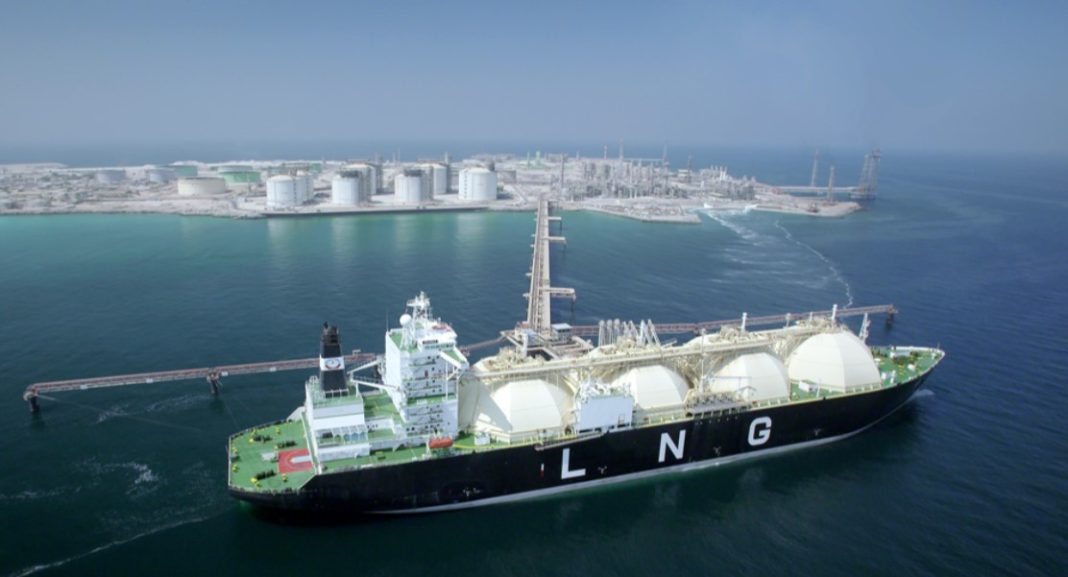
Abu Dhabi’s state energy company signed a 15-year sales and purchase agreement with a unit of British energy major for the delivery of up to 1 million tonnes per annum of liquefied natural gas. The contract represents the first long-term LNG sales deal between the company and Shell and marks the eighth offtake agreement secured for its new export facility.

The LNG will be supplied from the Ruwais LNG project in Al Ruwais Industrial City, Abu Dhabi, which is under development and is set to become the first LNG export plant in the Middle East and Africa region to operate on clean power. Shell holds a 10 per cent equity stake in the project. The agreement converts a previous heads of agreement into a definitive contract and accelerates the project’s commercial timeline.

By securing this deal, more than 8 mtpa of the facility’s planned 9.6 mtpa capacity has already been contracted across Asia and Europe, just 16 months after the project’s final investment decision in July 2024. The project comprises two liquefaction trains of 4.8 mtpa each and is designed to more than double the company’s existing LNG production capacity to around 15 mtpa.

The deal is timed to global gas-market conditions where demand is picking up and energy security is a key concern for buyers. By locking in long-term supply, the exporting company seeks to position itself as a “reliable global supplier of lower-carbon LNG”, while the buyer views the contract as a strategic commitment to expanding its LNG portfolio and securing long-term supplies.

For the seller, the rapid pace at which contract commitments have been won is significant. The chief executive of the gas-division described the achievement of contracting more than 80 per cent of the plant’s capacity within roughly a year of FID as “a new benchmark” for large-scale LNG projects globally, and noted that construction, contractor mobilisation and site works remain on track for commissioning by the end of 2028. The buyer emphasised its long-standing partnership of more than fifty years with the Abu Dhabi exporter and said the agreement supports its global LNG-expansion strategy.

Analysts note that the project’s clean-power design, advanced technology deployment, and rapid contracting distinguish it in the LNG market. That said, while the exporting company releases its ambition to expand its LNG portfolio, competitors in the region are also pursuing aggressive growth, raising competitive risk. Moreover, delivering commercial operations at a low-carbon intensity adds complexity and cost — achieving the projected timeline and performance will require careful execution.

On the demand side, the contract underscores how buyers are increasingly seeking longer-term and lower-emissions supply arrangements in the transition-era gas market. For the buyer, the deal adds to its diversified portfolio of LNG suppliers as it faces intensified competition for cargoes from traditionally dominant exporters. The seller’s ability to secure multiple offtake agreements rapidly helps de-risk the project and supports financing and construction momentum.

One key theme emerging is the alignment of LNG expansion with sustainability credentials. The Ruwais facility’s design to run on clean grid-powered operations, along with claims of being among the lowest-carbon intensity LNG plants globally, reflects a shift in gas-project metrics: projects are now evaluated not solely on cost and capacity but also on carbon footprint and technology sophistication. This trends suggests that access to lower-carbon LNG could become a differentiator among suppliers and a value driver for buyers.

However, achieving this low-carbon ambition may face challenges such as securing clean-power infrastructure, managing capital-cost escalation, and meeting stringent environmental and regulatory expectations across export markets. The broader LNG market is also subject to volatility in feed-gas supply, shipping capacity constraints, and fluctuating demand growth in key markets such as Asia and Europe.
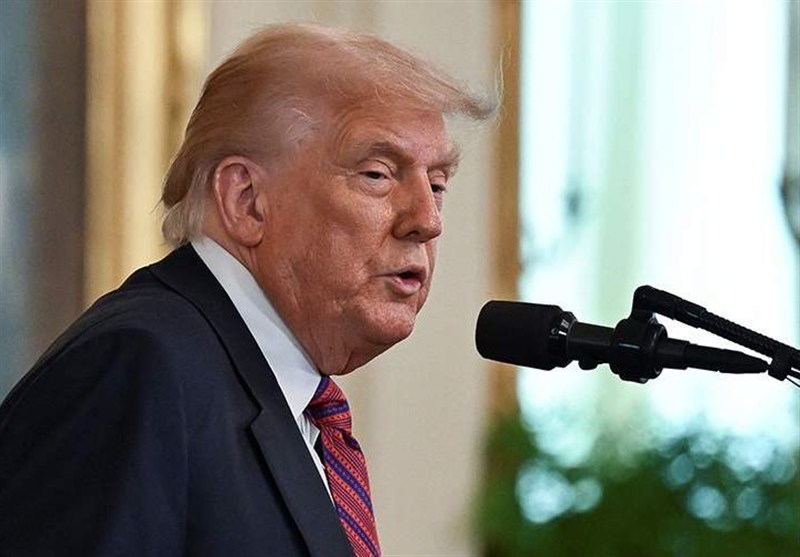
By Dr. Arun Mitra On October 29, U.S. President Donald Trump announced that ‘Because of other countries testing programs, I have instructed the Department of War [the Pentagon] to start testing our nuclear weapons on an equal basis. That process will begin immediately. This statement is not only disturbing but also extremely dangerous’. The last […]

The article US Cannot Be Allowed To Push The World To The Nuclear Precipice appeared first on Latest India news, analysis and reports on Newspack by India Press Agency).

HAI PHONG, VIETNAM – Media OuReach Newswire – 4 November 2025 – Indochina Kajima, the joint venture between Indochina Capital and Kajima Corporation, and ITOCHU Corporation held a ground-breaking ceremony for Core5 Vietnam’s second industrial project in Hải Phòng at Deep C 2 Hai Phong Industrial Zone. The project will deliver approximately 80,000sq.m of world-class ready-built factory space for lease, with a handover expected in Q1/2027. Photo […]

A team of researchers at the Okayama University of Science has unveiled a novel wine grape variety known as Muscat Shiragai, marking a milestone in hybrid viticulture. The new cultivar pairs the wild Shiraga grape native to the Takahashi River basin in Okayama Prefecture with the globally recognised Muscat of Alexandria. The project was led by Professor Emeritus Takuji Hoshino, a plant systematics expert and founding director […]

TAIPEI, TAIWAN – Media OutReach Newswire – 4 November 2025 – In Hong Kong, a city celebrated for its vibrant culinary diversity, beef noodles have long been a local favorite. But a new flavor is capturing both hearts and palates: a deeply rich and aromatic Taiwanese-style braised beef noodle soup. Amid the city’s bustling food scene, Duan Chun Zhen, a brand under KINGZA International Co., Ltd., has […]

Matein Khalid Jay Powell has put cold water on a December FOMC rate cut as inflation risk triggers dissent at the Fed. Yet Uncle Jay is now a lame duck and the world awaits his first MAGA Fed Chairman. My bet is on Kevin H as I doubt if even a supine Senate will confirm yes man – Stephen Miran. Why even bother to hold the FOMC […]

A sweeping seven-year agreement valued at some US$38 billion has been struck between OpenAI and Amazon. com Inc.’s cloud arm Amazon Web Services, granting OpenAI access to hundreds of thousands of next-generation GPUs to fuel its artificial-intelligence models. The deal marks a significant shift in the cloud-computing landscape as OpenAI broadens its infrastructure base beyond longstanding relationships. OpenAI said it will begin deploying AWS’ compute capacity immediately, […]

Advertisements

Abu Dhabi-based energy major Abu Dhabi National Oil Company has sealed three new agreements with US-based robotics specialist Gecko Robotics aimed at embedding artificial intelligence and robotics into its operations while accelerating the development of local skills for nationals. The accords were signed at the ENACT Majlis forum in Abu Dhabi and span a multi-year deployment for ADNOC Gas, a collaboration with the group’s training arm ADNOC […]

CAN GIO, VIETNAM – Media OutReach Newswire – 3 November 2025 – The Can Gio Urban Area Project – Vinhomes Green Paradise – has officially applied to become a Participant in the global “7 Wonders of Future Cities” campaign, launched by the world-renowned New7Wonders organization. By firmly embracing this global initiative, Vinhomes reaffirms its forward-looking vision, positioning Vinhomes Green Paradise not merely as a real estate development […]

Seoul and Beijing accelerated bilateral engagement on Saturday when their leaders met on the sidelines of the Asia-Pacific Economic Cooperation summit in Gyeongju. President Lee Jae Myung of South Korea and President Xi Jinping of China signed a new five-year currency swap worth about 70 trillion won between their central banks, and agreed six memorandums of understanding covering economic cooperation, agriculture and services trade. This financial pact mirrors one that expired last month and signals a stronger push by both Seoul and Beijing for deeper economic synchronisation.

At the same time, the two administrations flagged potential restoration of cultural exchange channels that were effectively shut down more than a decade ago. China’s informal ban on South Korean entertainment—spanning K-pop, television dramas and film—was imposed following Seoul’s deployment of a U. S. missile defences system, which Beijing viewed as a strategic threat. At the summit, Lee and Xi agreed on the need to expand cultural cooperation, though Lee’s office cautioned that the dialogue reflected “courtesy comments” rather than final decisions.

Analysts describe the summit as a signal of warming relations after years of tactical distancing around security issues. Lee pressed for China’s constructive involvement in facilitating dialogue with North Korea, emphasising that high-level exchanges between Pyongyang and Beijing had ramped up. Xi reaffirmed China’s policy of strategic consistency and pledged deeper communication with Seoul. In parallel, the Korean and Chinese law-enforcement authorities signed an MOU to combat transnational voice-phishing and online scam crimes. Other MOUs addressed cooperation in the silver industry, innovative start-ups and agricultural exports from South Korea to China, reinforcing the emphasis on citizen-facing and practical cooperation.

Still, important caveats remain. While the swap agreement and MOUs represent tangible results, they come against a backdrop of prominent domestic dissent in South Korea. Thousands of protesters rallied in Seoul ahead of the summit, chanting anti-China slogans and highlighting a rising climate of nationalist sentiment. The South Korean government has acknowledged that such unrest risks undermining its diplomatic efforts and international standing. On the cultural front, though the possibility of lifting the ban on Korean content in China was raised, officials stressed that legal and procedural constraints remain in place and the matter is “premature” to reinterpret as a full reopening.

Commercially, the new swap line aims to bolster market stability for both nations amid global economic uncertainty and an intensifying U. S.–China rivalry. For cultural industries in South Korea—home to major firms such as Hybe, SM Entertainment and CJ ENM—the prospect of access to China’s vast audience is tantalising but still uncertain. For Beijing, deeper cultural ties with Seoul could ease past tensions and bolster the role of cultural-and-creative industries in economic growth, as alluded to in the summit’s wider Asia-Pacific framework which emphasises the importance of such sectors alongside digital transformation and artificial intelligence.

European authorities’ push to regulate stablecoins under the Markets in Crypto‑Assets Regulation has brought order to a previously opaque market, but analysts warn it might also be sowing the seeds of a fresh risk for financial stability. The regulation mandates that issuers of e-money tokens and asset-referenced tokens must hold matching reserves, provide transparency on custody and investment of assets, and submit to governance and wind-down planning. […]

Seventeen years after the publication of the nine-page document titled “Bitcoin: A Peer-to-Peer Electronic Cash System,” authored under the pseudonym Satoshi Nakamoto on 31 October 2008, the digital asset known as Bitcoin has evolved from an experimental peer-to-peer payment proposal into a multi-trillion-dollar fixture of global finance.

At its launch, the paper proposed a decentralised network free of financial-institution intermediaries, aiming to avoid double-spending through a proof-of-work mechanism. Over the years the network has grown into a dominant cryptocurrency, and observers say that Bitcoin’s role in financial markets has shifted markedly. A study examining institutional adoption found that Bitcoin’s correlation with major equity indices — once low — rose to as high as 0.87 in 2024, signalling growing integration with mainstream markets.

Institutional interest forms a central pillar of this transformation. Following the approval of spot Bitcoin exchange-traded funds in the United States in January 2024, which drew in more than $50 billion in inflows, traditional asset managers such as BlackRock and Fidelity Investments gained routes for mainstream investors to access Bitcoin. Some corporations have adopted Bitcoin as part of corporate treasury strategy: around 80 companies now hold approximately 3.4 per cent of total Bitcoin supply.

Despite this ascent, some early proponents of Bitcoin’s original vision — that of a decentralised digital cash usable for everyday transactions — argue that the current model leans more toward its status as “digital gold” than as peer-to-peer money. Payment-system advances like the Lightning Network seek to restore that vision, enabling faster and cheaper transactions on-chain. Meanwhile, critics highlight that energy consumption and regulatory uncertainty continue to pose risks to Bitcoin’s wider adoption.

Regulatory momentum also remains uneven. While the United States moves closer to clearer rules through legislation such as the proposed Clarity Act — which analysts estimate has an 80 per cent chance of passing by early 2026 — global approaches vary significantly. Some jurisdictions have embraced crypto frameworks, while others maintain prohibitive stances. The potential for banks and custodial institutions to operate more directly with digital assets is gaining attention.

Technologically, Bitcoin remains foundational. The original protocol, unchanged at its core since its launch, still underpins a thriving ecosystem of wallets, exchanges and blockchain analytics. That continuity has contributed to its brand as the ‘first mover’ in the cryptocurrency space. At the same time, ecosystem participants are attending to scalability challenges, security risks tied to quantum computing and ecosystem fragmentation through forks.

On the macro-economic front, Bitcoin is increasingly viewed as a hedge or alternative asset, though its extreme price volatility continues to limit its suitability for everyday payments for most users. A survey found 63 per cent of Americans did not feel confident investing in or using cryptoassets, and among adults aged 50 or over that figure rose to 71 per cent. At the same time, the asset’s market cap has situationally breached the $2 trillion mark, reflecting its material scale within finance.

The evolution of Bitcoin also reflects a broader shift in financial architecture: decentralised networks and tokenised assets are increasingly challenging traditional models of money, payment and settlement. Analysts argue that the next phase of Bitcoin’s maturation will hinge on regulatory clarity, technological scalability and an enhanced role in everyday commerce, rather than only institutional accumulation.

US retail giant Walmart has chosen the upper-level of Clearwater Mall in the Strubens Valley area of Roodepoort, Johannesburg, as the site for its first branded store on the African continent. The cornerstone agreement was confirmed by mall owner Hyprop Investments and partner retailer Massmart, signalling a strategic push by Walmart into the broader Africa market. The move brings the hallmark “Every Day Low Prices” shopping model […]

Bengaluru is set to become a linchpin in global chip manufacturing as the India Cellular and Electronics Association and the Global Semiconductor Alliance formally announced a strategic alliance aimed at deepening the country’s role in global semiconductor value chains. The agreement, unveiled at a joint press conference co-organised with the India Semiconductor Leadership Roundtable, marks a significant push to integrate local design, manufacturing and packaging capabilities with global technology networks.

ICEA chairman Pankaj Mohindroo described the industry as standing at “an inflection point” and said the partnership with the GSA represented “a strategic step towards positioning India as a vital node in global semiconductor value chains, where design, manufacturing and innovation converge.” Meanwhile, GSA chief executive Jodi Shelton noted the collaboration with ICEA and the India Semiconductor Mission reflected “a shared commitment to connect India’s dynamic innovation with the global semiconductor ecosystem.” Under the terms of the alliance, the two bodies will co-host the India Semiconductor Leadership Summit in 2026, providing a forum where global fabless firms, design innovators and equipment suppliers will engage with emerging Indian fab and OSAT capacity.

The partnership is underpinned by India’s policy drive under the ISM. The government has approved an outlay of ₹76,000 crore to build semiconductor and display manufacturing ecosystems, and around ten projects with investment commitments of nearly ₹1.6 lakh crore have already been sanctioned. The alliance signals a concerted push not only to attract foreign capital but also to nurture domestic design champions and bridge the gap between India’s expanding electronics ecosystem and global supply chains.

Industry analysts highlight India’s strengths: a growing engineering talent pool, improving infrastructure and a policy regime increasingly supportive of semiconductor manufacturing. ICEA points to electronics output in India having reached USD 150 billion, with exports expected to surpass USD 50 billion. The doubling of the Electronic Component Manufacturing Scheme budget underscores the emphasis on scaling manufacturing capacity.

Nevertheless, challenges remain. Global semiconductor value chains remain highly concentrated, especially in fabrication and advanced node manufacturing. To catch up, India will need to address constraints including high capital intensity, access to specialised equipment, materials, technology transfer regimes and workforce readiness for advanced manufacturing operations. There is also the task of aligning timelines: large-scale chip fabrication plants typically take multiple years to commission and ramp. The broader global context matters too — recent supply-chain disruptions, geostrategic tensions and export controls complicate efforts for any aspiring hub.

Despite these hurdles, the ICEA-GSA partnership reflects a strategic recognition that design capabilities, ecosystem linkages, and global connectivity will matter as much as fabrication. By positioning India as a design-to-manufacturing platform and emphasising cross-border collaboration, the alliance aims to raise the country’s profile in the semiconductor supply chain beyond simply being a site for assembly. Industry figures emphasise this direction: Dr Randhir Thakur, chair of ICEA’s Semiconductor Leadership Forum and managing director & chief executive of Tata Electronics, described the partnership as poised to bring “the global and Indian semiconductor ecosystems closer, delivering unique value to customers, design companies, manufacturers and suppliers.”

On the global front, the GSA brings nearly three decades of experience connecting semiconductor leaders worldwide; its network includes chip-design firms, fabs, equipment vendors and global platforms like Google, Amazon and Tesla. Shelton remarked that the aim is for India to become a site where global design houses can work, test and scale—and thereby feed into the broader manufacturing and packaging ecosystem. GSA’s commitment to including India in its annual global executive events underscores the intent to shine a spotlight on India’s semiconductor ambitions.

European data-centre operator AtlasEdge has secured a €253 million green financing package to scale up its campus in Lisbon, Portugal. The facility, split into two tranches, is respectively earmarked for the first building and the second of the site, with the company also acquiring land to host a third phase, LIS003, drawing on Portugal’s renewable-energy credentials. The financing comprises a seven-year senior-secured term-bond arrangement. The first tranche, […]

Chicago futures for soybeans surged as trade diplomacy between the United States and China paved the way for a revival of American oilseed exports. The most-active contract on the Chicago Board of Trade reached the highest level in 15 months and is on track for its largest monthly gain in nearly four years. China’s state-owned enterprise COFCO confirmed the purchase of three cargoes of U. S. soybeans […]

Rosewood Hong Kong has been crowned the number one hotel in the World’s 50 Best Hotels list for 2025, marking another milestone for the prestigious hotel rankings. However, a standout newcomer on this year’s list is Jumeirah Marsa Al Arab, a luxury resort in Dubai, which made an impressive debut at 20th place, just eight months after opening its doors to guests. Located on a private island […]

BYD Co. has reported another significant dip in its quarterly profit, a trend that highlights growing challenges for the Chinese electric vehicle manufacturer. The company’s financial struggles are attributed to increasing domestic competition and intensified scrutiny within the rapidly expanding electric vehicle market.

The latest figures reveal a sharp drop in profit, signalling a tough period for BYD as it grapples with shifting market dynamics. The EV giant, which has long been a leader in China’s electric car market, is now confronting a series of pressures that have raised questions about its ability to maintain its leading position in the industry.

BYD’s financial results for the latest quarter show a marked decline compared to previous years. While the company has seen significant sales growth, the rapid expansion of competitors and the tightening regulatory environment have severely impacted its profitability. Analysts point to these factors as the key contributors to the company’s poor performance, with increasing competition from both domestic and international manufacturers.

Several key rivals in the Chinese market have ramped up their EV production, offering more affordable models and aggressively targeting a broader consumer base. This surge in competition has intensified the pressure on BYD, forcing it to lower prices and increase marketing efforts to retain market share. However, such strategies have led to reduced margins, contributing to the company’s profitability issues.

Meanwhile, the regulatory landscape for EV manufacturers in China has become more stringent. The government has introduced new policies aimed at tightening emissions standards and ensuring greater transparency in the EV supply chain. These regulations, while necessary for the long-term sustainability of the sector, have added another layer of complexity for companies like BYD, which are already grappling with increasing competition.

Despite these challenges, BYD has maintained its status as one of China’s largest producers of electric vehicles. The company’s leadership has made efforts to pivot and adapt to changing conditions by focusing on new technology and improving vehicle quality. However, analysts suggest that its ability to sustain growth at its current pace may be compromised unless it can effectively manage both competition and regulatory pressures in the coming months.

The company’s performance also highlights a broader trend in the Chinese EV market, where competition is becoming fiercer as both established players and new entrants seek to capitalise on the booming demand for electric cars. International brands are also increasing their presence in the market, further intensifying the competitive pressure on domestic companies like BYD.

The global economic environment is adding to the uncertainty, as supply chain disruptions and fluctuating material costs affect car manufacturers worldwide. For BYD, the cost of raw materials, including lithium, a crucial component for batteries, has surged, further eroding its profitability.

BYD’s management is reportedly focusing on cutting operational costs, improving manufacturing efficiency, and exploring new international markets to counter the pressure it faces at home. The company has already made moves to expand its footprint in Europe, where demand for electric vehicles is steadily increasing. However, this shift to international markets will require significant investment in infrastructure and brand development, which may take time to yield results.

The European Central Bank is moving closer to launching a pilot phase for the digital euro, with the prospect of beginning in 2027, contingent upon the agreement of national governments and the European Parliament on a legal framework next year. The digital euro, a form of central bank digital currency, has been under discussion for several years, with the ECB exploring its potential to complement cash in the digital economy.

As Europe grapples with the rise of cryptocurrencies and the growing trend of digital payments, the digital euro could provide an official, secure alternative to private sector digital currencies. The ECB’s President, Christine Lagarde, has emphasised the need for such a digital currency to support the stability and efficiency of the European financial system, ensuring that the euro remains relevant in the digital age.

The digital euro would function as a central bank liability, meaning it would be fully backed by the ECB. It would be designed to facilitate seamless transactions within the European Union, enhancing the speed and security of payments while reducing the costs associated with cash handling. The move aligns with global trends, as several central banks, including those of China and Sweden, have already made significant progress in developing their own digital currencies.

According to the ECB, the pilot phase of the digital euro will test its usability, privacy measures, and integration with existing payment systems. This will provide invaluable insights into its effectiveness and address potential challenges, such as ensuring the currency’s security against cyber threats and the impact on existing banking systems. A key aspect of the digital euro is that it will be designed to coexist with physical cash, offering citizens the flexibility to choose between digital and traditional forms of payment.

Although the digital euro will be built on blockchain technology, it will differ from cryptocurrencies like Bitcoin. While cryptocurrencies operate on decentralised networks, the digital euro will be centralised, controlled by the ECB. This distinction is important for maintaining monetary control and ensuring that the currency does not fall prey to the volatility often associated with digital assets. The goal is to create a stable digital currency that enhances the European Union’s ability to manage monetary policy, while also improving the payments landscape for consumers and businesses.

The upcoming legal framework is crucial in determining how the digital euro will be implemented and regulated. The European Commission is expected to propose legislation that will outline how the digital currency will be integrated into the broader financial system. National governments and the European Parliament will then need to agree on the proposal, a process that is expected to take several months. The legal framework will address issues such as the protection of personal data, the accessibility of the digital euro to all citizens, and how it will interact with existing digital payment systems.

For the ECB, the digital euro represents a forward-thinking solution to challenges posed by the growing use of digital payment methods and the risk of losing control over the money supply. Central banks around the world are racing to develop their own digital currencies in response to the rapid rise of private sector innovations like stablecoins and cryptocurrencies. The digital euro could potentially safeguard the sovereignty of the eurozone’s monetary system while fostering innovation in payments.

The shift towards a digital currency also holds significant implications for the banking sector. By providing a digital alternative to cash, the ECB could help reduce the reliance on commercial banks for certain types of payments. This could reshape the banking sector, influencing the role of traditional banks and their relationship with consumers. At the same time, the introduction of the digital euro could offer new opportunities for businesses, especially in the area of cross-border payments, where speed and efficiency are essential.

However, the introduction of a central bank digital currency is not without its challenges. Privacy concerns are a major issue, as the digital euro would need to balance transparency with the protection of personal data. The ECB has stated that it will ensure robust privacy protections, but questions remain about the extent to which transactions will be monitored and tracked. Additionally, the potential for disruption to the existing banking and payment systems must be carefully managed to ensure a smooth transition.

Sharjah is set to make its mark at the 2025 World Travel Market in London, continuing its longstanding presence at the prestigious global tourism event. The Sharjah Commerce and Tourism Development Authority will showcase the emirate’s rich cultural heritage and diverse tourism offerings, marking its 22nd consecutive participation. This move underscores Sharjah’s commitment to positioning itself as a top destination for cultural and leisure tourism in the UAE and the broader Middle East.

The WTM London, scheduled for November 2025, serves as one of the largest gatherings of tourism professionals, attracting stakeholders from across the globe. As the event evolves into a key platform for promoting sustainable and innovative travel, Sharjah aims to leverage its booth to reinforce its status as a cultural hub, particularly within the Gulf region.

Sharjah has long been recognised for its dedication to preserving and promoting its heritage. In the last decade, the emirate has invested significantly in expanding its tourism infrastructure, with an emphasis on balancing modern development with cultural preservation. The SCTDA’s participation in WTM London aligns with its broader strategic vision of boosting international awareness of Sharjah’s historical and cultural assets.

This year, the Sharjah delegation will focus on showcasing its wide range of attractions, including the Sharjah Art Foundation, the Sharjah Museum of Islamic Civilisation, and the Al Noor Island, among other cultural landmarks. These destinations reflect the emirate’s efforts to blend its rich Arab heritage with contemporary art and architecture, creating a diverse and engaging experience for visitors.

Sharjah will highlight its eco-tourism initiatives, emphasising sustainable travel practices that align with the global tourism industry’s increasing focus on responsible and ethical travel. The emirate has made strides in promoting natural reserves, like the Khorfakkan Beach, and other eco-friendly tourism options, attracting a growing number of environmentally conscious travellers.

The significance of the WTM platform lies in its ability to facilitate direct interaction between global buyers and sellers in the tourism sector. Sharjah’s participation provides the emirate with an opportunity to forge new partnerships and reinforce existing ones, particularly in the European and Asian markets. This international exposure is crucial for expanding Sharjah’s reach to potential tourists seeking immersive cultural experiences.

Sharjah’s tourism sector has seen steady growth in recent years, with increasing visitor numbers from both regional and international markets. The SCTDA’s ongoing efforts to diversify Sharjah’s tourism offerings—from cultural tourism to family-friendly activities—have contributed to the emirate’s rising profile as a tourist destination. With the emirate’s evolving tourism infrastructure and its strategic partnerships with global tourism stakeholders, Sharjah is poised to continue its upward trajectory in the global tourism industry.

Beyond cultural tourism, Sharjah’s tourism strategy includes a strong focus on education, sports, and events tourism. The emirate has become a key player in the regional sports tourism sector, hosting major events like the Sharjah International Book Fair, the Sharjah International Film Festival, and numerous sporting events that attract visitors from around the world. These events play an integral role in bringing international attention to Sharjah and highlighting its status as a dynamic, culturally rich destination.

Sharjah’s role in shaping the region’s tourism landscape is not confined to the arts and culture alone. The emirate has invested heavily in developing luxury accommodations, leisure facilities, and state-of-the-art infrastructure that meet the needs of modern travellers. With high-end hotels, resorts, and entertainment venues, Sharjah appeals to both the traditional and contemporary tastes of tourists seeking luxury alongside cultural authenticity.

The SCTDA has made significant strides in its marketing efforts, utilising both traditional and digital media to reach potential tourists. Social media campaigns, collaborations with influencers, and targeted promotions in key international markets have all contributed to Sharjah’s growing recognition as a prime destination for both business and leisure travellers.

The International Olympic Committee has announced it will no longer collaborate with Saudi Arabia to host the Olympic eSports Games. This move, described as a “mutual” decision, signifies the conclusion of the partnership between the two entities, which had initially planned to join forces in promoting digital sports at the Olympic level. In a statement issued on its official website, the IOC explained that both parties would […]

Dubai-based global terminal operator DP World has pledged an additional $5 billion in investment to strengthen India’s maritime infrastructure, furthering its long-term commitment to the country. The announcement was made during India Maritime Week 2025, marking a significant boost to the nation’s integrated supply chain network that facilitates both exports and domestic trade. This latest financial commitment follows the signing of five Memoranda of Understanding with prominent […]

BEIJING, CHINA- Media OutReach Newswire – 31 October 2025 – The Annual Conference of Financial Street Forum 2025 was held in Beijing from October 27 to 30. During the four-day agenda, over 400 financial leaders, policymakers and industry experts from more than 30 countries and regions around the world gathered in Beijing’s Financial Street. The core area of Beijing’s Financial Street, covering an area of 2.59 square […]

Dubai-listed Union Properties has unveiled a major new development in the Motor City master plan, the Mirdad project, which will be valued at 2 billion UAE dirhams. Spanning over 356,931 square feet, the project promises to be a landmark addition to the emirate’s real estate landscape, with construction set to be completed by the fourth quarter of 2028.

The Mirdad development will consist of four residential towers offering a total of 1,087 apartments. Aimed at catering to the growing demand for high-quality living spaces in Dubai, the project has been designed with a focus on both luxury and functionality. The strategic location within Motor City places it at the heart of a thriving district, already home to numerous businesses, entertainment venues, and residential communities.

Union Properties, one of Dubai’s prominent real estate developers, has ensured that the Mirdad project will stand out not just for its scale but for the range of amenities it offers. The development will feature over 26 indoor and outdoor facilities designed to enhance the quality of life for its residents. These amenities include wellness-oriented spaces such as a pocket Zen garden, dedicated yoga lawns, and spas, catering to those seeking tranquility and relaxation. Additionally, the development will have resort-style pools to provide a luxurious and leisurely lifestyle.

The project is also tailored for modern professionals, with coworking hubs integrated into the design. These hubs are intended to support the rising trend of remote and flexible work, offering residents dedicated spaces to work, collaborate, and innovate. The inclusion of multipurpose halls further supports the development’s versatility, making it suitable for both professional gatherings and community events.

Union Properties has made a concerted effort to address the growing demand for integrated lifestyle communities in Dubai. The Mirdad project aims to provide a balanced living experience, where residents can enjoy comfort, convenience, and wellness all in one place. The strategic mix of residential, recreational, and workspaces reflects the changing preferences of modern residents who seek a holistic living environment that supports both personal well-being and professional success.

Construction on the Mirdad project is already underway, with the developer keen to meet its 2028 deadline. The phased completion of the development will ensure that each aspect of the project is meticulously crafted, from the towers themselves to the expansive array of amenities. The development’s focus on sustainability and contemporary design further positions it as a significant addition to Dubai’s ever-expanding skyline.

Dubai’s property market has remained resilient in recent years, buoyed by an influx of international investment and a thriving tourism industry. Union Properties’ Mirdad project is set to capitalize on this momentum, offering both investors and residents an opportunity to be part of a rapidly developing area within the city. As more people seek to live, work, and play within the same community, projects like Mirdad represent the future of urban living in Dubai, where convenience and luxury are seamlessly integrated.

VISHNU RAJA
RYO YAMADA
HITORI GOTOH
IKUYO KITA