News related to
attack

Microsoft has introduced Magentic-One, an open-source, multi-agent AI framework designed to autonomously manage complex digital tasks. Unveiled at Build 2025, the system aims to enhance productivity by coordinating specialised agents to perform intricate, multi-step operations across various domains. At the heart of Magentic-One is the Orchestrator, a central agent that supervises four specialised sub-agents: WebSurfer, FileSurfer, Coder, and ComputerTerminal. WebSurfer navigates and interacts with web browsers; FileSurfer […]

Taiwan’s healthcare system is undergoing a significant transformation with the introduction of Nurabot, an AI-powered nursing assistant developed by Foxconn in collaboration with Kawasaki Heavy Industries. Designed to alleviate the workload of nursing staff, Nurabot is currently being trialed in several of Taiwan’s leading hospitals, including Taichung Veterans General Hospital , Baishatun Tung Hospital, Mazu Hospital, and Cardinal Tien Hospital. Equipped with advanced real-time sensing capabilities, Nurabot […]

Step Inside a World of Anime Collectibles, Disney Magic, Travel Must-Haves, DIY Inspiration, and Unique Gifts SINGAPORE – Media OutReach Newswire – 20 May 2025 – OH!SOME, the trendy retail brand popular in Southeast Asia, has officially opened its doors at Suntec City Mall. Known for its stylish and carefully curated global selections, OH!SOME is now introducing four specially themed zones featuring a handpicked collection of lifestyle […]

By Nantoo Banerjee It may be good that the latest armed conflict between India and Pakistan ended quickly before it could blow up into a full-scale war leading to massive destruction of life and property and economic disaster in both the countries – maybe more so in Pakistan than in India. However, the abrupt end […]

Sequoia Capital’s managing partner, Roelof Botha, has been identified among the victims of a significant data breach at Coinbase Global Inc., the largest cryptocurrency exchange in the United States. The breach, which affected approximately 97,000 users, involved the theft of personal information, including names, contact details, government-issued identification images, and account histories. Coinbase disclosed that cybercriminals bribed overseas customer support agents to gain unauthorized access to sensitive […]

Delegations from Ukraine, Russia, and the United States convened in Istanbul on Friday, marking the first direct negotiations between Kyiv and Moscow in over three years. The talks, hosted by Turkey, aim to explore avenues for a ceasefire and potential resolution to the ongoing conflict. However, the absence of Presidents Vladimir Putin and Volodymyr Zelenskyy has cast doubts on the efficacy of the discussions. Ukrainian Defense Minister […]

By P Sudhir People on both sides of the border were relieved. The four-day-long military engagement between India and Pakistan came to a close on the late afternoon of May 10. Despite this, gunshots were heard late in the night. But later, the DGMOs of both countries confirmed that the ceasefire has held and war […]
Advertisements

Exploring the Risks and Opportunities of AI Applications in Cybersecurity HONG KONG SAR – Media OutReach Newswire – 14 May 2025 – Co-organised by Cyberport and the Hong Kong Cybersecurity Professionals Association, the “AI x Cybersecurity Forum” took place today at Cyberport. Under the theme “Navigate the Future of AI-Powered Cybersecurity,” the forum brought together over 400 government representatives, cybersecurity experts, leaders from academia and the technology […]

Ticketmaster, the dominant force in global ticketing, has begun displaying the full cost of tickets upfront, including service and facility fees, in compliance with a new Federal Trade Commission rule banning hidden “junk fees.” This regulatory change, effective from 12 May 2025, mandates that companies across sectors such as live events, hospitality, and vacation rentals disclose all mandatory fees at the outset of the purchasing process. The […]

By Sushil Kutty The western Press is egging United States President Donald Trump to press India for third-party mediation in the Kashmir imbroglio roiling India-Pakistan relations, while at the same time asserting that Trump has put India, led by Prime Minister Narendra Modi, in a “tight spot”. Prime Minister Modi wasn’t asked for his opinion […]
By Nitya Chakraborty Prime Minister Narendra Modi has placed India in a very advantageous position vis a vis Pakistan in the limited war that lasted for four days beginning early hours of May 7. The ceasefire that took effect from 5 PM of May 10 was more engineered by desperate Pakistan which hoodwinked the US […]

Rootstock, a prominent project designed to bring advanced functionalities to Bitcoin, has made significant strides in improving the security of decentralised finance through an enhanced hashrate contribution. As Bitcoin’s blockchain remains the most dominant in the world, Rootstock seeks to provide additional layers of functionality, particularly by enabling smart contracts and decentralised applications on top of Bitcoin’s network. This development is seen as a major step forward in bridging the gap between Bitcoin’s strong security features and the flexibility that DeFi protocols demand.

For years, Bitcoin has been regarded as a secure store of value but lacked many of the programmability features available in other blockchain networks, notably Ethereum. While Ethereum’s dominance in the DeFi sector is well-established, Bitcoin’s limited scripting capabilities have prevented it from achieving similar prominence in the space. Rootstock, by integrating smart contracts with Bitcoin, aims to leverage Bitcoin’s security and decentralisation while also making it more adaptable to the growing demand for DeFi services.

One of the key advancements in Rootstock’s latest efforts is its contribution to Bitcoin’s overall hashrate. Hashrate is the computational power required to process transactions and secure the network, and it plays a vital role in maintaining blockchain integrity. The increase in Rootstock’s hashrate share is an important factor in improving Bitcoin’s security, particularly as the ecosystem grows more complex with the addition of smart contract functionality. By boosting its hashrate share, Rootstock provides a stronger shield against potential attacks, such as double-spending or malicious 51% attacks, that could compromise the security of both Bitcoin and its additional smart contract capabilities.

The significance of Rootstock’s contributions goes beyond technical performance. As it integrates with Bitcoin, Rootstock makes it easier for developers to build on the Bitcoin blockchain, providing greater flexibility in the development of dApps. Rootstock’s compatibility with Bitcoin allows developers to tap into Bitcoin’s established and robust user base while adding advanced functionalities through the Rootstock platform.

Smart contracts, which are at the heart of DeFi, enable trustless financial transactions without the need for intermediaries. By combining these with Bitcoin’s inherent security model, Rootstock offers a promising solution for users and developers alike. The project’s work in enhancing security through hashrate support complements its broader mission of ensuring the long-term viability and competitiveness of Bitcoin in the rapidly evolving DeFi landscape.

Although Bitcoin’s energy consumption has drawn criticism due to its reliance on proof-of-work , Rootstock’s innovation demonstrates that scaling the network can be done without sacrificing security. As one of the leading DeFi platforms to incorporate Bitcoin into its framework, Rootstock’s developments suggest that Bitcoin could become a more formidable player in the DeFi sector moving forward.

For Bitcoin to thrive in the DeFi world, the integration of features like smart contracts and improved security is essential. Rootstock’s success in merging these elements without compromising Bitcoin’s decentralisation model is a critical step in this direction. The increase in hashrate not only strengthens the network’s defences but also reassures users and investors of the project’s commitment to robust security practices.


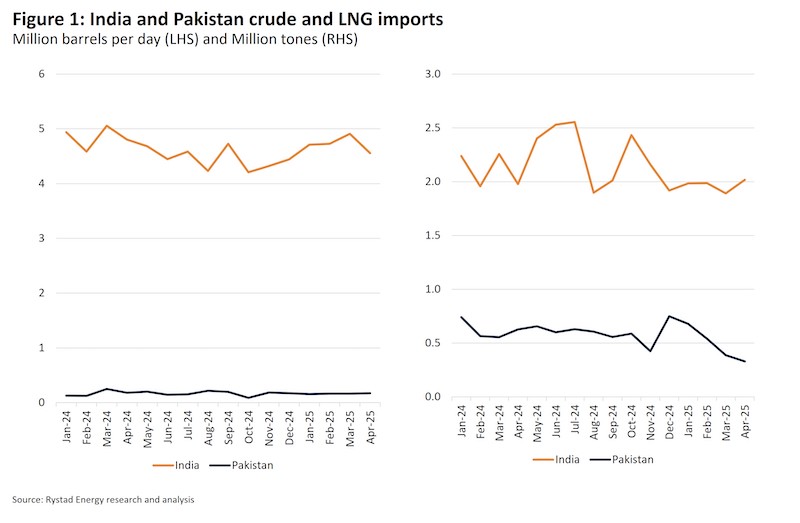
By K Raveendran Reports from across the border suggest that Pakistan is already suffering a fuel crisis, with petrol pumps having been ordered closed for the time being. An analysis of the emerging energy scenario in the wake of the ongoing conflict suggests the beginning of a serious crisis for Pakistan, while India is relatively […]

A significant cybersecurity breach has compromised the LockBit ransomware syndicate, exposing nearly 60,000 Bitcoin addresses and a trove of internal data, including affiliate credentials. This development marks a pivotal moment in the ongoing efforts to dismantle one of the most prolific cybercriminal networks operating globally.

The breach, orchestrated by an international coalition of law enforcement agencies, has provided unprecedented insight into LockBit’s operations. Authorities now have access to a vast array of information detailing the group’s financial transactions, operational structures, and the identities of its affiliates. This intelligence is expected to significantly aid in the prosecution of individuals involved in the ransomware activities.

LockBit, known for its “ransomware-as-a-service” model, has been responsible for over 2,000 attacks worldwide, extorting more than $120 million from victims across various sectors, including healthcare, finance, and critical infrastructure. The group’s business model involved leasing its ransomware tools to affiliates, who would then carry out attacks and share a portion of the proceeds with the core group.

The exposed Bitcoin addresses reveal the extensive financial network underpinning LockBit’s operations. Analysis of these wallets indicates that the group had amassed over $110 million in unspent cryptocurrency, highlighting the scale of their illicit earnings. The transparency afforded by blockchain technology has enabled investigators to trace these funds, potentially leading to further asset seizures and the identification of additional perpetrators.

The breach also uncovered detailed records of LockBit’s internal communications and operational protocols. This information sheds light on the group’s recruitment strategies, target selection processes, and the methods employed to launder ransom payments. Notably, the data suggests that LockBit maintained a hierarchical structure, with a core leadership team overseeing a decentralized network of affiliates.

In response to the breach, several countries have imposed sanctions on key figures associated with LockBit. These measures include asset freezes and travel bans, aimed at disrupting the group’s activities and deterring future cybercriminal endeavors. The sanctions underscore the international community’s commitment to combating ransomware threats and holding perpetrators accountable.

By Nitya Chakraborty More than forty hours have passed since the missile strikes by Indian military on the nine terror camp sites in Pakistan. The situation in both New Delhi and Islamabad is witnessing the same type of preparations indicating that Pakistan is getting ready for another military confrontation with India after the Kargil war […]

Leaders of the Group of Seven nations are set to address the escalating threat of North Korea’s cryptocurrency-fueled cybercrime at their upcoming summit in Alberta, Canada. The agenda reflects growing international concern over Pyongyang’s use of digital asset theft to circumvent sanctions and finance its weapons programmes.

North Korea has emerged as a dominant force in global cybercrime, with its state-sponsored hacking groups, notably the Lazarus Group and TraderTraitor, orchestrating sophisticated attacks on cryptocurrency platforms. In 2024 alone, these groups were responsible for stealing over $1.3 billion in digital assets, accounting for approximately 61% of the total crypto thefts that year. Such activities have significantly bolstered North Korea’s foreign currency reserves, with cyberattacks reportedly generating up to 50% of the country’s foreign exchange earnings.

One of the most significant incidents attributed to North Korean hackers was the $1.5 billion theft from the Dubai-based cryptocurrency exchange Bybit in early 2025. The attackers employed malware-laden trading applications to infiltrate the platform, subsequently laundering the stolen funds through a complex network of blockchain transactions. This breach not only marked the largest crypto heist to date but also underscored the regime’s advanced cyber capabilities.

Beyond large-scale exchange hacks, North Korean cybercriminals have diversified their tactics to include social engineering schemes. The “pig butchering” scam, for instance, involves operatives establishing fake online relationships to manipulate victims into investing in fraudulent cryptocurrency ventures. Such schemes have defrauded individuals, particularly retirees, of billions of dollars, further fueling Pyongyang’s illicit revenue streams.

The international community has responded with a series of sanctions and regulatory measures aimed at curbing North Korea’s cyber activities. In May 2025, the U.S. Treasury’s Financial Crimes Enforcement Network proposed banning Cambodia-based financial firm Huione Group from accessing the U.S. financial system. Huione is accused of laundering at least $4 billion in illicit funds, including $73 million in cryptocurrency linked to North Korean cyber heists. Similarly, South Korea imposed sanctions on 15 North Korean individuals involved in cyber theft and crypto heists, targeting their overseas operations that funnel funds back to Pyongyang’s weapons development programmes.

Despite these efforts, North Korea continues to refine its cyber strategies. The regime has reportedly infiltrated foreign companies by deploying operatives posing as freelance IT workers, thereby gaining access to sensitive systems and facilitating further cyberattacks. Such tactics not only enhance the regime’s ability to steal digital assets but also pose significant risks to global cybersecurity.

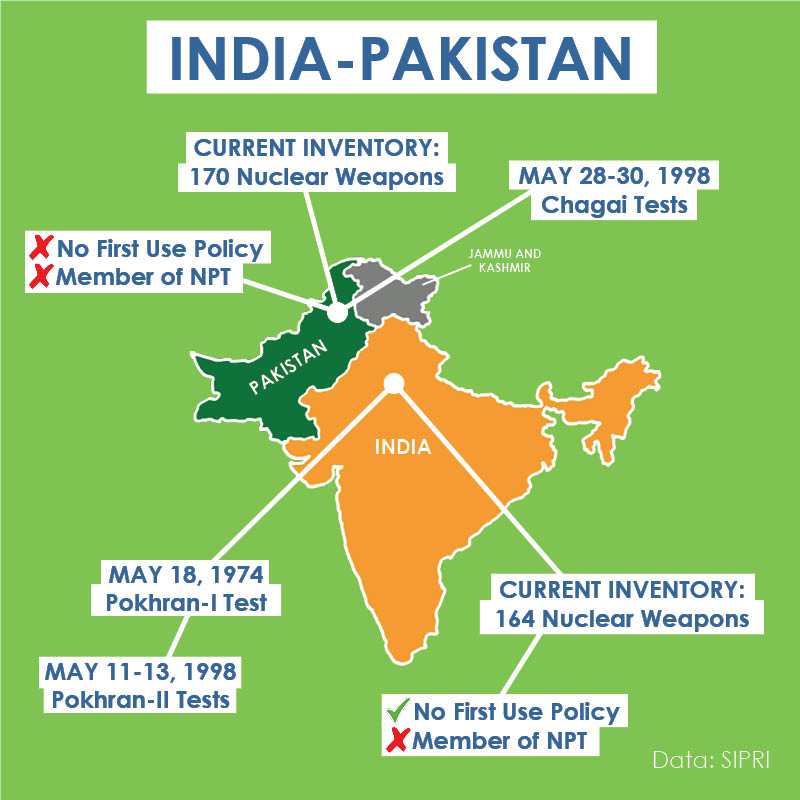
The Pakistan Stock Exchange experienced a severe downturn, with the benchmark KSE-100 Index plummeting by over 4,700 points, marking the most significant single-day drop in its history. This dramatic fall reflects mounting investor anxiety over escalating geopolitical tensions following India’s military operations, known as Operation Sindoor, targeting alleged militant infrastructure within Pakistani territory.

The KSE-100 Index closed at 106,274 points, down 4.51% from the previous session. The decline was primarily driven by substantial sell-offs in key sectors, including oil and gas, banking, and cement. Market analysts attribute this sharp downturn to a combination of geopolitical instability and aggressive profit-taking by institutional investors.

Operation Sindoor was launched by India in response to a deadly attack in Pahalgam, Indian-administered Kashmir, which resulted in the deaths of 26 civilians. India asserts that its strikes targeted terrorist groups such as Jaish-e-Mohammed and Lashkar-e-Taiba. However, Pakistan contends that the strikes hit civilian areas, including mosques and educational institutions, leading to the deaths of 31 civilians and injuries to 57 others.

In retaliation, Pakistan claims to have downed five Indian aircraft, a claim disputed by India. The ensuing military exchanges along the Line of Control have resulted in additional casualties on both sides, further exacerbating tensions between the two nuclear-armed neighbours.

The heightened conflict has significantly impacted investor confidence. Analysts note that the uncertainty surrounding the geopolitical situation has led to a risk-averse sentiment among investors, prompting widespread sell-offs. The situation is further compounded by concerns over potential economic repercussions, including disruptions to trade and foreign investment.

Stripe has unveiled stablecoin-powered financial accounts for businesses in 101 countries, enabling users to hold, send, and receive US dollar-pegged digital currencies. This development aims to provide a stable financial infrastructure in regions with volatile currencies and limited banking access.

The new accounts support Circle’s USD Coin and Bridge’s USDB, allowing businesses to manage balances similarly to traditional fiat bank accounts. Stripe’s acquisition of the Bridge platform in October 2024 facilitated this integration, enhancing its capabilities in the stablecoin sector.

These accounts are accessible to businesses in countries including Argentina, Chile, Turkey, Colombia, and Peru, where stablecoins are increasingly utilized as a store of value amid high inflation and capital controls. By offering a secure and efficient means of transacting in US dollar-backed digital currencies, Stripe seeks to empower entrepreneurs and companies in emerging markets.

In addition to stablecoin accounts, Stripe has introduced an AI foundation model for payments, trained on billions of transactions to improve fraud detection and authorization rates. This model has demonstrated a significant increase in the detection of card testing attacks, enhancing the security of Stripe’s payment processing services.

Stripe’s partnership with Visa further extends the utility of stablecoins. Through this collaboration, businesses can issue Visa cards linked to stablecoin wallets, enabling users to make purchases at any merchant that accepts Visa. Bridge manages the backend processes, converting stablecoin balances into local currencies during transactions.

AdGuard has officially launched version 1.0 of its ad-blocking software tailored for Linux, marking the company’s first stable release for the open-source operating system. This development introduces a system-wide, command-line-based ad-blocking solution, expanding AdGuard’s reach beyond its existing platforms, including Windows, macOS, Android, iOS, and browser extensions. The Linux version distinguishes itself by operating entirely through the command line, lacking a graphical user interface. This design choice […]

TeleMessage, a messaging application employed by former U.S. National Security Adviser Mike Waltz, has suspended its services following a cyberattack that compromised sensitive government and corporate data. The breach has intensified scrutiny over the use of unofficial communication tools within high-level government operations. The application, known as TM Signal, is a modified version of the open-source Signal platform, developed by Israeli company TeleMessage and later acquired by […]

The United Arab Emirates has called upon India and Pakistan to exercise restraint and prioritise diplomatic engagement following a surge in cross-border hostilities that has heightened fears of a broader conflict in South Asia.

Sheikh Abdullah bin Zayed Al Nahyan, the UAE’s Deputy Prime Minister and Minister of Foreign Affairs, issued a statement on Wednesday urging both nations to avoid further escalation that could jeopardise regional and international peace. He emphasised that diplomacy and dialogue remain the most effective means of resolving crises peacefully and achieving shared aspirations for stability and prosperity.

The appeal comes in the wake of India’s missile strikes targeting nine sites in Pakistan and Pakistan-administered Kashmir, reportedly aimed at militant infrastructure linked to the April 22 attack in Indian-administered Kashmir that killed 26 tourists. India’s Defence Ministry stated that the strikes were focused, measured, and non-escalatory, asserting that no Pakistani military facilities were targeted. However, Pakistan reported that the attacks resulted in at least 19 casualties, including women and children, and damaged several mosques and a medical clinic.

In retaliation, Pakistan claimed to have shot down five Indian fighter jets and launched strikes into Indian-administered Kashmir, reportedly killing three people. The heightened conflict has led to school closures, disrupted international flights, and drawn global concern, with calls for restraint from China, the United Nations, and U.S. leaders.

Sheikh Abdullah’s statement underscores the UAE’s commitment to supporting initiatives aimed at peaceful conflict resolution and mitigating humanitarian consequences. He stressed the importance of heeding voices calling for dialogue and mutual understanding to prevent military escalation and strengthen stability in South Asia.

The UAE has a history of mediating in regional conflicts and has previously facilitated exchanges between conflicting parties. Its call for restraint reflects a broader international consensus urging India and Pakistan to de-escalate tensions and engage in constructive dialogue to resolve their longstanding disputes.

At 1:44 a.m. on 6 May 2025, Indian armed forces carried out precision strikes on nine locations in Pakistan and Pakistan-administered Kashmir. The operation, codenamed ‘Operation Sindoor,’ was launched in response to the 22 April massacre in Pahalgam, where 26 civilians, predominantly Hindu tourists, were killed. The Indian government stated that the targets were terrorist infrastructure linked to the attack.

The Indian Ministry of Defence described the strikes as “focused, measured, and non-escalatory,” emphasizing that no Pakistani military facilities were targeted. The operation involved coordinated efforts from the Army, Navy, and Air Force, with Prime Minister Narendra Modi reportedly monitoring the mission closely.

Pakistan condemned the strikes, labeling them an “act of war” and reported civilian casualties, including the death of a child. Islamabad claimed to have shot down two Indian jets and vowed a robust response. A state of emergency was declared in Punjab province, and airspace was closed to commercial flights.

The Pahalgam attack, carried out by militants in army fatigues, targeted tourists in the Baisaran meadow. Eyewitnesses reported that the assailants singled out non-Muslims before opening fire. The Resistance Front, an offshoot of Lashkar-e-Taiba, initially claimed responsibility but later retracted. Indian authorities linked the attack to Pakistan-based operatives, citing digital traces leading to safe houses in Muzaffarabad and Karachi.

In the aftermath, India suspended the Indus Waters Treaty, expelled Pakistani diplomats, and closed borders. Pakistan responded by suspending the Simla Agreement, restricting trade, and closing airspace. Both nations have engaged in cross-border exchanges of fire, raising concerns of a broader conflict.

Delivering peace of mind with layered security, co-managed services and a unified management platform, SonicWall is helping partners grow services profitably through its continued innovation leveraging next generation firewalls SINGAPORE – Media OutReach Newswire – 6 May 2025 – SonicWall today unveiled a full suite of products and services purpose-built to empower and meet the evolving needs of Managed Service Providers (MSPs) and their customers with end-to-end […]

By Nantoo Banerjee Amazing are the ways of the Indian government and the country’s political satraps to deal with frequent Islamist terror attacks on India’s innocent citizens. In the last one month or so, the organized Islamist terror in West Bengal’s Muslim-majority Murshidabad district had led to massive destruction and displacement of over 150 Hindu […]
VISHNU RAJA
RYO YAMADA
HITORI GOTOH
IKUYO KITA