News related to
attack

The report surveyed 114 senior fraud professionals in Asia to uncover fraud trends, challenges, and prevention measures by financial institutions SINGAPORE – Media OutReach Newswire – 1 August 2024 – GBG, the leading expert in global identity and location, in collaboration with Chartis Research, revealed that 8 in 10 Asian financial institutions and banks are facing significant challenges related to digital fraud detection, but are actively investing […]

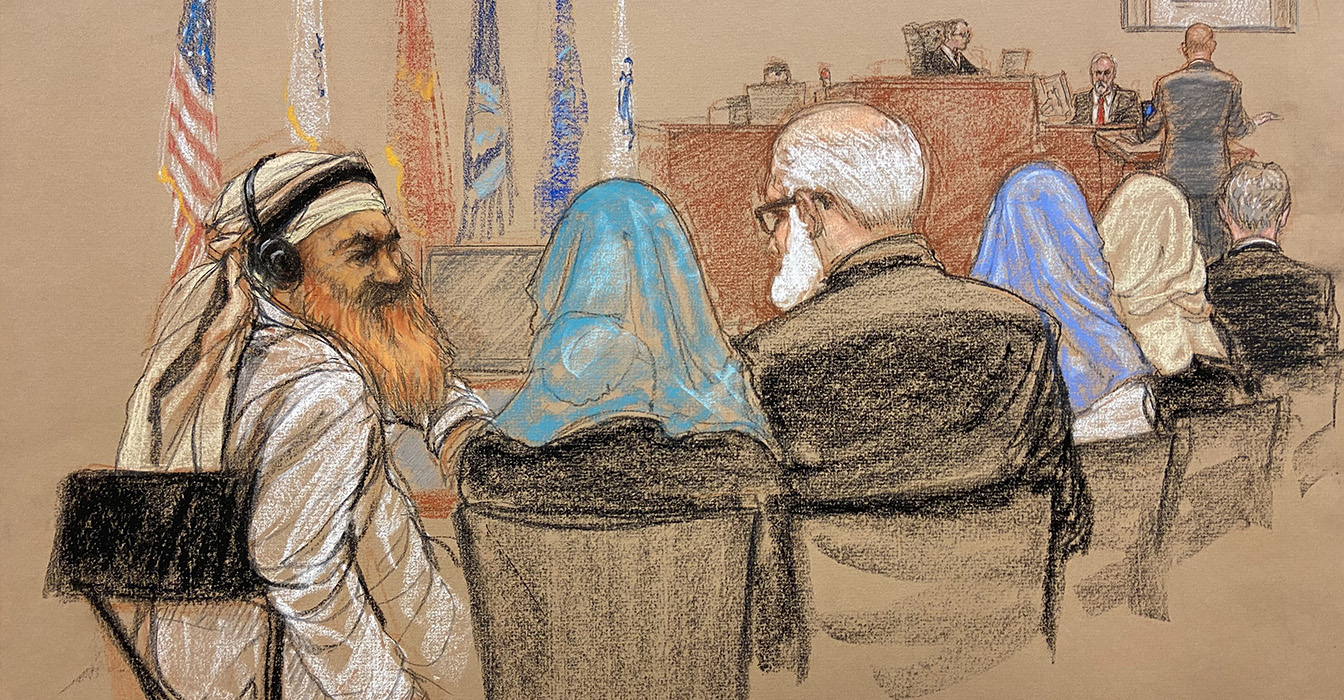
US Defense Secretary Lloyd Austin, under the directive of President Joe Biden, rejected a plea deal for the alleged orchestrators of the September 11, 2001 attacks. The plea agreement would have seen Khalid Sheikh Mohammed and four co-defendants plead guilty in exchange for avoiding the death penalty. Lawmakers, including Senator Ted Cruz and Representative Nicole Malliotakis, condemned the plea, urging the administration to pursue the death penalty. This decision comes amid concerns over the implications of such a deal, especially for the victims’ families who have been seeking justice for over two decades.

The plea negotiations, ongoing for over a year, were partly motivated by legal challenges arising from the CIA’s use of torture on the suspects. Critics argue that avoiding the death penalty would undermine justice. Additionally, over 2,000 9/11 victims’ family members sent a letter to Biden, expressing their dismay over the plea deal and its potential to obscure crucial details about the attacks.

An Israeli airstrike in 2006 profoundly impacted a Lebanese journalist, altering her life and career. The attack, which targeted her home in Beirut, left her grappling with physical injuries and psychological scars. This incident highlights the broader context of the conflict between Israel and Hezbollah, a militant group based in Lebanon.

The 2006 war between Israel and Hezbollah was marked by intense violence, resulting in significant casualties and destruction. Over 1,200 people in Lebanon, primarily civilians, and more than 160 Israelis, mostly soldiers, lost their lives. The conflict also led to widespread infrastructure damage in Lebanon, displacing many residents.

The journalist, who prefers to remain anonymous, described the harrowing experience of surviving the attack. She recalled the moment her home was struck, resulting in severe injuries that required extensive medical treatment. Despite the physical recovery, the psychological impact of the event has been long-lasting, shaping her perspectives and professional endeavors.

In the years following the attack, she has become an outspoken advocate for peace and reconciliation. Her work as a journalist has focused on documenting the human cost of conflict, emphasizing the need for dialogue and understanding between communities. She believes that sharing personal stories of suffering and resilience can contribute to a broader awareness of the consequences of war.

The Lebanese journalist’s experience underscores the fragile security situation in Lebanon, particularly in regions close to the Israeli border. The ongoing tensions between Israel and Hezbollah continue to pose a threat to civilians, as both sides engage in periodic skirmishes and rhetoric. The recent escalations have once again brought attention to the volatile nature of the border area, with both parties exchanging accusations and warnings.

Lebanon’s political landscape remains deeply affected by the legacy of past conflicts and the presence of various militant groups. The country’s leadership faces significant challenges in maintaining stability and addressing the socio-economic issues that have been exacerbated by years of unrest. Efforts to disarm militant groups and enforce UN resolutions, such as the 2006 resolution calling for Hezbollah’s disarmament, have been met with limited success.

This journalist’s journey from a war victim to a peace advocate illustrates the resilience and determination of individuals affected by conflict. Her story serves as a reminder of the ongoing human toll of the Israel-Hezbollah conflict and the urgent need for sustainable peace initiatives in the region. By continuing to share her experiences and insights, she hopes to inspire others to work towards a future free from the devastations of war.

France’s high-speed rail network is back in service after coordinated arson attacks caused widespread disruptions just before the Olympics’ opening ceremony. The sabotage, affecting lines east, north, and west of Paris, resulted in significant travel chaos, impacting around 800,000 passengers. French officials, including outgoing Prime Minister Gabriel Attal and SNCF CEO Jean-Pierre Farandou, confirmed that full services have resumed. The Paris prosecutor’s office has launched an investigation […]

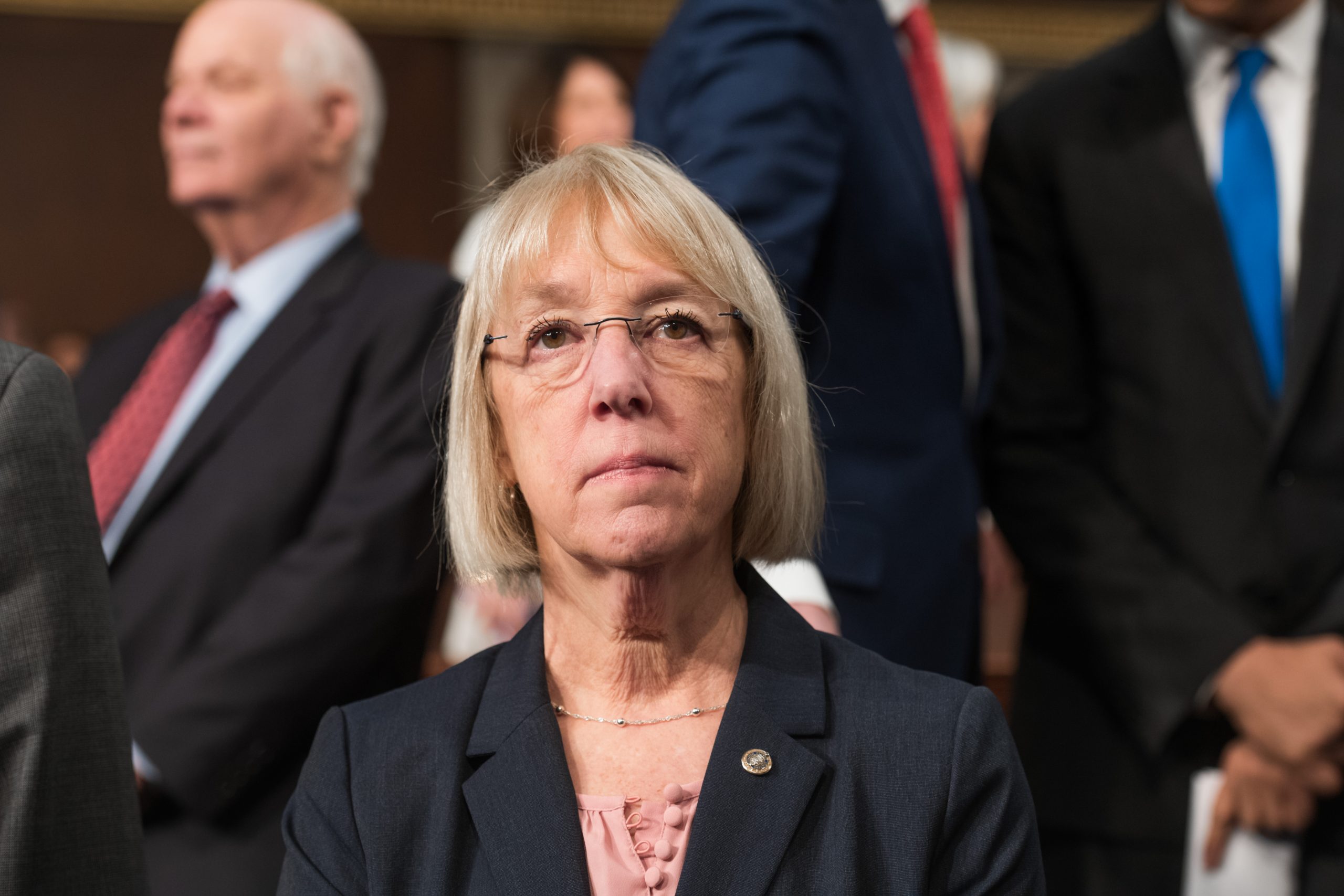
U.S. Senators Chris Coons and Ted Cruz introduced a resolution condemning attacks by Iranian military proxies on American troops stationed in Iraq and Syria. The resolution, backed by a bipartisan group of lawmakers, aims to respond to and deter these assaults, which have surged since mid-October following terror attacks by Hamas on Israel. More than 115 incidents have been recorded against U.S. forces in the region, attributed to Iranian-backed militia groups that receive financial and military support from Tehran.

Senator Coons emphasized the necessity for a strong response from the Biden administration to these provocations. He expressed his support for American service members in the Middle East and the mission of the U.S. Central Command in countering terrorism and maintaining regional stability. Senator Cruz highlighted the broader implications of Iranian aggression, which not only endangers American troops but also threatens freedom of navigation and global economic stability through actions in critical waterways like the Red Sea.

The resolution is co-sponsored by a diverse group of senators, reflecting broad bipartisan concern over the issue. Among the co-sponsors are Senators Jeanne Shaheen, Joe Manchin, Katie Britt, and John Barrasso, among others. They collectively underscore the urgency of holding Iran accountable for its actions and supporting measures to protect U.S. personnel and interests abroad.

In parallel, a separate legislative effort led by Senators Jeff Merkley and Marco Rubio, the Transnational Repression Policy Act, addresses the broader issue of foreign governments targeting dissidents and activists across borders. This bill proposes new policies to hold foreign entities accountable for such repressive actions, which can include stalking, intimidation, and physical assault. High-profile cases cited in support of this legislation include the Belarusian government’s diversion of a plane to arrest an opposition journalist and various instances of harassment by Iranian and Chinese agents against activists abroad.

These legislative initiatives represent a concerted effort by U.S. lawmakers to address and deter acts of aggression and repression by foreign governments. They highlight the ongoing challenges posed by authoritarian regimes to international stability and human rights, and the steps being taken to ensure accountability and protection for those targeted by such actions.

By Nitya Chakraborty The New Popular Front (NFP) has taken a major step towards forming a coalition government in France after the partners agreed to name independent socialist Lucie Castets as the Prime Minister candidate for forming the new government after the July 7 general elections led to a hung national assembly. The NFP leadership […]

The Israeli Defense Forces (IDF) have announced the death of Mohammed Deif, a senior military commander for Hamas, in a targeted strike on Gaza. This operation, executed on July 13, represents a significant escalation in the ongoing conflict between Israel and Hamas.

Deif, who had long been a high-value target for Israeli forces, was reportedly eliminated during an airstrike in Gaza City. The IDF has described the strike as a successful operation aimed at dismantling the leadership structure of Hamas, a militant organization that has been involved in numerous conflicts with Israel.

The Israeli government has framed Deif’s death as a strategic victory, suggesting that it will weaken Hamas’s ability to coordinate attacks against Israeli targets. Deif was known for his role in orchestrating several high-profile attacks against Israel, including rocket launches and other military operations. His death is anticipated to have significant repercussions on Hamas’s operational capabilities.

Hamas has not officially confirmed the death of Deif but has condemned the strike as an act of aggression. The group has vowed retaliation, indicating that it views the death of one of its senior leaders as a direct challenge to its resilience and resistance efforts.

This latest development comes amid heightened tensions in the region. The ongoing conflict has seen numerous casualties and has exacerbated humanitarian issues within Gaza. Both sides continue to exchange fire, with civilian areas frequently caught in the crossfire, leading to a growing international concern over the impact on non-combatants.

The impact of Deif’s death on Hamas’s operational strategy is still unfolding. Analysts suggest that while the loss of a key leader could disrupt Hamas’s immediate military strategies, it is unlikely to bring an end to the conflict. The group has shown a capacity for adaptation and resilience, often rebuilding its command structures even after significant losses.

The international community remains vigilant, monitoring the situation as it evolves. Efforts to mediate and negotiate peace have been ongoing, but achieving a lasting resolution has proven challenging. The cycle of violence continues to affect both Israelis and Palestinians, with significant implications for regional stability.

As the situation develops, further updates from both the Israeli government and Hamas will be crucial in understanding the full ramifications of this strike. The death of a high-profile figure like Mohammed Deif inevitably shifts the dynamics of the conflict, potentially influencing future military and diplomatic strategies on both sides.

Advertisements

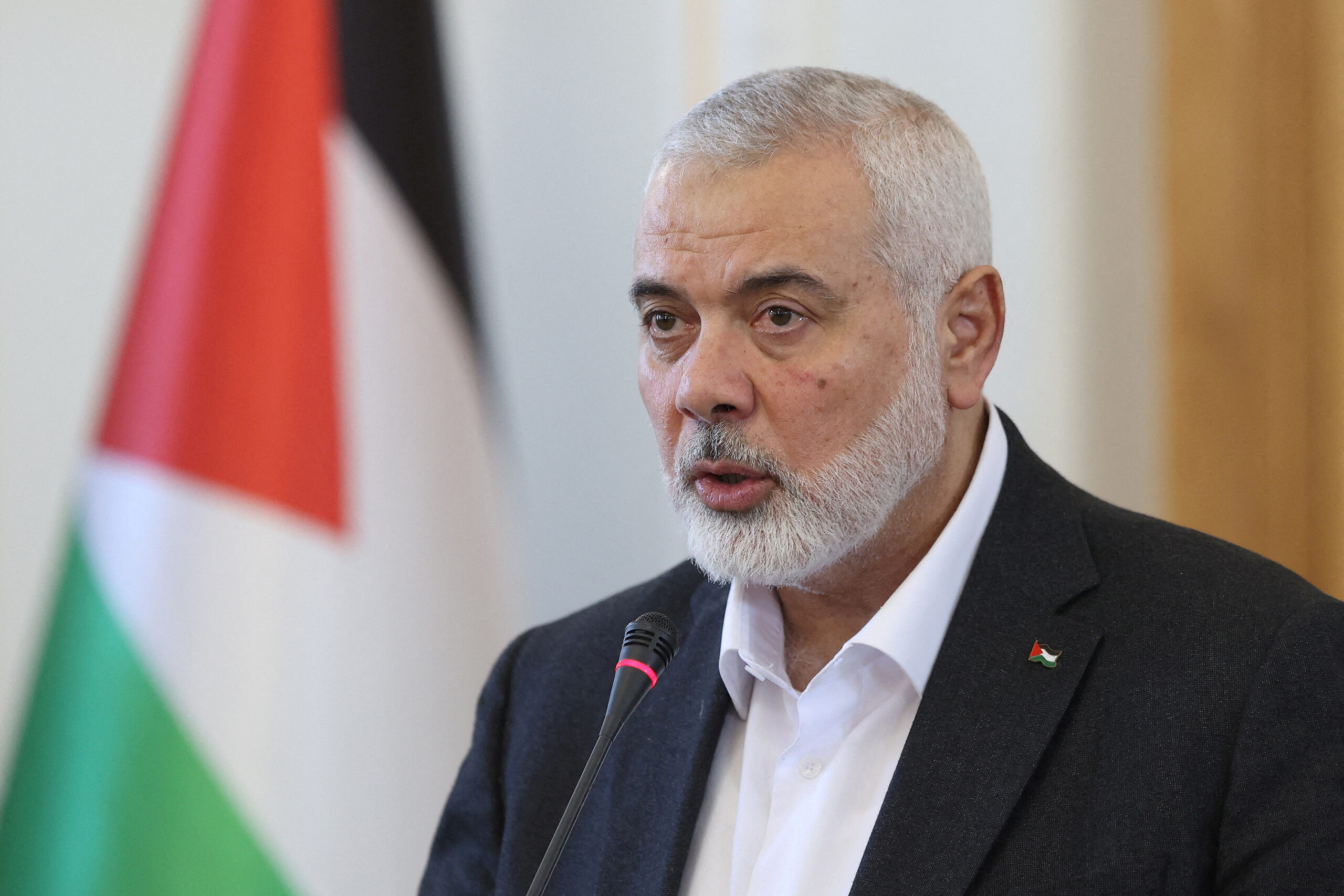
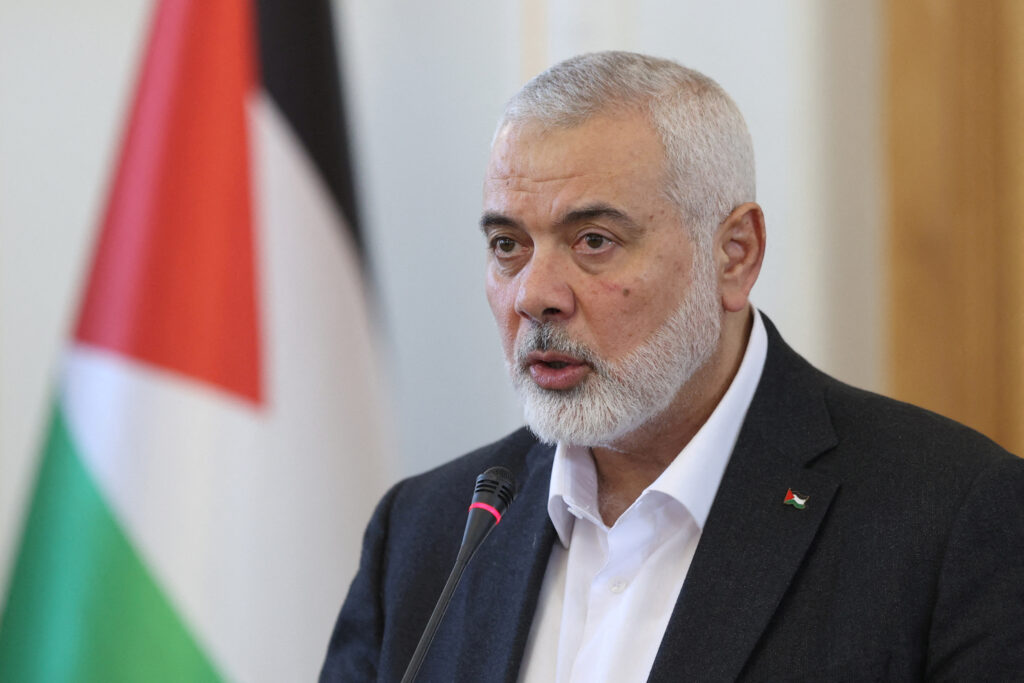
Israel has launched a series of targeted strikes, escalating tensions in the Middle East. The assassination of Ismail Haniyeh, a top Hamas leader, has particularly inflamed the conflict. Haniyeh, who was in exile, was killed in a missile strike in Tehran. This action is part of Israel’s broader campaign against militant leaders across the region.

The Israeli government has confirmed the strike, labeling it a critical blow to Hamas’ leadership. The attack has sparked significant international reactions, with Iran and its allies condemning the assassination. Iranian leaders have vowed retaliation, promising that Israel will regret this action.

The Israeli military is preparing for potential retaliatory strikes from Iran and its proxies. In addition to Haniyeh’s killing, Israel also conducted strikes in Beirut, targeting Hezbollah’s military chief. These operations mark a significant escalation, expanding the conflict beyond Gaza and into neighboring countries.

Palestinian Authority President Mahmoud Abbas has declared a day of mourning for Haniyeh, denouncing the killing as cowardly. Pro-Hamas marches have erupted in various cities, including a significant demonstration in Istanbul, where Turkish President Recep Tayyip Erdoğan condemned the assassination.

The strikes have also complicated ongoing hostage negotiations. Egypt and Qatar have criticized the timing of the attacks, suggesting they undermine efforts to secure the release of captives held by Hamas. U.S. Secretary of State Antony Blinken has emphasized the necessity of a ceasefire to facilitate these talks.

The United Nations Security Council held an emergency meeting to address the escalating tensions. Members of the Iran-backed axis, including Hezbollah, have harshly criticized Israel, calling the situation a dangerous escalation. Security experts predict that while Iran and its allies are likely to respond, they may not be able to reverse Israel’s strategic gains in Gaza.

This series of high-profile killings highlights Israel’s extended reach and intelligence capabilities. The assassination of Haniyeh in Tehran underscores the deep penetration of Israeli operations in Iran, a point acknowledged by various analysts. As the conflict enters a new phase, the potential for wider regional instability looms large.

The situation remains volatile, with both sides bracing for further developments. The international community continues to monitor the conflict closely, urging restraint and the pursuit of diplomatic solutions to prevent further escalation.

A plea agreement has been reached between the US government and Khalid Shaikh Mohammed, Walid bin Attash, and Mustafa Al Hawsawi, three key defendants in the September 11, 2001, terrorist attacks. This development comes after years of legal proceedings at the Guantanamo Bay detention facility, where the men have been held since their capture. The plea deal is expected to include significant concessions for the defendants, such as removing the death penalty from consideration.

The three men have long been accused of orchestrating and facilitating the attacks that led to the deaths of nearly 3,000 people. Khalid Shaikh Mohammed, often cited as the principal architect of the 9/11 attacks, has been a central figure in the US government’s prosecution of those responsible for the tragedy. The agreement aims to resolve some of the complexities and delays that have plagued the military commission process at Guantanamo Bay.

Family members of the victims have expressed a mix of reactions to the plea deal. Some see it as a necessary step to achieve some form of justice and closure, while others are frustrated by the removal of the death penalty, which they feel is a lenient outcome for those responsible for such an atrocity. Advocates for the families have highlighted the prolonged nature of the legal process and the emotional toll it has taken on those still grieving their losses.

The plea agreement comes amidst broader discussions about the future of Guantanamo Bay and the handling of terrorism suspects. The Biden administration has indicated a desire to close the detention facility, which has been a contentious issue in US politics and a focal point for criticism regarding human rights and due process.

Legal experts suggest that the plea deal could expedite the resolution of these high-profile cases, potentially setting a precedent for how similar cases might be handled in the future. This agreement might also influence the ongoing debate about the use of military commissions versus civilian courts for prosecuting terrorism suspects.

The plea deal’s specifics are still being finalized, but it represents a significant moment in the legal aftermath of the 9/11 attacks. The resolution of these cases could bring a measure of finality to one of the darkest chapters in US history, though it will undoubtedly leave many questions and emotions unresolved for the families affected by the tragedy.

The agreement is also expected to spark discussions on the ethical and legal implications of plea deals in cases involving severe crimes and acts of terrorism, potentially influencing future policies and practices in both national and international contexts.

As the details of the plea deal are made public, and as the defendants potentially face sentencing, the world will be watching closely to see how justice is administered and what it means for the broader fight against terrorism. This development marks a pivotal point in the long and complicated process of seeking accountability for the events of September 11, 2001.

The death of a high-ranking Hamas official has shed light on significant vulnerabilities within Iran’s political and security framework. The figure, a prominent leader in Hamas’s military wing, was killed in an operation that has exposed serious gaps in Iran’s oversight and influence over its allies in the region. Hamas confirmed the death of the leader, which took place in a coordinated attack attributed to rival factions […]

A fragile truce in Iraq faces significant jeopardy following a recent U.S. airstrike targeting a militant base south of Baghdad. The attack has intensified tensions, with the Islamic Resistance in Iraq vowing retaliation. This escalation could unravel ongoing peace efforts and destabilize an already volatile region.

The U.S. strike, conducted late last week, was aimed at a compound reportedly used by Iran-backed militias. According to Pentagon sources, the operation was in response to recent threats against American personnel and facilities in Iraq. This action marks a severe escalation in the U.S. military’s involvement in the region and has drawn sharp condemnation from various factions within Iraq.

The Islamic Resistance in Iraq, a prominent group within the broader network of Iranian-aligned militias, has condemned the strike as a blatant violation of Iraqi sovereignty. The group’s senior official indicated that retaliation is imminent, exacerbating fears of a renewed cycle of violence. This development threatens to undermine the delicate balance that has been maintained through ongoing negotiations and diplomatic efforts.

The truce, which has been in place for several months, was intended to reduce hostilities and facilitate dialogue between conflicting parties. It followed a period of intense conflict marked by frequent skirmishes and escalating tensions between Iraqi militias and U.S. forces. The recent airstrike not only jeopardizes this truce but also risks inflaming regional tensions further, potentially drawing in other actors and destabilizing the broader Middle Eastern landscape.

Observers are concerned that the strike could prompt a series of retaliatory actions, leading to a resurgence of hostilities. This would not only disrupt the fragile peace process but also have significant repercussions for the stability of Iraq and the wider region. The potential for a broader conflict underscores the need for immediate diplomatic interventions to de-escalate the situation.

The Iraqi government has condemned the U.S. action, emphasizing the need for respect of its sovereignty and urging restraint from all parties involved. However, the response from the Islamic Resistance in Iraq suggests that diplomatic appeals may not be sufficient to prevent further escalation. The situation remains fluid, with both sides preparing for potential further conflict.

The international community has called for calm and restraint, stressing the importance of dialogue and peaceful resolution to the crisis. However, the immediate aftermath of the strike indicates that the path to de-escalation will be fraught with challenges. The U.S. and Iraqi governments are under immense pressure to navigate the complex dynamics of this conflict and work towards stabilizing the region.

As the situation continues to unfold, the global community watches closely, hoping for a resolution that will preserve the fragile truce and prevent further violence. The next steps taken by the involved parties will be critical in determining whether the current crisis can be mitigated or if it will lead to a broader and more destructive conflict.

Palestinians in Gaza are grappling with heightened despair following the tragic death of three sons of Hamas leader Ismail Haniyeh in an Israeli airstrike. This attack occurred during the Muslim holiday of Eid al-Fitr, a time typically marked by celebration and communal gathering.

The Israeli airstrike targeted a car carrying Haniyeh’s sons—Hazem, Amir, and Mohammed—along with several of his grandchildren in the Al-Shati refugee camp. Eyewitnesses reported the car being obliterated, resulting in the deaths of all its occupants. This incident has intensified the already dire humanitarian situation in Gaza, where more than 30,000 Palestinians have been killed since the conflict began six months ago.

Ismail Haniyeh condemned the attack as a “horrendous massacre” and reaffirmed his commitment to the Palestinian cause. In a televised statement, he declared that such actions by Israel would not weaken the resolve of the Palestinian people but instead strengthen their determination to resist.

The war in Gaza has led to widespread devastation, with the majority of the population facing severe shortages of food, clean water, and medical supplies. Israel’s military offensive has displaced 85% of Gaza’s population, leaving many without homes and basic necessities. The international community has voiced concern over the humanitarian crisis, with the International Court of Justice urging Israel to take measures to prevent famine in the region.

This event has exacerbated tensions in the Middle East, with Israel’s actions being condemned by various global leaders. Iran’s Supreme Leader, Ayatollah Ali Khamenei, issued a stern warning to Israel, promising repercussions for the airstrike that also killed several Iranian generals in Syria.

As Gaza continues to mourn, the future remains uncertain. The conflict has pushed the region to the brink, with the latest incident only deepening the sense of hopelessness among its residents.

By Nitya Chakraborty The Middle East was thrown into an unprecedented turmoil on Wednesday as the news came of the killing of the Hamas leader Ismail Haniyeh in Teheran in the morning by unidentified gunmen in his residence. Though the Iranian government said that they were investigating the killing and the Israeli government kept officially […]

Israeli airstrikes on a Beirut suburb have intensified the search for senior Hezbollah commander Fouad Shukr, whose whereabouts remain uncertain following the attack. The residential building targeted was reportedly a key location for Hezbollah operations, raising concerns about Shukr’s status and potential casualties among his associates.

The airstrike occurred in the densely populated southern suburbs of Beirut, a region heavily influenced by Hezbollah. The Israeli government has not confirmed the specific targets of the strike but has maintained that the operation was a response to ongoing threats from Hezbollah. The Lebanese authorities have launched a search and rescue operation, sifting through the rubble of the destroyed building in hopes of locating survivors or recovering bodies.

Fouad Shukr, a high-ranking figure within Hezbollah, has been a subject of international attention due to his alleged involvement in various military and strategic operations. The attack has prompted Hezbollah to accuse Israel of aggression and to call for an immediate response. The group has mobilized its members in the area, and tensions are high as both sides brace for possible further escalations.

Local reports suggest that the building was used by Hezbollah for military purposes, including arms storage and strategic planning. This has led to speculations about the significance of the strike and whether it was part of a broader Israeli strategy to disrupt Hezbollah’s operational capabilities. The attack’s impact on the broader regional dynamics is yet to be fully understood, but it has already heightened security concerns in Lebanon and among international observers.

Lebanese rescue teams are working tirelessly, and international organizations have expressed concern about the humanitarian impact of the airstrikes. The focus is on providing aid to those affected by the explosion and addressing the needs of families displaced by the attack.

Hezbollah’s reaction has been swift, with the organization issuing statements condemning the Israeli actions and vowing retaliation. The group’s leaders have criticized the international community for not intervening and have called for solidarity from other nations sympathetic to their cause.

The situation remains fluid, with rescue operations ongoing and the possibility of additional strikes looming. The international community continues to monitor the developments closely, as the conflict between Israel and Hezbollah threatens to escalate further. The fate of Fouad Shukr remains a critical concern, with implications for both Hezbollah’s internal dynamics and the broader geopolitical landscape in the region.

The next steps for both Hezbollah and Israeli forces will be closely watched, as the aftermath of the strike unfolds and the international community responds to the evolving situation. The ongoing conflict underscores the volatility of the region and the challenges faced by all parties involved in seeking a resolution to the long-standing hostilities.

Hamas’s political chief, Ismail Haniyeh, was killed in an attack on his residence in Tehran, Iran. This incident, which also claimed the life of one of his bodyguards, marks a significant escalation in the ongoing tensions involving the Palestinian militant group. The attack has drawn immediate condemnation and concern from international leaders and analysts.

According to initial reports, the assailants targeted Haniyeh’s residence with a coordinated assault, leading to his death and the injury of several others. The circumstances surrounding the attack remain under investigation, and no group has yet claimed responsibility. The Iranian government has vowed a thorough investigation into the incident, emphasizing its commitment to combating terrorism and securing the safety of its citizens.

Haniyeh, a prominent figure in Hamas, has been a central player in the group’s leadership and operations. His death could potentially shift the balance within Hamas and affect its strategies and alliances. Analysts are closely watching for potential repercussions on regional stability and the broader Israeli-Palestinian conflict.

The assassination of Haniyeh represents a critical development in the ongoing conflict dynamics. His leadership was instrumental in Hamas’s political and militant activities, and his absence might create a power vacuum within the organization. This event is likely to provoke varied responses from different factions, both within the region and internationally.

International reactions have been swift, with calls for restraint and dialogue from various world leaders. The attack underscores the volatile nature of the geopolitical landscape in the Middle East, highlighting the persistent risks associated with high-profile figures in conflict zones. The implications of Haniyeh’s death will unfold in the coming days as the situation develops and more information becomes available.

As the investigation continues, the global community remains on alert for potential repercussions. The situation reflects the ongoing complexities of Middle Eastern politics and the enduring challenges in achieving lasting peace and stability in the region.

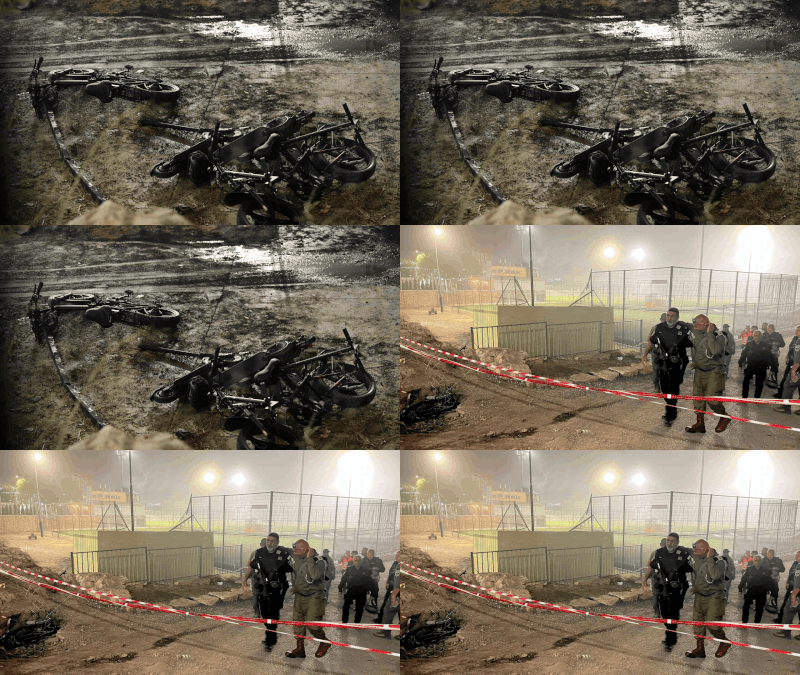
M A Hossain After a recent rocket attack on a soccer field in the Israeli-controlled Golan Heights, the question of whether the Middle East is on the verge of an all-out war has captured global attention. This attack, which resulted in the death of 12 people amid the ongoing Gaza conflict, has escalated tensions to a critical level. In response, Israeli forces carried out a drone strike […]

An Israeli airstrike targeted Hezbollah commander Fouad Shukr in Beirut, marking a significant escalation in tensions between Israel and Hezbollah. Shukr, a senior military figure within the Lebanese group, is known for his close ties to Hezbollah’s leadership and his involvement in strategic operations.

The airstrike occurred late Tuesday, with initial reports indicating that Shukr was among the primary targets. Lebanese media confirmed the attack, noting damage to several buildings in the southern suburbs of Beirut, a Hezbollah stronghold. The area, often referred to as Dahiyeh, has seen similar strikes in the past, but this operation specifically aimed at Shukr signals a more direct confrontation.

Fouad Shukr, also known by his nom de guerre, Al-Hajj Mohsin, has been a prominent figure in Hezbollah for decades. His military career began in the early 1980s, and he has since ascended through the ranks, becoming a key advisor to Hezbollah’s Secretary-General Hassan Nasrallah. Shukr’s expertise in military tactics and his role in coordinating operations in Syria have made him a critical asset to the organization.

Hezbollah’s involvement in the Syrian conflict has been extensive, with Shukr playing a pivotal role. His strategic planning and operational oversight have contributed to the group’s efforts to support the Syrian government, particularly in key battles such as those in Aleppo and Qusayr. These operations have cemented Shukr’s reputation as a skilled military leader within Hezbollah’s ranks.

The Israeli government has long viewed Shukr as a significant threat. His role in planning and executing operations against Israeli targets, both within Lebanon and abroad, has placed him high on Israel’s list of adversaries. Israeli officials have accused Shukr of being involved in the 1983 Beirut barracks bombings, which killed 241 U.S. service members, a claim that Hezbollah has consistently denied.

This targeted strike on Shukr is part of a broader Israeli strategy to disrupt Hezbollah’s military capabilities. Israel has repeatedly stated its intent to prevent Hezbollah from acquiring advanced weaponry and strengthening its position along the Israeli-Lebanese border. Over the years, Israel has conducted numerous airstrikes in Syria and Lebanon aimed at intercepting weapons shipments destined for Hezbollah.

The timing of this strike is particularly noteworthy. It comes amid heightened tensions in the region, with ongoing conflicts in Syria and escalating confrontations between Israel and Iranian-backed militias. Hezbollah’s close alliance with Iran has further complicated the dynamics, as Israel seeks to counter Iranian influence in the Middle East.

Reactions to the strike have been swift. Hezbollah condemned the attack, vowing retaliation and reinforcing its commitment to resist Israeli aggression. The Lebanese government, while acknowledging the attack, has called for restraint to avoid further escalation. International reactions have been mixed, with some countries urging both sides to de-escalate and others expressing concern over the potential for a broader conflict.

Analysts suggest that this strike could have significant implications for the stability of the region. Hezbollah’s response will likely determine the immediate future of Israeli-Lebanese relations. Should Hezbollah choose to retaliate, the possibility of a larger military confrontation cannot be ruled out. However, the group may also opt for a more calculated response, avoiding direct confrontation while continuing to strengthen its military infrastructure.

The situation remains fluid, with the potential for rapid developments. As both Israel and Hezbollah navigate this latest escalation, the international community will be closely monitoring the unfolding events. The strike on Fouad Shukr underscores the persistent volatility in the region and the ongoing struggle for power and influence between Israel and Hezbollah.

Hezbollah’s next moves, coupled with Israel’s strategic objectives, will shape the regional landscape in the coming months. This episode highlights the fragile nature of the current ceasefire and the ever-present risk of conflict in the Middle East.

Amid intensified hostilities in Gaza, over 200,000 individuals have been displaced, according to the UN Office for the Coordination of Humanitarian Affairs (OCHA). This surge in displacement stems from ongoing bombardments, with Israeli military operations significantly impacting northern Gaza. Eastern Gaza City, particularly the Shujaiya district, has seen around 84,000 people forced to flee due to heavy fighting. The violence has disrupted essential services, cutting off access […]

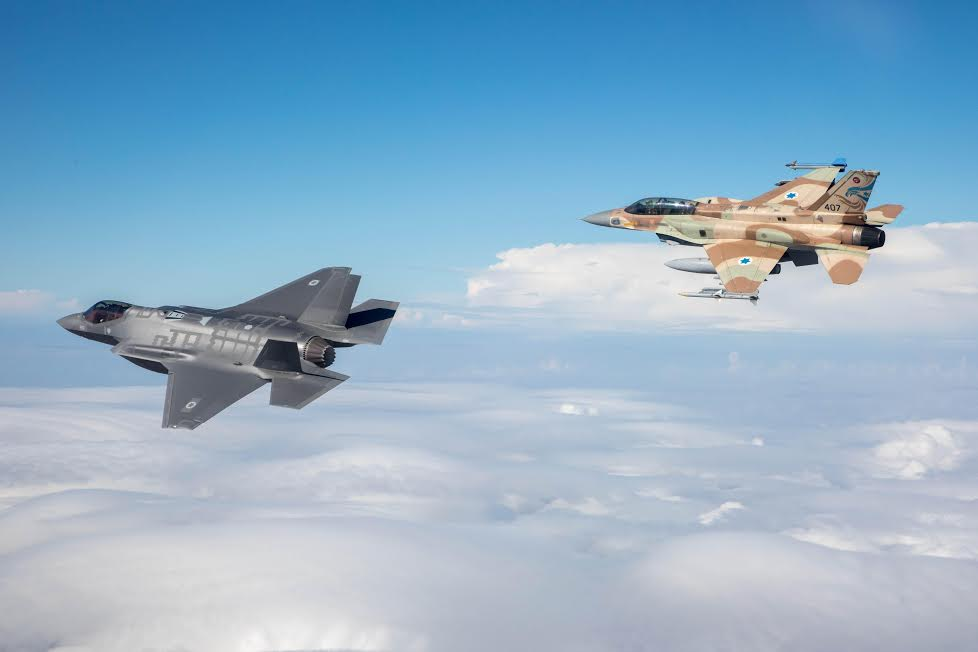
A series of U.S. airstrikes targeted facilities used by Iran-backed militia groups in Iraq, following a surge in attacks on American forces in the region. The strikes were conducted in response to ballistic missile attacks that wounded several U.S. soldiers.

The targeted facilities, operated by the Hezbollah Brigades, included a headquarters, storage areas, and training sites for rockets, missiles, and unmanned aerial vehicles (UAVs). These strikes mark the latest escalation in the ongoing conflict between U.S. forces and Iran-backed militias, which have conducted over 150 attacks on U.S. bases in Iraq and Syria since October 2023.

U.S. Secretary of Defense Lloyd Austin described the strikes as “necessary” and “proportionate,” aimed at deterring further attacks on U.S. and coalition personnel. The Hezbollah Brigades, designated as a Foreign Terrorist Organization by the U.S., have vowed to continue their assaults. Their spokesperson, Jaafar al-Husseini, affirmed their commitment to targeting U.S. strongholds.

The airstrikes resulted in the death of Ali Subieh, a fighter with the Hezbollah Brigades, as confirmed by the group on its Telegram channel. This development underscores the persistent volatility in the region, with Iran-backed groups maintaining their offensive stance despite significant losses.

The conflict has intensified since the onset of the Israel-Hamas war in October 2023, which has indirectly fueled militia activities against U.S. interests. The U.S. response, involving precision strikes on militia assets, aims to mitigate threats and stabilize the security situation for American and allied forces.

Hezbollah Brigades, a prominent Shia militia in Iraq, receives extensive support from Iran’s Qods Force, including training, funding, and weaponry. Founded by Abu Mahdi al-Muhandis and closely allied with the late Qassem Soleimani, the group has been a significant adversary for U.S. forces in the region. The persistent threat posed by these militias necessitates ongoing vigilance and strategic countermeasures by the U.S. military.

By Arun Srivastava Only six months back, Indians, especially the bourgeoning middle class endorsing the jibes of Narendra Modi against Rahul Gandhi, who preferred to address him “Pappu”, “Shehenshah” and a “part-time politician”, are now looking towards him with hope. Not only the common people and the politically conscious, but also the policy decision-makers and […]

An Israeli airstrike hit Beirut on Tuesday night, targeting senior Hezbollah commander Fouad Shukr. This move marks a significant escalation in the long-standing tension between Israel and Hezbollah, a militant group based in Lebanon.

Fouad Shukr, a senior member of Hezbollah’s military wing, has been a key figure in the organization’s operations for decades. He is alleged to have played a pivotal role in the planning and execution of various military actions against Israel. Shukr’s involvement in the group’s military strategies has made him a high-value target for Israeli forces.

The strike on Beirut was part of a broader campaign by Israel to neutralize Hezbollah’s leadership and diminish its operational capabilities. Israeli officials have accused Hezbollah of stockpiling weapons and preparing for attacks against Israeli targets. The targeting of Shukr is seen as a strategic move to disrupt Hezbollah’s command structure and weaken its ability to coordinate attacks.

This development comes amid heightened tensions in the region. Over the past few weeks, both sides have exchanged threats and accusations, with Hezbollah leaders vowing to retaliate against Israeli aggression. The group has a substantial presence in Lebanon and is known for its sophisticated military capabilities, including a significant arsenal of rockets and missiles.

Israel’s intelligence services have been closely monitoring Hezbollah’s activities, aiming to thwart potential threats before they materialize. The decision to strike Shukr was likely based on actionable intelligence indicating his involvement in planning imminent attacks against Israel. The precision strike underscores Israel’s commitment to defending its borders and deterring hostile actions from Hezbollah.

Hezbollah’s leadership has yet to issue an official statement regarding the strike on Shukr. However, sources within the group have indicated that they are assessing the damage and planning a response. The strike is expected to provoke a strong reaction from Hezbollah, which has a history of retaliating against Israeli military actions.

The international community has expressed concern over the escalation of hostilities between Israel and Hezbollah. The United Nations has called for restraint from both sides to prevent a further deterioration of the situation. Diplomatic efforts are underway to de-escalate the conflict and encourage dialogue between the parties involved.

The strike on Fouad Shukr highlights the ongoing volatility in the Middle East and the fragile balance of power in the region. Both Israel and Hezbollah possess significant military capabilities, and any further escalation could lead to a broader conflict with severe consequences for the region.

The Lebanese government, which has limited control over Hezbollah’s activities, is also under pressure to address the situation. Lebanon is already facing a myriad of challenges, including a severe economic crisis and political instability. The strike adds another layer of complexity to the country’s already precarious situation.

In the coming days, the focus will be on Hezbollah’s response to the strike and how Israel will manage the fallout. The potential for a broader conflict remains high, and the international community will be watching closely to see how the situation unfolds.

As tensions continue to simmer, the prospect of a full-scale confrontation looms, posing a significant threat to regional stability. Both sides will need to weigh their options carefully to avoid a catastrophic escalation that could engulf the entire region in conflict.

Tensions between Israel and Lebanon have escalated with both nations filing formal complaints with the United Nations Security Council. This development underscores the rising risk of military conflict in the region, driven by a series of recent confrontations and ongoing disputes.

Israel’s complaint accuses Lebanon of violating international norms by allowing Hezbollah, a militant group, to launch attacks from Lebanese territory. According to Israeli officials, these actions have resulted in significant damage to Israeli infrastructure and civilian areas. The Israeli government claims that Hezbollah’s aggressive actions not only breach Lebanese sovereignty but also threaten regional stability.

Conversely, Lebanon’s complaint highlights Israeli military operations within Lebanese airspace and territory. Lebanese authorities argue that Israel’s frequent incursions and airstrikes violate Lebanon’s sovereignty and have caused considerable harm to both military and civilian targets. The Lebanese government asserts that these actions are unjustified and exacerbate the already volatile situation in the region.

The exchange of complaints follows a series of border skirmishes and heightened rhetoric from both sides. The recent military exchanges have intensified fears of a broader conflict, with both nations mobilizing forces and preparing for possible escalation. The UN Security Council is now faced with the challenge of addressing these grievances and finding a pathway to de-escalate the situation.

The international community has expressed concern over the potential for a larger-scale conflict, emphasizing the need for diplomatic solutions and dialogue. Various nations and organizations have called for restraint and urged both Israel and Lebanon to engage in negotiations to prevent further violence.

Hezbollah’s role in the conflict remains a central issue, as the group’s operations are a significant point of contention between the two countries. The organization, which is backed by Iran, has a history of hostility toward Israel and has been involved in numerous clashes with Israeli forces over the years.

The situation is further complicated by the broader regional dynamics, including the influence of Iran and the ongoing civil conflict in Syria. These factors contribute to the complexity of the Israeli-Lebanese relations and the challenges in addressing the current disputes.

As the UN Security Council considers the complaints, there is a pressing need for effective mediation to address the underlying issues and prevent further escalation. The international body will likely seek to facilitate dialogue between the two nations and work towards a peaceful resolution to the ongoing tensions.

The outcome of the UN Security Council’s deliberations could significantly impact the trajectory of Israeli-Lebanese relations and the stability of the region. Both countries’ actions and the international response will be closely watched as efforts to de-escalate the situation continue.

Cybersecurity Experts Bolster Digital Transformation, Strengthen Corporate Defenses TAIPEI, TAIWAN – Media OutReach Newswire – 30 July 2024 – In response to global supply chain changes, Malaysia has become a top choice for international manufacturers, promoting digital transformation across various industries. However, with the advancement of digitalization, cybersecurity risks have also increased, leading many international corporations to demand more robust supply chain cybersecurity. As a high-tech stronghold, […]

Airstrikes hit southern Beirut as the conflict between Israel and Gaza intensifies. The Israeli military launched attacks targeting Hezbollah positions in Lebanon’s capital, marking a significant escalation in the region.

Israel’s foreign minister declared the country was facing an “all-out war” following a deadly rocket strike in Majdal Shams, a town in the Golan Heights. The attack resulted in multiple casualties, raising tensions and prompting a swift military response from Israel.

The Israeli Defense Forces (IDF) reported that the airstrikes in Beirut aimed at neutralizing Hezbollah’s military capabilities, which Israel accuses of collaborating with Hamas in Gaza. The bombings targeted key infrastructure and weapons storage facilities, according to IDF spokespersons.

Hezbollah’s leader condemned the airstrikes, vowing retaliation and further complicating the conflict. The group claimed that the Israeli attacks damaged civilian areas and infrastructure, although the extent of the damage remains unclear.

The conflict’s escalation has drawn international concern, with calls for restraint and dialogue from the United Nations and several global leaders. The UN Secretary-General emphasized the need for immediate cessation of hostilities to prevent further humanitarian catastrophe.

In Gaza, the fighting has resulted in substantial casualties on both sides. Israeli airstrikes have targeted what they describe as military installations and tunnels used by Hamas. The Palestinian Health Ministry reported significant civilian casualties, including women and children, as a result of the bombings.

Humanitarian organizations have raised alarms over the deteriorating situation in Gaza. Hospitals are overwhelmed, facing shortages of medical supplies and electricity. The International Committee of the Red Cross (ICRC) called for safe corridors to deliver aid and evacuate the wounded.

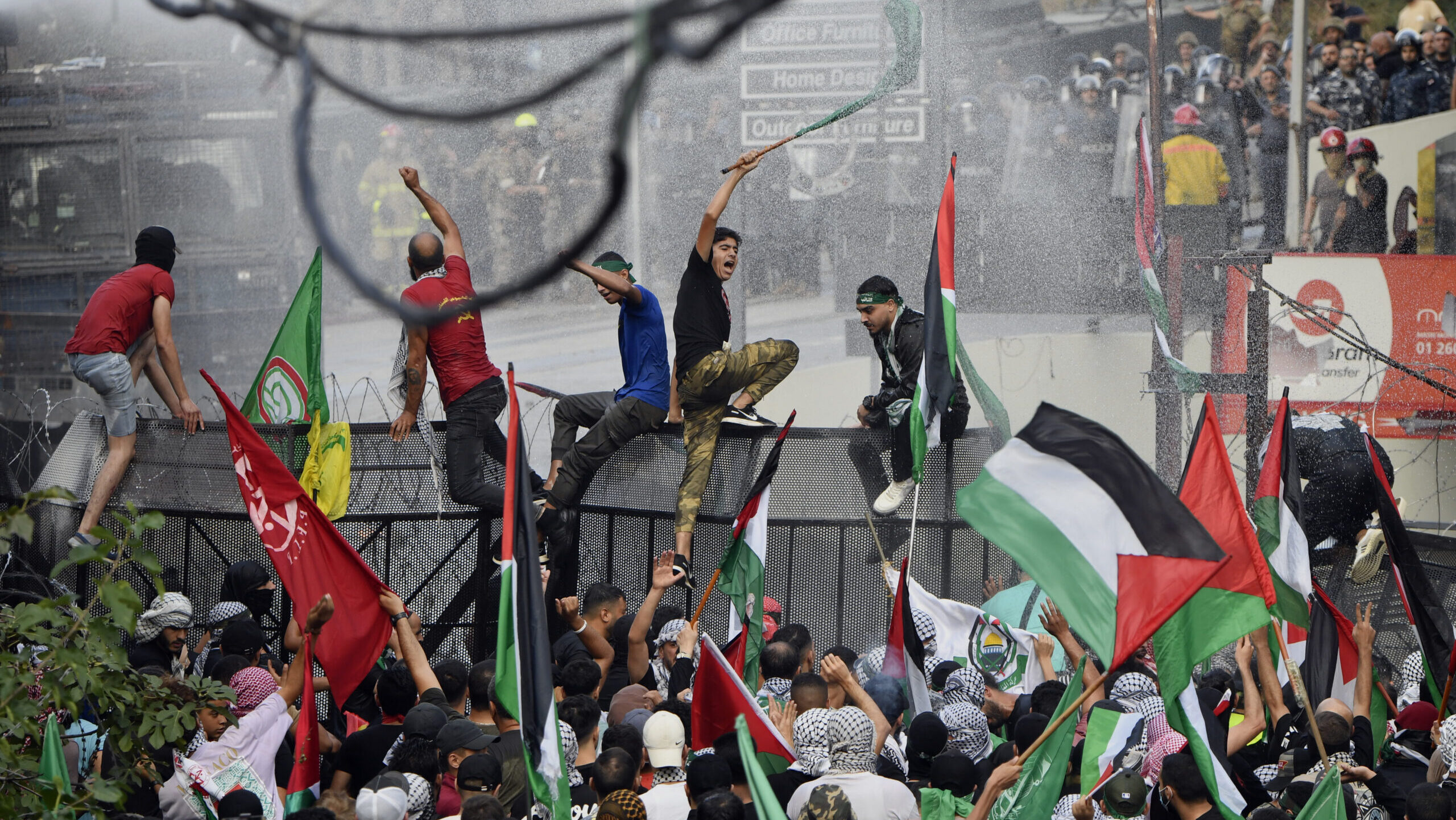
The conflict’s impact extends beyond the immediate war zone. Protests and violent clashes have erupted in several cities across the Middle East, reflecting widespread anger and solidarity with the Palestinian cause. Demonstrations have also taken place in Western capitals, urging governments to intervene and advocate for a peaceful resolution.

Israel has faced international scrutiny over its military actions. Human rights organizations have called for investigations into potential violations of international law, particularly regarding the targeting of civilian areas in Gaza and Lebanon. The Israeli government maintains that its military operations are in self-defense and aimed at minimizing civilian harm.

Diplomatic efforts to broker a ceasefire have thus far been unsuccessful. Egypt and Qatar have been particularly active in mediating between the conflicting parties, but both sides remain entrenched in their positions. The United States has expressed support for Israel’s right to self-defense while urging for measures to protect civilians and reduce casualties.

The economic repercussions of the conflict are also significant. Gaza’s infrastructure has suffered extensive damage, affecting essential services and livelihoods. In Israel, the economy faces disruptions from rocket attacks, with businesses and schools in affected areas forced to close temporarily.

Regional analysts warn that the ongoing hostilities could destabilize the broader Middle East, with potential spillover effects into neighboring countries. The involvement of Hezbollah and the airstrikes in Beirut indicate a risk of the conflict expanding beyond Gaza and Israel.

As the situation unfolds, the international community continues to monitor developments closely. The prospects for a lasting peace appear dim amid the current escalation, with deep-seated grievances and historical animosities driving the conflict.

Efforts to address the humanitarian crisis and rebuild trust between the parties are crucial for any future resolution. The global call for peace underscores the urgent need for dialogue and diplomacy to end the violence and pave the way for a sustainable solution.


VISHNU RAJA
RYO YAMADA
HITORI GOTOH
IKUYO KITA
Just in:
Inpex reaffirms Gulf oil strategy despite shipping constraints // L’OCCITANE Celebrates 50 Years Of Provençal Craftsmanship With Holiday 2026 Collection // From Dubai to the EU: how UAE-based crypto firms can expand under MiCA // Sun World Ba Den Mountain marks Vietnam Culture Day, welcoming Cambodian visitors over Bon Om Touk // Crescent Enterprises venture arm funds Oyster Therapeutics development // Lego restores BrickLink marketplace after security investigation // US resumes flights after nationwide air traffic shutdown // The Honey Trap Is The Headline, The Chip Pipeline Is The Story // Rooftop solar planning gaps behind power shortages // 11 Boutique Xinjiang Wineries to Debut in Singapore // Woman found dead as bank moves to repossess home // US authorities dismantle North Korean cryptocurrency deception infrastructure // Electoral register gains 2.17 lakh voters // Microsoft apologises as Outlook services recover after outage // Yicura BioMed Advances Dual Capital and Industrial Strategy: Completes First Closing of Series B Financing Led by Gobi Partners // China Reconciled To U.S. Curbs On Chips Exports, Woos South Korea For Supply // Salik posts Dhs1.045bn profit despite lower toll traffic // TORRAS Launches Two New iPhone Duo Cases from Its Popular Ostand Series, Addressing Foldable Phone Users’ Concerns About Difficult Stand Positioning and Scratches // October Food Price Shock Has Far Reaching Consequences // Fujairah highway pile-up leaves 14 dead and 30 injured //