News related to
attack

Cryptocurrency exchange Bybit has suffered a significant security breach, resulting in the theft of approximately $1.5 billion in digital assets. The incident has prompted a substantial number of users to withdraw their funds, testing the platform’s liquidity and operational resilience.

The breach involved the unauthorized transfer of over 400,000 Ether from one of Bybit’s cold wallets, which are typically offline and considered more secure than hot wallets. The stolen funds were moved to multiple unidentified addresses, complicating immediate recovery efforts. Bybit’s co-founder and CEO, Ben Zhou, addressed the situation, assuring customers that the exchange remains solvent and that all user assets are safe and backed on a one-to-one basis. He emphasized that the company is taking all necessary measures to investigate the breach and enhance security protocols to prevent future incidents.

In the hours following the hack, Bybit experienced a surge in withdrawal requests, processing more than 350,000 within a ten-hour window. Despite the high volume, Zhou reported that 99.9% of these requests were completed promptly, with only larger transactions undergoing additional security verifications. To address the immediate shortfall caused by the theft, Bybit secured a bridge loan from undisclosed partners, covering approximately 80% of the lost Ether. Zhou noted that purchasing such a large amount of Ether on the open market was not feasible due to liquidity constraints and potential market impact.

The hack has raised concerns within the cryptocurrency community, highlighting ongoing security challenges in the industry. Analysts have pointed out that while cold wallets are generally more secure, they are not immune to sophisticated attacks. The incident has prompted discussions about the need for enhanced security measures and regulatory oversight to protect investors and maintain trust in digital asset platforms.

In response to the breach, Bybit has initiated a comprehensive security review, collaborating with blockchain experts to trace the stolen funds and identify the perpetrators. The exchange has also committed to updating its security infrastructure, including implementing multi-signature protocols and enhancing user authentication processes. Zhou expressed confidence in the platform’s ability to recover from the incident, stating that user funds remain fully backed and that operations will continue without interruption.

The broader cryptocurrency market has shown resilience in the face of the hack, with major assets like Bitcoin and Ether experiencing only slight declines in value. Industry observers suggest that while such incidents can shake investor confidence, the market’s overall stability indicates a maturation of the digital asset ecosystem. However, the event serves as a stark reminder of the vulnerabilities that persist in the space and the continuous need for robust security practices.

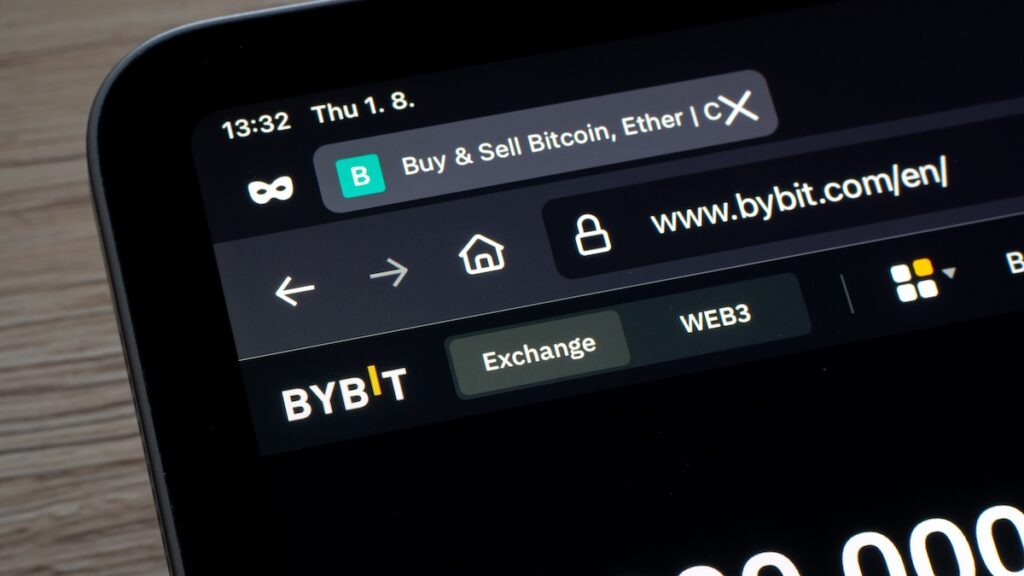
In a significant security breach, Dubai-based cryptocurrency exchange Bybit has reported the theft of approximately $1.5 billion worth of Ethereum. The incident, which stands as one of the largest in the history of digital currencies, has raised serious concerns about the security protocols of cryptocurrency platforms.

Bybit’s CEO, Ben Zhou, disclosed that during a routine transfer from the exchange’s cold wallet to a warm wallet, an attacker managed to manipulate the transaction interface. This manipulation granted the hacker control over the cold wallet, enabling the unauthorized transfer of around 401,000 Ethereum tokens to an unidentified address. Despite the magnitude of the theft, Zhou assured clients that all their assets remain fully backed and unaffected, emphasizing that the exchange’s operations continue without disruption.

The breach has prompted Bybit to collaborate with blockchain forensic experts to trace and recover the stolen funds. Initial investigations suggest that the pilfered assets are being moved across various new addresses, complicating the recovery efforts. Notably, TRM Labs, a blockchain intelligence firm, has linked the attack to North Korean hackers, citing substantial overlaps between the addresses used in this breach and those associated with previous North Korean cyber thefts. This connection underscores the escalating involvement of state-sponsored actors in large-scale cryptocurrency crimes.

In response to the incident, Bybit has processed over 350,000 withdrawal requests, aiming to maintain client trust and ensure liquidity. The exchange has also implemented bridge loans to compensate users for any unrecovered funds, highlighting its commitment to safeguarding customer interests. However, the hack has led to a noticeable decline in the value of Bybit’s native token, which experienced a drop of up to 6% following the news.

This event adds to a series of high-profile security breaches within the cryptocurrency sector. In 2024 alone, cybercriminals absconded with approximately $2.2 billion from various crypto platforms, reflecting the persistent vulnerabilities in the industry’s security infrastructure. The Bybit hack, surpassing previous incidents in scale, serves as a stark reminder of the challenges that digital asset exchanges face in protecting against increasingly sophisticated cyber threats.

The broader cryptocurrency market has also felt the impact of the Bybit breach. Both Bitcoin and Ethereum experienced slight declines in value as traders reacted to the unfolding situation. Analysts suggest that such incidents could hinder the path to mainstream adoption of cryptocurrencies, as security concerns remain a significant barrier for potential investors.

Protective measures against email fraud remain widely insufficient among leading Asia Pacific companies. Australia’s high adoption rate of proper email authentication (71%) among its top companies sets the standard for the Asia Pacific region Around 50% of leading Singapore and India’s businesses have implemented the recommended level of email authentication Concerningly, less than 20% of the largest organisations in Japan, South Korea, China and Thailand are actively […]

A series of explosions on three parked buses in Bat Yam, a suburb south of Tel Aviv, has prompted Israeli authorities to launch an intensive security operation in the West Bank. The blasts, which occurred on Thursday evening, resulted in no casualties but have raised significant concerns about a resurgence of coordinated militant attacks within the country. The incidents involved three empty buses that exploded almost simultaneously […]

By Dr. Gyan Pathak BJP led government is now in power in the National Capital Territory Delhi, that has come with too many poll-promises to keep, and a very alert and strong opposition to challenge .It was obvious in the very first cabinet decision of the government led by Chief Minister Rekha Gupta, that officially […]

Israeli Prime Minister Benjamin Netanyahu has directed the military to intensify operations in the occupied West Bank after explosions damaged three buses near Tel Aviv. The incidents, which authorities are treating as suspected terrorist attacks, occurred on Thursday evening in the suburbs of Bat Yam and Holon. Fortunately, no casualties were reported, as the buses were unoccupied at the time. The explosions took place while the buses […]

By K Raveendran The controversial circumstances surrounding the appointment of the new Chief Election Commissioner (CEC) have given rise to a sense of distrust between the Congress party and the Election Commission, setting the stage for a difficult and fraught relationship. The tension was further exacerbated when Rahul Gandhi publicly expressed his dissent, effectively institutionalizing […]

Advertisements

The digital landscape is undergoing a significant transformation as passkeys emerge as a secure and user-friendly alternative to traditional passwords. Major technology companies, including Apple, Google, and Microsoft, are integrating passkey support into their platforms, signaling a shift towards a passwordless future. Passkeys are digital credentials designed to replace passwords, offering a seamless and secure authentication experience. Developed collaboratively by the FIDO Alliance and the World Wide […]

  The Middle East’s rapid digital transformation has created both opportunities and vulnerabilities. As cyberattacks on financial institutions, government agencies, and energy sectors rise, organizations are increasingly turning to biometric multi-factor authentication (MFA) as a critical security measure. Traditional password-based authentication is no longer sufficient to combat modern cyber threats. As cybercriminals deploy AI-driven attacks, phishing schemes, and credential-stuffing techniques, biometric MFA has emerged as a more […]

Howard Lutnick, the former CEO of Cantor Fitzgerald, has been confirmed by the U.S. Senate as the new Secretary of Commerce under President Donald Trump. The Senate approved his nomination with a 51-45 vote, positioning Lutnick to oversee a department responsible for a wide array of economic activities, from trade policy to technology regulation.

Lutnick’s confirmation marks a significant moment in the Trump administration’s efforts to reshape the nation’s economic and regulatory landscape. Known for his resilience in rebuilding Cantor Fitzgerald after the tragic loss of 658 employees during the September 11 attacks, Lutnick brings a wealth of experience from the financial sector. His leadership during that crisis, including the distribution of $180 million to victims’ families, has been widely recognized.

As Commerce Secretary, Lutnick is expected to play a pivotal role in implementing President Trump’s trade policies, which have recently included the announcement of potential 25% tariffs on foreign automobiles, semiconductors, and pharmaceuticals. These measures are part of a broader strategy to bolster domestic manufacturing and reduce reliance on foreign imports.

In addition to Lutnick’s appointment, the Trump administration is advancing a series of nominations for key regulatory positions, particularly in agencies overseeing financial markets and emerging technologies. Paul Atkins, a former Securities and Exchange Commission commissioner known for his free-market philosophy, has been nominated to lead the SEC. Atkins has a history of advocating for reduced regulatory burdens and is anticipated to foster a more accommodating environment for financial innovation, including cryptocurrencies.

Brian Quintenz, who previously served as a commissioner at the Commodity Futures Trading Commission from 2017 to 2021, has been nominated to return as the agency’s chairman. During his prior tenure, Quintenz was recognized for his expertise in both traditional finance and the burgeoning cryptocurrency sector. His recent role as head of policy at a16z Crypto, the cryptocurrency division of venture capital firm Andreessen Horowitz, underscores his deep engagement with digital assets. Quintenz’s return to the CFTC is expected to influence the agency’s approach to regulating complex financial instruments and fostering innovation in blockchain technologies.

Jonathan Gould, a legal professional with extensive experience in banking and financial regulation, has been nominated to lead the Office of the Comptroller of the Currency . Gould’s background includes serving as senior deputy comptroller and chief counsel at the OCC, where he provided legal oversight on a range of banking issues. His appointment is seen as a continuation of the administration’s trend toward installing regulators who are knowledgeable about and potentially supportive of cryptocurrency and fintech developments.

These nominations reflect President Trump’s broader strategy to reshape financial regulation in favor of innovation and reduced federal oversight. The administration has been critical of previous regulatory approaches that it perceives as overly restrictive, particularly concerning emerging financial technologies. By appointing individuals with pro-crypto leanings and a history of advocating for lighter regulatory frameworks, the administration aims to create an environment conducive to growth in the fintech and cryptocurrency sectors.

However, these appointments have not been without controversy. Critics argue that reducing regulatory oversight could lead to increased financial instability and potential exploitation within rapidly evolving markets. Supporters, on the other hand, contend that a more permissive regulatory environment is necessary to foster innovation and maintain the United States’ competitive edge in global financial markets.

The Senate’s confirmation of these nominees will be closely watched, as their leadership will significantly influence the direction of U.S. financial regulation in the coming years. As these individuals assume their respective roles, stakeholders across the financial spectrum—from traditional banking institutions to emerging fintech startups—will be assessing how the new regulatory landscape will impact their operations and strategic planning.

In the context of global trade, Lutnick’s role as Commerce Secretary will be particularly critical. His support for President Trump’s tariff policies suggests a continuation of protectionist measures aimed at strengthening domestic industries. This approach has garnered both praise and criticism, with proponents arguing that it safeguards American jobs and industries, while detractors warn of potential retaliatory measures from trading partners and the risk of escalating trade wars.

As the administration moves forward with its economic agenda, the interplay between these regulatory appointments and broader trade policies will be pivotal in shaping the U.S. economic landscape. The emphasis on accommodating financial innovation, particularly in the realm of cryptocurrencies, alongside a protectionist trade stance, represents a distinctive approach that will have lasting implications for both domestic and international economic relations.

Advancements in quantum computing may eventually enable access to dormant Bitcoin wallets, including those of Bitcoin’s elusive creator, Satoshi Nakamoto, according to Tether CEO Paolo Ardoino. In a statement on February 8, Ardoino suggested that while quantum computing currently poses no immediate threat to Bitcoin’s cryptographic security, future developments could compromise inactive wallets lacking quantum-resistant protections.

Ardoino emphasized that Bitcoin’s existing cryptographic structures remain robust, with quantum computing still “very far from any meaningful risk of breaking Bitcoin cryptography.” However, he noted that as quantum technology progresses, wallets with lost keys or those belonging to deceased individuals could become vulnerable. This includes the estimated 1.1 million Bitcoins attributed to Satoshi Nakamoto, which have remained untouched since their creation.

The Tether CEO reassured active Bitcoin holders, stating that the cryptocurrency community is expected to adopt quantum-resistant addresses before quantum computing becomes a tangible threat. “All people alive will move Bitcoin into new quantum-resistant addresses,” Ardoino explained. This proactive approach aims to safeguard active wallets from potential future vulnerabilities.

Despite the potential for previously inaccessible Bitcoins to re-enter circulation, Ardoino underscored that Bitcoin’s fixed supply cap remains unchanged. “Only 21 million Bitcoin anyway. Nothing can change that. Not even quantum computing. That’s the real key important message,” he affirmed. This fixed supply is a fundamental aspect of Bitcoin’s design, intended to preserve its scarcity and value over time.

The discussion around quantum computing’s impact on Bitcoin security has gained momentum following technological advancements by major corporations. Google’s recent unveiling of its quantum processor, Willow, has sparked conversations about the timeline within which quantum computers might pose a genuine threat to current cryptographic systems. While these developments are noteworthy, experts generally agree that practical applications capable of compromising Bitcoin’s security are still years away.

Emin Gün Sirer, co-founder of Ava Labs, has also weighed in on the matter, highlighting that early Bitcoin transactions utilized a Pay-to-Public-Key format. This format exposes public keys, potentially making them susceptible to future quantum attacks. Sirer suggested that the Bitcoin community might need to consider measures such as freezing old P2PK-based holdings or setting deadlines for their usability to mitigate potential risks.

The identity of Satoshi Nakamoto remains one of the most enduring mysteries in the cryptocurrency world. Various theories and investigations have attempted to unmask the creator, but none have been conclusive. The potential unlocking of Satoshi’s Bitcoin holdings through quantum computing adds another layer of intrigue to this enigmatic figure’s legacy.

By Ben Chacko LONDON: The geopolitics of Europe are moving. The least we should demand of our elected representatives in Parliament is a frank discussion of that. We have been denied one. When Russia launched its illegal invasion of Ukraine in February 2022, Labour MPs who signed a Stop the War Coalition statement condemning that […]
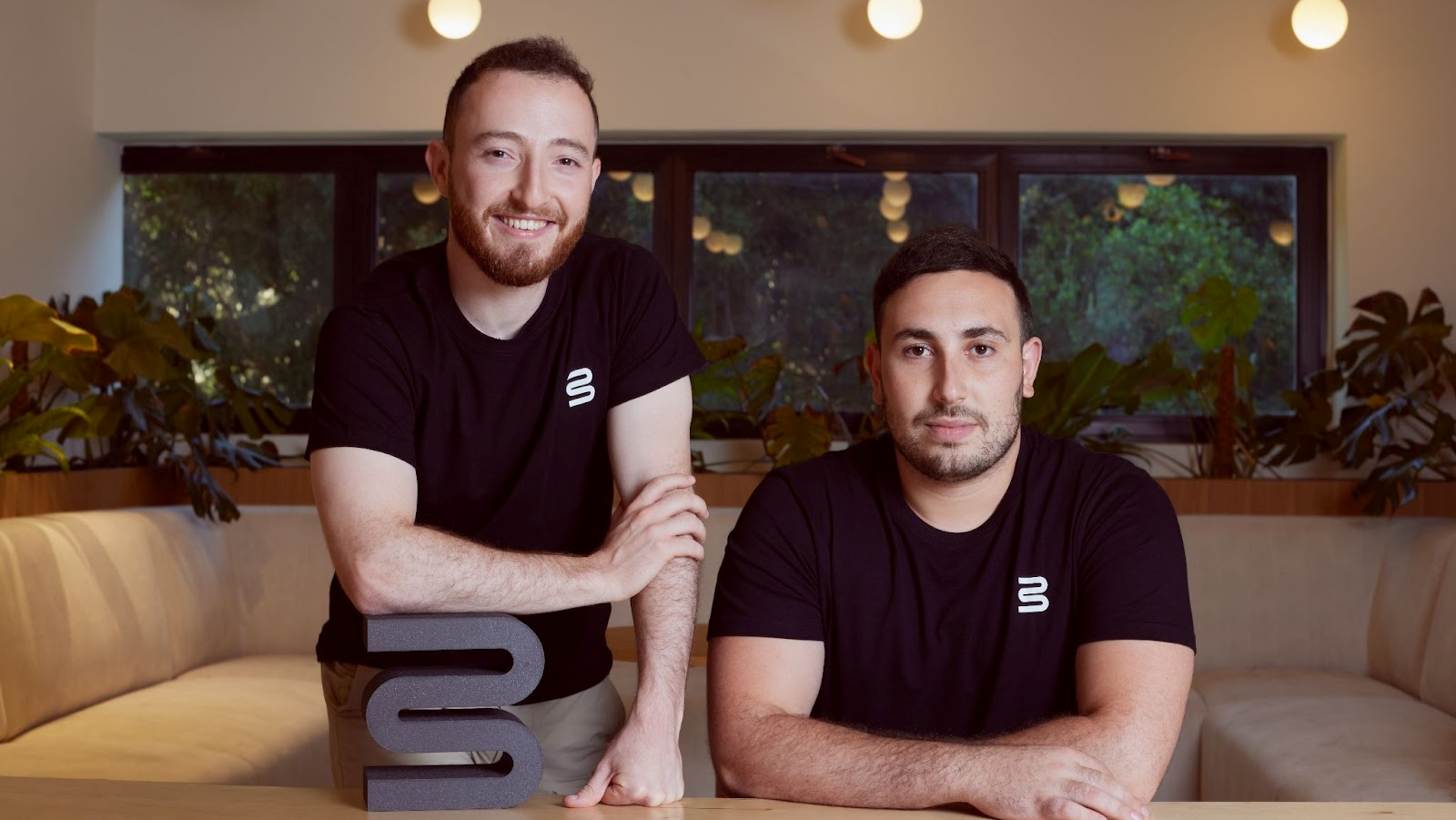
Blockchain security firm Blockaid has raised $50 million in a Series B funding round led by Ribbit Capital, with participation from GV , Variant, and Cyberstarts. This investment aims to bolster Blockaid’s research, engineering, and product development teams to meet the growing demand for robust on-chain security solutions.

Founded in 2022 by former Israeli cyber intelligence operatives, Blockaid has rapidly positioned itself as a key player in the blockchain security sector. The company’s platform offers real-time threat detection for blockchain transactions, integrating directly with wallets and decentralized applications to protect users from malicious activities. In the past year, Blockaid’s system scanned over 2.4 billion transactions and successfully blocked 71 million attacks, safeguarding assets for prominent clients such as Coinbase, MetaMask, Uniswap, and Stellar.

The infusion of new capital will enable Blockaid to scale its product and engineering teams, strengthen go-to-market operations, and expand research capabilities to stay ahead of evolving threats. This strategic growth is in response to the increasing adoption of blockchain technology by major financial institutions and fintech firms, which has, in turn, heightened the need for advanced security measures.

Blockaid’s CEO, Ido Ben-Natan, emphasized the importance of proactive security in the blockchain space, stating, “While the blockchain itself is secure, on-chain applications and the users that interact with them are at risk. This investment will help us continue to advance our machine learning capabilities and expand our current offerings to stay ahead in a highly adversarial landscape of evolving threats.”

The company’s approach leverages machine learning models to detect and prevent potential threats in real-time, providing end-user protection through direct integrations with wallets and dApps. This methodology has proven effective in mitigating risks associated with fraud, phishing, and hacks within the blockchain ecosystem.

Blockaid’s rapid growth is evident in its expansion from 20 employees to 70 within a year, with plans to double its workforce by the end of the year. This scaling aligns with the company’s mission to provide enterprise-grade security solutions for everything on-chain, catering to a diverse clientele that includes chains, protocols, wallets, exchanges, banks, and hedge funds.

The Series B funding round brings Blockaid’s total capital raised to $83 million, following a $27 million Series A round in October 2023. The continued support from prominent investors underscores the confidence in Blockaid’s ability to address the pressing security challenges facing the rapidly evolving blockchain industry.

As blockchain technology continues to gain traction across various sectors, the imperative for robust security measures becomes increasingly paramount. Blockaid’s commitment to enhancing its platform and expanding its team positions the company to effectively combat the sophisticated cyber threats that accompany the growth of on-chain operations.

In addition to its technological advancements, Blockaid places a strong emphasis on research and development. The company plans to utilize part of the new funding to expand its research capabilities, ensuring that it remains at the forefront of identifying and mitigating emerging threats within the blockchain space.

The involvement of GV, the venture capital arm of Alphabet Inc., in this funding round highlights the increasing interest of traditional tech investors in blockchain security solutions. This collaboration is expected to provide Blockaid with strategic insights and resources to navigate the complex landscape of cybersecurity and blockchain technology.

Blockaid’s proactive approach to security has garnered trust from its clients, enabling them to operate with confidence in an environment fraught with potential vulnerabilities. By offering comprehensive security solutions that encompass fraud detection, scam prevention, exploit mitigation, and financial risk assessment, Blockaid addresses the multifaceted challenges inherent in on-chain operations.

As the blockchain industry continues to evolve, the role of security firms like Blockaid becomes increasingly critical. The company’s dedication to innovation, coupled with the substantial financial backing from esteemed investors, positions it to set new standards in blockchain security and to effectively safeguard the interests of its expanding client base.

openSUSE, one of the most popular Linux distributions, is considering ending support for legacy BIOS in favour of UEFI for future versions. This potential shift could impact users relying on older hardware, raising concerns about compatibility and the future of certain systems within the open-source community. While the decision is still under discussion, the direction suggests a growing trend towards modernisation that leaves behind aging systems. Legacy […]

China’s DeepSeek AI technology has come under intense scrutiny after revelations emerged that it lacks essential protections, leaving it vulnerable to exploitation by criminals. The artificial intelligence system, developed by a team of leading tech experts in China, was initially hailed for its potential in various sectors, including data analysis, cybersecurity, and public safety. However, concerns over its security have rapidly gained traction, prompting experts to question […]

OpenZeppelin has introduced Contracts v5.2, a significant update designed to elevate security and performance in the development of smart contracts for blockchain projects. This version runs parallel to the more experimental OpenZeppelin Community Contracts library, offering developers a streamlined approach to leveraging pre-tested and secure contracts, while also enabling them to experiment with cutting-edge innovations in the community-driven space. This dual-track development model opens the door to […]

Akamai Technologies has unveiled the “Defenders’ Guide 2025: Fortify the Future of Your Defense,” a detailed report aimed at bolstering cybersecurity measures for organizations worldwide. This inaugural State of the Internet report offers in-depth research on emerging threats and provides actionable strategies to enhance security postures. The guide addresses critical areas such as risk management, network architecture reinforcement, and host security implementation. It presents novel findings on […]

Chinese state-sponsored hacking group Salt Typhoon has intensified its cyber-espionage activities, targeting telecommunications providers worldwide by exploiting known vulnerabilities in Cisco network devices. Despite previous exposure and sanctions, the group continues to infiltrate critical infrastructure, compromising sensitive communications data. Between December 2024 and January 2025, Salt Typhoon successfully breached at least five telecommunications networks, including two based in the United States. Other affected entities include a U.S.-based […]

Cybercriminals are intensifying efforts to compromise YouTube users by dispatching deceptive emails that closely mimic official communications from the platform. These fraudulent messages aim to trick recipients into downloading malicious software, jeopardizing personal data and account security. Reports indicate that these phishing emails often appear to originate from legitimate YouTube addresses, such as “[email protected].” The emails may prompt users to review alleged policy violations or updates, urging […]

New simple, powerful, affordable block storage systems power critical applications SINGAPORE – Media OutReach Newswire – 12 February 2025 – NetApp® (NASDAQ: NTAP), the intelligent data infrastructure company, today announced updates to its enterprise storage portfolio, expanding the NetApp ASA A-Series with new systems designed to accelerate and consolidate block workloads for organizations of any size. Alongside the announcement of new cyber resiliency capabilities, these systems enable […]

Available from February 2025 at Singapore Discovery Centre, New Interactive Game Aims to Champion National Education SINGAPORE – Media OutReach Newswire – 14 February 2025 – In commemoration of Total Defence Day on 15 February, HIDDEN and Defence Collective Singapore are excited to announce the launch of their new, interactive game, “Escape Quest: Operation Broken Oath”. This engaging and educational game is designed to raise awareness of […]

By T N Ashok WASHINGTON: Indian Prime Minister Narendra Modi’s visit the United States is more significant than ever at a time when the geo-political situation is fast changing, and new leaders take over in many countries. Modi’s scheduled meeting with US President Donald Trump on Thursday in White House offered positive results for the […]
Bandai Namco Entertainment has announced that ‘One Piece: Pirate Warriors 4’ has surpassed 4 million units sold worldwide since its launch in March 2020. This significant achievement underscores the game’s enduring popularity among fans of the ‘One Piece’ franchise and action-adventure gaming enthusiasts.

Developed by Omega Force, the game offers players an immersive experience, allowing them to relive the adventures of the Straw Hat Crew and other pivotal characters from the ‘One Piece’ universe. Players engage in battles against hordes of enemies, utilizing powerful attacks in a dynamic combat system.

In light of this sales milestone, Bandai Namco has revealed plans to release ‘One Piece: Pirate Warriors 4’ on PlayStation 5 and Xbox Series X|S platforms. Owners of the PlayStation 4 or Xbox One versions will be eligible for a free upgrade to these next-generation consoles. The upcoming versions will include all previously released downloadable content , ensuring a comprehensive gaming experience for new and returning players.

The company has also announced the continuation of support for the game through future updates and new DLCs. Notably, a user survey has been initiated, allowing fans to select their preferred characters to be added in forthcoming DLCs. This survey is open until 28 February, and participants can choose up to three characters from a list of 23. A Bandai Namco ID is required to participate.

‘One Piece: Pirate Warriors 4’ is currently available on PlayStation 4, Xbox One, Nintendo Switch, and PC. The game’s expansion to PlayStation 5 and Xbox Series X|S aims to provide an enhanced experience, leveraging the advanced capabilities of these consoles.

By P. Sudhir The BJP has won the Delhi assembly election with a tally of 48 seats, polling 45.6 per cent of the vote. The Aam Aadmi Party (AAP) won 22 seats getting 43.6 per cent of the vote. The difference between the two was only 2 per cent but it translated into 40 seats […]

VISHNU RAJA
RYO YAMADA
HITORI GOTOH
IKUYO KITA
Just in:
Yicura BioMed Advances Dual Capital and Industrial Strategy: Completes First Closing of Series B Financing Led by Gobi Partners // Microsoft restores services gradually but gives no recovery deadline // Sun World Ba Den Mountain marks Vietnam Culture Day, welcoming Cambodian visitors over Bon Om Touk // Woman found dead as bank moves to repossess home // UAE crews sustain coastal oil removal as beaches reopen // Microsoft outage leaves Outlook and Teams users disconnected // Hackers falsify NVIDIA GPU readings to mask cryptomining // US resumes flights after nationwide air traffic shutdown // L’OCCITANE Celebrates 50 Years Of Provençal Craftsmanship With Holiday 2026 Collection // China Reconciled To U.S. Curbs On Chips Exports, Woos South Korea For Supply // Rooftop solar planning gaps behind power shortages // Saudi fund assets forecast to cross $400 billion // US authorities dismantle North Korean cryptocurrency deception infrastructure // October Food Price Shock Has Far Reaching Consequences // Inpex reaffirms Gulf oil strategy despite shipping constraints // Nvidia appoints Colette Kress interim chief after Huang departure // Crescent Enterprises venture arm funds Oyster Therapeutics development // Salik posts Dhs1.045bn profit despite lower toll traffic // Microsoft apologises as Outlook services recover after outage // TORRAS Launches Two New iPhone Duo Cases from Its Popular Ostand Series, Addressing Foldable Phone Users’ Concerns About Difficult Stand Positioning and Scratches //