Just in:

News related to
attack

By Nantoo Banerjee from Manila The US-backed new Philippine Maritime Zones Act and Archipelagic Sea Lanes Act clearly defining the extent and boundaries of the country’s maritime zones and nullifying China’s sweeping claims in the South China Sea promises to raise fresh tensions in the region threatening to affect the estimated global maritime trade of […]

Shoppers can enjoy 12 days of exciting deals from top local and international brands, including Dyson, De’Longhi, SMEG, Bose, Hasbro, Bioderma and more Celebrate Black Friday at Amazon.sg Holiday Playground with exciting activities during selected time periods on 22 and 23 November at SuperPark Singapore SINGAPORE – Media OutReach Newswire – 18 November 2024 – (NASDAQ: AMZN) – Amazon Singapore today unveiled an exciting lineup of Black […]

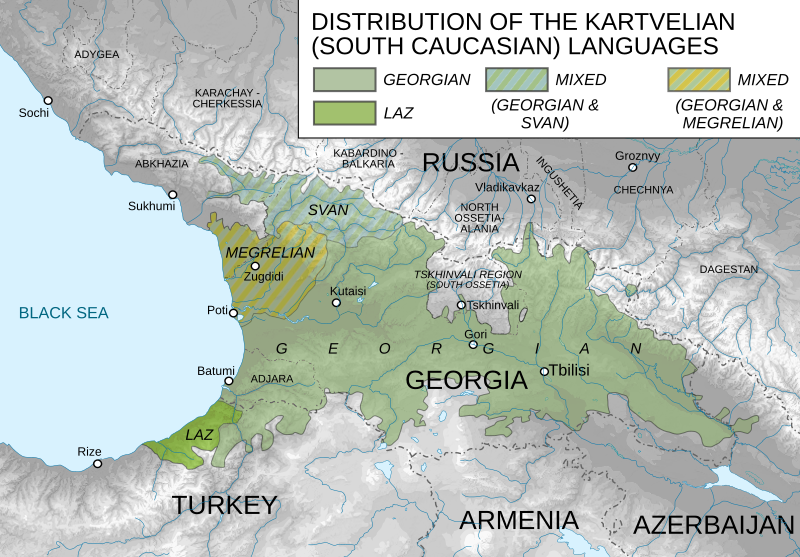
A member of Georgia’s opposition party, Unity – National Movement, disrupted a meeting of the Central Election Commission (CEC) on Friday by throwing black paint at CEC Chairman Giorgi Kalandarishvili. The act was a protest against what Kirtadze, the opposition lawmaker, referred to as alleged election fraud, prompting an immediate suspension of the meeting. The chaotic scene unfolded as Kirtadze, visibly upset, called the act a symbol of his party’s deep concerns regarding electoral integrity.

Following the incident, the security service swiftly intervened and escorted Kirtadze out of the hall. The confrontation has sparked outrage across the political spectrum, further heightening tensions in the country’s already polarized political environment.

The opposition Unity – National Movement party has long accused the ruling government of manipulating elections to secure its hold on power. The protest during the CEC meeting, which was intended to address upcoming elections, underscores the growing dissatisfaction with the election process in Georgia, especially in the wake of controversial results in previous ballots.

Following the interruption, Kalandarishvili, the CEC Chairman, assured the public that despite the disruption, the meeting would reconvene once order was restored. The CEC stressed its commitment to overseeing free and fair elections, despite the disruptions caused by opposition protests.

Kirtadze’s action has raised alarms about the growing volatility in Georgia’s political landscape. While the act was condemned by some, it resonated with many opposition supporters who have voiced their frustrations over the government’s grip on electoral processes. This attack is seen as a dramatic gesture aimed at drawing international attention to the alleged shortcomings of Georgia’s election system.

The Unity – National Movement party has called for an immediate review of the election procedures and has threatened further demonstrations if their demands are not met. The political crisis in Georgia has been escalating in recent months, with frequent clashes between opposition forces and the government. Both sides accuse each other of undermining democracy, leading to widespread protests across the country.

Georgia’s Central Election Commission has historically been a source of contention. While the government insists that elections are fair, opposition groups remain skeptical. The credibility of the election process has been a contentious issue ever since Georgia’s 2020 parliamentary elections, which were marred by accusations of voter manipulation and fraud. Despite international calls for reform, the allegations have continued to dominate public discourse.

The act of throwing paint, while symbolic, highlights a growing sense of desperation within the opposition, which believes that peaceful protest is no longer enough to sway the government. The move to physically confront Kalandarishvili, who has been a central figure in the commission, reflects the intensifying battle for political legitimacy.

The ruling Georgian Dream party has condemned Kirtadze’s actions as an unacceptable form of protest, urging for greater political maturity. However, this event has undoubtedly added fuel to the already heated political climate in Georgia.

International observers have expressed concern about the impact this incident may have on the upcoming elections. While Georgia has made significant strides in its democratic transition over the past decade, the political scene remains fraught with challenges. The incident at the CEC is a stark reminder of the fragility of the country’s electoral process.

Kirtadze’s actions, though widely seen as extreme, are indicative of the mounting pressure opposition parties face in Georgia. As the 2024 elections approach, opposition groups have vowed to continue their fight for electoral reforms, and many are prepared to escalate protests if their demands are not addressed.

By Dr. Gyan Pathak Though Prime Minister Narendra Modi and Union Minister of Home Amit Shah have extensively campaigned in Maharashtra on behalf of the ruling Mahayuti, and the Congress President Mallikarjun Kharge and the Congress Leader of Opposition in the Lok Sabha Rahul Gandhi on behalf of the opposition Maha Vikas Aghadi (MVA) the […]

Police in West Bengal apprehended Masud Alam, implicated in the high-profile WazirX cryptocurrency hack that left over $230 million inaccessible to users. Investigators revealed that Alam allegedly used a fake account under the alias “Souvik Mondal,” selling it to a hacker via Telegram, ultimately facilitating the massive security breach on the WazirX exchange. This hack exposed vulnerabilities in WazirX’s security and led to significant financial losses among its users, who continue to express outrage, particularly amid a robust crypto bull market.

The hack targeted WazirX’s multi-signature wallet system, which required approvals from six signatories, including one from Liminal Custody, a third-party security provider for WazirX. This arrangement, however, failed to prevent the attack, raising questions about the security protocols both companies had in place. According to the charges, Liminal Custody has not provided full cooperation in the investigation, delaying essential information needed by authorities to pursue leads on the main hacker, who remains at large.

Since the hack, WazirX has launched a partial recovery initiative, aiming to return a portion of the affected assets to users. Under this scheme, 55% of users’ holdings will be restored, while the remaining balance will be issued in USDT tokens, keeping significant funds effectively locked. A $23 million bounty has been announced to incentivize information or actions that might help recover the stolen assets, yet no leads have emerged thus far. This stalled recovery effort has left users increasingly frustrated as the value of major cryptocurrencies rises, further compounding their financial losses.

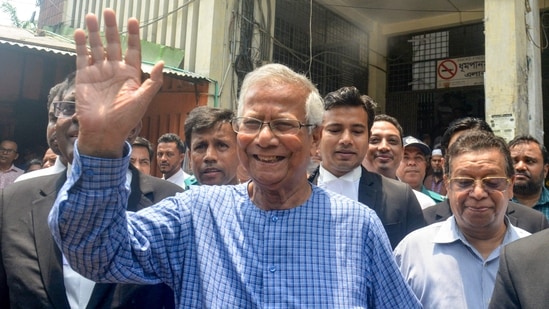
By Nitya Chakraborty Three months after the installation of the interim government in Bangladesh headed by chief adviser Dr. Muhammad Yunus, the politics of the 18 crore-nation has landed in fresh turmoil after the win of the Republican candidate Donald Trump in the just concluded November 5 presidential elections. Only six days have passed since […]
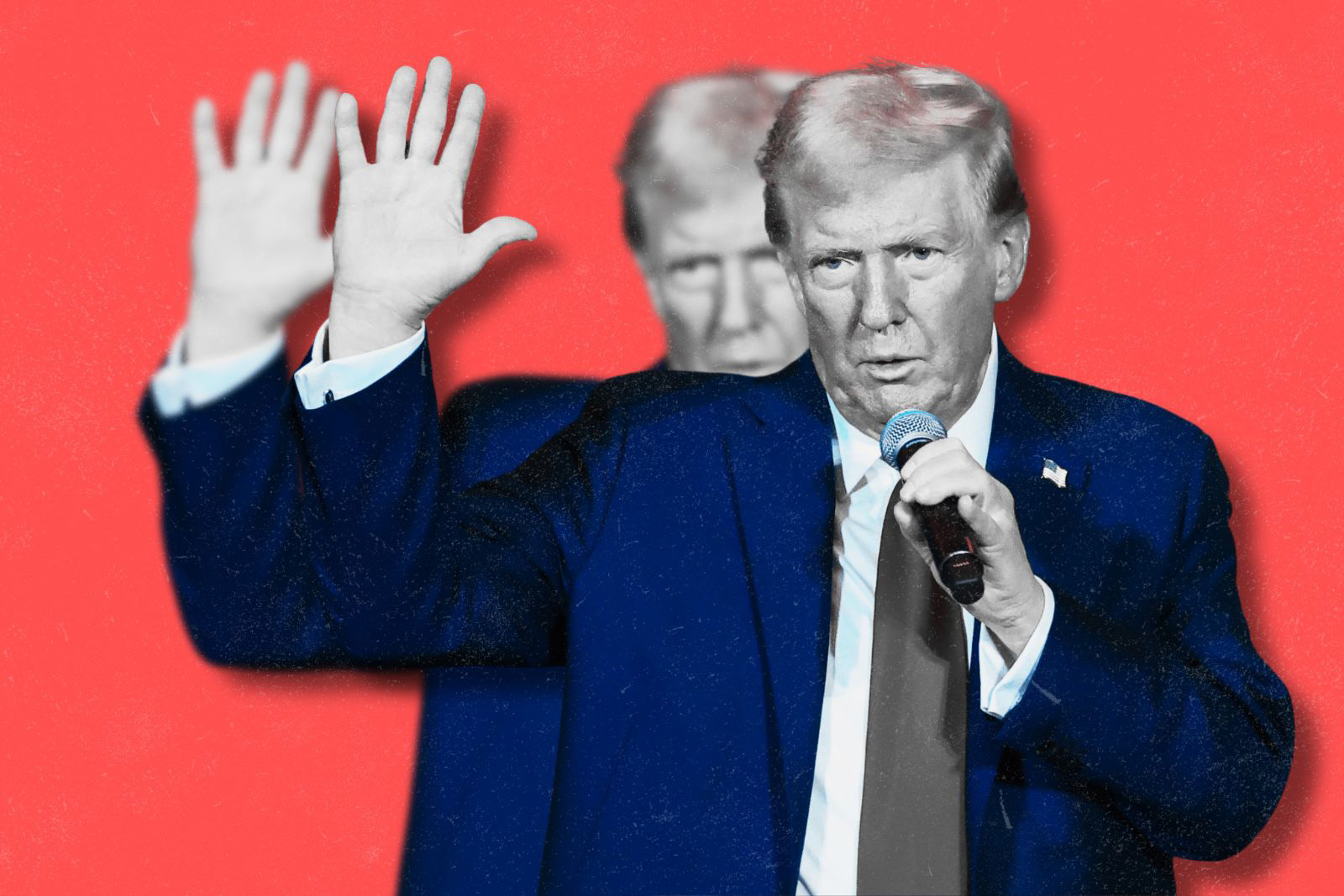
By Asad Mirza Donald Trump’s re-entry in the White House is seen with a bated breath all over the world, especially the Muslim nations across the globe, as the world waits to see in which manner his current presidency will run. Will it be “America First” like the previous one or a rather tolerant one […]
Advertisements

SINGAPORE – Media OutReach Newswire – 5 November 2024 – ViewQwest has partnered with Lightspeed Technologies, an enterprise solution provider and leading email security expert, to unveil the ViewQwest SecurEmail Gateway at GovWare 2024, held from 15 to 17 October. This new solution offers businesses a quick and seamless way to secure their email systems, bolstering protection against email-based threats and vulnerabilities. The cloud-based SecurEmail Gateway aligns […]

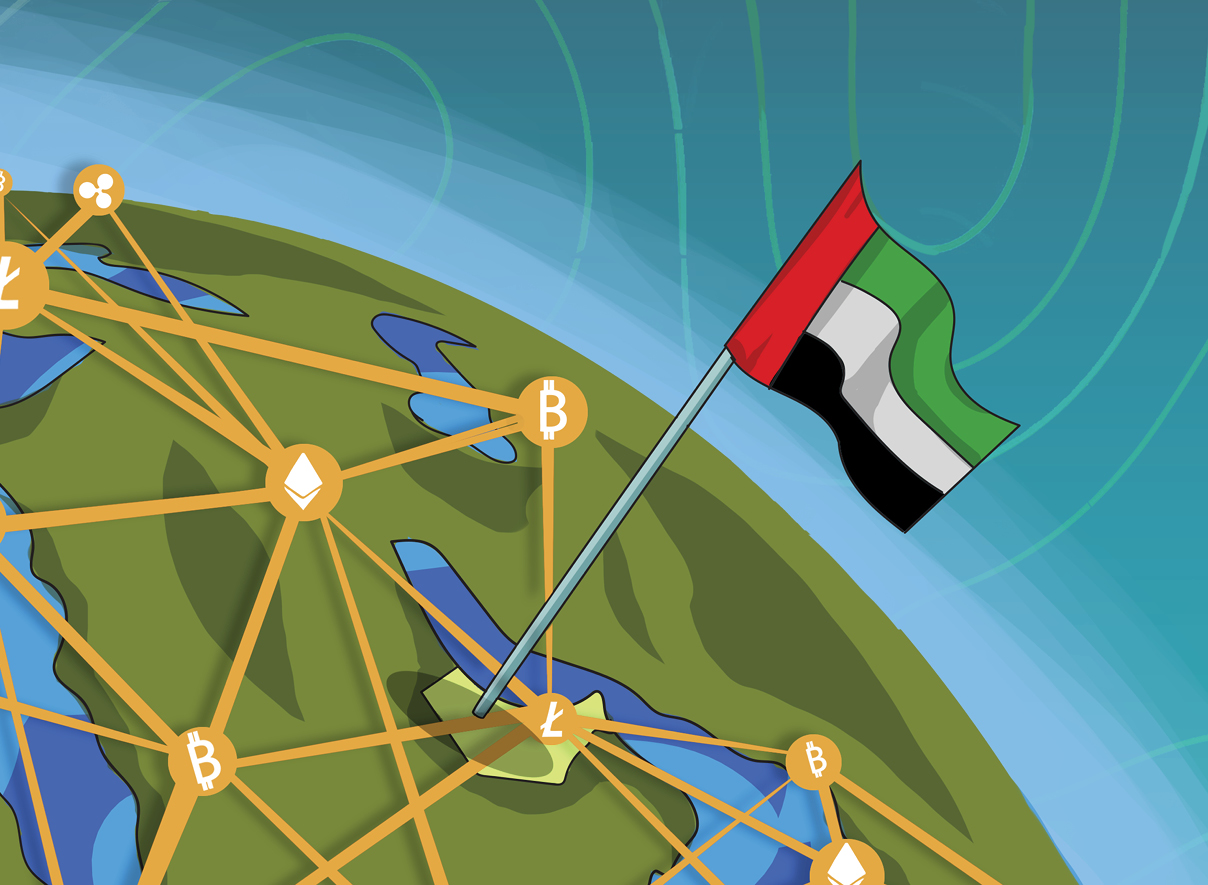
The adoption of Central Bank Digital Currencies (CBDCs) in the UAE is fostering closer collaboration between financial institutions and FinTech companies, marking a transformative shift in the country’s financial landscape. In response to the rapid advancement of digital currencies, the UAE government and its financial regulators have emphasized the importance of integrating CBDCs into the nation’s economy. This development is shaping the future of financial transactions and reshaping the relationship between traditional banks and emerging FinTech players.

The UAE’s Central Bank has been at the forefront of digital currency discussions, focusing on exploring a digital dirham, which could enhance the country’s financial infrastructure. The initiative, as part of a broader effort to modernize the financial system, is seen as a strategic move to diversify the nation’s economy, reduce its reliance on oil, and boost its global competitiveness. Banks are now working closely with FinTech firms to understand and integrate CBDCs, aligning with the government’s vision of becoming a hub for digital finance innovation.

One of the driving forces behind this collaboration is the need to create a more efficient and secure payment system. CBDCs, unlike cryptocurrencies, are state-backed and carry the guarantee of the central bank. This makes them an attractive proposition for banks, which are seeking to improve their payment systems while staying ahead of the competition in a rapidly digitizing market. For FinTech companies, the introduction of CBDCs offers a unique opportunity to expand their services, leveraging blockchain technology and other digital tools to enhance financial inclusion and streamline transactions.

Among the key players in this space are traditional banks such as Emirates NBD, First Abu Dhabi Bank (FAB), and Mashreq Bank, which are increasingly working with technology providers and startups to develop CBDC solutions. These banks are testing various use cases for digital currencies, including faster cross-border payments, improved customer experiences, and more secure digital wallets. By collaborating with FinTech firms, these banks aim to bridge the gap between traditional banking services and the fast-evolving digital economy.

FinTech companies, on the other hand, are seizing this moment to expand their footprint in the UAE’s financial sector. Many have already established partnerships with banks to develop CBDC platforms that are more agile and adaptable to user needs. These firms are leveraging their expertise in areas like digital payments, cybersecurity, and blockchain to build innovative solutions that can seamlessly integrate with the UAE’s financial ecosystem. As digital currencies become more mainstream, these partnerships between banks and FinTech firms are expected to accelerate, leading to the rapid development of CBDC infrastructures.

One notable collaboration between traditional banks and FinTech firms is the establishment of new payment systems, which will enable faster, more secure transactions. For instance, several financial institutions are exploring the use of blockchain technology to create a more efficient digital payment infrastructure. Blockchain’s decentralized nature offers enhanced security, transparency, and reduced transaction fees—features that are appealing to both banks and consumers.

The UAE’s regulatory environment plays a crucial role in facilitating these partnerships. The Central Bank has been proactive in introducing regulations that support the development of digital currencies while ensuring financial stability. In 2024, the Central Bank announced that it would begin testing a digital dirham, focusing on its integration with existing financial systems. The success of these trials could lead to the widespread adoption of CBDCs, which could further enhance the UAE’s position as a regional leader in digital finance.

The UAE’s ongoing push towards financial innovation is supported by the Dubai International Financial Centre (DIFC), which serves as a hub for global FinTech companies. The DIFC has established itself as a key player in attracting investment in digital finance and supporting the development of blockchain-based solutions. The centre’s efforts are complemented by the UAE’s broader ambition to integrate artificial intelligence (AI) and blockchain into financial services, further driving the collaboration between banks and FinTech firms.

Despite the promise that CBDCs hold, there are still challenges to overcome. Security concerns, the risk of cyber-attacks, and regulatory uncertainties remain top of mind for both banks and FinTech companies. To address these issues, collaboration between financial institutions, technology providers, and regulators will be critical. As these stakeholders continue to work together, they will need to develop robust cybersecurity frameworks and ensure that the legal and regulatory frameworks are agile enough to accommodate the rapid pace of digital innovation.

Another challenge is the need for public awareness and education. While the benefits of CBDCs are widely recognized within the financial industry, consumer adoption remains a key hurdle. Banks and FinTech companies are tasked with educating their customers about the advantages of digital currencies, including faster transaction times, lower fees, and greater financial inclusion. The success of CBDC integration depends not only on the technological and regulatory landscape but also on how well these digital currencies are received by the public.


AC Milan has embarked on a transformative partnership with Pure Storage to significantly upgrade its digital and data management capabilities, impacting both fan engagement and player performance. This collaboration is enhancing the club’s digital outreach and enabling data-driven insights, particularly through the integration of artificial intelligence (AI) for sports analytics and improved fan content delivery. Through Pure Storage’s platform, AC Milan has managed to increase the speed […]

By Nantoo Banerjee With geopolitical tensions rising in Europe and Asia and central banks across the world buying gold like never before are mainly behind the near continuous rise in gold prices since last year. The surging gold price trend may continue through the coming months unless peace and economic stability soon return to the […]


Online casino platform MetaWin experienced a significant security breach on November 3, resulting in the loss of approximately $4 million in user funds. According to reports from cybersecurity experts and industry insiders, the exploit appears to have been orchestrated by a sophisticated hacking group, leading to widespread concerns about the safety of online gambling sites. Following the attack, the CEO of MetaWin reassured users that the funds […]

A disturbing new phishing scam is targeting individuals by leveraging personal information, including home addresses and images of their residences, to instill fear and demand money. The email typically comes from an unknown sender and features a menacing message claiming the recipient is under surveillance and that the sender possesses compromising footage. This alarming tactic aims to pressure victims into paying sums of money, often requested in […]

By Nitya Chakraborty Republican candidate Donald Trump’s Diwali message, just four days before the crucial November 5 presidential elections in USA, has enormous significance, which goes beyond the possible impact on Hindu-Americans voters on the polling day. The content of the message will have big impact on Bangladesh politics in the event of a Trump […]
By K Raveendran With clear indications that Israel is sparing Iranian oil facilities from attack, the downward pressure on oil has further increased and there is renewed talk of oil settling down around the level of $50 to the barrel. Crude has already fallen to early 70s and the demand-supply equations have not been particularly […]


Bitcoin’s hashrate, an indicator of the computing power dedicated to its blockchain, reached a historic peak of 769.8 exahashes per second (EH/s) this month. This record figure represents a significant rise in mining activity and network security, underscoring a broader trend toward consolidation within the cryptocurrency mining industry. Major players in the field continue to expand their operations while smaller firms face mounting challenges driven by the rising operational costs and the impending 2024 “halving” event.

Since the onset of 2023, Bitcoin’s network has seen consistent hashrate growth, an outcome attributed to two main factors: advancements in mining hardware and the continuing global expansion of large-scale mining farms. Industry leaders have steadily invested in new, high-powered ASIC mining units, specifically designed to increase mining efficiency and profitability. As the network becomes more secure, smaller miners struggle to remain competitive, with analysts suggesting that the upcoming block reward halving may expedite a wave of industry consolidation. The halving, scheduled for April 2024, will reduce miner rewards from 6.25 BTC per block to 3.125 BTC, doubling the cost of producing each Bitcoin, thus favoring large mining entities with greater resources.

With Bitcoin’s rising computational power, the network becomes increasingly resilient to external attacks and manipulations. This enhancement reinforces investor confidence, given the decentralized system’s backbone of advanced security protocols. Such improvements in network integrity are drawing more institutional investors and firms seeking reliable blockchain technology for business applications. However, this strength also has implications for energy consumption, as the cumulative power required to maintain the network continues to climb. Bitcoin’s high electricity demands remain a focal point in debates about the environmental footprint of cryptocurrency mining.

Countries with historically low energy costs, including the United States, Canada, and Kazakhstan, have become attractive locations for mining companies. In the U.S., Texas has emerged as a prominent hub, largely due to favorable energy policies and renewable energy sources. However, fluctuating energy prices and increasing scrutiny over mining’s environmental impact have prompted some regions to reconsider their stance on Bitcoin mining.

By Kalyani Shankar DALLAS (USA): The U.S. Presidential election on November 5 is of immense significance, as it will determine the next tenant of the White House and shape the future of the United States an also its relationship with the other countries of the world.. Whether USA will get its first woman president or […]
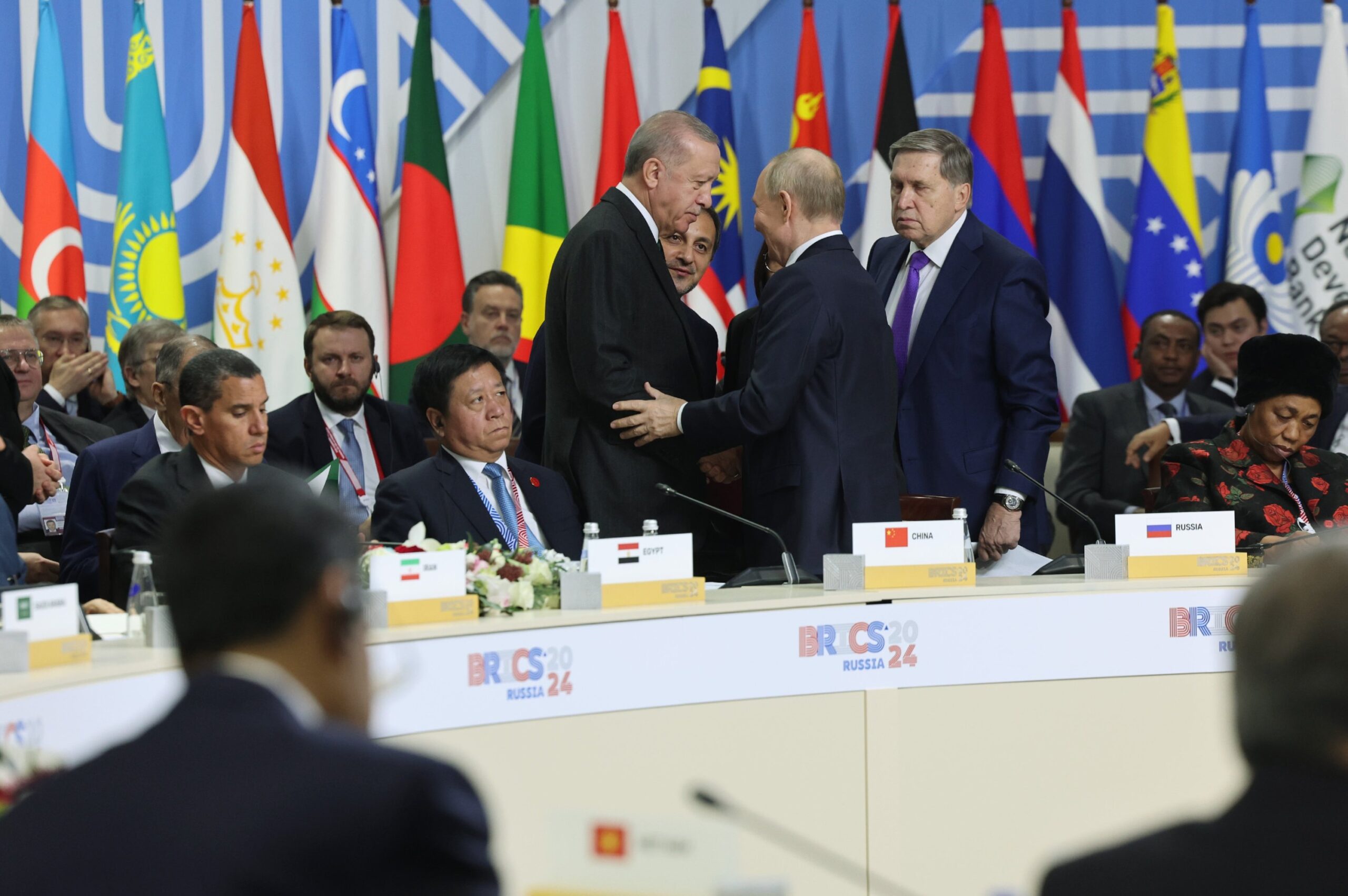
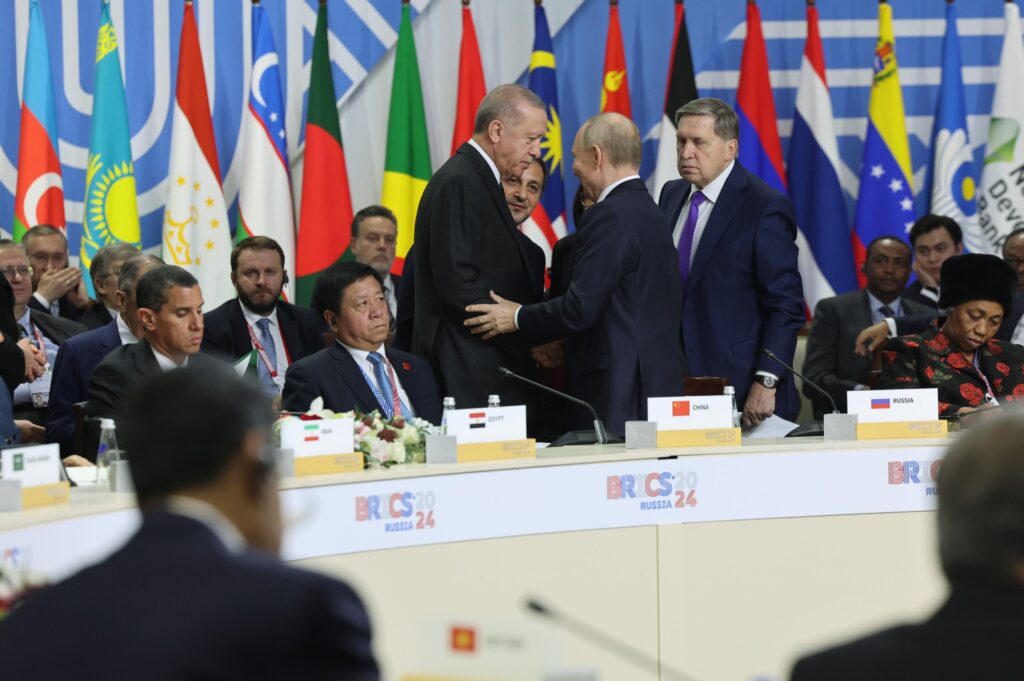
By Nitya Chakraborty The North Atlantic Treaty Organisation (NATO), the security alliance of the western nations led by the USA is having an uneasy period after celebrating its 75th year of founding in July this year with big fanfare. The recent summit of the BRICS in Kazan of Russia held on October 22 to 24 […]

Global IT spending is projected to reach an impressive $5.74 trillion by 2025, reflecting a robust growth rate of 9.3% compared to 2024. This remarkable surge is primarily fueled by escalating investments in generative artificial intelligence (GenAI) technologies and the expanding data center infrastructure required to support these advancements. According to industry analysis, the demand for GenAI applications is reshaping the IT landscape, prompting organizations across various […]

Eight fatalities have been confirmed following Israeli airstrikes in the Lebanese city of Sidon, with officials fearing that the death toll may rise further. The attacks, occurring amid ongoing tensions between Israel and Hezbollah, are reported to be the deadliest in Sidon since the resurgence of conflict over a year ago. Residents and local authorities have described the bombings as devastating, leading to significant destruction in the […]

A significant decline in oil prices, exceeding 4%, has been observed after Israel conducted airstrikes in Iran, reportedly avoiding energy infrastructure. The unexpected military action has stirred uncertainty in the global oil markets, with analysts weighing the potential implications for future supply dynamics in an already volatile geopolitical landscape.

Crude oil futures, particularly West Texas Intermediate (WTI), fell sharply to around $83 per barrel, while Brent crude dipped below $87. The downward trend comes in the wake of heightened tensions in the Middle East, which had already led to fluctuations in oil prices due to fears of supply disruptions. Analysts had anticipated that military action between Israel and Iran could provoke a response that might impact oil production, but the avoidance of direct hits on energy facilities has seemingly mitigated immediate concerns.

Market sentiment turned bearish as traders reacted to the news. “The focus is on the geopolitical risks that have historically pushed oil prices higher. However, the fact that energy facilities were not targeted means that supply fears are somewhat alleviated, leading to this decline in prices,” commented David Wilson, a senior analyst at a leading energy consultancy. Investors now seem to be reassessing the risk factors that typically influence oil market volatility.

This latest escalation is part of a broader backdrop of ongoing hostilities between Israel and Iran, which have been characterized by intermittent exchanges of fire and military posturing. Iran’s Revolutionary Guard has warned that any attack on its soil will trigger severe retaliation. This historical animosity, coupled with Iran’s significant role as an oil exporter, continues to inject volatility into oil markets. Iran produces approximately 4 million barrels of oil per day, a vital contribution to the global supply.

The broader market reaction also reflects concerns regarding global economic performance, particularly in light of ongoing inflationary pressures and monetary policy tightening in several economies. Experts note that if economic growth slows, demand for oil may diminish, further complicating the price outlook. “Even with geopolitical tensions, the underlying economic indicators suggest a slowdown. If demand continues to weaken, we could see prices stabilize at lower levels,” stated Maria Chan, a commodities strategist.

In the wake of this geopolitical incident, analysts are also scrutinizing other potential threats to oil supply, including disruptions in other oil-producing regions. The Organization of the Petroleum Exporting Countries (OPEC) and its allies, including Russia, are continually adjusting their output strategies to stabilize prices, but such maneuvers become increasingly complicated amid geopolitical instability.

The ongoing conflict in Ukraine remains a significant factor influencing oil prices. Russia’s actions in Ukraine have led to widespread sanctions, disrupting energy supplies and complicating global market dynamics. While the current geopolitical climate suggests heightened risks, some analysts believe that the market has already factored in many of these risks due to the historical precedent of volatility in energy prices.

With the energy market closely monitoring developments in the Middle East, any signs of further escalation could quickly alter price trajectories. “The balance of risk has shifted slightly with this event, but we are still very much in a reactive mode as traders evaluate the ongoing situation,” remarked Samir Gupta, an oil market expert.

On a corporate level, oil companies are assessing how these geopolitical developments could impact their operations and investment strategies. Executives are increasingly focused on the dual challenge of navigating regulatory environments while managing geopolitical risks. “We have to remain agile. The situation can change rapidly, and we must be prepared to adapt our strategies accordingly,” noted Rachel Green, a chief financial officer at a major oil producer.

The situation remains fluid, with various stakeholders keenly observing the geopolitical landscape for further developments. Oil prices are expected to remain sensitive to news from the region, influencing not only immediate market reactions but also long-term strategic planning for oil companies and investors alike.

Divya Malhotra Middle East has turned into a ticking time bomb as Iran and Israel stand on the verge of a full-blown war. A lot has transpired between the two countries since the October 2023 Hamas attack on Israel and the ensuing Gaza war. Israel is more than a thousand miles away from Iran. They do not share any border and there are no significant bilateral claims […]

The International Monetary Fund has raised concerns that global markets are underestimating the potential economic impact of geopolitical tensions. Amid signs of improving economic stability, especially as global disinflation enters its final stages, the IMF has identified several medium-term risks that could significantly disrupt financial markets. According to its latest Global Financial Stability Report, while short-term global financial stability risks have receded, major vulnerabilities persist.

The IMF’s warning comes at a time when many market participants are hopeful about the prospects of a “soft landing” for the global economy, aided by disinflation and easing monetary policies. Emerging markets have shown resilience, and international debt issuance has picked up in some frontier economies. Despite these optimistic signs, there are concerns that the financial system remains fragile, especially in light of potential external shocks.

One of the key areas flagged by the IMF is the growing strain in the commercial real estate sector. Rising interest rates over the past year have exposed vulnerabilities within the sector, and further shocks could worsen these conditions. The IMF also points to signs of credit deterioration among corporations, which could intensify if adverse economic conditions continue.

The report highlights that geopolitical tensions remain a significant factor that global markets may be neglecting. Escalating geopolitical conflicts, such as the war in Ukraine and ongoing trade disputes between major economies, present long-term threats that could disrupt financial systems worldwide. These risks are further compounded by cyber threats, which the IMF notes have been on the rise. Although no major systemic disruptions have been caused by cyber incidents so far, the increasing probability of severe cyberattacks poses a looming threat to global macroeconomic stability.

In addition to geopolitical and cyber risks, the IMF underscores the vulnerability of the corporate credit market, which has expanded rapidly in recent years. This market, particularly in private credit, now rivals more traditional forms of lending, including commercial banking. While private credit markets have served as an important source of capital for mid-sized firms, they are also exposed to higher risks. A sudden downturn in economic conditions or a sharp increase in interest rates could leave many of these firms struggling to meet their debt obligations, creating ripple effects throughout the global financial system.

While the IMF acknowledges the progress made in global disinflation and the efforts of central banks to maintain stability, it is urging policymakers and financial institutions to remain vigilant. The report recommends that governments and central banks continue to assess and address medium-term risks while maintaining a focus on geopolitical and cyber threats that could lead to severe disruptions.

By Rabindra Nath Sinha KOLKATA: “We have no inhibition in socialising over a bowl of soup or a cup of tea or coffee; but thereafter it is ‘thus far and no further for us’. We have our long-standing demands and we are firm on pursuing those”, important Kuki and Naga leaders told IPA when asked […]
VISHNU RAJA
RYO YAMADA
HITORI GOTOH
IKUYO KITA