News related to
attacks

AC Milan has embarked on a transformative partnership with Pure Storage to significantly upgrade its digital and data management capabilities, impacting both fan engagement and player performance. This collaboration is enhancing the club’s digital outreach and enabling data-driven insights, particularly through the integration of artificial intelligence (AI) for sports analytics and improved fan content delivery. Through Pure Storage’s platform, AC Milan has managed to increase the speed […]

By Nantoo Banerjee With geopolitical tensions rising in Europe and Asia and central banks across the world buying gold like never before are mainly behind the near continuous rise in gold prices since last year. The surging gold price trend may continue through the coming months unless peace and economic stability soon return to the […]

Online casino platform MetaWin experienced a significant security breach on November 3, resulting in the loss of approximately $4 million in user funds. According to reports from cybersecurity experts and industry insiders, the exploit appears to have been orchestrated by a sophisticated hacking group, leading to widespread concerns about the safety of online gambling sites. Following the attack, the CEO of MetaWin reassured users that the funds […]

A disturbing new phishing scam is targeting individuals by leveraging personal information, including home addresses and images of their residences, to instill fear and demand money. The email typically comes from an unknown sender and features a menacing message claiming the recipient is under surveillance and that the sender possesses compromising footage. This alarming tactic aims to pressure victims into paying sums of money, often requested in […]

By Nitya Chakraborty Republican candidate Donald Trump’s Diwali message, just four days before the crucial November 5 presidential elections in USA, has enormous significance, which goes beyond the possible impact on Hindu-Americans voters on the polling day. The content of the message will have big impact on Bangladesh politics in the event of a Trump […]
By K Raveendran With clear indications that Israel is sparing Iranian oil facilities from attack, the downward pressure on oil has further increased and there is renewed talk of oil settling down around the level of $50 to the barrel. Crude has already fallen to early 70s and the demand-supply equations have not been particularly […]

Bitcoin’s hashrate, an indicator of the computing power dedicated to its blockchain, reached a historic peak of 769.8 exahashes per second (EH/s) this month. This record figure represents a significant rise in mining activity and network security, underscoring a broader trend toward consolidation within the cryptocurrency mining industry. Major players in the field continue to expand their operations while smaller firms face mounting challenges driven by the rising operational costs and the impending 2024 “halving” event.

Since the onset of 2023, Bitcoin’s network has seen consistent hashrate growth, an outcome attributed to two main factors: advancements in mining hardware and the continuing global expansion of large-scale mining farms. Industry leaders have steadily invested in new, high-powered ASIC mining units, specifically designed to increase mining efficiency and profitability. As the network becomes more secure, smaller miners struggle to remain competitive, with analysts suggesting that the upcoming block reward halving may expedite a wave of industry consolidation. The halving, scheduled for April 2024, will reduce miner rewards from 6.25 BTC per block to 3.125 BTC, doubling the cost of producing each Bitcoin, thus favoring large mining entities with greater resources.

With Bitcoin’s rising computational power, the network becomes increasingly resilient to external attacks and manipulations. This enhancement reinforces investor confidence, given the decentralized system’s backbone of advanced security protocols. Such improvements in network integrity are drawing more institutional investors and firms seeking reliable blockchain technology for business applications. However, this strength also has implications for energy consumption, as the cumulative power required to maintain the network continues to climb. Bitcoin’s high electricity demands remain a focal point in debates about the environmental footprint of cryptocurrency mining.

Countries with historically low energy costs, including the United States, Canada, and Kazakhstan, have become attractive locations for mining companies. In the U.S., Texas has emerged as a prominent hub, largely due to favorable energy policies and renewable energy sources. However, fluctuating energy prices and increasing scrutiny over mining’s environmental impact have prompted some regions to reconsider their stance on Bitcoin mining.

Advertisements

Eight fatalities have been confirmed following Israeli airstrikes in the Lebanese city of Sidon, with officials fearing that the death toll may rise further. The attacks, occurring amid ongoing tensions between Israel and Hezbollah, are reported to be the deadliest in Sidon since the resurgence of conflict over a year ago. Residents and local authorities have described the bombings as devastating, leading to significant destruction in the […]

The International Monetary Fund has raised concerns that global markets are underestimating the potential economic impact of geopolitical tensions. Amid signs of improving economic stability, especially as global disinflation enters its final stages, the IMF has identified several medium-term risks that could significantly disrupt financial markets. According to its latest Global Financial Stability Report, while short-term global financial stability risks have receded, major vulnerabilities persist.

The IMF’s warning comes at a time when many market participants are hopeful about the prospects of a “soft landing” for the global economy, aided by disinflation and easing monetary policies. Emerging markets have shown resilience, and international debt issuance has picked up in some frontier economies. Despite these optimistic signs, there are concerns that the financial system remains fragile, especially in light of potential external shocks.

One of the key areas flagged by the IMF is the growing strain in the commercial real estate sector. Rising interest rates over the past year have exposed vulnerabilities within the sector, and further shocks could worsen these conditions. The IMF also points to signs of credit deterioration among corporations, which could intensify if adverse economic conditions continue.

The report highlights that geopolitical tensions remain a significant factor that global markets may be neglecting. Escalating geopolitical conflicts, such as the war in Ukraine and ongoing trade disputes between major economies, present long-term threats that could disrupt financial systems worldwide. These risks are further compounded by cyber threats, which the IMF notes have been on the rise. Although no major systemic disruptions have been caused by cyber incidents so far, the increasing probability of severe cyberattacks poses a looming threat to global macroeconomic stability.

In addition to geopolitical and cyber risks, the IMF underscores the vulnerability of the corporate credit market, which has expanded rapidly in recent years. This market, particularly in private credit, now rivals more traditional forms of lending, including commercial banking. While private credit markets have served as an important source of capital for mid-sized firms, they are also exposed to higher risks. A sudden downturn in economic conditions or a sharp increase in interest rates could leave many of these firms struggling to meet their debt obligations, creating ripple effects throughout the global financial system.

While the IMF acknowledges the progress made in global disinflation and the efforts of central banks to maintain stability, it is urging policymakers and financial institutions to remain vigilant. The report recommends that governments and central banks continue to assess and address medium-term risks while maintaining a focus on geopolitical and cyber threats that could lead to severe disruptions.

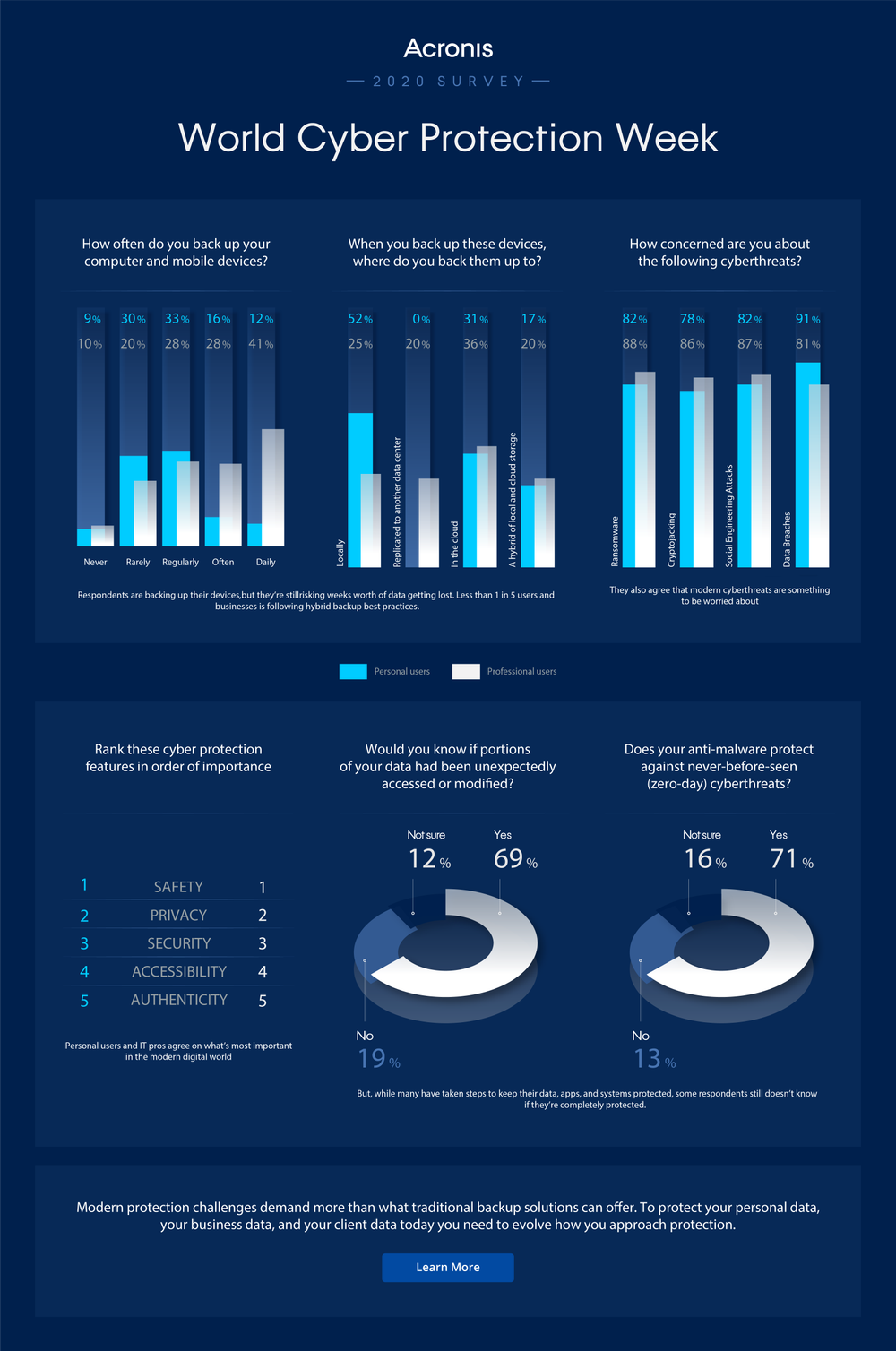
The cybersecurity sector in the UAE is experiencing unprecedented pressure, as highlighted by Acronis’ recent report indicating a staggering 68% revenue increase. This growth is attributed to the rising prevalence of cyber threats, which have intensified in 2024. Malware detections have surged by 65.3%, while URL-based threats have escalated by 36.9%, creating a pressing need for robust cybersecurity solutions across various industries.

Acronis’ findings come amid a backdrop of increased global cybercrime, with businesses in the UAE becoming prime targets. The growing digital transformation across sectors such as finance, healthcare, and government has expanded the attack surface for malicious actors. As organizations adopt cloud services and remote work policies, they inadvertently expose themselves to a myriad of vulnerabilities. The result is a burgeoning market for cybersecurity services, compelling companies like Acronis to adapt quickly to meet the evolving demands of clients.

This surge in revenue reflects not only Acronis’ successful strategic initiatives but also a broader trend within the cybersecurity industry. Organizations are increasingly prioritizing their cybersecurity frameworks, investing in comprehensive solutions to protect sensitive data and ensure business continuity. Acronis has positioned itself effectively within this landscape by offering integrated protection solutions, including data backup, disaster recovery, and cybersecurity services tailored to combat emerging threats.

Key players in the cybersecurity market are rapidly innovating to keep pace with the evolving threat landscape. The rise of sophisticated cyberattacks has prompted a shift toward proactive cybersecurity measures. Companies are now prioritizing advanced threat detection and response capabilities, leveraging artificial intelligence and machine learning to enhance their defenses. These technologies enable organizations to identify and neutralize threats before they cause significant damage, underscoring the importance of adopting a proactive rather than reactive approach to cybersecurity.

The implications of these developments are profound for businesses in the UAE. With cyber threats on the rise, organizations must reassess their cybersecurity strategies to ensure they are not only compliant with regulations but also adequately protected against potential breaches. Cybersecurity frameworks are evolving to encompass not just IT security but also physical security and personnel training, creating a comprehensive approach to risk management.

The UAE government has been proactive in addressing these challenges. Initiatives aimed at enhancing the nation’s cybersecurity posture include the establishment of the UAE Cybersecurity Council, which seeks to unify efforts across public and private sectors. This collaborative approach aims to create a resilient digital ecosystem, reinforcing the importance of cybersecurity awareness and education among employees and the wider community.

As Acronis continues to grow in this dynamic environment, its emphasis on innovation will be critical. The company has committed to enhancing its cybersecurity offerings by integrating cutting-edge technologies and expanding its global footprint. Such strategies are vital for maintaining a competitive edge and meeting the diverse needs of clients navigating this complex landscape.

The increase in cyber threats is also prompting a reevaluation of regulatory frameworks in the UAE. Businesses are now under greater scrutiny to comply with stringent cybersecurity regulations, emphasizing the need for transparency and accountability in their operations. Companies that fail to meet these requirements face not only financial penalties but also reputational damage, making cybersecurity a board-level concern.

Emerging trends indicate that small and medium-sized enterprises (SMEs) are becoming more aware of their cybersecurity needs. Historically, SMEs have been less equipped to handle cyber threats due to limited resources. However, with increased awareness and the availability of scalable cybersecurity solutions, these businesses are now taking proactive steps to safeguard their operations.

The challenge of recruiting and retaining cybersecurity talent continues to plague the industry, further complicating efforts to bolster defenses. As the demand for skilled cybersecurity professionals grows, companies face intense competition in attracting top talent. Educational institutions and training programs are responding by developing specialized curricula aimed at preparing the next generation of cybersecurity experts, a move crucial for addressing the skills gap in the sector.

Another critical aspect of the evolving cybersecurity landscape is the role of cyber insurance. As organizations recognize the potential financial impact of cyber incidents, interest in cyber insurance policies is increasing. These policies can help mitigate losses resulting from data breaches, ransomware attacks, and other cyber threats. However, the complexities involved in underwriting such policies highlight the need for comprehensive risk assessments, ensuring that organizations understand their vulnerabilities and the appropriate measures to address them.

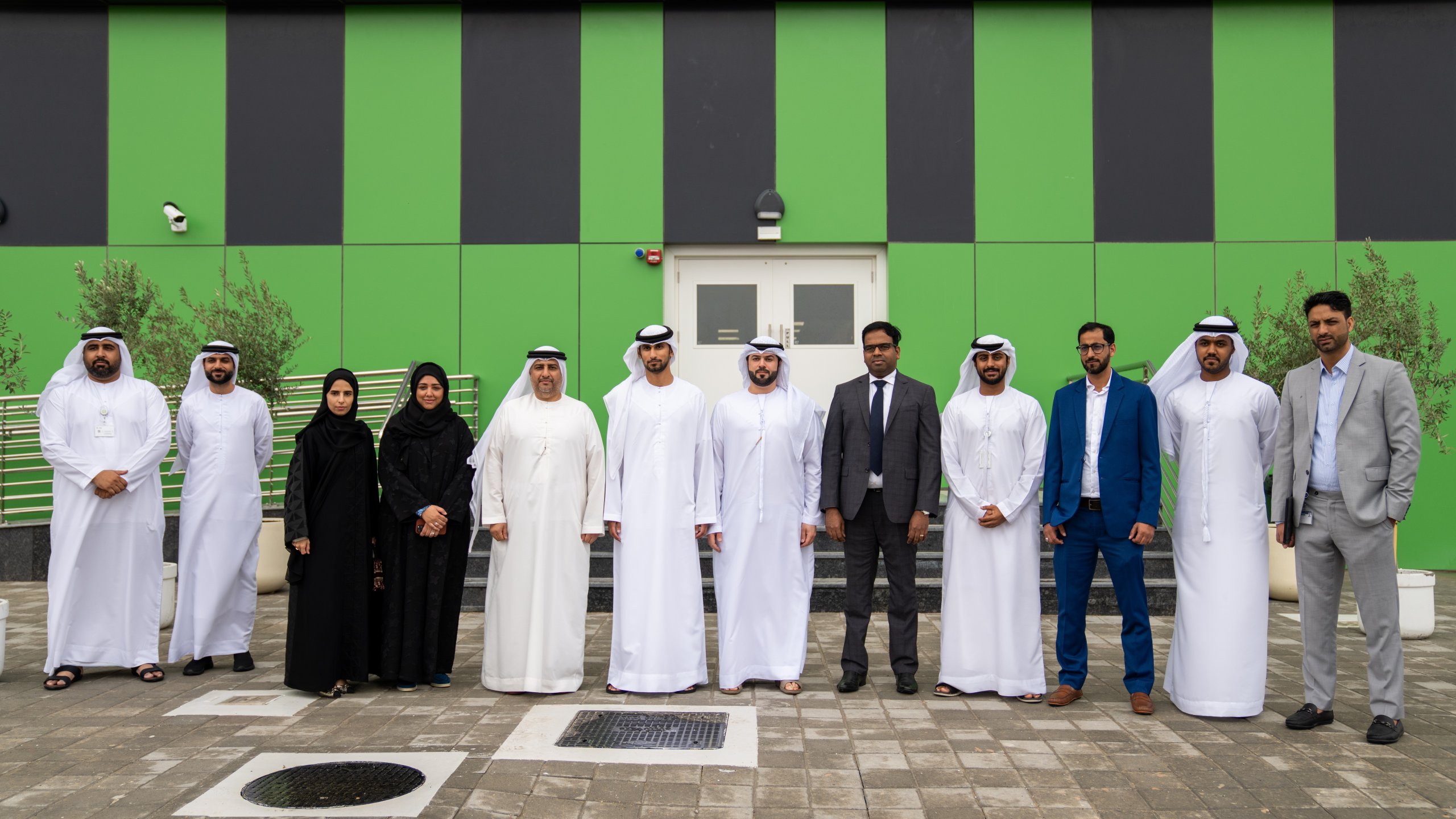
Moro Hub, a subsidiary of Digital DEWA, has formalized a partnership with Dubai Islamic Bank (DIB) aimed at enhancing the bank’s cybersecurity capabilities. The collaboration focuses on the provision of advanced colocation services and a comprehensive cybersecurity suite, ensuring the security and resilience of DIB’s IT infrastructure. This development is expected to boost Dubai Islamic Bank’s efforts to safeguard its operations and data against an evolving threat landscape while expanding its digital footprint.

The Memorandum of Understanding (MoU) signed between Moro Hub and Dubai Islamic Bank underscores the growing need for robust digital infrastructure in the financial sector. As part of the agreement, Moro Hub will provide DIB with secure colocation services in a state-of-the-art data center, alongside a suite of cybersecurity solutions tailored to meet the specific needs of the financial institution. These services aim to mitigate the risk of cyberattacks and ensure the bank’s compliance with regulatory standards, reflecting the increasing pressures on banks globally to adopt enhanced security measures.

Colocation, a service allowing businesses to rent space for their servers and other computing hardware within a third-party data center, offers banks like DIB the advantage of enhanced physical security, disaster recovery, and operational efficiency. Moro Hub’s colocation services will enable Dubai Islamic Bank to host its critical systems in a secure environment, benefiting from the company’s advanced infrastructure, which is designed to meet the stringent security requirements of financial institutions.

This partnership comes at a time when financial institutions in the UAE and around the world are grappling with a surge in sophisticated cyber threats. With the rise of digital banking services and the increased reliance on online platforms, banks have become prime targets for cybercriminals. By leveraging Moro Hub’s expertise in cybersecurity, Dubai Islamic Bank aims to strengthen its defenses against these threats, ensuring the protection of its clients’ sensitive information.

The global banking sector has witnessed a dramatic rise in cybersecurity incidents over the past few years, prompting financial institutions to invest heavily in protective measures. From phishing attacks to sophisticated ransomware campaigns, banks are constantly under siege by attackers seeking to exploit vulnerabilities in their systems. Dubai Islamic Bank’s decision to partner with Moro Hub reflects a proactive approach to dealing with these challenges, as the bank seeks to stay ahead of the curve in an increasingly digitalized world.

Moro Hub, established as part of Dubai’s broader Smart City initiative, has positioned itself as a key player in the region’s digital transformation efforts. The company’s data centers and cybersecurity services are aligned with international standards, making it a trusted partner for businesses seeking to secure their digital operations. For Dubai Islamic Bank, this partnership offers a significant opportunity to enhance the security and efficiency of its IT operations while also reducing the operational costs associated with maintaining in-house data centers.

Cybersecurity is no longer just a technological challenge; it has become a critical component of business strategy for banks and other financial institutions. Regulatory bodies in the UAE and across the globe have tightened their requirements for data protection, mandating that banks adopt stricter security protocols to safeguard customer data and prevent breaches. Failure to comply with these regulations can result in hefty fines and damage to the institution’s reputation. By partnering with Moro Hub, Dubai Islamic Bank aims to ensure full compliance with these regulatory standards while also minimizing the risk of operational disruptions caused by cyberattacks.

Beyond the immediate security benefits, this partnership is also expected to have broader implications for Dubai Islamic Bank’s digital transformation journey. The bank has been steadily expanding its digital services, offering customers a range of online banking options, including mobile banking apps and digital payment platforms. As customer expectations continue to evolve, DIB’s ability to provide seamless and secure digital services will be crucial to maintaining its competitive edge in the market.

The digital banking landscape is undergoing rapid transformation, with customers increasingly favoring online and mobile services over traditional banking methods. This shift has forced banks to rethink their operational strategies, with a focus on enhancing the digital experience for customers while ensuring robust security measures are in place. For Dubai Islamic Bank, the partnership with Moro Hub is a strategic move to ensure that its digital infrastructure is capable of meeting these demands while also safeguarding against the growing threat of cyberattacks.

Financial institutions across the UAE have been accelerating their investments in digital infrastructure in response to changing market conditions and regulatory pressures. With initiatives such as the UAE’s National Cybersecurity Strategy and Dubai’s push towards becoming a global fintech hub, banks are under increasing pressure to enhance their cybersecurity frameworks. Dubai Islamic Bank’s collaboration with Moro Hub is in line with these national priorities, positioning the bank as a leader in digital security within the financial sector.

While the specific financial terms of the MoU were not disclosed, the partnership between Moro Hub and Dubai Islamic Bank represents a significant step forward in the bank’s efforts to strengthen its IT infrastructure. The bank’s leadership has emphasized the importance of cybersecurity as a core component of its business strategy, and this collaboration with Moro Hub is expected to play a key role in achieving those objectives.


TRENDS Research and Advisory, a prominent think tank headquartered in Abu Dhabi, has launched a virtual office in São Paulo, Brazil. This move comes as part of a larger global expansion effort, reflecting the think tank’s growing presence in key international markets. With additional offices opening in Washington, Buenos Aires, Berlin, and Moscow, TRENDS aims to deepen its research capabilities and strengthen ties with academic, political, and technological institutions across continents.

The office in Brazil marks a significant strategic decision for TRENDS as it sets its sights on analyzing the evolving landscape of security threats and economic challenges in Latin America. São Paulo’s technological and industrial sectors have seen rapid growth in recent years, but with that expansion has come a rise in cybersecurity risks, prompting TRENDS to focus on proactive measures to address these vulnerabilities.

Awadh Al-Breiki, Senior Researcher and Head of TRENDS Global Sector, emphasized that the proximity to key global regions like Brazil will enhance the think tank’s role in fostering international dialogue. Brazil’s prominence in the tech sphere, combined with its connection to various global markets, makes it an ideal location for TRENDS to spearhead research on emerging technological threats and defensive strategies.

Cybersecurity is a growing concern for both private and public institutions in Latin America, with an increase in digital attacks posing significant risks. The opening of TRENDS’ office in São Paulo provides a unique opportunity to address these concerns by collaborating with local experts and governments, offering policy recommendations, and creating actionable strategies to combat the increasing number of cyber threats. This move reflects TRENDS’ dedication to being a thought leader in analyzing the economic and security dynamics of the regions it operates in.

The think tank’s presence in Brazil will also extend its reach into forums and global events, such as the Brazil-Africa Forum. At this event, TRENDS will contribute to discussions on geopolitical and economic challenges, emphasizing its focus on global knowledge exchange. As part of their engagement in Latin America, TRENDS researchers are set to present new findings on the vulnerabilities of emerging technologies, underscoring the need for greater cybersecurity frameworks.

By integrating local expertise with its broader research, TRENDS aims to bolster regional security measures, provide in-depth analysis of policy changes, and offer innovative solutions tailored to the challenges faced by Brazil’s booming tech industry. As cyber threats become more sophisticated, think tanks like TRENDS are positioning themselves at the forefront of mitigating the risks tied to rapid technological advancement.

This initiative reflects a broader trend among think tanks and research organizations aiming to enhance collaboration and information sharing to tackle global issues more effectively. TRENDS’ expansion in Latin America highlights its ongoing efforts to provide comprehensive research on critical topics such as cybersecurity, digital economy, and international cooperation.

With São Paulo serving as a key hub for research, TRENDS’ virtual office will act as a bridge, connecting Latin American insights to global policy dialogues. The think tank’s leadership emphasizes that this move is part of a long-term vision to create global knowledge bridges, furthering TRENDS’ mission to contribute to informed decision-making in both the public and private sectors.

This expansion comes amid broader discussions about global tech vulnerabilities, especially in emerging markets. As technology continues to advance at a rapid pace, regions like Latin America find themselves navigating a complex landscape of economic growth and security concerns. By establishing a dedicated presence in Brazil, TRENDS is taking proactive steps to offer in-depth analysis and support to institutions looking to safeguard their digital infrastructures.

GITEX Global 2024 has drawn the attention of the global tech community, making Dubai a focal point for innovation and collaboration. Held at the Dubai World Trade Centre, this year’s event is showcasing an array of cutting-edge advancements, including artificial intelligence (AI), cybersecurity, blockchain, and more. With over 6,000 exhibitors from 180 countries, GITEX is promoting key sectors like AI-driven healthcare, fintech, and climate tech. The event has also placed a spotlight on cybersecurity challenges and solutions, attracting top industry players to discuss the future of AI in various fields.

One of the central themes of this year’s GITEX is AI’s role in reshaping industries. “AI Everything,” a major attraction at the event, is focusing on integrating AI into sectors such as digital finance, healthcare, and education. With demonstrations of AI-driven technologies, attendees are gaining insights into how AI will continue to disrupt traditional models, providing more efficiency and data-driven decision-making.

In tandem with these developments, the fintech sector is experiencing significant attention. “Fintech Surge,” another highlight of the event, is hosting global fintech leaders to explore how blockchain and AI are pushing boundaries in digital finance. Investors and startups alike are eyeing new opportunities as digital currencies, decentralized finance (DeFi), and AI-powered financial services grow in prominence. Dubai, positioning itself as a hub for innovation, offers the perfect backdrop for these transformative conversations.

Cybersecurity has emerged as a key topic, as threats in the digital space continue to escalate. GITEX’s “Cyber Valley” is addressing the intersection of AI and cybersecurity, gathering top experts to explore ways to counter cyber threats in an increasingly connected world. High-profile cybersecurity executives and government leaders are collaborating to establish frameworks that can protect sensitive data, infrastructure, and networks from sophisticated cyber-attacks.

Startups and entrepreneurs are also finding GITEX to be a launchpad for growth. “Expand North Star,” a major startup event running alongside GITEX, is connecting founders with venture capitalists and tech leaders to foster partnerships and scale new ventures. The event highlights the increasing importance of fostering an entrepreneurial ecosystem that nurtures innovative ideas and gives rise to the next generation of tech giants.

The event’s focus on sustainability is evident through “Gitex Impact,” where climate-tech innovators are unveiling solutions for environmental challenges. AI-driven sustainable technologies, including advancements in waste management and conservation, are on display, emphasizing the role of technology in addressing global climate issues.

Dubai’s ambition to be a leading global tech hub is reinforced by the diversity of participants and the scale of innovations being showcased at GITEX. Government leaders, industry experts, developers, and investors are all converging to forge partnerships and explore how emerging technologies can drive future economic growth.

GITEX Global 2024 is not just about presenting technological advancements, but also about sparking discussions around the ethical implications of such technologies. From the regulatory challenges of AI to privacy concerns, these critical issues are being debated as technology continues to evolve rapidly. The convergence of AI, cybersecurity, and fintech underlines the complex, interconnected nature of modern digital transformations.

Nintendo and Game Freak have confirmed a significant data breach affecting the Pokémon franchise. The breach, which reportedly occurred earlier this year, compromised the personal information of both current and former employees, leading to widespread concern within the gaming industry. In a formal apology published on Game Freak’s official website, the developer studio acknowledged unauthorized access to its server, stating that sensitive data had been exposed. The […]

As tensions escalate between Israel and Iran, the world is watching with bated breath, and financial markets are bracing for a potential economic shock. The deployment of additional US troops and advanced anti-missile systems to Israel highlights how serious the situation has become. Recent unprecedented attacks from Iran and Israel’s potential countermeasures, particularly targeting Iran’s vital oil or nuclear facilities, could set the stage for a global […]

The Pentagon has announced the deployment of the Terminal High Altitude Area Defense (THAAD) missile defense system to Israel, reinforcing the nation’s defense capabilities against potential missile threats, particularly from Iran. This strategic move includes sending US military personnel to operate the system and comes amid escalating tensions in the region, notably due to Iran’s ongoing missile development and regional activities.

The deployment of the THAAD system, which is designed to intercept short- to intermediate-range ballistic missiles, marks a significant step in US-Israel defense cooperation. The system will enhance Israel’s already robust missile defense architecture, which includes the Iron Dome and David’s Sling systems. US Secretary of Defense Lloyd Austin emphasized the importance of this deployment, stating that it demonstrates the United States’ unwavering commitment to Israel’s security. He reiterated that the United States will continue to work closely with its allies to address shared security challenges.

Analysts suggest that this deployment is not merely a precautionary measure; it serves as a signal to both allies and adversaries that the US stands firmly with Israel in the face of rising threats. Iran’s missile program has expanded rapidly in recent years, with officials claiming capabilities to strike targets across the Middle East. Reports indicate that Iran is developing long-range missiles capable of reaching Europe and beyond, raising alarms not only in Israel but also among European nations and the Gulf states.

The THAAD system, operational since 2008, has been deployed in several locations worldwide, including South Korea and the United Arab Emirates, highlighting its role in US military strategy. This particular deployment is part of a broader framework of military support provided by the United States to Israel, which receives approximately $3.8 billion annually in military aid, as outlined in a 10-year memorandum of understanding signed in 2016.

Tensions have intensified in the region due to a range of factors, including Iran’s nuclear program and its support for militant groups like Hezbollah and Hamas. The Biden administration’s approach to Iran, characterized by attempts to re-engage diplomatically while maintaining a stance of deterrence, reflects the complexities of regional geopolitics. In the wake of stalled negotiations over the Iran nuclear deal, the deployment of THAAD serves as a tangible measure of deterrence.

Experts also note that Israel has been strengthening its own military capabilities, including advancements in aerial defense systems and cyber warfare. The Israeli military has been conducting various exercises to prepare for potential confrontations, ensuring that its forces are ready to respond to threats on multiple fronts. The addition of THAAD will complement these efforts, particularly in countering long-range missile threats.

The timing of this deployment coincides with heightened tensions between Israel and Palestinian factions in Gaza. Following a series of rocket attacks from Gaza, the Israeli military has intensified airstrikes, prompting fears of an escalation into broader conflict. The THAAD system is expected to provide an additional layer of defense against potential retaliatory missile strikes that could emerge from such clashes.

US officials have reiterated that the deployment does not signify an intention to escalate military involvement in the region but rather aims to bolster Israel’s defensive posture. This move reflects a strategic shift toward enhancing missile defense capabilities in an era marked by technological advancements in missile systems worldwide.

As the situation unfolds, the implications of this deployment will likely resonate beyond Israel, influencing the broader dynamics of Middle Eastern security. Regional actors, including Iran, will be closely monitoring the developments, assessing the implications for their own defense strategies and military posturing.

International reactions to the THAAD deployment have been mixed. While Israeli officials have welcomed the additional security assurances, some regional nations view the move with skepticism. There are concerns that increased US military presence could exacerbate existing tensions in an already volatile region.

As the Pentagon mobilizes resources to support Israel, the focus will also shift to diplomatic efforts aimed at addressing the underlying issues driving regional instability. Engaging Iran in constructive dialogue remains a challenge, with trust deficits complicating the prospects for meaningful negotiations.

A cryptocurrency whale has reportedly lost $55 million to a phishing scam, underscoring the ongoing vulnerabilities in the decentralized finance (DeFi) space. The incident, which took place in August, involved the unsuspecting crypto holder signing an unverified transaction that transferred ownership of their funds to a malicious address. The attackers quickly moved the assets, exchanging stablecoins for Ether, in a well-coordinated cyber theft.

Blockchain security firms have highlighted the increasing sophistication of phishing tactics targeting digital asset holders. These attacks, often disguised as legitimate transaction prompts, trick victims into surrendering control of their crypto wallets. This case is a stark reminder for users to remain vigilant, double-check transaction requests, and refrain from signing unknown contracts.

By Nitya Chakraborty The U.S. Presidential elections on November 5 have assumed unusual significance in the shaping up of the future of Bangladesh which is presently ruled by an interim government headed by the Nobel Laureate Dr. Muhammad Yunus. In the last two weeks, hectic activities were on in both Dhaka as well as in […]

IIT Madras has inaugurated the Centre for Cybersecurity, Trust, and Reliability (CyStar), marking a significant step towards advancing India’s cybersecurity capabilities. The newly established CyStar is expected to play a pivotal role in fortifying the nation’s cyber defenses amid growing threats across various industries, including finance, healthcare, and critical infrastructure. The Center’s focus is both broad and ambitious, covering sectors from artificial intelligence to post-quantum cryptography, while aiming to create an ecosystem of innovation and collaboration.

Speaking at the launch, IIT Madras Director Prof. V. Kamakoti emphasized the increasing prevalence of cyberattacks, which are not limited to financial motives but often target key infrastructure sectors. To counter this evolving threat landscape, CyStar will focus on developing proactive defense mechanisms to safeguard the country’s digital assets. The initiative is part of the institution’s broader strategy to contribute to the global cybersecurity ecosystem, incorporating interdisciplinary research and technological advancement to meet today’s complex security demands.

CyStar has been structured with a vision to drive innovation through fundamental and applied research, fostering collaboration between academia, industry, and government. The Center will partner with prominent organizations, including the Ministry of Electronics and Information Technology, the Ministry of Education, Kaspersky, IDBI Bank, LG India, and numerous other local and international players. These partnerships aim to tackle a range of cybersecurity issues, from data privacy to the protection of critical infrastructure.

At the heart of CyStar’s mission is the desire to address cybersecurity challenges in India’s diverse social and business environments. The Center’s multi-disciplinary team will focus on developing cutting-edge solutions, including security frameworks for artificial intelligence, blockchain technology, and quantum computing. The ultimate goal is to secure vital sectors of the economy, especially those that rely heavily on digital infrastructure.

CyStar’s key coordinators, including Prof. Shweta Agrawal and Prof. Chester Rebeiro, outlined the Center’s approach, which spans fundamental research to practical applications. Agrawal stressed the importance of a collaborative environment that brings together experts from varied fields to tackle the complex problem of cybersecurity. Rebeiro added that the Center’s outreach programs and industry-academia relationships would help foster innovation and secure India’s critical industries.

By integrating cybersecurity advancements into real-world applications, the Center also aims to contribute to startup ecosystems, helping to cultivate new companies that focus on cybersecurity solutions. This aligns with India’s broader ambition to become a global leader in technology-driven innovation. Furthermore, the center will explore advanced cybersecurity applications in sectors such as healthcare, electronics, and automotive, industries that are highly dependent on secure and reliable digital systems.

In the keynote address, internationally renowned cybersecurity experts, including Prof. Shafi Goldwasser of MIT and Prof. Christian Scheideler of Paderborn University, emphasized the importance of innovative research to counter emerging cyber threats. They noted that as technology evolves, particularly in areas such as AI and quantum computing, cyber threats will become more sophisticated, requiring a comprehensive and forward-thinking approach. CyStar’s work, they suggested, is poised to meet these challenges head-on by developing next-generation solutions for AI security, quantum encryption, and IoT security.

Fortinet has launched its Security Awareness and Training Service to over 30,000 primary and secondary schools throughout Saudi Arabia, marking a significant advancement in the country’s cybersecurity education landscape. This initiative aligns with the Saudi government’s commitment to enhancing cybersecurity awareness among the youth and bridging the existing skills gap in the nation. The service, which is being provided at no cost, aims to equip students and […]

A significant surge in data breaches attributed to artificial intelligence has emerged as a pressing concern for cybersecurity leaders across the Asia-Pacific region, according to a comprehensive survey by Cloudflare. The study highlights that a staggering 87% of cybersecurity professionals view AI as a factor contributing to the increasing sophistication of cyberattacks, raising alarms about the evolving landscape of digital threats. The survey results underscore a growing […]

By Nitya Chakraborty Monday October 7 2024 marks the completion of one year of the Israel-Palestine war which started with the brutal attack on the citizens of Israel by the militant Palestine group Hamas and the more severe retaliation by the Israel Defence Forces (IDF) and the complete annexation of the Gaza area along with […]

The expansion of smart cars is introducing a range of privacy and cybersecurity challenges that demand immediate attention. With vehicles evolving into data-collecting machines, privacy experts and regulators are sounding alarms about the vast amount of personal data being harvested. As modern cars are now equipped with sensors, cameras, and GPS systems, they gather data about drivers’ locations, driving habits, and even contacts stored in smartphones. This trend is raising significant concerns about who controls this data and how it is being used.

Automakers, eager to enhance the driving experience, have equipped their latest models with state-of-the-art connectivity features, from Wi-Fi to cloud services, making these vehicles resemble smartphones on wheels. However, the rise of connected cars has simultaneously led to an increase in the collection and monetization of personal information. Companies are gathering sensitive data through multiple channels, including onboard systems that monitor everything from driving behavior to entertainment preferences. What happens to this data, where it is stored, and how it is shared are questions that car owners are increasingly asking.

Privacy advocates have raised alarms about the potential risks posed by these vehicles. Smart cars can track driver behavior, record routes, and even monitor interactions with third-party services, creating a detailed profile of individual users. The data being collected is staggering, with some estimates suggesting that the average car could generate over a terabyte of data annually. Automakers have started to capitalize on this data, using it to optimize services, and in some cases, sharing it with third parties for targeted marketing and other purposes. However, transparency about what data is collected and how it is used remains limited, creating a troubling scenario for users who are often unaware of the extent of the data being harvested.

Regulatory frameworks are lagging behind technological advancements, leaving a regulatory vacuum in many parts of the world. China has made strides in addressing these concerns by tightening rules around data collection from connected vehicles. Meanwhile, other major markets, including the United States and Europe, have yet to introduce comprehensive regulations governing how carmakers handle user data. In the absence of robust laws, automakers have relied on vague privacy policies, which often lack clarity on what data is being shared and with whom.

The push for regulatory oversight is intensifying, with cybersecurity experts warning of the growing vulnerability of smart cars to hacking and cyberattacks. Hackers could potentially exploit weak points in a car’s digital systems to access personal data or even take control of the vehicle. As smart cars become more autonomous and connected, the risk of malicious attacks increases, prompting calls for automakers to bolster their cybersecurity measures and increase transparency around data usage.

At the heart of this debate is the question of consumer consent. Many car owners are unaware of the extent to which their vehicles collect data, and even when privacy policies are available, they are often filled with legal jargon that makes it difficult for users to understand what they are agreeing to. Automakers have generally not been proactive in educating consumers about their data rights, and the onus often falls on users to navigate complex policies and settings to protect their information.

Despite these concerns, some automakers have started to take steps toward greater transparency. For example, certain manufacturers have implemented clearer policies regarding the sharing of personal data, pledging not to sell data to third-party advertisers or resellers without explicit consent. These moves, however, are the exception rather than the rule, and much more needs to be done to ensure that consumers are fully informed and protected in the age of smart cars.

By Dr. Gyan Pathak Lok Sabha Election 2024 results have shown a drastically declined political worth of Prime Minister Narendra Modi, that has quantified it with a BJP’s win of only 240 seats, much less than 303 it had won in 2019. Public opinions differ on the question if his personal political stature has been […]

VISHNU RAJA
RYO YAMADA
HITORI GOTOH
IKUYO KITA