Just in:
America On Edge: November 3 Mid Term Polls Outcome May Weaken Trump // Varsity jobs face quota questions // xCube Access Welcomes Entrust Capital Limited  Expanding Access to Professional Portfolio Management // ChatGPT billing fraud deploys rotating sites for card theft // Wired earphones regain buyers as 2016 nostalgia spreads // Anthropic to prohibit persistent abuse of Claude chatbot // AI trust gap reveals distinct retail priorities: Divergent paths to consumer growth in Hong Kong and the GBA // UAE outlines Dh200 billion energy investment at ADIPEC // XTransfer and Bank of China (Hong Kong) Announce Partnership at Hong Kong FinTech Week // Ondine Capital Announces First Close of Fund III to Drive AI and Semiconductor Innovation // Bank99 launches business accounts through Austrian postal network // Arrow Electronics showcases technologies advancing intelligent robotics, mobility and digital infrastructure // mamun raises US$3 million to finance cross-border trade between the Gulf and Asia // Use Of Nuclear Weapons Against Iran Could Trigger A Global Chain Reaction // As AI Reshapes Education, Singapore Convenes Global Dialogue on the Future of Early Childhood Education // Binance SAFU bitcoin holdings halve after security breach // ONYX Hospitality Group Expands Strategic Partnerships through ONYX Rewards // DIP Holding targets Dh1.12 IPO price and $529m proceeds // Winners and losers if a blue wave sweeps US Congress // Can Bernie Sanders Ensure Enough Left Representation In New Congress? //

News related to
attacks

Ente, a new contender in the photo storage and management market, is making waves as a privacy-focused alternative to Google Photos. Launched by former Google engineer, Ente offers both hosted and self-hosted solutions, addressing growing concerns over data privacy and control. The genesis of Ente dates back to 2019 when its founder, disillusioned by Google’s data practices, sought a more private way to manage and store personal […]

By Nitya Chakraborty Bangladesh Interim Head Dr. Muhammad Yunus has invited Indian Prime Minister Narendra Modi for talks in New York in the last week of September when both of them will be attending the session of United Nations general assembly .So far, there has been no response from the Indian Government sources. In fact, […]

The Internet of Things (IoT) market is set to experience exponential growth over the next decade, with projections estimating its value will soar to $5.33 trillion by 2032, according to industry forecasts. This surge is driven by technological advancements, increasing cloud adoption, and a steady rise in wireless networking capabilities, making IoT an integral part of modern industries and day-to-day life. Research highlights a compound annual growth […]

OneDegree, a pioneering force in digital asset insurance across Asia, has forged a strategic partnership with Walaa Cooperative Insurance Company, a prominent player in Saudi Arabia’s insurance and reinsurance sector. This collaboration aims to address the burgeoning needs of digital asset security, merging OneDegree’s innovative approach with Walaa’s established market presence.

The alliance between OneDegree and Walaa Cooperative Insurance Company marks a significant step in the evolution of insurance solutions tailored for digital assets. As digital currencies and blockchain technologies gain traction globally, the necessity for specialized insurance products to safeguard these assets has become increasingly apparent. This partnership leverages OneDegree’s expertise in the digital insurance space with Walaa’s robust infrastructure and regional market insights.

OneDegree has established itself as a leader in providing insurance solutions for digital assets, having received regulatory approval as Asia’s first licensed insurer for such assets. Their offerings cover a range of digital assets, including cryptocurrencies and blockchain-based investments, which are often vulnerable to cybersecurity threats and market volatility. By collaborating with Walaa, OneDegree aims to expand its reach and offer its innovative insurance solutions to a broader audience, particularly in the Middle East.

Walaa Cooperative Insurance Company, known for its comprehensive insurance and reinsurance services across various sectors, brings a wealth of experience to this partnership. The company’s established market presence in Saudi Arabia provides a solid foundation for the integration of digital asset insurance into its existing portfolio. This move is expected to enhance Walaa’s service offerings, addressing the growing demand for secure and reliable insurance solutions for digital assets in the region.

This partnership is timely, given the rapid growth in the adoption of digital assets and the corresponding need for protection against potential risks. The digital asset market has seen substantial growth over the past few years, with increasing interest from both individual and institutional investors. As this market continues to expand, the risks associated with digital assets, such as cyber attacks and regulatory changes, become more pronounced. Insurance products designed to mitigate these risks are crucial for fostering confidence and stability in the digital asset ecosystem.

The collaboration between OneDegree and Walaa Cooperative Insurance Company represents a forward-thinking approach to addressing these emerging risks. By combining OneDegree’s specialized expertise with Walaa’s extensive experience and regional knowledge, the partnership is poised to set a new standard in the insurance industry for digital assets. This integration not only broadens the availability of digital asset insurance but also enhances the overall security and reliability of the market.

As digital assets continue to gain prominence, insurance solutions tailored to this sector will play a pivotal role in mitigating associated risks. The partnership between OneDegree and Walaa Cooperative Insurance Company highlights the increasing recognition of the importance of specialized insurance products in the digital age. With their combined strengths, the two companies are well-positioned to meet the evolving needs of investors and stakeholders in the digital asset space.

State-of-the-art facility based in Singapore aims to accelerate adoption of Robotics and AI across Southeast Asia through training and education, improving access to new healthcare technologies and delivering better care experiences across the region SINGAPORE – Media Outreach Newswire – 4 September 2024 – Medtronic plc, a global leader in healthcare technology, expands the capabilities of Medtronic Customer eXperience Center (MCXC) in Singapore with the opening of […]

A high-level meeting between Saudi Arabia and the United States has underscored the deepening strategic partnership between the two nations, with a particular focus on the digital economy and fostering innovation. The discussions, which brought together top officials from both countries, aimed at exploring new avenues for collaboration in technology, cybersecurity, and artificial intelligence, areas that are rapidly becoming pivotal in the global economy.

Saudi Arabia, under the leadership of Crown Prince Mohammed bin Salman, has been aggressively pushing forward its Vision 2030 initiative, a comprehensive plan aimed at diversifying the nation’s economy away from its heavy reliance on oil. Central to this vision is the development of a robust digital economy, which the Kingdom views as essential for its future prosperity. The discussions with the U.S. were seen as a critical step in bolstering this aspect of Saudi Arabia’s long-term economic strategy.

The meeting, which took place in Riyadh, featured prominent figures from both the public and private sectors. Key topics included enhancing bilateral cooperation in the digital sphere, fostering innovation ecosystems, and addressing the challenges posed by the rapidly evolving technology landscape. Both sides expressed a strong commitment to working together to advance these objectives, recognizing the mutual benefits that such collaboration could bring.

Saudi officials emphasized the Kingdom’s ambitious plans to become a global leader in technology and innovation. The nation has already made significant investments in this area, including the establishment of tech hubs, the promotion of digital entrepreneurship, and the implementation of advanced technological infrastructure. The U.S., with its well-established tech industry and expertise in innovation, is seen as an ideal partner to help Saudi Arabia achieve these goals.

A key element of the discussions was cybersecurity, an area of increasing concern for both nations. With the rise of digital threats, protecting critical infrastructure and ensuring the security of digital assets have become top priorities. The U.S. has been a leader in cybersecurity innovations, and its expertise is expected to play a crucial role in helping Saudi Arabia develop its capabilities in this domain. The discussions highlighted the importance of sharing knowledge and resources to build resilient cyber defenses that can withstand sophisticated attacks.

Artificial intelligence (AI) also featured prominently in the talks. Saudi Arabia has shown a strong interest in AI, viewing it as a transformative technology that can drive economic growth and improve various sectors, including healthcare, finance, and transportation. The U.S., home to many of the world’s leading AI research institutions and companies, is well-positioned to assist Saudi Arabia in harnessing the power of AI. The two nations discussed potential joint initiatives to develop AI applications that could benefit both countries, as well as the broader global community.

Innovation ecosystems were another focal point of the meeting. Saudi Arabia has been actively working to create a supportive environment for innovation, including the development of new regulations, the promotion of research and development, and the establishment of innovation centers. The U.S. has a long history of fostering innovation through its vibrant startup culture and well-established tech industry. The discussions explored ways to integrate these strengths, with the aim of creating a dynamic innovation ecosystem in Saudi Arabia that could serve as a model for the region.

Both sides also addressed the broader implications of their collaboration on the global stage. The digital economy is increasingly seen as a critical driver of global growth, and partnerships like the one between Saudi Arabia and the U.S. could have far-reaching impacts. By working together, the two nations aim to set new standards for digital innovation and leadership, potentially influencing the direction of the global digital economy.


By Manish Rai Recent bold attacks carried out by Baloch Liberation Army (BLA) rocked Pakistan. A large number of people and security personnel were killed in the province of Balochistan when separatist insurgents attacked police stations, railway lines and highways, and security forces camps. The assaults were the most widespread and ferocious in years by ethnic militants fighting a decades-long insurgency to win secession of the resource-rich […]

Advertisements

Microsoft Windows users are encountering a surge in malware threats following an extensive series of security updates on Patch Tuesday, as new warnings from U.S. government agencies highlight the growing risks. The heightened alert has underscored the critical need for continued security measures, as users grapple with the implications of the latest vulnerabilities and threats.

Patch Tuesday, a routine monthly event where Microsoft releases security updates, was unusually significant this month. The company rolled out a broad array of patches aimed at addressing a variety of vulnerabilities affecting Windows operating systems. However, this surge in updates has coincided with a noticeable increase in malware attacks, raising concerns among cybersecurity experts and government officials alike.

The U.S. Cybersecurity and Infrastructure Security Agency (CISA) and other federal entities have issued urgent advisories, emphasizing the importance of applying these patches to prevent potential exploits. These advisories come in response to a spate of sophisticated cyberattacks that have targeted both individual users and large organizations. The recent alerts reveal a pattern of aggressive malware campaigns that exploit vulnerabilities addressed in the latest updates.

Experts from the cybersecurity community have observed a marked uptick in threats, including ransomware and spyware, which have intensified following the Patch Tuesday updates. These malicious programs are designed to infiltrate systems, often leveraging the same vulnerabilities that Microsoft aimed to address. The increase in attacks highlights the persistent and evolving nature of cyber threats, emphasizing the necessity for vigilant and ongoing security practices.

The rising malware incidents have sparked significant concern about the potential implications for millions of Windows users globally. As users scramble to implement the latest patches, there are growing worries about the effectiveness of these updates against increasingly sophisticated threats. The cybersecurity landscape is evolving rapidly, with new attack vectors and techniques emerging frequently, making it crucial for users to stay updated and proactive in their security measures.

Security experts advise that users must not only apply the latest patches but also adopt comprehensive security practices, including regular system scans, the use of robust antivirus software, and cautious behavior online. These measures are vital in mitigating the risks associated with malware and ensuring that systems remain secure amidst the evolving threat landscape.

The situation has prompted discussions about the broader implications for long-term security support for Windows users. With the ongoing threat of malware and the need for constant updates, there is growing debate about the sustainability of security practices and the potential need for users to consider additional protective measures. As the landscape of cyber threats continues to shift, users and organizations must remain adaptable and proactive in their approach to cybersecurity.

As the cybersecurity community continues to assess and respond to these developments, the focus remains on ensuring that users are equipped with the tools and knowledge needed to defend against evolving threats. The situation serves as a stark reminder of the importance of maintaining robust security practices and staying informed about the latest developments in the field.

One of Ukraine’s F-16 fighter jets was downed while attempting to repel a large-scale Russian missile and drone attack earlier this week, marking the first loss of the U.S.-supplied aircraft since its introduction into the Ukrainian arsenal. The incident has sparked significant concern within Kyiv’s military leadership and resulted in the dismissal of the country’s air force commander, Lt. Gen. Mykola Oleshchuk.

The crash occurred amid an intensifying wave of Russian assaults across various regions of Ukraine. Although the exact cause of the crash remains under investigation, there have been unverified claims that the F-16 may have been mistakenly hit by a Patriot air-defense system. Ukrainian authorities have not confirmed this scenario, but the allegation has already led to heightened tensions within the Ukrainian government and military.

In a swift response, President Volodymyr Zelenskyy removed Oleshchuk from his position, citing the need to enhance the protection of military personnel and ensure stronger command-level decisions. Lt. Gen. Anatolii Kryvonozhko was appointed as the acting air force commander, with immediate tasks focused on reviewing the incident and maintaining operational effectiveness amidst the ongoing conflict.

The crash highlights the fragile balance in Ukraine’s efforts to counter Russia’s aerial superiority. While the introduction of F-16s from European allies has been hailed as a significant boost to Ukraine’s air capabilities, military analysts caution that these aircraft alone cannot drastically alter the course of the war. The Russian air force, backed by sophisticated defense systems, remains a formidable challenge, as evidenced by this latest loss.

On the ground, Russian forces have continued their offensive in eastern Ukraine, while Ukrainian troops strive to hold strategic positions. The F-16 crash underscores the broader difficulties faced by Kyiv in its efforts to sustain a robust defense against a well-equipped adversary.

Meanwhile, Russia’s attacks have also led to significant civilian casualties. A bombing raid on the northeastern city of Kharkiv resulted in the deaths of six people, including a 14-year-old girl, and left dozens wounded. Ukrainian officials argue that such attacks could be mitigated if Western partners further relaxed restrictions on the use of donated weapons, allowing Ukrainian forces to target Russian military assets more effectively.

As investigations into the F-16 crash continue, the incident serves as a stark reminder of the risks inherent in modern warfare and the complexities of coordinating an international coalition in support of Ukraine’s defense efforts. The outcome of this investigation could influence future military strategies and the deployment of critical air assets as Ukraine navigates its path through the ongoing conflict.

The downing of the F-16 and the subsequent shake-up in military leadership represent a critical moment in the war, highlighting both the challenges of integrating new technology into a warzone and the ongoing determination of Ukraine to adapt and respond to evolving threats.

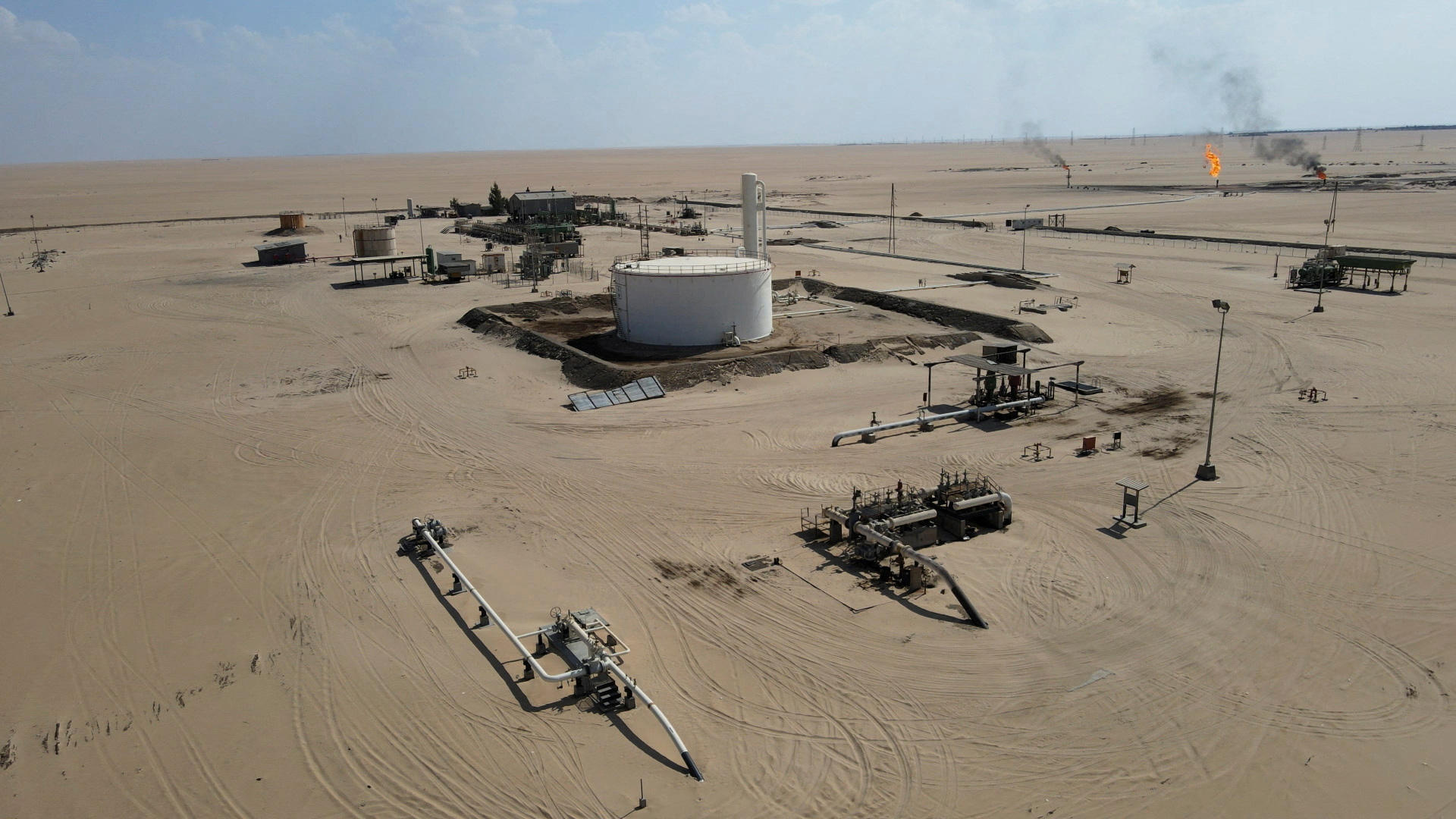
Libya’s ongoing political conflict is jeopardizing its vital oil production, potentially leading to severe disruptions in global supply chains. The strife between rival factions in the country has intensified, raising concerns about the stability of Libya’s oil sector, a crucial component of the global energy market.

The National Oil Corporation (NOC) has reported escalating security threats and operational interruptions at key oil facilities. Production at several major sites, including the Sharara and El Feel fields, has already experienced significant reductions. The disruptions are a direct result of the clashes between the Government of National Unity (GNU) and the House of Representatives (HoR), each backed by different armed groups.

The GNU, based in Tripoli, and the HoR, which controls parts of eastern Libya, have been embroiled in a protracted power struggle. This rivalry has led to a series of blockades and attacks on oil infrastructure, severely impacting the country’s output. The disruption comes at a time when global oil markets are already grappling with volatility due to various geopolitical tensions and economic uncertainties.

Libya’s oil sector, which accounts for approximately 90% of its revenue, has long been a target in the country’s broader conflict. The recent escalation has resulted in reduced exports and financial losses, exacerbating the economic strain on the nation. Analysts warn that prolonged instability could lead to a more prolonged and deep-seated disruption of Libya’s oil exports, affecting global oil prices and supply stability.

International stakeholders, including the United Nations and major oil companies, are closely monitoring the situation. The UN has called for a cessation of hostilities and a return to dialogue to mitigate the impact on oil production. However, the divided political landscape makes it challenging to achieve a consensus or enforce effective measures.

Libya’s oil industry was recovering from years of conflict and mismanagement when the current crisis hit. The industry had seen incremental improvements in production levels and infrastructure upgrades. Yet, the recent conflict threatens to reverse these gains, putting more strain on an already fragile sector.

The uncertainty surrounding Libya’s oil supply has prompted some countries and corporations to seek alternative energy sources or increase their reserves in anticipation of potential shortages. This shift could lead to changes in global energy markets, influencing everything from oil prices to energy policies worldwide.

Efforts to mediate the conflict and stabilize the oil sector have been ongoing, but the entrenched political divisions pose significant obstacles. The situation remains fluid, with potential for further escalation or, conversely, a resolution if diplomatic efforts gain traction.

As the international community watches closely, the immediate concern remains the security of Libya’s oil infrastructure and the broader implications for global energy stability.

A significant security vulnerability in the LiteSpeed WordPress cache plugin has exposed more than 5 million websites to potential cyber threats. This flaw, which has been identified and confirmed by cybersecurity experts, allows attackers to exploit the plugin’s weaknesses and potentially gain unauthorized access to sensitive information. The vulnerability lies within the plugin’s handling of user input, which can be manipulated to execute malicious code. This issue […]

North Korea has increasingly turned to cybercrime to fund its weapons programs, with the U.S. State Department revealing that approximately 40% of these programs are financed using stolen cryptocurrency. This estimate was highlighted as part of the broader efforts by the U.S. and allied nations to curb North Korea’s illicit activities, particularly those linked to its missile and nuclear ambitions. The U.S. has identified that North Korean […]

Trend Micro’s mid-year roundup report highlights resilience of threat actors HONG KONG SAR – Media OutReach Newswire – 27 August 2024 – Trend Micro Incorporated (TYO: 4704; TSE: 4704) a global cybersecurity leader, today warned that threat actors have bounced back from recent law enforcement efforts to unleash a new wave of attacks leveraging AI and other techniques. Read the report “Pushing the Outer Limits: Trend Micro […]

Multiple French websites, including prominent platforms like Doctolib and La Voix du Nord, have fallen victim to a series of cyberattacks. These incidents are attributed to pro-Russian hacker groups such as UserSec, RipperSec, Holy League, and Cyber Army Now. The surge in cyberactivity appears to be linked to the recent detention of Telegram CEO Pavel Durov in France. Doctolib, a widely used digital healthcare platform, and La […]

SHANGHAI, CHINA – Media OutReach Newswire – 22 August 2024 – The adoption of Artificial intelligence (AI) among Mainland Chinese companies has increased steadily over the past three years and is expected to surge in the next 12 months. CPA Australia’s Business Technology Survey 2024 Nearly half of surveyed accounting and finance professionals in Mainland China expect their business will increase the use of AI in the […]

By Dr. Gyan Pathak India bloc’s political moves in Jammu and Kashmir have utterly upset the Union Minister of Home and BJP leader Amit Shah, especially the seat sharing announcement between the National Conference and the Congress, which prompted him to sharply attack Congress on the politically sensitive issue of unity of India asking 10 […]

An Iranian hacking group targeted the WhatsApp accounts of individuals associated with both the Biden and Trump administrations, according to a statement from Meta Platforms. The hackers, posing as tech support agents from well-known companies such as Microsoft and Google, attempted to infiltrate accounts belonging to officials in the United States, the United Kingdom, and the Middle East. Meta revealed that the attempted breaches were part of […]

Linux users of Proton VPN now have access to the WireGuard protocol, a significant upgrade aimed at improving speed and security. This long-awaited feature is part of Proton VPN’s broader initiative to offer a more robust and efficient service for its users, particularly those on Linux platforms. WireGuard is renowned for its lightweight and modern approach to VPN technology, offering faster connection speeds and enhanced security compared […]

  By Nitya Chakraborty   More than seventeen days after the abdication of former Prime Minister of Bangladesh, Sheikh Hasina from power in Bangladesh on August 5 and taking political shelter in India, conflicting trends are visible in the functioning of the interim government headed by Dr. Muhammad Yunus, as also in the activities of […]

As Indonesia advances as a technological and economic powerhouse in Southeast Asia, its cybersecurity landscape is becoming increasingly perilous. The country, recognized for its burgeoning technology sector and strategic significance in finance and logistics, now faces an escalating threat from cybercriminals and state-sponsored hackers. A comprehensive report on Indonesia’s cyber threat environment for 2024 highlights several critical trends. The growing sophistication of attacks is a prominent concern, […]

Ukrainian military operations have reportedly incapacitated three crucial bridges over the Seym River in western Russia, according to statements from Russian sources. The strikes, which are part of Kyiv’s ongoing efforts to disrupt logistics and supply lines in the region, have escalated tensions as the conflict deepens. The targeted bridges are located near the border of Ukraine and are vital for the movement of Russian military equipment […]

ESET Research has uncovered a sophisticated phishing campaign that exploits a novel method to target Android and iPhone users, posing significant risks to mobile security. This phishing strategy involves the use of Progressive Web Apps (PWAs) on both Android and iOS platforms, with Android users being particularly vulnerable due to the additional exploitation of WebAPKs. ESET’s latest investigation highlights a worrying trend where traditional phishing delivery techniques […]

U.S. intelligence agencies have officially attributed a recent series of cyberattacks targeting the 2024 presidential campaigns of Donald Trump and Kamala Harris to Iranian hackers. This confirmation, which marks a significant development in ongoing cybersecurity concerns, highlights Tehran’s broader strategy to interfere in U.S. politics and undermine trust in democratic institutions.

The cyber intrusion, which initially came to light through investigations by private cybersecurity firms, has now been explicitly linked to Iran by a joint statement from the FBI, the Office of the Director of National Intelligence, and the Cybersecurity and Infrastructure Security Agency. The statement underscores the escalating nature of Iran’s cyber operations, particularly as they relate to critical political events in the United States.

According to the U.S. government, these hacking efforts were part of a larger campaign by Iran aimed at influencing the outcome of the U.S. elections. The intrusions were not limited to Trump’s campaign; Harris’ campaign team was also targeted. Hackers reportedly sought to gain access to individuals closely associated with both campaigns, reflecting a concerted effort to gather intelligence and potentially manipulate electoral outcomes.

Private sector entities such as Microsoft and Google had previously issued warnings about similar activities, noting that Iranian groups linked to the Revolutionary Guard had attempted to infiltrate the personal email accounts of individuals connected to both Trump and Harris. These activities were seen as part of a broader pattern of foreign interference that has increasingly characterized U.S. electoral cycles.

Federal officials have emphasized the seriousness of these attacks, noting that they represent not just isolated incidents but a calculated strategy by Iran to exert influence over key aspects of American governance. This strategy, they argue, is particularly concerning given the potential implications for national security and the integrity of the democratic process.

The timing of these revelations, coming as the 2024 presidential race intensifies, adds another layer of complexity to an already fraught political landscape. As U.S. officials continue to investigate the full extent of Iran’s activities, there are growing calls for stronger cybersecurity measures to protect against foreign interference in American elections.

Ukraine has targeted critical infrastructure in Russia’s Kursk region, significantly disrupting supply lines. Over the weekend, Ukrainian forces destroyed a major bridge and damaged another near the area, marking a significant escalation in the ongoing cross-border conflict.

The Ukrainian government confirmed that the assault on these bridges is part of a broader strategy to establish a buffer zone within Russian territory. This tactic aims to create a secure area to better protect Ukrainian-controlled regions and to exert pressure on Russian logistical networks.

The destruction of these bridges is seen as a strategic move to impair Russia’s ability to move troops and supplies efficiently within the Kursk region. Ukrainian officials assert that this operation is crucial for maintaining momentum in their offensive and ensuring the safety of their advancing forces.

The Kursk region, located in western Russia, has been a focal point of the cross-border incursions that began earlier this month. The Ukrainian military’s actions are a part of a broader strategy to counter Russian advances and assert Ukrainian dominance in contested areas. By targeting key infrastructure, Ukraine seeks to undermine Russian operational capabilities and force a strategic realignment.

This development underscores the ongoing volatility of the conflict and the intensifying efforts by both sides to gain an upper hand. The Ukrainian government has been vocal about its need to disrupt Russian supply chains as part of its broader military strategy. The successful execution of these operations demonstrates the effectiveness of Ukraine’s approach and its commitment to its strategic objectives.

The Russian response to these attacks has been swift, with increased security measures and military mobilization in the affected areas. Russian officials have condemned the incursions and vowed to take measures to safeguard their infrastructure and reinforce their defensive positions.

As the situation continues to evolve, the impact of these actions on the broader conflict remains to be seen. The Ukrainian offensive highlights the high stakes of the ongoing struggle and the critical role of infrastructure in modern warfare.

VISHNU RAJA
RYO YAMADA
HITORI GOTOH
IKUYO KITA