News related to
federal

By Dr. Gyan Pathak One day after the “locking down” of the Chief Minister of Jammu & Kashmir Omar Abdullah, his cabinet ministers, his party National Conference legislators, along with leader from the PDP, People’s Conference, and J&K Apni Party in their homes to prevent them from paying homage to Martyrs of July 13, 1931 […]
By Nantoo Banerjee Trade unionism seems to have lost focus in India. It has failed to reform itself to keep pace with economic reforms and globalisation, and changing job scenarios. It is also facing the biggest leadership crisis. The poor public and industry response to the nationwide strike call by 10 central trade unions on […]

Emergency crews have paused operations in Kerr County today following a new surge of torrential rain across Central Texas that renewed flood risks and prompted evacuations. Authorities withdrew search teams from river corridors, citing a high likelihood of flash flooding. The decision came as weather alerts signalled up to two inches of rainfall per hour in parts of Kerrville and along the Guadalupe River, overwhelming swollen tributaries […]

Oil prices have shifted sharply this week, with demand forecasts now under pressure from escalating trade tensions fuelled by fresh tariffs. Brent crude is trading in the high‑60s per barrel, while benchmark WTI hovers around mid‑60s, reflecting growing investor caution. Analysts point to revised supply and demand projections as indicators of a changing market landscape.

An International Energy Agency monthly report has cut its global oil‑demand growth forecast for 2025 to 700,000 bpd, the slowest pace since 2009 outside the pandemic, down from 720,000 bpd last month. The downgrade reflects weaker consumption in emerging markets and a cooling US‑China trade outlook. Supply continues to outpace demand as OPEC+ ramps up production; global output in June rose by about 950,000 bpd to reach 105.6 mbpd.

The IEA notes the oil market remains technically in surplus, with inventories building globally—even as regional stock draws persist. Oil runs at refineries have slowed, particularly in the US and China, enabling downward revisions in demand projections. Enverus Intelligence Research offers a counter‑view, pointing to balanced OECD inventories and sustained summer demand north of 1 mbpd, which may support higher prices.

The US Energy Information Administration expects US crude oil production to plateau at roughly 13.4 mbpd in 2025, dropping modestly later this year as lower prices curb drilling activity. Despite this, producers remain vulnerable to profit erosion unless prices stabilise in the $65–70 range.

President Trump’s trade moves have reignited fears of another global trade war, with new tariff letters dispatched to Brazil, South Korea, Japan, the Philippines and others this week. Threats of 50% duties on exports such as copper, semiconductor components and auto parts are weighing heavily on commodity‑linked equity markets and raising recession risk concerns. Oil prices dropped more than 2% on Thursday as benchmark futures responded to the potential hit to economic growth.

While some market participants remain in “wait‑and‑see” mode, given Trump’s unpredictability and history of policy reversals, the overarching effect is to dampen demand forecasts. Onyx Capital’s head of research, Harry Tchilinguirian, cautions against overreaction but acknowledges that tariffs are adding to inflationary pressures and may reinforce Federal Reserve caution.

Geopolitical flashpoints in the Middle East continue to influence sentiment. Oil surged in June as Iran threatened to close the Strait of Hormuz, which handles almost 20% of world oil shipments, but prices eased once the waterway remained open. Meanwhile, Saudi Arabia raised official prices to consumers, citing strong demand in China’s post‑pandemic recovery, though refiners are reporting margin squeezes.

Financial institutions have started to reflect this shifting environment in their projections. A Reuters‑polled group of 40 analysts revised Brent average forecasts for 2025 to $67.86 per barrel—up marginally from May—while predicting demand growth of only around 730,000 bpd. JP Morgan cut its annual Brent estimate to $66, citing rising OPEC+ output and sluggish consumption. TD Economics trimmed its forecast further, expecting 2025 WTI to average near $62, warning of sustained downward pressure from trade risk and oversupply.

Two factors loom large over the coming months. First, the path of trade tensions: further tariff escalations or retaliatory actions could erode industrial activity and fuel sales. Second, OPEC+ strategy: with the bloc unconstrained in raising output, additional production could overwhelm tepid demand, pushing prices below current levels. The IEA projects supply growth for 2025 at 2.1 mbpd, while demand is seen rising just 700 kbpd.

On the financial front, hedge fund positioning has turned cautious, registering the sharpest drop in bullish sentiment since February. Traders are forecasting narrower price ranges ahead, with elevated volatility as tariff developments hit market headlines.

Forward‑looking forecasts remain mixed. EIA projects Brent to average $68.89 in 2025 and $58.48 in 2026, marking a seasonal decline. Enverus suggests the upside remains intact if demand holds steady, especially with summer driving season underway. Market watchers also note that rising gas‑to‑oil switching costs, refinery restarts and diminished spare capacity could temper price declines.

China’s consumption is also under scrutiny. While Beijing seeks to stimulate growth through fiscal and monetary tools, investor sentiment remains fragile. Saudi’s decision to push prices higher was based on perceived strengthening in Chinese demand, but many analysts caution that any slow‑down could rapidly tip the balance.

Emerging long‑term trends offer some balance. IEA’s long‑term outlook suggests oil demand will continue rising through the late 2020s, driven by non‑OECD economies and slower clean‑energy adoption, delaying peak demand beyond 2030. Nonetheless, short‑term price direction seems firmly tied to macroeconomic risks and geopolitical dynamics.

Bitcoin surged past $118,000 this week, driven by booming ETF inflows and institutional adoption. Bitwise Asset Management’s CIO Matt Hougan forecasted that the leading cryptocurrency could reach $200,000 by year‑end, citing intensified demand and structural momentum.

Industry momentum is underpinned by record ETF inflows. As of Thursday, bitcoin exchange‑traded funds saw $1.18 billion of daily inflows, with total net inflows in 2025 reaching approximately $51 billion. Hougan emphasises that this flood of investment—coupled with restricted supply—is driving a new price discovery phase for BTC. BlackRock’s IBIT, the fastest‑growing spot ETF in history, exceeded $80 billion AUM shortly after its launch.

On‑chain metrics bolster the institutional narrative. Marta technical analyst Katie Stockton of Fairlead Strategies identified a cup‑and‑handle pattern following the breakout above $111,000, projecting a potential climb to around $134,500—an upside of nearly 14 percent from current levels. Additional evidence of a short‑squeeze emerged: over $1 billion in short positions were liquidated within 24 hours as bitcoin surpassed $118,000.

Corporate treasury adoption continues apace. Firms beyond MicroStrategy are increasingly allocating bitcoin holdings. Q2 saw a 23 percent surge in corporate bitcoin ownership, reaching approximately 847,000 coins. Alongside MicroStrategy’s substantial position, companies like GameStop and Figma initiated purchases, with Sequans Communications acquiring 370 coins. This trend reflects a deepening conviction in bitcoin’s strategic value amid macroeconomic uncertainty.

Political developments have also shaped sentiment. The U. S. Senate approved the GENIUS Act in June, defining regulatory frameworks for stablecoins and crypto platforms. Congressional discussions continue on the CLARITY Act and the Anti‑CBDC Surveillance State Act. Meanwhile, an executive order issued on 6 March 2025 established a Strategic Bitcoin Reserve, mandating government retention of forfeited bitcoin and signalling federal endorsement.

Global macro conditions are another tailwind. Federal debt expansion and a weaker dollar, driven by U. S. fiscal policy and potential monetary easing, reinforce bitcoin’s appeal as an inflation hedge. Hougan argues that supply limitations combined with persistent ETF and corporate demand create a compelling bull case.

Closer analysis reveals technical resilience. Support now lies around previous resistance levels—between $108,300 and $112,000. BTC’s consolidation above these benchmarks, paired with strong volume and bullish MACD readings, suggests sustained momentum.

Analysts from Citi, Hashdex, and Kraken echo the bullish tone. Citi describes bitcoin’s behaviour as akin to a physical commodity and part of a diversified risk-on portfolio. Trade Nation’s David Morrison attributes the uptick to widespread investor appetite for risk, while Kraken’s Thomas Perfumo ties the rally to strength in US equities and cascading liquidation of short positions.

Ethereum and other altcoins are not left behind: Ethereum surpassed $3,040 this week, buoyed by its own ETF inflows, while Solana hit $167 driven by increasing trading volume. However, bitcoin remains the primary focus, reflecting its entrenched role in institutional strategies.

Matt Hougan’s forecast of $200,000 rests on three pillars: ETF demand, corporate accumulation, and constrained supply. “Bitcoin is no longer a speculative asset,” he stated; “It’s now a cornerstone in institutional portfolios. This trend is just beginning”. Even if volatility persists, the convergence of demand-side forces underscores a paradigm shift in how bitcoin is perceived by policymakers and capital allocators alike.

Nigeria’s foreign minister, Yusuf Tuggar, has accused the United States of mounting significant pressure on African countries to accept deported Venezuelans, including individuals released directly from US prisons—a demand Nigeria says it cannot meet given its own domestic challenges. Speaking from Brazil at the BRICS summit on 11 July, Tuggar emphasised that with a population of roughly 230 million and pressing socio-economic issues, Nigeria cannot shoulder such responsibilities. The […]

Abu Dhabi—The Central Bank of the UAE has revoked the licence of Al Khazna Insurance Company P. S. C under Article 33 of Federal Decree Law No. 48 of 2023 governing insurance activities, after the firm failed to meet mandatory licensing requirements during a suspension period.

The central bank’s investigations uncovered persistent non-compliance with both the Insurance Law and additional CBUAE regulations throughout the suspension, leading to decisive regulatory action. The move underscores the regulator’s commitment to maintaining the integrity and transparency of the UAE’s insurance sector and broader financial system.

Al Khazna, based in Abu Dhabi, saw its licence suspended earlier in line with provisions introduced under the 2023 law. As part of this suspension, insurers are required to resolve any compliance gaps before licence reinstatement. However, the CBUAE found that Al Khazna failed to correct these deficiencies during that period.

Regulatory scrutiny appears to have intensified since the Insurance Law came into effect, as authorities aim to bolster trust in financial markets. The central bank, acting through its supervisory mandate, has intensified examinations across insurance entities to ensure adherence to legal and regulatory standards.

Industry analysts note that the revocation itself does not automatically trigger an exit cascade, but it sends a stern warning. “Companies that fail to meet minimum capital, solvency or operational standards risk losing their licences outright,” said an insurance consultant based in Dubai. The loss of licence bars Al Khazna from conducting any further insurance operations in the UAE unless formally reinstated under strict new terms.

Under the Insurance Law, the CBUAE is mandated to revoke licences if, during suspension, firms fail to comply with corrective actions, including capital adequacy, governance, risk management and statutory reporting. The central bank’s review team reportedly flagged multiple gaps, though details of specific breaches have not been made public.

The CBUAE’s zero-tolerance approach signals broader regulatory tightening across financial services. Since March, the central bank has levied fines totaling over AED 2.6 million against certain insurance firms and banking institutions for breach of tax compliance, antimoney‑laundering and other framework violations.

Following Al Khazna’s licence revocation, policyholders may face claims uncertainty. The CBUAE has provided guidelines to insurers under licence suspension, recommending them to continue servicing in-force policies and settle outstanding claims under regulatory oversight. It is expected that the regulator will enforce a similar approach for Al Khazna to safeguard consumer interests. Discussions are reportedly underway with other operators to absorb liability where needed, according to industry insiders.

Market reaction has been muted so far. Shares of listed insurers remained steady, while privately held peers are reviewing their own compliance procedures. “This clearly demonstrates that regulatory grace periods must be matched with swift corrective action and transparency,” said the insurance consultant in Dubai.

Al Khazna joined a wave of sector-wide transformation last year when the Insurance Law was introduced. Designed to implement international best practices, the legislation set new capital thresholds, risk frameworks and governance structures for all insurers its jurisdiction. Experts say the law’s strict enforcement marks a seminal shift towards a more robust and risk-aware sector.

A spokesperson for the CBUAE emphasised that regulatory enforcement will continue. “The decision affirms our mandate to uphold the stability and integrity of the UAE’s financial system,” the spokesman said at a press briefing in Abu Dhabi. “All insurance firms must adhere fully to the legal and regulatory standards or face similar consequences.”

Al Khazna’s licence revocation now places it among a small but growing list of financial firms that have failed to align swiftly with enhanced regulatory norms. It remains unclear whether the firm will pursue a licence reinstatement by dissolving all compliance breaches or whether it will exit the market. Sources within the firm declined to provide comment on next steps.

Following Al Khazna’s licence revocation, the central bank may step up its inspection frequency across the sector. Regulators are expected to issue fresh guidance to insurers on enhancing risk management, capital planning and governance practices. Analysts believe this incident will encourage all players to accelerate internal audits and compliance enhancements.

The CBUAE has also emphasised its openness to collaboration. It continues to engage with industry stakeholders via working groups and technical committees to align regulatory expectations with market realities while protecting policyholders.

Advertisements

U. S. consumers now contend with an effective tariff rate exceeding 20%, marking the steepest level observed since the early 1900s, according to estimates by the International Chamber of Commerce following the latest round of import levies introduced under President Trump’s administration. This escalation stems from a newly implemented baseline tariff of 10%, supplemented by selective duties—up to 50% on copper and 200% on pharmaceuticals—pushing the overall […]

European Parliament approved the removal of the United Arab Emirates from its “high-risk third countries” list for money laundering and terrorist financing, a decision aligned with its earlier removal by the Financial Action Task Force in February 2024 and marking a pivotal regulatory victory. This shift reduces the compliance burden on trade and financial flows, enhancing Abu Dhabi’s ambitions to deepen ties with Brussels and attract global investors.

Parliament’s vote endorsed the European Commission’s update to the list, which also saw the UAE’s delisting alongside jurisdictions like Gibraltar, Barbados and Panama, while new entries such as Monaco and Kenya were added. The move followed intense technical dialogue between Emirati authorities and EU institutions, satisfying the bloc’s concerns with enhanced cooperation on financial intelligence sharing and asset recovery.

Mohamed bin Hadi Al Hussaini, the Minister of State for Financial Affairs, described the decision as a “strategic milestone” that underscores global recognition of the UAE’s robust framework. He emphasised that this represents a shift toward positioning the UAE as a transparent, resilient and globally trusted financial centre – a foundation for attracting sustained investment.

These reforms follow a sweeping crackdown on non-compliance, with over AED 339 million in fines levied by the Central Bank on exchange houses, banks and insurers. The fines were part of a wider national strategy enacted under Federal Decree‑Law 20/2018 and its amendments, stretching regulatory oversight to real estate, precious metals, auditing and digital asset sectors.

Hamid Saif Al Zaabi, Secretary‑General of the National Anti‑Money Laundering and Combating the Financing of Terrorism Committee, told WAM that the EU’s removal affirms successful system‑wide integration across public and private sectors. He described the outcome as the result of a sustained national strategy dating back to 2014, supported by Cabinet-approved action plans and ongoing capacity‑building initiatives.

Despite commendations for its progress, Transparency International cautioned that delisting should not be interpreted as full clearance. The organisation noted persistent challenges in real estate safeguards and oversight of politically exposed persons, calling for ongoing vigilance and structured dialogue.

Financial experts note that removal from the EU’s list could yield significant economic dividends. The International Monetary Fund estimates capital inflows may surge by as much as 7.6 per cent of GDP, with foreign direct investment potentially rising by around 3 per cent. Gulf region analysts view delisting as unlocking smoother trade with Europe across sectors such as renewable energy, fintech and digital infrastructure.

Diplomatic messaging framed the delisting as a mutual strategic victory. UAE Minister Ahmed bin Ali Al Sayegh called it “independent recognition” of Abu Dhabi’s dedication to high international standards. EU Ambassador to the UAE Lucie Berger described it as deepening trust and advancing a shared commitment to economic safeguard and global security. Simultaneously, EU trade officials suggested that the move removes political and regulatory barriers ahead of ongoing free trade agreement negotiations with the UAE.

While the FATF had cleared the UAE in early 2024, the EU’s delayed action mirrored its own rigorous oversight cycle. In March 2023, the EU flagged the UAE for strategic deficiencies before launching a renewed process that incorporated enhanced inter-agency cooperation and legal reform.

Next on the UAE’s reform agenda is ensuring resilience in emerging risk domains such as cryptocurrency laundering and cross-border terror financing. Analysts emphasise that maintaining international trust will require sustained enforcement, legislative updates scheduled for later this year and deeper public–private collaboration.

Moscow has formally placed Yale University on its “undesirable organisations” list, citing the institution’s alleged role in orchestrating anti-Russian activities and training opposition figures. Russian authorities accuse Yale’s Jackson School of Global Affairs, particularly its International Leadership Center, of educating individuals who later joined the Anti‑Corruption Foundation founded by the late Alexei Navalny, using their acquired skills to fuel protest movements. The Prosecutor General’s Office claims this […]

U. S. President Donald Trump has announced a sweeping 50 % tariff on copper imports, jolting commodity markets and triggering sharp moves across financial sectors. Copper futures in the United States surged to record highs, while international benchmarks in London and Shanghai retreated under mounting uncertainty surrounding shipment logistics and timing. At a Cabinet meeting, Trump confirmed the unprecedented levy, citing national security and a desire to bolster […]

Kuwait Investment Authority, the sovereign wealth fund managing over US $1 trillion in assets, has divested a US $3.1 billion stake in Bank of America, according to sources familiar with the unregistered block trade. The shares were sold at US $47.95 each—at the bottom of Goldman Sachs’s marketed range—underscoring a strategic move to liquidate a long-held position. The sale marks a notable shift from the fund’s crisis-era backing of Merrill Lynch. In […]

Federal Authority for Identity, Citizenship, Customs and Port Security has issued a strong and authoritative rebuttal to claims circulating that the United Arab Emirates is offering lifetime Golden Visas to certain nationalities. In its statement on 8 July, ICP emphasised that Golden Visa eligibility is strictly governed by existing laws, ministerial decisions, and official regulations. Applications are processed only via UAE government channels—no consultancy firm, internal or external, has legitimate authority to promise visa grants under simplified conditions.

The statement was prompted by alleged press releases from a foreign consultancy office claiming applicants could secure lifetime Golden Visas for all categories from abroad. ICP characterised these claims as legally baseless and made without coordination with UAE authorities. Following these claims, several Indian and UAE-based outlets reportedly published the information before the ICP clarified its position.

While ICP refrains from naming the specific consultancy, it has warned of impending legal action against entities using false promises to extract money from individuals seeking long-term residency in the UAE. “Entities spreading such false information [are] exploiting [people’s] hopes for a dignified life,” the authority stated. It urged the public to verify procedures through official sources, including its website and app, or by contacting the designated call centre at 600522222.

The ICP insisted that the Golden Visa framework remains unchanged: eligibility criteria, procedural regulations, and visa categories continue to be defined by UAE law and ministerial orders alone. The visa remains accessible only to those meeting these statutory provisions, and all processes must follow the established, government-operated digital platforms.

This response comes amid a broader pattern of misinformation regarding Golden Visa eligibility. Earlier this month, another wave of misleading reports claimed investors in digital currencies—particularly in Toncoin—had qualified for a ten-year Golden Visa by staking cryptocurrency. In response, ICP, alongside the Securities and Commodities Authority and the Virtual Assets Regulatory Authority, issued a joint statement rejecting those claims and reminded the public that cryptocurrency investment is not a recognised category for Golden Visa issuance.

Under the official programme, Golden Visa eligibility remains targeted to specific categories: real-estate investors, entrepreneurs, exceptional talents, qualified professionals, scientists and researchers, high-performing graduates and students, frontline workers, humanitarian pioneers, and notable maritime asset holders. The ICP reaffirmed that these criteria are set in accordance with legal frameworks and are unchanged by the rumours.

Despite the cross-border spread of misinformation, UAE authorities appear resolute in their commitment to transparency, integrity, and regulatory enforcement. The ICP has stated that all application processes must occur through official digital services, and only those platforms bear the authority to collect fees or accept documentation. Third-party entities claiming to facilitate visa applications risk legal consequences.

Experts underscore the potential fallout from such false claims. “Misleading promises fuel public confusion and pose reputational risks for the UAE’s visa systems,” noted one legal analyst based in Dubai, requesting anonymity. Misinformation casts doubt on the authenticity of the Golden Visa programme and could encourage fraud. UAE authorities increasingly rely on legal measures and public advisories to counteract false narratives.

The timing of this clarification aligns with heightened international interest in UAE residency schemes. In early July, news emerged that the UAE was piloting a streamlined lifetime Golden Visa pathway for Indian nationals under the UAE‑India Comprehensive Economic Partnership Agreement. Under the pilot, eligible Indian applicants could receive life-long residency without property investment, upon nomination and the payment of AED 100,000. This development appears to have driven a surge in media attention and consultation requests aimed at service providers.

While the ICP has not confirmed or elaborated on a pilot programme specific to any nationality, it advised the public to seek information strictly through official platforms. Interested parties are encouraged to consult the ICP website or app for updates on visa categories, including any new arrangements introduced under international agreements.

Signals from the UAE government reflect a dual strategy: expanding its talent- and investment-focused Golden Visa system, while firmly safeguarding procedural integrity. Through legislative collaboration, digital transformation, and cross-border trade agreements, the UAE continues to enhance its residency framework. However, officials remain vigilant against exploitation and fraudulent intermediaries.

As the visa environment evolves, clarity from ICP and associated authorities remains vital. Their recent intervention serves to remind the public that any deviations from established criteria are unauthorised and legally questionable. For those pursuing Golden Visa status, due diligence and reliance on official channels are indispensable.

Sterling’s recent rally has little to do with the UK economy suddenly outperforming expectations. It has everything to do with the dollar falling out of favour. When the pound hit $1.365 this week—its strongest level since early 2022—it was a flashing red signal that international investors are losing faith in the greenback. Let’s not pretend this is about interest rates. The Federal Reserve is still holding firm, […]

UAE authorities have categorically dismissed claims that cryptocurrency investors can secure a 10‑year golden residency visa, stating that such privileges are reserved for specific sectors such as real-estate investors, entrepreneurs, top-tier talents, scientists, specialists, leading students and graduates, humanitarian pioneers and frontline workers.

In a joint statement, the Federal Authority for Identity, Citizenship, Customs and Port Security, the Securities and Commodities Authority and the Virtual Assets Regulatory Authority made clear that no visa pathway exists based solely on digital asset investment. The clarification, issued in response to social media promotions tied to TON coin staking, noted that licensed companies dealing in virtual assets must follow standard visa procedures set by Dubai authorities—contradicting any assertion of automatic long-term residency for such investors.

The declaration emphasised that golden residencies, formally known as “golden visas,” are awarded selectively. Eligible recipients include individuals contributing significantly through real-estate acquisition, entrepreneurship, exceptional professional or academic achievements, humanitarian efforts, scientific innovation and frontline services. Digital asset holders, including those with TON coin, are not part of this framework.

VARA underscored that any licensed firm engaged in virtual assets must adhere strictly to visa regulations approved by Dubai’s government. The authority explicitly stated that TON is not among the licensed virtual asset service providers regulated by VARA—which serves as a reminder that third-party programme claims cannot confer regulatory endorsement or visa rights.

Market reactions were swift. TON’s market value dropped roughly 6% after the regulators’ denial, reversing an earlier 10% rally sparked by reports suggesting that staking over $100,000 of the cryptocurrency for three years would qualify investors for golden residency. The dip reflects investor recalibration, as participants digest the official position.

Crypto-focused platforms including Cointelegraph and CryptoBriefing reported that the golden visa narrative around TON did not originate from UAE government entities, but from promotional efforts tied to TON itself or affiliates. Such promotions framed virtual-asset investments as viable residency routes, a stance regulators assert is misleading.

Historically, the UAE has granted golden visas to boost innovation and long-term commitment within its economic ecosystem. Introduced in 2019, the visa allows extended residency ranging from five to ten years for designated groups, including investors, researchers, medical professionals, outstanding students, frontline responders and humanitarian workers. The UAE’s focus has been on attracting tangible economic and social capital—not speculative virtual-asset portfolios.

The political economy of the golden visa scheme underscores the government’s desire to diversify its talent pool while retaining high-calibre individuals. Notably, real-estate investors must typically commit AED 2 million or more, and entrepreneurs require projects valued at least AED 500,000, alongside approved incubator backing. There is no parallel threshold for cryptocurrency holdings.

VARA’s clarification additionally served as a broader caution to the public, urging consumers to engage only with fully licensed and regulated entities in the virtual-asset space. This aligns with the authority’s ongoing efforts to mitigate risk, prevent fraud, and ensure compliance within the rapidly evolving crypto sector.

Legal analysts note that agencies like ICP, SCA and VARA carry statutory authority over immigration, securities and virtual asset regulation, respectively—a strong indicator that their joint statement holds legal weight. Any company or platform claiming otherwise could face regulatory investigation for misleading representations.

Industry experts praised the clarity of the communication, saying it helps dispel misconceptions among investors attracted by sensational claims. “Regulation must keep pace with innovation,” commented one Dubai-based compliance specialist. “But investors also bear responsibility to verify claims, particularly when residency and investment are involved.”

Within the wider crypto ecosystem, this development is neither isolated nor unexpected. Regulators across jurisdictions have increasingly emphasised that digital-asset holdings alone rarely guarantee immigration benefits. The UAE’s decisive response may serve as a model for governments balancing openness to innovation with prudence in immigration policy.

Moving forward, observers will watch closely whether the UAE institutes any formal framework for crypto-linked residency benefits. VARA and SCA have previously launched licensing regimes for exchanges and service providers, hinting at a broader regulatory ecosystem under development. However, until there is explicit policy inclusion, golden visa eligibility remains restricted to well-defined categories.

Legal scholars suggest that should UAE authorities wish to incorporate virtual-asset investment into residency policy, formal amendments would need to be tabled via corporate regulations and immigration law. Meanwhile, the current guidelines offer clear instruction: digital asset investment, regardless of size, is not sufficient to obtain a golden residency in the UAE.


The Securities and Commodities Authority has granted formal approval for licensed portfolio management firms to offer robo-advisory services across the UAE mainland, marking a substantial enhancement to the nation’s digital investing infrastructure.

This federal authorisation extends beyond the jurisdiction of financial free zones such as the Dubai International Financial Centre and Abu Dhabi’s FSRA, bringing all robo-investment services under a unified regulatory umbrella. The move is expected to reinforce protections for retail investors via stricter oversight and compliance requirements.

Under the new regime, firms will deliver automated investment recommendations powered by artificial intelligence and advanced algorithms. These platforms evaluate individual risk profiles to design tailored asset allocations, typically leveraging exchange‑traded funds or index funds at lower cost than conventional advisory channels.

The SCA mandates a comprehensive governance framework: independent IT audits, stringent cybersecurity protocols, periodic algorithm reviews and transparent disclosures of fees and investment risks. Licensed providers will adhere to the existing discretionary and non‑discretionary portfolio management frameworks within client agreements.

SCA CEO Waleed Saeed Al Awadhi described the regulation as a manifestation of the UAE’s strategic digital transformation. He stated that integrating AI into investment decision-making will enhance efficiency and create “smart, sustainable, and secure financial solutions,” reinforcing the UAE’s goal of becoming a world-class financial hub.

Market analysts note that assets under management in global robo-advisory were forecast to reach US $2.06 trillion in 2025, with user numbers hitting 34 million by 2029. In the UAE, platforms such as Sarwa, StashAway and Baraka currently operate under DIFC and FSRA regulation, but this federal licence allows them to onboard mainland clients directly.

Retail investor appetite for technology-driven investment options has surged, as seen in the rising adoption of zero‑commission trading platforms including Robinhood, eToro and Interactive Brokers. The introduction of a federal licence for robo‑advisers is expected to broaden participation further.

Industry experts emphasise both promise and caution. Vijay Valecha, chief investment officer at Century Financial, applauds the harmonisation of regulation across jurisdictions, stating it “provides further protection and transparency to retail investors” and bolsters international competitiveness. Raaed Sheibani of StashAway commented that the clearer regulation framework will “expand digital investing in the UAE” and boost investor confidence.

However, concerns endure regarding the limitations of algorithmic advice. Rupert Connor of Abacus Financial Consultants warned that robo-advisers often lack capacity to handle complex scenarios involving tax planning, inheritance, or behavioural guidance during volatile markets. Financial coach Jay Adrian Tolentino added that algorithm-based systems may miss elements of personal context that can be crucial. Technical vulnerabilities, including outages or system failures, also remain a potential risk.

With stricter federal oversight, the SCA expects a rise in trust and participation from mainland investors, leveraging automation to democratise wealth creation. The initiative aligns with the UAE’s broader “We the UAE 2031” vision of fostering a knowledge-based, resilient economy through fintech innovation.

Elon Musk has announced the formation of the “America Party”, marking a definitive rupture with Donald Trump. The billionaire declared the project via a post on X, stating the party is “formed to give you back your freedom” and emerged in response to overwhelming support—by a two‑to‑one margin—expressed through a poll on his platform. This move comes after Musk condemned Trump’s “One Big Beautiful Bill”—a sweeping $3.3 trillion […]

The U. S. House of Representatives will convene “Crypto Week” from 14–18 July to vote on three pivotal digital asset bills: the CLARITY Act, the Anti‑CBDC Surveillance State Act, and the GENIUS Act. This coordinated effort signals a major shift in federal crypto policy as lawmakers aim to clarify regulation, protect financial privacy, and foster blockchain innovation.

The CLARITY Act seeks to establish a definitive regulatory framework by delineating the roles of the SEC and CFTC, mandating the segregation of customer funds, and requiring enhanced retail disclosures. It has already passed through both the Financial Services and Agriculture Committees by decisive margins, reflecting bipartisan support and responding directly to industry demands for legal certainty.

The GENIUS Act, recently approved by the Senate in a strong 68–30 bipartisan vote, focuses on stablecoin regulation. It mandates that stablecoin reserves be held in high‑quality, liquid assets such as U. S. Treasuries, requires annual audits for issuers with over $50 billion in market cap, and clarifies regulatory oversight while allowing banks to issue their own tokens. The bill now awaits a House vote, with hopes of reaching the president’s desk by late July.

The Anti‑CBDC Surveillance State Act takes a definitive stance against a federally issued central bank digital currency, effectively prohibiting the Federal Reserve from developing or distributing a CBDC. Proponents frame it as a necessary measure to safeguard financial privacy and prevent potential government surveillance through digital currency systems.

Deputy Speaker Mike Johnson and committee chairs, including Financial Services Chair French Hill and Agriculture Chair GT Thompson, have emphasised that this legislative package aligns with former President Trump’s digital assets agenda — aiming to position the U. S. as a leader in crypto innovation. Johnson stated that the bills would deliver the full scope of that agenda, while Hill highlighted that the initiative would finally provide clarity for innovators, protecting both consumers and the broader digital economy.

Majority Leader Steve Scalise echoed the sentiment, saying the legislation would solidify the U. S.’s global leadership in digital assets. Minority voices have also weighed in: Majority Whip Tom Emmer described the moment as a “historic opportunity” to uphold “privacy, individual sovereignty, and free‑market competitiveness.” Senator Bill Hagerty voiced Senate support, noting the urgency of enacting these measures swiftly.

While the GENIUS Act has Senate backing, the CLARITY Act has faced scrutiny from Democrats and former regulators. Experts such as ex‑CFTC Chair Timothy Massad have warned that its provisions could be overly broad or convoluted, advocating instead for a collaborative regulatory approach between the SEC and CFTC. Concerns also persist among left‑leaning lawmakers that pairing the CLARITY Act with stablecoin regulation could stall progress, despite strong crypto industry support calling for their passage in tandem.

Lawmakers like Rep. Warren Davidson have promoted consolidating stablecoin, market‑structure, and CBDC ban measures into a single legislative package to ensure comprehensive reform. However, this strategy may encounter resistance in the Senate, potentially delaying the bills past the intended timeline.

The Senate’s passage of the GENIUS Act earlier this month reflected growing bipartisan agreement on stablecoin oversight but also revealed tensions over inclusion of Trump‑era cryptocurrency interests. Indeed, some critics have raised ethical questions about exempting the president’s family from the bill’s prohibitions on member profits, and the influence of Trump‑linked ventures that reportedly earned tens of millions from crypto operations.

Despite these controversies, House Republicans are pushing ahead with “Crypto Week” as a gateway to shaping U. S. cryptocurrency policy. The CLARITY Act furthers efforts made under the FIT21 digital asset law passed in May 2024, which established initial delineation of regulatory authority.

As 14 July approaches, industry stakeholders, advocacy groups, and congressional offices are bracing for intense debates. Passing these bills could redefine market structures, unlock stablecoin innovation, and reinforce constitutional privacy rights—or it may start a protracted legislative battle over oversight, accountability, and the future role of federal oversight in digital currencies.

Gulf Cooperation Council stock markets rallied in June, with the S&P GCC Composite Index climbing 3 % on easing Middle Eastern tensions and growing expectations of US interest rate cuts. Investor sentiment strengthened across the region, led by notable gains in Kuwait and Dubai. Kuwait’s All Share Index recorded a 4.2 % rise in June, lifting its year‑to‑date performance to 14.8 %. The consumer‑staples and real‑estate sectors led the charge, […]

KUALA LUMPUR – Media OutReach Newswire – 2 July 2025 – This Thursday at 12:30 p.m. UTC, the U.S. Bureau of Labor Statistics will release its highly anticipated Nonfarm Payroll (NFP) report. While typically issued on the first Friday of each month, this week’s release has been brought forward due to the upcoming U.S. Independence Day holiday. The NFP report is traditionally considered to be the most […]

Cloud accounting is software for managing financial records that operates online. Unlike traditional on-premise solutions, you don’t need to install programs on your computer — just a browser and internet access. All data is stored on secure servers, allowing you to access your accounting anytime, from any device. In the UAE, the digital economy is rapidly growing, and the government supports businesses adopting modern technologies. Cloud accounting […]

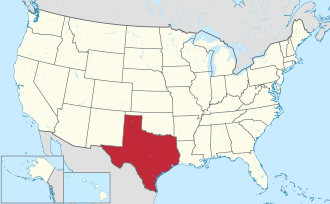
Governor Greg Abbott has enacted House Bill 1056, authorising Texans to use gold and silver as legal tender for routine financial transactions beginning on 1 May 2027. The measure amends the state government code, empowering the comptroller’s office to set the metal-to-dollar exchange rate at the time of each transaction.

Abbott emphasised that the move draws upon Article I, Section 10 of the United States Constitution, which restricts states from issuing currency other than gold or silver coins. Although federal reserve notes will remain lawful, the new law permits their coexistence and makes acceptance of precious metals optional for businesses and consumers.

Supporters regard the law as a historic step toward financial sovereignty, providing residents with greater control over their assets. The initiative is the latest in Texas’s broader push toward alternative currencies, complementing the establishment of a state strategic bitcoin reserve. Advocates say this diversification could act as a hedge against inflation and enhance the resilience of the state’s economy.

The meteoric trajectory from legislative passage to effective implementation is significant, but practical details remain in development. Texans will deposit metals into accounts at the Texas Bullion Depository in Leander and access them using a debit-card system. Each transaction will convert metal to dollar value based on comptroller-set pricing, though specifics on fees and merchant participation are yet to be disclosed.

While market reaction has been measured, analysts predict the legislation could lift local demand for physical gold and silver, particularly if residents embrace the option. Economists also note that instituting this system requires robust authentication and verification mechanisms, as stakeholders raise concerns over counterfeit metal use.

Retailers might face logistical hurdles, including securing reliable point-of-sale systems and managing valuations for fluctuating metal prices. Abbott’s office has indicated that public education campaigns and pilot programmes are planned to facilitate adoption.

Texas is the first state to operationalise gold and silver for daily commerce on this scale, though several states maintain statutes recognising their role as legal tender without establishing transaction mechanisms. Prior experiments in alternative currency systems include “Goldbacks,” privately issued gold notes accepted in select locations, but these lacked legal backing at the state level.

The new law’s dual focus on precious metals and bitcoin underscores Texas’s ambition to position itself at the forefront of monetary innovation. By leveraging constitutional provisions, state officials aim to expand the toolkit available to residents and businesses, offering both tangible and digital currency options.

Nonetheless, detractors caution that the metal-based system may complicate transactions and add regulatory burdens. Verification protocols, pricing transparency and merchant liability issues will need careful management to avoid undermining public confidence. Texas’s comptroller is expected to issue guidance on these matters in the coming months to ensure a smooth rollout.

Implementation will proceed incrementally over the next 22 months, with the comptroller’s office overseeing regulatory design and infrastructure setup. If executed effectively, the scheme could serve as a model for other states contemplating alternatives to fiat currency; if not, it may highlight the complexity of adding precious metals to everyday monetary flows.

Google has entered a landmark 200‑megawatt power purchase agreement with Commonwealth Fusion Systems, in what is being hailed as the world’s first corporate direct offtake of fusion energy. The power will be supplied by CFS’s ARC fusion reactor, planned for a site in Chesterfield County, Virginia, a critical data‑centre hub. Under the agreement, Google will also boost its equity stake in CFS, matching its commitment from a […]

Star Entertainment is confronting a fresh financial crisis as its partners in the Brisbane Queen’s Wharf development have formally sought to cancel the sale of the casino operator’s 50 per cent interest in the integrated precinct. This blow lands just days after shareholders approved a $300 million rescue package that was expected to stabilise the business. The termination notice, issued by Hong Kong-based Far East Consortium and Chow Tai Fook […]

VISHNU RAJA
RYO YAMADA
HITORI GOTOH
IKUYO KITA